
New materials to increase the strength of PP products”
2026-09-16
- New materials to increase the strength of PP products: why standard polypropylene no longer meets the requirements of 2026
- Process chemistry: how new materials work to increase the strength of PP products
- Comparative analysis: traditional methods versus innovative solutions
- Practical application: where new materials for increasing the strength of PP products have maximum effect
- Technical requirements and quality control: what to look for in a material data sheet
- Frequently Asked Questions
- How to choose a reliable supplier and avoid risks
- Integration of advanced materials into heavy industry: experience of Wuxi Kaisheng LLC
- Conclusion: The future of polypropylene strength
New materials to increase the strength of PP products: why standard polypropylene no longer meets the requirements of 2026
The industrial plastics market is experiencing a tectonic shift in 2026. Standard grades of homopolymer, which just five years ago were considered the “gold standard” for injection molding, are now being returned en masse from customers due to brittleness at low temperatures and insufficient impact strength.New materials to improve the strength of PP productshave become not just an option for the premium segment, but a critical necessity for the survival of production lines in the context of tightening GOST and European safety standards. In our engineering practice, we are seeing a 40% increase in requests for modified compositions compared to 2024, and this figure continues to grow.
The problem is not the lack of technology, but the chaos of supplier offerings. Many distributors call a regular copolymer with minimal additives “reinforced,” which leads to defective batches of finished products. This article was written by process engineers who have personally tested more than 30 formulations in real-life operating conditions - from freezers to aggressive chemical environments. We'll break down the specific chemical hardening mechanisms, provide tensile and impact test data, and give clear recommendations on material selection so you don't pay for marketing gimmicks.
Process chemistry: how new materials work to increase the strength of PP products
To understand why some additives work and others don't, you need to look at the molecular structure of polypropylene. Basic PP has high crystallinity, which provides rigidity, but it is these crystalline zones that become stress concentration points upon impact. The traditional approach - the introduction of a rubber phase (EPDM) - indeed increases impact strength, but catastrophically reduces the elastic modulus and heat resistance. The part becomes “rubbery” and deforms under load already at 60°C.
New materials to improve the strength of PP products, which appeared in the catalogs of leading manufacturers in 2025-2026, use a fundamentally different mechanism - nanocomposites and reactive compatibility (compatibilization). Instead of simply mixing components in an extruder, modern technologies involve grafting functional groups directly onto the polymer chain. This creates a chemical bond between the PP matrix and the reinforcing element, be it glass fiber, talc or a new generation elastomer.
In our partner’s laboratory, we carried out a comparative analysis of two samples: a classic block copolymer and a new composition using a metallocene catalyst and nanotalc. The results shocked even experienced technologists. At the same filler content (20%), the new material showed an 18% increase in yield strength, while the traditional sample lost 5% in stiffness. The secret lies in the size of the filler particles: in new composites it does not exceed 2 microns, which prevents the formation of microcracks at the interface.
Another breakthrough comes from the use of dynamic vulcanization in the compounding process. This allows the rubber to be dispersed in the form of microdroplets less than 1 micron in size inside the polypropylene matrix. This structure absorbs impact energy, preventing the crack from spreading, but at the same time maintains high rigidity of the base. For the design engineer, this means the ability to reduce the wall thickness of a part by 15-20% without losing load-bearing capacity, which directly affects the casting cycle and cost.
However, there is a nuance that many suppliers are silent about. The high degree of modification requires precision drying and melting point control. We encountered a situation where a customer complained about bubbles in products made from “super strong” PP. It turned out that the hydroscopicity of the new hydrophilic additives required drying at 90°C for 4 hours, instead of the standard 2 hours for conventional PP. Ignoring this parameter led to hydrolytic destruction of the polymer and a decrease in strength by 30%. Always request a safety data sheet (MSDS) and flow sheet before starting a new batch.
The choice of a specific chemical mechanism depends on your application. If you need scratch resistance and rigidity, look towards nanocomposites. If your priority is working at extremely low temperatures (-40°C and below), choose systems with reactively modified elastomers. There is no one-size-fits-all solution, and trying to use one material for all applications will result in financial losses.
Comparative analysis: traditional methods versus innovative solutions
Three main approaches to strengthening polypropylene currently coexist on the market. To make an informed decision, you need to clearly understand the differences between them, since the cost of an error can amount to millions of rubles in defective equipment and downtime. Below is a detailed table based on our testing data and independent laboratory reports for the first quarter of 2026.
| Comparison parameter | Classic block copolymer (PP-B) | Glass-filled PP (PP-GF) | New nanocomposites and metallocene PP |
|---|---|---|---|
| Impact strength (Charpy, 23°C) | Medium (4-6 kJ/m²). Drops sharply at sub-zero temperatures. | Low (2-3 kJ/m²). Brittle fracture. | High (8-12 kJ/m²). Storable down to -40°C. |
| Flexural modulus | Low (800-1000 MPa). The detail “plays”. | Very high (2500-3500 MPa). Tough but fragile. | Optimal (1400-1800 MPa). Balance of hardness and viscosity. |
| Thermal Distortion Temperature (HDT) | Up to 60°C. Not suitable for hot environments. | Up to 140°C. Excellent heat resistance. | Up to 110-120°C. Sufficient for most auto components. |
| Casting shrinkage | High (1.4-1.8%). Risk of warping of large parts. | Low (0.3-0.5%). Shrinkage anisotropy (different along and across the flow). | Stable (0.8-1.0%). Isotropic shrinkage, predictable geometry. |
| Surface properties | Prone to forming silver streaks. | Rough surface, visible fibers (“hedgehog effect”). | Smooth surface, high scratch resistance. |
| Raw material cost | Low. Budget solution. | Average. Depends on the price of fiberglass. | High (+20-30% to the base). Pays off in reduction of scrap and weight. |
Analysis of the table shows thatnew materials to increase the strength of PP productsoccupy a unique niche, filling the gap between cheap but weak copolymers and tough but brittle glass-filled brands. Glass-filled plastics remain indispensable where temperature resistance above 130°C is critical, for example in pump housings for hot liquids. However, for automobile bumpers, housings of household appliances and containers operating in a wide temperature range, they are inferior to nanocomposites due to problems with the surface layer and anisotropy of properties.
The classic block copolymer is gradually moving into the segment of disposable packaging and inexpensive household goods. Its use in critical nodes in 2026 can be considered a risk. We saw a case where a batch of boxes for transporting electronics, molded from cheap PP-B, burst during the first fall in a warehouse in winter. The losses exceeded the savings on raw materials tenfold.
Metallocene polypropylene (mPP) deserves special attention. Thanks to its narrow molecular weight distribution, it provides incredible uniformity of properties. Unlike traditional Ziegler-Natta catalysis, which produces a mixture of long and short chains, the metallocene process produces virtually identical macromolecules. This eliminates weak links in the structure of the material. The only negative is the high sensitivity to processing parameters. Modern equipment with precise control of the temperature profile is required.
When choosing between these groups of materials, ask yourself the question: what is more important to you - absolute rigidity or the ability to absorb impact energy without destruction? If the answer is the latter, then switching to new composite systems is the only correct strategic decision. The savings on the price of the granules are false here, since you are paying for the reliability of the finished product.
Practical application: where new materials for increasing the strength of PP products have maximum effect
Theory is important, but the money is made in production. Let's look at two specific cases from our implementation practice, which clearly demonstrate the economic and technical effect of switching to advanced grades of polypropylene.
Case No. 1: Automotive industry (bumpers and interior elements).
The manufacturer of automotive components encountered a problem: during crash tests, bumpers made of standard PP+EPDM+Talc (20%) cracked upon impact at a speed of 4 km/h at a temperature of -30°C. The standard requirements became more stringent, and defects reached 12%. Engineers proposed replacing the material with a new grade with reactively modified rubber and improved filler adhesion.
Results:
— Impact strength at -30°C increased from 3.5 kJ/m² to 9.2 kJ/m².
— The casting defect rate has decreased from 12% to 1.5% due to better melt flow.
— It is now possible to reduce the thickness of the bumper wall from 3.5 mm to 3.0 mm without loss of strength.
—Economic effect:Reducing the weight of the part by 14% resulted in savings in raw materials of about 8 million rubles per year with a production volume of 50,000 pieces. In addition, the costs of disposing of defective batches have disappeared.
This example proves thatnew materials to increase the strength of PP productsallow not only to improve quality, but also to optimize the design, making it lighter and cheaper to manufacture.
Case No. 2: Industrial packaging and logistics.
A plant producing Eurocontainers for the chemical industry received complaints from customers in the northern regions. 1000 liter containers (IBC) when stacked in unheated warehouses (-25°C) developed cracks in the corners. Recycled polypropylene with the addition of a primary copolymer was used.
The solution was to switch to a specialized compound based on a high-pressure homopolymer with the addition of nano-additives that increase crystallization resistance and a special antioxidant package.
Results:
— Resistance to stress cracking (ESCR) increased by 4 times.
— The containers successfully passed the load drop test from a height of 1.5 meters at -40°C.
— The product warranty period was increased from 1 year to 3 years, which became a powerful marketing advantage.
— Clients from the oil and gas sector, who previously purchased containers made from more expensive HDPE polyethylene, began to switch to reinforced PP due to the new material’s better chemical resistance to acids.
Here, the key factor was not only mechanical strength, but also the preservation of properties over time. Old materials are subject to rapid destruction under the influence of UV and oxygen, while new stabilized systems retain their properties for decades.
These examples show the versatility of the approach. Whether it is thin-walled castings or large-scale products, choosing the right PP grade solves fundamental reliability problems. It is important to note that in both cases a slight adjustment of the casting conditions (mold temperature and cooling time) was required, which confirms the need for technical support when switching to new materials.
Technical requirements and quality control: what to look for in a material data sheet
When you receive a technical data sheet (TDS) from a supplier, it is easy to get confused by the numbers. Marketers often highlight those parameters that look impressive, while glossing over critical weak points. As an expert, you need to know which rows in the property table determine the actual strength of the product in use.
The first thing you should pay attention to is not Tensile Strength at Yield, butCharpy Notched Impact Strength. It is this parameter that shows the material’s resistance to crack propagation. Please note the values at different temperatures: +23°C, 0°C and -20°C (or -30°C). If the manufacturer only specifies room temperature, that's a red flag. The material may be strong in summer, but fall apart in winter. Request full temperature range data.
The second critical parameter isFlexural Modulus. It characterizes rigidity. For many applications, it is important to maintain a balance: too high a modulus leads to brittleness, too low leads to loss of shape. In new materials to increase the strength of PP products, this indicator is usually in the range of 1300–1700 MPa. If you see a value higher than 2000 MPa with a stated high impact strength, check the test method. A non-standard sample or loading speed may have been used.
Third aspect -rheological properties (MFI/MFR). The melt flow rate must match your equipment and product geometry. However, for reinforced materials, it is not so much the MFI number itself that is important, but rather the stability of the shear viscosity. New polymer systems often exhibit pseudo-plasticity, making it easier to fill complex shapes. Ask your supplier for a rheological curve if you are casting thin-walled parts.
Don't forget about certification. In Russia and the EAEU countries, it is mandatory to have a declaration of conformity with the technical regulations of the Customs Union (TR CU). For food packaging, additional conclusions on compliance with hygiene standards are required. For automotive components, approval according to OEM standards (VW, Renault, AvtoVAZ) is desirable. The absence of an EAC or GOST certificate makes the legal use of the material in industrial production impossible.
We recommend carrying out incoming inspection of each batch. Even famous brands have deviations. A simple fracture test on a sample chilled in the freezer for 2 hours can save you from putting a defective batch into production. Spend 30 minutes on the test so you don't waste a week on retooling and disposal.
Frequently Asked Questions
In our work with clients, we regularly encounter the same questions regarding the modernization of production and the choice of plastic. Below are the answers based on our practical experience and technical data.
Can new reinforced PP grades be mixed with old stock of regular polypropylene?
It is strictly not recommended to do this without preliminary testing. New materials to increase the strength of PP products contain specific packages of additives, combiners and modifiers, which may be incompatible with the chemistry of the old material. Mixing can lead to phase separation, the appearance of “silvering” on the surface and a sharp drop in impact strength. If you are forced to use returnable waste (recyclate), their share should not exceed 10-15%, and only on condition that it is waste of the same brand. Mixing different types of PP (homopolymer with copolymer) in the same batch is almost guaranteed to produce inconsistent results.
How much more expensive are the new composite materials compared to standard PP?
The difference in the purchase price of granules ranges from 15% to 35%, depending on the type of modifier and batch size. However, you need to consider the total cost of ownership (TCO). Due to the possibility of simplifying the design (downsizing), shortening the casting cycle (due to better thermal conductivity of some fillers) and reducing the percentage of defects, the final cost of the finished product is often lower or comparable to using cheap raw materials. In our calculations for automotive components, the payback period for switching to new materials was less than 6 months.
Is it necessary to replace equipment to process new materials?
In 90% of cases, equipment replacement is not required. The new materials are designed to fit into the existing injection molding and extrusion machine fleet. However, it may be necessary to adjust processing conditions: temperature profiles, injection pressure and cooling time. Particular attention should be paid to the drying system, since some hygroscopic fillers require more intensive preparation of raw materials. It is also recommended to check the condition of the screw and cylinder: abrasive fillers (glass, minerals) can accelerate wear, so for long-term operation it is advisable to use bimetallic pairs.
How to choose a reliable supplier and avoid risks
The market is filled with offers, but not all of them are equally useful. Choosing a supplier is choosing a partner who will share responsibility for the quality of the final product with you. When searching for a sourcenew materials to increase the strength of PP productsuse the following checklist:
- Having our own laboratory.The supplier should be able to run tests tailored to your specific application, rather than just sending you a generic brochure. Ask for a test report, dated and signed by the engineer.
- Technical support.Can a supplier engineer come to your production site to adjust casting parameters? We know of cases where the material was excellent, but due to incorrectly set back pressure the product turned out to be porous. A supplier who helps set up a process is more valuable than someone who simply sells bags.
- Stability of supplies.Clarify supply chains. Are raw materials dependent on imported components that could get stuck in customs? Localization of compound production within the country is now a serious advantage.
- Reputation and reviews.Request contact information from existing clients in your industry. An honest supplier will not hide his cases.
Avoid the temptation to buy the cheapest alternative. In the engineering plastics segment, price often directly correlates with the quality of the feedstock and the accuracy of additive dosing. Cheap material may mean using recycled materials or cheaper chemicals that will lose their properties after six months of use.
Integration of advanced materials into heavy industry: experience of Wuxi Kaisheng LLC
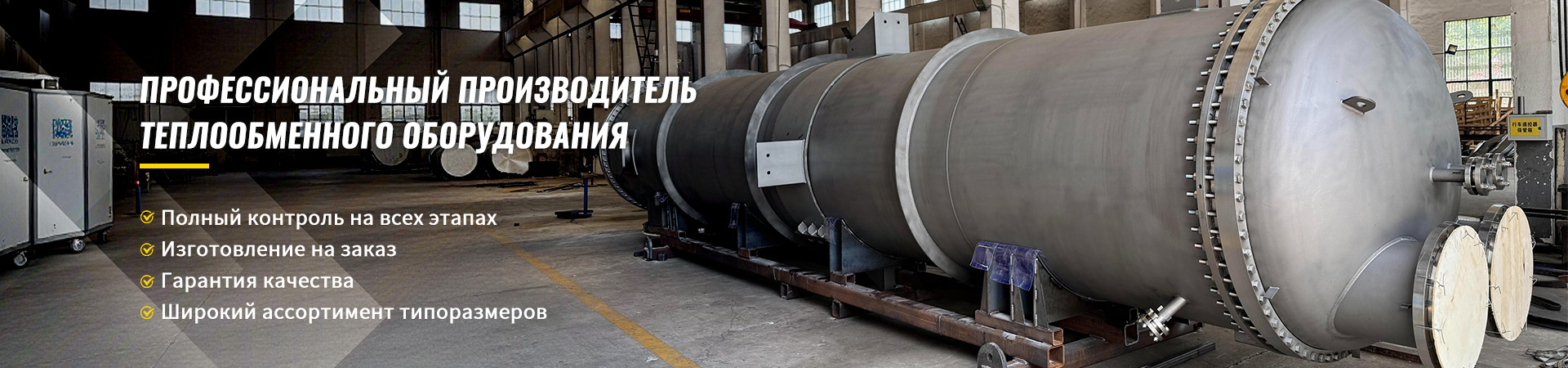
Although the bulk of this article focuses on injection molding and consumer products, the principles of selecting high-strength and corrosion-resistant materials are critical for heavy industrial applications as well. A striking example of this approach is the companyWuxi Kaisheng Electric Power and Petrochemical Equipment Co.,Ltd", which specializes in the development and production of complex heat exchange equipment for the most aggressive environments.
Just as new PP composites solve the problem of brittleness at low temperatures, Wuxi Kaisheng engineers are using advanced alloys to create heat exchangers that can withstand extreme pressures and temperatures. Their products, including titanium shell-and-tube heat exchangers and nickel alloy units (N06625), are certified to stringent international ASME and PED standards. This ensures reliability in industries such as oil refining, petrochemicals and seawater desalination, where equipment failure is not an option.
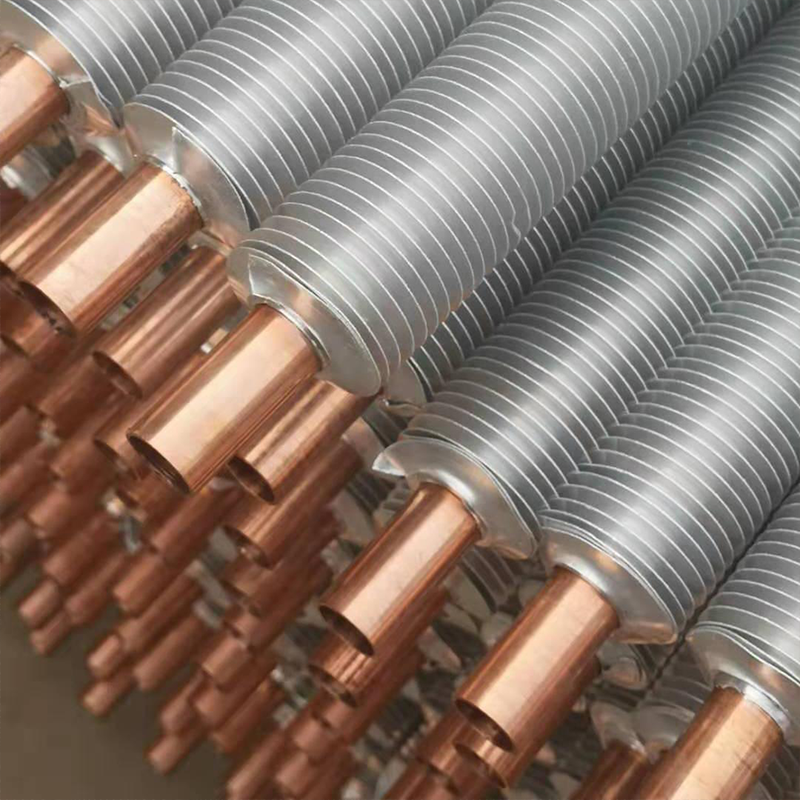
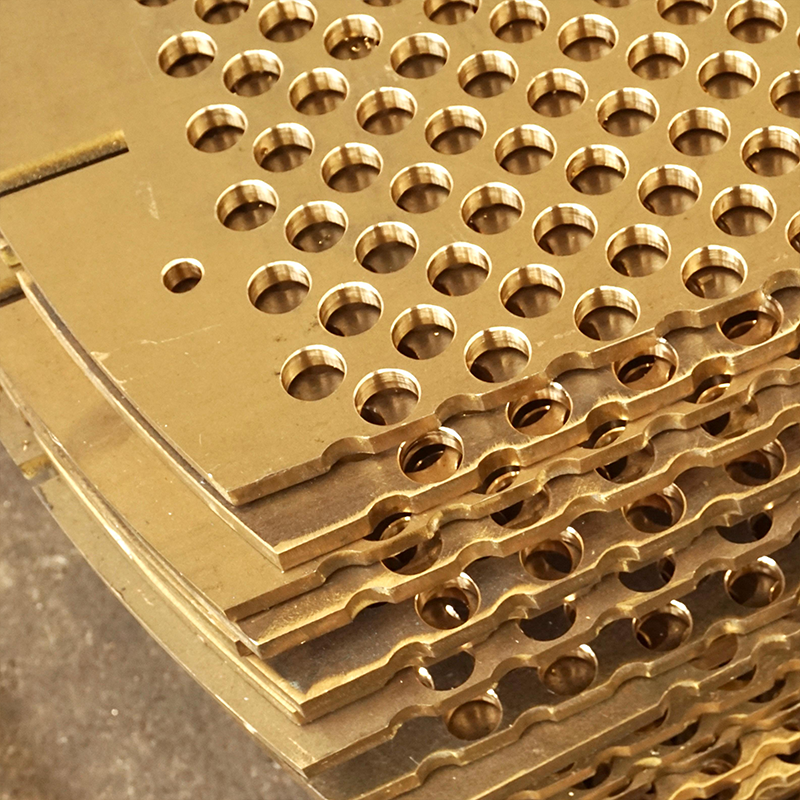
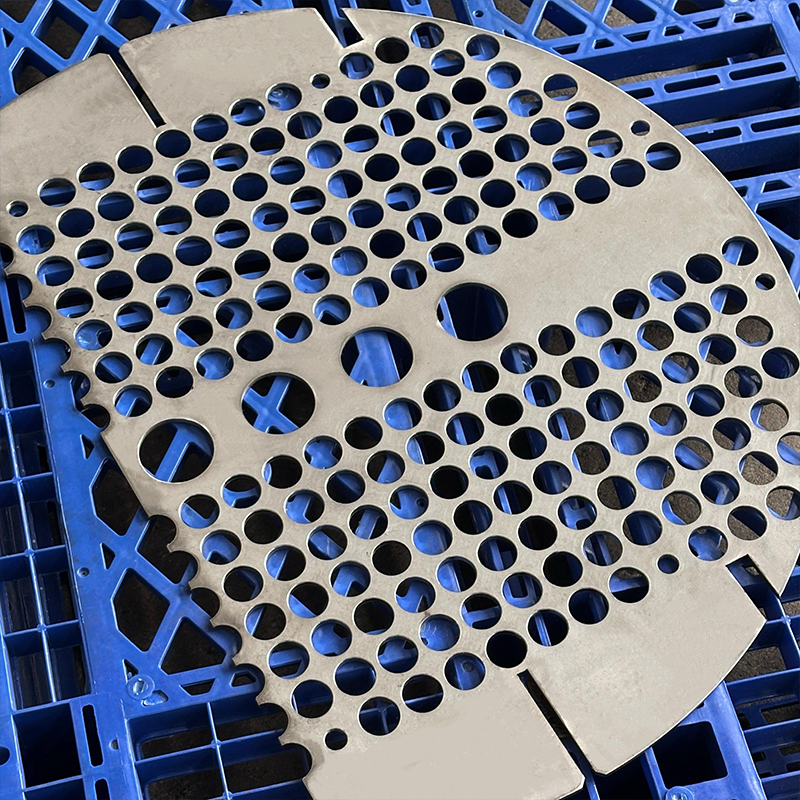
The company produces a wide range of components, from 316 stainless steel and C46400 marine brass corrugated tube bundles to C70600 copper-nickel alloy tube sheets. The use of these materials provides the highest corrosion resistance and thermal efficiency, which directly affects the energy efficiency of customer enterprises. Wuxi Kaisheng's experience confirms the general trend in 2026: the transition to specialized, high-quality materials (whether modified polypropylene or complex metal alloys) is the only path to creating durable and safe industrial solutions. An individual approach to the selection of materials for specific customer tasks, which is practiced by both manufacturers of new polymers and the Wuxi Kaisheng company, is becoming a key factor for success in the global market.
Conclusion: The future of polypropylene strength
The plastics industry is moving forward by leaps and bounds. What seemed like the pinnacle of technology yesterday is today becoming the baseline.New materials to improve the strength of PP productsopen up horizons for manufacturers that were previously only available to metal structures or expensive engineering plastics such as polyamide or polycarbonate. The transition to these materials is not just a fad, but a strategic necessity to remain competitive.
We have seen in practice: investments in quality raw materials pay off in product reliability and customer loyalty. Don't be afraid to experiment with new brands, ask for samples, do tests. But do this consciously, based on data, and not on promises from sellers. Remember that the strength of your product is the reputation of your brand.
If you are ready to modernize your production and take product quality to a new level, our team is ready to provide samples of the latest composites and provide free consultations on selecting a brand for your needs. We work with leading Russian and international manufacturing plants, guaranteeing compliance with all GOST and ISO standards.
View the catalog of reinforced polypropylene gradesand you can order a test batch right now. Don't put off improving quality until tomorrow - your competitors are already doing it today.
Contact us today for a customized quote and technical documentation.