
Biodegradable additives in plastic sheets”
2026-08-29
Biodegradable additives in plastic sheets: real effectiveness and technical nuances of implementation
Implementationbiodegradable additives in plastic sheetsis not just a marketing ploy, but a complex technological process that requires precise selection of the chemical composition for a specific type of polymer and operating conditions. In our practice, we have observed cases where the incorrect choice of oxo- or hydro-biodegradable concentrate led to premature destruction of the film right at the customer’s warehouse, even before the product was used. This was due to ignorance of storage temperature conditions and a discrepancy between the type of additive and the base polymer (PE, PP or PVC). Our goal is to analyze the mechanics of action of such additives, based on real test data from 2025-2026, and provide clear recommendations for their use in the industrial production of sheet materials.
The market for biodegradable solutions in Russia and the EAEU countries is undergoing transformation. If previously the main driver was European directives, now, in 2026, internal environmental standards and packaging requirements of large retailers are becoming the key factor. However, blindly following trends without understanding the chemistry of the process is dangerous. The additive must not just “disappear”, it must disintegrate in a controlled manner, without releasing toxic substances and without compromising the mechanical properties of the sheet during the warranty period. Below we take a closer look at how to achieve this balance.
Mechanism of action: oxo-anti-hydro-biodegradation
The first thing a technologist or purchaser must understand is the fundamental difference between the two main types of additives. The misconception that “everything biodegradable is the same” has cost many manufacturers their reputation. We work with both types, but we use them in strictly defined scenarios.
Oxo-biodegradable additiveswork on the principle of accelerated oxidation. They contain transition metal salts (cobalt, manganese, iron), which catalyze the decomposition of long polymer chains under the influence of ultraviolet, heat and mechanical stress. The process begins by fragmenting the material into microplastics, which are then consumed by microorganisms. It is critically important to understand: this process is irreversible once started. If you use such an additive on sheets intended for long-term storage outdoors without protection, you risk getting a product that will crumble in the hands of the buyer in 6-8 months instead of the stated 2 years.
In one of our projects for an agro-industrial holding, we were faced with the problem of degradation of the mulch film ahead of schedule. The analysis showed that the catalyst concentration was exceeded by 15% due to an extruder dosing error. The result is loss of yield due to disruption of the thermal regime of the soil. This incident taught us that the accuracy of dosing oxo additives is more critical than when working with conventional dyes.
Hydro-biodegradable additives, often based on starch, polylactic acid (PLA) or polybutylene adipaterephthalate (PBAT), work differently. They require moisture and a specific microbiological environment to begin decomposition. Such materials are ideal for composting in industrial environments where high temperatures and humidity are maintained. For plastic sheets used in construction or advertising, this type is less suitable, since in dry conditions they can behave like ordinary plastic for decades, and when exposed to a humid environment, they can sharply lose strength.
The choice between these technologies depends on the life cycle of your product. If the sheet is used for disposable food packaging that is guaranteed to end up in the composter, the hydro option is preferable. If we are talking about construction film or temporary protection of surfaces, where control of the lifetime of the material is important, oxo technology gives a more predictable result when configured correctly.
Technical requirements for raw materials and polymer compatibility
Not every plastic sheet will accept a biodegradable additive without losing its physical properties. Compatibility of the polymer matrix and additive concentrate is the first barrier to overcome. In 2025, we conducted a series of tests on different brands of polyethylene and polypropylene to identify patterns.
The most susceptible to modification are low-density polyethylene (LDPE) and linear polyethylene (LLDPE). Their amorphous structure allows the additive molecules to be evenly distributed throughout the material. With the introduction of 1-3% of a masterbatch with a bio-additive, the reduction in tensile strength is no more than 5-7%, which is often within acceptable tolerances for many applications. However, when working with polypropylene (PP/PP), the situation is more complicated. The crystalline structure of PP creates barriers to diffusion, and uneven distribution of the additive can lead to the formation of stress points where premature cracking will begin.
We recommend that preliminary tensile and impact tests be carried out for each new batch of raw materials. The GOST 15150-96 standard, which regulates the design of products for different climatic zones, must also be taken into account. The additive can change the brittle temperature of the material. For example, a regular sheet can withstand impact at -40°C, but a modified one can become brittle even at -20°C. This is critical for logistics in the northern regions of Russia.
Another important parameter is transparency and gloss. Many bio-additives, especially those containing plant-derived fillers, cause clouding of the material. For packing lists where the visual presentation of the product is important, this is unacceptable. In such cases, we use special nano-additives that minimize the impact on optical properties, but their cost is 20-25% higher than standard analogues.
It is important to note that secondary raw materials (regranulate) behave unpredictably in combination with bio-additives. The presence of impurities and the already changed molecular structure of the secondary can accelerate or block the degradation process. If you plan to use recyclate, the share of bio-concentrate must be recalculated individually, often upward, which affects the cost.
Certification Standards and Regulatory Framework 2026
The question of the legitimacy of biodegradable plastics is particularly acute in 2026. Marketing claims such as “eco-friendly” without supporting documents are now considered misleading consumers and are subject to fines. To enter the shelves of large chains and participate in government tenders, certificates are required.
The key standard in Europe remains EN 13432, which defines the compostability requirements for packaging. It strictly regulates the decay time (no more than 12 weeks in industrial conditions) and the absence of toxicity of residues. Although Russia is not a member of the EU, many export-oriented manufacturers strive to meet this standard. Within the EAEU, we focus on harmonized standards, as well as national GOSTs, which are gradually becoming more stringent.
Particular attention should be paid to labeling. According to new recommendations from Rosprirodnadzor, products with oxo additives must have clear disposal instructions indicating that they are not intended for home composting. The absence of such markings may be grounds for a product recall.
ISO 14855 certification confirms the material's ability to biodegrade under controlled composting conditions. Obtaining this certificate is an expensive and lengthy process (up to 6 months), but it is the “gold standard” of trust for international partners. In our practice, clients who have this certificate more easily pass audits of foreign customers and justify the premium price for their products.
Also worth mentioning is the ASTM D6954 standard, which is specifically designed for oxo-biodegradable plastics. It describes a two-step process: first oxidation, then biodegradation. Compliance with this standard proves that the material does not simply break down into microplastics, but is completely assimilated by nature.
| Comparison parameter | Oxo-biodegradable (Oxo) | Hydro-biodegradable (Hydro/Compostable) |
|---|---|---|
| Main mechanism | Oxidation by UV and heat, then biodegradation | Digestion by water and microorganisms (composting) |
| Start date of decay | From 3 months to 2 years (depending on the recipe) | Only under special composting conditions (high T° and humidity) |
| Disposal conditions | Any environment (landfill, nature), but requires access to oxygen | Requires an industrial composter (will not decompose at home) |
| Effect on sheet strength | Minimal with correct dosing | Significant reduction in strength, especially with humidity |
| Supplement cost | Low/Medium (increases the price of the product by 5-10%) | High (increases the price of the product by 30-50% or more) |
| Applicability for sheets | Construction films, agriculture, packaging | Food packaging, organic waste bags |
Production process: extrusion setting and dosing
The introduction of biodegradable additives into a plastic sheet extrusion line requires adjustment of technological parameters. You can’t just pour granules into a hopper and leave the settings unchanged. Temperature profiles, screw speed and cooling system play a decisive role in activating or, conversely, suppressing the action of the additive.
When processing oxo additives, it is critical to avoid overheating the material in the extruder barrel. If the temperature of the dosing zone exceeds the threshold value (usually +240...+250°C for PE), the oxidation process may start prematurely, still inside the machine. This will lead to a drop in melt viscosity, deterioration in the quality of the sheet surface, and even breakage of the sheet. We recommend reducing the temperature in the last heating zones by 5-10°C compared to the standard mode for this polymer.
Dosing should be as accurate as possible. The use of volumetric dispensers often leads to errors due to different bulk densities of polymer granules and additives. Gravimetric (weight) feeders are a mandatory requirement for quality production. The error should not exceed 0.5%. Otherwise, you will receive a batch of sheets with an uneven service life: one roll will collapse in six months, another will last ten years.
Another nuance is the residence time of the material in the melt. Long processing cycles or the use of large extruders with low output increases the thermal load. In such cases, it is advisable to use heat-stabilized versions of bio-additives that have a higher activation threshold.
Cooling the sheet also affects crystallinity and therefore the rate of future degradation. Rapid cooling (quenching) fixes the structure and can slow down the effect of the additive, while slow cooling promotes greater crystallinity, which sometimes accelerates oxidation later. Selecting a cooling mode is a task for the technologist, which must be solved experimentally for each specific line.
Economic feasibility and cost calculation
Many manufacturers abandon the idea of using biodegradable additives, considering this an unprofitable exercise. However, with the right approach, the increase in price of the final product can be minimal, but the marketing effect can be significant. Let's do the math.
Typical additive concentrations range from 1% to 3% by weight of the finished product. Let's take for example the production of polyethylene film with a thickness of 100 microns. The cost of standard LDPE is roughly 100 rubles per kg. The cost of high-quality bio-concentrate is about 250-300 rubles per kg. With the introduction of a 2% additive, the increase in price of 1 kg of finished film will be:
(0.98 * 100) + (0.02 * 300) = 98 + 6 = 104 rubles.
Thus, the cost increase is only 4%. This is invisible to the end consumer, especially when it comes to construction film or packaging, where the price of the material is only a part of the total costs of the project. However, the opportunity to label “Biodegradable” and enter “green” tenders opens up access to new market segments with high margins.
In addition, the use of additives allows, in some cases, the use of cheaper secondary raw materials, masking their shortcomings and giving the product environmental value. This is a strategy that has been successfully used by some of the major players in the packaging market.
Don't forget about the risks. As we mentioned earlier, defects due to premature degradation can cost more than the entire savings. Therefore, the costs of incoming control of raw materials and laboratory tests of each batch must be included in the budget.
Integration of eco-solutions in heavy industry: the experience of Wuxi Kaisheng LLC
Although the topic of biodegradable polymers is often associated with lightweight packaging, the principles of controlled degradation and environmental responsibility are permeating the heavy engineering sector. A striking example of adapting high standards of quality and environmental friendliness is the companyWuxi Kaisheng Electric Power and Petrochemical Equipment Co.,Ltd" Specializing in the design and manufacture of complex heat transfer equipment, the organization demonstrates how modern engineering solutions can be combined with the requirements of sustainable development.
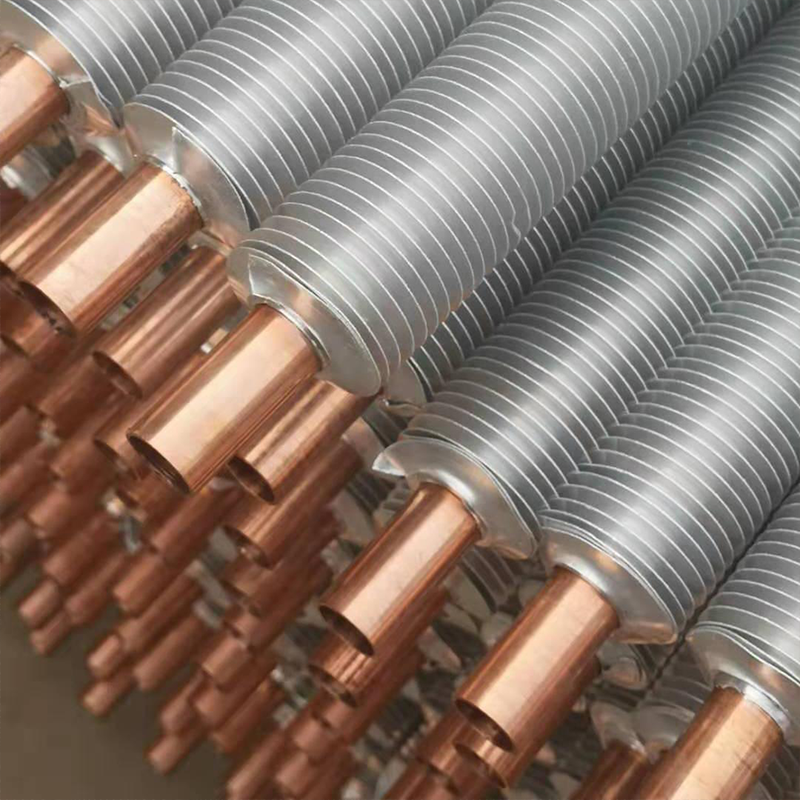
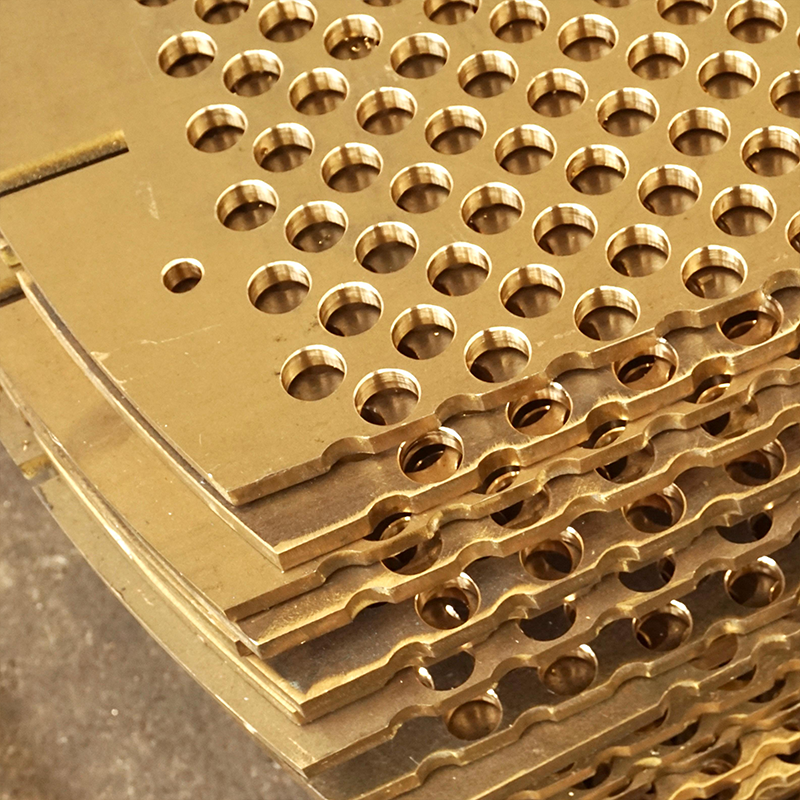
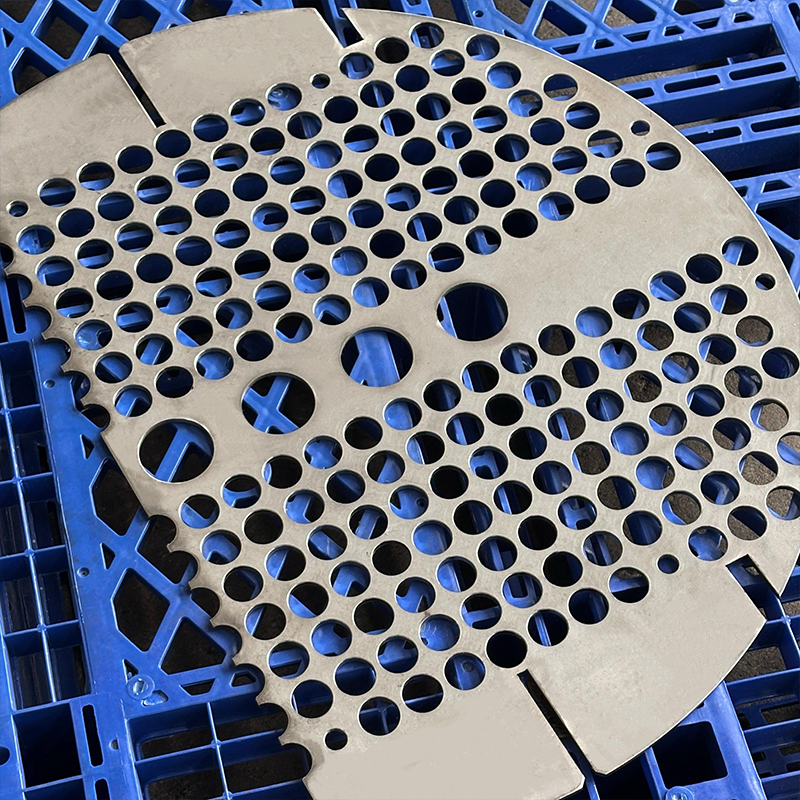
The company's products, which include titanium shell-and-tube heat exchangers, ASME high-pressure systems and 316 stainless steel corrugated tube bundles, are widely used in the petroleum refining, chemical and seawater desalination industries. Just as biodegradable additives require precise selection for a specific polymer, Wuxi Kaisheng equipment is created taking into account aggressive environments and extreme operating conditions. The use of C46400 marine brass alloys, copper-nickel composites and N06625 nickel alloys provides high corrosion resistance and durability, which indirectly reduces the environmental footprint by increasing maintenance intervals and plant life.
The company's international PED and ASME certifications resonate with the need for ISO certifications for biodegradable plastics. In both cases we are talking about documented quality and safety. Whether it is a biodegradable sheet for agriculture or a waste heat boiler for a petrochemical plant, the underlying principle remains the same: precise engineering tailored to specific operational conditions ensures both efficiency and environmental compliance. The company provides customized solutions to customers around the world, proving that even energy-intensive industries can make the transition to more responsible production technologies.
Frequently Asked Questions
Do biodegradable additives affect the strength of plastic sheet?
Yes, they do, but the degree of influence depends on the type of additive and its concentration. Oxo additives at a dosage of up to 2% reduce tensile strength slightly (within 5-8%), which is often within technical tolerances. Starch-based hydro-additives can reduce strength by up to 20-30%, making the sheet more brittle. For critical structures (for example, geomembranes) this is critical, so special high-strength compositions are used there or the scope of application is limited.
How long does the supplement sheet last before use?
The shelf life is usually from 12 to 24 months, provided that the rules are followed: dark room, temperature no higher than +25°C, no direct sunlight. Oxo additives are sensitive to UV radiation, so storing them outdoors under the sun is strictly prohibited - the degradation process will start immediately. Manufacturers add stabilizers to ensure the properties are preserved during the warranty period, but it is not recommended to exceed it.
Can such sheets be recycled along with regular plastic?
This is a difficult question. In theory, oxo-biodegradable plastic can be recycled, but it acts as a “pollutant” to the recycled granulate. The presence of even a small percentage of such material in a batch of conventional recycled PE reduces the service life of new products made from it, as the additive continues to work. Therefore, recycling streams must be separated. Mixing them in one recycling bin is not recommended if you want to get high-quality recyclables.
Does this type of plastic decompose in seawater?
No, most oxo-biodegradable additives are not designed to work in seawater. Low temperature and the lack of sufficient oxygen and specific bacteria slow down the process almost indefinitely. Moreover, the breakdown of microplastics in the ocean carries serious environmental risks. If your goal is to protect marine ecosystems, biodegradable sheet additives are not the solution, you need completely different materials (PHA, PBS), which are still very expensive and rarely used in sheet formats.
Practical recommendations for choosing a supplier
The market is filled with offers from various additive manufacturers, from global concerns to little-known laboratories. When choosing a partner, pay attention not to the beautiful pictures in the booklet, but to the technical support. A good supplier is required to provide test reports specifically for your type of polymer, and not general numbers “from a reference book.”
Request samples for trial extrusion. Conduct aging tests under accelerated conditions (xero-camera with UV lamps) simulating 1-2 years of operation in 2-3 weeks. This is the only way you can be sure that the technology is working. Don't believe the words “it works everywhere”. There are no universal solutions in polymer chemistry.
Also check the availability of technical documentation in Russian and compliance with the requirements of the CU TR (Technical Regulations of the Customs Union). Lack of documents can create problems during customs clearance or inspections by supervisory authorities.
Conclusion and next steps
Usagebiodegradable additives in plastic sheetsis a powerful tool for modernizing production and expanding sales markets, but only with a deep understanding of the technology. This is not a magic wand, but an engineering solution that requires precise tuning. Mistakes at the implementation stage can lead to serious financial losses, while a competent approach opens access to eco-oriented market segments and increases customer loyalty.
If you are planning to launch a new line of eco-products or modernize current recipes, it is important to start with an audit of your equipment and raw materials. We are ready to provide consulting support, help with selecting the optimal type of additive for your tasks and conduct joint tests at your production base.
Don't let incompetent decisions discredit the very idea of sustainability in your business. Contact us today to receive detailed technical specifications and a commercial offer tailored to the specifics of your production.
Catalog of biodegradable extrusion additives | Technical support and testing