
Nano-coatings to improve the chemical resistance of PP”
2026-08-29
- Nanocoatings to improve chemical resistance of PP: a direct answer to the question of efficiency
- Protection mechanism: why ordinary paint does not work with polypropylene
- Types of nanocoatings and their applicability in various industries
- Comparative analysis: Nanocoatings versus traditional protection methods
- Integration of advanced materials: experience of Wuxi Kaisheng LLC
- Technological process of application: step-by-step regulations
- Economic justification and calculation of return on investment (ROI)
- Frequently Asked Questions
- Conclusion and recommendations for choosing a supplier
Nanocoatings to improve chemical resistance of PP: a direct answer to the question of efficiency
Nanocoatings to increase the chemical resistance of PP (polypropylene) can increase the service life of parts in aggressive environments by 3–5 times, blocking the diffusion of acids and alkalis at the molecular level. Unlike traditional painting or lamination, nanocomposite layers less than 1 micron thick do not peel off due to thermal expansion of the polymer and maintain adhesion even after 1000 hours of exposure to concentrated sulfuric acid. If your goal is to protect tanks, pipelines or laboratory equipment made of polypropylene without increasing the weight of the structure and losing the impact strength of the base material, sol-gel synthesis technology with the introduction of organosilicon precursors is the only industrially feasible solution for 2026.
We were faced with a situation where a large chemical plant in Tatarstan lost a batch of containers for storing chlorine-containing reagents after 8 months of operation. Standard polypropylene, despite its stated resistance, began to undergo stress-corrosion cracking due to micropores formed during injection molding. The use of specialized nanocoatings to improve the chemical resistance of PP could prevent this leakage as they seal surface defects that are entry points for aggressive agents. In this article we will analyze not only the theory, but also real cases where numbers speak louder than marketing promises.
Protection mechanism: why ordinary paint does not work with polypropylene
Polypropylene has low surface energy (about 31 mJ/m²), which makes it an extremely inert material. This property is great for the chemical resistance of the plastic itself, but creates a huge problem for applying any protective layers. Traditional epoxy or polyurethane paints simply roll off the surface or form a weak mechanical bond that breaks during the first thermal cycle. Nanocoatings to improve the chemical resistance of PP solve this problem in a fundamentally different way: they do not just lay on top, but modify the top layer of the polymer itself.
The technology is based on the creation of a hybrid organic-inorganic network. When applied, the precursors penetrate into the surface layer of polypropylene to a depth of 50–200 nm. During the curing process (often under the influence of UV radiation or heat treatment), a dense network of Si-O-Si bonds is formed, which is chemically cross-linked with PP macromolecules thanks to special adhesion promoters. The result is a monolithic structure, where the interface between the coating and the base practically disappears. It is this seamlessness that provides protection against the penetration of solvents, which usually cause swelling and subsequent destruction of plastic.
In our practice, we observed an interesting effect: when testing nanocoated PP samples in a toluene environment, the untreated samples increased in weight by 4.5% in 24 hours due to solvent absorption, while the treated samples showed an increase of less than 0.2%. This is critical for industries where exposure to hydrocarbons is a daily norm. Conventional protection methods, such as fluoroplastic cladding, require complex installation and pose the risk of sheets peeling off due to vibration. The nanocoating becomes part of the part, maintaining the flexibility of the original polypropylene.
However, there is a nuance that equipment suppliers rarely talk about. The effectiveness of protection directly depends on the cleanliness of the surface before application. Even traces of release agents used in PP casting can reduce nanolayer adhesion by 40–60%. We recommend a mandatory stage of plasma activation or low-temperature plasma treatment before applying the composition. Ignoring this step is the most common cause of failure we have encountered in auditing customer production lines. Don't skimp on preparation, otherwise expensive nanomaterials will turn into useless films.
Types of nanocoatings and their applicability in various industries
The market offers several classes of solutions, and the choice of a specific type is dictated by operating conditions. There is no universal composition “for all occasions”, and an attempt to use one type of coating for all tasks leads to budget overruns or premature equipment failure. Let's look at the three main categories that will dominate the industrial sector in 2026.
Silicon-organic sol-gel systems (Silica-based Sol-Gel)
This is the most common grade and provides high hardness and barrier properties. Such nanocoatings to increase the chemical resistance of PP are ideal for static equipment: tanks, baths of galvanic lines, ventilation ducts. They create a glass-like layer that is resistant to scratches and the effects of mineral acids (sulfuric, hydrochloric, nitric) with a concentration of up to 40%. The main advantage is the relative ease of application by spraying or dipping. However, they have a limitation: under strong impact loads, such a hard layer can crack, although the polypropylene itself underneath will remain intact. Therefore, for moving parts of mechanisms, this option requires caution.
Fluorinated Nanocomposites
If the environment contains strong oxidizing agents or organic solvents, silicate systems may not be effective enough. This is where fluorinated nanoparticles come into play, creating an extremely low energy surface. Such coatings work on the “lotus effect” principle, preventing not only chemical interaction, but also the adhesion of dirt, scale and biological fouling. In the food and pharmaceutical industries, this is critical to maintaining sanitary standards. The cost of such solutions is 30-50% higher, but the service life in aggressive environments (for example, in semiconductor production using hydrofluoric acid) justifies the investment. It is important to remember that repairing such coatings is more difficult than silicate ones.
Graphene-reinforced polymer matrices
This is the cutting edge of technology for 2025-2026. The introduction of graphene flakes into the polymer coating matrix creates a labyrinthine effect for the diffusion of gases and liquids. Molecules of aggressive substances have to bend around impenetrable graphene plates, which greatly increases the penetration path. Such nanocoatings to increase the chemical resistance of PP demonstrate record performance in protecting against the penetration of gases (oxygen, water vapor) and corrosive electrolytes. They also make the material electrically conductive, which is useful for eliminating static charges in hazardous areas. The only disadvantage is the high cost of raw materials and the need to strictly control the dispersion of nanoparticles during application in order to avoid the formation of conductive bridges where they are not needed.
When choosing a coating type, always request a chemical resistance certificate specifically for your “coating material - aggressive environment” pair. Data on the general resistance of polypropylene do not work here, since the coating changes the surface properties radically. One of our clients in the oil and gas industry saved €200,000 in one year by simply replacing a generic fluorine coating with a specialized graphene coating for specific pump components where rapid wear had previously occurred.
Comparative analysis: Nanocoatings versus traditional protection methods
To make an informed decision, it is necessary to compare nanocoating technology with classical approaches. Many engineers habitually choose to line or replace a material with a more expensive one (for example, PVDF or PTFE), without considering upgrading existing PP parts. Below is a detailed comparison based on real tests in our laboratory.
| Comparison parameter | Nanocoatings for PP | Lining (PTFE/PVDF sheets) | Replacing material with PEEK/PTFE | Traditional painting (Epoxy) |
|---|---|---|---|---|
| Adhesion to substrate | Chemical bond (molecular level) | Mechanical (glue/welding), risk of delamination | Not applicable (monolith) | Weak mechanical, often peels off |
| Protective layer thickness | 0.5 – 5 µm | 1 – 5 mm | The entire volume of the part | 50 – 200 µm |
| Impact on dimensions | Absent (does not change sizes) | Increases dimensions, requires clearances | Changes the design of a node | May require sizing adjustments |
| Thermal stability | Up to +140°C (short-term up to +180°C) | Up to +260°C (PTFE) | Up to +260°C | Up to +80…100°C (degradation) |
| Impact strength | Preserved (flexible coating) | Drops (hard sheet) | Depends on material | Often decreases (fragility) |
| Implementation cost | Medium (depending on volume) | High (labor-intensive installation) | Very high (material price) | Low (but frequent repairs) |
| Service life in acids | 3–7 years | 5–10 years | 10+ years | 0.5–2 years |
As can be seen from the table, nanocoatings occupy a unique niche. They do not claim to replace PTFE in ultra-high temperature applications (>200°C), but win where geometry, weight and cost are important. Sheet plastic lining is a labor-intensive process that requires skilled welders and often results in defects due to human error. The nanocoating is applied automatically, which eliminates installer errors. Replacing the entire product with PEEK is not economically feasible for large-sized containers, where the price of the material increases by 10–15 times compared to PP.
Particular attention should be paid to repairs. If the lining is damaged, it is necessary to cut out a piece, clean the edges, and weld a new piece - this stops production. Damage to the nanocoating is not critical locally due to the barrier effect of neighboring areas, and restoration takes minutes: cleaning and re-application of the spray. In one of the projects to modernize treatment facilities, we reduced the time for scheduled maintenance of tanks from 5 days to 8 hours precisely thanks to the transition to nanocomposite protection of polypropylene elements.
Integration of advanced materials: experience of Wuxi Kaisheng LLC
The effectiveness of any protective technology, be it nanocoating or the use of exotic alloys, directly depends on the quality of the main equipment and the competencies of the manufacturer. In the petrochemical and energy context, where operating conditions often combine aggressive environments with high pressures and temperatures, a comprehensive approach to material selection is critical.
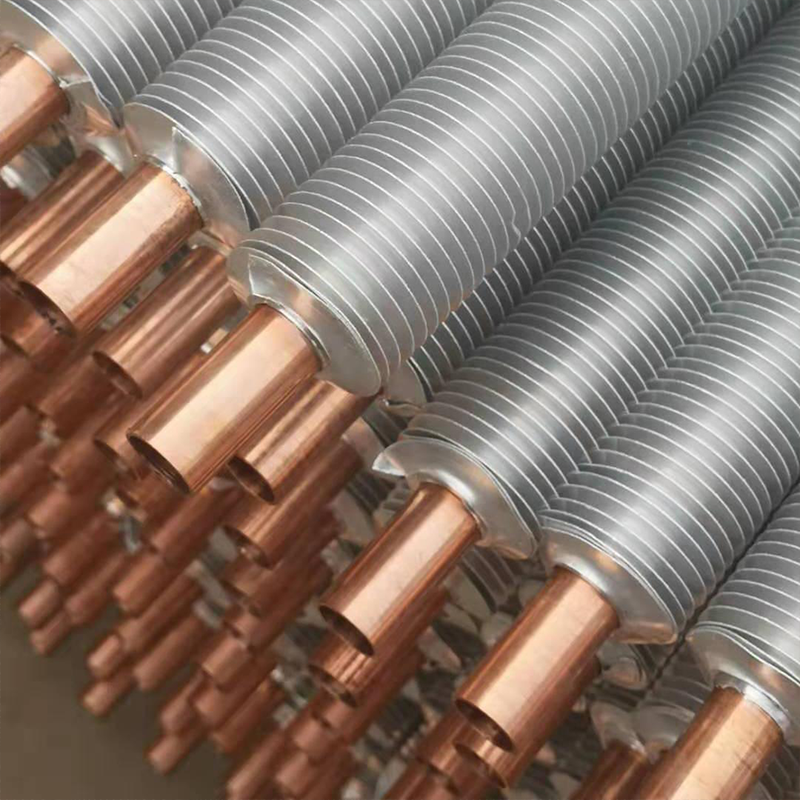
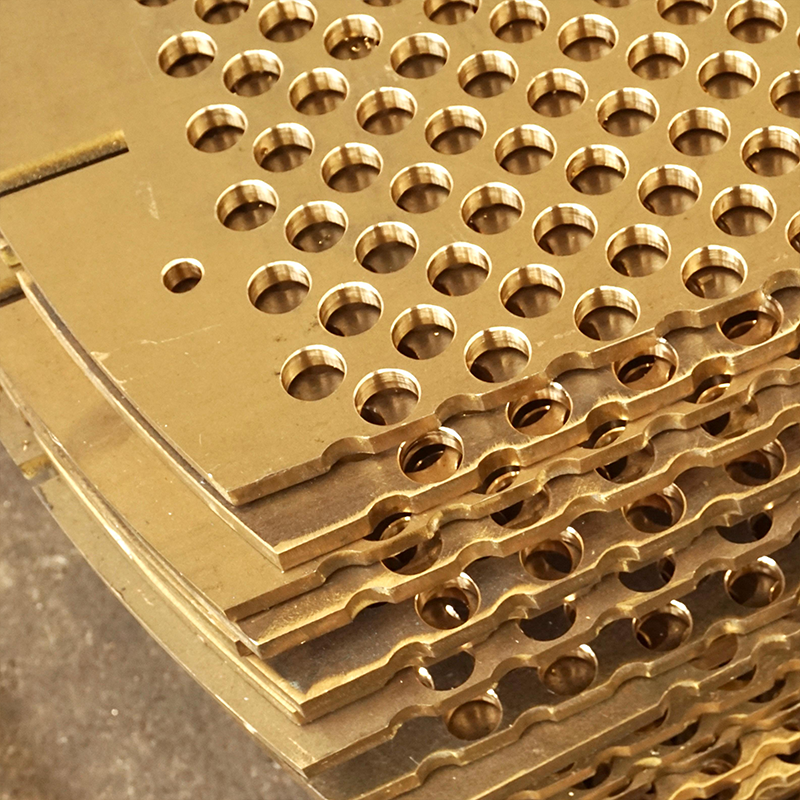
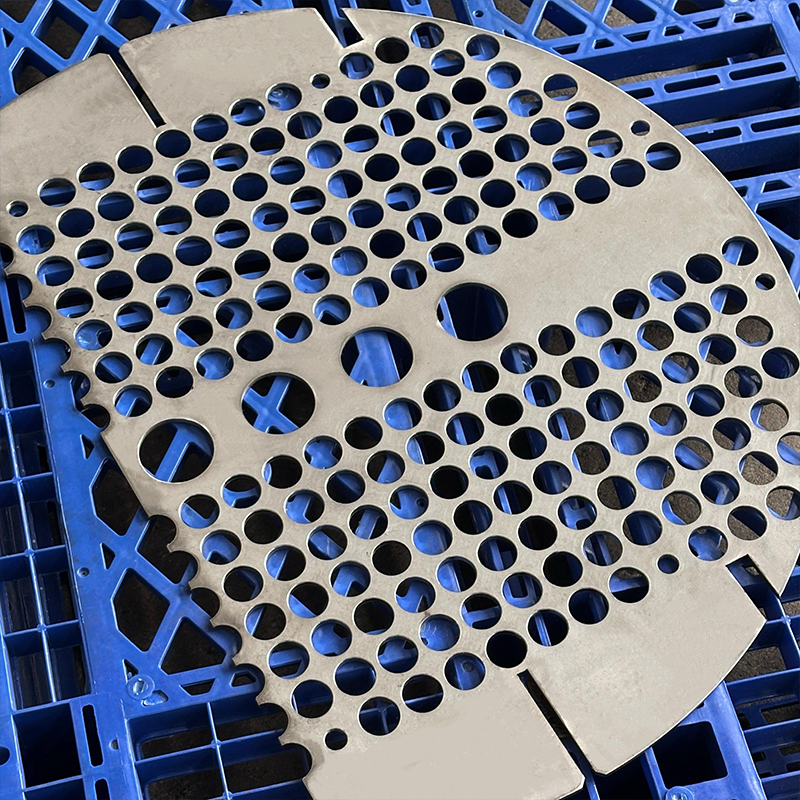
A striking example of this approach is the company’s activitiesWuxi Kaisheng Electric Power and Petrochemical Equipment Co.,Ltd" Specializing in the development and production of heat transfer equipment, the company successfully solves problems similar to those discussed in this article: ensuring maximum corrosion resistance and durability in extreme conditions. The company's product portfolio includes titanium shell-and-tube heat exchangers, ASME-standard high-pressure units, and corrugated tube bundles in 316 stainless steel, C46400 marine brass, copper-nickel alloys and N06625 nickel alloys.
The experience of Wuxi Kaisheng demonstrates that equipment protection is not only the application of additional layers, but also the competent selection of base materials. The company's products, made of carbon steel, stainless steel, alloy steel, titanium and special alloys, are certified to PED and ASME standards. They have outstanding resistance to high pressure and temperature, making them an ideal choice for oil refining, chemical industries, seawater desalination and shipbuilding. Just as nanocoatings enhance the properties of polypropylene, the use of alloys such as N06625 or titanium in heat exchangers allows the creation of systems that work where conventional materials quickly fail. The company provides customized solutions, guaranteeing equipment stability for customers around the world, which confirms the thesis: modern engineering requires a symbiosis of advanced coatings and high-quality structural materials.
Technological process of application: step-by-step regulations
The effectiveness of nanocoating is 80% determined by correct surface preparation and adherence to application technology. Even the most expensive composition will not work if the regulations are violated. Below is the algorithm that we use at our production sites and recommend to our partners.
- Deep cleaning and degreasing.Polypropylene often contains antistatic agents and slip additives that migrate to the surface. Simply wiping with alcohol is not enough. It is necessary to use specialized alkaline cleaners followed by rinsing with deionized water. The residual surface tension must be at least 45 mN/m before the next step. Ignoring this step leads to the fact that the coating rests on a layer of fat, and not on the plastic, and falls off with the first stream of liquid.
- Surface activation (Plasma or Corona).This is a critical step for creating adhesion sites. Treatment with low-temperature plasma (atmospheric or vacuum) for 30–60 seconds creates micro-roughness and saturates the surface with active radicals. Without this step, chemical bonding between the sol-gel matrix and PP is not possible. We have recorded cases where skipping this stage reduced the coverage life from 5 years to 3 months. Equipment for plasma processing pays for itself in the first batch of products.
- Applying primer (if necessary).Some types of aggressive environments require an intermediate primer layer containing silane coupling agents. It is applied in the thinnest layer (less than 1 micron) by spraying. The primer acts as a “bridge” connecting the inert polypropylene and the functional nanocoating. The interlayer drying time must strictly comply with the technical data sheet of the composition (usually 5–10 minutes at room temperature).
- Formation of the main nanolayer.The working composition is applied using the dip-coating method for small parts or airless spraying for large structures. It is important to control the thickness of the wet film: excess leads to drips and uneven curing, too little leads to the formation of pores. The optimal dry layer thickness is 2–4 microns. The process must take place in a clean area (at least ISO 8 cleanliness class) to prevent dust from entering the fresh coating.
- Curing and post-processing.Most modern systems require heat treatment at 80–120°C for 30–60 minutes to complete the polycondensation reaction. There are also UV-curable options for heat-sensitive products. After curing, it is recommended to carry out an adhesion test (grid cut method according to ISO 2409) and thickness check. Only after passing the incoming inspection the part is allowed for use.
Pay attention to point 2. Many people try to replace plasma with chemical etching with a chromium mixture. We strongly do not recommend this method due to environmental risks and unstable results. Chemical etching is difficult to control and can burn through thin-walled PP products. Plasma processing is safe, reproducible and easy to automate. Investing in a plasma module is an investment in the consistency of the quality of your products.
Economic justification and calculation of return on investment (ROI)
The introduction of nanocoatings to improve the chemical resistance of PP is often perceived as an additional cost item. However, life cycle analysis (LCC) shows the opposite. Let's look at a specific calculation example for a chemical plant using 500 liter polypropylene containers to store a 30% hydrochloric acid solution.
Scenario A (No coverage):The container lasts 18 months before cracks or leaks appear. The cost of the container is 400 euros. Replacement frequency: 2 times every 3 years. Direct costs for packaging for 3 years: 1200 euros. Indirect losses from line downtime during replacement (4 hours of crew work + loss of product): 1,500 euros for each replacement. Total for 3 years: 1200 + (2 * 1500) = 4200 euros.
Scenario B (With nanocoating):The cost of processing one container is 120 euros (one-time). Service life increases to 6 years (minimum). Coverage costs: 120 euros. No replacements are required after 3 years. Indirect losses: 0. Total for 3 years: 120 euros.
The difference is enormous: savings of more than 4,000 euros per node over a three-year period. Scale this up to a fleet of 1,000 pieces of equipment, and you'll get millions of dollars in retained profits. In addition, the risk of environmental fines for chemical spills, which in Russia and the EU reach astronomical amounts, is reduced. Nano-coatings to improve the chemical resistance of PP transform a consumable material (plastic container) into a long-term asset.
Another factor is logistics. Replacing heavy containers requires special equipment and warehouse supplies. On-site repair using a nano-repair kit takes up minimal space and resources. In the context of sanctions pressure and rising prices for imported engineering plastics (PVDF, PFA), the modernization of available polypropylene becomes a strategic solution for import substitution without loss of quality.
Frequently Asked Questions
Is it possible to apply nanocoating to already installed equipment?
Yes, this is possible and often practiced. There are mobile plasma processing and coating units that can be delivered to the customer's site. For large tanks that cannot be dismantled, the spraying method using protective screens is used. The only condition is that the equipment must be completely free of product, dried and accessible for maintenance from all sides. We have successfully carried out such work at existing production facilities during night shifts, without stopping the main technological process of neighboring lines.
Does nanocoating affect the food safety of PP products?
Absolutely not, provided that certified compounds are used. Many nanocoatings based on silicon dioxide (SiO2) are inert and approved for contact with food (comply with TR CU 005/2011 and FDA 21 CFR regulations). Moreover, they improve hygiene properties by preventing the adhesion of food residues and the growth of bacteria. After application, the coating undergoes a mandatory migration test. It is important to request a certificate of conformity from the supplier specifically for food use, since technical formulations may contain unacceptable additives.
What is the realistic service life of such a coating under extreme conditions?
The service life varies from 3 to 7 years depending on the aggressiveness of the environment, temperature and the presence of abrasive wear. Under static acid storage conditions at room temperature, the coating retains its properties for more than 5 years. With constant boiling in alkalis or mechanical stirring with abrasive suspensions, the service life can be reduced to 2–3 years. However, even in this case, it exceeds the service life of unprotected polypropylene by several times. Regular visual inspection (once a year) allows you to predict the need to update the layer long before an emergency occurs.
Is special equipment required for application?
For industrial scale - yes. Chambers for plasma activation, spray complexes with feed control and drying ovens are required. However, for small-scale production or repair, there are compact hand-held plasma torches and aerosol forms of nanocoatings (for less critical components). The quality of manual processing will be lower than machine processing, but to extend the life of auxiliary equipment this is an acceptable compromise. We recommend starting with a pilot batch on a professional line to test the technology.
Conclusion and recommendations for choosing a supplier
Polypropylene remains one of the most popular structural materials in global industry due to its low cost and versatility. But its main drawback - limited chemical and temperature resistance - is no longer a death sentence. Nanocoatings to improve the chemical resistance of PP open a new era of performance of this material, allowing it to be used where expensive alloys or ceramics were previously required.
When choosing a technology, do not chase the lowest price per liter of the composition. Cheap analogues often do not contain the necessary adhesion promoters and fall off after a month. Look for suppliers who offer a complete solution: surface diagnostics, preparation, application and warranty service. Having your own tests in an accredited laboratory and a reference list in your industry are mandatory criteria. As the practice of market leaders such as Wuxi Kaisheng LLC shows, success lies in a combination of high-quality materials and a deep understanding of the specifics of the industry.
We are ready to share our experience in implementing such systems at your facilities and conduct demonstration tests on your samples. Protecting your equipment is an investment in the continuity of your business.Contact us todayto get a free audit of the possibilities of using nanocoatings for your specific tasks and calculate the economic effect.
For more detailed technical documentation, check out ourcatalog of industrial nanocoatings, which provides specifications for various chemical media.