
Blockchain for tracking the quality of PP raw materials”
2026-08-29
- Why Traditional Polypropylene Inspection Methods No Longer Work
- How does an immutable digital passport of a polypropylene batch work?
- Benchmarking: Blockchain vs. Traditional ERP and Paper Logs
- Real cases: Where technology has already saved millions of rubles
- Technical requirements and integration standards in 2026
- Frequently Asked Questions
- Step-by-step plan for implementing a tracking system
- The future of the polypropylene market: From quality to full transparency
Why Traditional Polypropylene Inspection Methods No Longer Work
In our practice of working with large manufacturers of packaging and automotive components, we have encountered one systemic problem: paper quality certificates for PP (polypropylene) raw materials have ceased to be a guarantor of safety.Blockchain for tracking the quality of PP raw materialshas become the only technological solution capable of breaking the vicious circle of counterfeits and mixing of granules. When the extrusion temperature is just 5°C outside the acceptable range, the molecular structure of the polymer is irreversibly changed, but this often goes undetected in the accompanying documents until the finished product is rejected.
We have seen cases where a batch of food grade H030GP polypropylene lost its barrier properties due to the addition of recycled materials at the logistics stage. Traditional ERP systems allow records to be edited after the fact, creating the illusion of transparency. Distributed ledger technology records every movement of material - from the reactor of a petrochemical plant to the hopper of an extruder - without the ability to delete or covertly change the data. This is not just a fashion trend, but a necessity for survival in the context of tightening GOST standards and international food safety requirements.
How does an immutable digital passport of a polypropylene batch work?
The essence of the technology is to create a cryptographic connection between the physical volume of raw materials and its digital twin. Each batch of polypropylene receives a unique hash identifier when leaving the reactor. This identifier is linked to critical quality parameters: melt flow index (MFI), ash content, flash point and spectroscopy data. Unlike centralized databases, where the administrator has superuser rights, in the blockchain, the record of the quality of PP raw materials is confirmed by the consensus of all participants in the supply chain.
Imagine the situation: a packaging film manufacturing plant receives a carload of granules. Upon acceptance, the laboratory technician scans the QR code on the big-bag bag and instantly sees the entire history of storage temperature during transportation. If the IoT sensor detects overheating above 60°C during transit, the smart contract automatically blocks the possibility of using this batch in the production of food packaging. The system does not ask the manager’s opinion; it executes pre-written code. This eliminates the human factor and corruption risks during incoming control.
Technical implementation requires the integration of sensors directly into the production and logistics process. We recommend using hybrid solutions, where data from industrial controllers (PLCs) is digitally signed and sent to the Ethereum network or the private hyperledger Hyperledger Fabric. For the Russian market, where the requirements for data sovereignty are high, the optimal choice is domestic blockchain-based platforms certified by FSTEC. It is important to understand: blockchain itself does not improve the quality of plastic; it makes it impossible to hide defects.
The key advantage over traditional methods is the speed of the audit. Previously, checking the compliance of a batch of polypropylene with technical regulations took up to three days of laboratory tests and reconciliation of paper logs. Now any stakeholder with access to a network node can verify the origin of raw materials in seconds. This is critical for exporters working with European retailers who require full traceability down to molecular composition.
The role of smart contracts in acceptance automation
Smart contracts act as automatic arbiters of quality. The code specifies strict conditions: if the MFI (melt index) falls outside the range of 2.5–3.5 g/10 min, the batch status automatically changes to “Quarantine”. No phone calls to the supplier or “special relationship” with the quality control department will be able to bypass this algorithm. In one of our projects, the introduction of such contracts reduced the number of complaints from customers by 40% in the first quarter, since defects were cut off at the raw material warehouse.
However, there is a nuance that software vendors rarely talk about. The smart contract is executed only when the data has already entered the blockchain. The problem of “garbage in, garbage out” (Garbage In, Garbage Out) remains relevant. If the temperature sensor is faulty or the operator manually entered incorrect data before it was digitized, the blockchain will honestly record this error as true. Therefore, a critical step is to calibrate the equipment and use secure data entry interfaces that eliminate manual intervention.
Benchmarking: Blockchain vs. Traditional ERP and Paper Logs
Many production managers ask the question: why complicate the process if we have 1C or SAP? The answer lies in the level of trust and immutability of the data. Below is a detailed table demonstrating the fundamental differences in approaches to polypropylene quality control.
| Comparison criterion | Traditional ERP/Paper | Blockchain for PP quality tracking |
|---|---|---|
| Data immutability | The database administrator can retroactively change the melting point record. A paper journal can be lost or a page replaced. | The recording is cryptographically protected. Changing one byte of data requires recalculating the hashes of all subsequent blocks, which is computationally impossible. |
| Transparency for the client | The client sees only the final quality certificate. The history of the process is hidden within the perimeter of the plant. | The client gets access to the permitted segment of the chain (permissioned ledger) and sees all stages: from monomer synthesis to shipment. |
| Speed of reaction to defects | If a defect is detected, a manual call to all workshops and warehouses is required to search for similar batches. Takes hours or days. | Searching a batch hash takes seconds. The system automatically highlights all products made from these raw materials and blocks their shipment. |
| Anti-counterfeit protection | Certificates can be easily forged in graphic editors. The markings on the bags are copied. | An NFT token, or unique digital identifier, is tied to a physical shipment. A cryptographic signature cannot be forged. |
| Implementation cost | Relatively low (uses existing software), but high operational risks and cost of errors. | High initial costs for IoT integration and smart contract development, but quick payback due to reduced defects. |
The choice between these systems depends on the size of the business. For a small compounding plant working with local customers, a full-fledged blockchain may be overkill. But for holdings that supply PP raw materials for medical devices or children's products, where the cost of an error is measured in reputational losses and lawsuits, there are no alternatives. The market is moving towards total transparency, and companies that ignore this trend risk losing contracts with international corporations.
Real cases: Where technology has already saved millions of rubles
Let's look at a specific example from the practice of one of our partners in Tatarstan. The plant produced thin-walled containers for microwave ovens from PP homopolymer. There were periodic complaints about deformation of products when heated. The plant’s laboratory recorded normal MFI values during the incoming inspection, but the properties in the finished product did not match. The investigation revealed that the problem lay not in the chemical composition, but in violation of the temperature regime during storage in the warehouse of the logistics operator.
The pellets were stored next to heating pipes, where temperatures locally reached 70°C. Polypropylene began premature crystallization and oxidation. The paper invoices indicated “Normal” because visual inspection did not reveal any color changes. After implementing a blockchain-based monitoring system, temperature sensors in each cell warehouse transmitted data to the registry every 15 minutes. As soon as overheating was detected, the smart contract marked this pallet as “Non-compliant”. The batch was returned to the supplier before entering the extruder. Savings amounted to more than 12 million rubles by preventing the release of defective products and equipment downtime.
Another scenario concerns the fight against counterfeiting. There is a lot of recycled polypropylene circulating on the market, which is passed off as virgin. Fraudsters add a small amount of secondary material to the primary granulate, which is difficult to determine using express methods. The introduction of a traceability system allowed one large pipe manufacturer to prove to its customers the purity of its raw materials. Each bag had a digital trail leading to a specific reactor and synthesis time. This became a powerful marketing advantage: the company was able to raise the price of its products by 7%, since it guaranteed the absence of recycled materials in documents, and not in words.
It is important to note that the success of these projects depended not so much on the blockchain technology itself, but on the discipline of the personnel. We observed a case where operators tried to turn off sensors during their lunch break in order to avoid recording downtime. The system interpreted the lack of data as a critical event and stopped the line. This shows that digitalization requires a change in production culture. Technology is merciless to negligence.
Technical requirements and integration standards in 2026
For successful project implementationblockchain for tracking the quality of PP raw materialsIt is necessary to comply with a number of technical conditions. First, the equipment must support industrial data transfer protocols, such as OPC UA or MQTT. Older extruders and silos may require upgrading with controllers that can encrypt traffic. Without this link, the chain of trust is broken.
Secondly, you need to decide on the type of blockchain. Public networks (like Bitcoin or Ethereum Mainnet) provide maximum security, but have restrictions on transaction speed and gas costs (commissions). For industrial use, consortium blockchains (Consortium Blockchain) are often chosen, where nodes are managed by trusted participants: a raw material manufacturer, a logistics company and a consumer plant. This ensures high speed (thousands of transactions per second) and confidentiality of commercial information.
In Russia, special attention should be paid to compliance with regulatory requirements. The use of foreign platforms may be limited by sanctions or data localization requirements. It is recommended to consider solutions based on domestic software included in the register of Russian programs. GOST R 58.0.0 series standards concerning the digitalization of industry also dictate certain requirements for data formats and encryption methods.
Integration with laboratory equipment is another critical point. Spectrometers, viscometers and ash analyzers must have a digital output that allows test results to be automatically sent to the blockchain. Manually entering test results negates the whole idea of trust. We strongly require our customers to set up a direct communication channel between the device and the network node. This is the only way to ensure that the digital copy matches the physical reality.
Economic justification for implementation
The cost of implementing such a system varies from 5 to 20 million rubles, depending on the scale of the enterprise and the number of integrated data collection points. However, the ROI (return on investment) becomes obvious after 12-18 months. Main savings items:
- Reduction of defects:Early detection of substandard raw materials prevents tons of plastic from being recycled into waste.
- Reduction of audits:Automatic generation of certification reports saves hundreds of man-hours of work for technologists and quality managers.
- Product premiumization:Possibility to sell certified “clean” raw materials at a higher price.
- Insured events:Some insurance companies are starting to offer reduced rates to businesses with transparent risk controls.
Frequently Asked Questions
Is it possible to falsify data on the blockchain if an attacker gains access to the sensor?
It is almost impossible to falsify the record in the blockchain due to cryptographic protection. However, the risk shifts to the data collection device level. If a hacker hacks into the temperature sensor controller, he could send false data. To protect against this, hardware encryption and digital device signatures (Device Identity) are used. Each sensor has a unique key, and the network rejects data from unsigned devices. In addition, anomaly algorithms may notice a discrepancy: for example, if the temperature sensor shows 20°C, but the extruder's humidity and power sensor indicate active operation at 200°C, the system will issue a warning about a possible compromise.
Is it necessary to use cryptocurrency to pay for transactions?
No, in industrial consortium networks the use of public cryptocurrencies (bitcoin, ether) is not required. Transactions on such networks are internal records of the ledger's state. Commissions (if any) are paid in fiat currency or internal enterprise tokens that are not traded on exchanges. The main goal is to record data, not financial speculation. Many enterprise-level platforms generally operate on a subscription model (SaaS), where the cost of data storage is included in the monthly payment.
What to do if the Internet goes out at work?
Industrial gateways are equipped with a memory buffer. If the connection to the blockchain network is lost, the data continues to be recorded locally in secure storage. As soon as the connection is restored, the gateway automatically uploads the accumulated data packet to the network, saving timestamps. The integrity of the circuit is not compromised. However, if the downtime lasts too long, smart contracts can pause the shipment of products until synchronization to avoid unverified data entering the registry. This is a precaution that must be taken into account when planning logistics.
How does blockchain help with polypropylene exports?
When exporting, especially to the EU countries and China, the requirements for environmental friendliness and the origin of raw materials are becoming more stringent. The European Green Deal requires proof of a product's carbon footprint. Blockchain makes it possible to attach to each batch of PP a certificate of CO2 emissions during its production, data on the use of electricity from renewable sources and the percentage of recycled material. Customs authorities and buyers can instantly verify this data, which speeds up border crossings and eliminates the need for additional checks. This becomes a competitive advantage in the global market.
Step-by-step plan for implementing a tracking system
Technology implementation is not about installing a program, but about transforming business processes. The mistake many companies make is trying to automate chaos. Before you buy servers, you need to put things in order in the physical world.
- Audit of current processes and risk points.Conduct a complete analysis of the raw material flow chain. Where exactly does quality loss occur? Where is data entered manually? Identify “blind spots” where a batch can be substituted or damaged without fixing it. Without this step, you risk digitizing inefficiencies.
- Selecting a platform and data standards.Decide whether you will build your own network or join an industry platform. Select a data coding standard (for example, EPCIS for supply chain events). Make sure the solution you choose is compatible with your current ERP and supported by key partners.
- Equipping equipment with IoT sensors.Install temperature, humidity, shock and GPS trackers in critical areas. Set them up to automatically send data. Perform calibration and immunity testing. Remember: the sensor must be protected from physical opening.
- Development and testing of smart contracts.Describe business logic in code. What parameters are critical? What actions should be triggered when rejected? Test contracts on a testnet using historical data to identify logic errors before going into production.
- Personnel training and pilot launch.Start with one line or one warehouse. Train operators to use the new system. Explain to them that the system is not to control them, but to protect them from marriage. Collect feedback, refine the interface, and only then scale the solution to the entire production.
Each step of this plan requires the participation of not only IT specialists, but also technologists, logisticians and security services. An interdisciplinary approach is the key to success. Ignoring the human factor at the training stage will lead to sabotage or a formal attitude towards the new rules.
The future of the polypropylene market: From quality to full transparency
By 2026, having a blockchain tracking system will become as mandatory a requirement for PP raw material suppliers as ISO 9001 certification is today. Large consumer brands (Coca-Cola, Danone, automakers) are already including digital traceability clauses in their tender documents. Companies that delay implementation risk being left out of major contracts.
Technology is evolving towards integration with artificial intelligence. In the future, the system will not only record defects, but also predict their likelihood by analyzing microtrends in sensor data. For example, AI can notice that fluctuations in grid voltage correlate with changes in melt viscosity and suggest proactive adjustments to the extruder before production begins.
We are convinced thatblockchain for tracking the quality of PP raw materialsis not a temporary fad, but a new foundation of trust in the plastics industry. It transforms quality from an abstract concept into a set of verifiable mathematical facts. For manufacturers, this is a chance to reach a new level of operational efficiency and win the loyalty of the most demanding customers.
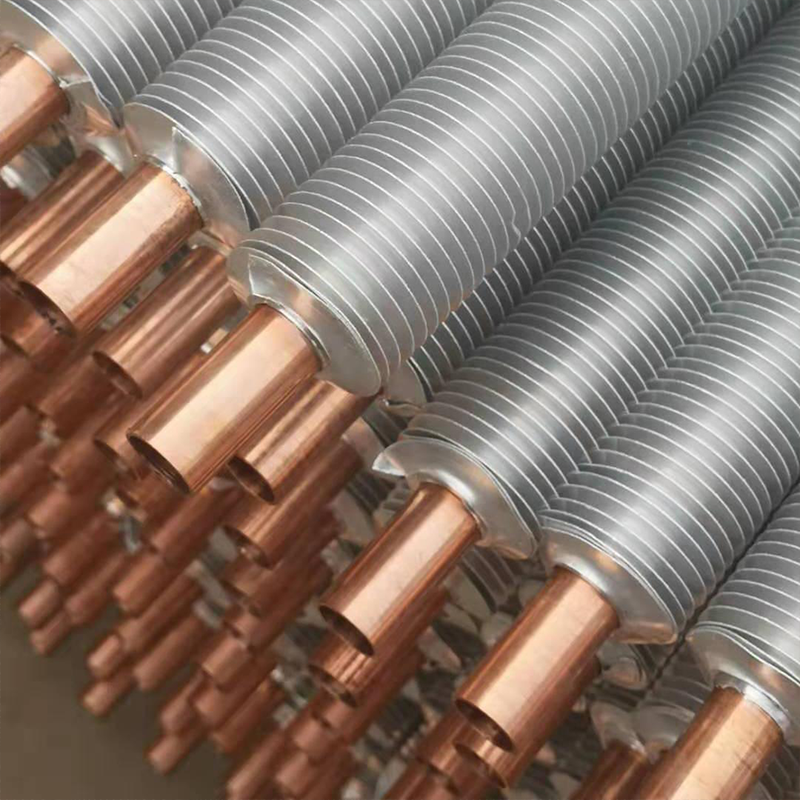
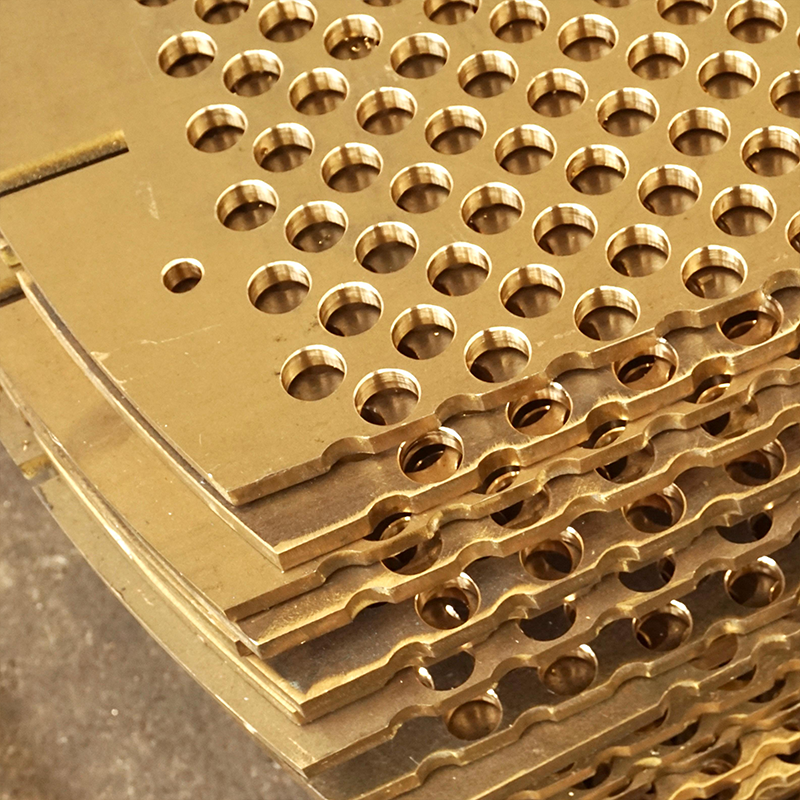
However, digital transparency is meaningless without reliable physical infrastructure. The quality of the final product begins with the equipment that processes the raw materials. This is where the company comes inWuxi Kaisheng Electric Power and Petrochemical Equipment Co., Ltd.. Specializing in the design and manufacture of highly efficient heat transfer and petrochemical equipment, the company ensures critical process stability. Their products, including titanium shell-and-tube heat exchangers, ASME high-pressure units and corrugated tube bundles made from 316 stainless steel or C46400 marine brass, ensure the precise temperature conditions required to maintain the properties of polypropylene.
In the context of blockchain tracking, the role of such equipment becomes even more significant: if the sensors record ideal parameters, but the physical heat exchanger cannot cope with the load due to corrosion or low efficiency, the data in the registry will truly indicate a defect. Wuxi Kaisheng products, certified to PED and ASME standards and made of corrosion-resistant alloys (N06625, C70600, titanium), minimize the risks of emergency stops and parameter deviations. Whether it is petroleum refining, chemical synthesis or water desalination, the use of trusted components from Wuxi Kaisheng creates the physical basis for the digital trust that blockchain provides. Only a symbiosis of advanced digital technologies and proven engineering equipment allows us to achieve true quality.
If you are ready to modernize your production and implement advanced quality control systems, our team of experts is ready to audit your infrastructure and develop a digitalization roadmap. We help factories move from paper records to robust digital ecosystems, backed by the best equipment from partners like Wuxi Kaisheng LLC.
Contact us todayfor advice on implementing blockchain solutions in your production.