
Big data in optimizing the production of PE sheets”
2026-09-16
- Why big data in PE sheet production optimization has become a critical factor for plant survival
- Data acquisition architecture: from sensors to cloud storage
- Analytics in action: reducing waste and saving energy
- Quality control: from laboratory tests to online monitoring
- ERP integration and supply chain management
- The role of reliable equipment in the era of digitalization
- Frequently Asked Questions
- Barriers to implementation and ways to overcome them
- The future of PE sheet production: autonomous lines
- Conclusion: Time to Act
Why big data in PE sheet production optimization has become a critical factor for plant survival
We can no longer afford to produce polyethylene sheets by relying solely on the intuition of extruder operators. In 2026big data in optimizing PE sheet productionhave ceased to be a fashionable term from presentations and have become the only way to maintain margins when raw material prices rise. Our experience shows that factories that ignore the collection of telemetry from pressure and temperature sensors lose up to 18% of raw materials annually due to imperceptible drift of parameters. These are not theoretical losses - these are real tons of granulate that were scrapped or recycled while managers were arguing about the quality of supplies.
The traditional “set it and forget it” approach no longer works. High-density polyethylene (HDPE) and low-density polyethylene (LDPE) behave unpredictably at the slightest fluctuations in raw material humidity or screw wear. Previously, we learned about the problem when the defective batch was already in the warehouse. Today, data analysis systems make it possible to predict the deviation of sheet thickness 45 minutes before it goes beyond GOST or ISO tolerances. If you're still making production decisions by looking at dial gauges rather than digital dashboards, your business is at high risk.
Data acquisition architecture: from sensors to cloud storage
The implementation of the system begins not with the purchase of expensive software, but with an audit of the existing equipment fleet. On a typical PE sheet extrusion line, we identify 15 to 40 key information collection points. It is critical to understand that simply collecting terabytes of logs is useless. The data must be structured so that the algorithm can relate engine vibration to changes in melt viscosity. In our practice, the most difficult stage was the integration of old Siemens and Schneider Electric controllers with modern IoT gateways. Many engineers make the mistake of trying to digitize everything, including minor parameters like the temperature in the workshop, which only clogs the transmission channels.
Key parameters we monitor in real time include melt pressure in front of the filter screen, temperature across the extruder barrel zones and draw speed. Particular attention is paid to raw material data. Lots of granulate, even from the same supplier, may have different melt flow index (MFI). The system should automatically adjust the temperature profile when changing big bags. We have implemented the OPC UA protocol to unify data exchange between disparate equipment. This made it possible to reduce downtime during line changeover from 3 hours to 45 minutes.
Data storage requires a reliable infrastructure. We use a hybrid model: critical data for process control is processed on edge devices right at the machine (latency less than 10 ms), and historical archives go to a secure cloud for in-depth analysis. It is important to note that the volume of data is growing exponentially. One line generates about 2 GB of information per day. Without the right archiving and compression strategy, you'll quickly run into disk space issues and slow retrieval rates. Our recommendation is to store detailed data for the last 3 months, and then aggregate it to hourly values.
Typical mistakes when building a data architecture
- Ignores sample rate.Recording temperature readings once per minute is too infrequent for extrusion. The processes of viscosity change occur faster. We recommend an interval of no more than 1-2 seconds for critical heating zones.
- Lack of context in logs.Data without reference to the batch number of raw materials or operator change is useless for retrospective analysis. The system should automatically tag each data slice with meta information about the production order.
- Workshop network overload.Connecting dozens of sensors via Wi-Fi in a metal shop with running frequency converters leads to packet loss. Use wired fieldbuses (Profinet, EtherCAT) for critical components.
After setting up information collection, the next step is to clean the signals from noise. The industrial environment is full of electromagnetic interference. Kalman filtering algorithms help separate real pressure spikes from random outliers. If you skip this step, the false alarm system will trigger every 15 minutes, and operators will simply turn off notifications. Staff trust in the system is as important an asset as server power.
Analytics in action: reducing waste and saving energy
The main goal of using big data is not beautiful graphs, but a specific reduction in the cost of a meter of square sheet. Let's consider a case with the production of 10 mm thick HDPE sheets for the chemical industry. Previously, the percentage of thickness defects was 4.2%. After implementing a predictive model that analyzed the correlation between screw speed and head pressure, we were able to reduce this figure to 1.1% in the first quarter. Savings amounted to more than 120 tons of raw materials per year on one line alone. This is a direct result of the fact thatbig data in optimizing PE sheet productionmade it possible to identify a hidden dependence that a person could not notice.
Energy consumption of extruders is the second largest cost item after raw materials. Traditionally, operators keep the temperature of heating zones with a reserve, fearing under-melting. Analysis of historical data showed that in 60% of cases the temperature in the last zone exceeded the required one by 15-20°C without any technological need. The automated dynamic control system reduced energy consumption by 8.5%. For a plant with a fleet of 10 lines, this is hundreds of thousands of rubles in monthly savings. The algorithm takes into account the thermal inertia of the cylinder and reduces the power of heating elements in advance before entering the mode, preventing overheating.
Predictive maintenance of equipment is made possible by analyzing vibration and current of motors. We noticed a pattern: 72 hours before the main drive bearing failed, the vibration spectrum changed in a specific way. Now the system automatically generates a request to the maintenance and repair department when this signature is detected. This made it possible to move from planned preventative repairs to condition-based repairs. We avoided three major emergency shutdowns last year, each of which could have cost the company millions of rubles in losses due to downtime and spoilage of the melt in the cylinder.
| Performance indicator | Before big data implementation | After implementation (6 months) | Engineer's comment |
|---|---|---|---|
| Percentage of defects by thickness (%) | 4.2% | 1.1% | The reduction is achieved due to auto-correction of the speed of the pulling device |
| Specific energy consumption (kWh/kg) | 0.45 | 0.41 | Real-time optimization of temperature profiles |
| Line changeover time (min) | 180 | 45 | Using digital recipes for different PE brands |
| Downtime due to breakdowns (hour/month) | 12.5 | 3.2 | Predictive diagnostics of bearings and heaters |
It is important to understand that the numbers in the table are the result not of an instant miracle, but of painstaking adjustment of models for specific raw materials. What works for LDPE may fail for LLDPE. We spent the first two months collecting reference data (the “gold standard”) to train the neural network. Without this stage, any system recommendations will be erroneous. Don't expect instant ROI in the first week; Give the algorithms time to learn to understand the physics of your process.
Quality control: from laboratory tests to online monitoring
Laboratory control of finished products has one fatal flaw - it is after the fact. By the time the tensile or impact test results are received, the batch has already been produced. Big data changes this paradigm by making it possible to predict the physical properties of the sheet directly during the extrusion process. We have developed regression models that relate process parameters (melt temperature, calibrator cooling rate, crystallization rate) to the final mechanical properties. The accuracy of the elastic modulus prediction reaches 94%, which allows you to reject questionable sections of the roll on the line, without waiting for the laboratory.
Monitoring the homogeneity of the mixture plays a special role. When using secondary raw materials (regranulate), the risk of heterogeneity increases many times over. Computer vision systems integrated into the line analyze the sheet surface for the presence of micro-inclusions and gels. Data from the cameras is compared with the operating parameters of the mixer. If the system sees an increase in the number of defects, it automatically signals a deterioration in the quality of input raw materials or the need to replace the filter mesh. This prevents the release of products that do not meet customer requirements in appearance.
New generation thickness gauges, based on the principle of nuclear backscattering or infrared spectroscopy, provide a complete thickness profile across the width of the sheet in real time. Previously, the operator manually adjusted die jaw clearance based on three-point measurements. Now the jaw servos receive commands from the controller every 0.5 seconds, leveling the profile to an ideal state. This is critical for customers using thermoforming sheets where uneven thickness results in finished products being rejected. Meeting tolerances of +/- 5% becomes the norm rather than the exception.
However, this method has a limitation. Optical sensors are sensitive to dirt and condensation. In our practice, there was a case when the system produced false data about surface defects due to oil mist getting on the camera lens. We were forced to develop a system for automatically purging and protecting the optics. Never rely blindly on the readings of one type of sensor. Cross-validation of data (for example, comparison of thickness gauge readings with linear meter weight) is necessary to ensure reliability.
ERP integration and supply chain management
Production data should not remain in an isolated “island” of the process control system. Their value increases exponentially when integrated with an enterprise resource planning (ERP) system. When actual raw material consumption and cycle times are fed into the ERP in real time, the purchasing department receives an accurate forecast of granulate requirements. This allows you to optimize inventory, reducing working capital. We have reduced the safety stock of raw materials by 20%, since the system now knows exactly how many kilograms of PE it will take to complete the current order, taking into account real, rather than standard, consumption.
For logistics and shipping, this means transparency. The client can see the status of his order not just as “in production”, but with an indication of the percentage of readiness and the predicted time to leave the line. Moreover, a digital batch passport containing all production parameters (temperature charts, raw material data, online control results) is generated automatically and attached to shipping documents. This is a powerful selling point for demanding customers in the oil and gas or food industries where traceability is critical. You are not just selling a sheet, but guaranteed quality backed by data.
The finance department also benefits from data accuracy. The cost per unit of production is calculated not according to average monthly rates, but in fact for each specific batch. This reveals hidden losses on certain types of products or when working certain shifts. We discovered that the production of thin sheets (less than 2 mm) on the old line No. 3 was unprofitable due to increased energy consumption, which was previously masked by general statistics. Such insights allow you to make informed decisions about upgrading or changing the product matrix.
With such deep integration, data security comes to the fore. Manufacturing data is a trade secret. We use network segmentation and strict access policies. The operator sees only his own parameters, the technologist sees recipe settings, and the director sees summary financial indicators. Leaking data on mixing recipes or extrusion parameters can give competitors an advantage. Regular auditing of access rights and encryption of data transmission channels is a mandatory requirement, not an option.
The role of reliable equipment in the era of digitalization
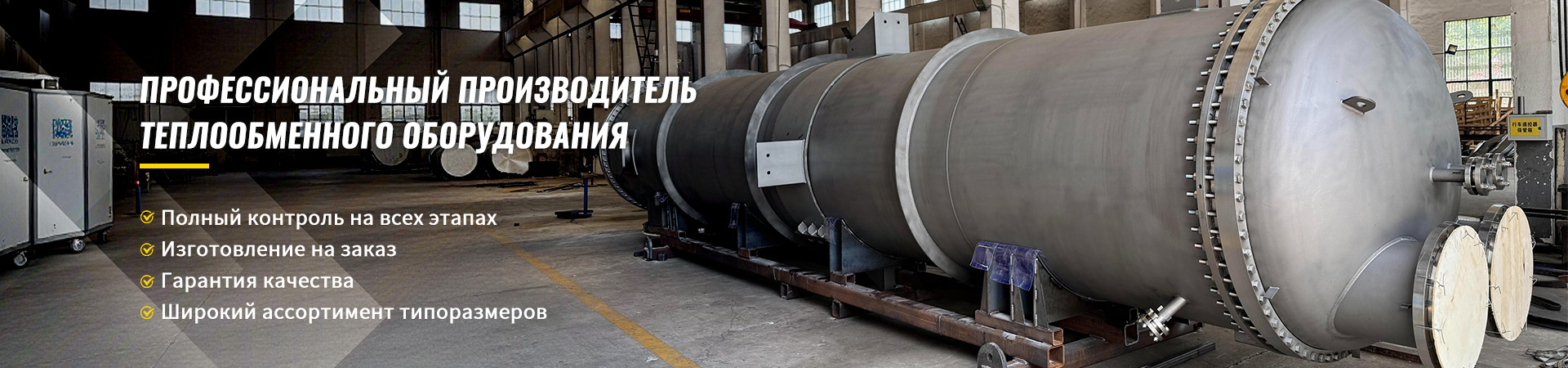
Digital transformation is impossible without the physical reliability of the production equipment itself. Even the most advanced algorithms are powerless if the underlying equipment does not provide stable processes or is subject to corrosion and wear. This is where specialist manufacturers such asWuxi Kaisheng Electric Power and Petrochemical Equipment Co., Ltd.. The company specializes in the development and production of high-tech heat exchange and petrochemical equipment, which serves as the foundation for modern automated lines.
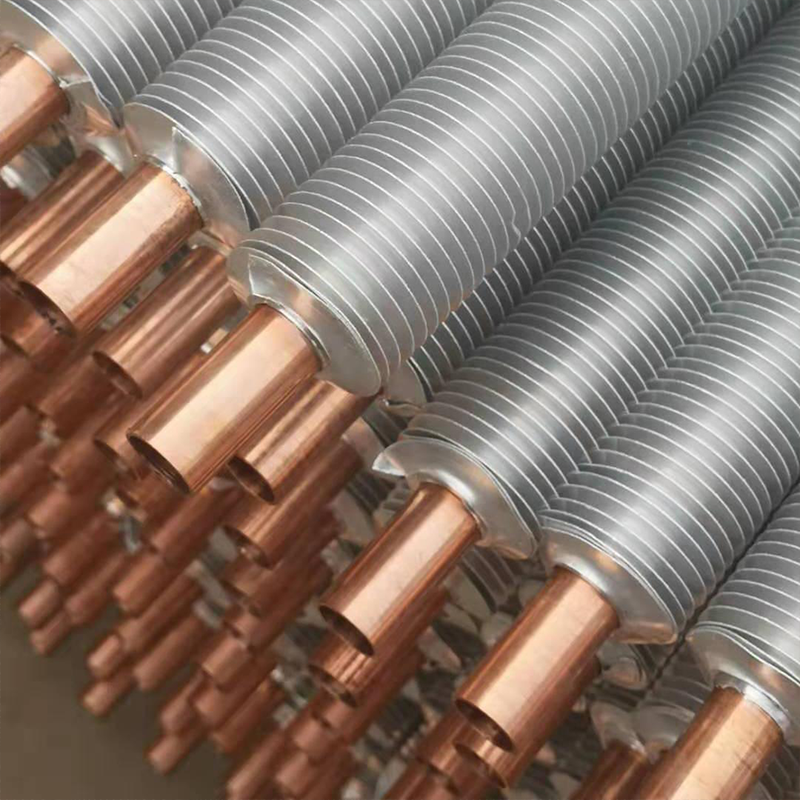
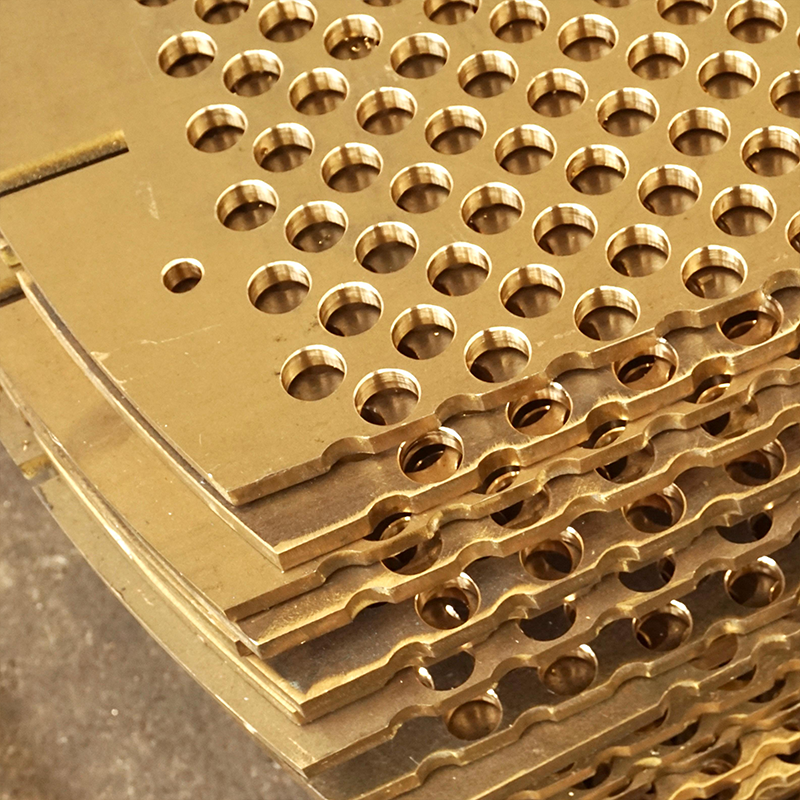
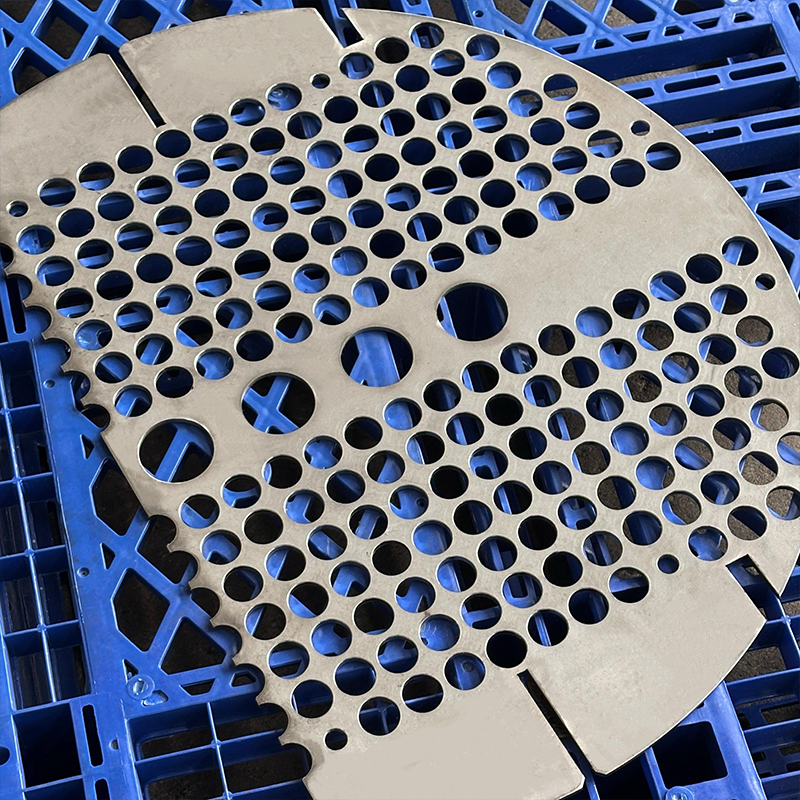
In the context of polymer manufacturing and related industries, components that can operate in harsh environments at high pressures and temperatures are critical. Wuxi Kaisheng's products, including titanium shell-and-tube heat exchangers, 316 stainless steel and C46400 alloy corrugated tube bundles, as well as air coolers and waste heat boilers, provide just that reliability. Certification to PED and ASME standards ensures that the equipment meets stringent international safety requirements. Using materials with high corrosion resistance, such as N06625 nickel alloys or C70600 copper-nickel alloys, minimizes the risk of unscheduled shutdowns that could corrupt data streams or interrupt telemetry collection.
Integration of high-quality hardware with advanced data collection systems creates a synergistic effect. The stable operation of heat exchangers and auxiliary equipment from Wuxi Kaisheng ensures the constancy of process parameters, which, in turn, increases the accuracy of big data predictive models. For businesses looking to build darkrooms and fully autonomous lines, choosing a proven equipment partner becomes a strategic decision. Only the combination of a reliable engineering base and intelligent analytics allows us to achieve maximum efficiency and competitiveness in the global market.
Frequently Asked Questions
How expensive is it to implement a big data system for a small plant?
The cost varies widely and depends on the degree of automation of the existing equipment. For a basic level (data collection from a controller, cloud dashboard), investments can range from $15,000 to $30,000, including equipment and configuration. A full-fledged system with predictive analytics and integration into ERP will require a budget of $80,000. However, the payback period (ROI) in our sector usually does not exceed 12-18 months due to savings in raw materials and energy. You can start with a pilot project on one line to evaluate the effect before scaling.
Do old extruders need to be replaced to handle big data?
No, hardware replacement is not a requirement. Most modern and even old extruders (manufactured after 2005) have controllers with the ability to output data via standard protocols (Modbus, OPC). If the controller is very old, it can be retrofitted with external sensors and an IoT gateway. The main thing is the presence of measured parameters. Often, upgrading a control system and adding sensors costs 5-10 times less than purchasing a new line, while providing a comparable effect on quality control.
How to ensure the security of industrial data from cyber attacks?
Security is based on the principle of layered defense. First, the ICS network must be physically or logically isolated from the corporate network and Internet (DMZ). Secondly, all remote connections must be made through secure VPN channels with two-factor authentication. Thirdly, regular software updates for controllers and gateways. We also recommend conducting an annual security audit by a third party. Ignoring these measures could result in the ransomware stopping production, which happened in the industry in 2024.
Can artificial intelligence completely replace the technologist?
No, and this is unlikely in the foreseeable future. AI is great at processing data sets and finding patterns, but it lacks engineering intuition and responsibility. The algorithm can suggest the optimal mode, but the final decision, especially in non-standard situations (change of raw material brand, equipment breakdown), must be made by a person. The role of the technologist is being transformed: instead of routinely taking readings, he becomes an operator of complex systems and an analyst interpreting AI recommendations. Experience and understanding of the physics of the process remain indispensable.
Barriers to implementation and ways to overcome them
Despite the obvious benefits, many businesses put off digitalization. The main barrier is not the price, but the resistance of the staff. Operators and foremen often perceive the monitoring system as a tool of total control and a threat to their competence. “Why do I need a sensor, I can already hear the car?” - typical reaction. The key to success lies in changing the production culture. It is necessary to explain to staff that the system was created not to punish, but to help: it relieves routine, prevents accidents and makes their work safer. In our practice, the introduction of a bonus system for using AI recommendations helped break the ice of mistrust in three months.
Another problem is the shortage of qualified personnel. Finding a specialist who understands both polymer extrusion technology and the basics of data science is extremely difficult. The market is experiencing an acute hunger for such “hybrid” engineers. The solution is seen in internal training. It is much more effective to teach a working technologist the basics of working with data than to try to explain polymer physics to a programmer. We have created internal training courses where employees learn to read analytical dashboards and formulate tasks for the IT department.
The problem of “dirty data” also remains relevant. If the sensors are not verified, and information about raw materials is entered manually with errors, then any, even the most advanced analytical model will produce garbage (GIGO principle - Garbage In, Garbage Out). Strict data entry discipline and regular calibration of measuring instruments are required. Automation of input (barcode scanners on bags, direct reading from scales) minimizes the human factor. Without a foundation of quality data, the edifice of digital transformation will collapse.
The future of PE sheet production: autonomous lines
Looking to the horizon of 2026-2028, we see a transition from assistive systems to fully autonomous lines. The concept of “lights-out manufacturing” for extrusion is becoming a reality. Lines will be able to independently reconfigure for a new order by loading digital recipes, order raw materials from the supplier when the minimum level in the bunker is reached, and call customer service when a breakdown is predicted. The person will only perform the function of a supervisor, interfering in the process only in exceptional cases. This will require new standards of reliability and cybersecurity.
The development of digital twins technologies will allow virtual testing of new recipes and operating modes without stopping real production and risking damage to expensive raw materials. The engineer will be able to “run” a new grade of composite in a digital copy of the line, assess risks and optimize parameters before loading the first kilogram into a real extruder. This will reduce the time to market for a new product from weeks to days. Investing in accurate digital models of equipment today will become a competitive advantage tomorrow.
The environmental aspect will also be enhanced. Big data will make it possible to accurately calculate the carbon footprint of each batch of products, which will become a mandatory requirement for exporting to the EU and working with large international corporations. Data-enabled value chain transparency will become the currency of trust in the global marketplace. Manufacturers who can document resource efficiency and low waste levels will gain access to premium market segments.
Conclusion: Time to Act
The polyethylene sheet industry is on the verge of irreversible change. Those who master the language of data and learn to extract meaning from it will gain the decisive advantage of low cost and superior quality. Others risk being left with legacy assets unable to compete on price and flexibility. Implementationbig data in optimizing the production of PE sheetsis not a one-time project, but a continuous path of improvement. Start small: digitize one line, find one hidden problem and fix it. Success is born in details that previously eluded human attention.
We are ready to share our experience and help you build an effective analytics system in your production. Don't wait for competitors to take your niche.Contact us todayto discuss an audit of your current infrastructure and develop a digitalization roadmap. Remember that data is the new oil, but only if you know how to process it.
For more information about our extrusion automation solutions, visitindustrial solutions for the polymer industry. There you will find detailed cases and technical specifications of our equipment.