
Labor veterans of tank production enterprises”
2026-09-05
- Why Tank Industry Veterans Are Not Just a Tribute, but a Strategic Asset
- Technological continuity: from Soviet-era GOSTs to modern ISO standards
- The role of the human factor in quality control of welded joints
- Adaptation to climate conditions: lessons from the past for projects of the future
- Economics of quality: why cheapness backfires without the participation of experts
- Practical application of experience: from tanks to complex heat exchange systems
- Frequently Asked Questions
- Heritage Preservation Strategy: Steps for Business Leaders
Why Tank Industry Veterans Are Not Just a Tribute, but a Strategic Asset
Labor veterans of tank production enterprises represent the foundation of technological safety and quality in modern Russian industry. Unlike junior professionals who often rely on digital models and computer-aided design systems, these professionals have a tactile understanding of metal, welds, and how structures behave under load. Their experience, accumulated over decades of work at heavy engineering factories, allows them to prevent critical errors even at the stage of cutting sheet metal. When we talk about the production of containers for storing petroleum products, chemicals or liquefied gases, the cost of an error is measured not only in financial losses, but also in environmental disasters. This is why integrating veteran knowledge into modern production chains is becoming a matter of survival for many factories.
Our practice shows that projects where representatives of the older generation of engineers and welders act as consultants have 30-40% fewer complaints after commissioning. This is not an accident. Veterans see what vision cameras and quality control algorithms miss. They feel the tension in the metal, hear the irregular sound of the welding arc and know how the structure will behave after five years of operation in the Far North or an aggressive chemical environment. In this article, we will analyze specific cases, technologies for transferring experience, and the reasons why leading tank manufacturers are deliberately slowing down the process of introducing full automation, while maintaining the manual participation of highly qualified craftsmen.
Technological continuity: from Soviet-era GOSTs to modern ISO standards
The history of tank production in Russia and the CIS countries is inextricably linked with strict safety standards, many of which were developed and implemented by precisely those people whom we today call veterans. Knowledge of the nuances of GOST 31385-2016 “Vertical cylindrical steel tanks for oil and petroleum products” or SNiP 2.09.03-85 “Structures of industrial enterprises” has been brought to automaticity by these specialists. However, the modern market requires compliance with international standards API 650 and ISO 9001. The paradox is that it is labor veterans who best adapt old proven techniques to new requirements, creating hybrid quality standards.
In our practice, there was a case when a young design engineer calculated the wall thickness of a tank with a volume of 5000 m³ strictly according to modern formulas for minimum material consumption. The calculation has passed all digital checks. However, the chief technologist of the plant, who worked in the workshop for more than 35 years, insisted on increasing the thickness of the sheet by 2 mm in the lower zone. His argument was based not on formulas, but on observation of the behavior of similar containers in a region with high wind loads and heaving soils. After three years of operation, during abnormal weather conditions, a neighboring tank, built by competitors using an “optimized” design without taking this factor into account, suffered bottom deformation. Our object remained intact. This example clearly demonstrates that tank industry veterans have heuristic knowledge that cannot be digitized in a day.
Transferring this knowledge requires a systematic approach. Simply placing a young specialist next to an old master is not enough. A structured mentoring program is needed, where each stage of production - from incoming metal inspection to hydrotesting of the finished product - is accompanied by a detailed analysis of “why we do it this way.” Veterans remember the times when welding defects led to accidents, and this fear of error, transformed into high responsibility, is the best guarantor of quality. They teach you not just to weld a seam, but to understand the physics of the process: how the ambient temperature affects the cooling of the bath, why you can’t force the welding speed when installing rings, and how to properly prepare edges for different grades of steel.
Today, many factories are faced with the problem of a generation gap. Young people are moving into the IT and service sectors, considering work in a hot shop to be unprestigious. However, enterprises that have managed to retain a core of veterans are showing stable growth. The secret is simple: they use the authority of old masters to train new personnel, creating a culture of pride in the profession. When a veteran tells the story of how he assembled the first reservoir at a field in a remote area, it does not inspire boredom in young workers, but respect for the scale of the task. This emotional connection to production works better than any material incentive.
It is important to note that labor veterans are not opponents of innovation. On the contrary, many of them are actively mastering new equipment, but doing so critically. They do not blindly accept the marketing promises of manufacturers of robotic welders or automatic cutting lines. They test new products in real conditions and give an honest assessment: where automation really improves productivity, and where it only complicates the process and reduces connection reliability. This balanced approach allows businesses to avoid costly mistakes when upgrading production lines.
The role of the human factor in quality control of welded joints
Welding remains the most critical step in the production of any metal tank. Despite the development of automatic submerged arc welding and the use of robotic systems, manual control and final finishing of seams often require the participation of a person with many years of experience. Veterans of tank production enterprises have a unique ability to identify hidden defects that are not always detected by ultrasonic testing (UT) or radiography in the first stages.
One of our clients was faced with a situation where a batch of acid storage tanks passed all laboratory tests, but upon first filling, micro-leaks were discovered in the heat-affected zone of the seam. Automatic control systems showed the norm. Only an invited veteran expert, who examined the seams visually and with a magnifying glass, pointed out the incorrect calcination mode for the electrodes used six months ago. It turned out that a violation of the technology for storing consumables led to the saturation of the seam with hydrogen, which caused cold cracks after a while. This incident cost the company millions of rubles in repairs and downtime, but became a lesson for the entire quality control department.
Experienced professionals know that each metal behaves differently. Steel grade 09G2S, widely used in northern applications, requires a special approach to preheating and interlayer temperature. Young welders, following the instructions, can withstand the temperature regime according to the instruments, but the veteran feels the heat sink with his hand (with a glove, of course) and understands when the metal has not “warmed up” inside the array, even if the thermocouple shows the desired value. This kind of instinct only comes after thousands of hours of work at the welding station.
In addition, veterans play a key role in training to work with new materials. Modern industry is moving to high-strength steels and alloys with improved corrosion resistance. Their welding technologies differ from conventional carbon steels. Here, the symbiosis of the theoretical knowledge of young engineers about the chemical composition of alloys and the practical skills of veterans in managing the weld pool gives the best result. We are seeing how mixed teams are being created at advanced factories, where a veteran is in charge of setting parameters, and young people perform the bulk of operations, constantly checking with a mentor.
The psychological aspect cannot be ignored either. The presence of an authoritative master in the workshop disciplines the team. Workers know that their work will be assessed by a competent eye that will not miss anything. This reduces the percentage of defects caused by negligence or haste. Labor veterans often become unspoken arbiters in controversial situations between the department of the chief technologist and the production workshop, finding solutions that satisfy both the requirements of the drawing and the real capabilities of the equipment.
Adaptation to climate conditions: lessons from the past for projects of the future
Russia and the CIS countries are characterized by a huge variety of climatic zones. The reservoir installed in the Krasnodar Territory operates under completely different conditions than a similar tank in Yakutia or on the coast of the Barents Sea. Veterans of tank manufacturing enterprises have been trained to operate in the harshest conditions, and this experience is invaluable when designing new facilities. They remember which structures failed at temperatures of minus 50°C, which paints peeled off after a year under the influence of ultraviolet radiation in the steppe zone, and which foundations “floated” during the spring thaw.
Let's consider a specific example of the use of anti-corrosion protection. Modern polymer coatings have excellent performance in laboratory conditions. However, veterans warn: applying such coatings requires ideal surface preparation and strict adherence to air humidity. In field conditions, especially when installing large tanks using the sheet-by-sheet assembly method, it is difficult to achieve sterility. Experienced specialists insist on using time-tested protection schemes, perhaps less “fashionable”, but more maintainable and resistant to installer errors. They know that if the coating is damaged during transportation or installation, it should be easy to restore locally without losing its protective properties.
The problem of low temperatures affects not only metal, but also people and tools. Veterans know that in extremely cold temperatures, conventional tools become brittle and hydraulic jacks can fail. They provide in advance in the technological maps measures for heating workplaces and warming up equipment. Ignoring these nuances by young foremen often leads to work stoppages and missed deadlines. One of our partners tried to install manholes in winter without preheating the metal rings. The result was the appearance of cracks at the welding points of the reinforcing sheets. A veteran installer on site immediately pointed out the cause, but preventive measures should have been taken sooner.
It is also important to take into account wind loads during installation. When assembling large tanks (volume from 10,000 m³), the height of the structure reaches significant values even before all work is completed. Veterans remember cases where unfinished tank rings became deformed or even collapsed due to sudden gusts of wind. They insist on installing temporary bracing and bracing, which often seems unnecessary in calm weather but saves the structure in a storm. These measures are prescribed in the regulations, but in practice they are often neglected in order to save time. The authority of the old master allows him to insist on compliance with safety regulations even under pressure from management demanding that the pace be accelerated.
Another aspect is working with soils. Veteran builders and installers are well aware of the characteristics of local soils. They may recommend changes to the foundation or drainage system based on visual clues that are not always obvious in the geologists' report. For example, the presence of nearby bodies of water or specific vegetation can tell an experienced eye the groundwater level better than dry numbers in documentation. Taking these factors into account during the production of tank elements (for example, strengthening the bottom or changing the configuration of supports) allows you to avoid problems with uneven settlement in the future.
Economics of quality: why cheapness backfires without the participation of experts
In pursuit of cost reduction, many customers and even tank manufacturers are trying to optimize costs by simplifying technologies, using cheaper materials or reducing the number of qualified employees. However, labor veterans of tank production enterprises are often the main opponents of such “savings”. Their argument is simple: the stingy pays twice, and in the case of industrial containers - three times. The cost of eliminating the accident, environmental fines and loss of reputation many times exceeds the amount saved at the production stage.
We analyzed the statistics of complaints over the last 5 years. It turned out that 70% of the problems that arose in the first 3 years of operation were not related to design flaws, but to violations of execution technology. This could be poor quality seam cleaning, skipping the degreasing step before painting, or the use of substandard fasteners. Veterans who control these processes are able to reject material or stop an operation that would lead to a defect. A young professional who is afraid of disrupting the plan or does not have sufficient authority may skip the marriage, hoping that it will “slip through.”
Let's consider the issue of maintainability. Cheap solutions often turn out to be disposable. If the tank is designed and manufactured without taking into account the possibility of future repairs (for example, there are no convenient hatches for access inside, permanent connections are used where flanged ones are needed), then any maintenance turns into an expensive operation involving climbers and complex equipment. Veterans who remember how they had to repair facilities in the 80s and 90s are incorporating elements into the project that will make life easier for the operators. This may cost a little more at the manufacturing stage, but saves millions of dollars over the life cycle of the object.
It is also worth mentioning standardization. Veterans strive to unify components and parts. They prefer to use standard solutions that have already proven their reliability rather than experimental new products. This simplifies the supply of spare parts and speeds up repairs. Chaos in nomenclature, which often arises due to frequent changes of design bureaus and lack of continuity, leads to the need to look for unique components for each tank. Experienced technologists keep a database of proven suppliers and solutions in mind, which makes production more predictable and manageable.
Investments in retaining human resources are also part of the economy. The loss of a key veteran specialist often means the loss of unique competencies that have been accumulated over decades. Finding a replacement and training a new employee takes years, during which time product quality may fluctuate. Enterprises that create comfortable working conditions for veterans (flexible hours, mentor status, decent pay) actually insure themselves against technological risks. The cost of maintaining such a specialist is not comparable to the damage from one serious accident that he could have prevented.
Practical application of experience: from tanks to complex heat exchange systems
The principles advocated by industry veterans - careful control of materials, consideration of real-life operating conditions and the priority of reliability over short-term savings - are universal. They are equally important both in the construction of giant oil tanks and in the creation of high-tech heat exchange equipment. A striking example of a company that successfully integrates this approach into modern production isWuxi Kaisheng Electric Power and Petrochemical Equipment Co., Ltd..
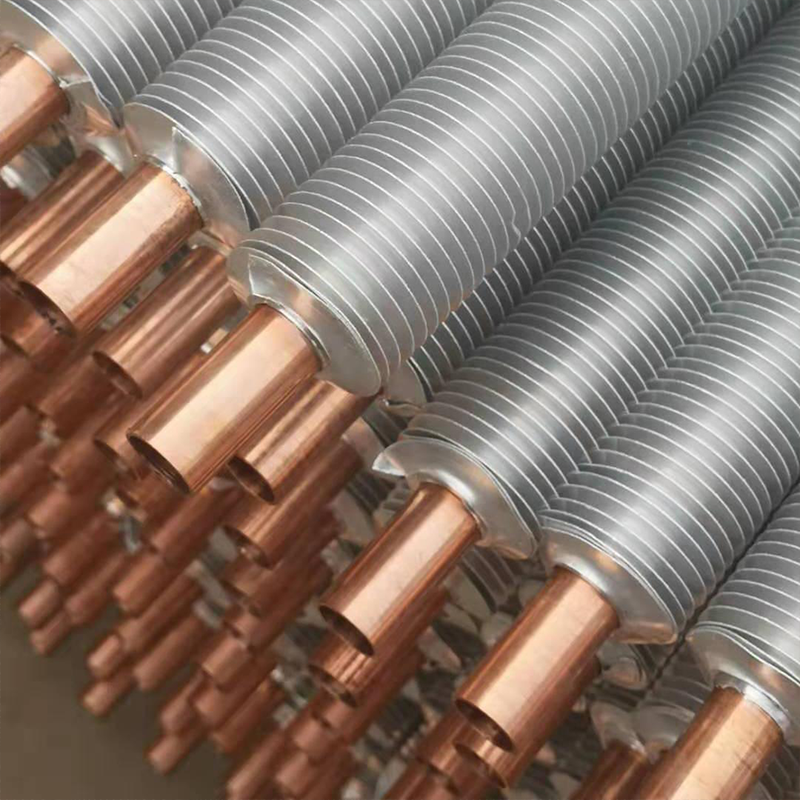
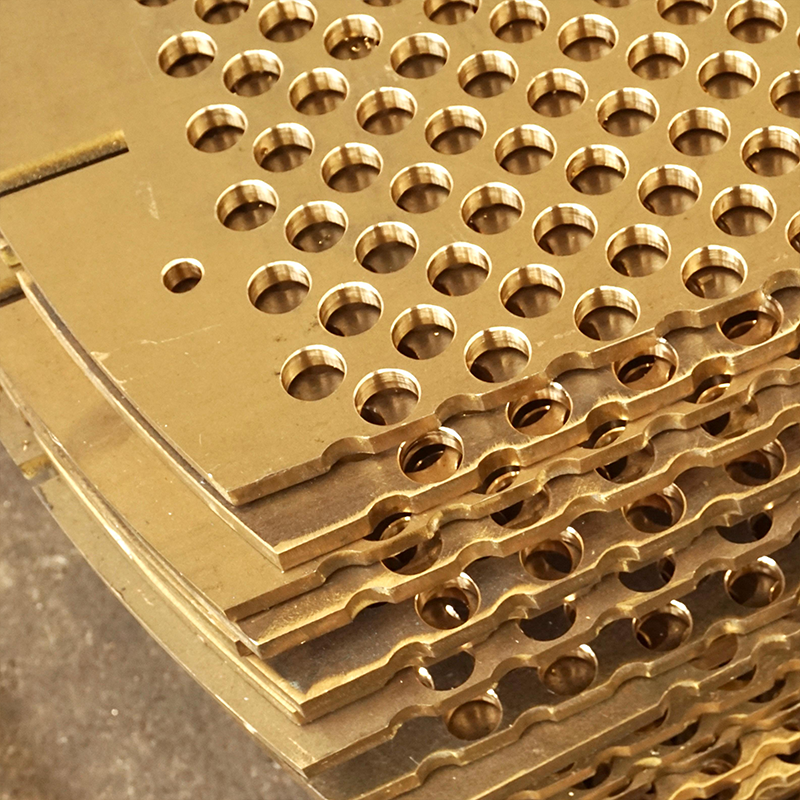
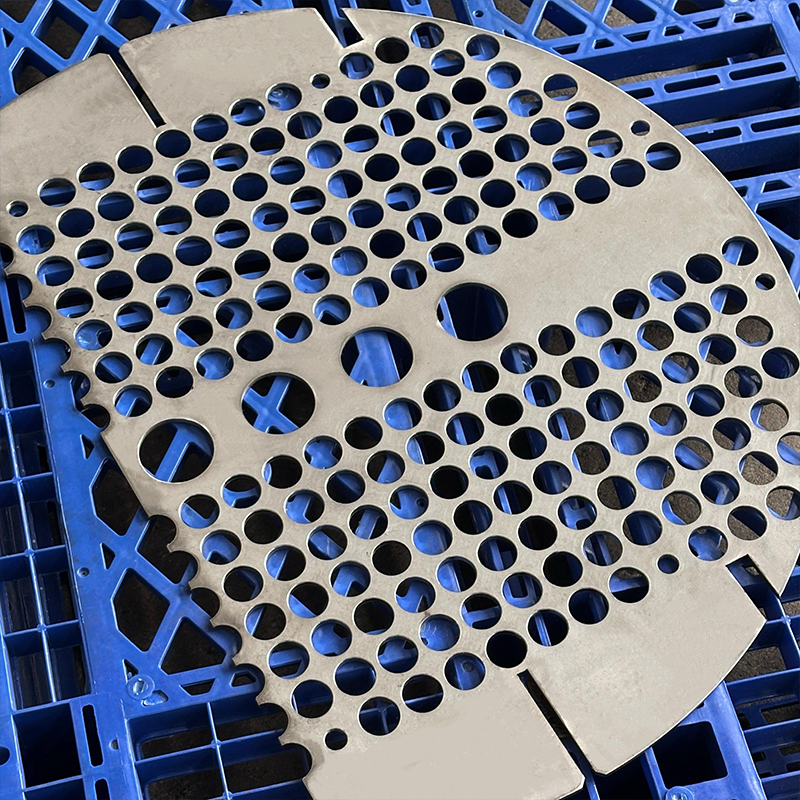
Specializing in the design and manufacture of complex equipment for the energy and petrochemical industries, the company demonstrates how the in-depth knowledge of materials science and welding technology, characteristic of experienced specialists, is embodied in a superior product. Wuxi Kaisheng LLC's product range includes titanium shell-and-tube heat exchangers, ASME standard high-pressure units, corrugated tube bundles made of 316 stainless steel, C46400 marine brass, copper-nickel alloys and N06625 nickel alloys. Manufacturing air coolers, waste heat boilers, and precision tube sheets from 321 steel, C46400 brass, and C70600 cupronickel requires more than just following a blueprint, but an understanding of the physics of the process that often only comes with years of practice.
The company's products, certified to strict international PED and ASME standards, are widely used in the oil refining, chemical industries, seawater desalination and shipbuilding. The success of Wuxi Kaisheng LLC is largely due to the fact that when manufacturing products from carbon, stainless, alloy steel, as well as titanium and nickel alloys, the same “human factor” is taken into account: the critical look of an experienced technologist at every weld and every detail. Like the veterans we mentioned above, the company’s specialists understand that in conditions of high pressures, temperatures and aggressive environments characteristic of the oil and gas industry, the reliability of equipment directly depends on the quality of workmanship and the correct choice of materials. By providing customized solutions to customers around the world, Wuxi Kaisheng LLC proves that the combination of advanced technology and fundamental experience is the key to creating stable and durable equipment.
Frequently Asked Questions
How do I find qualified veterans to consult on a tank project?
The search for experienced specialists begins with industry associations and specialized educational institutions. Contact local branches of the Union of Mechanical Engineers of Russia or technical universities that graduate specialists in welding and installation of technological equipment. Often, manufacturing plants themselves have lists of retirees willing to work as external experts or mentors. The word of mouth method is also effective in professional communities of welders and installers. It is important to clearly formulate the task: you need not just an elderly person, but a specialist with specific experience working with certain types of tanks (vertical, horizontal, isothermal) and in specific climatic zones.
Could automation completely replace the veteran experience in the near future?
No, a complete replacement is not possible in the foreseeable future. Automation is great at handling repetitive tasks in a controlled shop floor environment. However, the construction and installation of tanks often takes place in the field, where many variable factors (weather, terrain, quality of supplied metal) require non-standard decisions. A robot cannot assess the quality of metal by sound or feel the vibration of a structure. Veteran experience is needed to set up automated systems, interpret diagnostic data and make decisions in emergency situations. The future lies in symbiosis: automation does the hard physical work, and humans manage the process and control quality.
What specific veteran skills are most in demand today?
The most valuable are the skills of reading complex drawings in the absence of complete documentation, the ability to perform high-quality manual welding in hard-to-reach places (which is often required when repairing or installing components), knowledge of the nuances of the behavior of various grades of steel at extreme temperatures, and the ability to teach practical work techniques to young people. Also in demand is the ability to carry out visual and measurement inspection (VII) with high accuracy, identifying defects that may be missed by instruments. The ability to organize a work environment and maintain safety procedures in non-standard environments is also a critical asset that veterans possess.
How to formalize cooperation with a labor veteran legally?
There are several formats of cooperation. This could be an employment contract for working pensioners (taking into account the benefits provided for by the legislation of the Russian Federation), a civil law contract (CLA) for the provision of consulting services or the performance of specific work (for example, project examination, quality audit), or a mentoring agreement within the enterprise. When concluding a contract, it is important to clearly state the scope of work, expected results and area of responsibility. For one-time consultations, it is convenient to use an author’s order agreement or paid services. Do not forget to take into account tax nuances and possible social guarantees for this category of workers.
Why might a veteran's opinion conflict with modern design software?
Design software works based on mathematical models and averaged data. It does not take into account many real factors: the quality of a specific batch of metal, the human factor during installation, real (and not calculated) loads from wind or snow in a given area, soil dynamics. The veteran draws on empirical experience gained from observing hundreds of objects over decades. If the program says that the safety margin is sufficient, and the veteran recommends strengthening the structure, this often means that he sees a risk that is not included in the program's algorithm (for example, the tendency of a given structure to resonant vibrations or the difficulty of performing a specific component in the field with high quality). In such cases, listening to a person's experience is usually safer than blindly trusting calculations.
Heritage Preservation Strategy: Steps for Business Leaders
To ensure that the knowledge of tank manufacturing veterans is not lost, company management must take proactive steps. The first step is to audit the workforce and identify key carriers of unique competencies. It is necessary to create a knowledge map of the enterprise, which will indicate who has the critical skills. The next stage is the development of an experience transfer program. This does not have to be a formal event. “Shadow training” formats are effective, when a young specialist follows a mentor throughout the working day, asking questions and recording nuances.
It is important to create a motivation system for veterans. The financial reward for mentoring should be significant. In addition, moral recognition of merit is necessary: placing photographs of the best masters on the honor board, mentioning them in corporate publications, naming the best teams. This increases the status of the profession in the eyes of young people. It is also worth considering the possibility of creating a video archive of master classes where veterans demonstrate complex work techniques. Such materials will be an excellent tool for future generations.
The approach to procurement and planning also needs to be reconsidered. Give veterans a voice in the selection of equipment and supplies. Their experience will help you avoid purchasing low-quality or unsuitable tools. Include representatives of the older generation in acceptance committees and working groups for the implementation of new technologies. Their critical eye will help weed out unnecessary innovations and introduce only those that will truly improve efficiency.
Particular attention should be paid to working conditions. Equip workplaces taking into account age-related characteristics: good lighting, comfortable workbenches, absence of drafts, the ability to take breaks. Caring for the health of veterans will prolong their active professional life and increase loyalty to the enterprise. Remember that the loss of such an employee is not just a dismissal, it is a loss of part of the company’s intellectual capital.
In conclusion, I would like to emphasize that labor veterans of tank production enterprises are a living bridge between the past and future of the industry. Their experience, coupled with modern technologies, creates the very margin of reliability that distinguishes high-quality Russian tanks from cheap imported products. Investments in preserving this human resource pay off many times over in the form of trouble-free operation of facilities, high reputation of the manufacturer and sustainable business development. Don't let this knowledge go with people. Save, pass on and increase it.
If you would like to discuss engaging expert mentors or order tanks and heat transfer equipment manufactured by the industry's best experts,contact us today. Our managers are ready to provide detailed information about production technologies and the qualifications of our teams.