
Vibration safety of pipe extrusion equipment”
2026-09-08
- Why vibration is not just noise, but a direct threat to extrusion profitability
- Physics of the process: where does vibration come from in the extruder
- Vibration safety standards: GOST, ISO and actual operation
- Design solutions to improve line stability
- The role of foundation and installation in ensuring vibration safety
- Real-time diagnostic and monitoring methods
- Economic justification for investment in vibration safety
- Frequently Asked Questions
- Conclusion and recommendations for choosing a supplier
Why vibration is not just noise, but a direct threat to extrusion profitability
The vibration safety of pipe extrusion equipment determines the service life of the line, the accuracy of the product geometry and the final cost of production. In our practice, we have repeatedly encountered a situation where a customer lost up to 18% of raw materials due to melt pulsations caused by resonance in the molding zone, even when using an expensive imported extruder. Ignoring this factor at the design or procurement stage leads to the fact that the line reaches its design capacity only 6–8 months after installation, and not after 2 weeks, as the supplier promises. This article is based on real experience in operating more than 40 lines in Russian workshops and is aimed at helping you distinguish marketing statements from engineering reality.
We will not use general phrases about “high quality”. Instead, we will analyze specific parameters: the natural frequencies of the frame, damping methods for screw pairs, and the influence of the foundation on the stability of the pipe wall thickness. If you are planning to modernize your fleet or purchase new equipment in 2025–2026, this data will form the basis of your technical specifications.
Physics of the process: where does vibration come from in the extruder
Sources of mechanical vibrations in extrusion lines are divided into three categories: forced (from the motor and gearbox), parametric (change in melt viscosity) and self-oscillations (stick-slip effect in the cylinder). The third type is the most critical for vibration safety of pipe extrusion equipment. When the polymer melt moves through the cylinder channel, it can transition from laminar flow to turbulent flow in a discontinuous manner. This causes high-frequency shocks to the cylinder walls, which are transmitted to the entire frame.
In our practice, there was a case at a plant in Tatarstan, where a line for the production of HDPE pipes with a diameter of 110 mm produced ovality defects every 4 hours of operation. Diagnostics showed that the problem was not in the cooling or calibrator, but in the fact that the rotation speed of the auger (45 rpm) coincided with the natural frequency of vibration of the gearbox support bearing. The result was premature wear of the worm pair and the need to replace the unit after 9 months instead of the guaranteed 3 years. We replaced the supports with damping elements with modified stiffness, and the problem disappeared.
It is important to understand that vibration is not just a mechanical problem. It directly affects the rheology of the melt. When the vibration amplitude exceeds 0.05 mm in the dosing zone, the homogenization of the material is disrupted. For sensitive polymers such as cross-linked polyethylene (PEX) or polypropylene random copolymer (PPR), this means internal stresses in the finished pipe that will only become apparent during hydraulic pressure testing. Therefore, vibration resistance should be assessed not by noise level, but by spectral analysis of accelerations of the extruder body.
Critical vibration generation zones
- Bunker loading area:Uneven feeding of granules causes torque pulsations on the screw shaft. This is especially true when using recycled materials with low bulk density.
- Screw compression zone:This is where the material melts. If the geometry of the screw is not optimized for a specific brand of polymer, stagnation zones arise, leading to water hammer.
- Filter board and head:Clogged filter meshes create excess pressure, which, in the event of a sudden breakdown, causes an impulse load on the entire molding unit.
- Drive group:An unbalanced motor rotor or worn gear teeth generates low-frequency vibration that resonates with the workshop foundation.
Each of these nodes requires an individual approach to monitoring. Universal solutions don't work here. For example, installing vibration isolators under the engine can aggravate the situation in the head area if the system is not designed as a single dynamic object. We recommend conducting an initial audit of existing equipment using portable vibration analyzers before planning any upgrades.
Vibration safety standards: GOST, ISO and actual operation
When choosing equipment, many focus solely on the availability of CE certificates or TR CU declarations of conformity. However, these documents often confirm only safety for the operator (protection against electric shock, guarding of moving parts), but do not guarantee the technological stability of the process. To assess the vibration safety of pipe extrusion equipment, it is necessary to refer to specialized standards.
In Russia and the EAEU countries, the key document isGOST ISO 10816-3, which sets vibration standards for machines with drive power from 15 kW to 300 kW. According to this standard, for stationary Class II machines (which includes industrial extruders), the permissible rms vibration velocity should not exceed 4.5 mm/s in the frequency range 10-1000 Hz. Exceeding this threshold puts the machine into the “unsatisfactory condition” zone, requiring immediate attention.
However, in practice we see that even new Chinese-made lines often have vibration levels of 6–7 mm/s immediately after startup. Manufacturers explain this as “the need for running-in,” but our experience shows the opposite: this is a sign of errors in balancing the rotors or misalignment of the shafts during assembly. Ignoring this fact leads to the fact that after a year of operation the values reach 10–12 mm/s, which corresponds to an emergency condition.
Also worth mentioning is the European standardISO 20816-3, which is the current replacement for older versions of ISO 10816. It introduces more stringent requirements for vibration assessment over a wide frequency range and takes into account the influence of foundations. If you import equipment from Europe, require a test report to this standard. The absence of such a protocol is a red flag for the procurement department.
How to interpret vibration diagnostic data
When you receive a report from the service department, do not look only at the overall vibration velocity value. Analyze the spectrum. A peak at shaft speed (1x RPM) indicates imbalance. A peak at twice the frequency (2x RPM) most often indicates misalignment. High frequencies (over 1000 Hz) indicate defects in rolling bearings or gears.
In one of the projects for a plant in the Sverdlovsk region, we discovered that the main problem was not in the extruder, but in the bath cooling system. Vibration from the pumps was transmitted through the pipelines to the calibrator, causing the pipe to beat. The solution required the installation of flexible inserts and rerouting of pipes, rather than repairing the extruder itself. This highlights the importance of a systems approach.
Design solutions to improve line stability
Modern manufacturers are implementing a number of engineering solutions to minimize vibration loads. When analyzing commercial offers, pay attention to the following technical features. They directly affect the durability and stability of the process.
Monoblock cast iron bed:Unlike welded steel structures, cast iron has high internal damping. It dampens vibrations 5–7 times better than steel. If you are choosing between a lightweight welded frame and a heavy cast frame, always choose the latter, especially for lines with a capacity above 200 kg/h. The difference in price pays off by reducing the cost of gearbox repairs and increasing service intervals.
Surface-hardened screw pairs:Screw wear leads to increased gaps, which increases pressure pulsations. The use of bimetallic screws with tungsten carbide surfacing or nitrided surfaces ensures that the channel geometry is maintained for 15,000–20,000 hours of operation. This is critical to maintaining constant vibration performance of the machine throughout its life cycle.
Direct Drive:Eliminating the gearbox in favor of a low-speed, high-torque motor eliminates an entire class of vibration associated with gear drives. Such systems are more expensive at the purchase stage (25–30%), but they require virtually no maintenance and provide ideal smooth rotation. For the production of high-pressure pipes (gas pipelines, high-pressure water pipes) this is the preferred option.
Active compensation systems:The 2025 advanced lines are equipped with head pressure sensors that adjust the auger speed in real time via a PID controller. This allows you to smooth out pulsations caused by the heterogeneity of the raw material. Although this technology is still rare, it is becoming a standard in the premium segment.
Comparison of drive types by vibration level
| Parameter | Traditional drive (Motor + Gearbox) | Direct Drive | Hydraulic drive |
|---|---|---|---|
| Vibration level (mm/s) | 3.5 – 6.0 (depending on the condition of the gearbox) | 0.8 – 1.5 (minimum) | 2.0 – 4.0 (pump pulsation) |
| Noise (dB) | 75 – 85 | 60 – 65 | 70 – 80 |
| Speed accuracy | ±0.5% | ±0.05% | ±0.2% |
| Service | Change oil and bearings every 10,000 hours | No mechanical wear | Replacing seals, oil filtration |
| Recommended Application | Standard HDPE pipes, sewerage | PEX pipes, multilayer composites, medical tubing | Microextrusion, special profiles |
The choice of drive type should be based on the quality requirements of the final product. For mass production of drainage pipes, it is not always advisable to overpay for direct drive. But for critical applications, saving on the drive will lead to defects, the cost of which will be many times greater than the difference in the price of the equipment.
The role of foundation and installation in ensuring vibration safety
Even the most advanced equipment will perform poorly if it is installed incorrectly. Installation errors account for up to 40% of all vibration problems in the first two years of operation. The foundation of an extrusion line must be designed not only for static loads, but also for dynamic impacts.
The basic rule: the mass of the foundation must exceed the mass of the machine by at least 3–5 times. This is a law of dynamics that cannot be violated. In our practice, there was a case when the line was installed on a metal platform on the second floor of a workshop without additional reinforcement of the columns. As a result, resonance arose not in the machine itself, but in the ceiling of the building. The amplitude of floor vibrations reached 2 mm, which made the calibrator impossible to operate. It was necessary to dismantle the line and pour a separate reinforced concrete foundation on the first floor.
During installation, be sure to use a level to check the horizontal position of the frame. A misalignment of even 0.5 mm over a length of 3 meters creates pre-stress in the frame, which adds up to the operating loads and accelerates the fatigue failure of the metal. The mounting bolts must be tightened to a certain torque, controlled by a torque wrench. Using ordinary wrenches “by eye” is unacceptable.
To isolate vibration, it is recommended to use special vibration mounts. However, there is a nuance here: too soft supports can cause the machine to sway when starting and stopping, which is dangerous for the alignment of the lines. The rigidity of the supports is selected individually according to the frequency of the disturbing force. Universal rubber gaskets from a hardware store are not enough. Use certified industrial dampers rated for the specific weight and frequency range.
Checklist for correct installation
- Preparing the base:Checking the load-bearing capacity of the floor, the absence of voids under the screed. The thickness of the concrete slab is at least 200 mm for lines with a power of up to 100 kW.
- Geodesy:Marking of axes, checking horizontality with an accuracy of 0.1 mm/m. Use of precision wedges for leveling.
- Anchoring:Application of chemical anchors for concrete. Mechanical expansion anchors are less reliable under prolonged vibration loads.
- Line adjustment:Laser alignment of extruder shafts, gearbox (if any) and motor. Misalignment tolerance is no more than 0.05 mm.
- Test run:Vibration measurement at idle and under load. Comparison of indicators with passport data and GOST standards.
Ignoring any of these points turns the purchase of expensive equipment into a lottery. Request installation supervision from the supplier with the signing of a vibration diagnostics report after launch. This is your insurance against hidden installation defects.
Real-time diagnostic and monitoring methods
The modern approach to servicing extrusion lines involves a transition from scheduled preventive maintenance to maintenance based on actual condition. This requires continuous vibration monitoring systems. They allow you to identify a developing defect at an early stage, when its elimination costs a penny.
Monitoring systems consist of accelerometers installed at key points (screw bearings, gear housing, motor mounts) and a data collection unit. The data is transferred to a SCADA system or cloud service, where artificial intelligence algorithms analyze trends. For example, a gradual increase in the level of high-frequency vibration can signal the beginning of bearing race spalling 2-3 weeks before complete failure.
The implementation of such a system at an enterprise in the Leningrad region made it possible to reduce unplanned downtime by 35%. Operators were able to see the status of equipment on the tablet in real time. The system automatically generates warnings: "Attention: increased vibration on extruder bearing No. 2. Checking lubrication and fastener tightness is recommended."
If your budget does not allow for a permanent system, use portable vibration meters. Take measurements weekly along the approved route. Compare the obtained spectra with the reference (“healthy”) spectrum taken immediately after the line was put into operation. Any new peaks or changes in the overall level are a reason for in-depth diagnostics.
Typical diagnostic mistakes
- Incorrect sensor installation:The sensor must be pressed tightly to the surface. Using a magnetic mount on a painted surface will produce distorted results. The installation site must be cleaned to bare metal.
- Ignoring measuring direction:Vibration must be measured in three planes: vertical, horizontal and axial. The defect can only appear in one direction.
- No connection to operating mode:Measurements must be carried out under stable technological conditions. Starting, stopping, or changing the formulation changes the vibration pattern, which can lead to false conclusions.
Regular monitoring is not an expense, but an investment in predictable production. One gear failure costs more than a dozen portable vibration meters.
Economic justification for investment in vibration safety
Many managers perceive vibration safety requirements for pipe extrusion equipment as unnecessary bureaucracy or a marketing ploy by manufacturers. Let's count the money. Reducing the vibration level from 6 mm/s to 2 mm/s gives the following effects:
Increasing equipment life:The service life of bearings and gearboxes increases by 3–4 times. Replacing a gearbox on a line with a diameter of 160 mm costs from 15,000 to 25,000 euros plus downtime. The savings are obvious.
Reduction of defects:Stability of extrusion increases the yield of suitable products. Reducing wall thickness fluctuations allows you to work closer to the lower tolerance, saving up to 5-7% of raw materials. With an annual polymer consumption of 1000 tons, this is a saving of 50–70 tons of material, which at current prices amounts to tens of thousands of dollars.
Energy efficiency:Vibration is wasted energy. A machine that shakes uses more electricity to do the same job. Mechanical optimization reduces motor current consumption by 3–5%.
The return on investment for the additional investment in a quality bed, direct drive and monitoring system is typically estimated to be 12 to 18 months. After this period, all benefits become net profit of the enterprise. In the 2025–2026 environment, as energy and raw material prices continue to rise, resource efficiency will come to the fore.
In addition, low vibration levels improve working conditions for personnel. This reduces the risk of occupational diseases and reduces staff turnover in the workshop, which also has an economic expression in the form of reduced costs for training new employees.
Frequently Asked Questions
What is the permissible vibration level for an extruder according to GOST?
According to GOST ISO 10816-3, for machines of class II (industrial extruders) the permissible value of vibration velocity is 4.5 mm/s. Values from 4.5 to 7.1 mm/s are considered unsatisfactory, but are acceptable for short-term operation. Anything above 7.1 mm/s requires immediate shutdown and repair. However, to ensure high quality pipes, we recommend aiming for values below 2.5 mm/s.
Is it possible to eliminate vibration by just adjusting the extrusion parameters?
No, that's impossible. Changing temperature or rotation speed may temporarily move the operating point away from resonance, but will not eliminate the cause. If there is a mechanical defect (imbalance, bearing wear, crack in the frame), the vibration will return or appear in a different mode. Adjusting settings is a temporary measure and not a solution to the problem.
How often should vibration diagnostics be carried out?
For new equipment - monthly in the first year of operation to build a database. For equipment with a service life of more than 3 years - weekly. If any unusual noise appears or changes in product quality, diagnostics are carried out immediately, without schedule. Stationary monitoring systems operate 24/7.
Does the type of plastic recycled affect vibration levels?
Yes, it is significant. Processing secondary raw materials with non-uniform fraction or moisture causes greater pressure pulsations than working with primary granulate. Abrasive fillers (chalk, talc) accelerate wear on the auger, which over time increases clearances and increases vibration. When working with complex materials, the requirements for structural rigidity and the quality of the screw pair increase.
What to do if the new line vibrates more than the old one?
This is a warning sign. It is necessary to request a factory test report from the supplier. Conduct an independent examination with the participation of a third party. Often the reason lies in improper installation or transportation damage (for example, microcracks in a cast iron frame). Do not sign the acceptance certificate until the problem is resolved. Pressure on the supplier at this stage is most effective.
Conclusion and recommendations for choosing a supplier
Vibration safety of pipe extrusion equipment is a complex characteristic that depends on the quality of manufacture, correct installation and operating culture. In 2025, the market offers a wide range of solutions: from budget lines with a high level of risk to high-tech complexes with active vibration damping.
When choosing equipment, do not hesitate to ask the supplier difficult questions. Ask to see a reference list of facilities where their lines have been operating for more than 5 years. Request testing on a shaker or in production. Check service and parts availability in your area.
Remember: cheap equipment that requires constant repairs and produces a high percentage of defects ultimately costs more than its premium counterpart. Investing in reliability and stability is the only path to long-term competitiveness in the pipe manufacturing industry.
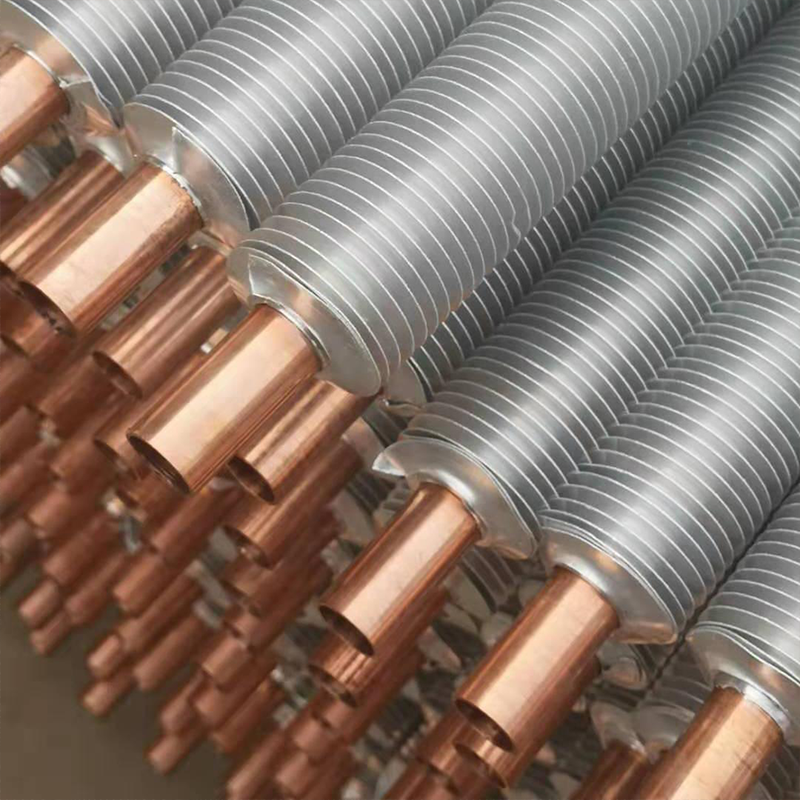
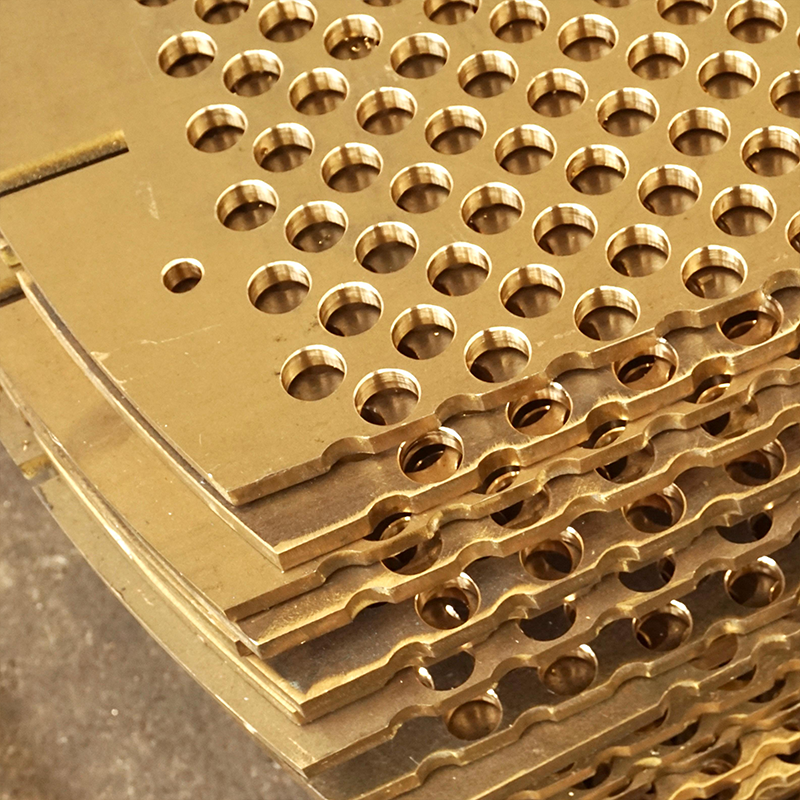
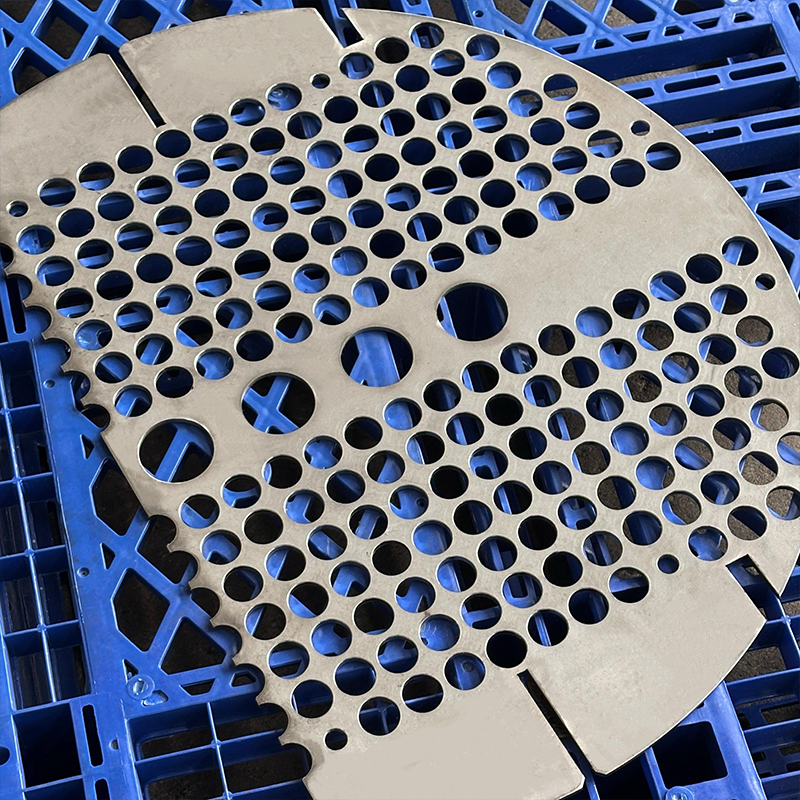
It is important to note that the reliability principles we have discussed apply not only to extrusion lines, but also to all peripheral equipment, such as cooling systems and heat exchangers, which play a critical role in stabilizing temperature conditions. For example, a companyWuxi Kaisheng LLC, which specializes in the design and manufacture of heat transfer equipment for the oil, gas and chemical industries, demonstrates a similar approach to reliability engineering. Their products, including titanium shell-and-tube heat exchangers and units made from highly corrosion-resistant alloys (such as N06625 nickel alloys or C46400 marine brass), are certified to stringent international ASME and PED standards. As with extruders, the key factors here are resistance to high pressures, temperatures and aggressive environments, which is ensured by careful selection of materials and quality control at every stage of production. Using such proven components in your process chain helps minimize the risk of downtime and ensure the stability of the entire production process.
If you are faced with vibration problems in your production or are planning to purchase a new line and want to receive an expert assessment of the technical specifications, contact our engineers. We will audit your situation and offer the optimal solution based on real data, and not on advertising brochures.
Order a line vibration safety audit | Extruder Selection Guide