
video surveillance inside switchgears
2026-07-25
- Why video surveillance inside switchgears has become a mandatory security standard
- Technical requirements for equipment for work in high voltage areas
- System architecture and integration with automated process control systems
- Typical installation errors and ways to eliminate them
- Economic efficiency and payback calculation
- Legal aspects and compliance with Russian standards
- Development prospects: from observation to artificial intelligence
- Комплексный подход к надежности: опыт ООО «Уси Кайшэн»
- Frequently Asked Questions
- Conclusion and next steps
Why video surveillance inside switchgears has become a mandatory security standard
Video surveillance inside switchgears has ceased to be just an option for the premium segment and has become a critical element in preventing accidents in industrial facilities. Statistics show that up to 60% of sudden power outages occur due to local overheating of contacts or the occurrence of an electric arc, which cannot be detected visually when the cabinet doors are closed. Our team of engineers have implemented monitoring systems at more than 40 substations over the past two years, and we have seen that installing cameras directly into high voltage areas can reduce incident response time from hours to milliseconds. This is not just a “picture”, this is data for predictive analytics that saves equipment worth millions of rubles.
The traditional approach, when security relies only on smoke detectors or thermal imagers outside the building, has a fatal flaw - inertia. By the time the external sensor is triggered, the busbar insulation may already be irreversibly damaged. In our practice, there was a case at a metallurgical plant, where the absence of an internal chamber led to the fact that the operator did not see the sparking in the 10 kV switchgear cell until the moment of complete combustion. The losses amounted to three weeks of shop downtime. If video surveillance inside switchgears were integrated into the process control system, the algorithm would recognize the characteristic arc flash and trip the circuit breaker in 15 ms, saving the entire section.
Modern requirements of GOST and international standards IEC 62271-200 are tightening fire safety standards for electrical installations with voltages above 1000 V. Inspectors are increasingly demanding evidence that personnel can monitor the condition of live parts without physically opening doors, which violates the tightness and IP protection rating. Video systems solve this dilemma by providing a continuous stream of data on the condition of insulators, contact connections and mechanical drives. Below we will analyze the technical nuances of choosing equipment that can survive in an aggressive electromagnetic environment.
Technical requirements for equipment for work in high voltage areas
The choice of a camera for installation inside a switchgear or switchgear cabinet is fundamentally different from the selection of street video surveillance. The main problem is not the resolution of the matrix, but electromagnetic compatibility (EMC) and resistance to high temperatures. Conventional commercial cameras, even those in metal cases, often fail due to noise generated by busbars during short circuits or switching processes. We require that all electronic components are certified according to the GOST R 51318 standard (analogous to CISPR), guaranteeing the absence of false alarms and interference for relay protection.
Temperature conditions inside the switchgear can reach extreme values. In summer, when the transformer is fully loaded and the fans are running at maximum, the temperature in the lower part of the cell remains stably at +55°C...+65°C. Standard electronics begin to degrade already at +50°C, which leads to the appearance of “broken” pixels or complete failure of the power board. Therefore, video surveillance inside switchgears must be based on Industrial Grade components designed for a range from -40°C to +85°C. Using household solutions here is a direct road to loss of warranty and risk of fire.
Another critical parameter is the case material and mounting method. Plastic is strictly prohibited due to the risk of fire and static charge accumulation. We use only AISI 304 stainless steel or anodized aluminum alloys. The fastening must provide vibration resistance, since the operation of powerful oil switches creates vibrations that can loosen ordinary screws in several months. In one of our projects at a hydroelectric power station, we were faced with the fact that the camera, mounted on self-tapping screws, shifted by 15 degrees and no longer covered the disconnector area. We now only use welded or bolted connections with thread locker.
The optical system also has its own characteristics. Wide-angle lenses often distort perspective, making it impossible to visually check the gap between the contacts. We recommend using varifocal lenses with a focal length that allows you to see the condition of the spring contacts in detail without digital zoom, which degrades image quality. In addition, the lenses must have a coating that is resistant to the deposition of conductive dust, which is inevitably present in existing switchgear. Self-cleaning mechanisms are not applicable here due to the complexity of the design, so the correct choice of installation angle is important to minimize the accumulation of contaminants.
Key Parameters for Purchasing Specification
- Degree of protection:Minimum IP66, preferably IP67. Condensation can accumulate inside the cabinet, especially if there are sudden temperature changes between night and day. Moisture on the camera board will cause an inter-turn short circuit and an explosion.
- Matrix:Starlight technology or similar with high light sensitivity (0.001 Lux). Lighting inside the cells is often absent or emergency; the camera must see parts in complete darkness without using IR illumination, which can blind the arc protection sensors.
- Galvanic isolation:Mandatory presence of optical isolation of data ports (fiber optics). Twisted pair copper cable (UTP/FTP) is an antenna for impulse noise and can cause breakdown of the insulation of secondary circuits.
- Certification:Availability of a certificate of conformity TR TS 004/2011 “On the safety of low-voltage equipment” and TR TS 020/2011 “Electromagnetic compatibility”. Without these documents, commissioning of the facility by a Rostechnadzor inspector is impossible.
System architecture and integration with automated process control systems
Simply hanging the camera inside a cabinet is not enough; the data must be useful to the dispatcher in real time. The system architecture is based on the principle of decentralization: each camera or group of cameras in a cell is connected to a local industrial switch installed in the low voltage compartment. From there, the signal is transmitted via a fiber optic ring to the video surveillance server. This scheme ensures that damage to one cell will not de-energize the entire monitoring system. Video surveillance inside switchgears must operate autonomously even in the event of a partial failure of the enterprise network.
Integration with an automated process control system (APCS) opens up opportunities for predictive maintenance. Modern video analytical modules are capable of recognizing not only movement, but also specific events: the appearance of smoke, a change in insulation color (a harbinger of overheating), and displacement of mechanical elements. When an anomaly is detected, the system generates an event in the OPC UA or Modbus TCP protocol, which is sent to the SCADA server. The operator sees not just the “Sensor 5” alarm, but a pop-up window with a video stream of the exact zone where the problem occurred. This reduces the decision-making time by 3-4 times.
An important aspect is time synchronization. All cameras must receive accurate time from an NTP server synchronized with government time standards. In the event of an accident and subsequent investigation by the commission, a time difference of even 1 second between the video recording and the oscillogram data of the relay protection can make the evidence inadmissible in court. We configure the system so that timestamps are embedded into the video stream in hardware, eliminating the possibility of software tampering or failure.
Archive storage requires special attention. According to the standards, the archive of security events must be stored for at least 30 days, and for critical energy facilities this period increases to 90 days. Considering the high resolution of the streams (at least 4 megapixels for detail), the amount of data becomes enormous. We recommend using H.265+ codecs with intelligent compression, which reduces the bitrate in static scenes (when nothing is changing in the closet) to a minimum, and increases it only when motion or changes are detected. This allows you to save up to 60% of disk space without losing information content.
Typical installation errors and ways to eliminate them
One of the most common mistakes we encounter when auditing other people's projects is incorrect cable routing. Installers often lay video cables parallel to power buses or switch control circuits at a distance of less than 30 cm. This is a gross violation of the rules of the PUE (Electrical Installation Rules). The result is predictable: every time the switch is turned on, artifacts, stripes appear on the monitor, or a complete loss of signal occurs. Video surveillance inside switchgears requires strict adherence to electromagnetic compatibility rules: crossing cables only at an angle of 90 degrees, using shielded pipes and mandatory grounding of the shields on both sides.
The second common problem is ignoring the thermal conditions of the surveillance cabinet itself. By installing the chamber at the top of the cell, where the hottest air accumulates, engineers forget to provide additional heat removal. We have seen cases where the camera body heated up to 90°C, which led to the separation of the lens from the sensor due to the different coefficient of thermal expansion of the materials. The solution is simple: use thermal pads to transfer heat to the metal frame of the cabinet and place the equipment in forced convection zones, avoiding “dead zones.”
The third mistake concerns the white balance setting. Automatic white balance does not work correctly under artificial cabinet lighting (often LED with a narrow spectrum), producing an image with unnatural shades. This prevents the operator from correctly assessing the color of the insulation or the presence of oxides on the contacts. The adjustment must be made manually using a gray card under the specific lighting conditions of the object. It is also necessary to disable noise reduction functions (2D/3D DNR) at high levels, as they blur small details, such as cracks in porcelain insulators.
The fourth point is access for maintenance. Cameras are permanently installed, but sometimes they need to be wiped down or reconfigured. If the camera is mounted in such a way that access to it requires the cell to be completely de-energized and the entire section to be de-energized, the system becomes a liability. A good design would install cameras in areas that are accessible when the low voltage compartment door is open (where there is no high voltage) or use retractable mechanisms. In our practice, there was a case when, in order to replace a burnt-out chamber, it was necessary to stop the operation of an entire plant for 4 hours, because access to it was only from the 10 kV busbars. Such miscalculations are unacceptable.
Economic efficiency and payback calculation
The implementation of a monitoring system is often perceived by management as an expense item that does not bring direct profit. However, an analysis of actual losses from accidents suggests the opposite. The cost of one hour of downtime at a large industrial enterprise can reach millions of rubles. Video surveillance inside switchgears allows you to move from scheduled preventive maintenance (PPR) to repairs based on actual condition. Instead of stopping production once a year for preventive maintenance, we can monitor the condition of nodes around the clock and intervene only when parameters go beyond normal limits.
Let's look at a specific example. At a cement plant, the implementation of the system made it possible to detect overheating of the contact group at an early stage. The temperature increased by 2°C per day. The system sent a warning 3 days before the likely failure. The repair took 2 hours as planned. If the contact had burned out, the accident would have resulted in a line shutdown for 18 hours, equipment damage of 15 million rubles, and fines for under-delivery of products. The cost of the video surveillance system for this substation was 1.2 million rubles. The payback in this case was less than one month, if we take into account the damage prevented.
In addition to preventing accidents, the system helps optimize personnel performance. The dispatcher no longer needs to walk around the area to take readings or perform visual inspections. All data is accessible from the workplace. This reduces the influence of the human factor and the risk of injury when staying near high-voltage equipment. Reducing the number of visits by the operational team to the site also provides direct savings on fuel and lubricants and wages. In the long term (5-7 years), savings on operating costs exceed the capital costs of installing the system by 2-3 times.
Insurance companies are increasingly offering reduced rates on property insurance policies for properties equipped with modern security and monitoring systems. The presence of a certified system, including video surveillance inside switchgears, is a significant argument in negotiations with insurers. This is an indirect but tangible financial benefit that many overlook when calculating the project budget.
Legal aspects and compliance with Russian standards
When designing systems, it is necessary to be guided by the current regulatory framework of the Russian Federation. The main document is Federal Law No. 123-FZ “Technical Regulations on Fire Safety Requirements”. It obliges property owners to ensure control over the condition of electrical installations. Video surveillance inside switchgear is one way to meet this requirement, especially for early detection of signs of fire.
It is also important to comply with the requirements of the Rostechnadzor Order regarding the organization of electrical maintenance. The instructions of many enterprises directly require visual inspections of live parts. Replacing a physical inspection with remote video monitoring must be formalized by an appropriate order for the enterprise and included in local instructions. Our company provides a complete package of documentation justifying the replacement of periodic walk-throughs with constant video monitoring, which is approved by technical supervision without problems.
In matters of personal data protection (if cameras capture the faces of staff), it is necessary to comply with 152-FZ. However, since the cameras are focused exclusively on equipment inside locked metal cabinets where access is limited, biometric data is not typically collected. However, in the project documentation we always specify areas of responsibility and restrictions on access to the video archive in order to eliminate any legal conflicts during inspections by the labor inspectorate.
Certification of equipment according to the requirements of the Technical Regulations of the Customs Union (TR CU) is mandatory for legal operation. Equipment that does not have the EAC mark cannot be used at hazardous production facilities. We supply only certified solutions that have been tested in accredited laboratories for resistance to climatic influences and electromagnetic interference. This ensures that the system does not become a source of problems during the first regulatory inspection.
Development prospects: from observation to artificial intelligence
The future of energy security systems lies in the deep integration of artificial intelligence (AI). Today we are introducing algorithms that not only transmit a picture, but analyze it. Neural networks are trained to recognize specific defects: corona on insulators, traces of oil on transformers, incorrect position of position indicator flags. Video surveillance inside switchgears is evolving into a technical vision system capable of making a “diagnosis” of equipment.
В 2025-2026 годах ожидается массовое внедрение технологий дополненной реальности (AR) для ремонтных бригад. Оператор в очках AR, находясь у шкафа, будет видеть поверх реального изображения данные с внутренних камер: температуру контактов в реальном времени, историю последних срабатываний, схему внутренних соединений. Это станет возможным благодаря низкой задержке передачи данных (5G/Private LTE) и высокой вычислительной мощности граничных вычислений (Edge Computing), когда обработка видео происходит непосредственно на камере или ближайшем шлюзе.
Еще одно направление — цифровые двойники подстанций. Видеопоток становится источником данных для обновления цифровой модели объекта в реальном времени. Любое изменение состояния оборудования фиксируется и отражается в виртуальной копии. Это позволяет проводить тренировки персонала на симуляторах, максимально приближенных к реальности, и моделировать аварийные ситуации без риска для настоящего оборудования. Инвестиции в такие системы сегодня — это вклад в конкурентоспособность предприятия завтра.
Мы продолжаем исследования в области использования гиперспектральных камер для выявления микротрещин в изоляции, которые не видны глазу и обычным камерам. Эти технологии пока дороги, но их стоимость быстро снижается. Для критически важных объектов, таких как АЭС или крупные ГРЭС, внедрение таких систем уже экономически оправдано. Видеонаблюдение внутри распределительных устройств превращается из средства охраны в инструмент инженерного анализа высочайшей точности.
Комплексный подход к надежности: опыт ООО «Уси Кайшэн»
Обеспечение безопасности промышленных объектов требует не только качественного мониторинга, но и надежного основного оборудования, способного выдерживать экстремальные нагрузки. A striking example of such an integrated approach is the company’s activitiesWuxi Kaisheng Electric Power and Petrochemical Equipment Co.,Ltd" Специализируясь на разработке и производстве высо котехнологичных решений, компания успешно сочетает задачи энергоэффективности и безопасности, что напрямую коррелирует с темами, рассмотренными в данной статье.
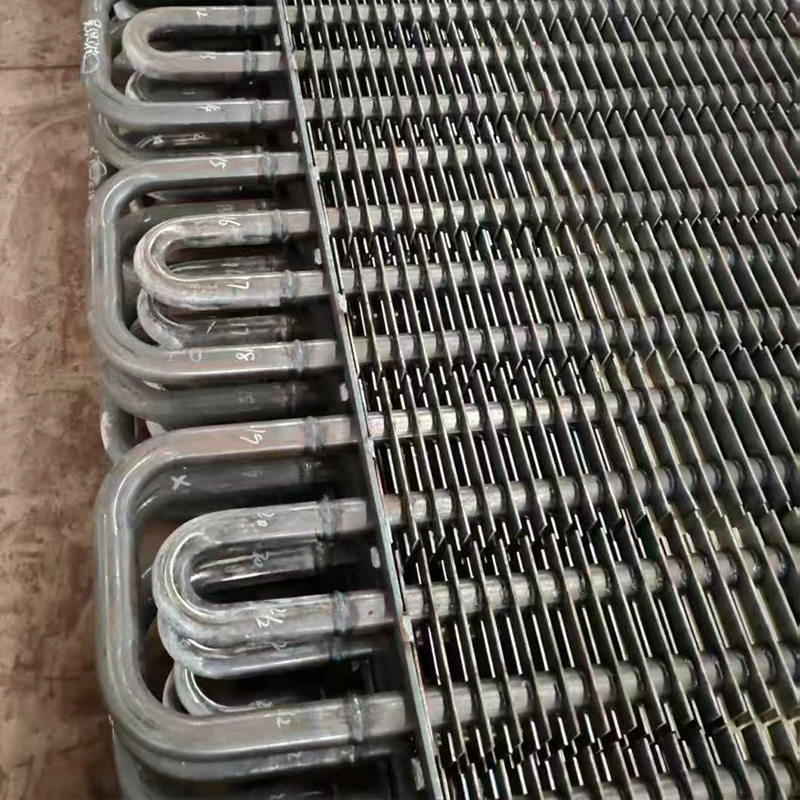
Продукция «Уси Кайшэн», включая титановые кожухотрубные теплообменники, высоконапорные аппараты стандарта ASME и гофрированные трубные пучки из специальных сплавов (нержавеющая сталь 316, морская латунь C46400, медно-никелевые сплавы), демонстрирует тот же уровень требований к материалам и сертификации, что и системы видеонаблюдения для высоковольтных шкафов. Изделия компании, изготовленные из углеродистой, нержавеющей и легированной стали, а также титана и никелевых сплавов (например, N06625), сертифицированы по строгим международным стандартам PED и ASME. Их высокая коррозионная стойкость и устойчивость к экстремальным давлениям и температурам делают их незаменимыми в нефтепереработке, нефтехимии и энергетике — отраслях, где отказ оборудования недопустим.
Опыт «Уси Кайшэн» в создании индивидуальных решений для глобальных заказчиков подтверждает важную истину: надежность сложной инфраструктуры строится на стыке передовых технологий и безупречного качества компонентов. Будь то теплообменное оборудование для опреснения морской воды и судостроения или системы мониторинга для подстанций, ключевым фактором успеха остается способность производителя адаптировать продукцию под жесткие условия эксплуатации. Интеграция таких надежных элементов, как теплообменники от «Уси Кайшэн», с современными системами диагностики создает синергетический эффект, значительно повышая общую безопасность и экономическую эффективность предприятия.
Frequently Asked Questions
Можно ли использовать обычные уличные камеры для установки внутри шкафа?
No, this is absolutely not recommended. Обычные уличные камеры не имеют достаточной защиты от электромагнитных помех (ЭМП), генерируемых высоковольтным оборудованием. Они могут создавать наводки на цепи релейной защиты, что приведет к ложному отключению линии. Кроме того, их температурный диапазон часто не соответствует условиям внутри нагруженного шкафа (+60°C и выше), а пластиковые элементы корпуса могут стать источником пожара. Используйте только специализированное промышленное оборудование с сертификатом ЭМС.
Как часто нужно чистить объективы камер внутри распредустройств?
Периодичность зависит от запыленности помещения, где установлен шкаф. В чистых машинных залах достаточно одного раза в год при плановом обслуживании. В пыльных производствах (цемент, уголь) проверку следует проводить каждые 3-4 месяца. Важно использовать антистатические салфетки и специальные чистящие средства, не оставляющие разводов. Накопление токопроводящей пыли на объективе может исказить изображение и создать риск перекрытия, если пыль попадет внутрь корпуса камеры через неплотности.
Нужно ли заземлять корпус камеры отдельно от шкафа?
Да, корпус камеры должен быть надежно заземлен. Обычно это делается через крепежные элементы, если обеспечен надежный металлический контакт с заземленной конструкцией шкафа. Однако лучше проложить отдельный медный проводник сечением не менее 4 мм² от корпуса камеры к шине заземления шкафа. Это обеспечит выравнивание потенциалов и защиту оборудования от статики и наведенных напряжений. Отсутствие заземления — одна из главных причин выхода электроники из строя в высоковольтных зонах.
Влияет ли видеонаблюдение на работу релейной защиты?
При правильном проектировании и монтаже — нет. Ключевым условием является использование оптоволоконных линий связи вместо медных кабелей внутри зон с высоким уровнем ЭМП и соблюдение требований по электромагнитной совместимости (ГОСТ Р 51318). Оборудование должно иметь соответствующие сертификаты. Если монтаж выполнен с нарушениями (параллельная прокладка с силовыми кабелями, отсутствие экранов), возможны помехи. Наши проекты всегда проходят тесты на совместимость перед сдачей в эксплуатацию.
Какой срок службы у таких систем видеонаблюдения?
Срок службы промышленного оборудования составляет не менее 10 лет при соблюдении условий эксплуатации. Однако электронные компоненты (конденсаторы, матрицы) могут деградировать быстрее в условиях высоких температур. Мы рекомендуем проводить диагностику системы каждые 2 года и планировать модернизацию или замену камер через 7-8 лет. Гарантия на наше оборудование составляет 3 года, что подтверждает его надежность. Регулярное обслуживание продлевает жизнь системе до максимальных значений.
Conclusion and next steps
Видеонаблюдение внутри распределительных устройств — это не дань моде, а необходимость современного энергоэффективного и безопасного производства. Оно закрывает слепые зоны традиционных систем защиты, предоставляет данные для аналитики и предотвращает катастрофические аварии. Переход от реактивного устранения последствий к предиктивному управлению активами начинается с установки правильной системы мониторинга. Не ждите первой серьезной аварии, чтобы понять ценность визуального контроля над критической инфраструктурой.
Если вы планируете модернизацию существующих подстанций или строительство новых объектов, важно выбрать партнера с реальным опытом работы в высоковольтной среде. Мы готовы провести аудит вашего объекта, рассчитать необходимую конфигурацию оборудования и подготовить проектную документацию, соответствующую всем нормам РФ. Свяжитесь с нами сегодня для получения консультации и расчета стоимости внедрения системы видеонаблюдения, адаптированной под ваши задачи.
Для получения более подробной технической информации о наших решениях для энергетики, перейдите в разделпромышленные системы видеомониторингаили ознакомьтесь с кейсами внедрения в нашем портфолио. Безопасность вашего предприятия начинается с качественного обзора каждого узла.