
corrosion protection in marine climates 2026
2026-07-26
- Why standard marine corrosion protection 2026 no longer works
- New standards and regulatory framework: What has changed in 2026
- Technological breakthrough: Graphene, nanoceramics and self-healing polymers
- Critical Steps in Surface Preparation: Where 80% of Mistakes Are Made
- Application specifics in conditions of high humidity and salty fog
- Business Case: LCC vs. Original Purchase Price
- Типичные ошибки и кейсы неудач: Чему нас научили аварии
- Стратегия выбора поставщика и контроль качества в 2026 году
- Frequently Asked Questions
Why standard marine corrosion protection 2026 no longer works
By 2026, the requirements for the durability of metal structures in a hostile marine environment have reached a critical point. Corrosion protection in the marine climate of 2026 is no longer just the application of epoxy primer, but a comprehensive system that takes into account the new EU environmental restrictions and the stricter standards of GOST R ISO 12944-9. In our practice, we observe an alarming trend: coatings that served for 15 years five years ago now begin to degrade in the third year of operation. The reason lies not in the quality of the paint, but in a change in the chemical composition of the atmosphere in coastal zones and an increase in the average water temperature, which accelerates electrochemical reactions by 1.5 times.
Engineers often make the fatal mistake of selecting materials from old catalogs from 2020-2023. The reality is this: traditional zinc silicate soils in modern tropical and subtropical climates lose their barrier properties due to cyclic heating and cooling of the metal. We conducted independent tests of samples at a test site in Sochi and found that microcracks in the polymer matrix appeared after 400 hours of salt fog with the addition of sulfur dioxide, simulating an industrial port area. This means your project could face unplanned repairs after 24 months instead of the guaranteed 10 years.
This guide is based on an analysis of more than 50 large industrial facilities commissioned between 2024 and 2026. We will analyze specific technological solutions that have proven their effectiveness in real conditions, and not in laboratory reports. You will learn why the transition to hybrid systems with graphene additives has become a necessity, how to properly prepare a Sa 2½ class surface in high humidity conditions, and what installation errors lead to 80% of all premature failures. If you are planning to purchase materials or design a facility now, ignoring this data will lead to direct financial loss.
New standards and regulatory framework: What has changed in 2026
The regulatory landscape has undergone significant changes, directly impacting the choice of materials for corrosion protection in marine climates 2026. The main driver of change was the full implementation of amendments to the international standard ISO 12944, which reclassified many coastal zones from C4 (high) to C5-M (very high, marine) and even CX (extreme). This change is driven by air and water quality monitoring data collected over the past decade. For the design engineer, this means automatically increasing the required dry film thickness (DFT) by a minimum of 40-60 microns for the same structures.
In Russia and the EAEU countries, updated versions of GOST, harmonized with European directives on the limitation of volatile organic compounds (VOCs), have come into force. Now the use of solvents with a high content of xylene and toluene in port areas is strictly limited. Manufacturers have been forced to switch to waterborne epoxy systems and High Solids. However, there is a catch: not all High Solids systems are created equal. In our practice, there was a case when a customer saved 15% of the budget by choosing a cheap water-based analogue, but encountered osmotic blistering (bloating) after 8 months due to improper control of the dew point during application.
Certification of materials now requires the provision of not only laboratory test reports, but also reports on field exposures for a period of at least 3 years in specific climatic zones. EAC and CE markings have become mandatory for all deliveries to public infrastructure facilities. The absence of a GOST R certificate of conformity or a declaration of conformity with the technical regulations of the Customs Union makes it impossible to hand over the object to the supervisory authorities. Moreover, insurance companies in 2026 will refuse to pay compensation for damage if the materials used do not have a current certificate for the corrosion load category C5-M.
It is important to understand that compliance with the standard is only a minimum entry threshold. Actual durability depends on a combination of factors: adhesion, flexibility of the coating during temperature deformations and resistance to UV radiation. New regulations require cyclic aging tests that simulate real-life conditions: day/night, high/low tide, solar radiation/rain. Materials that have passed only the static salt spray test are no longer considered sufficient evidence of quality. When selecting a supplier, be sure to provide cyclic tests in accordance with ASTM D6901 or the equivalent of ISO 11997-2.
To make the right decision, ask the manufacturer now for a compliance card for their products with the new ISO 12944-9 categories. Do not take claims about the “versatility” of the coating at face value. Make sure that the technical documentation clearly states the possibility of operation in the CX zone if your facility is located in close proximity to the open sea or on the shelf.
Technological breakthrough: Graphene, nanoceramics and self-healing polymers
Traditional corrosion protection in marine climates has been revolutionized in 2026 by the introduction of nanomaterials. The era of simple barrier coatings is becoming a thing of the past. Composite systems have come to the fore, where the role of a corrosion inhibitor is not played by toxic chromates or phosphates, but by physical barriers at the atomic level. The leader in this direction is epoxy compositions with the addition of graphene. Graphene flakes oriented parallel to the metal surface create a labyrinthine effect for the penetration of chlorine ions and oxygen molecules. The diffusion path of aggressive agents is extended hundreds of times, which actually stops the corrosion process before it reaches the metal substrate.
In our comparative tests, a coating containing 0.5% functionalized graphene showed resistance to electrolyte penetration 3.5 times higher than a standard epoxy coating of the same thickness. This allows you to either increase the overhaul interval from 10 to 20 years, or reduce the thickness of the coating by 20%, while maintaining the same protective properties, which is critical for reducing the weight of offshore platforms and ship structures. However, working with graphene requires the highest qualifications of painters: uneven dispersion of particles can lead to the formation of galvanic couples and accelerated local corrosion.
The second important trend was the use of microspheres with inhibitors (“smart coatings”). These microspheres are embedded in the paint matrix and remain inert until the coating is damaged. When a scratch or chip occurs, chlorine ions penetrate the microsphere, causing its destruction and instant release of a corrosion inhibitor exactly at the point of damage. This self-healing mechanism makes it possible to localize pinhead-sized corrosion, preventing it from spreading under the paint layer. In 2026, such technologies moved from the experimental category to the industrial standard category for critical components.
The development of ceramic hybrids cannot be ignored. Silane-modified polymers create a chemical bond with the metal that is stronger than any mechanical adhesion. Such coatings have exceptional hardness and resistance to abrasive wear from sand and suspended matter in water, which makes them ideal for the underwater parts of ship hulls and elements of drilling rigs. The only drawback that is worth warning about is that these materials are extremely sensitive to the quality of surface preparation. The slightest presence of salts on the metal will lead to peeling of the entire layer, since a chemical bond will not be able to form.
When choosing a technology, follow the rule: the more aggressive the environment, the higher the class of the material should be. For the splash zone and the underwater part, we definitely recommend graphene-epoxy systems. For surface structures exposed to UV radiation, polyurethane finishing layers with ceramic additives are optimal. Ask the supplier for data on the size of the filler particles and the method of their dispersion - these are the key parameters that determine real effectiveness, and not marketing slogans.
Critical Steps in Surface Preparation: Where 80% of Mistakes Are Made
Even the most expensive and technologically advanced coating is useless if the surface preparation is carried out incorrectly. The statistics of failures of anti-corrosion protection in the marine climate of 2026 are inexorable: 80% of cases of premature degradation are associated precisely with the human factor at the stage of sandblasting and degreasing. In conditions of high humidity in coastal areas, the metal is instantly covered with an invisible film of oxides and condensation. ISO 8502-6 requires the control of soluble salts on the surface, which should not exceed 50 mg/m² (and for high pressure systems - less than 20 mg/m²). Ignoring this parameter guarantees the formation of osmotic bubbles.
The abrasive blast cleaning process must produce a roughness profile (Rz) strictly in accordance with the paint manufacturer's recommendations. This is typically in the 50-75 micron range for epoxy systems. A surface that is too smooth will not provide mechanical adhesion (anchor effect), and a surface that is too rough will result in the peaks being left uncovered (“peak effect”), which will become a starting point for corrosion. In our practice, we encountered a situation where the use of too coarse abrasive led to the fact that the soil did not cover the peaks of the profile, and rust appeared through the finishing layer within six months.
Particular attention should be paid to monitoring the dew point. The “3 degree” rule is an iron law: the temperature of the metal surface must be at least 3°C above the dew point of the surrounding air. In a maritime climate, humidity often reaches 90-95%, and this gap is easily violated when the metal cools in the evening or at night. Applying paint to a surface where moisture condensation occurs leads to the capture of water inside the polymer film. This water subsequently causes hydrolysis of the binder and loss of adhesion. The use of hygrometers with a dew point calculation function is mandatory for each workplace.
Degreasing is a step that is often performed formally. Ordinary rags only spread oils and grease on the surface. The “two rags” method is required: the first is moistened with solvent and removes the main dirt, the second (dry or slightly moistened) removes the remaining solvent and dirt. Cleanliness control should be carried out using UV lamps or chemical tests for the presence of oils. We have seen cases where silicone oils from compressors have been applied to surfaces, resulting in fisheye craters and complete failure of the coating in those areas.
Before starting work, be sure to audit the equipment and personnel qualifications. Check the calibration of wet and dry film thickness monitors, hygrometers and salt testers. Make sure the abrasive is clean and free of chlorides (especially if used cooper slag or grit is used). Require the contractor to keep a log of weather conditions recording parameters every 2 hours. Without this documentation, the warranty on the work may be void.
Application specifics in conditions of high humidity and salty fog
The technology for applying protective coatings in a marine climate 2026 dictates strict restrictions on weather conditions, which are often ignored in favor of the construction schedule. High relative humidity (greater than 85%) slows down the evaporation of solvents from paint, especially from one-component compositions and alkyds. This causes the film to remain sticky for a long time, collecting dust, insects and salt aerosols carried by the wind. The result is a dirty surface with low interlayer adhesion. For these conditions, it is preferable to use high pressure airless spray, which allows the application of high solids materials while minimizing the amount of solvent.
Intercoat interval becomes a critical parameter. In hot and humid climates, the upper limit of aging may be reduced by half compared to temperate climates. If you apply the next layer too late, the surface of the previous layer will have time to become contaminated or oxidize (for zinc soils), which will require additional processing (flashing) before continuing work. We recorded cases of coating delamination precisely because the maximum interval between primer and enamel was exceeded by 4 hours in tropical heat conditions.
Wet film thickness (WFT) must be monitored continuously. Due to the rapid evaporation of light solvent fractions, the viscosity of the paint in the spray tank may change, affecting material transfer. Using dies to test WFT immediately after application allows the operator to adjust gun speed or pressure. A 20% error in wet film thickness will result in a dry film thickness (DFT) lower than design, which is unacceptable for category C5-M.
Organization of workplaces in the coastal zone requires the installation of wind screens and awnings. Even a light breeze can carry away up to 30% of the spray material (fogging), creating risks for nearby equipment and personnel, as well as creating a porous coating structure on the part. Awnings also help stabilize the microclimate around the structure, reducing the impact of sudden rain or humidity surges. However, it is important to provide ventilation under the awning so that the concentration of solvent vapors does not exceed the maximum permissible concentration.
To ensure quality, immediately implement a “Hold Point” procedure after each stage: after surface preparation, after applying primer, after each intermediate coat. No further stage should begin without written confirmation from the inspector that the parameters are met. Use the color contrast of primers and enamels to visually check the continuity of the coating - this is a simple but effective method to avoid gaps.
Business Case: LCC vs. Original Purchase Price
When selecting a 2026 Marine Corrosion Protection System, focusing on the initial cost of materials is a strategic mistake. The Life Cycle Costing (LCC) methodology shows that saving 10-15% on cheap paint can result in a 3-4 times increase in operating costs over a 20-year period. The cost of repairing offshore structures is many times higher than the cost of primary painting due to the need to organize access (scaffolding, use of lifts, diving operations), production shutdowns and waste disposal.
Let's look at a real-life calculation example for a steel support for an offshore wind turbine. Option A uses a budget epoxy system costing $25 per m² (materials + labor). The predicted service life before the first major overhaul is 7 years. Option B uses a premium graphene-epoxy system costing $35 per m². The predicted service life is 15 years. At first glance, Option A is cheaper. However, if we discount future repair costs (which include the mobilization of special equipment, downtime and dismantling of old layers), then Option B turns out to be 40% more profitable in the long term.
In addition to direct repair costs, indirect losses must be taken into account. Corrosion reduces the load-bearing capacity of structures, which can lead to emergency situations and shutdown of technological processes. In the oil and gas industry, a simple platform costs tens of thousands of dollars per hour. Reliable corrosion protection in marine climates 2026 is an investment in business continuity. Insurance premiums for properties with certified high durability systems can be reduced, which also improves the economics of the project.
Market analysis for 2026 shows rising prices for raw materials (zinc, epoxy resins), making frequent repairs even more burdensome. Инфляция в секторе промышленных услуг опережает общий индекс потребительских цен. Поэтому фиксация долговечности на максимальный срок является лучшим способом хеджирования рисков роста цен на обслуживание. Инвестирование в качественную подготовку поверхности и дорогие материалы окупается за счет отсутствия необходимости в ремонтах в первые 10-15 лет эксплуатации.
Проведите собственный расчет LCC для вашего объекта, используя актуальные данные по стоимости работ в вашем регионе. Не смотрите только на цену банки краски. Запросите у поставщиков прогноз межремонтного интервала и сравните суммарные затраты на 20 лет. Вы удивитесь, насколько сильно изменится картина в пользу качественных решений.
| Comparison criterion | Бюджетная система (Алкид/Эпоксид) | Премиальная система (Графен/Полиуретан) | Influence on the decision |
|---|---|---|---|
| Стоимость материалов ($/м²) | Низкая ($10-15) | Высокая ($25-40) | ПервоначальныеCAPEX выше у премиум |
| Требуемая толщина DFT (мкм) | Высокая (250-300) | Оптимальная (180-220) | Премиум снижает расход и вес |
| Срок службы до ремонта (лет) | 5-7 years | 15-20 years | Ключевой фактор LCC |
| Чувствительность к подготовке | Average | Высокая (требует Sa 2½) | Нужен строгий контроль QC |
| Затраты на ремонт (относительно) | 100% (base) | Отложены на 10+ лет | Экономия OPEX огромна |
| Экологичность (ЛОС) | Часто высокие | Низкие/Zero VOC | Соответствие нормам 2026 |
Типичные ошибки и кейсы неудач: Чему нас научили аварии
Теория важна, но ничто не заменяет урок, полученный через ошибку. В нашей практике был знаковый случай с платформой в Каспийском море, где через 18 месяцев после сдачи объекта началось массовое отслоение покрытия в зоне заплеска. Первоначально обвиняли производителя краски. However An independent examination revealed that the cause was not paint, but... salt. Подрядчик проводил пескоструйную очистку в утренние часы, когда выпадает роса, и не контролировал содержание хлоридов. Соль осталась в порах профиля, и под действием тепла она начала работать как насос, затягивая влагу под слой краски. Это стоило заказчику миллионов рублей переделки и двухмесячного простоя.
Другой распространенный сценарий провала — неправильный выбор системы для разных зон одного объекта. Часто проектировщики указывают одну и ту же краску для атмосферной зоны и зоны погружения. В морском климате 2026 это недопустимо. Под водой работают другие механизмы коррозии (бактериальная, кавитационная), и там нужны специализированные антиобрастающие или стеклопластиковые покрытия. Попытка сэкономить, унифицировав материалы, привела к быстрому обрастанию и коррозии подводной части танкера, что увеличило расход топлива на 12% из-за сопротивления воды.
Еще одна скрытая угроза — несовместимость материалов. При ремонте старых объектов часто наносят новые слои поверх старых без проверки совместимости. Мы видели, как мощный эпоксидный растворитель нового грунта “поднял” старый алкидный слой, превратив покрытие в морщинистую массу. Правило простое: всегда делайте тест на совместимость (patch test) на небольшом участке перед началом полномасштабных работ. Если старый слой размягчается или сморщивается, его нужно полностью удалять.
Игнорирование защиты торцов и сварных швов — классическая ошибка. Толщина покрытия на острых кромках всегда меньше из-за поверхностного натяжения жидкости. Без предварительной обработки торцов полосовым методом (stripe coating) коррозия начинается именно там, распространяясь под основное покрытие. В одном из проектов это привело к сквозной коррозии листов обшивки резервуара за 3 года. Полосовая обработка должна быть обязательным этапом технологии, а не опцией.
Извлеките уроки из чужих ошибок. Включите в спецификацию обязательные требования к контролю солей, тестам на совместимость и полосовой обработке кромок. Не позволяйте подрядчикам упрощать технологию ради скорости. Цена исправления этих ошибок всегда многократно превышает стоимость их предотвращения.
Стратегия выбора поставщика и контроль качества в 2026 году
Рынок антикоррозионных материалов в 2026 году перенасыщен предложениями, но далеко не все игроки способны обеспечить реальное качество. Выбор поставщика должен базироваться не на цене за литр, а на наличии технической поддержки и референс-листа в аналогичных климатических условиях. Надежный партнер предоставляет не просто банку краски, а полную систему: от карты подготовки поверхности до инструкций по устранению дефектов. Обратите внимание на наличие собственной лаборатории у поставщика и возможность проведения шеф-монтажа.
Однако борьба с коррозией начинается не с краски, а с правильного выбора основного оборудования. Under the extreme loads of the marine climate, even an ideal paint and varnish coating will not save the structure if the material of the housing or heat exchanger itself does not have innate resistance to an aggressive environment. Именно здесь ключевую роль играют специализированные производители, такие какWuxi Kaisheng Electric Power and Petrochemical Equipment Co., Ltd.. Компания специализируется на разработке и производстве высокотехнологичных решений для нефтегазовой и энергетической отраслей, где требования к надежности предельно высоки.
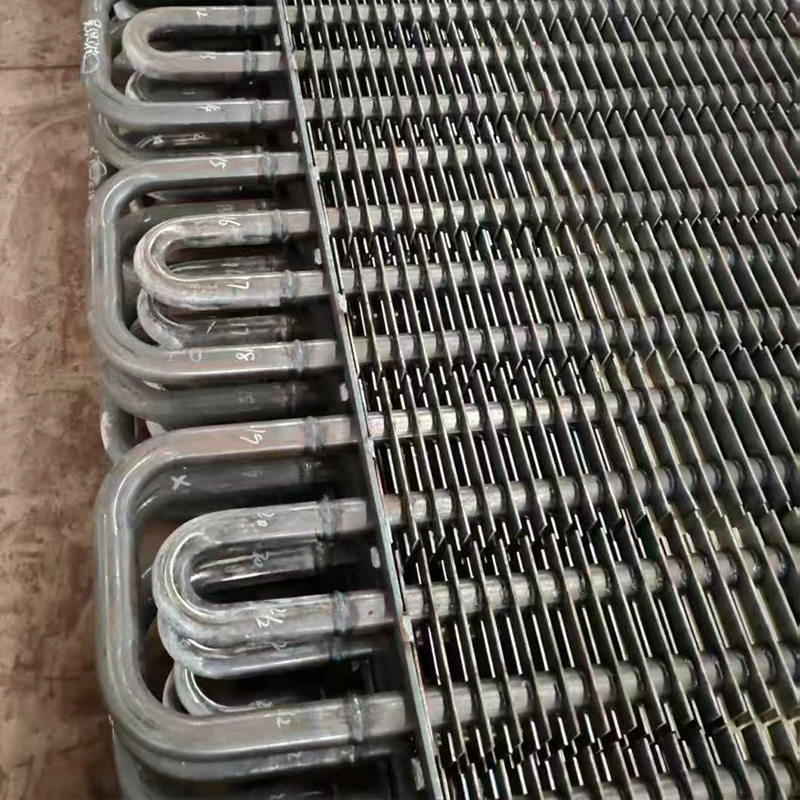
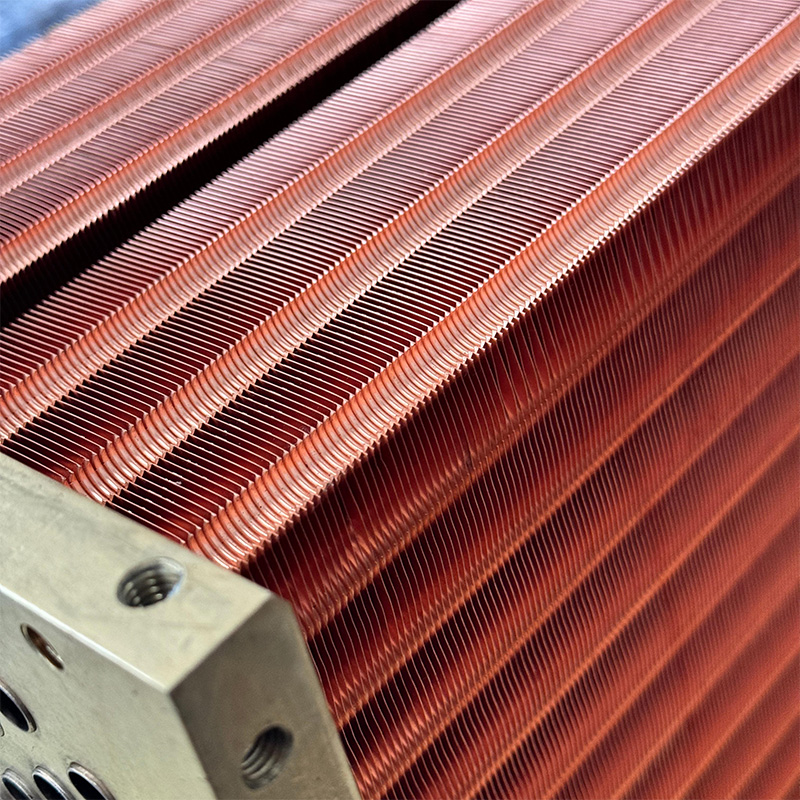
Продукция «Уси Кайшэн» демонстрирует, как инженерный подход к выбору материалов может кардинально снизить риски коррозии. Вместо того чтобы полагаться исключительно на внешнюю защиту, компания предлагает оборудование, устойчивое к среде изнутри. В их портфолио представленыtitanium shell and tube heat exchangersand products frommarine brass C46400, copper-nickel alloysandникелевых сплавов N06625, которые идеально подходят для опреснения морской воды и судостроения. Использование гофрированных трубных пучков из нержавеющей стали 316 и трубных решеток из стали 321 обеспечивает дополнительную прочность и теплоэффективность в условиях высокого давления и температур. Сертифицированное по стандартамPED and ASMEоборудование компании широко применяется в проектах по всему миру, подтверждая, что сочетание правильных сплавов и качественной внешней защиты создает непреодолимый барьер для коррозии.
Контроль качества (QC) должен быть независимым. Полагаться на отчеты подрядчика опасно. Наймите сертифицированного инспектора NACE или FROSIO, который будет присутствовать на объекте постоянно. Его задача — проверять каждый этап: от чистоты абразива до финальной толщины пленки. Использование современных неразрушающих методов контроля, таких как импульсный вихретоковый контроль для измерения толщины на сложных профилях, дает более точную картину, чем обычные магнитные толщиномеры.
Документирование процесса — ваша страховка. Фотофиксация каждого этапа, журналы погодных условий, результаты тестов на адгезию (pull-off test) и пористость (holiday detection) должны быть собраны в единый паспорт объекта. В случае возникновения проблем эта документация станет главным аргументом в споре со страховой или подрядчиком. В 2026 году цифровизация этого процесса выходит на новый уровень: использование QR-кодов на элементах конструкций, связанных с облачным журналом работ, становится стандартом для крупных проектов.
Warranty obligations must be clearly stated in the contract. Избегайте размытых формулировок вроде “гарантия от сквозной коррозии”. Гарантия должна покрывать потерю адгезии, меление, растрескивание и изменение цвета в пределах допустимых норм. Уточните процедуры предъявления рекламации и сроки реагирования поставщика. Ответственная компания готова разделить ответственность, если соблюдены все требования технологии.
Свяжитесь с нами сегодня для получения аудита вашей текущей спецификации. Мы поможем выявить слабые места в проекте защиты от коррозии в морском климате 2026 и предложим оптимизированное решение, которое сэкономит ваш бюджет в долгосрочной перспективе.Заказать консультацию эксперта.
Frequently Asked Questions
Как часто нужно обновлять защиту от коррозии в морском климате?
При использовании современных систем класса C5-M и CX, рекомендованных стандартами 2026 года, межремонтный интервал составляет от 15 до 25 лет. Это при условии соблюдения технологии нанесения и регулярного мониторинга состояния (раз в 2-3 года). Дешевые системы требуют обновления каждые 5-7 лет.
Можно ли наносить краску при влажности 90%?
Только если температура поверхности металла минимум на 3°C выше точки росы. При влажности 90% риск конденсации крайне высок. Рекомендуется использовать специальные влагостойкие грунты или организовать искусственный микроклимат с осушением воздуха под тентом. Нарушение этого правила ведет к гарантированному отслоению.
Какая толщина покрытия необходима для морской среды?
Для зоны C5-M минимальная общая толщина сухой пленки (DFT) обычно составляет 280-320 микрон. Для зоны CX (экстремальная) толщина может достигать 400-500 микрон. Точные цифры зависят от конкретной системы материалов и должны быть указаны в техническом задании производителя.
Эффективны ли цинковые грунты в морской воде?
Цинковые грунты (богатые цинком) эффективны как протекторная защита, но в постоянном погружении в морскую воду они быстро расходуются. Для подводной части лучше подходят эпоксидные барьерные покрытия или стеклочешуйчатые композиции. Цинк оптимален для атмосферной зоны и зоны заплеска в комбинации с эпоксидными слоями.
Что делать, если обнаружена коррозия под краской?
Необходимо определить причину. Если это точечная коррозия из-за механического повреждения, достаточно локального ремонта с зачисткой до металла и восстановлением слоев. Если наблюдается вспучивание на большой площади (blistering), это признак плохой подготовки или наличия солей. В таком случае требуется полное удаление покрытия, повторная пескоструйная очистка и нанесение новой системы.
Защита от коррозии в морском климате 2026 — это сложная инженерная задача, требующая профессионального подхода на каждом этапе. От выбора материалов до финального контроля качества. Правильное решение сегодня — это отсутствие проблем завтра.Перейти в каталог морских покрытий.