
switching devices in modern switchboards
2026-07-26
- Switching devices in modern switchboards: why old circuits no longer work
- Selection criteria: from rated current to selectivity class
- Problems of integration into limited shield spaces
- Digitalization and smart functions: necessity or marketing?
- Compliance and certification: EAC, GOST and reality
- An integrated approach to equipping industrial facilities
- Frequently Asked Questions
- Cost-effectiveness: cheap device versus expensive one
- Installation errors that kill even the best devices
- The future of switching equipment: trends for 2025-2026
- Conclusion and recommendations for action
Switching devices in modern switchboards: why old circuits no longer work
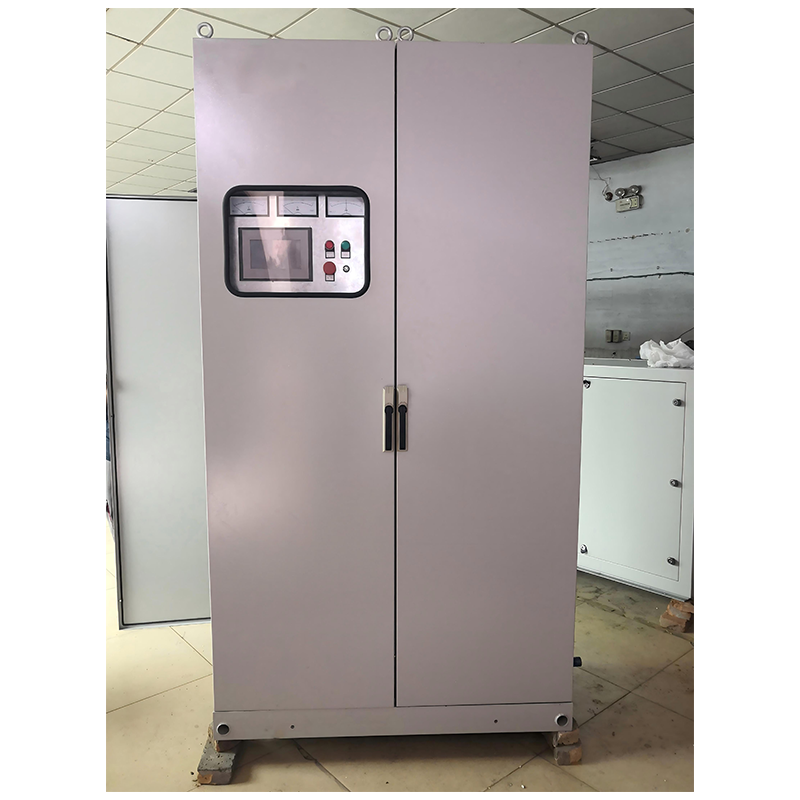
A modern distribution board is not just a box with switches, but a complex energy management unit, whereswitching devices in modern switchboardsdetermine the reliability of the entire system. We stopped using bulky circuit breakers of the previous generation not because of fashion, but because the installation density and selectivity requirements have increased significantly. If you design a shield today according to the standards of 10 years ago, you are putting a time bomb under the operating budget of the facility.
In our practice, there was a case when a large logistics center lost 40% of the conveyor line due to a false operation of the input machine. The reason lay not in a short circuit, but in the incorrect selection of a thermal release, which did not take into account harmonic distortions from frequency converters. This cost the client three days of downtime and reputational risks. That is why the choice of switching equipment today requires an engineering approach, and not just following catalog tables.
Selection criteria: from rated current to selectivity class
The first thing an inexperienced buyer looks at is the rated current (In). However, for a professional, this parameter is only a starting point. The actual load in industrial networks is rarely linear. When we analyze a project, we immediately request data on the starting currents of the motors and the presence of non-linear loads. A standard type "C" circuit breaker may trip when a powerful fan starts, although there is no short circuit. In such cases, a type “D” device or setting of an electronic release with a delay is required.
Selectivity is the parameter that separates a professional solution from an amateur one. Imagine the situation: there was a short circuit at the socket at the end of the workshop, and the entire factory building was de-energized. This is a lack of selectivity. Modernswitching devices in modern switchboardsmust provide time and current selectivity. We recommend using devices with electronic trip units, where the overload protection (Ir), time-delayed short-circuit protection (Isd) and instantaneous protection (Ii) settings can be precisely adjusted.
Breaking capacity (Icu) is another critical parameter that is often ignored in the name of economy. If the short circuit current at the installation point is 25 kA, and your circuit breaker is designed for 10 kA, it will not only fail - it may explode, creating an electric arc that is dangerous to personnel. According to GOST R 50030.2, the breaking capacity must exceed the rated short-circuit current at the installation point with a margin of at least 20%. Don’t skimp on this: replacing a burnt-out panel will cost ten times more than the price difference between 10 kA and 25 kA devices.
Action Now: Request the designers to calculate the short-circuit currents for each installation point before placing an order. Without these numbers, any choice of device is guesswork.
Comparison table of types of releases for various applications
| Release type | Operating principle | Best use | Main disadvantage |
|---|---|---|---|
| Thermal (bimetallic) | Reacts to plate heating during overload | Protection of cables and simple loads without electronics | Dependence on ambient temperature, low accuracy |
| Electromagnetic | Instantaneous operation when the set current is exceeded | Short circuit protection | Does not protect against long-term overloads, sensitive to inrush currents |
| Electronic (microprocessor) | Current waveform analysis, programmable settings | Input and sectional machines, complex industrial networks | High cost, requires qualified setup |
| Hybrid | Combination of thermal and electromagnetic with electronic elements | Universal application in distribution networks | Limited customization options compared to pure electronic |
Problems of integration into limited shield spaces
The trend towards miniaturization of equipment poses serious challenges for heat dissipation. Whenswitching devices in modern switchboardspacked tightly like sardines, the temperature inside the cabinet rises exponentially. We have encountered a situation where new compact machines from well-known brands began to turn off in the middle of winter. The reason was simple: air convection was disrupted by the tight installation, and the local temperature around the poles exceeded the permissible 40°C, causing thermal tripping at rated load.
The solution to this problem lies not only in choosing smaller devices, but also in proper zoning of the shield. Power circuits with high currents must be routed separately from control circuits. Using busbars instead of wires reduces heat generation and simplifies installation, but requires precise spacing to meet insulation requirements. In cramped switchboards, we often recommend using devices with remote control handles and remote releases to relieve the load on the front panel.
Another hidden enemy is vibration. In shops with heavy press equipment, conventional screw connections can loosen within six months. This leads to heating of the contacts and a fire. For such conditions, there are special versions of devices with reinforced fixation and vibration-resistant mounting on a DIN rail. Ignoring this factor is a direct road to unscheduled repairs.
Practical advice: when arranging the panel, leave at least 20 mm of free space around the power circuit breakers for air circulation. If this is not possible, recalculate the rated current of the device taking into account the load reduction factor at elevated temperatures.
Digitalization and smart functions: necessity or marketing?
Many customers are skeptical about “smart” machines, considering them a toy for the rich. In reality, however, digital switching devices pay for themselves by preventing downtime. Imagine being able to know that a line is overloaded before it goes down. Modern devices with communication modules (Modbus, Profibus, Ethernet) transmit data on current, voltage, power and even power factor directly to the dispatch system.
In one of our projects at an oil refinery, the installation of intelligent automation allowed us to detect a faulty pump bearing two weeks before it failed. The machine recorded a gradual increase in current consumption, which indicated an increase in mechanical resistance. The repairs were carried out as planned, over the weekend, without stopping production. Without this function, an accident would occur suddenly, stopping the production line.
Energy management functionality is also becoming standard. The devices can limit power consumption by turning off non-essential loads when approaching an agreement with the energy supply company. This allows you to avoid fines for exceeding the declared power. In addition, integrated energy meters eliminate the need to install separate meters on each outgoing feeder, saving space and money.
Important note: the implementation of digital devices requires qualified personnel for setup and maintenance. If you don't have an engineer who understands communication protocols and controller logic, a complex system will become a source of problems. Start small: install a couple of smart devices at key inputs to evaluate the effectiveness of data collection.
Compliance and certification: EAC, GOST and reality
The market is flooded with products that look identical to the originals but are not tested. Use of non-certifiedswitching devices in modern switchboards- this is the risk of cancellation of insurance in case of fire and problems when handing over the object to supervisory authorities. In Russia and the EAEU countries, a certificate of conformity TR CU 004/2011 “On the safety of low-voltage equipment” is mandatory. The presence of the EAC marking on the case is the minimum you should check.
However, having a certificate does not always guarantee quality. We saw batches of devices that had all the documents, but upon independent examination did not hold the declared short-circuit current. Therefore, for large purchases, we insist on conducting incoming inspections or requesting test reports from accredited laboratories. Particular attention should be paid to climate control. For unheated warehouses or outdoor hoardings, UHL (moderate and cold climate) devices are required, capable of operating at temperatures down to -60°C.
International standards IEC 60947 also play an important role, especially if the equipment is being exported or is part of an import line. Compliance with these standards ensures interchangeability and predictability of performance. When choosing a supplier, always check which standard the product is certified by: GOST, IEC or the manufacturer’s internal standard.
Document verification: never accept a copy of a certificate without the possibility of checking its number in the Rosakkreditatsiya register. Fake certificates are a common practice among unscrupulous importers.
An integrated approach to equipping industrial facilities
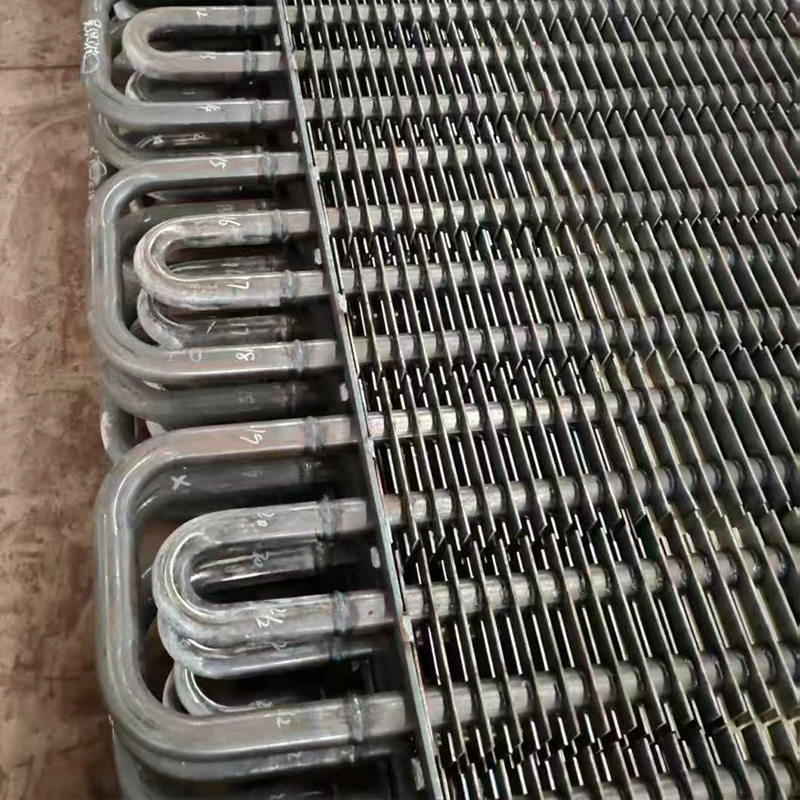
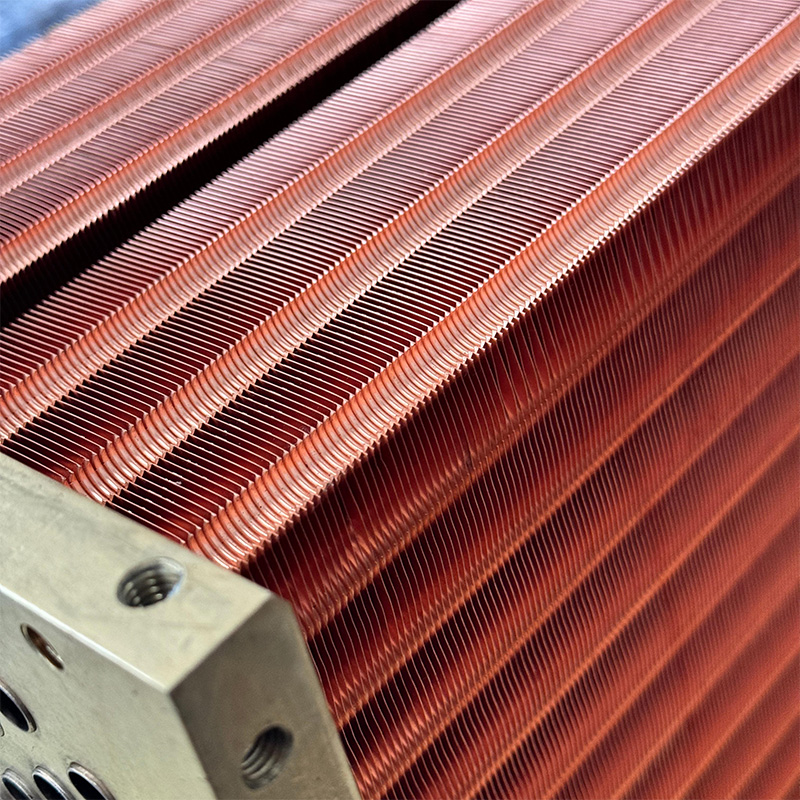
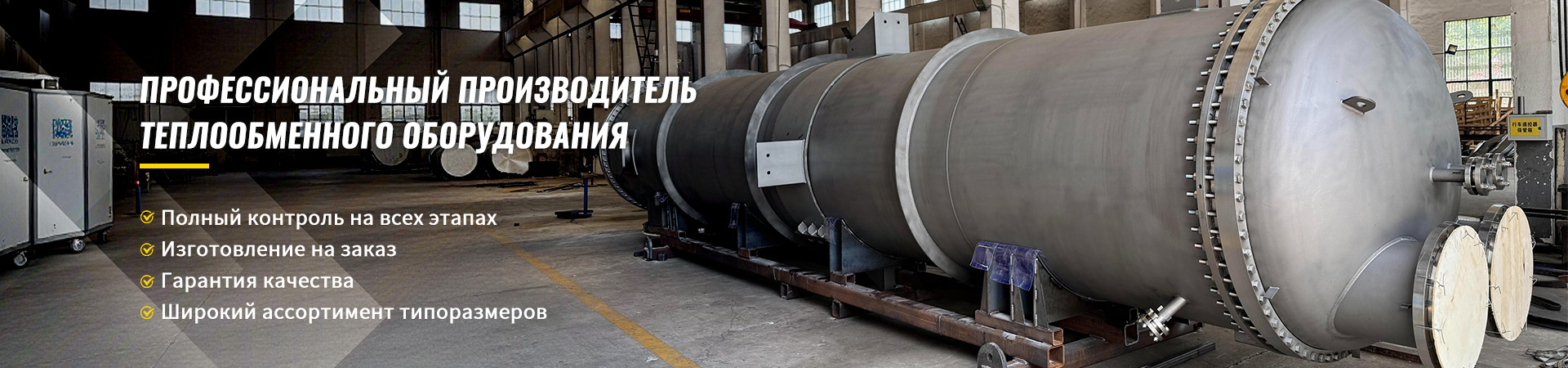
The reliability of the power system directly depends on the quality of each component, be it switching equipment or heat exchange equipment. In the harsh operating environments found in the petroleum refining and chemical industries, it is critical to select suppliers that can provide end-to-end solutions. For example, a companyWuxi Kaisheng Electric Power and Petrochemical Equipment Co., Ltd.specializes not only in the design and production of high-quality electrical power equipment, but also creates advanced heat transfer solutions for the most challenging environments.
Wuxi Kaisheng's products, including titanium shell-and-tube heat exchangers, ASME high-pressure systems and specialty alloy components (such as N06625 nickel, C46400 marine brass and 316 stainless steel), are certified to stringent international PED and ASME standards. The same principled approach to quality control and compliance should be applied when selecting switching devices. After all, if the heat exchanger must withstand extreme pressures and corrosive environments, then the electrical panel must guarantee uninterrupted operation in the same aggressive conditions. The synergy of reliable electrical equipment and efficient heat exchange systems from manufacturers such as Wuxi Kaisheng allows us to create an infrastructure that is resistant to any challenges of modern production.
Frequently Asked Questions
How to correctly calculate the selectivity between the input and group machines?
To ensure complete selectivity, the time-current characteristics (TCC) of the devices should not intersect. The simplest rule: the rated current of the upstream circuit breaker must be at least 1.6–2 times higher than the rating of the downstream one, if devices with thermomagnetic releases are used. However, to guarantee selectivity at high short-circuit currents, it is necessary to use devices with electronic releases and configure the selectivity zone (S-zone). In this zone, the superior machine waits for a certain time (for example, 100-200 ms), giving the lower one the opportunity to turn off the alarm on its own. Simply buying machines from different brands with different operating speeds is not enough - you need consistent characteristics.
Is it possible to use household circuit breakers (type B, C) in industrial switchboards?
Absolutely not, with the exception of lighting circuits and sockets for office equipment inside the industrial zone. Industrial networks are characterized by high inrush currents and the presence of harmonics. Household circuit breakers do not have sufficient breaking capacity (usually up to 6 kA, whereas in an industrial network 10-25 kA is needed) and do not have the necessary wear resistance (number of on/off cycles). Using a household device at the motor input will lead to welding of its contacts at the first serious start-up or short circuit. For industry, there are series of industrial circuit breakers (MCCB, ACB) designed for harsh operating conditions.
How often should maintenance be carried out on switching devices?
According to the recommendations of most manufacturers and technical operating rules (PTEEP), a visual inspection should be carried out at least once a year. However, the actual frequency depends on operating conditions. In dusty workshops or rooms with an aggressive environment, inspection is required every 6 months. Be sure to check the tightening torque of contact connections - loose screws are the cause of 80% of fires in panels. Thermal imaging testing under load is the most effective method for identifying problem contacts. If you see contact heating above 55°C at rated load, immediate traction or replacement of the device is required.
Cost-effectiveness: cheap device versus expensive one
The price of a circuit breaker is an insignificant fraction of the cost of the entire switchboard, and even more so of the cost of the consequences of its failure. The price difference between a budget Chinese analogue and a premium European or high-quality Russian brand can be 30-50%. But let's calculate the total cost of ownership. A cheap device has a shorter service life in terms of switching wear resistance. If it has to be replaced every 3 years instead of 10 years, the savings will disappear.
A more important factor is the cost per hour of production downtime. For a modern plant, stopping a line for a minute can cost thousands of dollars. A reliable device with predictable characteristics insures these risks. In addition, quality brands provide extended warranties and service support. An attempt to save on hardware often results in multiple losses in case of accidents. In our practice, clients who chose a cheap alternative, after a year, asked for a replacement of the entire batch, since the percentage of defects or early failures exceeded acceptable standards.
It is also worth considering the cost of installation. Premium devices often have a more thoughtful design: convenient clamps, clear position indication, and easy-to-use accessories for installation. This reduces the board assembly time by 15-20%, which, for large volumes of work, provides significant savings on the wage fund for assemblers.
Installation errors that kill even the best devices
Even the most expensive and technologically advanced switching device can fail prematurely due to installation errors. The most common mistake is improper stripping of the cable cores. If too much insulation is removed, exposed wire may be exposed outside the clamp, creating a risk of short circuit. If you remove little, the insulation will come under contact, causing poor contact and heating. Use the stripping templates included with the tool.
The second critical mistake is the use of stranded wires without lugs in screw terminals. Thin wires are flattened under the pressure of the screw and “flow” over time, and the contact weakens. Always use cable lugs (NSHVI for soft wire, tinned for aggressive environments). For busbar connections, it is important to observe the tightening torque. Over-tightening the thread leads to its failure or deformation of the machine body, while under-tightening leads to heating. Use torque screwdrivers.
The third mistake is ignoring the direction of the power connection. Although many modern circuit breakers are bipolar and allow power to be supplied from below, some models (especially those with electronic trip units or surge protectors inside) require strict power connection from above. Violation of this rule may damage the electronics or render the protection incorrect. Always read the diagram on the case or in the product data sheet before installation.
The future of switching equipment: trends for 2025-2026
The industry is moving towards full IoT (Internet of Things) integration. In the next two years, we will see the massive appearance of devices with built-in wireless modules (LoRaWAN, NB-IoT), which do not require additional cables for data transmission. This will allow you to modernize old shields without complex alterations. An increase in demand is predicted for devices with a self-diagnosis function, which themselves report contact wear or the need for maintenance.
Environmental friendliness is also coming to the fore. Manufacturers are switching to halogen-free materials and reducing the use of rare earth metals. Ожидается ужесточение требований к энергоэффективности самих аппаратов — снижение собственного потребления катушек и расцепителей. Стандартизация цифровых протоколов позволит объединять устройства разных производителей в единую экосистему умного здания без шлюзов и конвертеров.
Для конечного пользователя это означает, что при выборе оборудования сегодня нужно закладывать возможность будущего апгрейда. Щиты должны иметь резерв места и коммуникационные шины для подключения новых интеллектуальных модулей. Покупка «глухих» аппаратов без возможности расширения функционала становится моветоном в профессиональной среде.
Conclusion and recommendations for action
Выбор и установка коммутационной аппаратуры — это баланс между техническими требованиями, бюджетом и долгосрочной надежностью.Коммутационные аппараты в современных щитахперестали быть просто предохранителями; они стали активными участниками системы управления энергией. Ошибки на этапе выбора или монтажа недопустимы, так как цена ошибки измеряется не только стоимостью сгоревшего оборудования, но и безопасностью людей.
Мы рекомендуем не полагаться на интуицию или советы продавцов «на рынке». Доверьте проект квалифицированным инженерам, которые проведут расчеты, подберут оборудование с учетом реальной нагрузки и обеспечат правильный монтаж. Помните, что качественный щит работает десятилетиями незаметно, пока не придет время плановой модернизации. Комплексный подход, включающий сотрудничество с проверенными производителями полного цикла, такими как ООО «Уси Кайшэн», гарантирует устойчивость вашего предприятия в любых условиях.
Если вы сто лкнулись с задачей модернизации существующего фонда щитового оборудования или проектируете новый объект, свяжитесь с нашими специалистами для аудита вашего проекта. Мы поможем подобрать оптимальное решение, которое пройдет проверку временем и надзорными органами.каталог промышленной коммутационной аппаратурыдоступен для ознакомления с техническими спецификациями и сертификатами.
Contact us today, чтобы получить консультацию по подбору оборудования под ваши конкретные задачи и условия эксплуатации.