
sealed terminal boxes for outdoor installation
2026-07-25
- Why standard junction boxes don't withstand outdoor use
- Critical selection parameters: material, protection and climate
- Design features of reliable street solutions
- Comparative analysis of housing materials
- Typical installation mistakes and how to avoid them
- Certification and regulatory framework for the Russian Federation and the EAEU
- Economic justification for choosing quality equipment
- How to place an order correctly and avoid delivery problems
- Experience of industry leaders: quality standards in energy and petrochemicals
- Frequently Asked Questions
- Conclusion
Why standard junction boxes don't withstand outdoor use
In our practice of working with industrial facilities from Kaliningrad to Vladivostok, we have repeatedly encountered the same mistake: engineers choosesealed terminal boxes for outdoor installation, relying only on the degree of protection IP65 or IP66, ignoring the temperature range and UV resistance of the material. The result is predictable - after 18–24 months the plastic becomes brittle, the seals become tanned, and condensation accumulates inside the case, causing a short circuit. One of our clients, a large outdoor lighting operator in Siberia, lost more than 300 connection points in one winter precisely because of the use of boxes certified only for moderate climates, and not for UHL1 performance conditions according to GOST 15150.
True outdoor sealing isn't just about having no holes. This is a complex engineering system that includes the chemical resistance of the polymer, the design of cable entries, the ability to withstand thermal shocks from -60°C to +80°C and mechanical strength when installed with winter gloves. In this article, we will analyze the technical nuances that distinguish professional equipment from budget consumer goods, and provide clear selection criteria based on real tests, and not on marketing brochures.
Critical selection parameters: material, protection and climate
When choosingгерметичных клеммных коробок для уличного монтажаFirst of all, you need to look not at the price, but at the marking of the case material. Cheap models are often made from recycled polypropylene (PP), which degrades in two seasons when exposed to direct sunlight. Professional solutions use modified PA66 polyamide with added UV stabilizers or glass fiber reinforced polyester (GRP). The difference in service life is colossal: if ordinary PP cracks when hit with a hammer in the cold, high-quality PA66 will withstand a load of up to 20 J even at -40°C.
IP protection (Ingress Protection) is the second key parameter, but there is a nuance here. For most outdoor applications, IP65 (protected against jets of water) is sufficient, but sites subject to regular high-pressure washing or located in flooded areas require IP66 or IP67. It is important to understand: the declared IP only works if the cable glands are installed correctly. If you use cheap rubber plugs instead of brass or nickel-plated double crimp glands, moisture will work its way inside the cable sheath, negating any protection the housing has.
The third factor that is often overlooked is the operating temperature of the seals. Standard silicone lasts down to -50°C, but in conditions of the Far North or high mountains it may lose elasticity. For extreme conditions, we recommend the use of fluoroelastomer seals (FKM/Viton), which maintain properties up to -60°C and above. Also pay attention to the availability of climate control certification. For Russia and the CIS countries, the obligatory reference point is GOST 15150, where the UHL1 version guarantees operation in the range from -60°C to +40°C with humidity up to 98%.
Practical advice:Before purchasing a batch, request a material aging test report (UV test report) and a GOST or EAC certificate of conformity from the supplier. Don't believe the words "suitable for outdoors" without documentation to back it up.
Design features of reliable street solutions
The geometry of the housing plays a decisive role in the durability of the connection. Flat lids collect water and snow, placing additional stress on hinges and latches. The bestsealed terminal boxes for outdoor installationThey have a rounded or cone-shaped lid that ensures natural drainage of precipitation. In addition, the shape should prevent the formation of “pockets” where dirt or ice can accumulate, preventing a tight closure.
The locking system is another element on which you cannot skimp. Plastic latches are convenient for quick installation indoors, but outdoors they become a weak link. If there is strong wind or vibration from nearby equipment, the plastic latches may open spontaneously. A reliable solution is a combination of stainless steel metal screws (A2/A4) and additional external locks for anti-vandal protection. In our practice, there was a case when a strong hurricane tore off the lids from dozens of boxes on the facade of a building precisely because of the use of purely plastic latches without screw fixation.
The interior space also requires attention. For outdoor installations, it is critical to have enough room to bend the cable to a minimum radius. A tight box will cause the cable to rest against the wall, creating constant mechanical stress on the entry point, which will eventually break the seal of the gland. It is optimal if mounting strips or DIN rails are provided inside for installing terminal blocks, fuses or surge protectors so that the wires do not dangle freely.
Separately, it is worth mentioning the cable entries. A high-quality outdoor box should be able to install seals of different diameters. Universal diaphragm glands are convenient, but they are less reliable than classic threaded glands with a cone ring. If the project involves connecting cables of different sections, choose models with removable plugs that allow you to drill holes for the required gland diameter directly on site.
Comparative analysis of housing materials
To help you make an informed decision, we have prepared a comparison chart of the main materials used to make outdoor terminal boxes. This data is based on our own tests and specifications from leading manufacturers.
| Parameter | Polypropylene (PP) | Polyamide PA66 (with UV stabilizer) | Fiberglass (GRP) | Aluminum alloy (ADC12) |
|---|---|---|---|---|
| Operating temperature | -20°C … +80°C | -40°C … +120°C | -50°C … +130°C | -50°C … +150°C |
| Impact resistance | Low (cracks in the cold) | High (up to 20 J) | Very high (up to 40 J) | Medium (possible dents) |
| UV resistance | Low (requires painting) | High (black color is stable) | Maximum (does not fade) | Depends on powder coating |
| Chemical resistance | Medium (afraid of oils) | High (oils, fuel, alkalis) | Maximum (acids, solvents) | Low (corrosion when the layer is damaged) |
| Application | Household needs, temporary schemes | Industry, lighting, telecom | Oil and gas, chemistry, aggressive environments | Explosive areas (Ex), high currents |
| Price | Low | Average | High | High |
The table shows that for most outdoor installation tasks, PA66 polyamide is the optimal choice. It combines sufficient strength, excellent weather resistance and reasonable cost. It makes sense to use fiberglass only in specific conditions (for example, in chemical plants or in a coastal area with salt fog), where the corrosion resistance of metal or ordinary plastic is insufficient. Aluminum boxes are indispensable where heat removal from powerful power connections or compliance with explosion protection requirements is required.
Recommendation:Avoid using pure polypropylene for permanent outdoor installations if the system life is expected to exceed 3 years. Savings at the procurement stage will result in multiple replacement and repair costs.
Typical installation mistakes and how to avoid them
Even the most expensive and high-qualitysealed terminal box for outdoor installationwill fail if the installation technology is violated. Over 15 years of work, we have identified the three most common mistakes that installers make and how to prevent them.
Mistake #1: Incorrect input orientation.Many people install the box so that the cable entries are on top. This is a gross violation. Water flowing down the cable enters directly into the gland and, overcoming the capillary effect, penetrates inside.Gold standard rule:the inputs should be located strictly from below or, in extreme cases, from the side. If it is structurally impossible to avoid the top entry, be sure to use special protective visors or form a cable loop (“drip loop”) before entering the box so that water flows down without reaching the seal.
Mistake #2: Over-tightening or under-tightening the seals.Installers often tighten the seals “all the way” with a wrench, deforming the sealing ring, or, conversely, twist them by hand, leaving a gap. In the first case, the rubber loses its elasticity and cracks due to thermal expansion. In the second, moisture passes freely through the threads.Correct approach:use a torque wrench or follow the manufacturer's torque recommendations. The seal should compress the cable evenly around the entire perimeter, slightly squeezing outward, but not collapsing.
Mistake #3: Ignoring condensation.Even a perfectly sealed box is not protected from condensation due to temperature changes (the “breathing” effect). During the day, the air inside heats up and expands; at night, it cools and contracts, sucking moist air inside. Over time, this leads to oxidation of the contacts.Solution:For large boxes and cabinets, install breather valves with a membrane that allows air to pass through but retains water, or place silica gel bags inside (replaceable). In critical cases, heaters with a thermostat are used.
We have seen projects where, due to the lack of drip loops, the entire lighting control system failed after the first rainstorm. Don't repeat these mistakes - follow the simple rules of hydrodynamics when laying cables.
Certification and regulatory framework for the Russian Federation and the EAEU
When working in the market of Russia and the countries of the Eurasian Economic Union (EAEU), having a European CE certificate is not enough. Legislation requires mandatory confirmation of compliance with the technical regulations of the Customs Union. For low-voltage electrical equipment, this is TR TS 004/2011 “On the safety of low-voltage equipment.” The presence of the EAC (Eurasian Conformity) mark on the body or in the accompanying documentation is a prerequisite for legal operation and passing inspections by regulatory authorities.
In addition, consideration of climatic factors is critical for outdoor equipment. GOST 15150-69 defines versions for various macroclimatic regions. MarkingUHL1(Moderate-cold climate, location category 1) means that the equipment is intended for outdoor use at temperatures between -60°C and +40°C. If you purchase boxes marked U3 (only up to -40°C) for use in Yakutia or the north of the Krasnoyarsk Territory, you are violating design standards and taking on the risk of accidents.
It is also worth paying attention to fire safety. The materials of the housings must comply with a flammability class of at least G2 (moderately flammable) or self-extinguishing standards UL94 V-0/V-2, especially if the box is installed on the facades of buildings made of flammable materials or near forested areas. Some manufacturers add fire retardants to the plastic, which significantly increases the safety of the facility.
Source: Text of Technical Regulations TR CU 004/2011. Always check the relevance of certificates in the unified register of Rosakcreditation before concluding a contract.
Economic justification for choosing quality equipment
Often, buyers seek to minimize CAPEX (capital costs) by choosing the cheapest analogues. However, in the long term, the TCO (total cost of ownership) of budget solutions turns out to be 2-3 times higher. Let's do the math using a specific example.
Let's imagine an object with 500 switching points. A cheap box costs 300 rubles, a high-quality one costs 900 rubles. The difference at the procurement stage will be 300,000 rubles in favor of the cheap option. But the service life of a cheap box on the street is on average 2 years, after which replacement is required (material + work of a mobile team). The cost of replacing one point is about 1,500 rubles. In 5 years, cheap boxes will have to be replaced twice, which will cost 500 * 1500 * 2 = 1,500,000 rubles plus the initial purchase. Total: 1,800,000 rubles.
Qualitysealed terminal boxes for outdoor installationserve for 10–15 years without intervention. Costs for 5 years are limited only to the initial purchase: 500 * 900 = 450,000 rubles. The difference in favor of a quality solution is more than 1 million rubles, not counting the risks of equipment downtime and fines for violating the rules for operating electrical installations.
In addition to direct financial losses, there are reputational risks. Failure of a lighting system on a highway or a stoppage of a conveyor due to oxidation of contacts in a box can lead to much greater losses than the cost of the product itself. Investing in reliability is insurance against unexpected costs.
How to place an order correctly and avoid delivery problems
When submitting an application to a supplier, be as specific as possible. Don’t just write “street box.” Specify the following options:
- Dimensions:External dimensions (LxWxH) and useful internal volume.
- Material:Required type of plastic (PA66, ABS, GRP) or metal.
- Degree of protection:Minimum IP65, better IP66/IP67.
- Equipment:The presence of a DIN rail, the number and type of seals (are they included in the kit or purchased separately), the type of fasteners (screws, dowels, clamps).
- Climatic version:Be sure to indicate the requirement for compliance with UHL1 or the temperature range of your region.
- Certification:Requirement to have a valid EAC certificate and product passport in Russian.
Please pay attention to delivery times. Popular models are usually in stock at distributors' warehouses, but non-standard colors or large volumes may require production to order (lead times from 2 to 6 weeks). Take this into account when planning construction work, especially during the short summer season.
If you are working with imported equipment, make sure that the supplier takes care of customs clearance and provides a full package of documents for accounting. Failure to have the correct closing documents can create problems during tax audits.
Experience of industry leaders: quality standards in energy and petrochemicals
Selecting reliable components is critical not only for street lighting, but also for complex industrial systems where the cost of failure runs into the millions. A striking example of an approach based on maximum reliability and adaptation to extreme conditions is the company’s activitiesWuxi Kaisheng Electric Power and Petrochemical Equipment Co., Ltd..
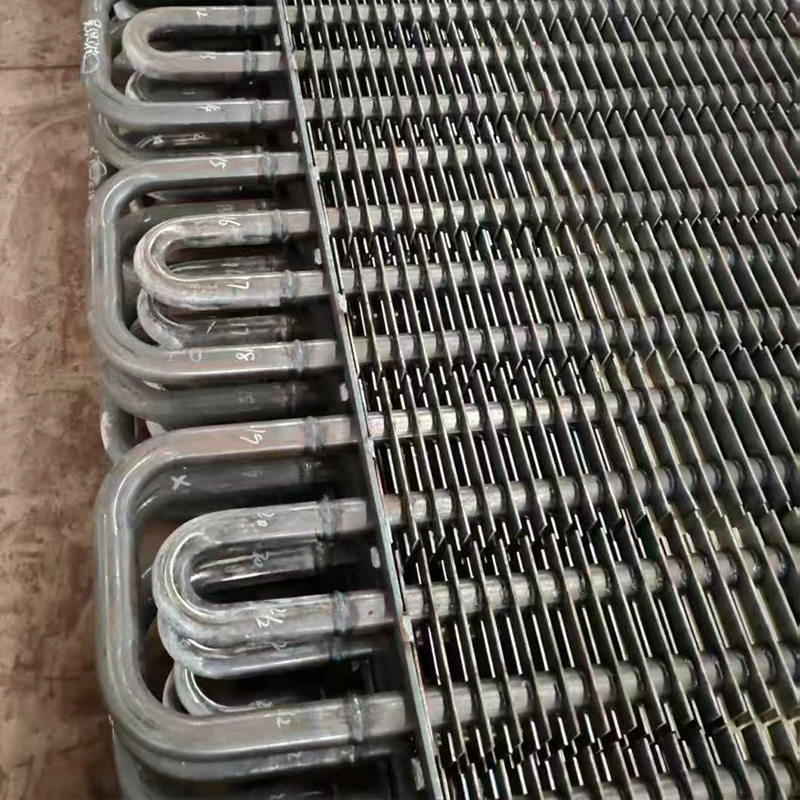
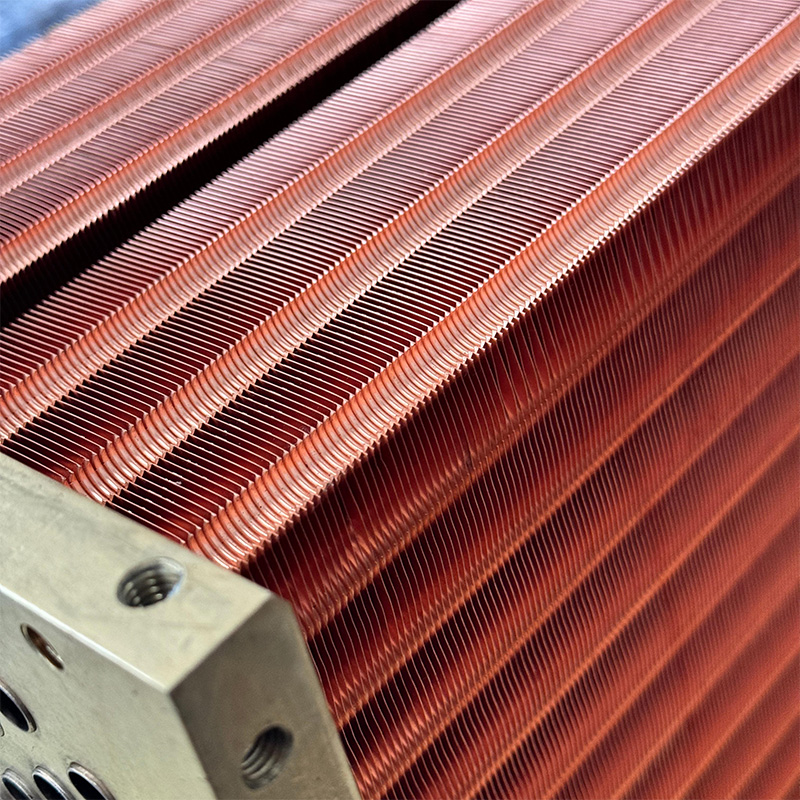
Specializing in the design and manufacture of equipment for the most demanding sectors - oil refining, petrochemicals, shipbuilding and energy - the company demonstrates what a true engineering approach to asset protection should look like. Their products, including titanium shell-and-tube heat exchangers, ASME high-pressure systems and specialty alloy components (Marine Brass C46400, Copper Nickel Alloys, Nickel N06625), are designed to withstand harsh environments, high pressures and temperatures.
The principles that Wuxi Kaisheng LLC applies in the manufacture of its heat exchangers and waste heat boilers - the use of certified materials (PED, ASME), guarantee of corrosion resistance and the provision of individual solutions for a specific project - are also the standard for the electrical installation products market. When it comes to choicesealed terminal boxesFor facilities of a similar level of complexity (for example, offshore platforms or chemical plants), it is worth targeting suppliers who share this philosophy: refusing to compromise on the quality of materials in favor of long-term safety and reliability of equipment around the world.
Frequently Asked Questions
Can regular household junction boxes be used outdoors?
Absolutely not. Household boxes (usually white, thin polystyrene or cheap PP) are designed for use indoors in dry rooms (IP20-IP44). Outdoors, they will be destroyed by ultraviolet radiation in one season, and the very first thunderstorm or downpour will lead to moisture getting inside. Use only specialized products marked IP65 or higher, made of frost-resistant materials.
What sealant is best to use for additional insulation of bushings?
When using high-quality seals, additional sealant is usually not required and is even harmful (it complicates future repairs). If the cable design is non-standard and the gland does not provide a tight crimp, the use of thiokol (polysulfide) sealants or special self-vulcanizing tape is allowed. Силиконовые герметики использовать не рекомендуется, так как они плохо адгезируют к некоторым видам кабельной изоляции и со временем отслаиваются.
Как часто нужно проводить ревизию уличных клеммных коробок?
Согласно ПТЭЭП, визуальный осмотр наружных электроустановок должен проводиться не реже одного раза в 6 месяцев. Полная ревизия с вскрытием, проверкой момента затяжки контактов и состояния уплотнителей рекомендуется раз в 3–5 лет в зависимости от агрессивности среды. Если коробка установлена в районе с сильными песчаными бурями или химическими выбросами, интервал следует сократить до 1 года.
В чем разница между IP66 и IP67 для уличной коробки?
IP66 защищает от сильных водяных струй (например, при мойке фасада машиной высокого давления), но не гарантирует защиту при полном погружении. IP67 означает, что коробка выдержит кратковременное погружение в воду на глубину до 1 метра (например, при весеннем паводке или затоплении траншеи). Для большинства уличных высотных монтажей достаточно IP66, но для подземных колодцев или цокольных этажей обязателен IP67 или IP68.
Conclusion
Choiceгерметичных клеммных коробок для уличного монтажа— это не просто покупка пластиковой емкости, это инвестиция в безопасность и бесперебойность вашей энергосистемы. Ошибки на этом этапе стоят сл ишком дорого: от внеплановых ремонтов до серьезных аварий. Мы настоятельно рекомендуем руководствоваться принципом “разумной достаточности”: не переплачивать за избыточные характеристики (как стеклопластик для обычного фонаря), но и никогда не экономить на базовой защите от влаги и холода.
Помните, что надежная коробка — это та, о которой вы забываете сразу после монтажа. Она должна работать годами, независимо от того, палит солнце, льет дождь или трещит мороз. Доверяйте проверенным производителям, требуйте сертификаты и соблюдайте технологии установки.
Если вы сомневаетесь в подборе оборудования для вашего конкретного проекта или нужна консультация по техническим нюансам монтажа, наши инженеры готовы помочь. Мы работаем с объектами любой сложности и гарантируем поставку сертифицированной продукции, соответствующей самым жестким требованиям российского климата.
Contact us todayдля получения индивидуального коммерческого предложения и технической консультации. Также рекомендуем ознакомиться с нашим каталогомкабельных вводов и аксессуаровдля комплектации ваших проектов.