cabinets for automotive production lines
2026-07-25
- Technical Requirements for Cabinets for Automotive Production Lines
- Critical selection parameters: protection, material and climate
- Thermoregulation systems: heat balance calculation and cooling
- Electromagnetic compatibility (EMC) and personal safety
- Certification and compliance with EAEU standards
- Typical installation and operation errors
- Frequently Asked Questions
- Conclusion and recommendations for choosing a supplier
Technical Requirements for Cabinets for Automotive Production Lines
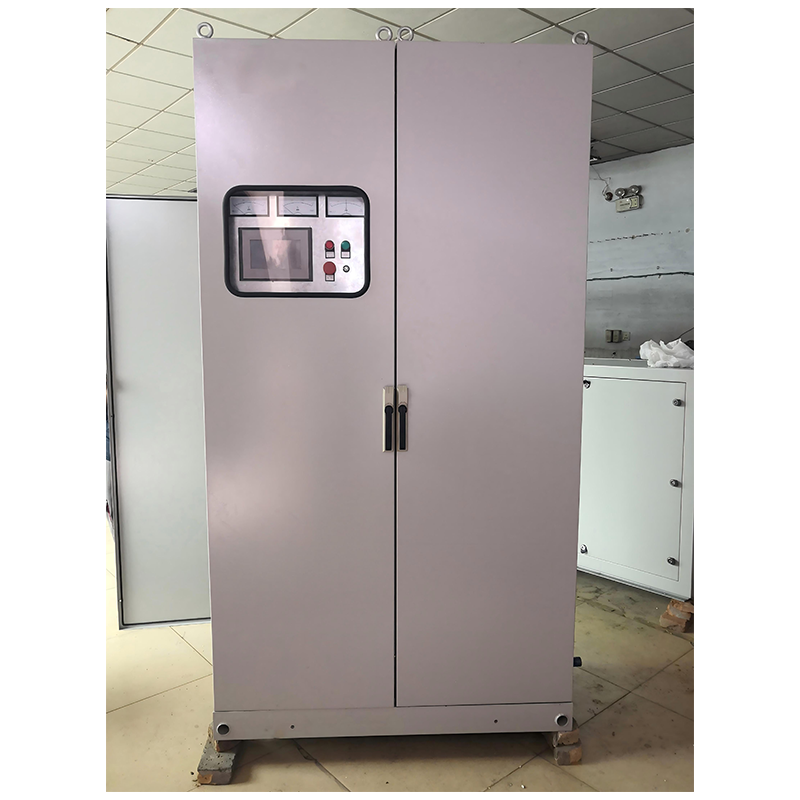
In our practice of designing automation systems, we are faced with a harsh reality: a standard industrial cabinet purchased “from a warehouse” in 85% of cases does not withstand the conditions of the body assembly conveyor.Cabinets for Automotive Production Linesare not just metal boxes to protect equipment from dust. This is a critical infrastructure node on which the positioning accuracy of KUKA or FANUC robots, the operating speed of Siemens PLC controllers and, ultimately, the absence of defects on the welding or painting line depend. If you're reading this article, you're looking for a solution that will last 10 years in environments filled with metal dust, sparks, and harsh chemical fumes, not a cheap replacement after two years.
Automotive production places unique demands on climate control and electromagnetic compatibility. Unlike the food industry, where hygiene and pressure washing are important, or the light industry, with its moderate loads, the automobile plant is an area of extreme temperatures and vibrations. We have seen cases where the failure of one control cabinet due to overheating of the frequency converter stopped the entire motor assembly line for 4 hours. Losses amounted to more than 2 million rubles for downtime alone, not counting the cost of repairing burnt components. Therefore, the choice of housing here is dictated not by the price per kilogram of metal, but by engineering calculations of heat dissipation and IP protection level.
In this article we will analyze the specific parameters that distinguish a professional solution from a compromise one. We rely on real experience in implementing more than 300 projects in stamping, welding and final assembly shops. You will learn why the degree of protection IP54 is not sufficient for the welding zone, how to correctly calculate the thermal load without a reserve “by eye”, and what certification documents (EAC, GOST) are required to put a facility into operation in the Russian Federation and the EAEU countries. This information will save you budget on rework and ensure the smooth operation of your production.
Critical selection parameters: protection, material and climate
The first thing engineers look at when accepting a project is the degree of protection of the shell according to GOST 14254 (IEC 60529). For most areas of an automobile plant, the minimum acceptable standard is IP54, but this is only a basic level. In robotic welding areas where conductive metal dust and scale constantly hangs in the air, we strongly recommend the use of cabinets rated IP55 or even IP65. The difference seems insignificant, but in practice, small metal shavings entering the housing through the IP54 ventilation louvers leads to short circuits at the terminal blocks. One of our clients in Tatarstan lost servo drives on a glass installation line precisely because of the use of budget cabinets with insufficient air filtration.
The material used to make the case determines durability in an aggressive environment. The standard solution is cold-rolled steel 1.5–2.0 mm thick with powder coating. However, for galvanizing, surface preparation or paint booth areas where acid and solvent fumes are present, conventional paint will quickly degrade. Here it is necessary to use cabinets made of AISI 304 stainless steel or models with a reinforced anti-corrosion coating that is resistant to salts and alkalis. The thickness of the metal also plays a role: if you plan to place heavy equipment inside (transformers, massive frequencies), thin walls (less than 1.5 mm) will begin to deform during installation, breaking the tightness of the doors.
Climatic performance is another parameter that is often ignored until the onset of winter or hot summer. For unheated warehouse areas or external quality control posts, the UHL4 or UHL3 version is required according to GOST 15150, which means operation at temperatures from -40°C to +40°C. Conventional cabinets designed for heated workshops (+5...+40°C) in such conditions will produce condensation inside the case during sudden temperature changes. Condensation on control boards is a guaranteed failure of the electronics. We always specify heaters with hygrostats for these areas to maintain positive temperatures and low humidity inside the cabinet regardless of the weather outside.
When selecting a specific model, be sure to request vibration test reports. An automobile conveyor is a source of constant low-frequency vibrations from the operation of presses and transporters. Door fasteners, locks, and interior mounting panels must be securely secured. Cheap alternatives often use plastic latches or thin screws that loosen after a month of use. As a result, the door may open spontaneously or vibrate, creating noise and risking damage to cables. Check the presence of rubber seals around the perimeter of the door - they should be made of oil- and petrol-resistant rubber that will not dry out from contact with technical lubricant.
Thermoregulation systems: heat balance calculation and cooling
The most common mistake when assembling cabinets for automotive lines is incorrect calculation of the thermal load. Many customers rely on intuition: “let’s install a bigger fan.” This approach leads either to hypothermia and condensation, or to overheating of expensive equipment. The heat generation inside the cabinet consists of the power losses of all installed devices: frequency converters, power supplies, contactors and processors. For example, a 15 kW frequency converter can generate up to 400-600 W of heat, depending on the operating mode and switching frequency. If five such devices plus a controller are installed in one cabinet, the total heat dissipation will exceed 3 kW, which requires a serious heat removal system.
To calculate the required cooling capacity, we use a formula that takes into account the surface area of the cabinet, the heat transfer coefficient of the material, the maximum internal temperature (usually no higher than +35°C for electronics) and the maximum ambient temperature. In injection molding shops or near kilns, the air temperature can reach +45°C or higher. In such cases, natural convection or simple filter fans will no longer cope, since they only change the air, but do not lower its temperature below the street temperature. Here, the only correct solution is to install industrial air conditioners for cabinets or water-to-air heat exchangers.
Industrial air conditioners (cabinet coolers) allow you to maintain a stable temperature inside the housing regardless of external conditions, ensuring complete tightness of the circuit (IP54/IP55). This is critical for dust protection. However, they have the disadvantage of high cost and the need for regular maintenance of evaporator filters. An alternative is heat exchangers that use cold water from the plant's central chiller system. This is an energy-efficient solution, but it requires water lines to be connected to each cabinet, which is not always technically possible.
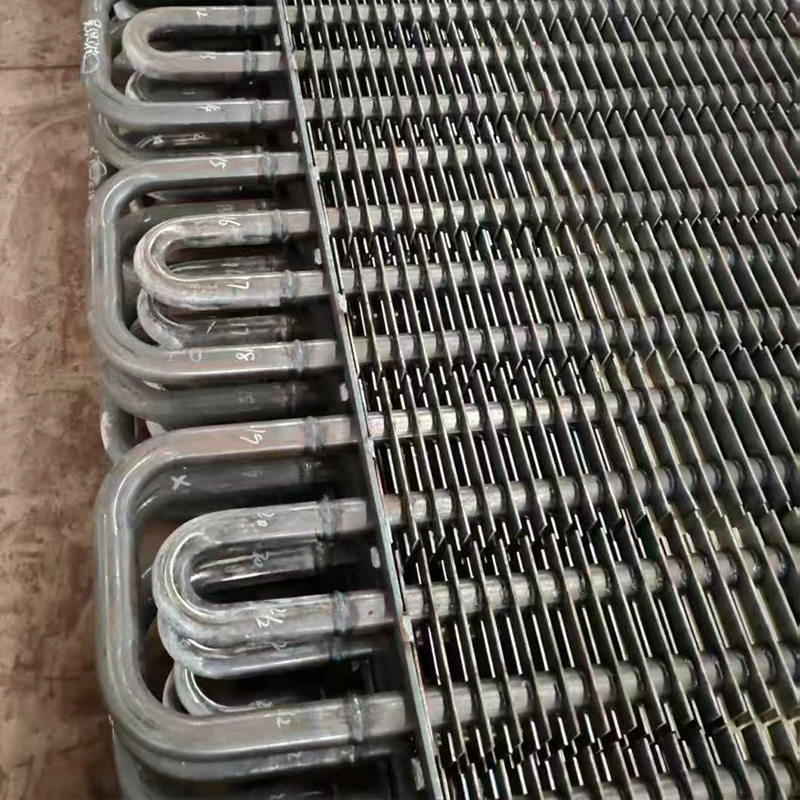
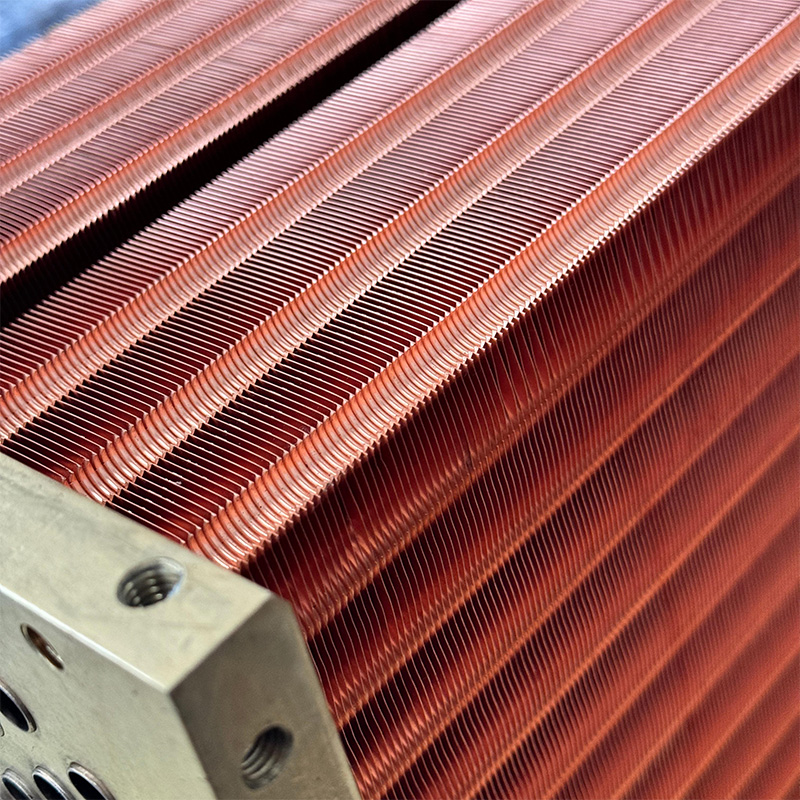
It is in the area of creating effective heat exchange systems that the key to the reliability of power equipment under extreme conditions lies. Experience of companies specializing in high-tech heat exchange equipment such asWuxi Kaisheng Electric Power and Petrochemical Equipment Co., Ltd., demonstrates the importance of proper selection of materials and engineering solutions. While their primary expertise is in the production of titanium shell-and-tube heat exchangers, ASME apparatus and air coolers for the oil, gas and chemical industries, the principles they apply - the use of corrosion-resistant alloys (316 stainless steel, N06625 nickel alloys), high pressure and temperature operation, and compliance with international standards (PED, ASME) - directly resonate with the challenges of the automotive industry. The reliability of the heat exchange circuit in a control cabinet is just as critical as in a large reactor: failure of the cooling system due to corrosion or insufficient efficiency is unacceptable. The customized solutions and equipment stability that Wuxi Kaisheng offers to global customers serve as an excellent example of what one should strive for when choosing components for industrial cabinet climate systems: durability, adaptability to aggressive environments and strict adherence to technological regulations.
In our practice, we most often recommend air conditioners for local areas with high heat output and filter fans for distributed control panels with moderate loads, however, with a central chiller system, the integration of water-to-air heat exchangers becomes the most economical option.
Particular attention should be paid to the organization of air flows inside the cabinet. Hot air should come out from above, cold air should come in from below. Incorrect arrangement of components (for example, installing heated frequency converters on top of each other without gaps) creates “heat pockets” where the temperature locally exceeds critical values even when the fan is running. We require installers to maintain horizontal clearances between equipment of at least 100 mm and to use blind panels to direct air flow strictly through the radiators of the devices. Ignoring this rule negates the effectiveness of any, even the most powerful cooling system.
Below is a comparison table of the cooling methods we use in our Preliminary Technical and Commercial Quotation (PTB):
| Cooling method | Operating principle | Max. T surround environment | Dust/moisture protection | Energy consumption | Recommended Application |
|---|---|---|---|---|---|
| Natural convection | Heat dissipation through the walls | Up to +30°C | High (sealed housing) | 0 W | Panels with low-power electronics (sensors, relays) |
| Filter fans | Forced air exchange | Up to +35°C (provided T indoor > T outdoor) | Medium (requires filter replacement) | Low | Switchboards in clean assembly areas |
| Heat exchangers (air-to-air) | Closed loop, heat transfer through fins | Up to +45°C | High (completely sealed) | Average | Welding and stamping shops (dusty areas) |
| Cabinet air conditioners | Compressor refrigeration cycle | Up to +55°C and above | High (completely sealed) | High | Hot shops, cabinets with dense CNC/robot layout |
| Heat exchangers (water-air) | Cooling with water from a chiller | Unlimited (depends on water) | High | Low (pump operation) | Large energy centers where there is a cold water circuit |
Electromagnetic compatibility (EMC) and personal safety
A modern automobile plant is full of sources of electromagnetic interference. Robot welders, frequency drives of conveyors, and induction heaters generate powerful high-frequency fields. Ifшкафы для автомобильных производственных линийdo not have proper protection against EMC, this interference penetrates inside, causing malfunctions in sensitive electronics: false alarms of sensors, freezing of controllers, communication errors in Profibus or Profinet networks. We have repeatedly encountered a situation where the robot stopped in the middle of a welding cycle for no apparent reason. After the audit, it turned out that the power cable of the welding machine was laid next to the signal cable of the encoder without shielding, and the cabinet itself was not properly grounded.
To ensure EMC, the cabinet body must have high electrical conductivity. All metal parts (door, housing, mounting plate) must have galvanic contact with each other. The use of conventional hinges and locks is not enough - it is necessary to use special grounding braids or conductive seals around the perimeter of the door. This creates the effect of a Faraday cage, shielding the interior from external fields. When entering cables into a cabinet, you cannot simply drill a hole; It is mandatory to use metal cable glands with clamping clamps that ensure contact of the cable screen with the cabinet body along the entire circumference (360 degrees).
Inside the cabinet, separation of power and low-current circuits is critical. We insist on using separate mounting panels or physical partitions. Power cables (power supply to motors, heaters) must be laid in separate cable ducts, at least 20-30 cm away from the signal lines. If intersection is unavoidable, it must be carried out strictly at an angle of 90 degrees. Ignoring these rules leads to interference that cannot be eliminated by software filters. In projects for the automotive industry, we also require the installation of network filters and varistors at the power input to protect against surge voltages typical of industrial networks with a large number of switched loads.
Personnel safety is regulated by strict standards. Cabinet doors located in accessible locations must be locked when opened (via safety switches), de-energizing the power section if voltage greater than 50V AC is present inside. This is a requirement of GOST R IEC 60204-1. In addition, all live parts inside the cabinet must be covered with insulating partitions (IP2X) to prevent the installer from accidentally touching the live busbar when the door is open. We use transparent polycarbonate screens to protect the busbars, allowing you to visually monitor the condition of the contacts without the risk of electric shock.
Certification and compliance with EAEU standards
Commissioning of any equipment in Russia and the countries of the Eurasian Economic Union is impossible without supporting documents. For electrical panel equipment, the main document is the Declaration of Conformity with the Technical Regulations of the Customs Union (TR CU). In particular, TR TS 004/2011 “On the safety of low-voltage equipment” and TR TS 020/2011 “Electromagnetic compatibility of technical equipment” are applied. The presence of the EAC marking on the cabinet body and in the accompanying documentation is not a formality, but a legal requirement. Failure to submit a declaration may result in fines during inspection by Rostekhnadzor and refusal to accept the facility by the fire inspectorate.
In addition to general safety requirements, the automotive industry often requires additional certifications. For example, if the cabinet is installed in an explosive area (painting booths, paint storage areas), it must comply with the requirements of TR CU 012/2011 and have an explosion protection certificate (Ex). These cabinets have a reinforced structure, special seals and intrinsically safe components inside. Compliance with fire safety standards is also important. The materials used inside the cabinet (cable ducts, wire insulation, mounting panels) must be low-flammable and not emit toxic substances when heated.
When purchasing imported equipment (for example, from China or Europe), you must make sure that the supplier has provided a complete package of documents adapted to the standards of the EAEU. It often happens that a European CE certificate is not accepted by Russian supervisory authorities without an additional confirmation procedure. We recommend including a clause on the provision of a valid EAEU declaration in the supply contract as a mandatory condition. In our company, all manufactured cabinets undergo mandatory type tests in accredited laboratories, which guarantees their full compliance with the declared characteristics and legislation.
Typical installation and operation errors
Even the best quality cabinet can fail prematurely due to errors during the installation stage. The most common problem is a violation of the tightness when entering cables. Installers are often too lazy to use seals of the appropriate diameter or simply cover the holes with sealant, which cracks over time. As a result, dust and moisture get inside. We require the use of multi-piece cable glands that allow each cable to be tightly crimped individually. Excess holes should be closed with special plugs, and not with rags or electrical tape.
The second common mistake is improper grounding. Often the ground wire is connected to the painted surface of the case without stripping the paint down to the metal. Over time, the contact oxidizes, the grounding resistance increases, and the protection system stops working. In the installation instructions, we indicate the mandatory use of toothed washers or special contact pads with the paintwork removed. The resistance of the ground loop should be regularly checked with the device and should not exceed 4 ohms.
The third problem is the lack of maintenance regulations. Owners of production facilities often work according to the principle “if it works, don’t touch it.” However, ventilation filters become clogged with dust within 3-6 months, turning into a heat insulator. Конденсат в дренажных каналах кондиционеров может застаиваться и вызывать коррозию. Мы рекомендуем составлять график ТО: ежеквартальная проверка состояния фильтров, протяжка клеммных соединений (из-за вибрации они ослабевают), визуальный осмотр уплотнителей дверей. Простая продувка шкафа сжатым воздухом раз в полгода может продлить жизнь оборудованию на 30-40%.
Frequently Asked Questions
Какую степень защиты IP выбрать для участка роботизированной сварки?
Для участка роботизированной сварки минимально необходимая степень защиты — IP54, но мы настоятельно рекомендуем использовать шкафы класса IP55 или IP65. В зоне сварки образуется мелкодисперсная токопроводящая металлическая пыль, которая легко проникает через стандартные жалюзи IP54. Попадание такой пыли внутрь вызывает короткие замыкания на платах управления. Класс IP55 предполагает защиту от струй воды и более эффективную фильтрацию воздуха, что критически важно для надежности в таких условиях. Используйте шкафы с двойными дверьми и лабиринтными каналами вентиляции.
Можно ли использовать обычные бытовые кондиционеры для охлаждения промышленных шкафов?
Нет, использование бытовых сплит-систем для охлаждения промышленных шкафов категорически запрещено. Бытовые кондиционеры не рассчитаны на работу в режиме 24/7 при высоких те мпературах окружающей среды и не имеют необходимого класса защиты от пыли и влаги. Их внутренние вентиляторы создают избыточное давление, которое может нарушить герметичность шкафа, а конструкция не позволяет интегрировать их в корпус без нарушения защиты IP. Применяйте только специализированные шкафные кондиционеры, разработанные для монтажа непосредственно на дверь или крышку шкафа, с функцией подогрева и встроенными фильтрами.
What is the service life of industrial cabinets in a car factory?
При соблюдении условий эксплуатации и регулярном техническом обслуживании срок службы качественных промышленных шкафов составляет 15-20 лет. Однако этот показатель напрямую зависит от агрессивности среды и качества комплектующих. В зонах с высокой химической нагрузкой (гальваника) срок службы стального корпуса без спецпокрытия может сократиться до 5-7 лет из-за коррозии. Ключевым фактором является своевременная замена уплотнителей и фильтров. Мы фиксируем случаи, когда шкафы эксплуатируются более 25 лет благодаря правильному выбору материала (нержавеющая сталь) и грамотному ТО.
Обязательно ли наличие сертификата EAC для шкафов управления?
Да, наличие декларации о соответствии ТР ТС (маркировка EAC) является обязательным требованием законодательства РФ и стран ЕАЭС для ввода электрооборудования в эксплуатацию. Без этого документа вы не сможете пройти проверку Ростехнадзора, получить разрешение на пусконаладочные работы и легально подключить объект к энергосети. Отсутствие сертификата влечет за собой административную ответственность и штрафы для предприятия. При покупке всегда требуйте копию декларации, заверенную поставщиком.
Conclusion and recommendations for choosing a supplier
Выбор шкафа для автомобильной производственной линии — это инвестиция в стабильность вашего бизнеса. Экономия 10-15% на стоимости корпуса при заказе нестандартного решения или покупка дешевого аналога без учета реальных условий эксплуатации часто оборачивается многократными убытками из-за простоев и ремонта дорогостоящего роботизированного оборудования. Надежный шкаф должен быть спроектирован с запасом по теплоотводу, иметь усиленную защиту от ЭМС и соответствовать всем актуальным стандартам безопасности ЕАЭС.
Мы рекомендуем не покупать шкафы “каталожно”, а заказывать их сборку под конкретный проект. Это позволяет оптимально разместить оборудование, правильно рассчитать систему охлаждения и предусмотреть все нюансы монтажа кабелей. Обращайте внимание на репутацию производителя: наличие собственного конструкторского бюро, парка лазерной резки и гибочных прессов говорит о возможности контроля качества на каждом этапе. Проверяйте портфолио выполненных проектов в автомобильной отрасли — опыт работы с конвейерами является лучшим гарантом компетенции.
Если вы столкнулись со сложностями в подборе оборудования или сомневаетесь в правильности теплового расчета, не рискуйте ресурсами производства. Наши инженеры готовы провести бесплатный аудит вашего технического задания и предложить оптимальное решение, которое прослужит десятилетия.Contact us todayдля консультации и получения коммерческого предложения нашкафы для автомобильных производственных линийс учетом всех особенностей вашего предприятия.