
Engraving on plastic sheets for marking”
2026-08-21
- Engraving on plastic labeling sheets: Why it is the foundation of industrial identification in 2026
- Technological nuances of choosing a material: PVC, Acrylic or Composite?
- Engraving equipment: From benchtop machines to industrial complexes
- Step-by-step instructions: How to get a perfect engraving without defects
- Quality problems and methods for eliminating them
- Production economics: Calculation of cost and profitability
- Areas of application and specific requirements
- Comparison of Application Methods: Engraving vs. Laser Marking
- Development prospects and trends for 2026
- Frequently Asked Questions
- Conclusion
Engraving on plastic labeling sheets: Why it is the foundation of industrial identification in 2026
Engraving on plastic marking sheets remains the only solution for creating durable signs, nameplates and control panels in harsh environments. Unlike laser printing or labeling, mechanical material removal provides a depth of marking that cannot be erased by solvents, abrasives or extreme temperatures. Our many years of experience working with production lines shows that attempts to save on the method of applying information lead to the loss of data about the equipment after 6-12 months of operation. If you are choosing between the speed of digital printing and the reliability of physical engraving for critical components, the choice should be clear in favor of the latter.
The industrial marking market in Russia and the CIS countries is undergoing major changes. With the departure of Western suppliers of original components, engineers were faced with a shortage of high-quality consumables. We are seeing a situation where enterprises are forced to switch to Chinese analogues of two-color plastics or look for ways to localize the production of signs. Engraving on plastic sheets for marking allows you to solve this problem autonomously: by purchasing a machine and sheet material, the plant becomes independent of supply chains. This is not just a text printing technology, it is a strategic asset for maintaining the smooth operation of a fleet of equipment.
Technological nuances of choosing a material: PVC, Acrylic or Composite?
The choice of a specific type of plastic is dictated by the operating conditions of the future product. An error at this stage leads to the sign fading, cracking, or losing contrast six months later. In our practice, there was a case when a client ordered a batch of nameplates made of ordinary white PVC for installation on street transformer substations in Siberia. After the first winter, the material became brittle and crumbled when trying to clear it of snow. This lesson cost us our reputation and the client's money, so now we always start a project with an audit of the operating environment.
Two-layer composite plasticis the gold standard for industrial engraving. Its structure consists of a base of one color (usually black, red or blue) and a thin top layer of a contrasting color (gold, silver, white). When engraving, the cutter removes the top layer, revealing the base. The removal depth is strictly 0.2–0.3 mm. The main advantage of this material is its high contrast and UV resistance. For outdoor use, it is necessary to use materials with UV protection, otherwise the white layer will turn yellow in 2-3 years.
Cast Acrylic/PMMAoften confused with extrusion, but only the former is suitable for engraving. When processed, cast acrylic produces smooth, transparent chips and does not melt along the edges of the cut as much as extruded acrylic. It is ideal for creating premium backlit signs or multi-layer designs. However, acrylic is afraid of organic solvents (acetone, alcohol in high concentrations), which limits its use in chemical laboratories or painting shops. If your job is to mark the inside of a clean office or dashboard, acrylic will provide the best visual effect.
Polyvinyl chloride (PVC/PVC)- the most budget option, widely used for internal marking of pipelines, cable routes and temporary signs. PVC is easy to engrave, does not require high spindle power, but has low heat resistance (deforms already at +60°C) and emits harmful fumes when heated. It is strictly not recommended to use PVC for street markings: it becomes brittle in the cold and fades in the sun. However, for warehouse logistics and internal navigation this is the optimal solution in terms of price/quality ratio.
When choosing a material, pay attention to the certificate of conformity. To work in hazardous areas (oil and gas sector), the plastic must have antistatic properties or a special coating that prevents sparking. StandardGOST R 51330.0-99regulates the requirements for electrical equipment for explosive gas environments, and marking materials must comply with it. Ignoring this requirement may result in refusal to accept the object by supervisory authorities.
Engraving equipment: From benchtop machines to industrial complexes
The quality of engraving depends 80% on the condition of the tool and the rigidity of the machine bed, and only 20% on the software. Many beginners buy cheap Chinese engravers with play in the guides, resulting in “wavy” letters and chipped corners. Such defects are unacceptable in the production of signs, as they make it difficult to read information and spoil the image of the enterprise. We recommend considering equipment with a cast iron bed and linear guides, even if your budget is limited.
The key element is the spindle. For engraving plastic, the optimal rotation speed is 18,000 – 24,000 rpm. The use of low-speed motors leads to the fact that the cutter does not cut, but “tears” the material, leaving burrs. It is also important to have a spindle cooling system (water or air), since during prolonged operation the motor housing heats up, which affects positioning accuracy. In our workshops we use water cooling, which allows us to work continuously for 8–10 hours without loss of accuracy.
Choosing cutters (tools) is a separate science. For double-layer plastic, end mills with a sharpening angle of 30° or 60° are ideal. A cutter with an angle of 30° produces a thinner engraving line, which is important for small text (less than 3 mm in height), but it is extremely fragile and breaks at the slightest spindle runout. The 60° cutter is more versatile and durable, providing good readability for medium-sized text. The shank diameter is usually 3.175mm or 6mm. You cannot save on cutters: a dull tool begins to overheat the plastic, melting the edges of the cut and creating an unpleasant burning smell.
The table's vacuum clamping system is critical to sheet flatness. Plastic, especially thin plastic (1.5–3 mm), tends to bend. If the sheet is not pressed tightly to the table, the engraving depth will be uneven: in some places the cutter will go too deep, damaging the base, in others it will only scratch the surface. We recommend using vacuum pumps with a power of 0.75 kW for table formats from 600x900 mm. Mechanical clamps at the corners are permissible only for thick sheets (from 10 mm), but they limit the working area.
The software must support vector formats (DXF, AI, CDR) and have tool path optimization functions. Good software automatically calculates the processing order of the contours to minimize idle time and prevent workpiece displacement. Popular solutions like ArtCAM or specialized CAM systems for engraving machines allow you to set a processing strategy: “contour”, “fill” or “combined”. For mass production of plates with the same design, the “array” function allows you to place dozens of products on one sheet and process them in one pass.
Step-by-step instructions: How to get a perfect engraving without defects
Even the most expensive equipment will not save you from defects if the process technology is broken. Below is an algorithm that we have worked out over the years of producing thousands of square meters of marking products. Following these steps will ensure consistent results.
- Preparing the work surface and securing the sheet.Clean the machine table from dust and residues of previous work. Apply an even layer of spray adhesive (if using adhesive fastening) or check the operation of the vacuum channels. Lay down the sheet of plastic and make sure there is no sagging. Press the material down firmly.Common mistake:neglecting to clean the table leads to small particles of debris creating bumps under the sheet, causing breakage of the cutter at the very beginning of work.
- Zero setting and instrument calibration.Use a tool height sensor (Z-probe) to accurately determine the surface of the material. Manual installation “by eye” is unacceptable for deep engraving. Set the X and Y coordinates at the corner of the workpiece or at the center, depending on your program. Check the cutter runout using an indicator - it should not exceed 0.01 mm.Important:Always check the direction of spindle rotation before starting a program.
- Setting cutting modes (Speeds and Feeds).This is the most critical stage. For two-layer plastic 3 mm thick, the recommended parameters are: Feed rate 1500–2000 mm/min, spindle speed 18000 rpm, immersion depth per pass (Step down) 0.1–0.15 mm. Do not try to remove the entire layer in one pass - this will lead to chipping and overloading the spindle. It is better to make two passes of 0.15 mm than one of 0.3 mm.
- Launching the program and monitoring the first pass.Start engraving and watch the first contour carefully. Listen to the cutting sound: it should be smooth and high-pitched. A hum or squeal indicates incorrect modes or dullness of the cutter. Check the quality of chip removal. If chips are not being cleared and are wrapping around the cutter, increase the feed speed or use compressed air.
- Finishing and cleaning.Once the cycle is complete, remove the finished product. Remove any remaining dust in the engraving grooves with a soft brush or blow with compressed air. Do not use solvents to clean the freshly engraved surface as they may smear micro-plastic particles and reduce contrast. If necessary, apply protective varnish or film.
Violation of any of these points leads to marriage. For example, an incorrect choice of immersion depth (Step down) often leads to the cutter breaking inside the material, and it is almost impossible to remove its fragment without damaging the workpiece. We lost expensive cutters and damaged sheets precisely because of the haste at the stage of setting the modes.
Quality problems and methods for eliminating them
Operators encounter a number of common problems when operating engraving equipment. Understanding the reasons for their occurrence allows you to quickly return the process to normal.
Burrs and melted edges.This problem occurs when the cutter is dull or the spindle speed is too low for the given feed rate. The plastic is not cut, but melts due to friction. Solution: replace the cutter with a new one, increase the spindle speed or reduce the feed speed. Also check that the chip removal system is not clogged.
“Steps” on vertical walls.If horizontal stripes are visible when engraving deep pockets or three-dimensional letters, it means that the Z step (immersion depth) is too large, or the cutter has play. Reduce the passes depth to 0.05–0.08 mm. Check the tightness of the collet and the condition of the spindle bearings.
Image offset (Ghosting).A double image or displacement of the contours indicates mechanical play in the axial guides of the machine or slipping of the drive belts. It is necessary to carry out maintenance of the machine: tighten the belts, check the screw gears for wear, lubricate the guides. In some cases, the reason lies in insufficient pressure on the workpiece - the sheet moves under the influence of the cutting force.
Uneven engraving depth.If the engraving is clear in one part of the sheet, but barely noticeable in the other, it means that the machine table is not level or the sheet itself is curved. Use the automatic mesh mapping feature in modern software, which compensates for table unevenness by changing the tool path in real time.
Production economics: Calculation of cost and profitability
For many businesses, engraving on plastic sheets for marking becomes not an expense item, but a source of additional profit. Let's look at the economics of the process using a specific example.
The cost of one standard sign 100x50 mm in size made of two-layer plastic consists of the cost of material, equipment depreciation, tool consumption and electricity. A plastic sheet of 600×900 mm format, 3 mm thick, costs approximately 2500–3500 rubles (depending on the manufacturer and color). From such a sheet you can cut about 80–90 tablets of the specified size. Thus, the cost of material per unit is about 30–40 rubles.
Milling cutter consumption is the second most important item. A high-quality carbide cutter costs about 800–1200 rubles and, with proper use, lasts about 10–15 hours of pure engraving time. During this time, several dozen sheets can be processed. The depreciation of the cutter per plate is negligible - less than 5 rubles.
Electricity and depreciation of the machine depend on tariffs and the cost of equipment, but in terms of one product they also amount to an insignificant amount. The final direct cost of the sign rarely exceeds 60–70 rubles. The market price for producing such a sign, taking into account design and urgency, varies from 250 to 500 rubles. The profitability of the process reaches 300–400%.
However, hidden costs can eat up all your profits. These include defects due to operator errors, equipment downtime due to breakdowns, and costs for design layouts. Automation of processes, use of a library of standard layouts and staff training can minimize these risks. The introduction of a tool consumption accounting system helps predict the replacement of cutters before they damage a batch of products.
Areas of application and specific requirements
Engraving on plastic marking sheets is used in a wide variety of industries, each with its own unique requirements.
Energy and electrical engineering.Resistance to oil, fuel and temperature changes is critical here. Labels for transformers, distribution panels and generators must remain legible for decades. Wiring diagrams or yellow and red warning signs are often required. The material must be flame retardant (flammability class B1 or higher).
Oil and gas industry.The aggressive chemical environment and the presence of explosive gases dictate the use of special antistatic plastics. The engraving must be deep so that the information is preserved even under the abrasive effects of sand and dirt. Often this requires duplicating information in multiple languages or using barcodes engraved directly on the plastic.
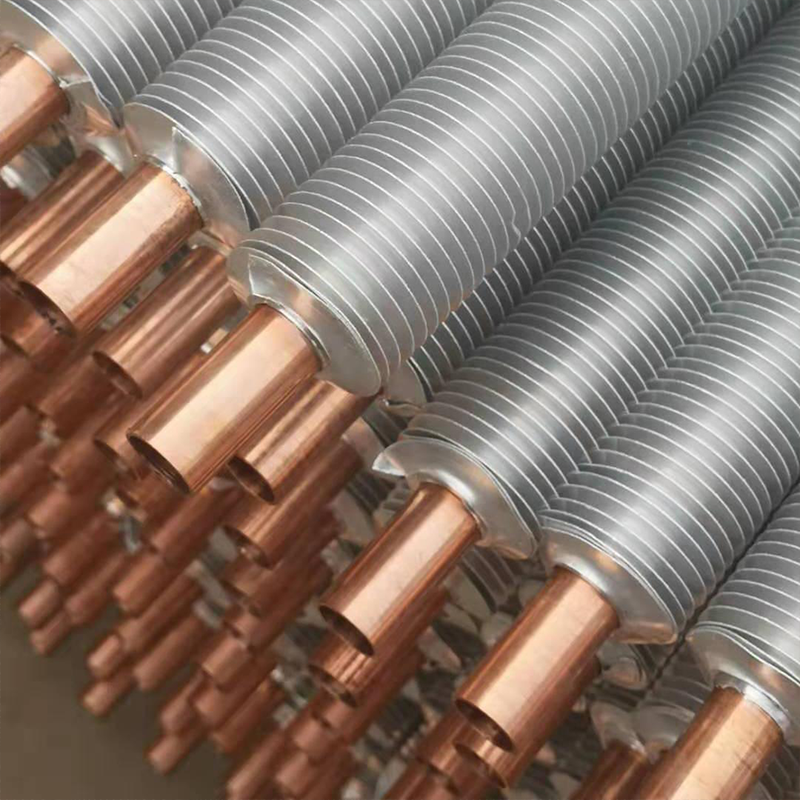
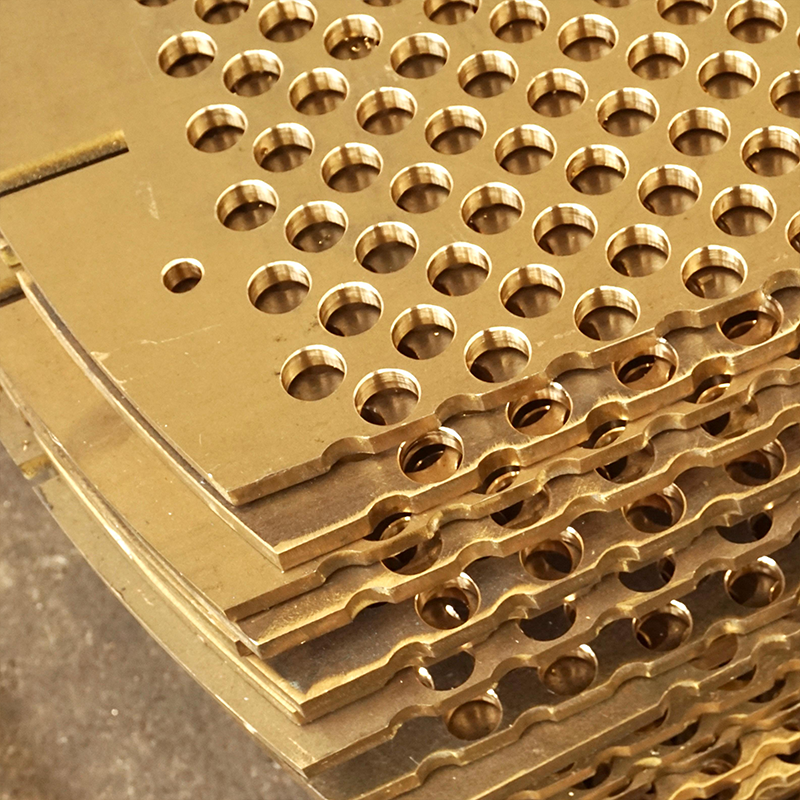
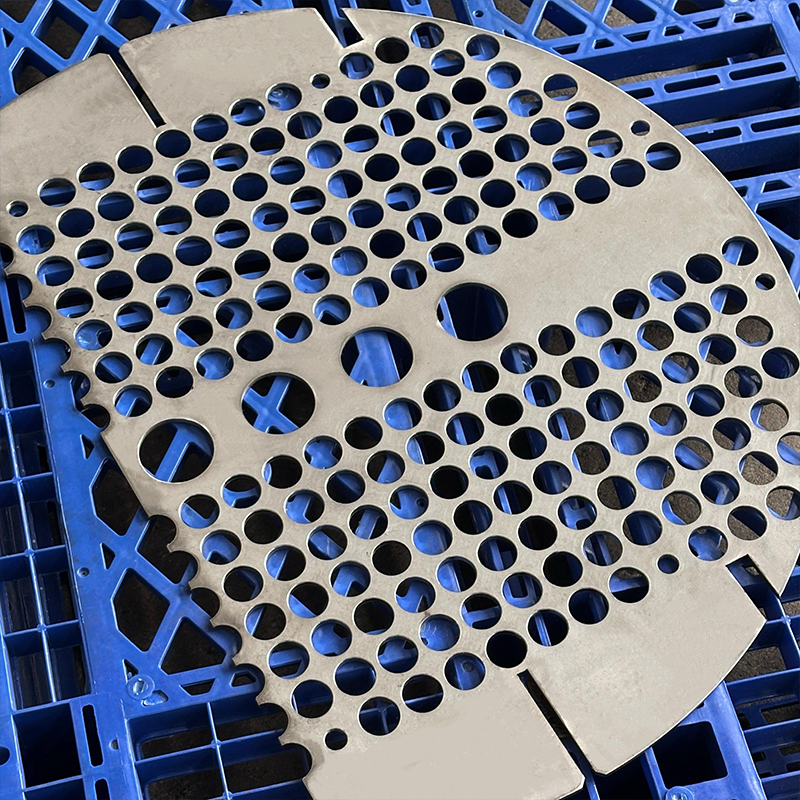
It is in such extreme conditions, where the reliability of identification directly affects the safety of processes, that the company operatesWuxi Kaisheng Electric Power and Petrochemical Equipment Co., Ltd.. Specializing in the design and manufacture of high-tech equipment for the oil refining, petrochemical and energy industries, the company creates complex components such as titanium shell-and-tube heat exchangers, ASME high-pressure heat exchangers and air coolers. Wuxi Kaisheng products, made of corrosion-resistant alloys (titanium, 316 stainless steel, nickel alloys N06625, marine brass C46400), are certified to international PED and ASME standards. For such equipment operating under high pressure and in corrosive environments, quality labeling of every component - from tube sheets to waste heat boilers - is a must to track the life cycle and ensure the safety of global industrial projects.
Mechanical engineering and machine tools.Machine control panels, nameplates with technical characteristics, part numbering. What is important here is aesthetics and the accuracy of matching holes for fasteners. A combination of engraving and pad printing is often used to highlight logos or colored elements.
Construction and architecture.Navigation signs, room numbers, emergency exit signs. In this area, design and compliance with the interior come to the fore. Plastics with a metal, wood or stone texture are used. UV resistance is important if signs are placed on building facades.
Comparison of Application Methods: Engraving vs. Laser Marking
Clients often ask which is better: mechanical engraving with a milling cutter or laser marking. The answer depends on the problem. The laser does an excellent job of applying complex raster images, photographs and very small text at high speeds. It does not require tool replacement and creates less mechanical stress in the material. However, laser marking on plastic often represents a change in color of the surface layer (foaming or charring) rather than physical removal of the material. Such markings may have less contrast and may be subject to wear and tear over time.
Mechanical engraving provides tactile perceptibility of the inscription and guaranteed depth. It is indispensable for signs that will be subject to frequent cleaning with rags and solvents. In addition, engraving allows you to work with two-layer plastics, giving an ideal contrast unattainable with most lasers on plastic without the use of special coatings. Laser equipment is more expensive to purchase and maintain (replacement of tubes, lenses, adjustment), while an engraving machine is easier to operate and repair.
| Comparison criterion | Mechanical engraving (Cutter) | Laser marking (CO2/Diode) |
|---|---|---|
| Depth of influence | Physical layer removal (0.1–5 mm) | Change in surface structure (up to 0.1 mm) |
| Contrast on 2-layer plastic | Perfect (bottom layer opening) | Depends on settings, often requires power selection |
| Abrasion resistance | High (inscription in recess) | Medium (on the surface) |
| Operation speed | Average (depending on sample area) | High (especially for vector paths) |
| Consumables | Cutters (require regular replacement) | None (laser tube resource) |
| Security | Noise, dust (requires exhaust hood) | Harmful fumes when plastic melts (powerful ventilation required) |
For industrial marking applications where durability and readability in harsh environments are a priority, mechanical engraving remains the leader. It is more appropriate to use a laser for souvenirs, badges or markings, where speed and lack of contact with the tool are important.
Development prospects and trends for 2026
The labeling industry is moving towards integrating physical media with digital record-keeping systems. A simple plate with the name of the machine is becoming a thing of the past. Today, it is increasingly necessary to apply Data Matrix codes or QR codes using the engraving method. These codes must be read by scanners the first time, even when covered with a layer of dust or oil. This imposes increased requirements on the quality of engraving: clear boundaries of code modules, absence of chips and sufficient depth.
Another trend is personalization and small-scale production. ERP and MES systems require each part to have a unique identifier. Engraving machines with quick job changes allow you to produce batches of 1-5 pieces cost-effectively. The development of software allows the machine to be integrated directly with the enterprise database: the operator scans the barcode of the part, and the machine automatically loads the desired layout and engraves it without human intervention.
The demand for environmentally friendly materials is also growing. Plastic manufacturers are developing composites containing recycled materials that still retain high engraving properties. The use of such materials becomes a competitive advantage for companies working with international customers or participating in government tenders with sustainability requirements.
Frequently Asked Questions
What is the minimum plastic thickness for high-quality engraving?
For two-layer composite plastic, the minimum recommended thickness is 1.5 mm. With a smaller thickness, the sheet becomes too flexible, it is difficult to fasten it without deformation, and the risk of through penetration by a cutter increases many times over. For acrylic and PVC, sheets from 1 mm can be used, but only if you have an ideal vacuum table and very careful cutting conditions. We recommend starting with 3 mm to get a stable result.
Is it possible to engrave color images on plastic?
Mechanical engraving itself does not reproduce colors; it works on the principle of “removing a layer and getting the base color.” To obtain full-color images, a combined method is used: first, contours and text are engraved, and then the recesses are filled with special paint (pad printing or hand painting) or multilayer plastic with several color layers is used (which is very expensive and rare). For color logos, a technology is more often used when a matrix is created by engraving, which is then used for printing.
How often do you need to change cutters?
The resource of the cutter depends on the type of material being processed and cutting conditions. For soft PVC, one cutter can work for 20–30 hours. For abrasive composites or glass-filled plastics, the service life drops to 5–10 hours. The main indicator of wear is the appearance of burrs, changes in cutting sound and deterioration in surface quality. Don’t wait for the cutter to break; change it at the first sign of dullness, so as not to spoil the expensive workpiece.
Is special ventilation needed when engraving plastic?
Yes, it is required. When machining plastic, fine dust is generated, which is harmful to the operator's respiratory system and can settle on the electronics of the machine, causing short circuits. In addition, some types of plastic can release volatile substances when heated by friction. An effective aspiration (dust removal) system with a fine filter is a necessary condition for safe operation.
Conclusion
Engraving on plastic sheets for marking is a technology proven by time and practice. It combines reliability, accessibility and high aesthetics. Regardless of whether you are planning to organize your own marking site or order a batch of signs from a contractor, understanding the nuances of choosing materials, equipment and processing modes will allow you to avoid costly mistakes and obtain a product of the highest quality. In today's manufacturing environment, where every element carries information, the importance of clear and timeless labeling cannot be overstated.
We are ready to share our experience and help you choose the optimal solution for your problems. Whether it’s advice on choosing a machine, supplying high-quality double-layer plastic, or completing a complex engraving order, contact us today. Our specialists will conduct an audit of your needs and offer the most effective option for implementing the project.
For a detailed catalog of materials and price list for engraving services, follow the link:Catalog of materials for engraving. Remember that proper labeling is an investment in the safety and efficiency of your business.