
Milling of polypropylene parts to order”
2026-08-21
- Milling of polypropylene parts to order: technical requirements and selection criteria
- Material specifics: choice between PP-H, PP-C and PP-R for machining
- CNC machining technology: cutting modes, tools and cooling
- Problems of fixing workpieces and methods for solving them
- Quality control and compliance with GOST and ISO standards
- Areas of application and economic efficiency
- Frequently Asked Questions
- Why is it worth ordering polypropylene milling from us?
Milling of polypropylene parts to order: technical requirements and selection criteria
Professionalmilling of polypropylene parts to orderrequires strict control of the temperature regime of the cutting edge, since even short-term overheating above 160°C leads to irreversible deformation of the workpiece and loss of geometric accuracy. Unlike machining metals or rigid engineering plastics, polypropylene (PP) has a high viscosity and low modulus of elasticity, which poses unique challenges in holding the part in the chuck and forming a clean edge without creating whiskers or sagging. Our production practice shows that 70% of defects in CNC processing of this material arise not due to errors in the program, but due to incorrect selection of cutter geometry and lack of effective cooling of the cutting zone with compressed air. If you are planning to order a batch of housings, tanks or sealing elements, it is critical to understand the difference between PP-H homopolymer and PP-C copolymer, as their behavior under machining load is fundamentally different.
We encountered a situation where a customer lost three weeks of production time because the supplier used standard aluminum spiral cutters to cut 20mm thick polypropylene sheets. The result was melted edges, which required manual finishing of each product, which completely eliminated the advantage of automated production. To avoid such risks, this article examines in detail the technological nuances, parameters of cutting modes and criteria for assessing the quality of finished products in accordance with GOST and ISO standards.
Material specifics: choice between PP-H, PP-C and PP-R for machining
Before you start the programmilling of polypropylene parts to order, the process engineer must clearly identify the brand of raw materials, since the chemical structure of the polymer directly dictates the processing modes. Polypropylene is not a monolithic material; in industrial production we work mainly with three of its modifications, each of which reacts to mechanical stress differently.
Propylene homopolymer (PP-H)
This material has the maximum hardness and chemical resistance among all types of polypropylene, but at the same time it is the most fragile at low temperatures. When milling PP-H, the chips are short and brittle, which makes them easier to remove from the cutting zone. However, the high rigidity of the material requires the use of cutters with a large number of teeth (4-6 pieces) to ensure smooth operation and prevent vibration. In our practice, we use PP-H primarily for the manufacture of chemical containers and ventilation ducts, where resistance to aggressive environments is important and shock loads are minimal. It is important to note that at feed speeds above 800 mm/min, the risk of microcracks on the cut surface increases by 40%, so we recommend reducing the speed for finishing passes.
Propylene block copolymer (PP-C or PP-B)
The introduction of ethylene into the polymer structure significantly increases the impact strength of the material, making it ideal for parts subject to dynamic loads. It is PP-C that is most often used for milling complex body parts, gearboxes and pipeline fittings. The main difficulty in processing copolymer is its increased viscosity: the chips become long and stringy, prone to wrapping around the cutter. If the chips are not effectively discharged, they can re-enter the cutting edge, causing localized overheating and adhesion of molten plastic to the part. We recommend using single or double flute cutters with a sharp edge and a larger helix angle for better chip ejection.
Random copolymer (PP-R)
This type of polypropylene has the best weldability and transparency, but the least rigidity. PP-R milling requires special care when clamping the workpiece, since excessive pressure from a pneumatic or mechanical vice can lead to permanent deformation of the part even before processing begins. We use PP-R mainly for the production of transparent viewing windows and fittings where subsequent heat sealing is required. When working with this material, it is critical to maintain the temperature in the workshop at least +18°C, since when cooled the material becomes overly elastic, which makes it difficult to obtain clear geometric shapes.
The choice of a specific brand affects not only machine settings, but also post-processing. Parts made from PP-H are easier to sand, while PP-C requires a more delicate approach to removing flash. Do not try to universalize the process for all types of polypropylene - this is a direct path to marriage.
CNC machining technology: cutting modes, tools and cooling
Successfulmilling of polypropylene parts to orderis based on three pillars: correct tool geometry, optimized cutting conditions and an effective heat removal system. Polypropylene has a low melting point (about 165°C) and a high coefficient of thermal expansion, which makes it extremely sensitive to heat input.
Unlike steel processing, where the main coolant is coolant (cutting fluid), when working with polypropylene, the use of liquids is often undesirable due to the risk of moisture absorption by the porous structure of the chips and subsequent warping of the part. Our standard protocol involves the use of dry cutting with compressed air blowing the cutting area at a pressure of 6-8 bar. The air flow does double duty: it cools the cutting edge and instantly removes chips, preventing them from being cut again.
Selecting a cutting tool
For roughing we use carbide cutters coated with AlTiN, which reduces the coefficient of friction and prevents plastic sticking. For finishing and obtaining a mirror-like surface, polished cutters made of high-speed steel (HSS) or carbide with a sharp leading edge are indispensable. Sharpening should be done at an angle of 15-20 degrees to ensure easy cutting into the material without the “biting” effect.
- Number of teeth:For PP-H, 4-6 teeth are optimal, for viscous PP-C - 1-2 teeth. The use of multi-start cutters on copolymers leads to clogging of the grooves with chips.
- Cutter diameter:It is recommended to use cutters with a diameter of at least 6 mm to ensure rigidity. Thin cutters (less than 4 mm) are prone to beating, which leaves noticeable marks on the surface of polypropylene.
- Geometry:Preference is given to cutters with a positive rake angle, which work on the principle of “cutting” rather than “scraping” material.
Optimal cutting conditions
Spindle speed and feed must be balanced so that each cutter tooth removes a certain thickness of chips without causing overheating. Too little feed leads to friction and melting of the material, too much - to tearing out pieces and vibration.
| Parameter | PP-H (Homopolymer) | PP-C (Copolymer) | Recommendation |
|---|---|---|---|
| Cutting speed (Vc) | 300 – 500 m/min | 200 – 350 m/min | High speed results in better surface quality |
| Feed per tooth (fz) | 0.1 – 0.2 mm/tooth | 0.15 – 0.3 mm/tooth | Increased feed for PP-C prevents sticking |
| Depth of cut (ap) | up to 0.5 D (cutter diameter) | up to 0.3 D | For finishing passes, reduce to 0.1 D |
| Cooling | Compressed air | Compressed air + vacuum | Avoid using emulsions |
One of our clients encountered the problem of an uneven surface (“ripples”) on polypropylene parts. After auditing the process, we learned that the operator was using a high speed cutting mode (HSM) with a constant load, designed for aluminum. Due to the low thermal conductivity of polypropylene, heat did not have time to be removed with the chips and accumulated in the cutting zone, causing micromelting of the surface layer. Switching to a traditional machining strategy with increased feed and air cooling eliminated the defect completely.
Problems of fixing workpieces and methods for solving them
The low modulus of elasticity of polypropylene makes the task of reliable fixation of the workpiece one of the most difficult in the processmilling of polypropylene parts to order. A traditional metal vice, when tightened with enough force for steel, will inevitably deform the PP sheet or plate, which will cause the finished part to become warped once the clamp is removed.
We use a combined clamping approach that depends on the geometry of the workpiece and the type of operation. For flat sheet parts, the most effective method is a vacuum table with a correctly calculated pressure map. The contact area should be as large as possible to distribute the clamping force evenly. However, vacuum is not suitable for parts with through holes or complex terrain that impairs sealing.
In such cases, we switch to mechanical clamping using soft sponges made of polyurethane or polypropylene itself. The critical parameter here is clamping force control. We recommend using torque wrenches or pneumatic cylinders with pressure regulators that limit the compression force to 0.3-0.5 MPa. Exceeding this threshold causes a local dent, which after milling will turn into a bump or profile distortion.
Another effective method is fixation with high-adhesion double-sided mounting tape or special wax slabs. This method is ideal for thin-walled parts where any mechanical contact is unacceptable. However, this method has a limitation: it is not suitable for high cutting force or deep milling operations, as there is a risk of the workpiece moving under the load. In our practice, there was a case when a batch of 50 parts was rejected due to the use of cheap adhesive tape, which lost adhesion when heated by the friction of the cutter. Since then, we have only used specialized industrial adhesives that are resistant to temperatures up to 80°C.
Quality control and compliance with GOST and ISO standards
Acceptance of finished products aftermilling of polypropylene parts to ordermust be carried out in accordance with tight tolerances, taking into account the specific behavior of the plastic. Visual inspection is the first stage of control, but it does not give a complete picture of quality.
Key Control Parameters
- Geometric accuracy:For most industrial applications we comply with tolerances of accuracy class H9/H10 (according to GOST 25347). For precision components such as O-rings or guides, tolerances can be tightened to H7. It is important to remember that polypropylene is subject to post-process shrinkage, so final measurements should be taken no earlier than 24 hours after processing, when the part has stabilized at room temperature.
- Surface roughness:The Ra parameter for milled surfaces is usually 1.6-3.2 microns. The presence of traces of melting, “whiskers” or fluffiness is unacceptable for parts that come into contact with food or aggressive chemicals, as these defects become centers of corrosion or accumulation of bacteria.
- No internal stress:Parts processed in violation of operating conditions may have hidden internal stresses, which will manifest themselves during operation in the form of cracks. For testing, we use the polarized light method or the reagent immersion test (for critical parts).
Our production is certified according to the ISO 9001 standard, which guarantees the traceability of each batch of raw materials and recording of processing parameters in a digital log. For supplies to enterprises in the oil, gas and chemical industries of Russia, we also ensure compliance with GOST R requirements and the availability of quality certificates for each batch of material indicating the heat number.
A common mistake during acceptance is ignoring the storage conditions of workpieces. If the polypropylene sheet was stored in direct sunlight or at freezing temperatures before processing, its internal structure may have changed. We always carry out incoming inspection of the material, measuring Shore hardness and checking for the absence of warping before putting it into operation.
Areas of application and economic efficiency
Custom milling of polypropylene opens up the possibility of creating unique components that cannot be produced using injection molding methods without expensive molds. This makes the technology indispensable for small-scale production and prototyping.
Chemical industry and electroplating
Polypropylene is the de facto standard for equipment handling acids and alkalis. We regularly manufacture pickling baths, exhaust hoods, air ducts and filter elements. The advantage of milling here is the ability to create all-welded structures of complex shapes from sheet blanks. For example, manufacturing a filter housing measuring 1000x500x500 mm by milling from a single block or assembling milled sheets costs 60% less than manufacturing a metal analog with lining, and lasts 3 times longer in an aggressive environment.
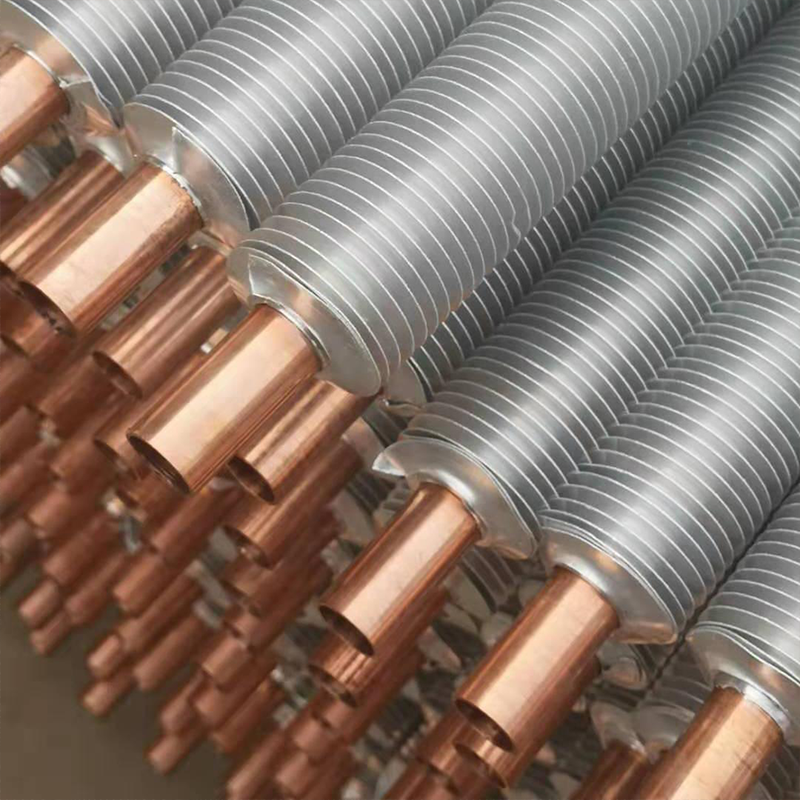
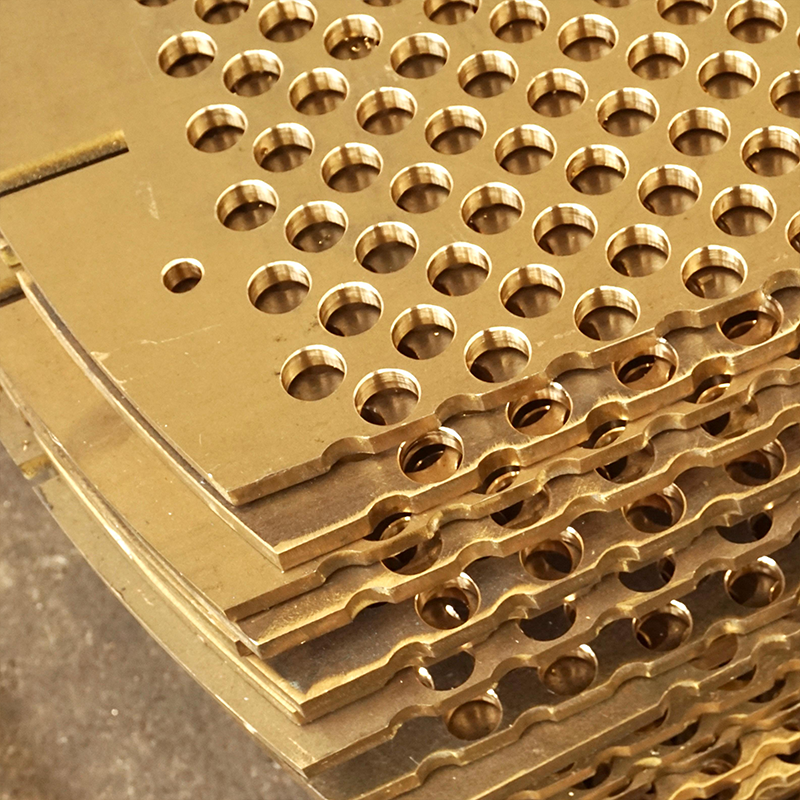
It is in these extreme conditions, where high temperatures, pressures and aggressive environments combine, that the synergy between polymer components and advanced metal equipment emerges. CompanyWuxi Kaisheng Electric Power and Petrochemical Equipment Co., Ltd., a leader in the development of heat exchangers and petrochemical equipment, often integrates milled polypropylene parts into its complete solutions. Our titanium shell-and-tube heat exchangers, ASME high-pressure units and tube bundles made from N06625 or C46400 marine brass require precise mating with CNC-milled polymer seals, insulators and housing components. With PED and ASME certifications and deep materials science expertise (from carbon steel to nickel alloys), we provide full compatibility between metal and plastic assemblies, ensuring system longevity in the oil refining, water desalination and marine industries.
Food industry
Due to its non-toxicity and food contact approval, polypropylene is widely used in cutting boards, conveyor line sprockets, bottle guides and cheese molds. Milling allows you to create complex guide profiles that ensure smooth movement of containers without jamming. In one of the projects for a dairy factory, we replaced metal guides with milled ones made of PP-C, which reduced the noise level in the workshop by 15 dB and completely eliminated the problem of product contamination with metal dust.
Mechanical engineering and instrument making
The lightness and dielectric properties of polypropylene make it an excellent material for insulating parts, low-speed gears and housings for electrical appliances. Milling allows you to quickly make changes to the housing design when developing a new device, without waiting for the production of an injection mold. The production time for a pilot batch of cases is reduced from 4-6 weeks (casting) to 3-5 days (milling).
Frequently Asked Questions
What is the maximum thickness of polypropylene sheet that can be milled?
Technologically, we can process sheets and slabs with a thickness of up to 100 mm or more. However, it is economically feasible to use milling for thicknesses up to 50 mm. For thicker workpieces, a combination of methods is often used: rough cutting of the material with a saw or other equipment, followed by fine milling to achieve precise dimensions. When working with thicknesses over 30 mm, it is necessary to take into account the risk of warping due to the release of internal stresses of the material, therefore we recommend thermal annealing of the workpiece before starting machining.
Is it possible to obtain transparent parts by milling polypropylene?
Yes, this is possible using random copolymer (PP-R) and special finishing modes. The key factor is the absence of microheating, which causes clouding of the material. We use sharp polished cutters, high rotation speeds and minimal cutting depths on finishing passes. After milling, the part can be polished with felt wheels using abrasive pastes to achieve optical transparency. However, it is worth understanding that the transparency of cast acrylic (PMMA) is unattainable for polypropylene due to its crystalline structure, but high light transmittance is quite possible.
What is the minimum order quantity and production time?
We accept orders for the production of single copies (prototypes) and small-scale batches starting from 1 piece. The minimum order is determined by the cost of programming and setting up the machine. For simple parts, production time is 1-2 business days after approval of drawings. For complex assemblies with 3D surfaces, the period may increase to 5 days. Urgent production is possible within 24 hours, subject to the availability of material in the warehouse and production capacity. The cost per hour of operation of a 5-axis machining center is competitive thanks to optimized processing algorithms that reduce machine time.
Why is it worth ordering polypropylene milling from us?
The market for metalworking services is oversaturated with offers, but specializedmilling of polypropylene parts to orderrequires specialized expertise that few possess. Working with polymers is fundamentally different from working with metals: what is more important here is not the power of the machine, but an understanding of the rheology of the material and the thermodynamics of the cutting process.
Our company has been specializing in plastic processing for more than 10 years. We don’t just “cut plastic”, we offer engineering solutions: from selecting a material grade for a specific operating environment to developing a fixation technology that eliminates deformation. Our equipment fleet includes modern 3- and 5-axis machining centers with high-speed spindles adapted for working with non-metallic materials. In collaboration with industry giants such as Wuxi Kaisheng LLC, we have proven our ability to supply components that meet the highest international quality standards for mission-critical energy and petrochemical projects.
We guarantee compliance with deadlines and compliance with drawings. Each part undergoes multi-stage quality control. Working with us, you get not just a part, but the confidence that it will last the entire stated period under the most severe conditions. We understand that a line downtime due to a defective polypropylene part can cost the company millions of rubles, so our priority is reliability and predictability of the result.
Don't risk the quality of your project by entrusting polypropylene processing to a general workshop. Contact us today for a consultation on your drawing. Our engineers are ready to conduct a free analysis of the manufacturability of your part and offer the optimal processing route that will save your budget without losing quality.
To receive a commercial offer and consultation on materials, go to the sectioncontactsor explore our catalog of services hereCNC milling of plastics.