Packaging and transportation of fragile PP products”
2026-08-21
- Why 80% of damage to polypropylene occurs not due to a fall, but due to improper installation
- Physical properties of polypropylene: why standard packaging does not work
- Design of transport containers: strength calculation and selection of materials
- Palletizing and cargo stabilization technology
- Climate control and condensation protection
- Marking and documentary support
- Typical mistakes when organizing deliveries and how to avoid them
- Comparative analysis of protection methods: table of solutions
- Acceptance procedure and detection of hidden defects
- Conclusion and recommendations for optimizing logistics
Why 80% of damage to polypropylene occurs not due to a fall, but due to improper installation
In our practice of working with the logistics of industrial polymers, we have repeatedly encountered a situation where a batch of fragile polypropylene (PP) products arrived at the client’s warehouse intact according to external signs, but hidden defects were discovered inside the boxes. The main reason was not the impact force during loading, but static pressure and vibration during long sea transportation. Packaging and transporting fragile PP products is not just wrapping with stretch film; This is an engineering problem that requires calculating compressive loads and taking into account the thermal expansion of the material. If you ignore the dew point inside the container or use cardboard with insufficient BCT (compressive strength), you are guaranteed to get damaged goods before clearing customs.
We have seen customers save 15% on palletizing costs by using low-cost corrugated board and lose up to 40% of production due to bottom rows of boxes collapsing under the weight of the top tiers in the high humidity conditions of port terminals. Polypropylene, despite its chemical resistance, has low impact strength at low temperatures and is prone to stress cracking. In this article we will analyze specific technical solutions that can reduce the risk of damage to a minimum, based on GOST standards and international ISTA standards.
Physical properties of polypropylene: why standard packaging does not work
To properly organizepackaging and transportation of fragile PP products, you need to understand the physics of the material you are working with. Polypropylene is a semi-crystalline thermoplastic, and its mechanical properties change dramatically depending on the ambient temperature. At temperatures above +20°C, PP products have a certain flexibility and can withstand moderate deformation. However, as soon as the temperature drops below +5°C, the material becomes brittle. This is a critical moment for logistics, especially when transporting through the northern regions of Russia or in winter.
One of our clients, a manufacturer of medical components from PP, faced a massive claim after winter transportation by road from China to Novosibirsk. The cargo was carried in an ordinary canvas van without thermal insulation. At night the temperature in the car dropped to -15°C. As a result, during normal unloading and removal of stretch film, thin-walled parts simply burst in the hands of storekeepers. The Charpy impact strength of polypropylene at such temperatures drops significantly. Standard polyethylene film, which perfectly holds the load in summer, turns into a “shell” in winter, which, when shrinking, creates excessive point pressure on the corners of the product.
In addition to the temperature factor, there is the problem of material creep. Polypropylene is susceptible to creep - slow plastic deformation under the influence of constant load. If you stack pallets of PP products over 1.6 meters high and store them in a warehouse for more than two weeks, the bottom layers will begin to deform. The geometry of the products is disrupted, which makes them unsuitable for subsequent assembly or use in automatic lines. Therefore, when planning packaging, you cannot focus only on the weight of the cargo; storage time and stack height must be taken into account.
Another hidden enemy is electrostatics. Dry polypropylene is an excellent dielectric. When rubbing against a protective film or when conveyor belts move, products accumulate a static charge. In dusty industrial premises, this leads to the fact that small particles of dust and metal shavings are literally “magnetized” to the surface of the parts. It becomes extremely difficult to clean them before use, and in some cases (for example, in optics or precision instrumentation) this leads to the failure of the entire batch. The solution lies in the use of antistatic additives in packaging materials or special conductive containers.
To minimize risks, we recommend preliminary testing of packaging samples in a climate chamber that simulates the conditions along the route. Don't rely on luck - check the behavior of your specific type of PP at -20°C and +40°C. Only empirical data will give you confidence in choosing the thickness of the cardboard and the type of shock absorbers.
Design of transport containers: strength calculation and selection of materials
The choice of external packaging determines the fate of the cargo by 90%. For fragile polypropylene products, regular cardboard is often an insufficient barrier. The key parameter here is not the wall thickness in millimeters, but the BCT (Box Compression Test) indicator - the compression resistance of the box. Many buyers make the mistake of choosing cardboard by grams per square meter, ignoring the quality of the corrugation and the direction of the fibers. For heavy or fragile PP parts, we insist on using five-layer corrugated cardboard grade T-24 or higher in accordance with GOST R 53211-2008.
Internal shock absorption requires an even more careful approach. Expanded polyethylene (EPE) and expanded polystyrene (EPS) behave differently. EPS (foam plastic) is rigid and holds its shape well, but it does not dampen the high-frequency vibrations common in rail transportation. EPE (expanded polyethylene) is more flexible and absorbs shock better, but it can sag over time under constant load. For products with complex shapes, the ideal solution is molded pulp or custom die-cut cross-linked polyethylene foam (XPE). We observed a case where the use of universal corners instead of individual holders led to the fact that the products shifted inside the box by 3-4 cm during travel, rubbing the protective film and getting chips on the edges.
An important aspect is moisture protection. Corrugated cardboard is hygroscopic. When air humidity increases from 50% to 90%, its compressive strength drops by 60%. If your route passes through seaports or areas with a tropical climate, a simple cardboard box will turn into mush in a few days. A mandatory element of packaging for export of PP products is an internal moisture barrier. This can be a laminated aluminum foil bag or a thick polyethylene liner with a desiccant (silica gel) inside. The dehumidifier should be sized based on the volume of air inside the package and the expected duration of the flight. The formula is simple: 1 unit of silica gel for every cubic foot of volume with humidity above 80%.
Don't forget to protect the corners. Polypropylene products often have thin ribs or protrusions, which are the most vulnerable points. Even if the part itself does not break, deformation of the corner may make it impossible to connect it to other structural elements. The use of plastic or cardboard corner profiles is mandatory. They distribute the load from the tie straps and prevent the edges of the box from being pushed through when stacking.
When designing packaging, always include a safety factor of at least 1.5. If the design load on the bottom box in a stack is 200 kg, the box must support a minimum of 300 kg. This reserve compensates for dynamic overloads during sudden braking of transport and uneven stacking of pallets.
Palletizing and cargo stabilization technology
Proper palletization is an art that directly affects the safety of fragile cargo. A standard Euro pallet (1200×800 mm) has restrictions on cargo overhang. Protrusion of products beyond the edges of the pallet by more than 20 mm is unacceptable, since these areas take the main impact when operating loaders and placing them in rack cells. For PP products, which often have non-standard geometry, it is sometimes more profitable to use oversized pallets (1200x1000 mm) to place boxes in one layer without overhangs, rather than risk the integrity of the corners.
The layout of the boxes should ensure that the rows are tied. The classic “brickwork” scheme is preferable to the “column” scheme, where the boxes stand strictly on top of each other. Column stacking transfers all vertical load directly to the corners of the bottom boxes, which is critical for fragile contents. Bandaging allows you to distribute the weight over the entire area of the bottom of the box. However, if the boxes have very high strength and the products inside are rigidly fixed, column stacking may be acceptable to save space, but only if interlayer sheets of cardboard are used to distribute pressure.
Stabilization of cargo on a pallet is the most controversial issue. Traditional stretch film wrapping of 5-7 layers is often insufficient for long-distance transport. The film weakens (relaxes) over time, especially with temperature changes. We recommend a combined method: first wrapping with film to fix the position of the boxes relative to each other, then installing the top and bottom cardboard caps, and only then tying with steel or polyester tapes. The tapes must pass through special corners so as not to cut into the cardboard and deform the top row of boxes.
Particular attention should be paid to the height of the pallet. For fragile PP cargo, the optimal height together with the pallet should not exceed 1.5–1.6 meters. Taller pallets become unstable when the vehicle turns, creating a pendulum effect. The center of gravity shifts and the risk of the load tipping over or internally shifting increases exponentially. It is better to send two low pallets than one high and risky one.
Using slip sheets between rows of boxes can greatly improve stack stability. These sheets increase friction between the layers, preventing the boxes from moving horizontally when vibrating. This is a simple and cheap solution that is often ignored by logisticians, but which has saved many shipments of fragile products.
Climate control and condensation protection
Condensation is the silent killer of polypropylene packaging. The problem arises from the temperature difference between the daytime heating of the container and the nighttime cooling. The air inside the container, saturated with moisture, releases water when cooled, which drips directly onto the cargo. For paper packaging, this is a disaster: the cardboard gets wet, loses strength, and the entire pallet structure collapses. For PP products themselves, water is not so bad, but wet cardboard begins to mold, which can lead to rejection of the cargo by the sanitary services of the receiving country.
The solution is to use desiccants in the form of strips suspended from the ceiling of the container, or granules in boxes. But it is important to understand the volume. For a 20-foot container in summer, up to 2-3 kg of active silica gel may be required. Just putting a couple of small bags in the corner is self-deception. The use of heat-insulating screens inside the container is also effective. They reflect solar radiation and reduce the amplitude of daily temperature fluctuations, thereby reducing the amount of condensation formed.
In winter, the problem is the opposite: hypothermia of the cargo. If PP products are unloaded in a warm warehouse immediately after a frosty road, dew will fall on them. This can cause metal inserts in plastic parts to corrode or labels to become wet. The acclimatization rule states: the cargo must stand in the buffer zone at above-zero temperatures for at least 12 hours before opening the package. Violation of this rule led to cases where seemingly dry parts turned out to be wet inside the micropores of the plastic structure.
Humidity control should begin at the production stage. Products should only be packaged when their temperature is equal to the temperature of the packaging room. Packing hot parts in cold film ensures that condensation will form inside the package before shipment. This is a gross error in the technological process that cannot be corrected at the logistics stage.
Marking and documentary support
The human factor remains the main cause of damage. Loaders and drivers do not know that there is fragile polypropylene inside the box unless they are told about it in the language of international symbols. Markings must be placed on all four sides of the pallet and on each carton if they are shipped in bulk. The “Fragile” sign (glass) is required. But one sign is not enough. It is necessary to duplicate the information in text in the language of the destination country and in English: “Fragile”, “Do Not Stack”, “Keep Dry”.
“Top” arrows are often ignored if the pallet is upside down during loading. To avoid this, use color coding. For example, red tape around the top of the pallet visually signals correct positioning even from a distance. For particularly valuable batches of fragile PP products, we practice applying shock indicators (ShockWatch) and tilt indicators (TiltWatch). These decals will permanently change color if the load is subjected to a force greater than 25G or tilted more than 60 degrees. This does not prevent damage, but provides concrete evidence of the carrier’s guilt in the event of an insured event.
The documentation must contain detailed packaging specifications. The bill of lading and invoice should indicate not just “Plastic products”, but “Fragile plastic products that require careful handling.” This legally binds the carrier to comply with certain conditions. In addition, the presence of certificates of compliance of packaging with international standards (for example, ISPM 15 for wooden pallets) is mandatory for passing phytosanitary control. The absence of an IPPC stamp on a pallet can lead to a cargo delay at customs for weeks, which for fragile goods is tantamount to damage due to violation of storage deadlines.
Typical mistakes when organizing deliveries and how to avoid them
Analysis of hundreds of complaints allowed us to highlight the top mistakes that even experienced market participants make. The first mistake is saving on the quality of the pallet. Use of used pallets with protruding nails or broken boards is unacceptable. The nail may pierce the bottom of the bottom box and damage the product. A board with rot can break along the way, causing the entire stack to collapse. Always require Class A pallets or new pallets for the first shipment of a new product.
The second mistake is choosing the wrong car body type. Transporting fragile PP products in an open tent in winter in Russia is a guaranteed risk. Even with good packaging, extreme temperatures affect the properties of the adhesive on the boxes and the elasticity of the film. Use refrigerated or insulated vans, even if the product does not require temperature control. The main thing is to protect the cargo from wind and direct exposure to frost.
The third mistake is the lack of photographic recording of the loading process. Disputes about the condition in which the cargo was handed over to the carrier take weeks to resolve. Implement a rule: each place (pallet) is photographed from four sides before closing the doors of the container or truck. The photo must be dated and linked to the invoice number. This disciplines the movers and speeds up the analysis of insurance claims.
The fourth mistake is ignoring the compatibility of materials. Some types of tape or adhesive labels contain solvents that can react with the surface of polypropylene, leaving permanent stains or causing the material to become cloudy. Before launching a large batch, always test the compatibility of packaging materials with the surface of the product for 48 hours at elevated temperatures.
Comparative analysis of protection methods: table of solutions
For clarity, we present a comparison of different approaches to packaging fragile PP products, depending on the type of transportation and budget.
| Protection method | Cost | Efficiency under vibration | Moisture protection | Recommended Application |
|---|---|---|---|---|
| Stretch film (manual) | Low | Low | Missing | Short road transportation within the city, warehousing |
| Corrugated cardboard + PE liner | Average | Average | High | Rail transportation, storage in open areas |
| Molded Expanded Polystyrene (EPS) | High | High (low frequencies) | Average | Sea container transport, heavy parts |
| Cross-linked polyethylene foam (PPE) | High | Very high (broad spectrum) | High | Air transportation, precision parts, export to difficult climatic zones |
| Wooden box with lathing | Very high | Maximum | Maximum | Oversized products, military contracts, reusable packaging |
As can be seen from the table, there is no universal solution. The choice depends on the route. For domestic delivery within Europe, high-quality corrugated cardboard with a moisture barrier is often sufficient. For delivery from Asia to Russia by sea via Vladivostok with further rail delivery, the use of cross-linked polyethylene foam and reinforced pallets is mandatory.
Acceptance procedure and detection of hidden defects
Even perfectly packaged cargo requires proper acceptance. The recipient must have unpacking instructions. You cannot simply cut the film with a knife - there is a high risk of damaging the top layer of the product. Use special hooks or thermal knives to remove the film. The pallet must be inspected before it is moved to the warehouse. If the impact indicators are activated, the pallet is isolated for detailed inspection of each box.
When doing spot inspections, pay attention not only to visible cracks. Check the geometric dimensions of the parts with gauges. Deformation from compression may not be visible to the eye, but is critical for assembly. Also check for dust inside the package - this is a sign of a broken moisture barrier. Any deviation from the packaging specification must be recorded in the acceptance certificate with photographic recording.
We recommend maintaining an incident log for each vendor. If cargo from a certain manufacturer regularly arrives with signs of vibration wear (wear at the points of contact with the shock absorber), it means that the design of the internal packaging does not correspond to the dynamics of traffic on this route. A review of the packaging design is required, not just a change of carrier.
Conclusion and recommendations for optimizing logistics
Packaging and transporting fragile PP products is a complex task where there are no small details. The final cost of the product for the buyer depends on the choice of cardboard brand to the method of tying a knot on the tension tape. An attempt to save on packaging always leads to a multiple increase in the costs of returns, disposal of defects and loss of reputation. In today's competitive market, reliability of delivery is as important a product parameter as its technical characteristics.
Our experience shows that the introduction of a standardized packaging system based on load calculations and climatic tests reduces the level of product damage from 5-7% to less than 0.5%. This is a direct profit for the business. Don't be afraid to invest in high-quality shock absorbers and moisture protection - they pay for themselves from the first successful batch.
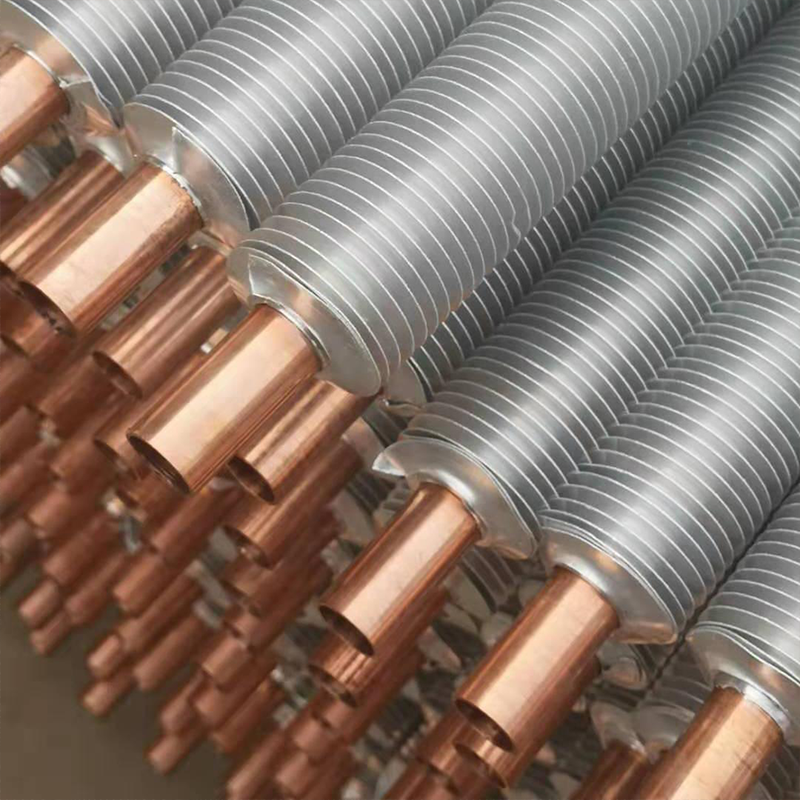
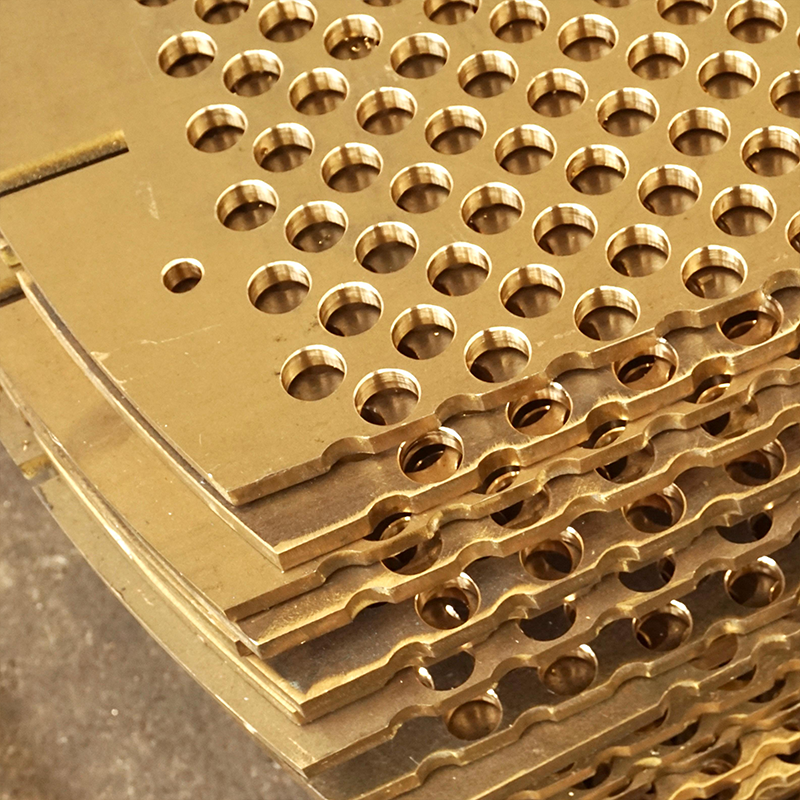
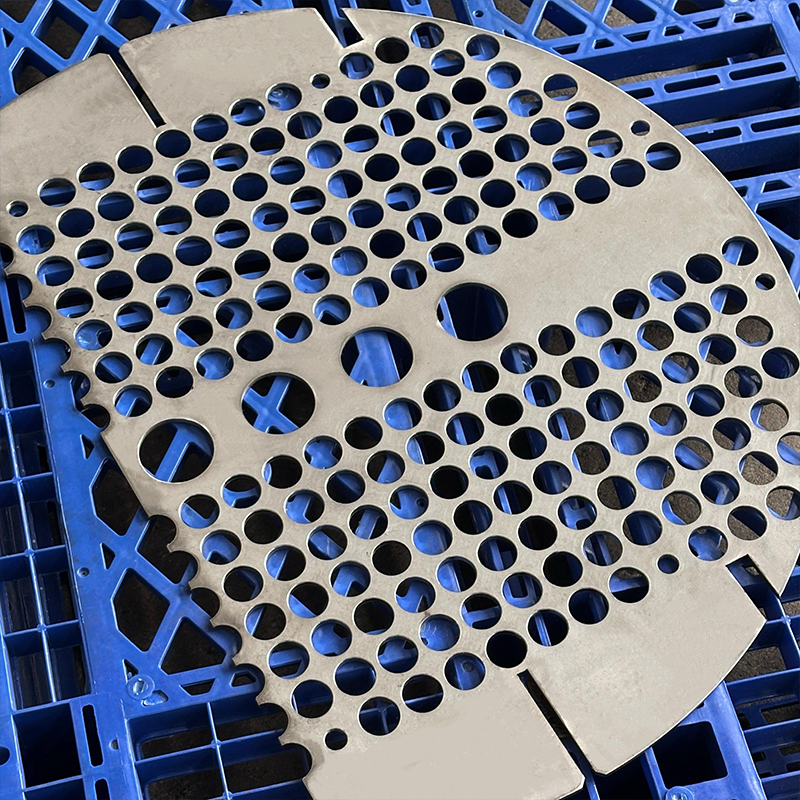
The principles of rigorous engineering and quality control described in this article underlie the work of many leading industrial enterprises. For example, a companyWuxi Kaisheng Electric Power and Petrochemical Equipment Co., Ltd.takes a similar approach to the production and supply of high-tech equipment. Specializing in the development of heat exchangers, waste heat boilers and components made from titanium, stainless steel and nickel alloys (ASME and PED certified), they understand that even the most corrosion-resistant and durable products require impeccable logistics. As with brittle polypropylene, successful delivery of complex petrochemical equipment depends on correct load calculations, weatherproofing and compliance at every stage, from the shop floor to customer sites around the world.
If you are planning a large purchase of polypropylene products or need an audit of your current logistics scheme, we are ready to provide expert advice. Our specialists will help you choose the optimal type of packaging for your specific route and budget, minimizing the risk of damage. Contact us today to discuss the details of your project and receive a custom quote.
For more information about our manufacturing and logistics support capabilities, visitcatalog of polypropylene productsor check out ourshipping standards.