
Open days at PP tank factories”
2026-09-09
- Why open days at PP tank factories solve the problem of hidden defects
- Technology audit: what experts check during a production visit
- Comparison of manufacturers: checklist for assessing supplier competencies
- Security and standards: what to look for during an audit
- Logistics and installation: hidden risks identified on site
- An integrated approach to equipping enterprises: the experience of Wuxi Kaisheng LLC
- Frequently Asked Questions
- Conclusion: Turn your visit into a risk management tool
Why open days at PP tank factories solve the problem of hidden defects
Open days at PP tank factories are not a marketing ploy, but the only opportunity for the customer engineer to personally verify the quality of welds and compliance with extrusion winding technology before signing a contract. In our practice, we encountered a situation where a client from the oil and gas sector lost 40 days of downtime due to the fact that he chose a supplier solely at a low price in the catalog without visiting the production facility. The result was a microcrack in the area of connection between the bottom and the wall of a 50 m³ tank, discovered only after filling with an aggressive reagent. This incident cost the company millions of rubles to replace the container and dispose of the spilled product. That is why personal presence at the manufacturer’s site becomes a critical factor in reducing risks when purchasing industrial equipment.
When you arrive at the factory, you don't see pretty brochures, but a real quality control process. You can see first-hand how operators have set up the extruder, what polypropylene melting temperature is being maintained in real time, and whether an automated system is used to track welding parameters. For tanks made of polypropylene (PP-H, PP-B, PP-R), the extrusion temperature parameter is decisive: a deviation of even 5°C from the regulations leads to a decrease in the chemical resistance of the seam by 30-40%. In a remote video conference, these nuances are often hidden behind the perfect camera angle or a pre-prepared “demo” loop. Only physical presence allows you to ask a question to the technologist right at the machine and receive an honest answer about permissible deviations.
We recommend planning a visit at the stage of approval of design documentation, before the start of mass production of your batch. This gives you leverage: if you see that the line is busy with lower priority orders or a different brand of material is being used, you can quickly adjust the shipment schedule. In one of our projects, the customer demanded to replace a batch of PP-H granules immediately after inspecting the raw material warehouse, as he noticed a violation of storage conditions (direct sunlight through windows), which could lead to degradation of ultraviolet stabilizers. This attentiveness saved the project from premature aging of the tanks after 3-4 years of operation.
Technology audit: what experts check during a production visit
The main purpose of the visit to the enterprise was to verify the technological process of extrusion winding. This is a key method for the production of large-sized thermoplastic tanks, where the quality of the product is 90% dependent on the human factor and equipment settings. During the tour, you should focus on three critical points: tape preparation, winding process and post-processing of welded joints.
The first stage that requires your attention is the raw material preparation and tape extrusion workshop. Here the polypropylene granules are melted and formed into a continuous strip of rectangular cross-section. It is critical to check that there is a supplement dosing system in place. If a plant skimps on automatic dispensers and adds stabilizers “by eye,” the risk of obtaining inhomogeneous material increases many times over. We have seen cases where within the same batch of tanks the chemical resistance varied across different areas due to poor mixing of the composite. Ask to see the raw material batch log: each reel of tape must be labeled associating it with a specific bag of granules and a quality certificate from the raw material manufacturing plant (for example, Borealis or Sabic).
The second and most important stage is the winding section. This is where the geometry of your future tank is formed. Pay attention to the mandrel (mold) heating system. For high-quality adhesion of layers, the temperature of the mandrel must be maintained with an accuracy of ±2°C. If the operator simply heats the mold with gas burners without thermostats, this is a direct path to internal stresses in the material. Such tanks can become deformed (“go screw”) when first heated by the working fluid to 60-70°C. Also check the presence of a stitching roller system. They must be pneumatic with adjustable pressure. Manual rolling is unacceptable for industrial volumes over 10 m³, since a person cannot provide uniform force over 8-10 hours of continuous work.
The third aspect is geometry control and finishing. Once removed from the mandrel, the tank must be checked for out-of-verticality and out-of-roundness. Acceptable standards are usually regulated by the plant’s internal specifications, but they should not exceed the values specified in GOST or DIN standards. Pay special attention to the input/output nodes (pipes). Welding of pipes is the weakest point of the structure. Make sure the factory uses specialized extruders to manually weld the subassemblies, rather than trying to weld them with the same machine as the main winding. The difference in bar feed speed and temperature in these processes is fundamental.
Don't be shy about asking about marriage. Ask the production director: “What percentage of defects did you have last quarter and where does it go?” An honest answer will contain numbers (usually 1-3% for complex products) and a description of the disposal procedure. If they tell you “we have no marriage at all,” this is a signal that either there is no control or you are being deceived. In our practice, one plant admitted that it returns defective sections back to the extruder for remelting only after a thorough analysis of the causes of the defect, which indicates the maturity of the quality management system.
Comparison of manufacturers: checklist for assessing supplier competencies
Not all factories are the same. The market is divided into three distinct segments, and understanding these differences will help you avoid mistakes when choosing a partner. Below is a comparison table based on our experience auditing more than 20 production sites in the region.
| Evaluation criterion | Handicraft workshops (Garage production) | Medium specialized plants | Large industrial holdings |
|---|---|---|---|
| Equipment | Manual extruders, homemade mandrels, lack of automation. | Semi-automatic winding lines, mechanical rolling devices, basic temperature control. | Fully automated CNC lines, robotic welding of components, closed loop parameter control. |
| Raw materials | Use of recycled polypropylene or a mixture of different brands without certification. | Primary granulate from well-known brands, availability of quality certificates for each batch. | Direct contracts with petrochemical giants, our own laboratory for incoming control of raw materials. |
| Quality control | Visual inspection of the finished product. No testing. | Spot check of seams, hydrotesting with water under pressure. | 100% inspection of each seam, ultrasonic flaw detection, tensile testing of witness samples. |
| Production time | Fast (3-5 days), but unstable. High risk of missing deadlines due to breakdowns. | Standard terms (14-20 days) in compliance with the schedule. | Long lead times (30-45 days) due to the queue, but guaranteed shipment date. |
| Warranty | A formal guarantee of 1 year, which is difficult to implement legally. | A real guarantee of 2-3 years with a specialist visit. | Extended warranty up to 5 years, manufacturer liability insurance. |
| Price | 30-40% below the market. | Average market price. | 15-20% higher than the market due to overhead costs and service. |
Choosing “garage production” may seem cost-effective on paper, but in reality it is a lottery. We have recorded cases where such tanks began to leak after 6 months due to the use of recycled materials that had lost their antioxidant properties. For water storage this is still tolerable, but for acids or alkalis it is a direct threat to the environmental safety of the enterprise.
Medium-sized specialized plants represent the “golden mean”. They have the flexibility to accommodate non-standard orders (for example, a tank with a complex shape to fit into an existing space), but still have the necessary technical base to ensure quality. It is this segment that we most often recommend for small and medium-sized businesses, where the balance of price and reliability is important.
Large holdings are indispensable for government procurement and facilities with high safety requirements (nuclear power plants, large refineries). Their advantage is documentary transparency and the ability to provide a full package of permits, including fire safety certificates and sanitary and epidemiological reports. However, their bureaucracy often makes it impossible to make changes to the project at later stages.
Security and standards: what to look for during an audit
A visit to an existing production facility is also an assessment of the safety culture. A plant where chaos reigns in matters of labor protection is highly likely to violate technological regulations. Polypropylene releases volatile substances during processing, and although they are less toxic than PVC combustion products, compliance with ventilation standards is mandatory.
Pay attention to the labeling of finished products. According to the requirements of the technical regulations of the Customs Union (TR CU), each tank must have indelible markings indicating: the name of the manufacturer, date of manufacture, operating pressure, medium temperature and volume. The absence of such marking makes the operation of the container illegal on the territory of the Russian Federation and the EAEU countries. Moreover, this complicates the passage of industrial safety examinations at your facility.
An important aspect is the presence of our own testing laboratory. A serious plant does not send weld samples to third parties every six months, but conducts tests daily. The standard set of tests includes: tensile testing (determining the strength of the joint), bending testing (testing brittleness) and macroscopic analysis of the joint section. Ask to see the log of such tests for the last week. If there are no records or they look “cleaned up,” this is a warning sign.
Fire safety is worth mentioning separately. Polypropylene is a flammable material. Although prefabricated tanks are often used with non-flammable liquids, the manufacturing process involves heating the plastic. Ensure that automatic fire extinguishing systems and smoke detectors are installed in workshops. In our practice, there was a case of fire at a small factory due to the ignition of polyethylene dust in the aspiration system, which led to the destruction of the entire batch of customer orders.
When assessing compliance with standards, focus not only on Russian GOSTs, but also on international standards if you plan to export or work with foreign customers. DIN 16961 (thermoplastic sheets) and DIN 16962 (thermoplastic fittings) are the de facto industry standard for quality. Plants operating under these standards typically have more stringent internal controls than required by minimum local standards.
Logistics and installation: hidden risks identified on site
Many customers make the mistake of focusing only on container production and forgetting about logistics. Open days allow you to evaluate the plant's shipping capabilities. Large volume tanks (over 20-30 m³) are often transported disassembled or in parts due to the size limitations of road transport.
If the factory offers delivery of a finished monoblock, make sure you have your own fleet of trawls or reliable carrier partners. Damage to containers during loading and unloading is a common problem. Inspect the loading area: are there soft slings, protective corners, and qualified riggers? We've seen cheap steel chains leave deep dents in the sides of new tanks before they even leave the factory.
For large projects, the ability to supervise installation is critical. Find out if the plant provides its own specialists to supervise assembly at your site. Welding polypropylene in field conditions differs from factory welding: wind, humidity, and air temperature influence. An experienced technologist from the plant will be able to adapt the parameters of welding equipment to current weather conditions, which your local workers will not be able to do without special training.
Also discuss the issue of packaging. Polypropylene is resistant to UV radiation better than many other plastics, but long-term storage in the open sun (more than 6 months) without protection is still not recommended due to the risk of surface degradation. The plant must provide tanks in packaging that protects them from mechanical damage and direct sun when stored outdoors until installation.
An integrated approach to equipping enterprises: the experience of Wuxi Kaisheng LLC
Choosing a reliable partner goes far beyond purchasing one type of equipment. Modern industrial facilities, such as oil refineries or chemical plants, require the integration of various systems, where each element must meet the highest quality and safety standards. A striking example of such an integrated approach is the company’s activitiesWuxi Kaisheng Electric Power and Petrochemical Equipment Co.,Ltd" By specializing in the design and production of mission-critical equipment, the company demonstrates the level of technological maturity that we recommend looking for when auditing any manufacturer.
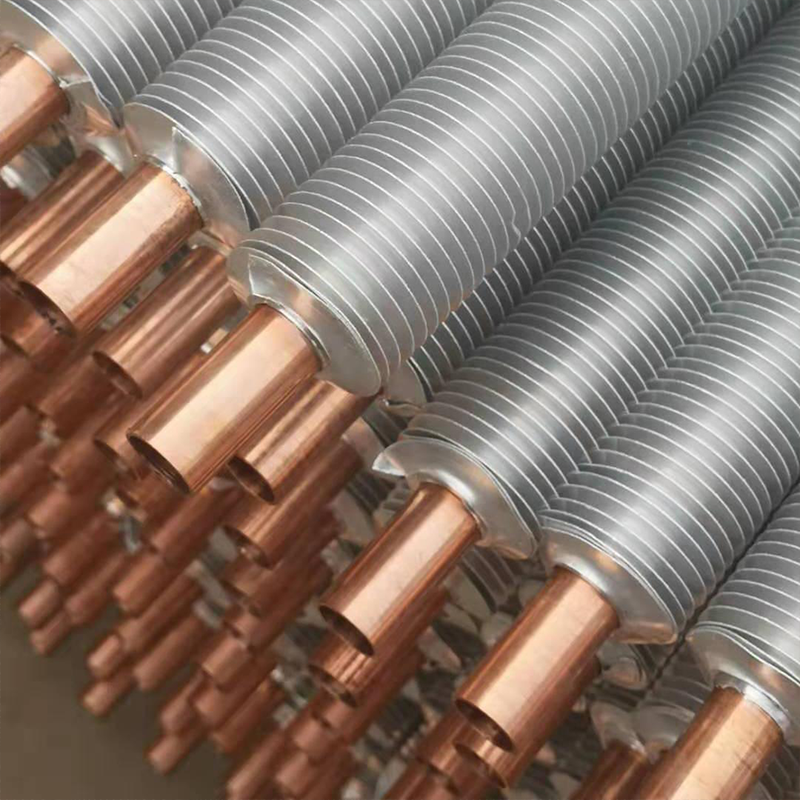
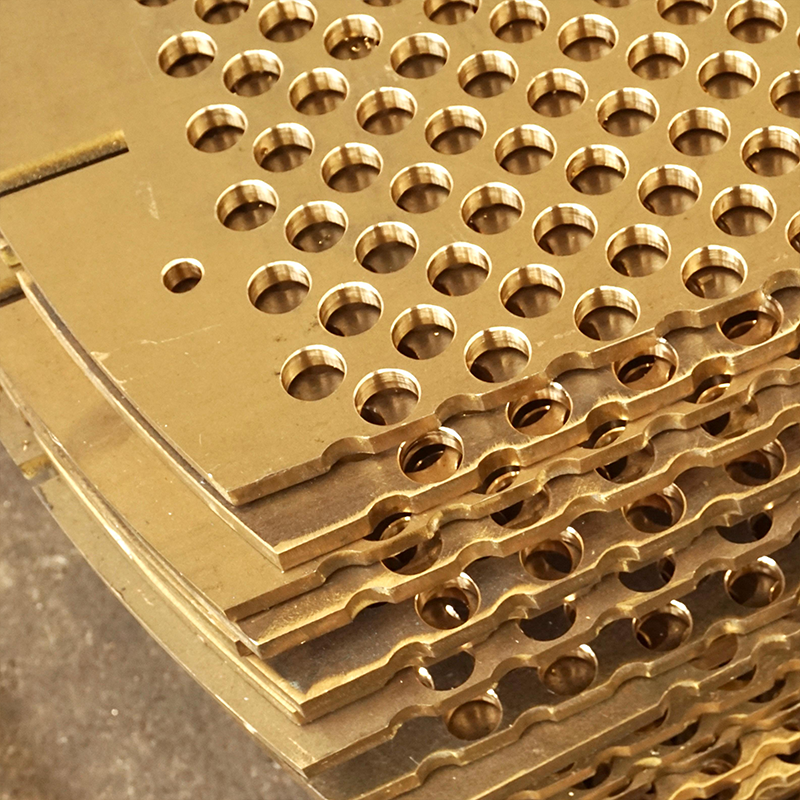
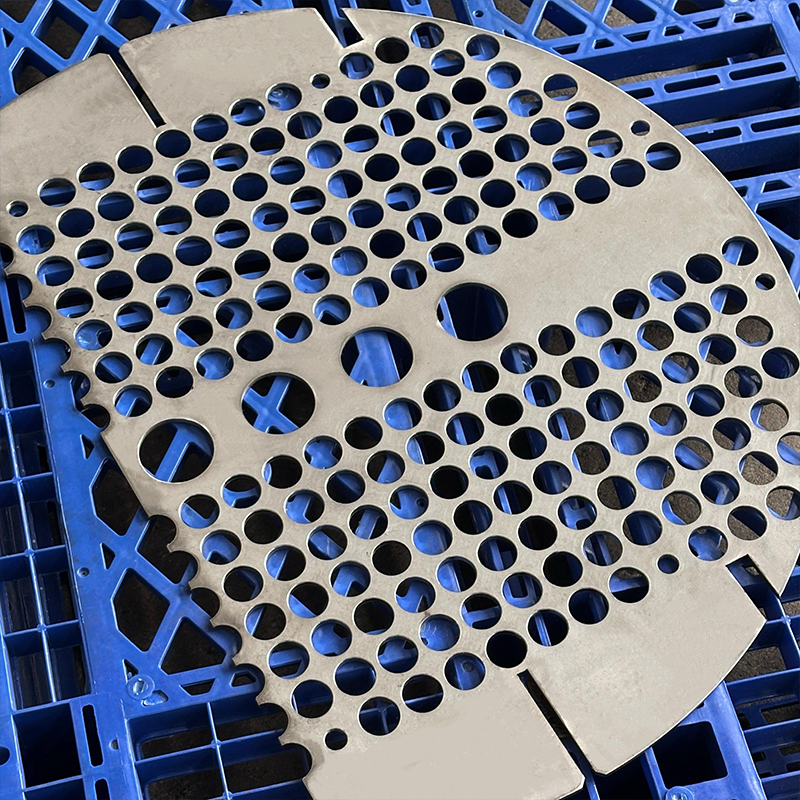
Wuxi Kaisheng LLC's portfolio includes solutions similar in level of requirements to those discussed above in the tank context: titanium shell-and-tube heat exchangers, ASME high-pressure units, 316 stainless steel and C46400 alloy corrugated tube bundles, as well as air coolers and recovery boilers. As with quality polypropylene tanks, Wuxi Kaisheng products are made from materials with exceptional corrosion resistance (titanium, N06625 nickel alloys, copper-nickel alloys) and are certified to strict international PED and ASME standards. This confirms that the manufacturer’s true professionalism is manifested not only in the ability to weld plastic, but also in the ability to work with complex metals and alloys under conditions of high pressure and temperature.
The experience of Wuxi Kaisheng LLC with global customers in the fields of seawater desalination, shipbuilding and energy proves: the reliability of equipment is achieved through its own quality control at every stage - from incoming inspection of raw materials to final tests. By choosing suppliers who, like Wuxi Kaisheng, provide customized engineering solutions and guarantee the stability of equipment in the most hostile environments, you are investing in the long-term safety of your enterprise. This partnership approach allows us to avoid the risks associated with the use of substandard raw materials or simplified technologies, which we warned about at the beginning of the article.
Frequently Asked Questions
How often are open days held at PP tank factories?
The schedule of events depends on the policy of a particular enterprise. Large factories often hold such days quarterly or coincide with industry exhibitions. However, for a potential customer with serious intentions, an individual visit can be organized on any working day by appointment. We strongly recommend not to wait for a mass event, but to arrange a personal excursion with the chief technologist. This will allow you to spend more time specifically on your questions and the specifics of your order, rather than on the general presentation of the company.
Can I bring an independent expert or technical service representative with me?
Yes, and this is highly desirable. Manufacturers who are confident in their quality only welcome the presence of third-party specialists. The presence of your engineer or technical supervision representative increases the status of the visit and disciplines the plant staff. Warn the host about the number of guests in advance to comply with access control and safety regulations. In some cases, you may need to sign a non-disclosure agreement (NDA) if you plan to discuss unique design solutions.
What should I do if during the inspection I found violations?
Don't be afraid to voice comments immediately, but do it correctly. Record the facts (photos, if allowed, or detailed notes). If violations concern critical parameters (raw materials, welding temperature), this may become the basis for revising the terms of the contract or requiring additional warranty obligations. In our practice, constructive dialogue on site often led to the fact that the plant voluntarily offered enhanced control specifically for your order, understanding the seriousness of the client’s approach.
Are open days free?
As a rule, the event itself is free, but the costs of travel and accommodation are borne by the invited party. Some factories are ready to compensate transport costs to potential clients, subject to the conclusion of a contract based on the results of the visit. This point should be discussed with the sales manager at the stage of planning the trip. Consider these costs as an investment in the safety of your project: the cost of a ticket is not comparable to the losses from a tank failure.
Conclusion: Turn your visit into a risk management tool
Open days at PP tank factories are your chance to look “under the hood” of future equipment. In the era of digitalization and remote transactions, live contact with production is becoming a rare and valuable asset. Don't miss the opportunity to personally assess the competence of the team that will produce containers for your processes.
Remember: the cost of a mistake when choosing a supplier of tank equipment is measured not only by the cost of the tank itself, but also by production downtime, environmental fines and reputational losses. A personal visit allows you to reduce these risks to a minimum. We recommend creating a pre-trip inspection checklist that includes items on raw materials, equipment, quality control and logistics.
If you are planning to modernize your production or build new treatment facilities, start with an audit of suppliers. Contact us today for an up-to-date schedule of tours to partner factories and advice on technical requirements for polypropylene tanks. Our experts will help you create a competent technical specification and accompany the process of choosing a reliable manufacturer.Choosing a trusted PP tank manufacturer- the first step towards trouble-free operation of your enterprise.