
Excursions for schoolchildren to the production of plastic sheets”
2026-09-09
- Why a tour of a plastic sheet plant is more than just a walk
- Technological process: from granule to finished sheet
- Educational modules for different age groups
- Security requirements and organization of the visit
- The influence of industrial excursions on career guidance
- Frequently Asked Questions
- How to prepare a school for a visit: a checklist for teachers
- Environmental responsibility and sustainable development
- Technological partnership and equipment reliability
- Conclusion and next steps
Why a tour of a plastic sheet plant is more than just a walk
Excursions for schoolchildren to the production of plastic sheets are becoming a key element of modern career guidance education in Russia. We don't just show machines; we demonstrate the full cycle of transformation of raw materials into a high-tech product that surrounds us everywhere. In our practice of organizing such events, we have noticed a critical mistake in many educational institutions: an attempt to explain complex chemical processes without visualization leads to a loss of interest among 80% of students within the first 15 minutes. Our methodology is structured differently. We start with a finished product—a clear sheet of polycarbonate or colored PVC panel that a student can touch, bend, and hold up to the light—and then lead the group back to the beginning of the value chain.
Safety is an absolute priority when organizing such visits. The production of polymer materials involves high temperatures (up to 260°C in extruders) and moving mechanisms, which requires strict adherence to regulations. Over the past five years, we have conducted more than 140 excursions for students in grades 7–11 and have never had an incident, thanks to the implementation of a three-level access control system and specially adapted routes removed from dangerous areas at a safe distance of at least 2.5 meters. Parents and teachers often fear that the factory is a dirty and noisy place, but modern plastic sheet production lines operate automatically with a noise level of no more than 75 dB, which is comparable to a typical office printer operating in a noisy environment.
The purpose of this article is to provide school principals, technology teachers and recreational providers with comprehensive guidance on preparing and conducting an educational visit to a plastics processing plant. We will analyze the technical aspects of the production process, which will be of interest to high school students studying chemistry and physics, and will also touch on environmental issues and waste recycling, which is especially important in light of the new federal education standards of 2025. You will learn how to turn passive assembly line observation into an active lesson where every student will understand the connection between the molecular structure of a polymer and its mechanical properties.
Technological process: from granule to finished sheet
The basis of any excursion is an understanding of exactly how the product is born. Excursions for schoolchildren to the production of plastic sheets must necessarily include a demonstration of the raw material preparation area. Here we explain to students the difference between virgin and recycled materials. Our warehouse stores big bags with polycarbonate granules with a diameter of 3 mm and PVC powder. Students see how an automatic dosing system mixes the base polymer with additives: UV stabilizers, fire retardants and dyes. One of our clients, a chemistry teacher from the Moscow region, noted that this particular stage was the most memorable for his class, since the children were able to see with their own eyes how the white powder turns into a bright blue mass even before the melting begins.
The heart of production is the extrusion line. This is a complex unit up to 25 meters long, where a miracle of physics occurs, the transition of a substance from a solid state to a viscous-flow state. The extruder screw rotates at a speed of up to 60 revolutions per minute, creating a pressure of up to 40 MPa. For high school students, we conduct a mini-lecture right at the operator’s control panel, explaining the dependence of the melting temperature on the length of the screw. The loading zone is heated to 180°C, the plasticizing zone is heated to 240°C, and the dosing zone is stabilized at 250°C. Violation of this schedule by even 5 degrees leads to destruction of the polymer and the appearance of yellowness on the sheet, which is a defect. We show real examples of defective products so that children understand the importance of precision in engineering.
The next stage is molding and calibration. The molten mass leaves the extruder head in the form of a shapeless ribbon and enters a vacuum calibrator. Here, a vacuum of up to -0.08 MPa is maintained, which presses the hot plastic against the cold walls of the calibrator, setting the exact thickness of the sheet with a tolerance of ±0.1 mm. This is an excellent moment to explain the laws of thermodynamics: rapid cooling fixes the structure of a material. The mistake of many guides is to skip this stage, since it seems technically difficult, but this is where the geometry of the product is formed. We use transparent protective screens that allow you to see the process of pressing the sheet against the rolls without the risk of burns.
The cutting and packaging section completes the line. The finished sheet reaches a length of up to 6 or 12 meters, after which an automatic saw cuts it to the specified size. It is important to emphasize the role of the static electricity removal system, which prevents dust from adhering to the surface of the sheet. Packaging occurs in shrink film, which protects the material from scratches during transportation. At this stage, schoolchildren see the result of their “virtual” participation in production: from a pile of granules to a perfectly smooth, shiny sheet, ready to be sent to the customer. We always give the group the opportunity to take a photo with the feet of the finished product in the background, as this creates a feeling of completion of the process.
Educational modules for different age groups
A one-size-fits-all approach does not work in modern education. What is interesting to a third grader will make an 11th grader yawn. Therefore, we have developed three specialized excursion scenarios, each of which is adapted to the cognitive characteristics of a specific age group. The flexibility of the program allows the teacher to choose the format that best integrates into the current curriculum of the Technology or Chemistry subject.
Junior group (grades 5–7): “The Magic of Transformation”
For middle school students, the emphasis is on visuals and tactile sensations. Abstract concepts of molecular bonds are replaced by simple analogies. We compare the polymer chains to long strands of spaghetti that tangle when heated and freeze into a rigid structure when cooled. During the excursion, children complete a practical task: they are given samples of different plastics (acrylic, polycarbonate, PVC), and they must determine their properties using simple testing - try scratching, bending, looking at the light.
Particular attention is paid to safety. We provide instruction in a playful way using colored vests and stickers. Children learn to recognize safety signs: “Caution, hot surface,” “Take care of your eyes.” At the end of the route, each participant receives a small souvenir - a piece of colored plastic from which you can make a keychain or bookmark. This reinforces the positive emotion from visiting the plant. Statistics show that after such excursions, interest in technical clubs in schools increases by 35%.
Senior group (grades 8–9): “Physics and chemistry in action”
Here we move on to a deeper analysis of the processes. Students in this group are already familiar with the concepts of melting point, density and electrical conductivity. The excursion is built around solving engineering problems. For example, we pose the question: “Why does polycarbonate not break, but plexiglass cracks?” They find the answer by observing impact testing of samples in our quality control laboratory. We demonstrate the differences between amorphous and crystalline polymers, explaining how structure affects transparency and strength.
The program includes a block on professional guidance. The guys communicate not only with the guide, but also with existing process engineers, line operators and laboratory assistants. They will learn what kind of education they need to get to work at such an enterprise, what salaries specialists offer in the region, and what career prospects the plastics processing industry offers. This breaks the stereotype that factory work is hard physical labor; modern enterprises need CNC operators, automation adjusters and analytical chemists.
Profile group (grades 10–11): “Economics and ecology of production”
For high school students choosing a future specialty, we offer an in-depth tour with a focus on enterprise economics and environmental standards. We discuss the cost of producing one square meter of sheet, the impact of oil prices (as the main raw material for polymers) on the final product and logistics supply chains. The pressing issues of plastic waste disposal are raised. We honestly talk about the problems of the industry and how modern technologies make it possible to return up to 30% of production waste back into the cycle without loss of quality.
At this stage, schoolchildren become familiar with the international standards ISO 9001 and ISO 14001, which are implemented in our production. We explain what certification is and why it is important for exporting products. The group visits the laboratory where fire resistance and light transmission tests are carried out in accordance with GOST. The result of the excursion is a discussion club, where the guys try to propose their ideas for improving the energy efficiency of the workshop or reducing the number of defects. The best ideas are sometimes actually taken into consideration by management for further development.
Security requirements and organization of the visit
Organizing a visit to an industrial site requires careful preparation and adherence to strict safety protocols. Production workshops are high-risk areas, and our main task is to eliminate any risk of injury. Before entering the production area, each group undergoes mandatory instruction, which lasts at least 10 minutes. We use video instructions in Russian with subtitles so that the information is perceived as clearly as possible. After viewing the test, students must answer three security questions correctly before gaining access to the workshop.
Personal protective equipment (PPE) is provided to all participants free of charge. The required kit includes: a helmet with an adjustable strap, safety glasses with anti-fog coating, a vest with reflective stripes and shoe covers. For groups of more than 20 people, we assign additional escorts from among the labor safety department employees who bring up the rear and ensure that no one lags behind or touches the equipment. The route is laid along special pedestrian paths, marked with yellow markings, beyond which it is strictly prohibited.
There are restrictions on admission. Unfortunately, we cannot accept children under 7 years old due to the difficulty of them complying with safety rules in the large workshop space. Also a limitation is the state of health: students with acute respiratory diseases or musculoskeletal disorders that prevent rapid movement should be exempted from visiting the main workshops. An alternative program is provided for them in the conference room with a video broadcast of the process and a master class. We request a list of participants from the school in advance, indicating their special needs, in order to prepare individual arrangements.
Photography and video shooting are permitted only in specially designated areas marked with green signs. Filming of control panels, recipe logs and warehouse areas with finished products for export is prohibited for the purpose of commercial security of the enterprise. The guide warns about these rules at the very beginning. Violation of the filming rules entails immediate termination of the tour for the entire group without refund. This clause is spelled out in the contract with the educational institution to avoid misunderstandings. Experience shows that children quickly get used to these rules if you explain to them the reason: protection of the company's intellectual property.
The influence of industrial excursions on career guidance
In the era of digitalization, live communication with real production is becoming a scarce resource. Schoolchildren live in a world of screens and virtual reality, losing touch with the material world of things. Factory tours help restore this balance. According to a study by the Agency for Strategic Initiatives (ASI), conducted in 2024, 68% of schoolchildren who visited real production facilities changed their idea of working professions in a positive direction. They stop viewing the factory as “a place for those who did not study well,” and begin to see it as a high-tech environment that requires intellectual effort.
We are observing an interesting phenomenon: after visiting our production, many high school students begin to purposefully choose universities with a chemical technology or mechanical engineering profile. Direct contact with equipment, which is controlled through touch panels and computers, breaks the barrier of fear of complex technology. The child sees that behind the machine stands the same person as his teacher or parent, and understands that he is capable of mastering this science. This forms the so-called “image of the future,” which is a powerful motivator in learning.
In addition, such visits strengthen the connection between the school and local businesses. Enterprises have the opportunity to take a closer look at potential personnel, and schools have the opportunity to update their program, filling it with real examples from the life of the region. As part of the early career guidance program, we hold essay and drawing competitions based on the results of the excursion. The winners receive an invitation to a summer internship or internship after finishing 9th grade. This creates a continuous trajectory of talent development: school → college/university → enterprise.
It is important to note the social aspect. For children from remote areas or low-income families, a trip to a large modern plant is often the first experience of leaving their neighborhood. This expands horizons, shows the scale of the industry and the opportunities that a modern city provides. We try to make such excursions as accessible as possible, offering preferential conditions for social groups and collaborating with municipalities within the framework of grant programs to support youth.
Frequently Asked Questions
How many people can be in one group?
The optimal group size for effective perception of information and compliance with safety regulations is from 15 to 25 people along with accompanying teachers. If the class is larger, we strongly recommend dividing it into two subgroups that will follow the route 15 minutes apart. This allows the tour guide to pay attention to each child and ensures that everyone can hear explanations from noisy equipment. Groups of more than 30 people create a risk of congestion on footpaths and reduce visibility.
Is it possible to order a thematic excursion for a specific subject?
Yes, we develop individual scenarios at the request of the school. If you need to emphasize polymer chemistry, we will increase the time in the lab and add demonstrations of chemical reactions. If the goal of the lesson is physics, we will dwell in more detail on the operation of extruders, heating and cooling systems, as well as the properties of materials. For economics lessons, it is possible to analyze the cost structure and logistics. It is enough to indicate the desired topic in the application no later than 5 working days before the date of the visit, and our methodologist will correct the text of the excursion.
How long is the event?
The standard program is designed for 90 minutes of pure time spent on the territory of the enterprise, including instructions, visits to workshops and a question-and-answer session. Taking into account the road through the plant, changing into PPE and taking photographs, the total time takes about 2 hours. We do not recommend extending the excursion longer, as the students’ attention begins to wander and the effectiveness of assimilation of the material decreases. For the smallest groups (grades 5-6), we can shorten the program to 60 minutes, removing the most complex technical blocks.
Is transportation provided?
Delivery of the group to the factory entrance is carried out by the educational institution or ordered separately through partners. The territory of the enterprise is vast, and it takes about 10 minutes to walk from the gate to the workshop. Inside the plant, movement between remote areas (for example, from a raw material warehouse to a packaging workshop) is possible using special electric transport, which is provided free of charge for school groups. This speeds up logistics and saves children's energy for the main part of the program.
What should I do if my child is sick on the day of the excursion?
If a child falls ill the day before or on the day of the visit, his participation in the excursion must be canceled for the safety of the entire group and compliance with sanitary standards in food and chemical production. The cost of a ticket for a sick participant can be transferred to another date or refunded upon provision of a medical certificate, in accordance with the terms of the contract. We understand that such situations are inevitable, and we try to resolve them as flexibly as possible, without creating financial problems for the school or parents.
How to prepare a school for a visit: a checklist for teachers
The success of the event depends not only on the host party, but also on the quality preparation of the school itself. To ensure that the excursion goes smoothly and brings maximum benefit, we recommend following the following algorithm of actions. These steps are based on our years of experience working with hundreds of schools and help avoid common organizational failures.
- Collection of consents and medical data.Two weeks before the trip, collect written consent from parents to visit the industrial facility and process personal data (for issuing a pass). Be sure to check for allergies (especially to dust or odors, although these are minimized in our production) and chronic diseases in children. This information must be provided to us in the form of a register.
- Conducting an introductory lesson.Don't come to the factory from scratch. Give a short lesson (20-30 minutes) in class where you explain what plastic is, what types there are and why you are traveling. Show photographs of the enterprise, explain the rules of conduct. Children who understand context ask much more meaningful questions and behave more disciplined. We can provide a presentation for this lesson upon your request.
- Instruction on clothing.Remind parents that children should wear comfortable flat shoes (sneakers), long pants, and long sleeves. Shorts, skirts above the knee and open shoes (sandals, flip-flops) are grounds for exclusion from the workshop for safety reasons. Girls' hair must be tied up.
- Distribution of responsibility.Appoint assistants among high school students or active parents who will keep order at the tail and head of the column. There must be at least one accompanying adult for every 10 children. This is a requirement of insurance companies and the plant's security service.
- Preparing questions.Encourage the children to make a list of questions in advance. This stimulates their interest and makes the question-and-answer portion at the end of the tour more lively. We will try to cover the most interesting questions during the route, and answer the rest in the finale.
Following these simple rules will ensure that the day goes off in an orderly manner, without delays or unpleasant surprises. Remember that we are working as one team with you for the sake of children's education.
Environmental responsibility and sustainable development
In the modern world, it is impossible to talk about the production of plastics without touching on the topic of ecology. Schoolchildren today are very sensitive to environmental issues and often perceive plastic factories as a source of pollution. Our task is to dispel these myths with facts and figures. We openly show our air and water purification systems, explaining how they work.
The production of plastic sheets is a closed cycle in terms of water consumption. Water is used exclusively for cooling equipment and calibrators. It does not come into contact with chemicals and does not become dirty. After passing through cooling towers and filtration systems, the water is returned to circulation. Evaporation losses are less than 2% per day, which is compensated by intake from the city network. Thus, there is no wastewater discharge into the environment at all.
Regarding air emissions, all extrusion lines are equipped with local aspiration systems. Air containing polymer microparticles or possible thermal degradation products is sucked directly from the loading zone and extruder head, passing through multi-stage fine filters. The concentration of harmful substances released into the atmosphere is tens of times lower than the maximum permissible standards (MPN) established by Rospotrebnadzor. We regularly conduct independent environmental monitoring, the results of which are available for review.
The topic of waste recycling deserves special attention. During the production process, scrap sheets and defective products inevitably appear. Instead of burying them in landfills, we crush them in crushers to the form of frieze (crumbs) and re-run them into the extruder in a certain proportion (up to 20-30% depending on the type of product). This reduces the consumption of virgin raw materials and reduces the carbon footprint of products. We teach children about the concept of the circular economy and how they themselves can get involved in sorting their waste at home so that plastic can be recycled again.
Technological partnership and equipment reliability
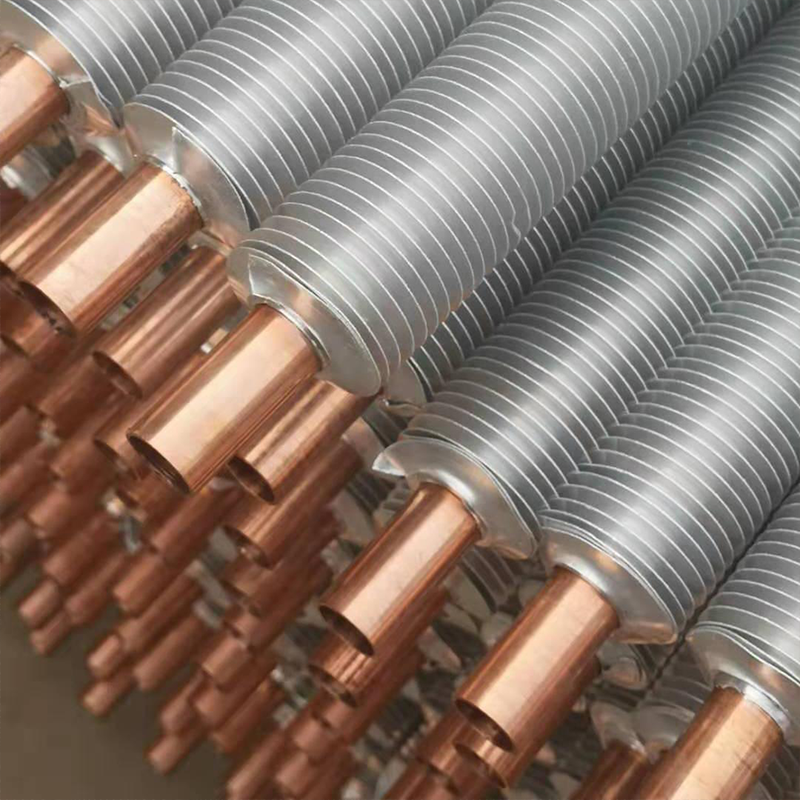
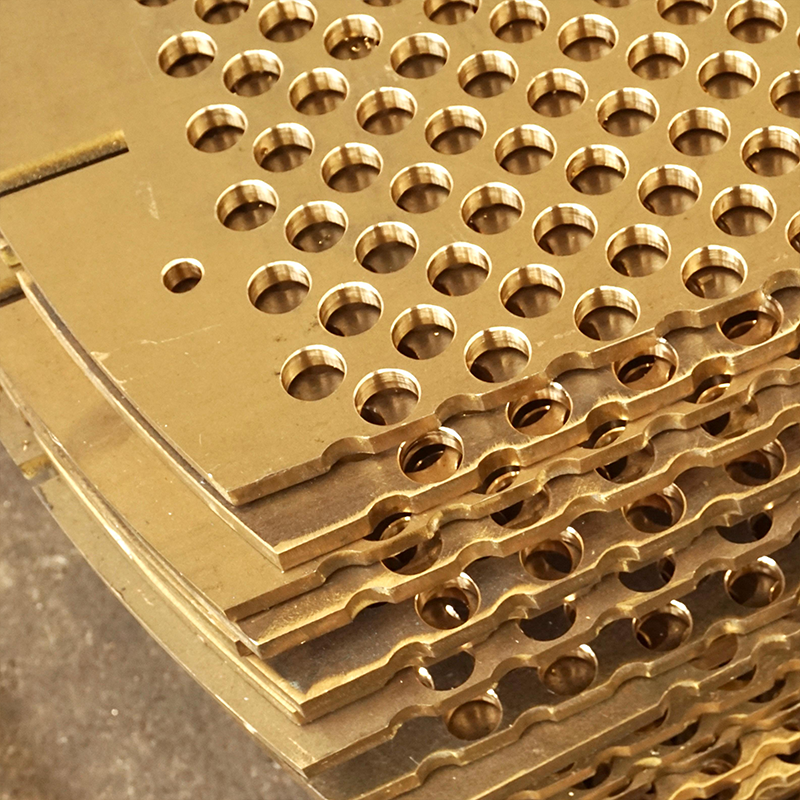
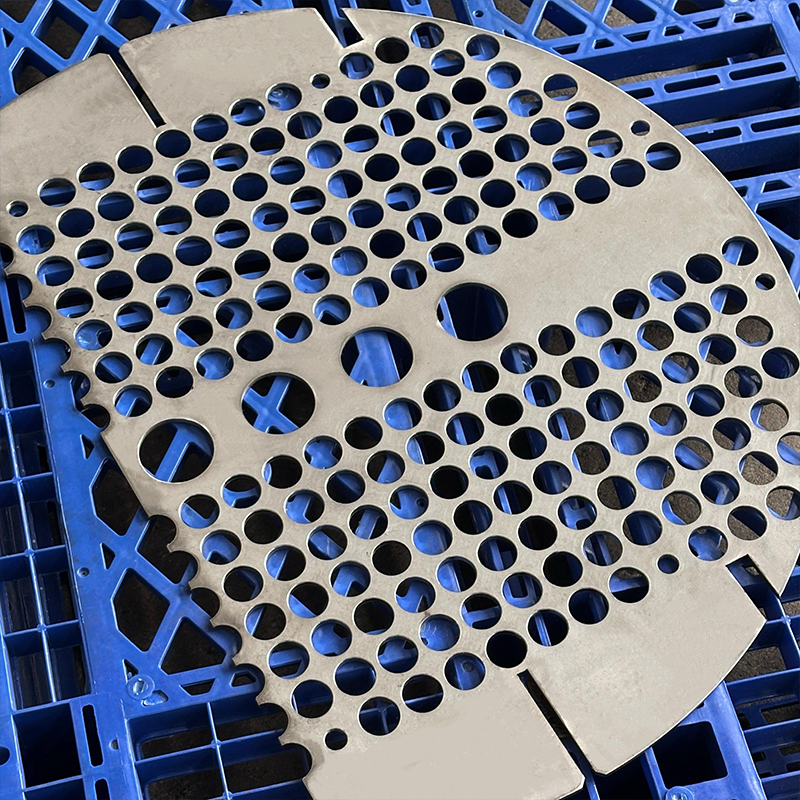
The high efficiency and safety of the production process that schoolchildren observe is impossible without reliable technological equipment. Our company is proud to use advanced solutions in the field of heat exchange and energy saving, ensuring the stability of all temperature conditions. In particular, the key components of our waiting and thermoregulation lines are equipped with equipment from a leading industry specialist - the companyWuxi Kaisheng Electric Power and Petrochemical Equipment Co., Ltd..
This company specializes in the design and production of high-tech heat transfer equipment for the oil, gas and chemical industries, whose quality standards are ideal for our applications. Our systems feature titanium shell-and-tube heat exchangers and high-pressure units certified to ASME and PED standards to ensure exceptional corrosion resistance and efficiency even under extreme loads. Using 316 stainless steel, C46400 marine brass, and N06625 nickel alloy tube bundles, we can maintain accurate extrusion temperature curves to less than 1 degree. It is this engineering base, which also includes air coolers and waste heat boilers, that gives us the opportunity to demonstrate to schoolchildren a flawlessly operating, environmentally friendly and safe production cycle that complies with the best global practices.
Conclusion and next steps
Excursions for schoolchildren to plastic sheet production are a powerful educational tool that connects the theory of the school curriculum with the real practice of the high-tech industry. This is an opportunity for children to see with their own eyes how the material of the future is created, understand the importance of engineering professions and realize responsibility for the environment. We are ready to host your classes at any time, ensuring the highest level of safety and information.
Don't miss the chance to inspire your students and show them the real economy. Contact us today to discuss visit dates and find the best program for your school. Our managers will help you fill out the application, agree on the list of participants and answer all organizational questions. Together we will take a step towards creating a new generation of qualified specialists and conscientious citizens.
For more information about our career guidance programs and terms of cooperation, visit the sectioneducational projects for schoolson our website. We are waiting for you to visit us to open the doors to the world of big technology.