Robot inspectors for checking the integrity of containers”
2026-08-30
- Why manual tank inspections are becoming a thing of the past: real experience in implementing robots
- Technical characteristics: what really affects the inspection result
- Integration into maintenance and repair processes: how to avoid production downtime
- Economic justification: we consider real benefits, not marketing promises
- An integrated approach: from diagnostics to reliable equipment
- Frequently Asked Questions
- Development prospects: where the industry is heading in 2026
Why manual tank inspections are becoming a thing of the past: real experience in implementing robots
In our practice of inspecting industrial tanks, we are faced with a harsh reality: the human eye misses up to 15% of microcracks during visual inspection, especially in poor lighting conditions or complex tank geometry.Robot inspectors for checking the integrity of containerssolve this problem not simply by replacing the operator, but by providing digitized data with an accuracy of 0.1 mm. When one of our customers at an oil refinery in Tatarstan lost 48 hours of downtime due to a false alarm about corrosion that the operator “saw” where there was none, we realized that human subjectivity costs too much. The introduction of autonomous systems makes it possible to reduce the inspection time of a vertical tank with a volume of 50,000 m³ from 3 days to 6 hours, eliminating the factor of fatigue and perception errors.
Today the market dictates new safety standards. If just five years ago drones were considered a toy for enthusiasts, then in 2026 the presence of a certified robotic report will become a mandatory requirement for insurance companies when renewing an environmental liability policy. We are witnessing a paradigm shift: the customer is not buying a picture, but a guarantee of no leaks, confirmed by terabytes of telemetry. In this article, we will analyze the technical nuances of choosing such systems, based on real operational cases in harsh climatic zones of Russia and the CIS, and also give specific recommendations for integrating these solutions into your MRO regulations.
Technical characteristics: what really affects the inspection result
When choosing equipment, most buyers make the same mistake: they look at the camera resolution, ignoring the stability of the platform and the type of sensors. 4K resolution is useless if the robot vibrates or can't stay on a rusty surface. In our projects, we prioritize systems with magnetic coupling or pressure-adaptive tracked chassis, capable of operating in temperatures from -40°C to +60°C. The key parameter is not the communication range, but the presence of an on-board processor for data preprocessing (Edge Computing), which allows you to transmit only defective areas, saving traffic in remote fields.
Let's look at the critical parameters that should be in your tender specification. Firstly, the degree of protection of the housing must be at least IP68, since aggressive hydrocarbon vapors or condensate are often present inside the tanks. Secondly, the type of non-destructive testing (NDT) used. The optical method (VT) is good for detecting large dents, but detecting pitting corrosion under insulation or fine cracks requires ultrasonic thickness gauges (UT) or eddy current sensors (ET) integrated directly into the robot arm. We have seen cases where cheap Chinese analogues failed after two months of operation due to solvents getting into electronic components, while systems with hermetically sealed compound worked for years.
Work autonomy is another stumbling block. The stated 2 hours of drone flight often turns into 45 minutes of actual work with the payload. For large objects this is unacceptable. Fixed or crawling robots with cable power or the ability to quickly change batteries without stopping the inspection process show significantly better efficiency. It is also important to consider the weight of the payload: installing an additional laser scanner to build a 3D model of the internal cavity may exceed the carrying capacity of light platforms, which will lead to instability of the video stream. We recommend requesting test reports from the supplier with exactly the set of sensors you plan to use, and not with a “bare” camera.
Don't forget about the software. The hardware is only half the battle. The ability of the software to automatically classify defects according to API 653 or GOST R 57700-2017 standards determines the speed of obtaining the final report. Systems that require manual marking of every millimeter of crack after the fact negates the robot's speed advantage. Modern algorithms based on neural networks are able to filter out 90% of false positives (for example, shadows from welds or drops of condensation) at the data collection stage. When evaluating proposals, be sure to request a demonstration of the detection algorithms in action using your actual photographs of defects, not stock images.
Recommendation:Before approving the budget, request from the vendor a passport of the accuracy of wall thickness measurements for a specific robot model and compare it with the requirements of your technical specifications. Don't be fooled by general phrases about “high precision.”
Comparison of platform types for different tasks
The choice between a flying vehicle and a ground robot depends on the specific task and the state of the object. Drones are ideal for quickly inspecting hard-to-reach tank tops (roofs, pontoons) without erecting scaffolding. However, they are extremely sensitive to wind loads and cannot conduct contact measurements of metal thickness. Ground robots (sliders) provide stable contact with the surface, which is necessary for ultrasonic inspection, but require a clean surface and cannot inspect the ceiling of the container without special manipulators.
| Criterion | Flying drones (UAVs) | Ground crawler robots | Underwater ROVs |
|---|---|---|---|
| Main Application | Visual inspection (VT), roof thermography | Ultrasonic thickness testing (UT), magnetic particle testing (MPD) | Inspecting the bottom, searching for deposits and corrosion under water |
| Environment Requirements | No strong wind, good visibility | Clean surface (sandblasting preferred), no oil | Filled container, liquid clarity (for optics) |
| Positioning accuracy | Low (depends on GPS/visual cues) | High (grid reference) | Medium (hydroacoustic navigation) |
| Preparation time | 15-30 minutes | 1-2 hours (path cleaning, calibration) | 2-4 hours (descent into the hatch, checking for leaks) |
| Cost per hour | Low | Average | High |
It is important to note that hybrid solutions are starting to gain popularity. For example, a drone that can land on a vertical wall to perform short-term ultrasonic measurements combines air mobility and contact precision. However, such systems are still in the pilot project stage and have a high cost of ownership. For regular monitoring of large tank farms, we recommend a combined approach: drones for weekly express inspections and ground robots for annual detailed diagnostics according to the maintenance schedule.
Integration into maintenance and repair processes: how to avoid production downtime
The implementation of robotics often stalls not because of technology, but because of staff resistance and imperfect regulations. Old-school inspectors may sabotage the process for fear of losing their jobs or mistrusting the hardware. In one case at a chemical plant in Bashkortostan, the team simply turned off the robot’s charging station, citing “interference on the air,” which led to a disruption in the workshop’s shutdown schedule. The solution lies in changing motivation: the robot operator should receive a bonus not for the number of hours worked, but for the amount of data processed and defects identified. The robot does not replace a person, it makes him an operator of a complex complex, increasing the status of a specialist.
The process of preparing an object for robot operation requires a clear algorithm. You can't just dump your car in a dirty tank. The surface must be clean of pumping products, dirt and loose rust, otherwise the tracks will slip and the optics will become dirty in minutes. We have developed a pre-launch checklist, which includes checking the level of explosive atmosphere (gas analysis), installing base stations for navigation and a test run on a reference area with artificial defects. Ignoring the gas analysis step can lead to an emergency shutdown of the system or, in the worst case, sparking, although modern industrial robots are Ex certified.
Data processing is the bottleneck of many projects. In an hour of operation, the robot generates up to 50 GB of video and telemetry. It is impossible to pump this over the radio in real time. The “collect first, analyze later” strategy only works if you have powerful local servers. We recommend using a low-bitrate keyframe streaming method for the operator and full recording to on-board storage for later in-depth analysis in the office. This allows the operator to control the trajectory in real time, reacting to suspicious areas without waiting for the end of the mission.
The legal aspect also cannot be ignored. The report generated by the robot must have legal force for the supervisory authorities (Rostechnadzor). To do this, the system must ensure the immutability of data (blockchain signature or secure logs) and the binding of each measurement to geographic coordinates on the reservoir map. The software should generate a final protocol in the format accepted by your enterprise, with automatic completion of equipment passports. If you have to manually transfer data from a robot's PDF report to an enterprise Excel spreadsheet, implementation efficiency is cut in half.
Tip:Start a pilot project on one tank that is not process critical. This will allow testing the methodology and training personnel without the risk of stopping the main production.
Economic justification: we consider real benefits, not marketing promises
Many managers stop at the purchasing stage, seeing a price tag of several million rubles for a set of equipment. However, let's calculate the cost of one hour of downtime for a large tank. For a light petroleum product storage facility with a volume of 50,000 m³, downtime for maintenance can mean lost profits or fines for disruption of deliveries amounting to millions of rubles per day. The traditional method using climbers or scaffolding takes 5 to 10 days. Robotic inspection reduces this time to 1-2 days. The savings only in the time required to decommission the facility pays for the cost of the robot in 3-4 inspection cycles.
The hidden costs of the traditional method are often ignored. These are the costs of renting aerial platforms, constructing scaffolding, paying for sandblasting of large areas (the robot only needs to be cleaned in stripes or in spots), insurance for high-altitude work, and special clothing. In addition, the risk of the human factor leads to the fact that every 3-5 years it is necessary to make unscheduled repairs due to missed corrosion, which is ten times more expensive than prevention. Robots provide 100% coverage of the scanning area, creating a digital twin of the object, which allows you to predict the development of corrosion and plan repairs just in time (Predictive Maintenance).
Let's look at an example of calculating ROI for an average refinery. The cost of a set of robot inspectors is approximately 15 million rubles. Annual savings on the services of third-party contractors (climbers) amount to 4 million rubles. Savings by reducing tank farm downtime (3 days less for repairs for 5 tanks per year) bring an additional 12 million rubles. Total annual benefit - 16 million rubles. The payback period is less than 1 year. At the same time, the service life of an industrial robot with proper maintenance is 5-7 years, which gives a net profit over the entire life cycle.
An important factor is occupational safety. Reducing the amount of work at height and in confined spaces directly reduces injuries and occupational diseases. In modern realities, a fine for violating labor safety requirements or, God forbid, an accident, can cover any savings many times over. The use of robots transfers personnel from a dangerous zone to a safe management zone, which has a positive effect on occupational safety audits and company ratings.
However, there are also limitations. Robots are not omnipotent. They cannot replace a full repair. If a defect is found, you still need to bring in people and equipment to weld or install patches. But the robot makes it possible to make this repair targeted rather than continuous, which also saves resources. It is also worth considering the costs of operator training and maintenance of the robots themselves, which amount to about 10-15% of the cost of the equipment per year.
An integrated approach: from diagnostics to reliable equipment
An effective asset management strategy goes beyond just finding defects. Once robotic systems have identified problem areas, it is critical to have access to high-quality repair or upgrade equipment that can withstand the harsh operating conditions identified during the inspection. This is where the company comes into the pictureWuxi Kaisheng Electric Power and Petrochemical Equipment Co., Ltd..
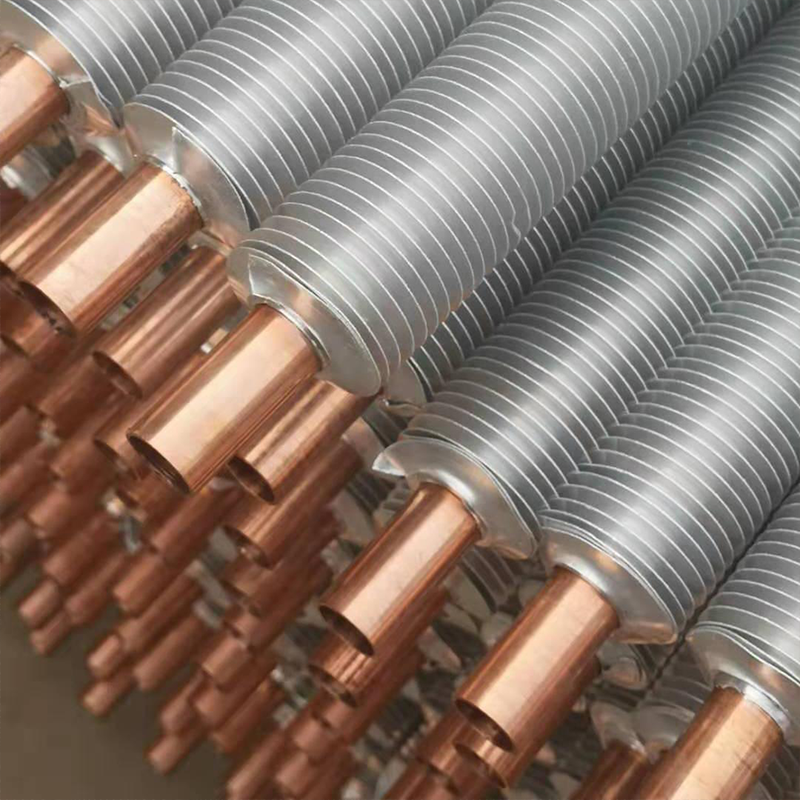
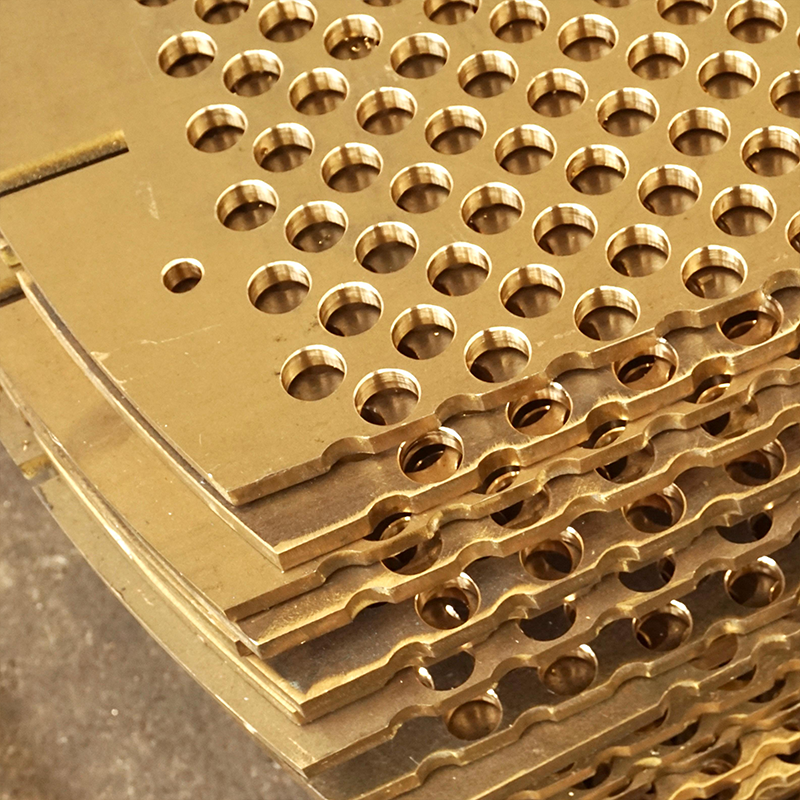
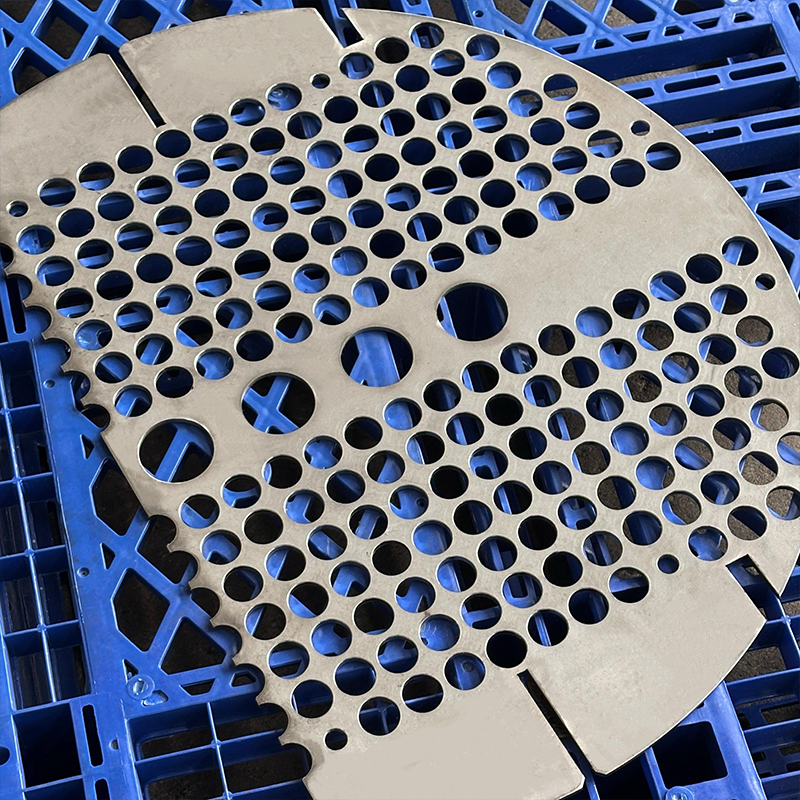
Specializing in the development and production of advanced solutions for the oil, gas and energy industries, Wuxi Kaisheng offers products that perfectly complement robotic monitoring data. If your diagnostics indicate the need to replace heat exchange units or improve the corrosion resistance of lines, the company is ready to provide titanium shell-and-tube heat exchangers, ASME high-pressure solutions and corrugated tube bundles made of 316 stainless steel or C46400 marine brass. Particular attention is paid to materials that withstand extreme conditions: N06625 nickel alloys, copper-nickel alloys and special 321 steel tube sheets provide durability where conventional materials fail quickly.
Wuxi Kaisheng products, certified to strict international PED and ASME standards, undergo rigorous quality control, which echoes the principles of precision embedded in robotic inspection. Whether it's air coolers, recovery boilers, or custom carbon, alloy steel, and titanium components, each product is built for maximum thermal efficiency and resistance to high pressure and temperature. Cooperation with such manufacturers allows us to complete the full cycle of tasks: from identifying microcracks with a robot to installing a new, reliable unit that guarantees uninterrupted operation of the enterprise in the coming decades.
Frequently Asked Questions
Can robots work in hazardous areas?
Yes, but only specialized models. Ordinary civilian drones or robots are strictly prohibited from being used inside tanks with residual petroleum products. You need devices that have a certificate of compliance with the requirements of the Technical Regulations of the Customs Union TR CU 012/2011 “On the safety of equipment for working in explosive environments” (Ex marking). Such robots have intrinsically safe motors, sealed housings, and special algorithms to prevent static electricity. Before purchasing, always request a copy of the Ex certificate and check the explosion protection level (eg Ex ib IIB T4 Gb) to ensure it matches your area category.
How difficult is it to train staff to use such equipment?
Basic control of a modern robot inspector is intuitive and similar to control of a complex remote control or game controller. The initial operator training course usually takes from 3 to 5 days and includes NDT theory, pilot practice and work with analysis software. It is much more difficult to train staff to interpret the data obtained. The operator must understand the physics of corrosion processes and be able to distinguish a real defect from an image artifact. Therefore, we recommend sending for training not just process control engineers, but existing quality control specialists or flaw detectors who already know the specifics of the facility.
What should I do if the robot gets stuck inside the tank?
This is a real risk, especially when working on heavily corroded surfaces or when navigation fails. All professional systems are equipped with an emergency return mechanism or secured with a cable (for drones and some types of sliders). The design of ground robots provides for the possibility of the manipulator grabbing the crane through a manhole in the event of a complete loss of movement. Before starting work, a Rescue Plan is always developed, including the availability of a backup evacuation rope and crew briefing. In our practice, cases of robot loss were isolated and associated exclusively with violation of surface preparation regulations.
Is the tank required to be completely cleaned before starting the robot?
Complete cleaning to white metal is not always necessary, but the surface must be suitable for adhesion. For optical inspection, it is enough to remove large product deposits that interfere with the view. Ultrasonic testing (UT) requires sensor-to-metal contact, so the scan stripes must be cleaned. Some advanced robots are equipped with brushes to pre-clean the path, which reduces training requirements but increases mission time. The ideal option is a combination: rough cleaning by operating personnel, final preparation of scanning areas by a robot or mobile team.
Development prospects: where the industry is heading in 2026
The robotic inspection market is moving from the “wow” stage to the stage of routine necessity. The main trend in the coming years will be complete autonomy. Now the operator controls the robot in real time. Tomorrow, the robot itself will build a map of the reservoir, plan the optimal scanning route, avoid obstacles and return to the base to recharge, and the person will only approve the final report. Artificial intelligence will learn not just to find cracks, but also to predict their growth rate based on historical data and operating conditions.
Another area is swarm intelligence. Imagine a group of 5-10 small robotic drones that launch simultaneously through different hatches and coordinate their actions to inspect a huge tank in 20 minutes. This technology is already being tested in laboratories and promises to revolutionize the speed of inspections. The direction of “soft robotics” is also developing - devices that can penetrate the complex internal structures of heat exchangers and pipes, where hard manipulators cannot fit.
Integration with enterprise digital twins will become standard. Data from the robots will be automatically loaded into the plant's BIM models, updating the status of each infrastructure element in real time. This will allow us to move from planned preventive maintenance to condition-based repairs, which is the holy grail of efficiency for any industry. Companies that ignore these trends today will face uncontrollable increases in asset maintenance costs and the risk of accidents in 3-5 years.
We are convinced that the future lies in hybrid teams, where humans make strategic decisions and robots do the dirty, dangerous and monotonous work of collecting data. Technologyrobot inspectors to check the integrity of containersceased to be exotic and became a working tool, as familiar as an ultrasonic thickness gauge or flaw detector. The question is no longer “is it worth implementing”, but “how quickly can you rebuild your processes” to gain a competitive advantage.
If you are ready to modernize your control system and reduce the risk of emergency situations, start by auditing the current condition of your tank farm. Contact us today to discuss the selection of equipment for your specific tasks and get an estimate of the cost-effectiveness of implementation. We will help you choose a solution that will pay for itself within the first year of operation.
For a deeper dive into the topic, we recommend studying our material aboutultrasonic testing of tanksand learn about modern diagnostic methods.