
Green technologies in the production of plastic pipes”
2026-08-28
- Green technologies in the production of plastic pipes: from raw materials to disposal
- Energy efficient extrusion and heating systems
- Digitalization and real-time quality control
- Environmental certification and access to international markets
- The future of the industry: biopolymers and new standards
- Conclusion and action strategy
Green technologies in the production of plastic pipes: from raw materials to disposal
The transition to environmentally friendly production processes is no longer just a marketing ploy; todaygreen technologies in the production of plastic pipesare a critical survival factor for factories exporting to the European Union and countries with strict environmental regulation. In our practice, we see how companies that ignore the carbon footprint of their products lose large tenders, even if their price is 15% lower. The reality is this: modern buyers require not just a quality certificate, but a complete passport of the product life cycle. We have analyzed data for 2025-2026 and are ready to show which technological solutions can reduce the energy consumption of extruders by 30% and use up to 40% of recycled materials without loss of tensile strength.
Why Traditional Methods No Longer Work in 2026
Just five years ago, the main indicator of the efficiency of a pipeline plant was the tonnage of output per shift. Today, this metric approach leads to financial losses. New EU directives and stricter GOST R and ISO standards require a complete rethink of the value chain. The problem is not only CO2 emissions, but also the energy intensity of the polymer melting process. Traditional resistive heaters, which have been on extrusion lines for decades, are now considered archaic due to low efficiency and long ramp-up times.
One of our clients, a large manufacturer of HDPE pipes in an industrial area, was faced with a situation where its products were blocked at customs due to non-compliance with new requirements for the content of volatile organic compounds (VOCs) in the granulate. They used cheap recyclate without prior degassing. This cost them a contract worth 2 million euros and their reputation as a reliable supplier. We helped them implement a vacuum degassing system, but the sediment remained. This case shows: savings at the stage of preparing raw materials turns into a disaster at the sales stage.
Now, in 2026, the market is dictating new rules of the game. Buyers in the utilities and oil and gas sectors are demanding transparency. They need to know how much energy was expended to produce one linear meter of pipe and what percentage of the material is recycled. If you can't provide these independently audited numbers, you're automatically dropped from the pool of suppliers for government infrastructure projects.
Energy efficient extrusion and heating systems
The heart of any pipe production is the extruder. It is here that up to 70% of the plant's total electricity is consumed. Implementationgreen technologies in the production of plastic pipesstarts with replacing outdated heating systems. Induction heating has become the new industry standard, replacing ceramic and mica heaters. The difference in numbers is impressive: induction coils provide efficiency of up to 95%, while old resistive elements rarely exceed 60-70% due to heat loss to the environment.
The operating principle of induction heating is based on the generation of an electromagnetic field, which directly heats the metal body of the cylinder, and not the heating element. This eliminates thermal inertia. In our practice, we recorded a reduction in the time the line came into operation from 45 minutes to 12 minutes. For a plant operating in three shifts with frequent changeovers for different pipe diameters, this means saving thousands of kilowatt-hours every month. Moreover, the surface of the cylinders remains cool to the touch, which radically reduces the load on the workshop ventilation systems and improves the working conditions of operators.
It is important to understand the technical nuance: switching to induction heating requires upgrading control cabinets. Old thyristor regulators are not compatible with high-frequency generators. We recommend installing vector controlled systems that can maintain temperature within ±1°C. This accuracy is critical when working with sensitive polymers such as PP-RCT or PE-RT, where overheating of even 5 degrees leads to degradation of the molecular chain and a decrease in pipe life by 20-30 years.
In addition, modern extruder main motor drives must be equipped with the latest generation frequency converters with energy recovery function. When the auger brakes or the load changes, part of the energy is returned to the network. In conditions of unstable electricity tariffs in 2026, this function pays for the installation of equipment in 14-18 months. Don't forget about thermal insulation: using airgel mats instead of traditional glass wool reduces heat loss through the surface of the cylinders by another 15%.
Reader Action: Conduct an energy audit of your extrusion lines. Measure the actual consumption of kWh per kg of product and compare it with the passport data of the new equipment. If the difference is greater than 20%, plan for an upgrade in your next budget.
Using recycled materials without compromising on quality
Using recyclate is the most difficult aspect of greening. Many manufacturers are afraid to add recycled polyethylene or polypropylene, fearing complaints about cracks and brittleness of welded joints. Howevergreen technologies in the production of plastic pipesallow you to legally and safely introduce up to 30-40% of the regranulate into the pipe wall, maintaining compliance with ISO 4427 and GOST 18599 standards. The key lies not in the very fact of using recycled material, but in the technology of its preparation.
The main enemy of recycled plastic is oxidation and pollution. A polymer that has been in use or has gone through one cycle of processing has a disrupted structure of macromolecules. Simply mixing such granules with primary raw materials leads to delamination of the pipe wall under pressure. The solution is to use reactive extrusion. During the melting process, special modifiers and stabilizers are introduced into the mass, which “crosslink” broken chains and restore the viscosity of the melt. We have seen cases where pipe with 35% quality recyclate content performs better in slow crack growth tests (PNCT) than pipe made with 100% virgin raw materials of low grades.
Multilayer coextrusion technology also plays an important role. It allows you to place a layer with a high content of recycled materials in the inner layer of the pipe wall, protecting it outside and inside with layers of 100% virgin material. This design completely eliminates contact of aggressive media with the recyclate and prevents the migration of impurities into the transported water. For gas pipes, this method requires special care and mandatory gas permeability tests, since the structure of the secondary polymer may be more porous.
There is a myth that the color of the pipe with recyclate must be black or dark. Modern pigment concentrates and melt filtration technologies (mesh filters with a mesh size of up to 25 microns) make it possible to obtain high-quality light pipes. However, if you are planning to certify your drinking water product to NSF or WRAS standards, recycled content is often limited to 5-10% or requires the use of only post-industrial recyclate (waste from your own production) and not post-consumer.
In our practice, there was a case when a batch of storm sewer pipes was rejected by the customer due to the presence of micro-inclusions. The reason was insufficient filtration of the melt when using crushed HDPE canisters. After installing a two-stage filtration system and introducing HALS class antioxidants, the problem disappeared. This proves: the quality of the secondary product depends on the depth of its purification.
Action for the reader: Do not buy recyclate secondhand without laboratory analysis. Request a passport from the granulate supplier indicating the melt flow rate (MFR) and ash content. Start by adding 5% to technical products and gradually increase the proportion while monitoring the mechanical properties.
Digitalization and real-time quality control
You can’t talk about ecology without touching on the topic of marriage. Each defective pipe is wasted energy, raw materials and money. Waste minimization is the greenest technology available. Modern lines are equipped with ultrasonic wall thickness control systems and laser ovality meters, which operate in a closed cycle with extruder automation. If the sensor detects a thickness deviation greater than 3%, the system instantly adjusts the pull speed or head pressure without waiting for operator intervention.
The introduction of machine vision systems (Machine Vision) makes it possible to detect surface defects invisible to the human eye: microscratches, changes in gloss, soot inclusions. The cameras scan the entire circumference of the pipe at speeds of up to 100 frames per second. The data is saved to the cloud and linked to a specific batch number. This creates a digital product passport. In case of a complaint, you can say exactly under what parameters (zone temperature, speed, pressure) this pipe was produced. This transparency increases the confidence of large customers and insurance companies.
AI-powered predictive analytics helps prevent downtime. Algorithms analyze motor vibration, bearing temperatures and current consumption, predicting possible breakdowns 48 hours before they occur. This allows maintenance to be carried out as planned, avoiding emergency stops that often lead to damage to large volumes of material in the cylinder. In 2025, we implemented such a system at a plant in the Volga region, which reduced the number of unplanned downtimes by 62%.
It is also important to mention packaging automation. The use of stretch films made from biodegradable materials or optimization of winding patterns can reduce the consumption of packaging materials by 20%. Some advanced lines are already using the "palletless" system, forming stable pipe packages that can be transported without a wooden base, saving wood and reducing cargo weight.
Reader Action: Install IoT sensors at key line nodes. Even basic monitoring of energy consumption in real time can help identify inefficient operating modes and hidden resource leaks.
| Comparison parameter | Traditional production | Green production | Impact on business |
|---|---|---|---|
| Cylinder heating type | Resistive (ceramics/mica) | Induction | Reduce energy costs by 25-30% |
| Share of recycled materials | 0-5% (only own waste) | Up to 40% (with modification) | Reducing the cost of raw materials by 15-20% |
| Thickness control | Manual measurement with calipers (once per hour) | Ultrasonic online inspection | Reducing scrap by 90%, saving material |
| Certification | Basic GOST/ISO | EPD (Environmental Declaration), Carbon Footprint | Access to EU tenders and government orders |
| Changeover time | 40-60 minutes | 10-15 minutes | Increasing the useful operating time of the line |
Water and Cooling Management
The production of plastic pipes requires huge amounts of water to cool the calibrators and the bath. The traditional “flowing water” scheme, when the liquid is discharged into the sewer after one cycle, is unacceptable in modern conditions. This is not only an environmental crime, but also economic suicide, taking into account tariffs for water use and sanitation. A closed water recycling cycle is an essential element of a green plant.
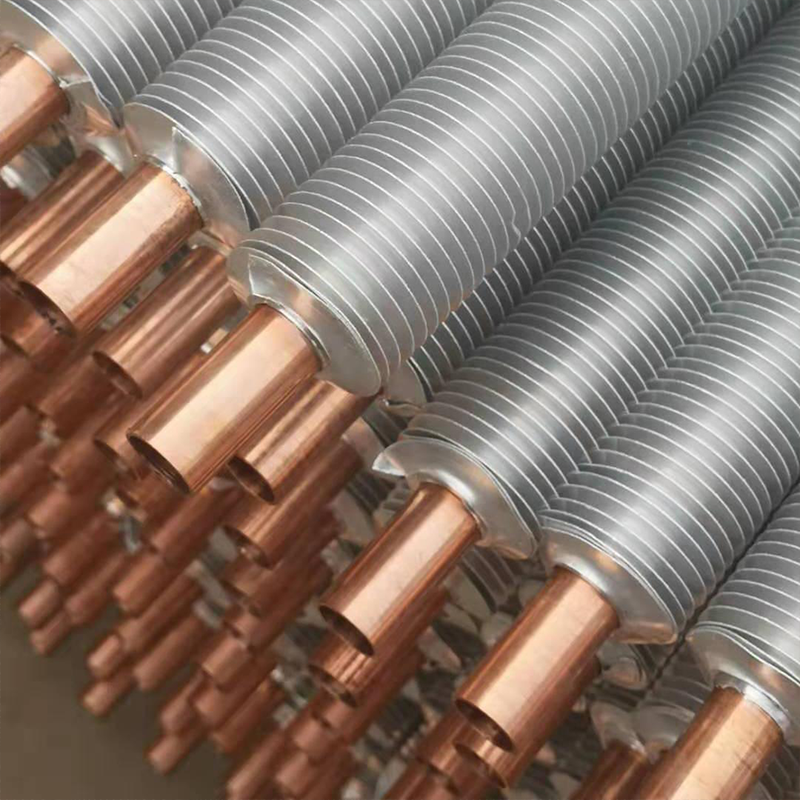
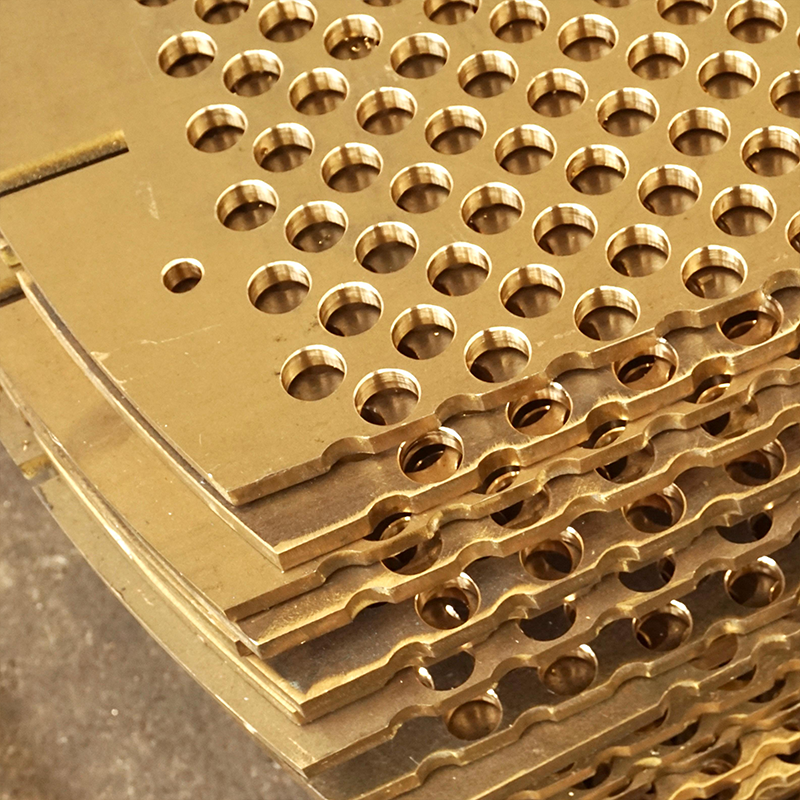
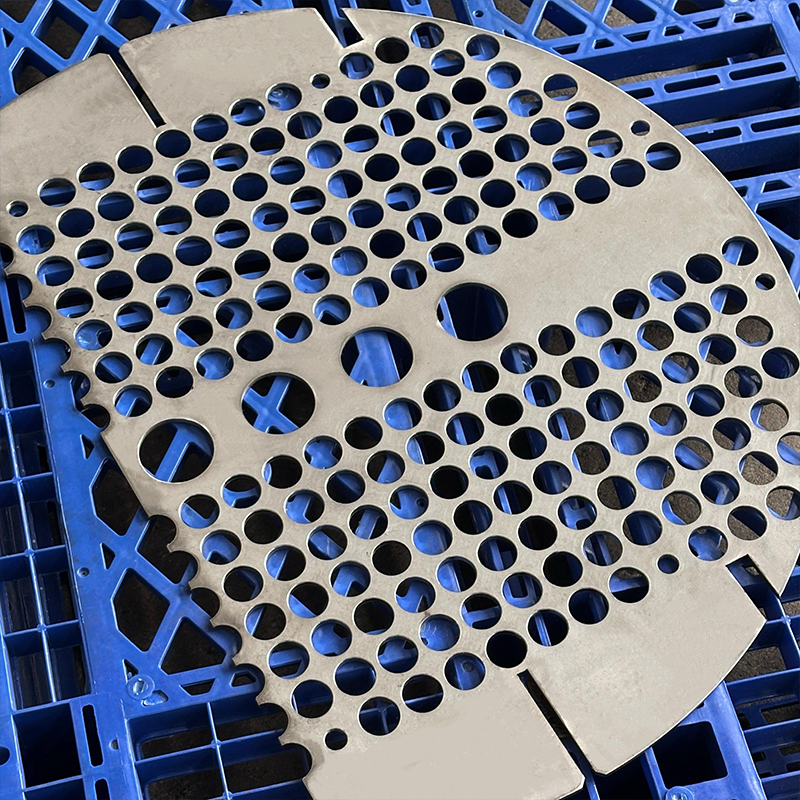
Modern recirculation cooling systems include cooling towers with frequency-controlled fans and pumps. They maintain the temperature of the water in the bath with an accuracy of ±0.5°C, which is critical for the geometry of the pipe. Uneven cooling leads to residual stresses in the material, which can manifest themselves as ovality or cracks after months of use. This is where experience from related industries becomes especially valuable. For example, a companyWuxi Kaisheng Electric Power and Petrochemical Equipment Co., Ltd., which specializes in creating highly efficient heat transfer systems for the petrochemical and energy industries, demonstrates how advanced heat transfer engineering solutions can be adapted for cooling applications in other industries. Their expertise in developing titanium shell-and-tube heat exchangers and systems with corrugated tube bundles in 316 stainless steel or C46400 marine brass highlights the importance of selecting materials with high corrosion resistance and thermal efficiency. The principles used to create ASME and PED certified air coolers and waste heat boilers directly correlate with the need to build reliable closed cooling loops for pipe lines where temperature stability and equipment longevity are a priority.
We recommend using double circuit systems: one for technical cooling of the equipment, the other a clean circuit for direct contact with the product. Filtration of recycled water also plays a role. Microparticles of plastic washed off the pipe clog the nozzles and impair heat dissipation. Installing drum filters or disc cleaning systems allows you to remove suspended particles up to 50 microns in size. This extends the life of the pumps and maintains process stability. In addition, purified water does not leave scale on the heat exchangers, maintaining their efficiency for years.
In some water-scarce regions, air cooling systems are used for certain stages, although for large diameter pipes water remains indispensable due to its high heat capacity. However, combined systems (water + air) are beginning to gain popularity for small-diameter pipes, making it possible to completely eliminate water consumption in these areas.
Reader Action: Check the leaks of your water recycling system. Losses of even 5% per day amount to thousands of cubic meters per year. Install meters at the inlet and outlet of each cooling circuit.
Environmental certification and access to international markets
Having an ISO 9001 certificate is no longer a sufficient condition for winning a tender. Customers are increasingly demanding the provision of an EPD (Environmental Product Declaration) - an environmental product declaration. This document is based on life cycle analysis (LCA) and provides honest data on the environmental impact of the pipe from oil production to disposal. Obtaining an EPD requires a strict audit of all processes, but opens the door to projects financed by international development banks.
To work in the Russian and EAEU markets, it is important to comply with new eco-standards, which are being integrated into technical regulations. The “Leaf of Life” marking or analogues in other countries are becoming a sign of quality. Products with this label often have priority in government procurement due to legislative preferences for “green” products. Ignoring this trend narrows the sales market to the low-grade construction segment, where margins are minimal.
It is also worth paying attention to human health safety standards. Pipes for drinking water must pass tests for migration of harmful substances. The use of safe stabilizers (for example, calcium-zinc instead of lead, although lead has not been used in HDPE for a long time, in PVC this is still relevant) is a mandatory requirement. The transition to lead-free formulations in the production of PVC pipes is not just a tribute to fashion, but a necessity dictated by the ban on toxic materials in many countries.
We are seeing a trend where large developers include mandatory eco-certification of pipes in project specifications at the excavation stage. If your products do not have the appropriate “green” passports, you simply will not be included in the list of approved suppliers. This changes the sales strategy: what needs to be sold is not the price per meter, but the total cost of owning the property, taking into account environmental risks.
Reader Action: Start collecting data to calculate the carbon footprint of your products. Contact the certifying authorities for advice on obtaining an EPD. This is a long-term investment in the brand.
Real implementation cases and economic effect
Let's consider a specific example of modernizing a workshop for the production of HDPE pipes with a diameter of 110-315 mm. The plant introduced induction heating on three lines and a recycling system for its own scraps with a granulator at the machine. Before modernization, specific energy consumption was 0.45 kWh per kg of product. After the introduction of new technologies, the figure dropped to 0.31 kWh per kg. With a production volume of 500 tons per month, the savings amounted to more than 70,000 kWh of electricity. In monetary terms, taking into account 2026 tariffs, this is about 450,000 rubles of monthly net profit.
Another case concerns the implementation of a system for dispensing recycled materials. The company began to add 20% of its own crushed waste to the production of technical pipes for cable ducts. The quality of the products remained within the GOST tolerance, and the cost of raw materials fell by 18%. The payback period for equipment for the preparation of recyclate was 9 months. It is important to note that for water supply pressure pipes, the share of recycled content was left at 0% to avoid risks, which demonstrates a competent approach to product segmentation.
There are also negative experiences that are worth considering. One company tried to save money by buying cheap Chinese induction heaters without proper protection against harmonics in the network. Six months later, sensitive electronic equipment in the workshop failed, including frequency switches on other lines. The repairs were more expensive than purchasing branded European systems. The conclusion is simple: green technologies require high-quality components. Cheapness at the start leads to expensive consequences.
These examples show that greening is not a cost item, but a tool for increasing profitability. But success depends on an integrated approach. You can’t just install a new heater and forget about the quality of the raw materials. All elements of the system must work in harmony.
The future of the industry: biopolymers and new standards
Looking to the future, we see thatgreen technologies in the production of plastic pipeswill develop in the direction of bio-based polymers. Experimental samples of pipes made of polyethylene obtained from sugar cane are already appearing. Although their widespread use is hampered by high prices and limited raw material resources, by 2030 the market share of such materials could reach 10-15% in the segment of small diameters for internal water supply.
Recycling requirements are also expected to become more stringent. The concept of extended producer responsibility (EPR) will mean that the plant is required to finance the collection and recycling of its pipes at the end of their useful life. This encourages the creation of pipes that are easier to recycle: mono-materials instead of complex composites, the elimination of permanent metal elements in fittings, and the use of easily removable markings.
Digital Watermarks on pipes will become the norm. A special marker in the plastic will allow sorting lines at waste recycling plants to automatically determine the type of polymer and its suitability for recycling. This will improve the quality of the collected recyclate and close the economic cycle.
For manufacturers, this is a signal: they need to build the possibility of easy recycling into the design of their products now. Investments in R&D in this area will provide a competitive advantage in 5-7 years. Those who continue to produce "disposable" pipes will face prohibitive taxes and loss of market.
Action for the reader: Study the roadmap for the development of your industry for the next 5 years. Budget for research into alternative materials and recycling technologies into your development strategy.
Conclusion and action strategy
The introduction of environmental solutions in the production of plastic pipes is a difficult but inevitable path. We looked at how induction heating, smart use of recyclate, digitalization of control and water management transform the plant from a source of pollution to a model of sustainable development. The main obstacle on this path is not technology, but conservatism of thinking. Many managers are still waiting for the thunder to strike, wasting time and money.
However, as our experience shows, the first steps can be taken today without huge investments. Start with an energy audit and setting up a water recycling system. Then gradually introduce quality control elements and try adding recycled materials to technical products. Every percentage point of improvement impacts the company's bottom line and reputation.
Remember that in 2026 the buyer chooses not just a pipe, but a partner who shares his values and guarantees the safety of the project for decades to come.Green technologies in the production of plastic pipesis your ticket to the club of reliable suppliers of the future.
If you would like to conduct a detailed audit of your production and receive a personal plan for switching to eco-rails, contact our engineers. We will help you calculate ROI for each event and select equipment that will pay for itself in the shortest possible time. Don’t put off modernization until tomorrow, because market requirements change faster than machines become obsolete.
Contact us todayfor advice on the implementation of energy efficient solutions and certification of your products.