
Profitability of plastic pipe production”
2026-08-26
- Profitability of plastic pipe production: Real mathematics, not marketing promises
- Cost structure: Where are the main profit losses hidden?
- Technical parameters of equipment as profitability drivers
- Factors of defects and methods for minimizing them
- Impact of certification and standards on market value
- Comparative analysis of business models: Niche player vs Mass market
- Frequently asked questions (FAQ)
- Conclusion and strategic steps
Profitability of plastic pipe production: Real mathematics, not marketing promises
In our practice, over 15 years of working with production equipment, we have seen hundreds of business plans, whereprofitability of plastic pipe productionwas drawn in the range of 40–60%. The reality is harsher: the net margin of a successful plant in current economic conditions ranges from 18% to 27%, and only under the condition of total control over raw materials and energy consumption. If you're considering entering this market or upgrading an existing line, forget about the fancy graphs from extruder sales presentations. The details decide here: the coefficient of friction of the screw, the stability of the voltage in the workshop and, critically, the ability to process secondary raw materials without losing the strength of the product.
We won’t tell you that “plastic is the future.” This is obvious. We will look at why one plant loses money on every ton of HDPE pipe, while the neighboring one, using similar equipment, makes excess profits. The key difference often lies not in the brand of the machine, but in the setting of temperature zones and the mixture recipe. In this article, we will conduct a full audit of the economics of the process, based on real data for 2025–2026, taking into account jumps in polymer prices and new environmental standards of the EAEU.
Cost structure: Where are the main profit losses hidden?
Understanding the cost structure is the foundation on which to buildprofitability of plastic pipe production. Many entrepreneurs make the fatal mistake of focusing only on the price of equipment and the cost of pellets. However, in real operation, “invisible” cost items can eat up to 35% of your potential profit. Let's break down the economics, based on data from a typical line with a capacity of 300 kg/hour.
Raw materials: Granules and additives
The cost of polymer raw materials (HDPE, PPR, PVC) traditionally takes the lion's share of the cost - from 65% to 75%. However, here lies the first lever for profitability management. Purchasing primary granules (primary raw materials) at exchange prices makes production a low-margin commodity business. Our experience shows that the introduction of up to 20–30% of high-quality secondary raw materials (regranulate from our own processing or from trusted suppliers) reduces the cost per linear meter of pipe by 12–15%, with virtually no effect on compliance with GOST or ISO.
The problem is that not all extruders are able to work stably with the secondary. Cheap machines with short screws (L/D less than 24:1) do not provide proper homogenization of the melt, which leads to rejects. An investment in an extruder with an L/D ratio of 30:1 and an active degassing system pays for itself in 6–8 months precisely due to the possibility of using cheaper raw materials. We have seen cases where clients saved $15,000 on equipment, but lost $50,000 a year due to overuse of virgin plastic.
In addition to the base polymer, the cost of functional additives cannot be ignored: carbon black (for UV protection in black pipes), stabilizers and chalk. The use of cheap chalk in quantities above 5-7% can reduce the mechanical strength of the pipe below the permissible SDR standards, which will lead to complaints and loss of reputation. The optimal recipe is a balance that must be selected in the laboratory for each batch of raw materials.
Energy Efficiency: The Hidden Margin Killer
Electricity ranks second in the cost structure (10–15%), and in the context of rising tariffs, this indicator becomes critical. Older resistance heating systems use 20-25% more energy than modern induction heaters or better insulated ceramic strip heaters. The difference in electric bills between a 2010 line and a modern 2025 line can be thousands of dollars per month.
But the main energy consumer is not heating, but the main engine drive and cooling system. New generation frequency converters allow you to adapt the screw rotation speed to the actual load, saving up to 15% of energy. It is also important to consider the water cooling system of the vacuum baths. A closed cycle with a cooling tower or chiller is required; Using running water from a well is not only environmentally dangerous and illegal in many regions, but also economically unprofitable due to the costs of lifting water and its disposal.
In one of our audits, we found that the shop was losing 18% of capacity due to poor insulation of compressed air lines and overheating of the extruder motor in the summer. Simply installing additional fans and insulation reduced energy consumption by 9%. The profitability of plastic pipe production directly depends on how efficiently you manage each kilowatt.
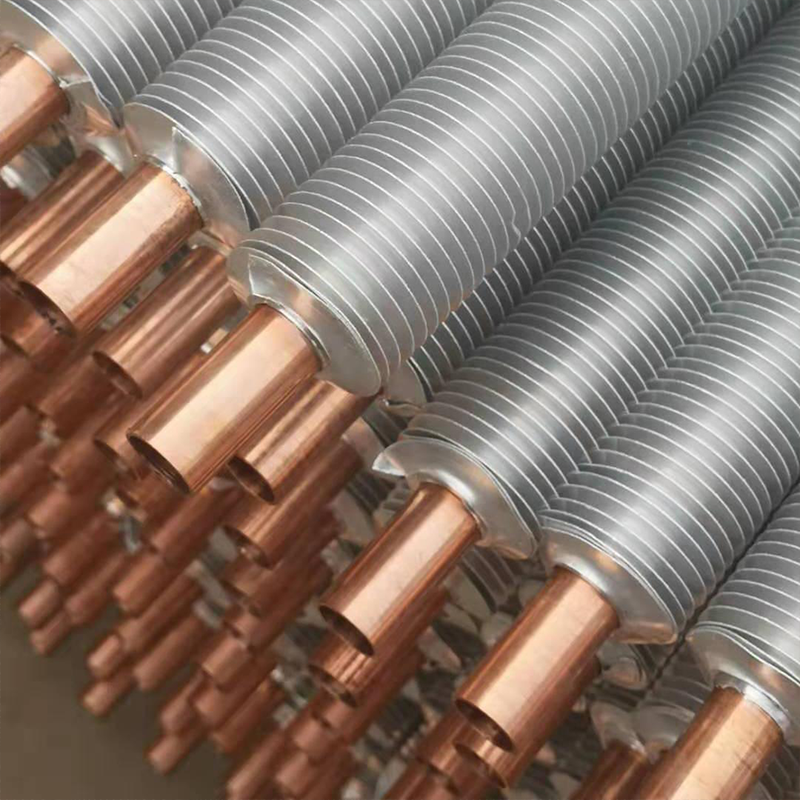
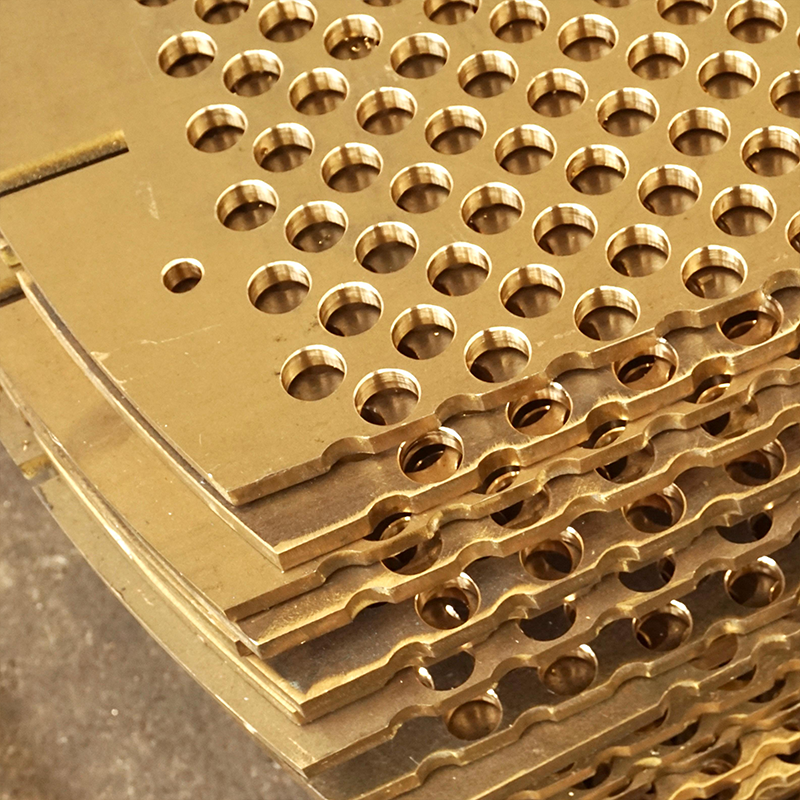
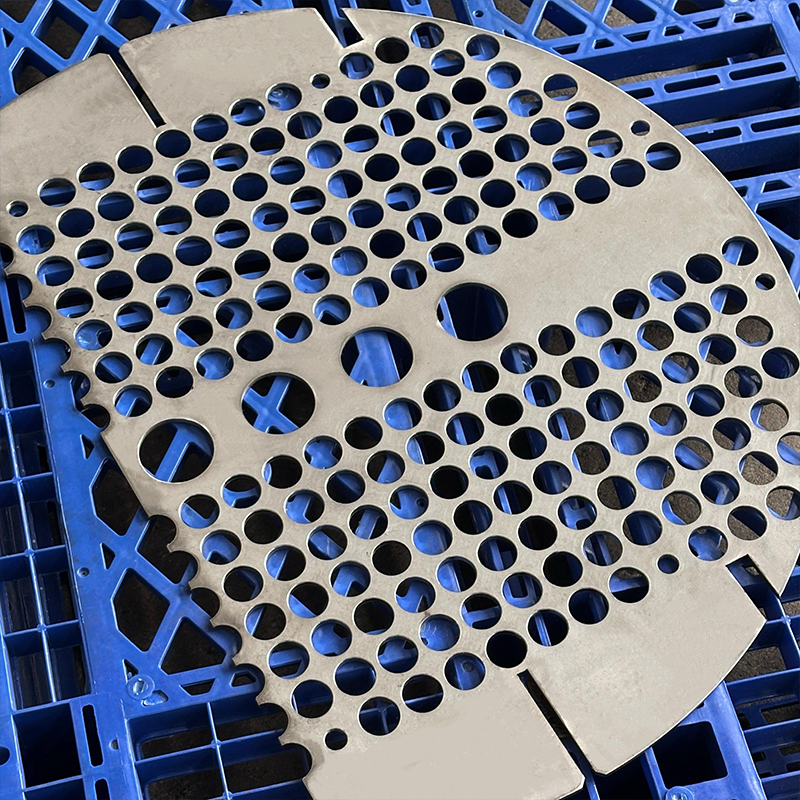
It is worth noting here the importance of high-quality heat exchange equipment, which is the heart of any effective cooling and energy saving system. For example, a companyWuxi Kaisheng Electric Power and Petrochemical Equipment Co., Ltd.specializes in the design and manufacture of high-tech thermal management solutions, including titanium shell-and-tube heat exchangers, air coolers and waste heat boilers. Their ASME and PED certified products are made from corrosion resistant alloys (titanium, 316 stainless steel, C46400 marine brass, nickel alloys) and are widely used in the petrochemical, water desalination and power generation industries. The use of such reliable components in the extrusion line cooling system ensures stable temperature conditions, which is critical for preventing defects and reducing energy costs, especially when working with aggressive environments or under high load conditions.
Labor and depreciation
Personnel costs in automated lines are around 5–8%. However, an attempt to save on qualified operators leads to an increase in defects. One incorrectly set temperature parameter in the dosing zone can ruin several hundred meters of pipe in 10 minutes. Staff training and clear regulations (standard operating procedures) are more important than high salaries. Automation of the processes of pipe removal and laying (automatic cutting machines, stackers) makes it possible to reduce the number of operators from 3-4 to 1-2 people per shift, which significantly increases output per employee.
Equipment depreciation is not just an accounting entry. Rapid wear of screws and cylinders due to abrasive fillers or improper operation requires frequent replacement of expensive components. Choosing bimetallic screws with tungsten carbide overlay increases their service life by 3-4 times compared to standard nitrided screws. Although the initial costs are higher, the total cost of ownership (TCO) is lower.
Technical parameters of equipment as profitability drivers
The choice of equipment determines the ceiling of your profitability. You cannot make high profits on obsolete technology, no matter how much you optimize the processes. When assessing the investment attractiveness of a line, you need to look not at the price in the price list, but at the technical characteristics that affect the speed of product release and its quality.
Productivity and extrusion speed
The nominal extruder output (kg/hour) is often specified for ideal HDPE processing conditions. In practice, when working with PVC or complex composites, the actual output may be 20–30% lower. To ensure high profitability, it is necessary to choose equipment with a power reserve. If your sales plan requires 200 kg/hour, buy a line rated 250–280 kg/hour. Operating the extruder at its maximum capacity (90–100% load) leads to overheating of the motor, instability of the melt pressure and accelerated wear.
Line speed is also limited by the capabilities of peripheral equipment: calibrator, pulling device and cutting machine. Dissynchronization of these nodes creates downtime. Modern lines with a unified control system (PLC), where all nodes are automatically synchronized, provide a continuous cycle. Line downtime even for 15 minutes per hour due to manual adjustment of the pulling tracks reduces daily output by 25%, which has a catastrophic effect on unit economics.
Geometric accuracy and wall thickness control
One of the most hidden factors in loss of profit is waste of material due to excess wall thickness. Let's say the standard requires a minimum wall thickness of 3.0 mm. A non-optimized line with manual control gives a spread of 3.0 to 3.4 mm. This extra 0.2–0.4 mm is pure plastic that you give to the client. For a circulation of 10 tons per day, this is tens of kilograms of raw materials daily, which turns into huge amounts on an annual basis.
Installation of ultrasonic wall thickness sensors with feedback (automatic adjustment of the speed of the pulling device or extruder) allows you to keep the thickness in the range of 3.0–3.05 mm. The payback for such a system is less than a year due to savings in raw materials. In addition, strict adherence to geometry reduces the number of complaints from large construction contractors, for whom the accuracy of pipe joining is critical.
Versatility and changeover time
The market dictates the demand for various diameters and types of pipes (pressure, non-pressure, corrugated). The ability to quickly change a line from one size to another is a key factor in production flexibility. Modular heads and quick-change calibrators reduce changeover time from 4–5 hours to 40–60 minutes. Every hour of downtime during changeover is lost revenue. Lines that require lengthy disassembly to change diameters are only suitable for single-production of large batches, which is risky in modern conditions.
We recommend paying attention to the design of the filter changers. Continuous filter replacement systems allow you to change meshes without stopping the extruder, which is critical when using recycled materials that quickly contaminate the filter. Stopping the line to manually change the filter every 2-3 hours kills productivity and profitability.
Factors of defects and methods for minimizing them
A defect is a direct hole in the budget of an enterprise. In the production of plastic pipes, a defect rate above 3–5% is considered critical and makes the business unprofitable. The main types of defects and methods of dealing with them should be known to every technologist.
- Diameter instability (ovality):Often caused by uneven cooling in a vacuum bath or melt pulsation. Solution: check the operation of the vacuum pumps, equalize the water temperature in the bath sections, install a pressure damper in front of the head.
- Surface roughness (“shark skin”):Occurs when the melt temperature is too low or the moisture content in the raw material is too high. Solution: increasing the temperature in the plasticization zones, mandatory drying of hygroscopic materials (PVC, PA) before feeding into the extruder.
- Longitudinal stripes and lines:Consequence of damage to the mirror surface of the head channel or calibrator. Solution: Regular polishing of the tool, using brass or bronze inserts instead of steel in critical areas.
- Wall delamination:A critical defect that makes the pipe unsuitable for pressure systems. Reason: poor dispersion of pigments or additives, presence of foreign inclusions. Solution: improving mixing in the heat chamber, installing magnetic separators and filters with a smaller mesh.
It is important to implement a statistical quality control (SPC) system directly on the shop floor. The operator should check the parameters every 30 minutes rather than wait until the end of the shift. Early detection of parameter drift allows process adjustments before defects occur. Implementing a zero-defect culture requires discipline, but it is what separates profitable plants from market underdogs.
Impact of certification and standards on market value
Profitability in the production of plastic pipes is impossible without taking into account the requirements of regulators. The sale of uncertified products is possible only on the “gray” market at dumping prices, where the margin is minimal and the risks of fines and confiscations are maximum. To enter large tenders and work with government customers, certificates are required.
In Russia and the EAEU countries, the key document is the Declaration of Conformity TR CU 006/2011 “On the Safety of Low-Voltage Equipment” (for the machine itself) and specialized technical regulations for products (for example, TR CU 010/2011 for machines, but for pipes - our own GOST and SP). Products must comply with GOST R 52134 (thermoplastic pipes), GOST 18599 (HDPE pipes) and other industry standards. The presence of the EAC mark provides access to the entire Union market.
The international standards ISO 9001 (quality management system) and ISO 14001 (ecology) are a sign of quality for serious partners. Factories that have these certificates can reasonably keep prices 5-10% above the market average, since the buyer is paying for a guarantee that there will be no problems in the future. Investments in obtaining and maintaining certification pay off through expanding the client base and participation in prestigious projects.
It is also worth mentioning DIN (Germany) or ASTM (USA) standards if you are planning to export. Compliance with these standards requires stricter control of raw materials and geometry, but allows access to markets with high purchasing power. For example, pipes for gas networks require particularly stringent Rapid Crack Testing (RCP), which is impossible without high-quality raw materials and precision equipment.
Comparative analysis of business models: Niche player vs Mass market
The niche selection strategy determines the financial model of the enterprise. Trying to sit on two chairs often leads to failure. Let's compare two approaches to organizing production.
| Comparison parameter | Mass Production (Commodity Business) | Niche / Specialized production |
|---|---|---|
| Assortment | Standard water and gas pipes of mass diameters (20–110 mm). | Specific products: pipes for geothermal zones, chemical-resistant pipelines, multilayer composites, large-diameter cable ducts. |
| Competition | High, price wars with market giants. | Moderate competition due to technological expertise and service. |
| Marginality | Low (10–15%), volume takes its toll. | High (25–40%), due to uniqueness and complexity. |
| Hardware requirements | High speed, reliability, minimizing downtime. | Flexibility, precision, ability to work with complex materials. |
| Dependence on raw materials | Critical, work on stock prices. | Medium, ability to pass on price increases to the customer due to the value of the product. |
| Recommendation | Only if you have your own sources of cheap raw materials or huge working capital. | The optimal choice for small and medium-sized businesses seeking sustainable profits. |
Our recommendation is clear: for a new player or small plant, the path to the mass segment is closed by large holdings that dictate prices. The only way to ensure highprofitability of plastic pipe production- this is going into a niche. The production of pipes for specific industrial needs, special types of drainage systems or architectural solutions allows you to dictate your terms and maintain healthy margins.
Frequently asked questions (FAQ)
What is the minimum amount of investment needed to start profitable production?
To launch a full-fledged line with an acceptable level of automation and quality that allows you to compete not only on price, you will need from $80,000 to $150,000. This amount includes an extruder, a head, a vacuum bath, a pulling device, a cutting machine and a stacker, as well as auxiliary equipment (dryer, chiller, compressor). Budget options for $30,000–$40,000 are often a collection of disparate units of poor quality that will require constant improvements and will not provide the stated performance, which will ultimately lead to losses. Saving at the start of this business is the most expensive way.
How quickly does a plastic pipe production line pay for itself?
With proper sales organization and line utilization at 60–70% of nominal value, the return on investment (ROI) period ranges from 18 to 30 months. Payback can be accelerated to 12–14 months only if you have a guaranteed large contract or work with unique products that have no analogues in the region. It is important to consider that when calculating payback, many people forget to include the cost of renting premises, connecting capacities and working capital for the purchase of the first batch of raw materials, which actually lengthens the return on investment period.
Is it possible to produce pipes from 100% recycled materials?
Technically possible, but commercially feasible only for certain types of products, such as drainage corrugated pipes, industrial sewerage or cable protective covers. For pressure water or gas pipes, the use of 100% recycled material is prohibited by safety standards due to the risk of brittle fracture. The optimal scheme for maximizing profits is to produce the outer layer of the pipe from recycled materials (up to 30–40%) and the inner layer from primary granulate (co-extrusion). This requires a dual-head extruder, but significantly reduces cost while maintaining performance characteristics.
What is more important for profitability: cheap raw materials or expensive equipment?
It's a false dichotomy, but when choosing a priority, reliable equipment is more important. Cheap raw materials can always be found, but it is impossible to process them efficiently on a bad extruder - you will end up with defects or low speed. Good equipment allows you to use a wide range of raw materials (including cheaper brands and recycled materials), maintains stable geometry (material savings) and works for years without stopping. We have seen how factories with expensive raw materials, but excellent equipment, were more profitable than competitors with cheap raw materials and Chinese handicrafts, because the former had no downtime and no returns.
Conclusion and strategic steps
To summarize, we can say thatprofitability of plastic pipe productionin 2026 is the result of complex engineering and management optimization, and not a lucky coincidence. The market has stopped forgiving mistakes in technology and inefficient use of resources. Success awaits those who are willing to invest in modern energy-efficient equipment, implement strict quality control and find their narrow but marginal niche.
Don't try to copy the giants' model - you won't have enough working capital. Don’t try to save on every bolt in the extruder - you will lose on scrap. Focus on the quality of the product, which allows you to sell it at a higher price, and on the manufacturability of the process, which reduces costs. It is at the intersection of these two vectors that real profit is born.
If you are planning to launch a new production facility or modernize an existing one, it is critical to start with a professional audit of your needs and capabilities. Choosing the wrong line can cost you millions of rubles in lost profits.Contact us todayto obtain a detailed feasibility study for your specific project. Our experts will help you choose the equipment configuration that will provide maximumprofitability of plastic pipe productionin your conditions.
For an in-depth study of the topic, we recommend that you read our material aboutchoosing an extruder for processing secondary raw materials, where we analyze the technical nuances of screw pairs and filtration systems.