
Safety instructions for working with acids”
2026-08-24
- Safety instructions for working with acids: fundamental principles and real risks
- Classification of acids and specific hazards to personnel
- Selection of personal protective equipment (PPE): selection criteria and errors
- Organization of the workplace and rules for storing reagents
- Step-by-step algorithm for safe work
- Emergency Response: Spill Response and First Aid
- Regulatory framework and requirements for personnel training
- The role of specialized equipment in ensuring safety
- Conclusion and next steps to ensure safety
Safety instructions for working with acids: fundamental principles and real risks
Safety instructions for working with acids are not just a bureaucratic document for inspection by an inspector, but a vital algorithm of actions that prevents irreversible injuries and destruction of equipment. In our practice, we have repeatedly encountered situations where ignoring one point of this instruction led to third-degree chemical burns for personnel and shutdown of the production line for up to two weeks. Acids, whether sulfuric, hydrochloric or nitric, have aggressive properties that do not forgive errors in calculating concentrations or choosing protection materials. This article is based on fifteen years of experience working with industrial chemicals and a detailed analysis of incidents at enterprises in Russia and the CIS. We will analyze not only the theoretical GOST standards, but also practical nuances that are often missed in standard manuals.
The purpose of this material is to give you a clear understanding of how to organize your workspace, choose personal protective equipment (PPE) and respond to an emergency. You'll learn why standard gloves may not be suitable for concentrated hydrofluoric acid and how incorrect reagent mixing sequences lead to thermal explosions. The information is structured so that a labor safety engineer or workshop manager can immediately implement the described procedures without lengthy adaptation. Remember: safety when working with acids does not depend on the presence of a poster on the wall, but on the muscle memory of the employees and the quality of the equipment used.
Classification of acids and specific hazards to personnel
The first step in developing an effective safety strategy is a thorough classification of the substances used, since there is no universal approach to neutralization or protection. Acids are divided into strong and weak, organic and inorganic, oxidizing and reducing agents, and each category dictates its own handling rules. For example, working with sulfuric acid (H₂SO₄) requires special attention to the exothermic reaction when diluted, while hydrofluoric acid (HF) poses a hidden hazard due to its ability to penetrate the skin and leach calcium from bones, which can be fatal even in small areas. In our practice, there was a case where an employee received a slight burn on his hand with an HF solution, ignored it, and after 6 hours amputation of the phalanx of the finger was required due to the systemic effect of fluoride on the body.
Oxidizing acids such as nitric acid (HNO₃) and chromic acid pose additional hazards when coming into contact with organic materials. Wood, fabric, paper, or even some types of plastics can spontaneously ignite when exposed to these acids. This means that the safety instructions for working with acids must clearly regulate the materials acceptable for use in the storage and processing area. Floors in such rooms cannot be wooden or covered with bitumen mastic; they must be made of acid-resistant tiles or special polymer concretes that are resistant to prolonged exposure to aggressive environments. Shelving and containers must also meet these requirements, otherwise structural failure of the support will lead to a spill of tons of hazardous substances.
Volatile acids, which include hydrochloric acid (HCl) and hydrofluoric acid, create a risk of inhalation injury even in the absence of direct contact with the liquid. The vapors of these substances are heavier than air and accumulate in the lower layers of the workshop atmosphere, in pits and basements, creating an invisible damage zone for the respiratory system and mucous membranes of the eyes. A standard carbon filter respirator may be useless against high concentrations of such vapors, requiring the use of self-contained breathing apparatus or powered air systems. It is important to understand that threshold concentration values (MPC) for different acids vary tens of times, and monitoring of the air environment must be carried out continuously using gas analyzers calibrated specifically for the type of reagent used.
When assessing risks, it is necessary to take into account not only chemical activity, but also process temperature. Heated acids exhibit significantly higher aggressiveness towards metals and protective coatings. The vapor concentration above the hot solution increases exponentially, which requires increased ventilation in the heating zones of the reactors. We recommend that acid storage areas be separated according to their compatibility: oxidizing agents should never be stored next to reducing agents or organic solvents. Violation of this rule, even in the presence of a sealed container, can lead to catastrophic consequences in the event of depressurization of one of the containers and a subsequent violent chemical reaction between incompatible substances.
Compatibility and Risk Table for Basic Industrial Acids
| Acid type | Main threat | Container materials | Incompatible substances | Specifics of first aid |
|---|---|---|---|---|
| Sulfuric (conc.) | Severe thermal and chemical burns, charring of tissues | Carbon steel (for concentration), glass, special polymers | Water (when mixed), organics, bases, metals (powders) | Rinse thoroughly with water for at least 20 minutes, remove clothing |
| Hydrochloric (HCl) | Respiratory irritation, skin and eye burns | Lined rubber, PVC, glass, tantalum | Oxidizing agents (chlorates, permanganates), alkalis, cyanides | Rinsing with water, inhalation of soda solution (as prescribed by a doctor) |
| Nitrogen (HNO₃) | Oxidative burns, yellow skin discoloration, fire hazard | Aluminum (concentrated), stainless steel, glass | Organic substances (turpentine, alcohol), flammable materials | Flush with water, seek immediate hospitalization if vapors are inhaled |
| Fluorescent (HF) | Deep penetration, bone necrosis, systemic toxicity | Polyethylene, polypropylene, lead, platinum | Alkalis, metal oxides, glass (corrodes) | Calcium gluconate (gel), call a toxicologist immediately |
| Vinegar (ice) | Chemical burns, flammable vapors | Stainless steel, aluminum, glass | Strong oxidizing agents, bases | Flushing with water, monitoring kidney function |
The use of this table should be a mandatory step during training before permission to work. Each operator must know not only the name of the acid with which he is working, but also its specific incompatibility properties. Storing acids in the wrong container is a common mistake that often goes undetected until an accident occurs. For example, storing hydrofluoric acid in a glass bottle is unacceptable, as it reacts with the silicon dioxide contained in the glass, which leads to destruction of the container and leakage. Such nuances should be reflected in the labeling of each storage unit at the enterprise.
Selection of personal protective equipment (PPE): selection criteria and errors
The choice of personal protective equipment is a critical element of the safety system, and here savings or ignorance of material properties can cost your health. Ordinary cotton gowns or latex gloves are absolutely useless against concentrated mineral acids. Latex, for example, breaks down quickly when exposed to many organic solvents and some acids, creating the illusion of protection until the liquid reaches the skin. In our practice, we strongly recommend the use of suits made from materials such as Viton, Teflon or specialized rubberized fabrics that have been certified to chemical protection standards. These materials provide a barrier that the acid cannot penetrate long enough to evacuate personnel.
Respiratory protection requires special attention, especially when working with volatile compounds. Filtering gas masks have a limited resource and are specific to the type of gases they absorb. The “A” grade filter is designed for organic vapors and is not useful against acid mists. To work with acids, grade “B” filters (brown marking color) are required, designed specifically for inorganic gases and vapors, except carbon monoxide. However, if the concentration exceeds the maximum permissible by 100 times or the oxygen content in the air is less than 18%, the use of filtering devices is prohibited. In such cases, the only correct solution is to use self-contained breathing apparatus with an independent air source.
Eye protection is an area where compromise is not acceptable. Regular side-vented glasses do not protect against angled splashes or corrosive vapors. It is necessary to use sealed panoramic safety glasses or face shields made of impact-resistant polycarbonate with a chemical-resistant coating. The shield should cover not only the eyes, but also the lower part of the face, neck and ears, since acid splashes can flow down the face. We have seen cases where drops of acid that fell behind the frame of ordinary glasses caused severe burns to the eyelids and cornea, leading to partial loss of vision. Therefore, the design of PPE must exclude any possibility of liquid getting under the protection.
Footwear must also be appropriate for the threat level. Rubber boots are standard for working with liquid acids, but they must be solid, without seams at the bottom, where depressurization most often occurs. Workwear trousers should be worn over boots to prevent dripping liquid from getting inside the shoes. The use of leather shoes or fabric sneakers in acid shops is strictly prohibited, as the leather absorbs the acid and continues to affect the foot even after the shoes are removed. Checking the integrity of PPE before each entry into a dangerous zone should become an ironclad rule: the presence of a micropore in a glove or a crack in glasses negates all other protection.
Frequently asked questions about choosing equipment
What gloves are best for working with sulfuric acid?
When working with concentrated sulfuric acid, butyl rubber gloves or multi-layer composite gloves (such as Silver Shield) are the best choice. Latex and nitrile gloves of a thin type can provide protection only against weak solutions and for a very short time. Butyl rubber is highly resistant to oxidation and penetration of strong acids. It is important to check the safety data sheet of the gloves (chemical permeability table) for the specific acid concentration and temperature, since the resistance of the material decreases when heated.
Is it possible to use one gas mask for all types of acids?
No, this is a dangerous misconception. Although class “B” filters are suitable for most inorganic acids (hydrochloric, sulfuric, nitric), hydrofluoric acid requires special filters with additional protection against fluoride compounds, or the use of an isolating apparatus. In addition, each filter has a limited service life, which depends on the gas concentration and the worker's breathing rate. Using a filter that is expired or saturated with vapors is tantamount to no protection.
How often should protective suits be changed?
Reusable protective suits must be replaced if any signs of material degradation appear: discoloration, stickiness, hardening, cracking or stains that cannot be washed off. Disposable suits are disposed of after each use in a contaminated area. Regular inspection should be carried out visually before each use. If the suit has been directly exposed to concentrated acid, even if there is no visible damage, it should be taken out of service and sent for laboratory testing or disposal, as the polymer structure may have been damaged.
Organization of the workplace and rules for storing reagents
Proper organization of the space around acid tanks and work benches is the first line of defense in the event of an accident. All work with open containers must be carried out exclusively under exhaust hoods or in special booths with active ventilation, providing air exchange rates of at least 10-15 times per hour. The air intake should be located in the lower zone, since the vapors of many acids are heavier than air. The surface of the work table must be made of chemically inert materials: ceramics, special plastic or coated with lead (for working with hydrofluoric acid). Wooden surfaces, even varnished ones, are unsuitable, since acid will inevitably find a microcrack and begin to destroy the base, accumulating inside.
The acid storage system should be based on the principle of segregation of incompatible substances. Acids should not be stored together with alkalis, flammable liquids or reducing agents. The ideal solution is to use separate safety cabinets with catchment trays (secondary containment trays), the volume of which should be at least 110% of the volume of the largest container in the cabinet. This ensures that if a canister or barrel is destroyed, all the contents will remain inside the cabinet and will not spread throughout the room. Cabinets must be equipped with an automatic ventilation system connected to the general gas purification system of the enterprise.
Container labeling is another critical element that is often performed in a formal manner. The label must contain not only the name of the substance, but also hazard symbols (according to the GHS/GHS system), concentration, date of bottling and specific first aid measures. The inscriptions must be made with durable paint that is not washed off with water or the substance itself. In our recommendations, we point out the need to duplicate information in Russian and, if necessary, in the original language of the manufacturer, but priority is always given to a language understandable to local personnel. The lack of clear labeling in the stressful situation of an emergency spill results in the loss of valuable time to identify the substance.
Access to acid storage areas should be strictly limited. Warehouse doors must be locked and the keys must be kept by the responsible person. Warning signs “Caution: Acids” and diagrams of the location of fire extinguishing and neutralization equipment must be posted on doors. The aisles between the racks must be clear and at least 1 meter wide to ensure quick evacuation and access for emergency crews. Blocking aisles with empty containers or auxiliary equipment is a typical violation that greatly increases the severity of the consequences during an emergency. We recommend conducting weekly audits of the condition of warehouse premises and recording violations in a log.
Step-by-step algorithm for safe work
Any operation with acids must be carried out strictly according to the approved technological regulations, which include the preparatory stage, the main operation and final cleaning. Violation of the sequence of actions, especially when preparing solutions, is one of the most common causes of injury. Below is a detailed algorithm that should be studied by every employee until it becomes automatic. Deviation from these steps is allowed only in emergency situations at the command of the work manager.
- Preparing the workplace and checking PPE.Before starting work, make sure that the hood is turned on and working effectively (check the draft with a sheet of paper or an anemometer). Inspect the table surface for foreign objects, cracks, or remnants of previous reagents. Wear full PPE: chemical resistant apron or suit, appropriate type of gloves, sealed goggles and footwear. Check the integrity of the gloves by inflating them with air or filling them with water (if the material allows) to prevent micro-punctures. Make sure there is a working emergency shower and eye wash nearby and a clear path to them.Attention:Never begin work if the ventilation system is faulty or if there are open wounds on the skin, even under a bandage.
- Checking reagents and preparing containers.Carefully read the label on the acid container, checking the name, concentration and expiration date. Make sure that the mixing container is made of a suitable material (usually heat-resistant glass or inert plastic) and is completely dry. The presence of water droplets in the concentrated acid container may cause local overheating and splashing. Prepare a stirrer made of inert material (glass, Teflon). Place a container with a neutralizing solution (for example, soda or a special neutralizer) and rags in advance in close proximity, but so that they do not interfere with basic movements.Error:Using wet utensils or utensils with residues of other chemicals is a gross violation leading to an uncontrolled reaction.
- Preparation of solutions: the “Acid into water” rule.This is the golden rule, violation of which leads to severe burns to the face and hands. When diluting concentrated acids (especially sulfuric acid), you should always add the acid to the water in a thin stream with constant stirring, and not vice versa. Adding water to the acid causes the top layer of water to instantly boil due to the release of a huge amount of heat, which leads to the ejection of boiling acid from the vessel. The process should take place slowly, in small portions, with control of the temperature of the mixture. If the vessel gets very hot, pause or use a water bath to cool.Important:Use a funnel with a long spout facing the side of the vessel to minimize splashing.
- Basic work process and transportation.When transferring acids, use special devices: siphons, pumps or inclined devices for bottles. Never pour heavy bottles by hand by holding them by the neck - use carrying baskets with handles. When transfusing, keep the container as close to the receiving container as possible. If a pump is used, ensure that all connections are tight and that the hoses are made of acid-resistant material. During the reaction, watch for the evolution of gases and changes in the color of the solution. Do not lean over an open container to look inside—use a mirror or video camera if visual inspection is required.Caution:Never leave open containers of acids unattended, even for a few minutes.
- Completion of work and waste disposal.After completing the operation, tightly close all containers with lids and wipe the outside with a damp cloth, then with a dry one, to remove traces of acid. Remaining reagents and rinsing water must not be discharged into the public sewer system. They must be collected in special labeled containers for subsequent neutralization and disposal by specialized services. Remove PPE in a certain sequence: first gloves (turning them inside out), then apron, goggles and other elements, so as not to touch contaminated surfaces with your skin. Wash your hands and face thoroughly with soap, even if you were wearing gloves. Carry out wet cleaning of the workplace using neutralizing solutions.Control:Ensure that all waste is sent to a temporary hazardous waste storage area.
Emergency Response: Spill Response and First Aid
Despite all precautions, emergency situations may arise due to human error or equipment defects. The speed and correctness of the reaction in the first seconds determine the severity of the consequences. The safety instructions for working with acids should contain a clear action plan in the event of a spill, which is known to every employee. If a spill is detected, immediately notify others and the work supervisor. If the spill is significant or accompanied by the release of toxic gases, evacuate the room and close the ventilation (if this does not aggravate the gas situation), call an emergency team. Do not attempt to clean up a large spill alone without proper equipment.
To clean up small spills, use spill kits, which should be available in every acid shop. These kits contain sorbents (neutral or specialized), neutralizers, scoops and disposal bags. First, contain the spill area using a sorbent bead to prevent the liquid from spreading into the drain. Then carefully apply a neutralizer (such as sodium bicarbonate for acids) to the stain. The neutralization reaction may be accompanied by hissing and gas release - be prepared for this. After the reaction stops, collect the resulting mass in a special container for hazardous waste. Wash the spill area with plenty of water and detergent.
When acid gets on your skin or eyes, seconds count. Immediately place the victim in an emergency shower or at an eye wash fountain. Rinsing should be abundant and long - at least 15-20 minutes. A weak stream of water is preferable to a strong one, so as not to further injure the tissue. Remove clothing and jewelry from the affected area directly under running water, without wasting time undoing buttons; if the fabric is stuck, cut it off. Do not try to neutralize the acid on the skin with other chemicals (such as baking soda) before rinsing with water, as the neutralization reaction generates heat and can make the burn worse. Only after thorough rinsing can a sterile bandage be applied.
A special case is hydrofluoric acid damage. Water washes away the acid from the surface, but does not remove fluoride ions that have already penetrated the tissue. After rinsing with water, you must immediately apply a special gel with calcium gluconate, which binds fluoride and stops tissue destruction. Even if the victim does not feel pain (which is typical for HF due to the anesthetic effect), he must be urgently taken to the hospital for an intravenous or intra-arterial antidote. Delay in the case of hydrofluoric acid is deadly. In the first aid kits of the first aid rooms where HF is used, the presence of calcium gluconate is mandatory.
Regulatory framework and requirements for personnel training
All safety measures must be based on current legislation and government standards. In the Russian Federation, the main document regulating this area is GOST 12.1.007-76 “Harmful substances. Classification and general safety requirements,” as well as industry rules on labor protection when working with chemicals. The enterprise is obliged to develop and approve local instructions, adapted to specific production conditions, but not contradicting federal standards. Regular auditing of compliance with these standards helps avoid fines and, more importantly, prevent accidents. We recommend conducting an internal audit at least once a quarter with the involvement of independent experts.
Staff training should not be a formal lecture once a year. An effective program includes a theoretical part, practical training in the use of PPE and training in emergency procedures. Employees must be able to put on a gas mask within the required time, properly use an emergency shower and provide first aid. In our practice, we have introduced a system of regular sudden exercises, which has shown high effectiveness in developing behavioral skills in stressful situations. Permission to work with acids should only be issued after successfully passing an exam and training under the supervision of an experienced mentor.
Medical examinations play a key role in the prevention of occupational diseases. Workers engaged in work with hazardous substances must undergo preliminary (upon admission) and periodic medical examinations in accordance with the order of the Ministry of Health. Particular attention is paid to the condition of the skin, respiratory system and vision. Identifying contraindications at an early stage allows you to transfer an employee to another job and maintain his health. Ignoring medical recommendations on the part of the employer is a violation of the law and puts the life of the team at risk.
Documenting all incidents, even those that do not result in injury (so-called “near misses”), is critical to risk analysis. A log of micro-injuries and emergency situations allows you to identify systemic problems in the organization of processes before a serious incident occurs. Root Cause Analysis of each case helps to improve safety instructions for working with acids and make them more practical. Openness in discussing errors and the absence of a culture of punishment for reporting an incident contribute to the creation of a real safety culture in the enterprise.
The role of specialized equipment in ensuring safety
The effectiveness of all the measures described above directly depends on the quality of the main technological equipment. In harsh environments such as concentrated acids and high-temperature processes, the use of standard materials often leads to rapid wear and failure. This is where choosing reliable partners who can provide solutions with guaranteed corrosion resistance is critical. CompanyWuxi Kaisheng Electric Power and Petrochemical Equipment Co., Ltd.specializes in the development and production of high-quality heat transfer and petrochemical equipment designed specifically for such complex tasks.
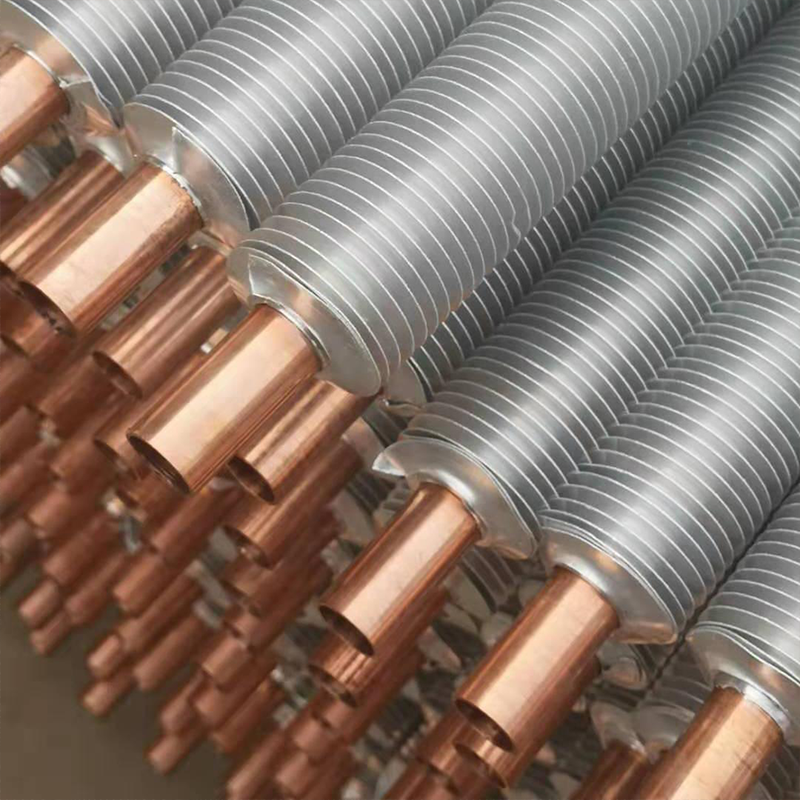
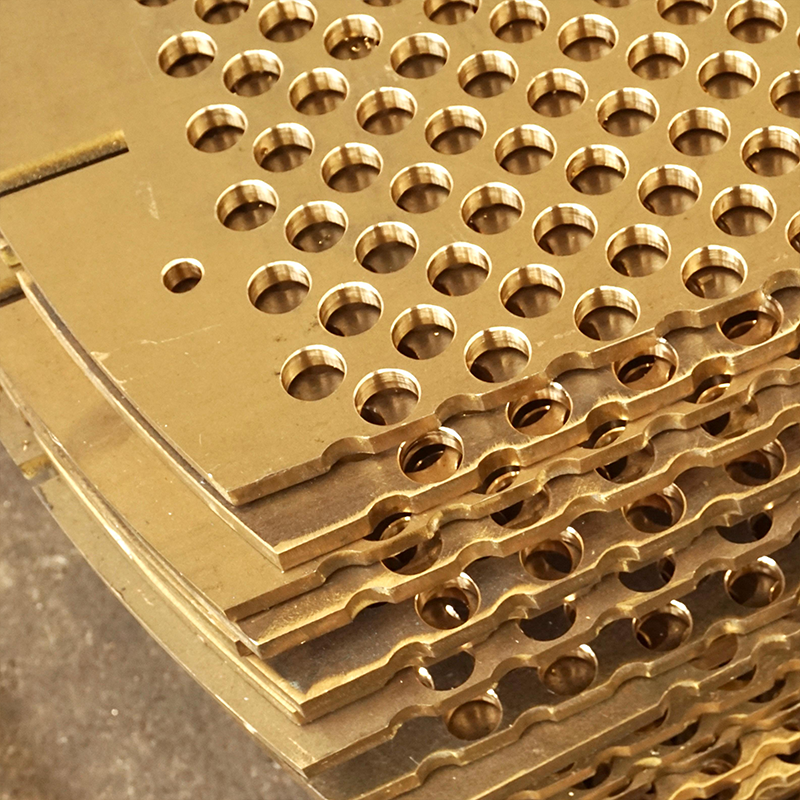
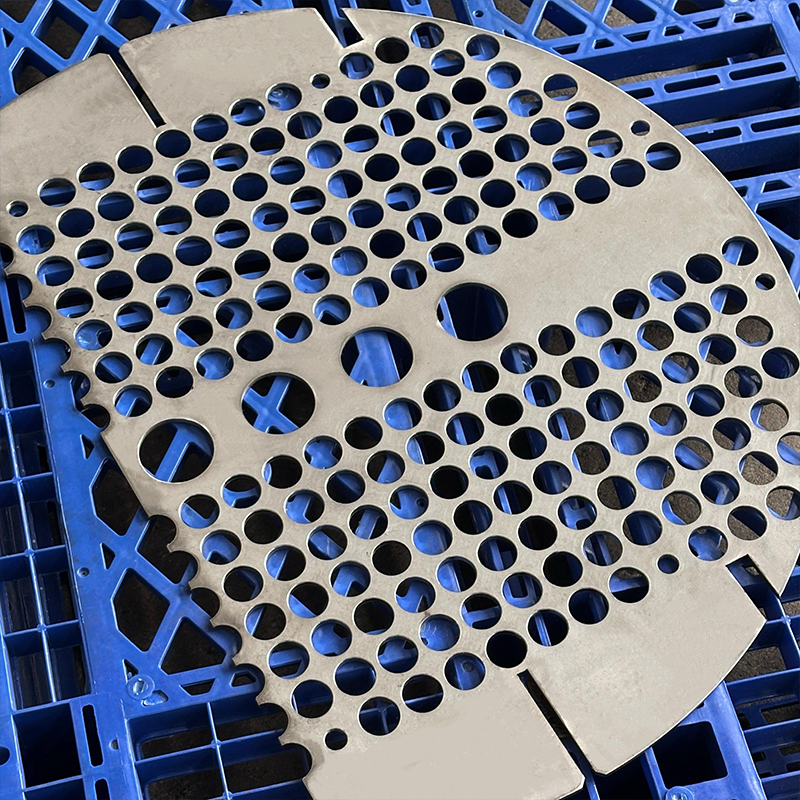
The company's products include titanium shell-and-tube heat exchangers, which are ideal for harsh environments due to titanium's exceptional resistance to acids. Also available are ASME high-pressure heat exchangers, corrugated tube bundles in 316 stainless steel, C46400 marine brass, copper-nickel alloys and N06625 nickel alloys. These materials are certified to international PED and ASME standards, confirming their ability to withstand extreme pressures and temperatures without losing seal. Using components such as 321 stainless steel or C46400 brass tubesheets in acid processing systems minimizes the risk of leaks and mixing of incompatible reagents discussed in the sections above.
Equipment from Wuxi Kaisheng is widely used in oil refining, the chemical industry and seawater desalination, where safety requirements are at the maximum level. By providing customized solutions and stable equipment to customers around the world, the company helps enterprises create secure infrastructure that meets the most stringent regulations. Investment in such equipment is not just a purchase of equipment, it is a contribution to the prevention of emergency situations and the protection of personnel from exposure to hazardous substances.
Conclusion and next steps to ensure safety
Acid safety is an ongoing process that requires constant attention, investment in quality equipment and training. There is no point at which we can say that we are completely protected; Technologies change, new reagents appear, and our methods of protection must evolve along with them. The implementation of the principles described in this article will allow your company to minimize risks and create an environment where every employee feels confident and protected. Remember that the cost of high-quality PPE or a modern ventilation system is not comparable to the cost of human life or environmental disaster.
We encourage you to review your current acid storage and handling procedures today. Compare them with the recommendations outlined above and identify weak points. Update the instructions, check the expiration dates of filters in gas masks and the availability of antidotes in first aid kits. Safety starts small - with checking one glove or one label. If you have any questions about selecting specialized equipment for neutralization or would like advice on auditing your acid farm, our team is ready to help.
Contact us todayto receive detailed advice on organizing safe work areas and selecting certified equipment. We also recommend checking out our guide tostorage of hazardous chemicals, where the technical aspects of warehouse design are discussed in detail. Your safety is our priority and we are ready to share the experience we have gained over the years in the industry.