
Recommendations for storing plastic sheets”
2026-08-24
- Why proper storage of plastic sheets determines the service life of products
- Critical microclimate parameters: temperature and humidity
- Laying geometry and preventing material creep
- Protection against ultraviolet radiation and light aging
- Specifics of storage of various types of polymers
- Logistics and handling: from unloading to release into production
- Integration of advanced materials into heavy industry
- Frequently Asked Questions
- Your Warehouse Audit Checklist
- Conclusion and next steps
Why proper storage of plastic sheets determines the service life of products
In our practice as process engineers for more than 15 years of working with polymer materials, we have identified a strict pattern: up to 40% of complaints regarding the quality of finished products arise not because of defects in the material itself, but because of violations at the warehouse storage stage. Recommendations for storing plastic sheets are not just bureaucratic instructions, but a critical protocol that directly affects the mechanical strength, optical clarity and geometric stability of the workpieces before processing. If you are purchasing polycarbonate, acrylic (PMMA), PVC or polyethylene for subsequent laser cutting, milling or thermoforming, ignoring microclimate conditions will lead to irreversible changes in the structure of the polymer before the production cycle begins.
We encountered a situation where a batch of expensive cast acrylic 20 mm thick was damaged after three weeks of winter storage in an unheated hangar. The client insisted that the material was “just lying there,” but when attempting to thermoform, the sheets developed microcracks that were invisible to the eye, but destroyed the product under load. Laboratory analysis showed that the temperature difference caused internal stresses that exceeded the yield strength of the material under these conditions. This article was written to help you avoid such financial losses, based on the real physical properties of polymers and GOST/ISO standards, and not on general phrases.
Critical microclimate parameters: temperature and humidity
Temperature conditions are the foundation for the safety of any thermoplastics. Most industrial plastics, including polycarbonate and ABS, have a coefficient of linear thermal expansion that is 6-8 times higher than steel or aluminum. This means that even slight daily temperature fluctuations in the warehouse cause cyclic deformations of the material. The optimal storage range for most engineering plastics is +15°C to +25°C. However, the key factor here is not so much the absolute value as the rate of temperature change and the absence of local overheating.
One of our clients placed pallets of polystyrene directly next to the outlet pipes of an industrial heating system. Within a month, the top sheets in the stack turned yellow and lost their toughness by 35%, although the defect was barely noticeable visually. Local heating above +40°C triggers the process of destruction of polymer chains, especially if the material contains UV stabilizers, which begin to be consumed prematurely at high temperatures. We recommend installing temperature sensors not only on the walls of the warehouse, but also directly in the storage areas, at operator eye level, since warm air rises, creating a temperature gradient.
Humidity is often underestimated and considered a secondary factor for "waterproof" plastic. This is a dangerous misconception. High relative humidity (above 70%) combined with temperature changes causes moisture to condense between sheets in a stack. For hygroscopic materials such as polyamide (nylon) or polycarbonate, the absorption of moisture from the air changes their dielectric properties and lowers the glass transition temperature. During subsequent high-temperature processing (such as vacuum forming), this moisture turns into steam, causing bubbles and silvery streaks to appear inside the product.
The opposite situation - excessively dry air (humidity below 30%) - also carries risks, especially for materials with an antistatic coating or for acrylic sheets. Dry air contributes to the accumulation of static electricity on the surface of the plastic. Dust, attracted by a static charge, eats into the surface and becomes impossible to remove after processing, spoiling the appearance of the finished product. In our practice, we have recorded cases where a static discharge when unpacking dry acrylic led to microscopic damage to the protective film, which made the sheet unsuitable for use in optical devices.
To maintain balance, use industrial humidifiers or dehumidifiers depending on the season, but avoid direct contact with water mist on packaging. Condensation on the plastic wrap creates a greenhouse effect when exposed to sunlight, even diffused. Monitor the dew point: The surface temperature of the sheet should never be below the dew point of the surrounding air. A simple rule: if you bring in cold material from outside in winter, let it warm up in the transport packaging for at least 24 hours before opening it. This will prevent dew from forming on the cold surface of the polymer.
Laying geometry and preventing material creep
Proper storage geometry is a matter of polymer physics, not just saving space. Plastic sheets, especially thick ones (from 10 mm and above), are subject to the phenomenon of creep. Under the influence of its own mass and the weight of the overlying layers, the material begins to slowly deform over time. If sheets are stored vertically without proper support, they will inevitably sag under their own weight, taking on a banana shape. It is subsequently impossible to straighten such a sheet without heating, which, in turn, can remove the protective film or change the properties of the material.
Horizontal storage is the preferred method for sheets up to 25mm thick. However, there is a critical requirement for the flatness of the supporting surface. The floor of a warehouse or rack must be perfectly flat. Any stone, debris or uneven floor will become a point of stress concentration. After a few months of storage, a dent or, worse, an internal crack forms in this place. We recommend using special pallet structures with a continuous deck of plywood or chipboard covered with soft material (felt, polyethylene foam) to distribute the load evenly over the entire area of the bottom sheet.
The height of the stacks has strict restrictions, which depend on the type of plastic and its thickness. For soft materials such as LDPE (high-density polyethylene) or soft PVC, the stack height should not exceed 1 meter, otherwise the bottom sheets will flatten and stick together. For rigid materials such as monolithic polycarbonate or acrylic, a height of up to 1.5–2 meters is acceptable, but only if there are leveling spacers between each sheet or every 10–15 sheets. The absence of such spacers leads to the fact that micro-irregularities in the surface of one sheet are imprinted on the adjacent one, creating a “lens” effect that spoils the optical properties.
When storing in a vertical position (which is often necessary to save space or for very thick slabs from 30 mm), the angle of inclination should be at least 85 degrees, but should never be strictly 90 degrees or, conversely, too small. The sheets should rest on a special A-shaped stand with soft rubber or felt pads at the contact points. The distance between the supports along the width of the sheet must be calculated so as to prevent sagging of the center. For sheets longer than 3 meters, the support spacing should not exceed 60–80 cm.
Pay special attention to the edges of the sheets. Hitting a metal corner of a rack or dropping a corner of a sheet onto a concrete floor causes chipping or the formation of microcracks, which will become sources of failure under mechanical stress in the future. In our workshop, we have implemented a rule: not a single sheet touches the metal directly. All corners of the racks are covered with damping tape, and the ends of the pallets are protected with plastic corners. This simple action reduced cutting rejects by 18% in the first year of implementation.
Protection against ultraviolet radiation and light aging
Ultraviolet radiation is the main enemy of most polymers during long-term storage. Photochemical destruction leads to the rupture of molecular chains, which manifests itself in yellowing of the material, loss of transparency and, most critically, a sharp decrease in impact strength. Even if the plastic is indoors, normal office lighting or light coming through warehouse windows contains enough UV spectrum to initiate the aging process, especially for sensitive materials such as ABS and polystyrene.
Many manufacturers apply a co-extruded UV protective layer to one side of the sheet. It is important to understand: this layer only works when it is facing outward, towards the radiation. If you store sheets incorrectly, for example in stacks where the protective layer is inside the stack and the unprotected side faces up, then the material will degrade on the unprotected side. During subsequent processing, if you turn the sheet over or cut off the edge, exposing an unprotected layer, the product will begin to deteriorate under the sun many times faster than the estimated period.
The clear protective film that typically covers acrylic and polycarbonate does double duty as scratch protection and partial UV protection. However, this film does not last forever. When stored at elevated temperatures or in direct sunlight, the adhesive layer of the film may polymerize and “stick” to the surface of the plastic. We have seen cases where, after six months of such storage, it was impossible to remove the film without the use of aggressive solvents, which, in turn, matted the surface of the acrylic, making it unsuitable for laser engraving.
For warehouses with natural light, it is mandatory to use curtains or blinds that block direct sunlight. Windows must be tinted with a special film that cuts off the UV spectrum. Artificial lighting should be organized using LED lamps with a warm spectrum, which practically do not emit ultraviolet radiation. Old style fluorescent lamps without special filters can pose a hazard if placed close to open shelving.
If you must store materials outdoors (which is not recommended for long-term storage), use only opaque, reflective awnings in white or silver. Black awnings create a greenhouse effect, heating the material to critical temperatures in the summer and promoting the formation of condensation at night. But even under a tent, the shelf life of plastic is reduced by half compared to indoors. Always check the date of manufacture: UV protected materials usually have a maximum outdoor shelf life of 3-6 months before the manufacturer's warranty is void.
Specifics of storage of various types of polymers
Different types of plastics require an individual approach due to differences in chemical structure and physical properties. There is no universal solution “for all plastics”, and trying to apply a single standard often leads to damage to specific materials.
Acrylic (PMMA):This material has high hardness, but also high fragility. The main threat to acrylic is solvents and chemical fumes. Storing acrylic in the same room as paints, adhesives or fuel is strictly prohibited. Solvent vapors cause the phenomenon of “craquelure” - a network of tiny cracks on the surface, which does not appear immediately, but after a while. In addition, acrylic is highly electrified, so the distance between sheets should be minimized and the air humidified.
Polycarbonate (monolithic and cellular):Polycarbonate is hygroscopic. Before any heat treatment, it requires drying, but it also absorbs moisture during storage. Cellular polycarbonate has an additional vulnerability - open channels. The ends of the sheets must always be sealed with a special vapor-permeable tape (upper end) and sealed tape (lower end). If you store cellular polycarbonate with open ends, dust, insects and moisture will get inside the cells, which will lead to the appearance of mold inside the sheet, which cannot be washed. In our practice, we have encountered sheets that turned into an “aquarium” with algae inside due to the sealing of the ends being broken during storage.
PVC (foamed and rigid):Foamed PVC (Forex and analogues) has a porous structure. It easily absorbs odors and moisture. It must be stored exclusively in a horizontal position on a flat surface, since vertical storage leads to irreversible bending due to low bending rigidity. Rigid PVC is more stable, but is susceptible to low temperatures. At temperatures below +5°C it becomes as fragile as glass. Mechanical processing or even simply moving PVC sheets in an unheated warehouse in winter is guaranteed to lead to chips and cracks.
Polyethylene (HDPE/LDPE) and Polypropylene:These materials have a high coefficient of thermal expansion and are prone to creep. Heavy HDPE sheets with a thickness of 20–30 mm cannot be stored in high stacks for more than 2 weeks without re-arranging. They can be compressed into a single monolith, which cannot be separated without damaging the surfaces. Also, these materials are sensitive to oxidation, so long-term storage under direct light (even artificial) without packaging is unacceptable.
| Material type | Optimal temperature | Sensitivity to moisture | Main risk during storage | Recommended position |
|---|---|---|---|---|
| Acrylic (PMMA) | +15…+25°C | Low | Chemical vapors, statics | Horizontal / Vertical (with support) |
| Polycarbonate | +10…+25°C | High | Moisture in cells, UV | Horizontally (ends closed) |
| PVC foam | +15…+25°C | Average | Deformation (sagging) | Horizontal only |
| Polyethylene (HDPE) | +5…+30°C | Low | Creep, sticking | Horizontal (low stacks) |
| ABS plastic | +15…+25°C | Average | UV degradation, brittleness | Horizontally |
Logistics and handling: from unloading to release into production
The storage process does not end with placement on the shelf. Mistakes often occur during loading and unloading. The use of forklifts requires extreme caution. Forks should be equipped with extensions and soft pads to prevent the bottom sheets of the pallet from being pressed through. The pallet should be lifted strictly horizontally. When the pallet is tilted when lifted, it places enormous stress on the bottom row of sheets, often causing them to break in the middle.
When manually carrying sheets of large formats (more than 2 sq. m), it is necessary to use vacuum suction cups or carry the sheet with at least four people, holding it vertically. Carrying a large sheet horizontally by two people creates a "sail" effect and can cause uncontrolled bending, especially if the sheet is thin. We require our warehouse workers to use special padded carts with securing straps to move sheets around the shop floor.
The FIFO (First In, First Out) inventory rotation system is critical for plastics. Despite the fact that plastics have a long shelf life, the properties of protective films and stabilizers degrade over time. Old material that has been in storage for 2 years may behave differently when processed than fresh material. Label each pallet with the date received and the date of production. If you see that the material has been sitting for more than 12 months, carry out a test treatment on a small sample before going into main production.
Packaging plays the role of the first line of defense. Factory packaging (cardboard + stretch film) is intended for transportation, and not for long-term storage. Stretch film creates a vapor-proof barrier. If there is even a drop of moisture left inside the package (condensation when packing on a humid day), it will remain there forever, causing corrosion or mold. For long-term storage (more than 3 months), we recommend partially opening the outer packaging for ventilation or replacing the stretch film with breathable covers if the cleanliness of the room allows.
Integration of advanced materials into heavy industry
The principles of proper storage and handling of materials described above are universal and apply not only to polymers, but also to high-tech metal alloys used in extreme conditions. A striking example of a company where the culture of storage and processing of materials has been elevated to an absolute level isWuxi Kaisheng Electric Power and Petrochemical Equipment Co., Ltd..
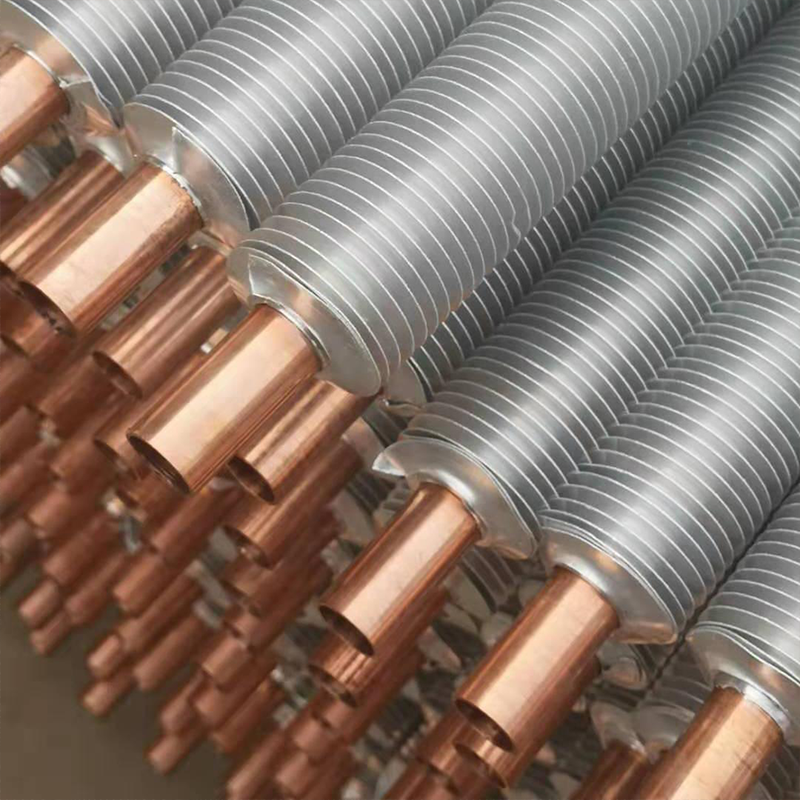
Specializing in the design and manufacture of complex heat transfer equipment for the oil, gas and energy industries, the company demonstrates how strict control of environmental conditions affects the quality of the final product. They offer titanium shell-and-tube heat exchangers, ASME high-pressure units, and corrugated tube bundles in 316 stainless steel, C46400 marine brass, and N06625 nickel alloys. Just as acrylic requires protection from UV radiation and polycarbonate from moisture, Wuxi Kaisheng's carbon steel, alloy steel, titanium and copper alloy products require impeccable storage conditions to maintain their corrosion resistance and ability to operate under high pressure and temperature.
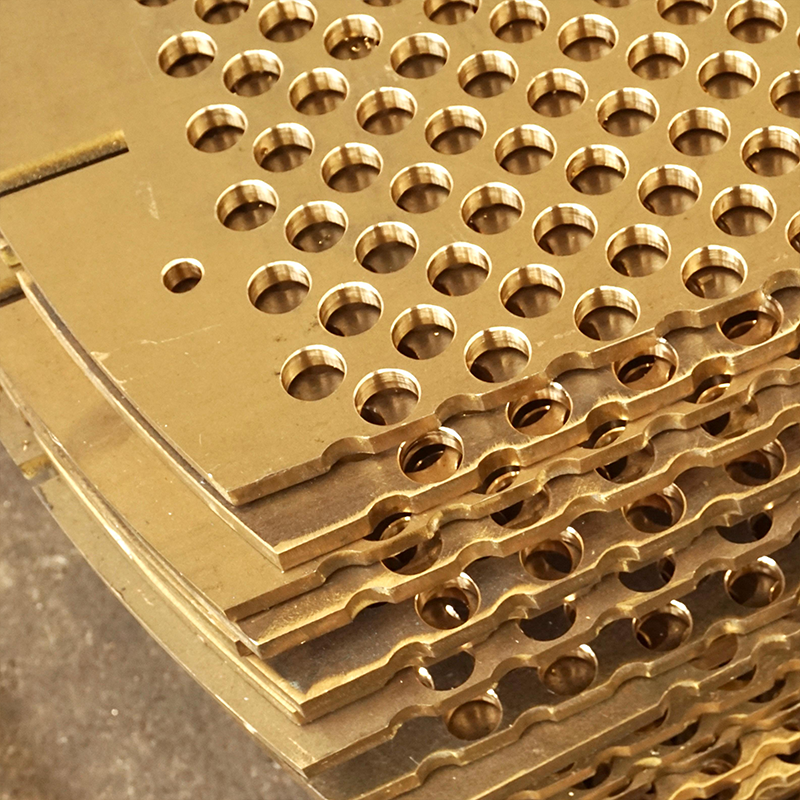
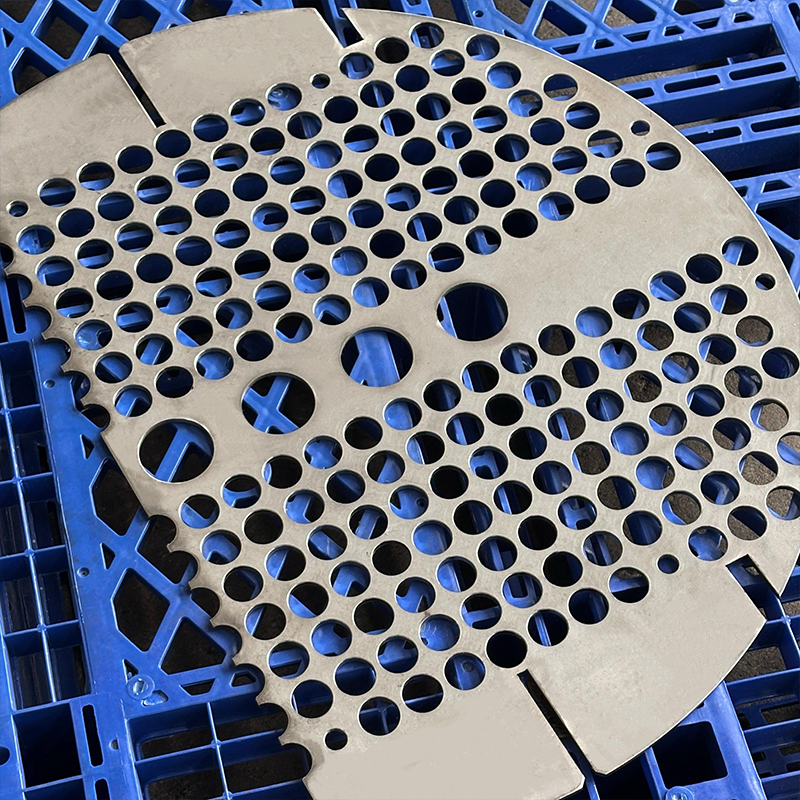
The experience of Wuxi Kaisheng confirms that whether it is a polymer sheet for laser cutting or a tube sheet made of C70600 alloy for seawater desalination, violation of storage rules at the stage between production and installation can negate all the technological advantages of the material. The company provides customized solutions and world-class equipment precisely because it considers each stage of the product life cycle - from raw material storage to delivery to the customer - as part of a single technological process certified to PED and ASME standards.
Frequently Asked Questions
Is it possible to store plastic sheets outdoors under a shelter?
Short-term storage (up to 2–3 weeks) is possible provided that high-quality light-proof and water-repellent awnings are used that do not touch the surface of the sheets. However, this is strictly not recommended for long-term storage. Changes in night and day temperatures cause cyclic expansion and contraction, which leads to warping. In addition, the wind can damage the protective film, and dust and dirt eat into the material. Manufacturers' warranties are generally void if stored outdoors.
How long can polycarbonate be stored before installation?
Under ideal conditions (dry, dark room, temperature +20°C, horizontal storage), polycarbonate retains its properties for up to 2-3 years. However, the protective film begins to lose its properties after 6–12 months, especially if the material has been exposed to temperature changes. We recommend planning your purchase so that the material is used within 6 months from the production date. If the material is stored longer, be sure to check the adhesion of the film on a test sample before starting work.
What to do if condensation appears on the sheets?
Never open the packaging or begin processing wet material. Move the pallets to a warm area with normal humidity and leave them in their original packaging for at least 24-48 hours. The material should warm up evenly to room temperature. Only after this, when the dew point has shifted and the condensate has evaporated or been absorbed into the cardboard layer (without touching the plastic), can the packaging be opened. Trying to wipe the sheets with a rag may result in micro-scratches, and handling wet plastic will cause defects.
Is it acceptable to place heavy objects on top of sheets of plastic?
No, this is unacceptable. Plastic is a viscoelastic material. Under constant point or distributed load, it is susceptible to creep. Even if visually the sheet appears intact, residual stresses may arise inside. Subsequent cutting or drilling will release these stresses, causing the part to crack. The only exception is storage in special vertical cassettes, where the load is distributed by the structure of the rack, and not by the weight of other items.
Your Warehouse Audit Checklist
To ensure that your plastic sheet storage guidelines meet industry standards, do a quick audit of the following points. If you answer “no” or “not sure” to at least one item, you are at risk.
- Temperature:Is a stable range of +15...+25°C maintained without sudden changes?
- Humidity:Is the relative humidity between 50-70%? Are there hygrometers in the storage area?
- Light:Are the materials protected from direct sunlight and UV sources?
- Supports:Do the sheets lie on a perfectly flat surface or in specialized vertical racks with soft pads?
- Cleanliness:Are there any dust, chemical fumes or open flames near the warehouse?
- Integrity:Is the original packaging and protective film on all sheets intact?
- Rotation:Is the FIFO system used and are the pallets date marked?
Implementing these rules requires discipline, but the cost of a damaged batch of material and production downtime always exceeds the cost of organizing a proper warehouse. At our company, we consider proper storage as part of the technological process, as important as the cutting or welding itself.
Conclusion and next steps
Following guidelines for storing plastic sheets is an investment in the quality of your final product. Ignoring the rules of microclimate, installation geometry and light protection leads to hidden defects that appear on your client, undermining the reputation of your brand. Remember: plastic “remembers” all the conditions in which it was exposed. Invisible stresses, micro-moisture and UV damage will not disappear during processing, they are just waiting for the right moment to destroy the product.
If you are unsure about the storage conditions of your current batch or are planning to purchase large volumes of specific polymers, do not take risks. Our technical specialists are ready to audit your warehouse conditions and provide a personalized checklist for your materials. We work to ISO 9001 standards and ensure that every sheet leaving our warehouse has been stored under ideal conditions.
Contact us todayfor advice on the selection of materials and organization of logistics. We also recommend that you check out ourtechnical catalog, which indicates specific storage requirements for each brand of plastic.