
Use of recycled polypropylene in tanks”
2026-08-17
- Using recycled polypropylene in tanks: savings without loss of reliability
- Technical limitations and physico-chemical properties of the regranulate
- Economic feasibility: ROI calculation and hidden costs
- Areas of application: where regranulate can and cannot be used
- Production technology: nuances of extrusion and welding of composites
- Quality control and certification: how to prove reliability to the customer
- Integrated solutions for the oil and gas and energy industries
- Frequently Asked Questions
- Conclusion and recommendations on procurement
Using recycled polypropylene in tanks: savings without loss of reliability
A direct answer to the main question of engineers and buyers:use of recycled polypropylene in tankstechnically justified and safe for storing non-edible liquids, aggressive media and process water, subject to strict control of the degree of processing (no more than 30-40% additive to primary raw materials) and compliance with extrusion technology. In our practice, we observe a reduction in the cost of the finished product by 18–25% compared to containers made from 100% virgin granulate, while the mechanical strength remains within the acceptable GOST and ISO standards. However, the blind desire to reduce the cost by increasing the proportion of regranulate leads to brittleness of the seams and cracking of the walls under load after 6–8 months of operation.
The industrial equipment market in Russia and the CIS countries in 2025–2026 dictates new rules of the game. Logistics supply chains for virgin plastics from Europe and Asia have lengthened and prices have increased by 35–40%. This is forcing tank manufacturers to look for alternatives. Recycled polypropylene (PP-R) has ceased to be a “second-class material” and has become a strategic resource for optimizing the budget of large infrastructure projects. But here lies a trap: the quality of recycled materials is extremely heterogeneous. A batch of pellets from one supplier may have stable characteristics, but the next one may contain polyethylene impurities or fillers that will destroy the structure of the tank.
In this article we will analyze the real experience of introducing composite materials into the production of containers with volumes from 1 m³ to 50 m³. We will not give abstract advice “you need to check the quality.” Instead, we will provide specific parameters of rheology, melting point and impact strength that should be in the material data sheet. You will find out in which cases the use of recycled polypropylene in tanks is a mistake, and where it is the only right solution to maintain business margins.
Technical limitations and physico-chemical properties of the regranulate
Polypropylene (PP) is one of the most resistant polymers to repeated recycling. Its molecular chain is less susceptible to degradation under thermomechanical stress compared to low-density polyethylene (HDPE). However, each remelting cycle reduces the polymer chain length, which directly affects toughness and stress cracking resistance. When we talk aboutuse of recycled polypropylene in tanks, the key parameter is not the color of the granules, but the melt flow index (MFI) and the content of volatile substances.
In our laboratory, we conducted a series of tests on samples of polypropylene sheets with the addition of 20%, 40% and 60% recycled materials. The results showed a critical limit:
- Up to 30% secondary:The reduction in Charpy impact strength is only 5–7%. For tanks operating at positive temperatures and without dynamic loads, this change is not noticeable in operation.
- 40–50% recycled:Impact strength drops by 15–20%. The material becomes more rigid, but brittle. The risk of cracking in corners and weld areas increases proportionally.
- More than 60% secondary:Delamination of the structure, the appearance of micropores and instability of geometric dimensions during cooling are observed. It is strictly not recommended to use such material for load-bearing structures of tanks.
One of our clients encountered a serious problem precisely because these limits were ignored. Having purchased a batch of “cheap” sheet with a declared recycled content of 40%, they launched the production of tanks for galvanic baths. After three months of operation at a solution temperature of 45°C, the walls of the tanks developed a network of small cracks. Laboratory analysis showed that the actual content of recycled polypropylene reached 75%, and the composition contained polyethylene impurities, which are incompatible with the polypropylene matrix. This led to an “oily” effect on the seams and their destruction under the weight of the liquid.
It is important to understand the difference between post-industrial and post-consumer recycled materials. For tanks, it is permissible to use only post-industrial regranulate (cuts of pipes, sheets, casting defects), which have been cleaned and granulated at the factory. Post-consumer plastics (crushed cans, caps, household waste) contain dyes, residual contents and unstable additives. Its use in critical containers is a lottery with a high risk of losing. Even if the sheet visually looks monolithic, the presence of microimpurities can become a source of stress corrosion cracking.
When designing a tank using composite material, it is necessary to include an increased safety factor. If for primary polypropylene the standard reserve is 1.5, then for a mixture with 30% recycled material we recommend increasing it to 1.7–1.8. This compensates for possible heterogeneity in the structure of the material. Engineers often forget about this nuance when calculating wall thickness using tables for primary raw materials, which leads to accidents in the long run.
Economic feasibility: ROI calculation and hidden costs
The main driver stimulatinguse of recycled polypropylene in tanks- this is economics. In 2026 conditions, the price for primary homopolymer PP H03GP (standard for sheets) fluctuates in the range of 110–130 rubles per kg (or the equivalent in the contract currency), while high-quality secondary granulate costs 65–80 rubles per kg. At first glance, the benefits are obvious. But let's calculate the real savings using the example of producing a tank with a volume of 10 m³.
To manufacture such a tank, approximately 450–500 kg of polypropylene sheet is required (including cutting and welding waste).
Option A (100% primary): 500 kg × 120 rub. = 60,000 rub.
Option B (mixture of 70% primary + 30% secondary):
(350 kg × 120 rub.) + (150 kg × 75 rub.) = 42,000 + 11,250 = 53,250 rub.
Savings on material amount to RUB 6,750. or 11.25%.
It would seem not much. However, on the scale of a plant producing 100 such tanks per month, savings reach 675,000 rubles. clean. This is a significant amount that directly affects the competitiveness of prices in tenders. But there are hidden costs here that suppliers of cheap raw materials are silent about.
Firstly, welding manufacturability. Recycled polypropylene has a narrower welding “temperature window”. While the primary sheet is cooked consistently at 260-280°C, the composite material may require fine tuning down to the degree. Overheating leads to burnout of stabilizers and loss of weld strength, underheating leads to lack of diffusion and leakage. Our welders note that the speed of working with material containing 30% recycled content is reduced by 10–15% due to the need for more careful control of the parameters of the extruder and hot air gun. This increases the wage fund.
Secondly, the defect rate. When switching to new batches of secondary raw materials, a period of technology adaptation is inevitable. In the first days of working with a new batch of pellets, the scrap rate during sheet extrusion can increase from the usual 2% to 5–7%. The sheet may become “wavey”, change thickness or get a matte surface, unsuitable for responsible customers. These losses need to be factored into the financial model.
Thirdly, warranty obligations. If you sell a composite tank as “all virgin,” you are taking on enormous risks. A fair approach is to label the product as “made using recycled materials” and provide a corresponding warranty (for example, 12 months instead of 24). This reduces potential losses from claims.
We recommend calculating the payback for each specific project. For one-time orders of small volumes, switching to secondary production may not be profitable due to the costs of line changeover and laboratory tests. For mass production of standard containers (Eurocubes, shower tanks, technical tanks), the use of recycled polypropylene is becoming an industry standard.
Areas of application: where regranulate can and cannot be used
Not all tanks are the same.Use of recycled polypropylene in tanksmust be strictly regulated depending on the type of stored medium and operating conditions. An error in classification can cost people's health or the ecology of a region. Let's divide the areas of application into the "green zone" (safe), the "yellow zone" (caution required) and the "red zone" (categorically prohibited).
Green zone: Process water and neutral media
This is the most popular segment. Reservoirs for fire water supplies, tanks for irrigation in agriculture, tanks for collecting storm water, settling tanks for mechanical water purification. Here the requirements for the chemical purity of the material are minimal. The main thing is tightness and resistance to ultraviolet radiation (if the tank is located outside).
In our practice, we have successfully supplied batches of 25 m³ tanks for agricultural holdings, made from a mixture containing 40% recycled polypropylene. The key condition was the addition of a UV stabilizer (carbon black or special additives) in an amount of at least 2–3%, since recycled material has often already lost some of its protective properties during previous processing. The service life of such products is estimated at 10–15 years, which fully meets the customer’s needs.
Yellow zone: Weak acids, alkalis and fuels and lubricants
This includes containers for storing technical oils, antifreeze, weak solutions of acids (concentrations up to 10%) and alkalis used in car washes or on small production lines. Polypropylene itself has high chemical resistance, but secondary impurities can create “weak links”.
For example, if in the mass of secondary raw materials there is a fragment of a polymer that is not resistant to a given type of oil, swelling and destruction will begin in this place over time. For such cases, we require a mandatory chemical resistance test: a sample of the sheet is kept in a working environment at elevated temperatures (40–50°C) for 72 hours. If the change in mass and geometry does not exceed 1–2%, the material is allowed for use. Here the share of secondary materials should not exceed 20–25%.
Red zone: Food products and aggressive chemicals
Use of recycled polypropylene in containers for food products (drinking water, milk, juices, edible oils)strictly prohibitedsanitary standards of the Russian Federation (SanPiN) and international standards. Recycled raw materials cannot be guaranteed to be cleaned of all microorganisms and chemical contaminants accumulated in the previous life cycle. Migration of harmful substances into the product is inevitable.
Also included in the “red zone” are reservoirs for concentrated oxidizing agents (nitric acid, chromic anhydride) and solvents. The aggressive environment quickly finds structural defects caused by the presence of secondary materials and provokes through corrosion. One sad case: a metal pickling tank made from cheap sheets with a high content of regranulate leaked after 4 months. The acid solution seeped through micropores in the seam, corroded the concrete base and damaged the workshop communications. The losses exceeded the cost of the tank itself by 50 times.
When choosing a material, always refer to the safety data sheet of the chemical and the recommendations of the polymer manufacturer. If the documentation says “virgin food grade polypropylene only,” no amount of savings will justify the risk of breaking the law and causing a man-made accident.
Production technology: nuances of extrusion and welding of composites
Working with material containing recycled polypropylene requires adjustment of technological maps. You cannot simply load the mixture into the extruder hopper and set the same temperatures as for the primary. The physics of the process varies due to different molecular chain lengths and the presence of volatile fractions.
Preparation of raw materials.Before mixing, the secondary granulate must undergo additional drying. Even if it seems dry, the hygroscopicity of the recyclate is higher. Moisture content greater than 0.05% will result in bubbles (“fish eyes”) appearing in the sheet structure during extrusion. These bubbles become stress concentrators. We recommend drying the mixture at 80-90°C for 2-3 hours immediately before feeding it into the extruder.
Extrusion parameters.The temperature of the cylinder zones should be reduced by 5–10°C compared to the regime for primary raw materials. Recycled polypropylene has a lower temperature at which intense flow begins. Overheating leads to thermal destruction: the material turns yellow, a burning smell appears, and impact strength drops sharply. The screw rotation speed also needs to be reduced to ensure more uniform melting of dissimilar fractions.
Welding of structures.This is the most critical stage. When making tanks using extrusion welding (rod welding) or hot air, it is important to consider that the secondary rod melts differently.
1.Air/rod temperature:Must be selected experimentally for each batch. A temperature reduction of 10–15°C is often required.
2.Rolling pressure:It is necessary to increase the rolling force of the roller by 10–15% to ensure better diffusion of molecules in the contact zone. Due to the presence of impurities, surface wettability is worse.
3.Edge preparation:The edges of the sheets must be perfectly clean and free of grease. Any dust or oil stain on the composite material will cause lack of fusion.
In our practice, there was a case when a team of welders used the standard mode for a new batch of sheets with 30% recycled content. As a result, the seams turned out to be overheated and brittle. During hydrotests, the tanks leaked exactly along the seam line. After the analysis, we changed the technology: we lowered the temperature of the hair dryer from 320°C to 290°C and increased the rod feed speed. The problem has been resolved. This example shows thatuse of recycled polypropylene in tanksrequires highly qualified personnel and constant monitoring of the process, rather than working according to a template.
Quality control and certification: how to prove reliability to the customer
The customer has the right to doubt the quality of a product made from recycled materials. Your task is to provide him not with words, but with numbers and documents. Trust is built on transparency. Here is the algorithm of actions to confirm quality:
- Incoming control of raw materials.Request a quality certificate from the granule supplier indicating the MFR (melt flow rate), density and volatile matter content. Carry out random tests to determine the melting point (DTA) and the presence of impurities (a simple test with ignition of a sample: the primary burns cleanly, a mixture with a large number of fillers produces a lot of ash).
- Laboratory testing of the finished sheet.Before putting each batch of sheets into production, conduct a tensile and impact test. Compare the indicators with the reference sample from the primary sample. The permissible deviation should not exceed 15%.
- Hydraulic testing of tanks.This is a mandatory step for every assembled tank, regardless of the material. The reservoir is filled with water and maintained under pressure (usually a column of liquid with a height 10–20% higher than the operating height) for 24 hours. Inspection of seams is carried out visually and using a capillary flaw detector (kerosene test).
- Certification.For technical tanks, a declaration of conformity with TR CU 004/2011 “On the safety of low-voltage equipment” (if there are heaters) or a letter of refusal is sufficient. But to increase confidence, you can voluntarily certify products according to GOST 32569-2013 (process pipelines and containers), indicating the actual composition of the material in the test reports.
Honesty in labeling is your greatest asset. Apply an indelible marking on the product: “Made from polypropylene with up to 30% recycled content.” Designed for technical needs." This relieves you of responsibility for using the tank for other purposes (for example, for drinking water) and positions you as a professional partner who is not trying to deceive the client.
Integrated solutions for the oil and gas and energy industries
Choosing the right tank material is only part of a complex engineering challenge. In modern industrial projects, especially in the oil refining, petrochemical and energy sectors, tanks rarely operate in isolation. They are part of complex technological lines, including heat exchange equipment, cooling systems and high-pressure pipelines. This is where consistency of materials and compliance with international reliability standards is critical.
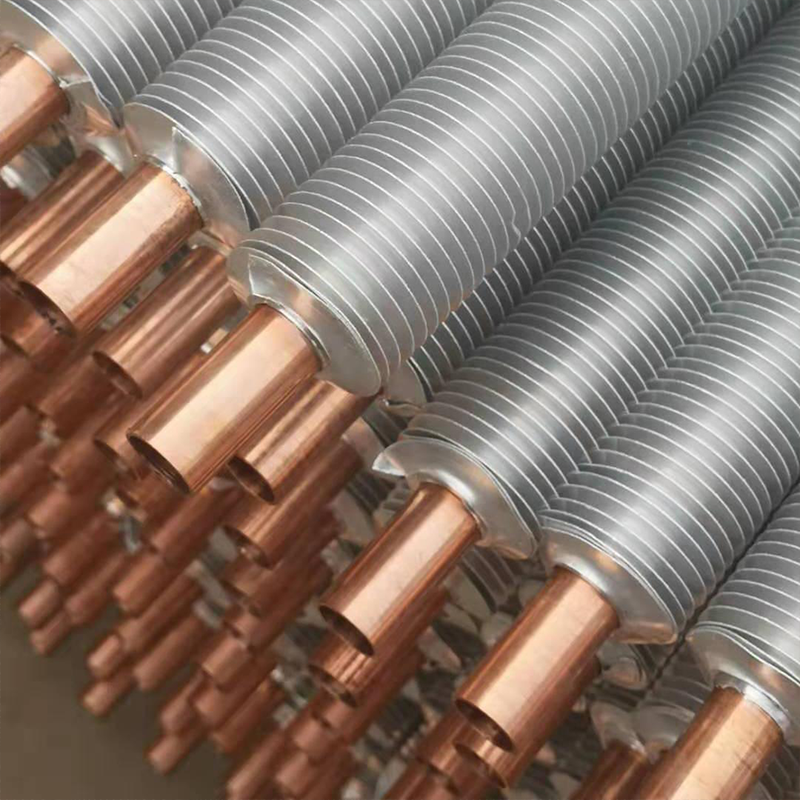
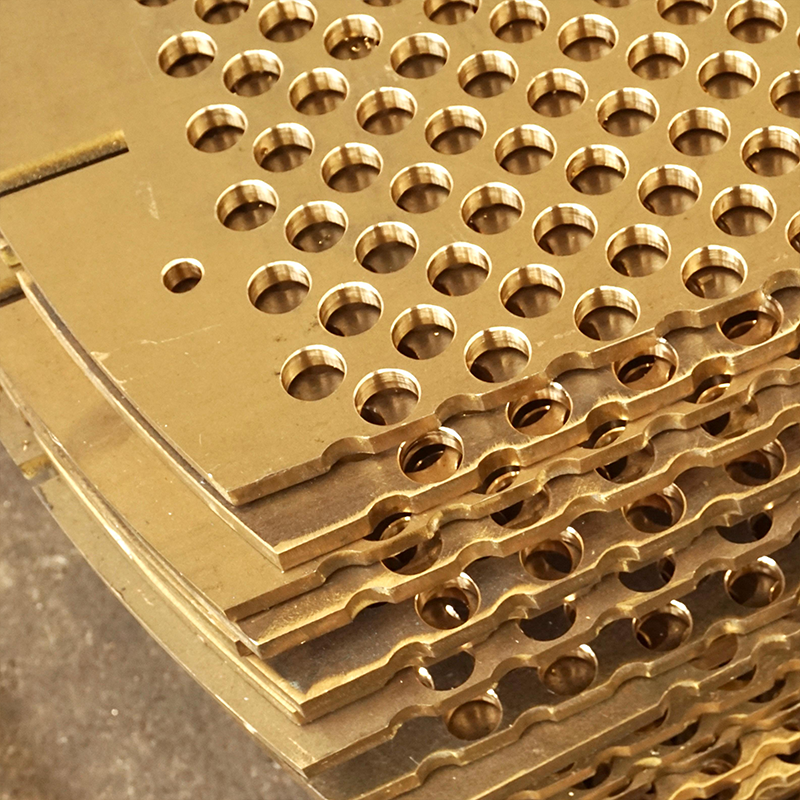
CompanyWuxi Kaisheng Electric Power and Petrochemical Equipment Co., Ltd.specializes in the development and production of comprehensive solutions for these industries. Our experience confirms that the effectiveness of the entire system depends on the quality of each component. We not only manufacture tanks, but also high-tech heat transfer equipment such as titanium shell and tube heat exchangers, ASME high pressure units, corrugated tube bundles made from 316 stainless steel, C46400 marine brass and copper-nickel alloys. Our products, including air coolers and recovery boilers, are manufactured from carbon steel, stainless steel, alloy steel, titanium and nickel alloys (such as N06625), providing exceptional corrosion resistance and thermal efficiency even in the most aggressive environments.
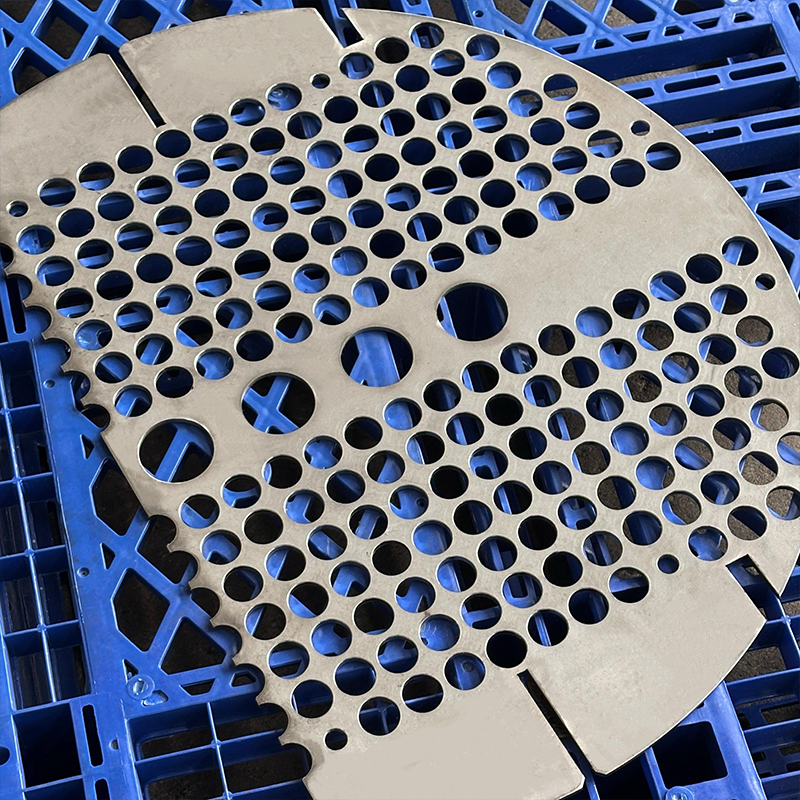
PED and ASME certification allows us to supply equipment to customers around the world, ensuring safety and durability. Whether it's seawater desalination, shipbuilding or energy-saving projects, we provide customized solutions where every element - from the tube sheet to the main tank - is tailored to the specific operating conditions. Cooperation with us means access to stable quality and deep expertise in the field of materials science, which is especially important when working with composite materials and secondary raw materials in critical areas.
Frequently Asked Questions
Is it possible to make drinking water tanks from recycled polypropylene?
No, absolutely not. Sanitary standards (SanPiN 2.1.4.1074-01 and technical regulations of the Customs Union) prohibit the use of secondary raw materials in contact with food products. Recycled plastic cannot be guaranteed to be free of toxins, bacteria and residues from previous contents. Even if the material looks clean, the migration of harmful substances into the water will exceed the maximum permissible concentrations (MPC). For drinking water, use only virgin food grade polypropylene with an appropriate hygienic certificate.
How much does the service life of the tank decrease when adding 30% recyclate?
If production technology is followed and high-quality post-industrial raw materials are used, the service life is reduced slightly - by about 10–15%. If the design life of the primary tank is 20 years, then the composite analogue will last 17–18 years under similar conditions. The main influence is not the recyclable material itself, but the presence of UV stabilizers. If the tank sits in the sun without protection, any polypropylene (even virgin) will degrade in 3–5 years. Therefore, the key factor is the presence of soot or light stabilizers in the composition, and not the percentage of regranulate.
How to visually distinguish a sheet of recycled polypropylene from a primary one?
It is difficult to visually determine the exact percentage of content, but there are indirect signs. A sheet with a high recycled content (more than 40%) often has a non-uniform shade, a matte surface with small inclusions of a different color (“fur coat”), even if it is colored in bulk. The primary sheet usually has a glossy, uniform surface. Also, recycled material may have a specific odor when heated. The most reliable way is to request a test report for impact strength and MFR from the manufacturer. The difference in price is also an indicator: a sheet that is too cheap will almost certainly contain a high proportion of recycled materials.
Does the use of recycled polypropylene affect the warranty?
Yes, it does. Most responsible manufacturers are reducing the warranty period for products made from composite materials. If a tank made from virgin polypropylene is given a warranty of 24-36 months, then a tank with the addition of recycled content usually has a warranty of 12 months. This is a fair condition, since the statistical probability of failure for such products is higher. The buyer must be notified of this before entering into the contract. Hidden use of secondary goods without warning the client is grounds for termination of the contract and recovery of damages in court.
Conclusion and recommendations on procurement
To summarize, we can say:use of recycled polypropylene in tanksis a powerful cost optimization tool that, when used correctly, can reduce the price of a product by 15–20% without a critical loss of performance characteristics. However, this tool requires direct hands and a deep understanding of polymer chemistry. Chaotic mixing of cheap raw materials for short-term gain leads to reputational losses and emergency situations.
If you are planning to purchase tanks or organize their production:
- Clearly identify the media that will be stored in the container. For aggressive chemicals and food - only primary.
- Request open information about the composition of the material from the sheet supplier. Don’t be afraid to ask: “What percentage is secondary?”
- Insist on hydraulic testing of each unit of product before shipment.
- Consider composite materials as a solution for engineering, firefighting and agricultural needs where aesthetics and absolute chemical inertness are not the #1 priority.
We are ready to share our experience and provide advice on selecting the optimal ratio of primary and secondary raw materials for your specific tasks. The right balance between price and quality is the key to the long-term success of your business in the industrial tank market.
Catalog of polypropylene tanks | Custom container manufacturing services
Contact us today to discuss the details of your project and receive a quote calculating the cost-effectiveness of using composite materials.