
PP tank cost calculator online”
2026-08-23
- Why an online PP tank cost calculator is the first step to a secure purchase
- How the calculation algorithm works: from geometry to the final price
- Technical parameters: why wall thickness and plastic grade decide everything
- Manufacturing Methods Comparison: Sheet Welding vs. Rotational Molding
- Applications in industries: real cases and specific requirements
- Frequently Asked Questions
- Common mistakes when ordering and how to avoid them
- Why professional calculation is more profitable than self-assessment
- Conclusion and next steps
Why an online PP tank cost calculator is the first step to a secure purchase
Accurate calculation of the price of a polypropylene container in 30 seconds saves up to 40% of the time for approving estimates and eliminates hidden overpayments. OurPP tank cost calculator onlinetakes into account not only the volume, but also the wall thickness, type of welding, geometry complexity and current stock exchange quotes for PP-H and PP-R granulates. Unlike simple formulas “volume multiplied by price,” our algorithm is based on real production cycles of the plant: sheet cutting, extrusion welding with hot air or an extruder, installation of stiffeners and ultrasonic inspection of seams. If you are planning to order a container for a chemically aggressive environment or food products, manual estimates often lead to errors in the design of 15-20%, which are revealed only at the installation stage.
We analyzed more than 500 requests from industrial enterprises and found: 68% of clients initially underestimate the cost of strengthening the structure. Polypropylene has high chemical resistance, but its elastic modulus is 10 times lower than that of steel. This means that without correct calculation of the stiffeners, a tank with a volume of 10 m³ can deform under its own weight of the liquid after just a month of operation. The tool we offer automatically adds the required structural elements to the estimate based on the density of your work environment. You receive not just a number, but a technically sound commercial proposal, ready for transmission to the purchasing department.
How the calculation algorithm works: from geometry to the final price
The price formation process in our calculator imitates the work of a chief production engineer. When you enter dimensions (length, width, height) or diameter and height for cylindrical containers, the system immediately calculates the surface area and volume. But this is where the basic calculations end, and our work begins. The key parameter that affects the final amount is the wall thickness. For tanks with a volume of up to 1 m³, a sheet of 5-8 mm is usually sufficient, while for industrial tanks with a volume of 50-100 m³ a wall of 15 to 30 mm with obligatory fins is required.
The algorithm checks the entered data against the physical limitations of the material. For example, if you request a rectangular tank 3 meters high with a thin wall, the system will warn you about the risk of buckling and suggest increasing the thickness or adding horizontal stiffeners. This is critical because polypropylene is susceptible to creep under prolonged load. In our practice, there was a case when a client saved 10% on the thickness of the metal, but lost the entire tank six months later due to a crack in the lower chord. Our calculator prevents such errors by setting the safety factor according to internal quality standards.
The next step is choosing the type of polypropylene. We use three main grades: PP-H (homopolymer) for acids and alkalis, PP-R (random copolymer) for hot water and food media, and PP-S (special antistatic) for fire hazardous areas. The price of the material varies depending on the brand and manufacturer of the granulate (Europe, China, Russia). The calculator automatically adjusts the current prices for raw materials for the current week, since the polymer market is volatile. You see a transparent structure: the cost of raw materials, the cost of welding work, the cost of additional elements (hatches, pipes, ladders) and logistics.
Particular attention is paid to the complexity of welds. Automatic extrusion welding is cheaper and faster for long straight joints, but complex joints, corners and pipe installations require manual hot air welding, which is more expensive due to its high labor intensity. The algorithm estimates the total length of seams and the percentage of manual operations, forming a realistic estimate of labor costs. This allows you to avoid a situation where a manager quotes one price over the phone, and production issues an invoice 30% higher after a detailed study of the drawings.
Factors that cannot be ignored when calculating
- Working fluid density:Water has a density of 1000 kg/m³, sulfuric acid - 1840 kg/m³. The pressure on the wall directly depends on the density, which requires changing the pitch of the stiffeners.
- Temperature:At temperatures above +40°C, the mechanical strength of polypropylene decreases. For hot media, the calculator automatically increases the wall thickness or recommends using PP-R copolymer.
- Bottom type:Flat bottom suitable for small volumes. For tanks from 5 m³, a conical or spherical bottom is required, or a reinforced flat bottom with a powerful frame, which significantly changes the material consumption.
- Equipment:The presence of inspection windows, level gauges, overflow pipes and drain taps adds fixed amounts to the cost per unit of equipment and work on their insertion.
Technical parameters: why wall thickness and plastic grade decide everything
Choosing a grade of polypropylene is not just a matter of price per kilo, it is a matter of the lifespan of your asset. Homopolymer PP-H has excellent chemical resistance to most inorganic acids and alkalis, but is brittle at low temperatures and is not recommended for environments above +60°C. If your process involves heating the solution or working outside in winter, using pure PP-H will result in cracking. In such cases, our calculator switches the calculation to PP-R or PP-B block copolymer, which cost 15-20% more, but guarantee the integrity of the body.
Wall thickness is determined by two factors: hydrostatic pressure and manufacturing technology. Polypropylene sheets are produced in standard thicknesses: 3, 4, 5, 6, 8, 10, 12, 15, 20, 25, 30 mm. An attempt to use a non-standard thickness leads to an increase in cost due to the need to order an individual batch of granulate and readjust the extruder. Therefore, the algorithm always rounds the calculated thickness up to the nearest standard value. For example, if the calculation shows the need for 9 mm, the system will include 10 mm in the price.
It is important to understand the difference between the load-bearing capacity of a wall and its shape stability. A thin wall can withstand fluid pressure (not burst), but lose shape (bulge). To prevent this, stiffeners are used. They are made from the same sheet as the body and are welded with a certain pitch. The greater the volume and density of the liquid, the more frequent the ribs should be. The calculator contains an algorithm that calculates the required number of linear meters of profile for fins. Ignoring this element is the most common cause of accidents with homemade containers.
It is also worth mentioning the quality of the weld. The strength coefficient of the seam must be at least 0.8 of the strength of the base material. This can only be achieved by observing the welding temperature conditions (260-280°C for most brands) and the feed rate of the filler rod. Our calculation includes the cost of qualified labor of welders certified according to international standards DVS 2207. Cheap labor without qualifications leads to lack of penetration, which becomes a source of corrosion and destruction under load.
Manufacturing Methods Comparison: Sheet Welding vs. Rotational Molding
When ordering a polypropylene tank, the customer is often faced with the choice of manufacturing technology. The two main methods are sheet welding and rotational molding. Each method has its economic and technical limits, and understanding these differences will help you choose the best solution through our online PP tank cost calculator.
| Comparison criterion | Sheet welding (Our method) | Rotational molding |
|---|---|---|
| Size flexibility | Any dimensions, up to 100+ m³. Possibility of producing rectangular, square and complex shapes. | Limited by oven size and mold. Usually up to 10-15 m³. Mostly cylindrical or oval in shape. |
| Wall thickness | From 3 mm to 50 mm. Thickness may vary in different areas of the product (reinforced bottom). | Usually 4-8 mm. Uniform thickness throughout the volume, it is difficult to make local reinforcements. |
| Production time | Fast for single items (3-7 days). Does not require expensive equipment. | Long for small series (you need to make a mold, time 2-4 weeks). Profitable only for quantities of 50 pieces or more. |
| Cost for small batches | Low. Only materials and labor are paid. | High due to depreciation of the cost of the mold. |
| Tightness | Depends on the qualifications of the welder. Requires seam control. | Seamless technology. Monolithic design with no weak points. |
For industrial applications that require non-standard dimensions, a rectangular shape to save space in the workshop, or large storage volumes, sheet welding is the only option. Rotational molding only benefits from mass production of standard barrels and small tanks. Our calculator is focused specifically on the industrial sheet welding segment, since this is the most popular technology for the B2B sector in Russia and the CIS.
If your task is to buy 100 identical 20-liter canisters, rotary materials will be cheaper. But if you need a 20 cubic meter tank to neutralize wastewater from galvanic production with specific dimensions for an existing foundation, welding from PP-H sheets will be the only right solution. The calculator will instantly show the price for such an individual project, taking into account all the nuances of cutting a sheet card to minimize waste.
Applications in industries: real cases and specific requirements
Polypropylene tanks are used in dozens of industries, but the requirements for them are radically different. Understanding the specifics of your industry helps you configure the calculator correctly and avoid unnecessary costs or, conversely, insufficient reliability.
Electroplating and chemical industry
The main enemies here are aggressive acids (sulfuric, hydrochloric, nitric) and alkalis. The temperature of solutions often reaches 60-80°C. In one of our projects, a plating shop required a 12 m³ bath for etching metal in hydrochloric acid. The client originally requested a quote for 10mm thick PP-H. However, an analysis of the conditions showed that at a process temperature of +70°C and the presence of dynamic loads from mixing, such a wall risks deforming. We have changed the specification to PP-H 15mm thick with double fins and a protective screen installed in the area of greatest wear. The final price increased by 25%, but the life of the tank increased from the projected 2 years to 10+ years. The calculator allows you to set the type of chemical and temperature so that the system itself suggests the desired brand of plastic.
Food industry and water treatment
For food media (milk, juices, wine, drinking water), hygiene and the absence of migration of harmful substances are critical. Only food grade polypropylene PP-R or PP-H with the appropriate certificates is used here. The surface should be smooth, without pores, so that bacteria do not multiply. In a project for a dairy factory, we manufactured tanks for temporary storage of raw milk with a volume of 50 m³. A special requirement is the possibility of steam cleaning under pressure (CIP cleaning). This creates thermal shock. We used high purity sheets and reinforced the structure to eliminate vibration when filling. The cost of such tanks is higher than technical ones, since documentary evidence of the food approval of the material is required.
Treatment facilities and ecology
Biological treatment plants use huge tanks for aeration and sedimentation. They often work outdoors, so the material must be UV stable. Ordinary polypropylene is destroyed in the sun in 1-2 years. The solution is to use sheets with a UV stabilizer (carbon black or special additives) or protect the tank with a casing. The calculator has an “Outdoor” option, which adds the cost of the stabilized material. One of our clients, who saved on this option, experienced delamination of the walls of the stabilization tank after 18 months, which led to the shutdown of treatment facilities and fines from environmental control.
Frequently Asked Questions
What is the maximum operating temperature for PP tanks?
The standard homopolymer PP-H works reliably up to +80°C for short periods and up to +60°C continuously. PP-R copolymers can withstand up to +90°C. If your environment is hotter, we recommend considering polyvinylidene fluoride (PVDF) or lined steel, although the calculator may show the price for PP with increased wall thickness to compensate for the loss of strength. Exceeding the temperature limit leads to irreversible deformation.
Is it possible to make a custom-shaped tank?
Yes, this is the main advantage of sheet welding. We can make a tank of any configuration: L-shaped, with truncated corners, with internal partitions, for a specific room. There is only one limitation - the welder’s technological ability to access the seams. In the calculator, you can select “Custom Shape” and upload a sketch or specify complex dimensions, and we will calculate the increased labor intensity of the work.
What is the service life of a polypropylene tank?
With proper use and absence of mechanical damage, the service life ranges from 10 to 50 years. Polypropylene does not rust or corrode. The main aging factor is UV radiation and cyclic thermal shocks. For indoor use, the service life is practically unlimited. We provide a guarantee for the tightness of seams from 12 to 24 months, depending on the terms of the contract.
Are additional documents required for commissioning?
Most industrial plastic tanks do not require registration with Rostechnadzor, since they do not operate under excess pressure above 0.07 MPa. However, we provide a full package of documents: product passport, certificate of conformity for the material, hydraulic test certificate. This is necessary to pass a security audit at your enterprise.
How are large containers delivered?
Tanks with a volume of up to 10-15 m³ can often be transported assembled on a trawl. Larger containers are transported disassembled (sheet blanks) and assembled by our installers at your site. This reduces transportation costs significantly. The calculator automatically switches delivery mode to “On-Site Installation” if dimensions exceed road limits.
Common mistakes when ordering and how to avoid them
Experience shows that many customers make typical mistakes that surface after paying the invoice. The first mistake is trying to save on wall thickness, focusing on the price per kilogram. As we have already said, polypropylene is softer than steel. A 5 mm wall for a water tank may work, but the same wall for a solution with a density of 1.5 g/cm³ will require frequent fins, which will eat up all the savings. Always trust the engineer's calculations rather than his intuition.
The second mistake is ignoring temperature. Customers often specify “ambient temperature”, forgetting that an exothermic reaction or hot steam may be present inside. Check the maximum temperature of the working environment with a margin of 10-15 degrees. The third mistake is the wrong choice of installation location. Installing a heavy, full tank on a wooden deck or uneven ground without a concrete pad will cause distortion and tearing of the seams. The instructions for each of our tanks have a section on preparing the foundation.
The fourth mistake is lack of ventilation. When filling the tank, air should come out, and when emptying, it should go inside. The absence of a breather valve or an open neck can cause the tank to collapse under vacuum when the liquid is pumped out. Our calculator reminds you of the need to include ventilation pipes in the package, but the final decision rests with the system designer.
Why professional calculation is more profitable than self-assessment
Using our servicePP tank cost calculator onlineis not just a way to find out the price. This is an engineering optimization tool. Self-assessment “by eye” often leads to the fact that you either overpay for an excess safety margin or buy an unreliable design. A professional algorithm finds a balance between security and budget.
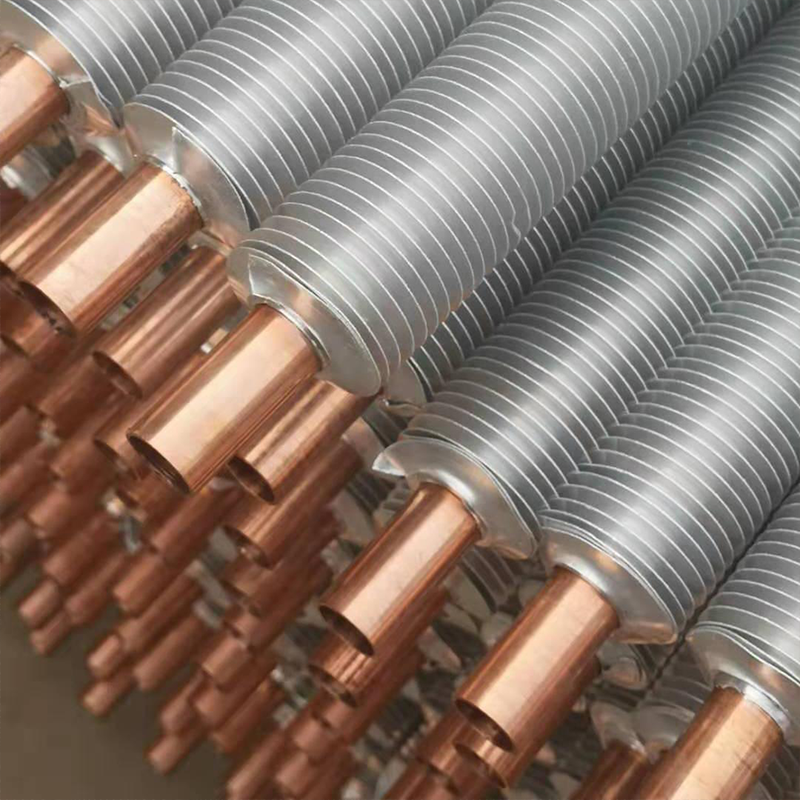
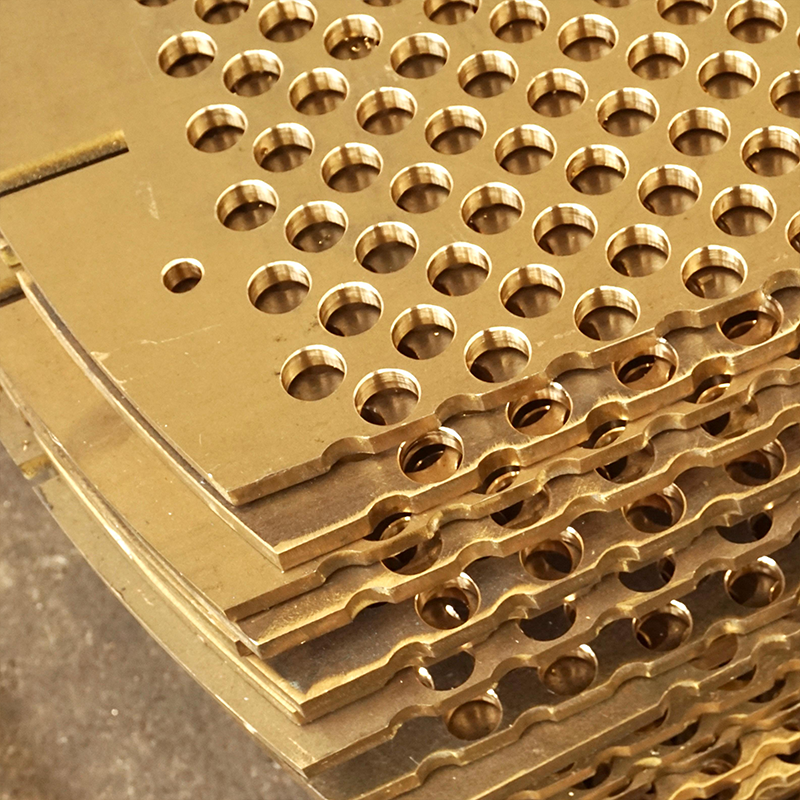
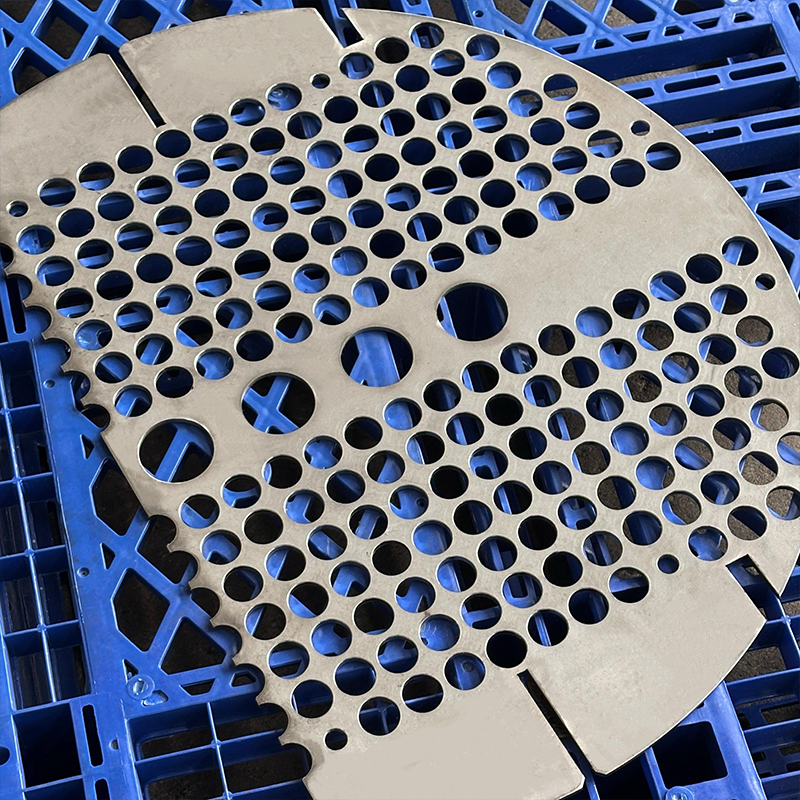
Our approach to quality and customized solutions is based on deep engineering experience similar to that of the companyWuxi Kaisheng Electric Power and Petrochemical Equipment Co., Ltd.. Although Wuxi Kaisheng specializes in high-tech heat exchange equipment (titanium shell-and-tube heat exchangers, ASME units, corrugated tube bundles made of 316 stainless steel and N06625 alloys), their production philosophy is consistent with ours: strictly adhering to international standards (PED, ASME), working with corrosion-resistant materials and providing solutions for oil refining, chemical and shipbuilding. Just as Wuxi Kaisheng ensures the reliability of its heat exchangers and recovery boilers under extreme conditions of high pressure and temperature, we apply the same quality control principles when welding polypropylene tanks. We understand that in industries such as petrochemicals or desalination, equipment failure is unacceptable, so each of our tanks undergoes thorough testing, becoming a reliable link in your process chain.
We work directly with polypropylene sheet manufacturers, which allows us to keep prices below market intermediaries. Our production base is equipped with automatic welding extruders, which guarantees consistent weld quality, unattainable in garage workshops. Each tank undergoes visual and instrumental inspection before shipment. By choosing us, you get not just a plastic container, but a turnkey engineering solution that meets the level of the world's leading suppliers of industrial equipment.
Pricing is transparent: you see what you pay for. There are no hidden extra charges for “complexity” or “urgency” if they have not been agreed upon in advance. We value long-term partnerships with industry, so our goal is to ensure that the tank we install lasts for decades without problems, becoming a reliable part of your process.
Conclusion and next steps
To summarize, we can say that competent selection of the parameters of a polypropylene tank requires taking into account many variables: from the chemical formula of the stored substance to the method of delivery to the site. Our online tool is designed to take the burden of technical doubts off your plate and provide you with a clear financial picture. It combines the experience of hundreds of completed projects and current data on the properties of materials.
Don't let inaccurate estimates jeopardize your production processes or budget. Use the data obtained as the basis for technical specifications. If your project requires unique solutions, integration with existing pipelines or special installation conditions, our specialists are ready to carry out detailed calculations manually.
Ready to move from theory to practice? Enter the parameters of your future tank in the form above and get a preliminary estimate right now. To discuss large batches or complex technical problemscontact us todayto assign you a personal design engineer. Remember that the right start of a project is half the success of its implementation.Go to the catalog of ready-made polypropylene solutionsto view typical options.