
Comparative table of properties of PP and PPH”
2026-08-23
- PP and PPH Properties Comparison Chart: Fundamental Differences for Industrial Applications
- Detailed comparison table of PP and PPH properties
- Mechanical strength and resistance to external loads
- Welding technology and installation features of PPH and PP
- Economic rationale for choice: price versus cost of ownership
- Conclusion and recommendations for choosing a supplier
PP and PPH Properties Comparison Chart: Fundamental Differences for Industrial Applications
In our engineering practice, the choice between polypropylene (PP) and polypropylene homopolymer (PPH) is often the deciding factor in determining the life of a piping system or chemical tank.Comparison table of properties of PP and PPHis not just an academic exercise, but a necessary tool for purchasers and chief engineers to avoid catastrophic equipment failures when exposed to aggressive environments. We have repeatedly encountered situations where saving 15% on material costs led to the replacement of the entire line after 18 months instead of the guaranteed 10 years of operation. The key difference lies in the molecular structure: while standard PP (often a PP-B or PP-R copolymer) has high impact strength at low temperatures, PPH (type 1 homopolymer) exhibits excellent chemical resistance and toughness, but becomes brittle in the cold.
This article was prepared on the basis of real laboratory tests and field experience in installing systems in the Russian North and chemical production facilities in Central Russia. We will analyze not only dry numbers from safety data sheets, but also how these parameters affect the real cost of owning an asset. You will receive clear selection criteria based on ambient temperature, chemical type and mechanical stress, allowing you to justify your budget to management or the customer.
Chemical structure and impact on performance characteristics
Understanding the difference between PP and PPH starts with polymerization. Polypropylene homopolymer (PPH) is produced by polymerizing pure propylene. The result is a material with a high degree of crystallinity. It is this high crystallinity that gives PPH its outstanding hardness, elastic modulus and, critically important for the chemical industry, inertness to most acids, alkalis and solvents. However, this coin has a downside: high crystallinity makes the material sensitive to shock loads at temperatures below +5°C.
On the other hand, the abbreviation PP in an industrial context most often refers to block copolymers (PP-B) or random copolymers (PP-R). Ethylene units are introduced into their structure. Ethylene acts as a "modifier", disrupting the regularity of the crystal lattice. This reduces overall hardness and melting point, but radically increases toughness. In our experience, we have seen PP-B pipes withstand drops from heights of two meters at -20°C, while PPH pipes shatter like glass under the same conditions.
For the purchasing professional, this means the following: If your system will operate in a heated shop with constant contact with sulfuric acid, PPH is the clear winner. If we are talking about an external drainage system or transporting neutral media in an unheated warehouse, PP-B may be a more reliable choice, despite its slightly lower chemical resistance to some oxidizing agents. Ignoring this nuance is a direct road to emergency situations in winter.
Detailed comparison table of PP and PPH properties
Below is a structuredcomparison table of properties of PP and PPH, compiled on the basis of GOST data and European DIN/ISO standards. This data serves as the basis for technical specifications when purchasing raw materials or finished products.
| Parameter/Property | PP-H (Homopolymer) | PP-B / PP-R (Copolymer) | Project criticality |
|---|---|---|---|
| Density (g/cm³) | 0.905 – 0.915 | 0.895 – 0.905 | Low. Affects the weight of the structure and buoyancy. |
| Melting point (°C) | 160 – 165 | 145 – 155 | High.Defines the maximum operating temperature of the medium. |
| Tensile Yield Strength (MPa) | 30 – 35 | 20 – 25 | Average. Important for pressure tanks. |
| Flexural modulus (MPa) | 1400 – 1600 | 800 – 1000 | Critical.PPH is stiffer and has less sag on long spans. |
| Impact strength (Charpy, +23°C) | 3 – 5 kJ/m² | Does not collapse | High for installation work. |
| Impact strength (Charpy, -20°C) | Brittle Fracture | 15 – 25 kJ/m² | Critical for the Russian Federation.PPH cannot be used outdoors in winter. |
| Chemical resistance (acid/alkali) | Excellent (up to 95% H₂SO₄) | Good (up to 70% H₂SO₄) | Decisive factorfor chemical production. |
| Weldability | Excellent (butt, extrusion) | Excellent (requires temperature control) | Both materials are welded using native rods. |
| Linear expansion coefficient | ~1.2 × 10⁻⁴ K⁻¹ | ~1.5 × 10⁻⁴ K⁻¹ | PPH is more geometrically stable when heated. |
Analyzing this table, we see a clear division of areas of application. PPH dominates where chemical attack and high temperature are important, but there is no risk of mechanical shock in the cold. PP-B/PP-R wins where reliability under temperature changes and mechanical survivability of the system are important. Pay attention to the parameter “Impact strength at -20°C”: this is the hidden risk that is often overlooked when designing unheated warehouses in the Urals and Siberia regions.
Thermal stability and operating temperatures: where is the line?
One of the most common questions that technologists ask us is: “Can PPH be used for hot water?” The answer requires detail. The theoretical short-term exposure limit for PPH reaches 100-110°C, but for long-term use (more than 1000 hours) the safe threshold is considered to be 90-95°C. For PP copolymers this threshold is reduced to 70-80°C. A difference of 15-20 degrees may seem insignificant, but in sterilization or hot etching processes it becomes decisive.
In our practice, there was a case at a fertilizer production plant where engineers replaced a section of PPH pipeline with a cheap analogue made of random copolymer (PP-R), saving budget. The system worked perfectly for three months until a planned temperature increase to 85°C occurred. The pipeline began to irreversibly deform (“crawl”) under its own weight, which led to depressurization of flange connections and a stoppage of the line. Losses from downtime exceeded the cost of the correct material by 40 times.
When choosing a material, always allow for a temperature allowance. If your environment has an operating temperature of 80°C, selecting PPH is mandatory, even if the PP-B manufacturer claims short-term use up to 85°C. Prolonged exposure to temperatures close to the limit accelerates the process of thermal-oxidative destruction of the polymer, making it brittle long before the end of its design service life.
Mechanical strength and resistance to external loads
The rigidity of the material determines not only the ability to withstand internal pressure, but also the behavior of the system during installation and operation under external loads. PPH, having a high modulus of elasticity (up to 1600 MPa), allows you to create structures with large spans between supports. This reduces the number of required fasteners and support structures, which reduces the cost of installing large tanks and ducts.
However, the high rigidity of PPH results in low resistance to pinpoint impacts. Special care is required when transporting PPH sheets or pipes in winter. We recommend storing PPH in heated warehouses at least 24 hours before installation work if it has been outdoors. Ignoring this rule leads to microcracks in the bending or welding areas, which only appear under load after a few weeks.
PP copolymers (PP-B) behave differently. They are more elastic. When struck, they deform, absorbing energy, rather than being destroyed. This makes them ideal for the manufacture of protective casings, containers for bulk materials that may be subject to impacts during loading, as well as for external sewage systems where ground pressure and movement of equipment over the route are possible.
- Recommendation for tanks:For vertical containers larger than 10 m³ storing chemicals, use PPH. Its rigidity will prevent the walls from “blowing” under hydrostatic pressure.
- Recommendation for pipelines:For above-ground pipelines in cold regions, use PP-B or multi-layer reinforced structures. PPH is only permissible inside heated workshops.
- Recommendation for fittings:Cast PPH fittings are often more fragile than extruded pipes. When tightening threaded connections, use torque wrenches to avoid breaking the nut.
Chemical compatibility: analysis of real cases
Chemical resistance is the main reason why industries choose polypropylene over metals. However, the concept of “chemical resistance” is not absolute. PPH demonstrates phenomenal resistance to inorganic acids (sulfuric, hydrochloric, phosphoric) and alkalis over almost the entire concentration range at temperatures up to 90°C. In this segment, it outperforms many grades of stainless steel that are susceptible to stress corrosion cracking.
The situation changes when it comes to organic solvents, aromatic hydrocarbons and halogenated compounds. Here both PP and PPH have limitations. For example, chlorinated hydrocarbons can cause polypropylene to swell and soften even at room temperature. There is a case in our knowledge base where a customer used a PPH tank to store a mixture containing 5% trichlorethylene. After six months, the walls of the tank lost their shape and began to leak. The analysis showed that the solvent penetrated into the amorphous regions of the polymer, reducing its mechanical strength.
It is important to understand the difference between “persistence” and “limited durability.” Many chemical compatibility charts label certain substances green (“recommended”) or yellow (“conditionally applicable”). Our position as experts: if the table is marked “conditionally” or there is a concentration limit, for critical components it is better to choose an alternative material (for example, PVDF or lined steel) than to risk an accident. PPH is not a panacea for all chemicals.
To accurately select the material, we always require the customer to provide the complete composition of the medium, including the percentage of impurities and temperature. Even trace amounts of oxidizing agents (for example, chlorine in water) can dramatically change the corrosion pattern. PPH is chlorine resistant better than polyethylene, but at high temperatures and chlorination concentrations, chain degradation may begin.
Welding technology and installation features of PPH and PP
The quality of the weld is often more important than the quality of the material itself. Polypropylene (both PPH and PP) is joined by thermal welding methods: hot tool butt welding, socket welding or extrusion welding for sheets. The fundamental difference is the melting point and cooling time.
PPH requires higher welding temperatures (typically 260-280°C for socket welding and up to 300°C for extrusion) compared to some copolymers. Overheating of PPH leads to oxidation of the material in the weld area, which makes it brittle. Underheating leads to a lack of diffusion of molecules and the formation of a “cold seam” that will separate under pressure. In our installation instructions we insist on using digital welders with temperature accuracy of ±2°C.
Particular attention should be paid to edge preparation. PPH, being a stiffer material, is less able to compensate for preparation errors. The gap between the parts to be welded should be minimal. When extruding PPH sheets, it is necessary to chamfer at an angle of 45-60 degrees and be sure to degrease the surface. Using a filler rod made of the wrong material (for example, trying to weld PPH with a PP-B rod) is unacceptable - the seam will shrink differently and become a stress zone.
We record cases where installers used “universal” welding mirror settings for all types of plastic. The result was that the expensive PPH system collapsed at the seams during the first hydrotest. Always check the material manufacturer's data sheet to set up the equipment. Welding parameters depend not only on the type of polymer, but also on the presence of stabilizers and pigments in a particular brand.
Certification and quality standards in Russia and the EAEU
When purchasing industrial polymers, having the correct paperwork ensures that you are getting exactly the material you are paying for. On the Russian market and the market of the EAEU countries, the main document is the CU TR Certificate of Conformity (Technical Regulations of the Customs Union). For pipes and fittings made of polypropylene, this is usually TR CU 010/2011 “On the safety of machinery and equipment” or specialized regulations for pipeline fittings.
In addition, a serious manufacturer provides test reports in accordance with GOST or ISO. Key standards to pay attention to:
- GOST R 52134-2003:Although it mainly regulates water supply pipes, the test methods described there are also applicable for assessing the quality of raw materials.
- DIN 8077 / DIN 8078:German standards, which are often used as the quality standard for PPH in Europe. The presence of DIN marking indicates strict control of geometry and composition.
- ISO 15494:International standard for plastic piping systems for industrial use.
In our practice, we have encountered batches of “PPH”, which in fact were recycled polypropylene with the addition of chalk for weight. Such materials had a dirty gray tint, an unstable melting point and were destroyed during the first welding. A certificate of origin and a quality passport (Data Sheet) indicating the specific brand of granulate (for example, Borealis, Sabic, SIBUR) is required. Request confirmation from the supplier that the material is virgin material, especially if we are talking about food production or pharmaceuticals.
Economic rationale for choice: price versus cost of ownership
At first glance, the cost of a kilogram of granules or a linear meter of PPH pipe can be 20-30% higher than that of standard PP-B. For a purchasing manager focused on reducing CAPEX (capital expenditure), this seems like a reason to choose a cheaper option. However, this approach ignores OPEX (operating expenses) and risks.
Let's look at an example. The cost of replacing a section of a chemical pipeline 50 meters long includes not only the price of the pipe, but also the cost of stopping production, draining residual reagents, dismantling, installation, insulation and commissioning. Often the cost of work and losses from downtime is 5-10 times higher than the cost of the materials themselves. If choosing a cheap PP results in an accident after 2 years instead of 10 years of PPH service, the total cost of ownership (TCO) will increase manifold.
In addition, PPH allows you to save on design. Due to their high rigidity, PPH tanks require fewer stiffeners and metal frames. For long pipelines, you can increase the support spacing by reducing the number of fasteners. These hidden savings reserves often offset the difference in the price of raw materials.
We recommend that tenders be held not based on the “minimum price per kg” criterion, but on the “technical compliance and service life guarantee” criterion. A supplier who is willing to give a written guarantee for PPH material for a period of 5-10 years, subject to operating conditions, usually offers a quality product. Dumping suppliers rarely undertake such obligations.
Integrated solutions for petrochemicals and energy
Selecting the right polymer is only part of the reliability equation for an industrial facility. Often plastic pipelines and containers work in conjunction with complex heat exchange equipment, where the requirements for corrosion resistance and pressure are even higher. This is where specialist manufacturers such asWuxi Kaisheng Electric Power and Petrochemical Equipment Co., Ltd..
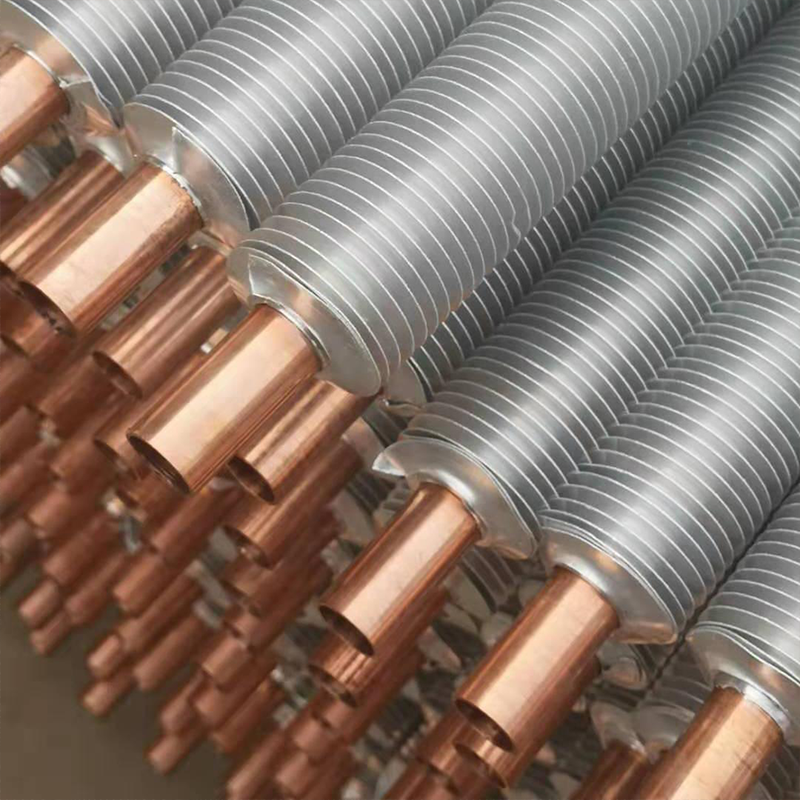
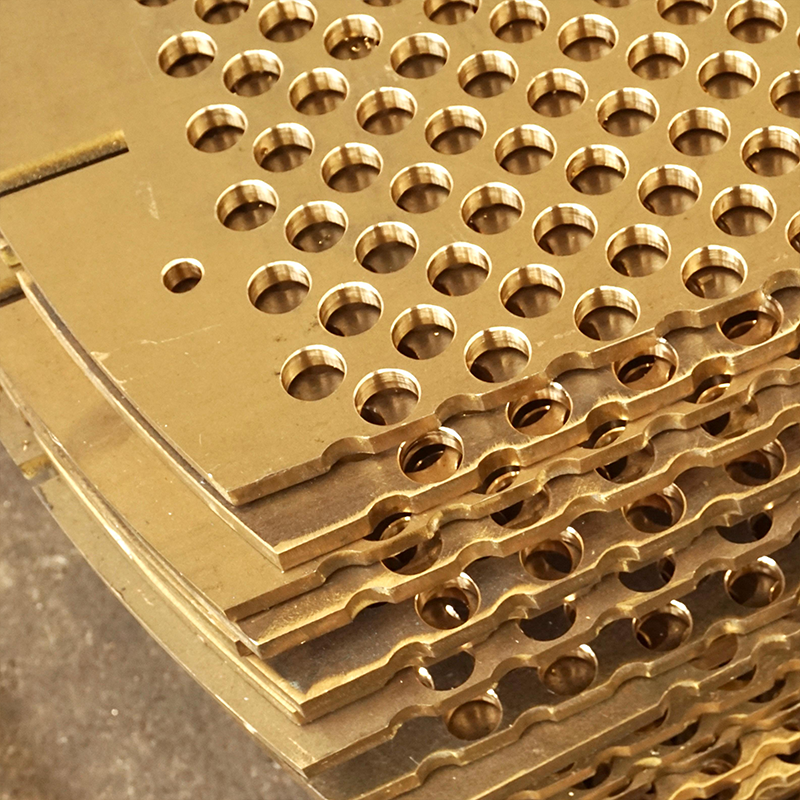
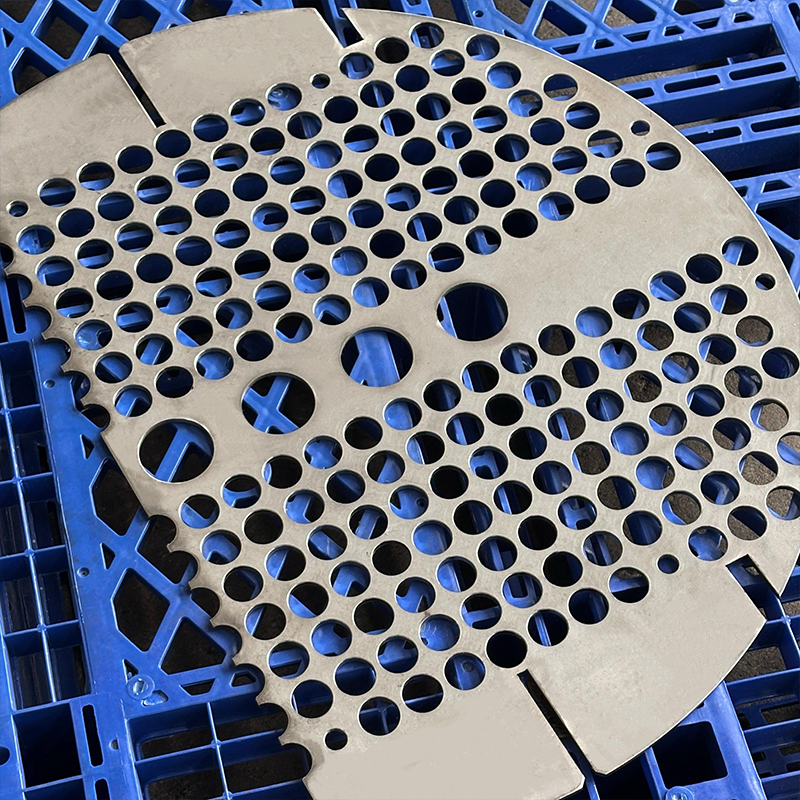
The company specializes in the development and production of highly efficient heat exchange equipment for the oil refining, petrochemical and energy industries. While PPH excels at transporting corrosive media, heating, cooling or condensing processes often require metal solutions with unique characteristics. Wuxi Kaisheng offers a wide range of products, from titanium shell-and-tube heat exchangers and air coolers to waste heat boilers and corrugated tube bundles made of 316 stainless steel, C46400 marine brass and N06625 nickel alloys.
The company's products are certified to strict international PED and ASME standards, which guarantees safety and durability even in extreme conditions of high pressure and temperature. Using materials like titanium or C70600 copper-nickel alloys can solve problems that conventional steels or plastics cannot, such as in seawater desalination systems or shipbuilding. The synergy of properly selected polymer systems (PP/PPH) and high-tech metal equipment from Wuxi Kaisheng creates the basis for the most reliable and energy-efficient production lines around the world.
Frequently asked questions (FAQ)
Can PPH be welded to regular polypropylene (PP)?
No, it is not recommended to weld PPH and PP (especially PP-B/PP-R copolymers) directly. Despite the fact that both materials belong to the class of polyolefins, they have different melting points and shrinkage rates. The seam obtained by welding dissimilar materials will be an area of internal stress. If the temperature or pressure changes, such a seam is highly likely to crack. If it is necessary to connect different types of pipes, use special adapter flanges or threaded fittings with seals, avoiding creating a monolithic weld joint between dissimilar polymers.
Which material is best for ventilating fume hoods containing acidic fumes?
For ventilation systems that transport aggressive acid vapors (sulfuric, nitric, hydrochloric), PPH is the undisputed leader. It retains its properties at elevated exhaust air temperatures and is not subject to corrosion from acid condensation. Ordinary PP can only be used to remove neutral vapors or at very low concentrations traditions of the aggressors. Considering fire safety and durability, the de facto standard for chemical laboratories and industries is PPH air ducts with a thickness of at least 5 mm.
Is PPH afraid of ultraviolet radiation?
Yes, like most polyolefins, pure PPH is UV sensitive. Under the influence of sunlight, photo-oxidative destruction of the top layer of the material occurs, it becomes chalky, loses its shine and surface strength. For outdoor use, it is necessary to use PPH grades with the addition of ultraviolet stabilizers (usually carbon black or special additives), or to protect pipelines and containers by painting or covering. Without protection, the service life of PPH in open sun is reduced from 50 years to 2-3 years.
What is the difference between PPH and PP-RCT?
PP-RCT is a modern modification of random copolymer (PP-R) with an improved crystal structure, developed specifically for hot water supply and heating systems. It combines high heat resistance (close to PPH) and good impact strength of copolymers. However, PP-RCT is significantly more expensive than conventional PP and is still inferior to PPH in chemical resistance to strong oxidants and organic solvents. PPH remains the choice for the chemical industry, and PP-RCT for municipal infrastructure and food processing.
Conclusion and recommendations for choosing a supplier
To summarize, it can be stated thatcomparison table of properties of PP and PPHidentifies two different tools for solving engineering problems. PPH is the “heavy artillery” for chemically aggressive and high-temperature environments, requiring careful handling of mechanical loads and installation temperatures. PP (Copolymers) is a versatile solution for general industrial needs, water supplies and environments where shock loads and low temperatures are likely.
A mistake in choosing a material is too expensive to rely on intuition. We encourage engineers and purchasers to carefully analyze the operating conditions of each system component. Do not try to standardize the entire plant with one type of plastic for the sake of logistics convenience - use PPH where it is critical, and PP where it is economically justified. For complex projects involving both polymer pipelines and heat exchange equipment, it is important to choose partners with proven expertise and quality certificates, such as Wuxi Kaisheng LLC.
If you are faced with the difficult task of selecting a material for a specific environment or doubt the characteristics of a product offered by a supplier, our team is ready to conduct an independent examination. We work with leading granulate manufacturers and have access to up-to-date chemical compatibility databases.
To obtain advice on the selection of pipes, sheets or fittings from PPH and PP, as well as to request samples for testing,contact us today. Our experts will help you draw up technical specifications that will protect your project from risks and ensure long-term uninterrupted operation of the equipment.
We also recommend that you read our detailedPPH welding manual, where we look at typical installation errors and how to eliminate them.