
Licensing of activities for recycling PP waste”
2026-09-14
- Licensing of polypropylene recycling: legal realities in 2026
- Regulatory framework and classification of polypropylene waste
- Technical requirements for infrastructure and equipment
- Staffing and professional training
- Step-by-step algorithm for obtaining a license in 2026
- Typical errors and reasons for denial of licensing
- Cost of obtaining a license and payback period
- Digitalization of control and the role of GIS WASTE
- Industry prospects and changes in legislation
- Expert opinion and recommendations
Licensing of polypropylene recycling: legal realities in 2026
Obtaining a license to operate in the recycling of polypropylene (PP) waste in the current conditions is not just a bureaucratic formality, but a critically important stage that determines the very possibility of legal operation of the enterprise. According to Federal Law No. 99-FZ and the latest changes in environmental legislation, effective in 2026, the processing of polymer materials of class IV hazard requires a special permit from Rosprirodnadzor. We have encountered situations where companies began construction of workshops without a preliminary audit of documentation, which led to projects stopping at the commissioning stage and financial losses of up to 40% of the planned budget. Licensing activities for the disposal of PP waste is a complex process that requires strict compliance with sanitary standards, the availability of specialized equipment and qualified personnel. In this article we will analyze the real requirements, hidden pitfalls of the procedure and give a step-by-step algorithm of actions based on our practice of supporting more than 50 industrial facilities.
Regulatory framework and classification of polypropylene waste
The first thing you need to understand before submitting your application is the exact classification of your raw materials according to the Federal Waste Classification Catalog (FWCC). Polypropylene waste, as a rule, belongs to hazard class IV (low-hazard), however, this characteristic does not exempt from licensing when it comes to processing, neutralization or disposal processes. The key document regulating this sector is the Decree of the Government of the Russian Federation, which approves the Regulations on licensing activities for the collection, transportation, processing, disposal, neutralization, and disposal of waste of I-IV hazard classes. In our practice, there was a case when an enterprise mistakenly classified mixed polymer waste as class V (virtually non-hazardous), citing the inertness of the material. This led to the cancellation of preliminary approvals and a fine of 350,000 rubles for conducting activities without a license. It is important to remember that even if you are recycling pure PP scrap, the process of crushing, agglomerating or granulating it is subject to licensing requirements.
Since 2025, the requirements for technological regulations have become more stringent. Now the licensee is required to provide not just a description of the process, but a detailed balance of material flows confirming that the output is a marketable product and not a new type of waste. For polypropylene, this means the need to prove that the recycled granule complies with GOSTs or technical conditions that allow its further use in production. The lack of a clear boundary between “disposal” and “accumulation” often becomes the reason for refusal. Government inspectors carefully check whether the declared disposal is not masking simple storage. If you plan to store waste for more than 11 months without processing, you will need a separate accumulation permit, which radically changes the package of documents. We recommend that you immediately include in the business plan at the design stage the costs of developing draft standards for waste generation and limits on their disposal (WWWL), since without this document it is impossible to obtain a license.
Technical requirements for infrastructure and equipment
The material and technical base is the foundation for successfully passing the licensing commission. Inspectors from Rosprirodnadzor conduct an on-site inspection, where the key criterion is the equipment’s compliance with the declared capacities and environmental standards. For polypropylene recycling, a typical set includes shredders, agglomerators, extruders and air filtration systems. However, simply having machines is not enough: all equipment must be included in the balance sheet of the enterprise, have passports and certificates of conformity. Particular attention is paid to aspiration and emission treatment systems. When processing PP at high temperatures, volatile organic compounds may be released, so the presence of effective filters (for example, carbon or electrostatic) is a prerequisite. In one of our projects, the client saved on a gas cleaning system by installing a budget cyclone instead of a multi-stage filter. The result was an order to suspend operations until the violations were corrected, which cost three times more than the initial savings.
The requirements for the production site are also strictly regulated. The territory must have a hard surface (asphalt or concrete) to prevent soil contamination, a stormwater collection system and separate areas for temporary storage of raw materials and finished products. The area of warehouse premises is calculated based on the design capacity and cannot be less than the standard values established by SanPiN. The question often arises about the need to install weighing equipment. The answer is clear: yes, verified scales are necessary for maintaining waste flow records, which are a mandatory annex to the license. The data in the journals must agree with the data in the 2-TP (waste) reporting and declarations on payment for the NWOS. A discrepancy of even 5-10% may be a reason for an unscheduled inspection. In addition, all premises must be equipped with fire extinguishing equipment, since polypropylene is a flammable material, and fire safety requirements here are integrated with environmental standards.
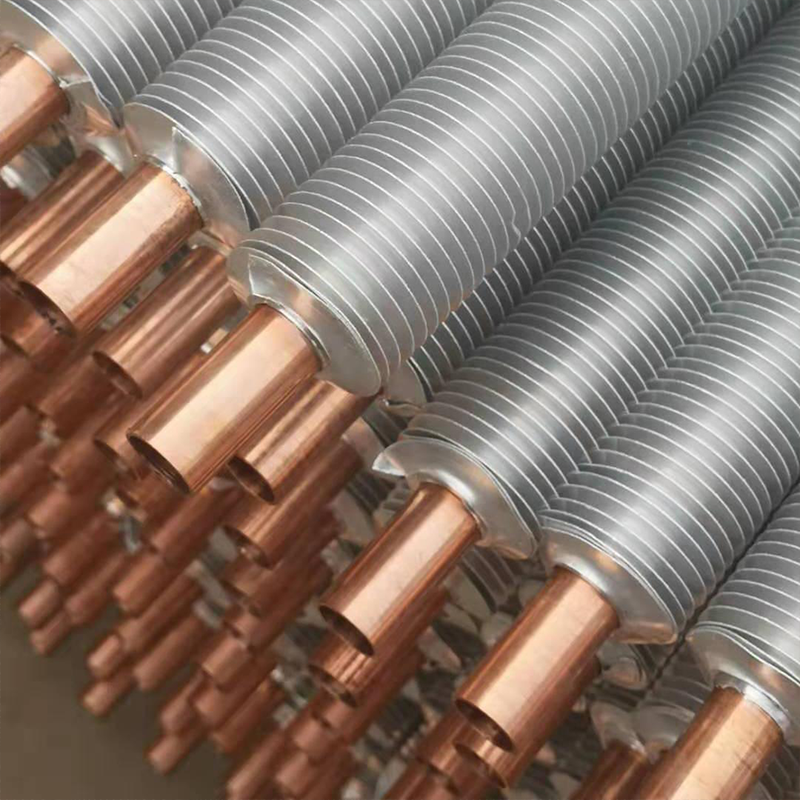
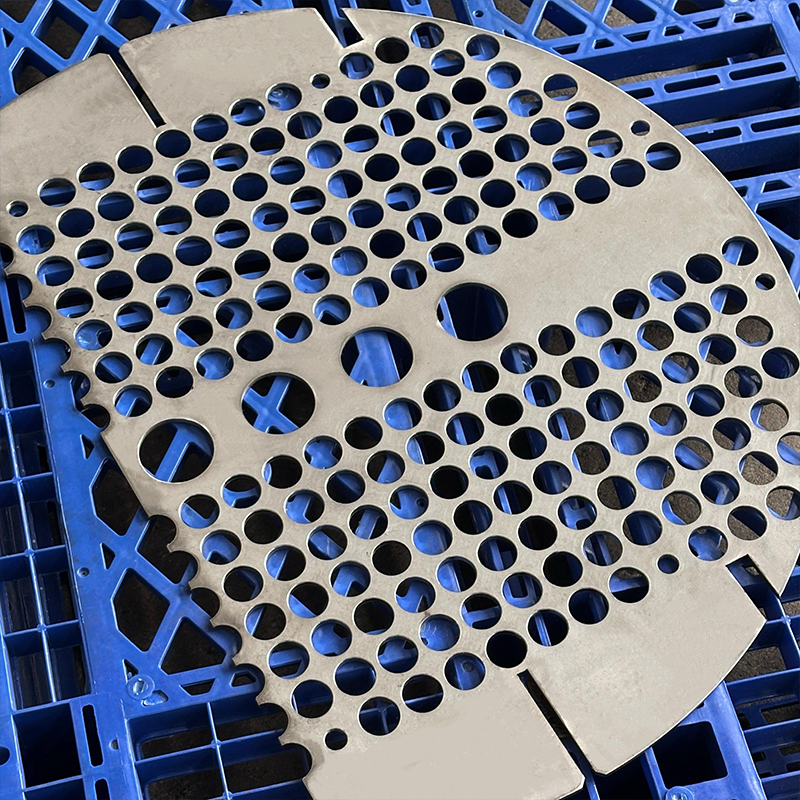
The quality of the main technological equipment, especially heat exchange units, which are often part of granulation and agglomeration lines, deserves special attention. The reliability of such components directly affects the stability of the process and compliance with environmental standards for energy efficiency. For example, a companyWuxi Kaisheng Electric Power and Petrochemical Equipment Co., Ltd.specializes in the design and manufacture of high-tech solutions for the petrochemical and energy industries, including titanium shell and tube heat exchangers, ASME high pressure vessels, and corrugated tube bundles in 316 stainless steel, C46400 marine brass, and N06625 alloys. Their products, certified to international PED and ASME standards, are characterized by high corrosion resistance and thermal efficiency, which is critical when processing aggressive media or operating in extreme temperature conditions. Using quality equipment from trusted suppliers such as Wuxi Kaisheng, who offer customized solutions for the desalination, shipbuilding and chemical industries, reduces the risk of emergency shutdowns and simplifies compliance checks.
Staffing and professional training
The human factor is often underestimated by license applicants who focus only on the hardware. Among other things, the presence of specialists with confirmed qualifications on staff is one of the most common grounds for refusal. Legislation requires that the manager of an enterprise and employees responsible for environmental safety undergo professional training or advanced training in the field of handling waste of I-IV hazard classes. Diplomas must be issued by training centers that have appropriate accreditation and be valid at the time of application. These credentials are typically valid for 5 years, but we recommend renewing them in advance to avoid downtime in the event of a surprise audit. There was a precedent in our practice when the chief engineer quit a week before the inspectors’ visit, and the new employee had not yet had time to complete training. This jeopardized the validity of the entire license, since the absence of a responsible person is equivalent to a lack of control over the processes.
In addition to formal diplomas, it is important to have job descriptions that clearly delineate responsibility for compliance with environmental standards. Inspectors often request logs of staff training and knowledge testing. If the documents indicate dates of instruction that fall on weekends or holidays, this raises natural questions about the fictitiousness of the training. The actual qualifications of employees are checked through on-site testing: the inspector can ask any line operator questions about actions in an emergency or waste sorting procedures. Ignorance of basic safety rules can be interpreted as lack of professionalism by management. We therefore strongly advise that internal audits of staff knowledge be carried out before submitting an application. Training should include not only theory, but also practical training in operating specific equipment and responding to spills or fires. Remember that a license is issued to a specific legal entity, and a change in key personnel requires notification of supervisory authorities and the provision of new qualification documents.
Step-by-step algorithm for obtaining a license in 2026
The licensing process can be divided into five key stages, each of which has its own nuances and deadlines. Violation of the sequence or skipping any step leads to the return of documents and loss of time. Below is a detailed action plan, tested on real objects.
- Audit and preparation of documentation.At this stage, a full analysis of the current state of the enterprise is carried out. It is necessary to collect constituent documents, rights to land or a lease agreement, technical passports for equipment, conclusions of SES and fire supervision. Particular attention is paid to the development of the Construction Organization Project (COP) and Technological Regulations. A mistake at this stage is an attempt to use standard solutions without reference to a specific location. Each region may have its own additional requirements for water protection zones or sanitary protection areas. We recommend ordering an independent environmental audit before starting the formal procedure to identify any weaknesses.
- Submitting an application and creating a package.The application is submitted to the territorial body of Rosprirodnadzor in person, through the MFC or electronically through the State Services portal. A list of all documents is attached to the application. It is important to pay the state fee correctly (in 2026 it is 7,500 rubles for each type of activity, but the amounts may be indexed). A common mistake is incorrect indication of OKVED codes or inaccurate names of types of work in the application. If you plan not only to dispose of, but also to transport waste, this should be reflected separately. Any discrepancy between the names in different documents will be a reason for suspending the consideration of the case.
- Documentary verification and on-site inspection.After receiving the documents, the department conducts a desk check to ensure the completeness and accuracy of the information. If everything is in order, an on-site inspection is scheduled. Inspectors visit the site to verify the actual state of affairs with documents. They check the availability of equipment, the condition of sites, the operation of treatment facilities and the qualifications of employees. The critical point here is access to all rooms. Closed gates or absence of personnel on the day of inspection are interpreted as obstruction of control. We advise you to conduct a rehearsal for the inspectors’ visit, walking along the route they might follow and eliminating minor violations such as missing safety signs or unlocked containers.
- Making a decision and issuing a license.Based on the results of the inspections, a conclusion is prepared. If there are no comments, an order to grant a license is issued. The period for making a decision is legally limited to 45 working days, but in practice, due to interdepartmental requests, the process can take up to 2-3 months. If violations are detected, an order to eliminate them is issued. Here it is important not to panic, but to quickly correct the shortcomings and provide a photo report or a certificate of completion of work. A repeat inspection is scheduled only for those items where violations were found. Successful completion of this stage is completed by making an entry in the license register and issuing a standard form.
- Post-licensing control and reporting.Obtaining a license does not put an end to relations with the state. The stage of regular reporting begins: accounting logs, declarations, payments for tax assessments, reporting in Form 2-TP. The licensee is obliged to notify Rosprirodnadzor of any changes: change of address, reorganization, modernization of equipment or change in technology. Concealing such facts threatens to revoke the license. It is also necessary to comply with the terms of the license, for example, not to exceed the declared volumes of processing without making changes to the document. Systematic violation of the conditions may lead to the suspension of the license for up to 90 days or its complete revocation through the court.
Typical errors and reasons for denial of licensing
Failure statistics show that most problems arise due to formal inconsistencies and inattention to detail. The most common reason is discrepancies in data between different documents. For example, the area of a land plot in the extract from the Unified State Register differs from the area indicated in the draft SPZ (sanitary protection zone) by several square meters. For an official, this is a signal that the information is unreliable. Another common mistake is the lack of valid contracts for the removal of municipal solid waste (MSW) from the territory of the enterprise or contracts for the maintenance of treatment systems. Even if you work in a closed cycle mode, having an agreement with a specialized organization for the disposal of non-recyclable residues (for example, filters or sludge) is mandatory.
Another critical point is the length of lease agreements. If the lease of land or premises expires before the validity period of the requested license (usually the license is issued for an indefinite period, but the relevance of the rights at the time of issue is checked), the license will be denied. We have seen cases where companies rent premises for 11 months with an extension, hoping to renew the contract later. Rosprirodnadzor requires guarantees of long-term use of the facility. It is also worth mentioning the problem of “gray” schemes for purchasing raw materials. If the technological regulations indicate that you are processing industrial waste, but in fact you accept scrap from individuals without properly completing the primary documentation, this is a violation of licensing requirements. Waste traceability control is becoming increasingly strict thanks to the implementation of GIS WASTE. An attempt to bypass the accounting system today is practically impossible and leads to serious sanctions.
Underestimation of laboratory control requirements also leads to negative results. The licensee is obliged to carry out incoming control of accepted waste and output control of products. Failure to have your own accredited laboratory or have a valid contract with an accredited third-party laboratory is a violation. Analysis protocols must be fresh and correspond to the frequency specified in the industrial environmental control program (PEC). Companies often order tests “just for show” once a year, while regulations require monthly or quarterly monitoring. Such formal reports are easily identified by deep inspection of incoming raw material logs.
Cost of obtaining a license and payback period
The financial side of the issue varies depending on the scale of the enterprise and the region, but the cost structure remains unchanged. Direct costs include state duty (7,500 rubles), development of project documentation (PNOOLR, sanitary protection zone, draft license), which can cost from 150,000 to 500,000 rubles, depending on the complexity of the object. The services of specialized lawyers and environmentalists to support the procedure usually range from 100,000 to 300,000 rubles. Indirect costs include equipment modernization, site improvement, personnel training and laboratory research, which can reach several million rubles. It is important to understand that saving on high-quality document preparation often backfires: repeated submissions and equipment downtime during revisions are more expensive than the services of professionals.
The time frame for obtaining a license in an ideal scenario is about 3-4 months from the moment the documents begin to be prepared. However, the reality is that the process often drags on for 6-8 months due to modifications and queues for on-site inspections. For a business, this means a period of uncertainty when investments have already been made, but income has not yet been generated. Therefore, it is critical to begin the licensing process in parallel with the construction or reconstruction of the workshop, and not after its completion. Synchronizing construction work with the requirements of environmentalists avoids rework. For example, laying foundations for wastewater tanks must be carried out strictly according to a project agreed upon with the water utility and environmentalists. Changing the design “on the fly” will lead to the fact that the constructed object will not pass acceptance.
The return on licensing costs directly depends on the legality of the business. Working without a license carries the risk of fines of up to 250,000 rubles for legal entities for each episode, confiscation of equipment and suspension of activities for up to 90 days. For a large plant, downtime of three months means the loss of millions of rubles in revenue and reputational damage. Having a license provides access to participation in government tenders, cooperation with large corporations that require full compliance from partners, and the opportunity to receive government subsidies for modernization. In the long term, legal status is the only sustainable foundation for business development in the waste recycling sector.
Digitalization of control and the role of GIS WASTE
The modern licensing system is inextricably linked with the digital ecosystem of the state. The Federal State Information System for Accounting and Control of Waste Management (GIS WASTE) has become a central element of control. All licensees are required to register in the system and record the movement of each waste shipment there. Data from the GIS is automatically verified with data in the licensing case and reporting. This means that it has become almost impossible to hide the real volumes of processing or the origin of raw materials. The system's algorithms flag suspicious transactions, such as a sharp increase in volumes without a corresponding increase in energy consumption or raw material purchases. Inspectors use this data to plan inspections: if the system shows discrepancies, a visit from an inspector is inevitable.
Integration with GIS WASTE requires the enterprise to have modern software and qualified operators. Errors when entering data (incorrect FKKO codes, errors in the masses, untimely closing of electronic coupons) can lead to blocking of system capabilities and fines. We are seeing a trend where Rosprirodnadzor uses telemetry data from equipment (if it is connected to the Internet of Things) to remotely monitor the operation of lines. Although the mass introduction of this practice is still ahead, pilot projects are already operating in several regions. Preparing for this future involves automating internal accounting processes. The implementation of ERP systems that automatically transfer data to GIS reduces the risk of human error and increases business transparency in the eyes of the regulator. This is not just a legal requirement, but a competitive advantage: transparent data simplifies the annual certification of compliance with licensing requirements.
Industry prospects and changes in legislation
The polymer processing industry is in a stage of active transformation. Government policy aims to reduce waste disposal and encourage recycling. Under Extended Producer Responsibility (EPR), major market players are forced to seek reliable recycling partners, which creates high demand for licensed capacity. It is expected that by 2027, requirements for the content of recycled materials in new products will be tightened, which will further spur demand for high-quality PP processing. However, along with the opportunities, the risks also grow. It is planned to introduce labeling for certain types of plastic products, which will require processors to install additional equipment for reading codes and sorting.
The transition to a new standardization system is also being discussed, where limits on waste generation will be set not on the basis of retrospective data, but on the basis of the best available technologies (BAT). For businesses, this means the need for constant technological updating. Old lines with low efficiency and high emissions may be included in the list of facilities subject to modernization or closure. In such conditions, licensing becomes a tool for weeding out ineffective players. Companies that invest in modern technologies and build transparent relations with the government will have access to preferential lending and tax preferences. On the contrary, attempts to work the old fashioned way will lead to gradual squeezing out of the market. The strategy of survival and growth is now based not on circumventing the rules, but on their proactive implementation.
Expert opinion and recommendations
Licensing activities for the disposal of PP waste is a complex, multi-stage process that requires deep knowledge of legislation, technical literacy and a scrupulous approach to documentation. Success does not depend on luck, but on systematic preparation and understanding of the logic of the regulator. Mistakes in the early stages can cost months of downtime and significant financial losses. Our experience shows that the involvement of specialized experts at the stage of design and preparation of documents pays off many times over, allowing you to avoid fatal miscalculations. Do not try to save on the quality of project documentation or personnel qualifications - this is the foundation on which all your legal activities rest.
If you are planning to enter this market or legalize an existing business, start with a comprehensive audit of your assets and documents. Check that equipment is appropriate, permits are up to date, and personnel are available. Remember that environmental safety and legality are not obstacles to business, but guarantees of its sustainability in the long term. The recycling market is growing, and there is a place in it only for professionals who play by the rules.Licensing support servicesallow us to transfer this complex task into the hands of experienced specialists, focusing on the development of production. Contact us today for a consultation and assessment of the prospects of your project.