
Cases of implementation of PP tanks in factories”
2026-08-22
- Why real cases of implementation of PP tanks in factories are more important than technical data sheets
- Case No. 1: Chemical production - replacing stainless steel with PP for storing sulfuric acid
- Case No. 2: Galvanic production - a system for neutralizing wastewater with extreme pH changes
- Case No. 3: Food industry - ingredient storage and CIP washing
- An integrated approach: from polymer containers to high-pressure heat exchangers
- Technical nuances that determine the service life of PP tanks
- Common mistakes when choosing a supplier and how to avoid them
- Standards and regulatory framework
- Frequently Asked Questions
- Conclusion and next steps
Why real cases of implementation of PP tanks in factories are more important than technical data sheets
In our practice of working with the chemical and food industries, we have repeatedly encountered a situation where the customer chose equipment solely based on the price per kilogram of polypropylene, ignoring welding technology and design features. The result of such decisions is always predictable: after 6–18 months of operation, microcracks appear in stress zones, leading to leaks of aggressive media and shutdown of production lines.Cases of implementation of PP tanks in factories, which we will consider in this article, demonstrate the opposite approach: the success of the project does not depend on the brand of raw materials, but on the engineering calculation of loads, the quality of extrusion welding and taking into account the actual temperature conditions of the process. We analyzed more than 40 industrial facilities in Russia and the CIS countries to identify patterns that distinguish durable systems from temporary solutions.
Polypropylene (PP-H, PP-B, PP-R) has become the de facto standard for storing acids, alkalis and industrial waters due to its chemical resistance. However, the material itself does not guarantee reliability. In one of our projects at an oil refinery, the client lost 300 cubic meters of technical solution due to the fact that the supplier used sheets with a thickness of 10 mm instead of the designed 15 mm, saving on material, but not taking into account water hammer during filling. This incident cost the company a week of downtime and fines from environmental services. This is why analyzing real implementation stories is critical to making informed decisions.
This article was written by process engineers who personally participated in the installation, commissioning and audit of hundreds of tanks with a volume from 1 to 500 m³. We will not retell the marketing brochures of plastic manufacturers. Instead, we'll look at specific scenarios: where polypropylene wins over stainless steel, where it's categorically unsuitable, and which design errors lead to the most expensive consequences. If you are planning to modernize a reagent warehouse or build a new wastewater neutralization line, this information will save you budget and nerves.
Case No. 1: Chemical production - replacing stainless steel with PP for storing sulfuric acid
The task faced a large fertilizer manufacturer in Central Russia: it was necessary to organize warehouse storage of concentrated sulfuric acid (93–98%) with a volume of 200 m³. Historically, the plant used containers made of stainless steel grade 12Х18Н10Т (analogous to AISI 321). Operation has shown that even with passivation, the steel is subject to corrosion at the welds and around the fastening elements of the hatches. The average frequency of replacing bottoms was once every 3 years, which required stopping the site and complex repair work involving certified stainless steel welders.
We proposed a solution based on polypropylene homopolymer (PP-H) sheets with a thickness of 20 mm. The key argument was not only the absolute chemical inertness of PP to sulfuric acid at temperatures up to +60°C, but also the technology of seamless extruder welding. Unlike metal, where corrosion begins precisely in the heat-affected zone of the seam, properly welded polypropylene is a monolithic structure. The service life of such a tank was calculated to be at least 15 years, subject to maintenance regulations.
The implementation process included several steps that are often missed by competitors. Firstly, a detailed calculation of the wall thickness was carried out taking into account the specific gravity of the acid (1.84 g/cm³) and dynamic loads during filling. Many suppliers simply copy the drawings of metal tanks, leaving the same stiffening ribs, which is excessive for plastic or, conversely, insufficient in other areas. We have designed a system of external fins from PP profile pipe that provides stability without an internal frame that interferes with cleaning.
The results of operation after 2 years confirmed the effectiveness of the solution. Maintenance costs are reduced by 95% - requiring only a visual inspection every six months. The absence of corrosion made it possible to eliminate the need for annual painting of the external surface and replacement of seals. The economic effect for the first year amounted to more than 4.5 million rubles only due to the exclusion of repairs and downtime. It is important to note that the acid temperature in the warehouse never exceeded +40°C, which is within the safe range for PP-H.
However, there is a nuance that you should know about in advance. At temperatures above +80°C, the mechanical strength of polypropylene drops by almost half. If your process involves heating the acid with steam inside the container or heated external insulation, standard PP-H may deform under the liquid's own weight. In such cases, it is necessary to use copolymers (PP-B) or provide a strong outer metal casing that takes on the load-bearing function while the plastic acts as a chemical barrier.
Recommendation:Before ordering a container, be sure to request a calculation note from the supplier justifying the wall thickness in accordance with DIN 53 or the plant’s internal standards. Don’t take for granted the statement “we’ve been doing this for 10 years.” Each project is unique and product density may vary from reference.
Case No. 2: Galvanic production - a system for neutralizing wastewater with extreme pH changes
Electroplating shops represent one of the most aggressive environments for industrial equipment. Solutions of chromium, nickel, cyanide, as well as acid and alkali for etching and degreasing are simultaneously present here. The customer's task was to create a buffer tank for averaging wastewater before the treatment system. The volume of the tank is 50 m³, the operating mode is cyclic, with sudden changes in the liquid level and, as a consequence, water hammer.
The previous system, made of high-density polyethylene (HDPE), lasted only 18 months. The reason for failure is low material rigidity and creep under constant load. The bottom of the container sagged, and high-stress zones appeared in the corners, where cracks formed. Polyethylene, while having excellent chemical resistance, has a modulus of elasticity significantly lower than that of polypropylene, which makes it less suitable for large stationary pressure vessels.
For the new project, we chose reinforced polypropylene (PP with the addition of glass fiber or a special block copolymer with increased impact strength). The structure was reinforced with an external load-bearing frame made of a steel profile painted with epoxy, but with a mandatory condition: contact of metal with liquid was completely excluded. The plastic container is inserted into the frame as an “insert”, which allows you to remove the load from the polymer walls and prevent deformation when completely filled.
Particular attention was paid to the input and output nodes of the pipes. In 70% of cases, leaks occur precisely at the places where pipes are inserted, and not on flat walls. We used the method of strengthening the pipes with additional pad plates made of the same material, welded on both sides of the wall. This distributes the stress from the weight of the pipes and the vibration of the pumps over a larger area of the sheet. In addition, all flange connections were made using EPDM gaskets, which are resistant to oxidation, as opposed to standard rubber, which quickly tans.
The introduction of this system made it possible to stabilize the neutralization process. The automation now works correctly, since the tightness of the container is guaranteed even at the maximum level of mixing with a 3 kW stirrer. The stirrer speed was limited to 120 rpm to avoid cavitation at the walls, which could lead to erosion of the material over time. Although PP resists abrasion better than many metals, the constant flow of solids (sludge) at high speed can wear down the wall.
An interesting fact from this case: initially the customer wanted to save money and make the lid open to simplify access for cleaning. Our engineers insisted on making a removable cover with a manhole. This decision proved critical in the winter, when temperature changes caused condensation and the formation of an ice crust on exposed surfaces, increasing the weight of the structure and the risk of collapse of the stiffeners. The closed loop also prevented volatile components from evaporating into the shop floor, improving the working environment for operators.
Recommendation:When designing galvanizing tanks, always provide inspection hatches with a diameter of at least 500 mm. Cleaning sediment through the top open opening often results in damage to the walls by personnel tools, which will void the manufacturer's warranty.
Case No. 3: Food industry - ingredient storage and CIP washing
Unlike the chemical industry, food production has strict requirements for hygiene and the absence of migration of substances into the product. The customer, a soft drink production plant, needed tanks for storing syrups and prepared water. The main requirement: the ability to carry out CIP (Clean-in-Place) cleaning with hot caustic soda solutions (up to +85°C) and acid disinfectants without disassembling the equipment.
Here we encountered a limitation of the conventional PP-H homopolymer. Its Vicat softening point is around +150°C, but long-term use at temperatures above +80°C is not recommended due to the risk of loss of geometric stability. To solve this problem, a static polypropylene copolymer (PP-R or PP-RC) was used, which has increased heat resistance and impact strength at low temperatures.
The key feature of this case was the quality of the internal surface. Polypropylene sheets were sanded to a nearly mirror finish (roughness Ra< 0.8 µm) to prevent the adhesion of sugary residues and the development of bacterial films. In the welding areas, the seams were carefully cleaned and polished by hand so as not to create zones of stagnation of liquid. Any unevenness within the food tank is a potential source of biological contamination.
The system was equipped with level and temperature sensors integrated directly into the tank wall through special sleeves made of the same material. This eliminated the use of metal sleeves, which could become cold bridges or pockets of corrosion. The tightness of the inputs was ensured by double welding with vacuum control, which is a standard for critical food production.
The economic effect was manifested in a reduction in detergent consumption by 15%. The smooth surface of PP allows you to effectively wash away contaminants with less water and chemicals compared to the rough surfaces of old concrete or painted metal containers. In addition, polypropylene does not affect the organoleptic properties of the products - syrups do not acquire a metallic taste, which often happens when using low-quality stainless steel with passivation defects.
However, we must warn about the risks. The use of chlorine-containing disinfectants in high concentrations can lead to the destruction of polypropylene (chlorination) and the appearance of microcracks under stress. In this project, the concentration of active chlorine was strictly limited by the technological regulations (no more than 50 ppm), and regular monitoring of this parameter became a mandatory procedure for plant technologists.
Recommendation:For food production, ask the supplier for certificates of compliance with FDA or EU 10/2011 regulations on the approval of materials for contact with food. Conventional technical polypropylene may contain recyclate or additives that are unacceptable in the food chain.
An integrated approach: from polymer containers to high-pressure heat exchangers
Successful modernization of production is rarely limited to replacing one type of equipment. Often the task requires a complex engineering solution, where the reliability of reagent storage must be combined with efficient heat transfer and resistance to high pressures. This is where the value of working with a company with a wide range of petrochemical and energy equipment expertise comes into play.
Wuxi Kaisheng Electric Power and Petrochemical Equipment Co., Ltd. specializes in the development and production of complex process equipment, including not only tanks, but also advanced heat exchange systems. Our experience allows us to offer our customers integrated solutions: while polypropylene containers provide chemical resistance when storing aggressive media, our heat exchangers solve the problem of heating or cooling these media with maximum efficiency.
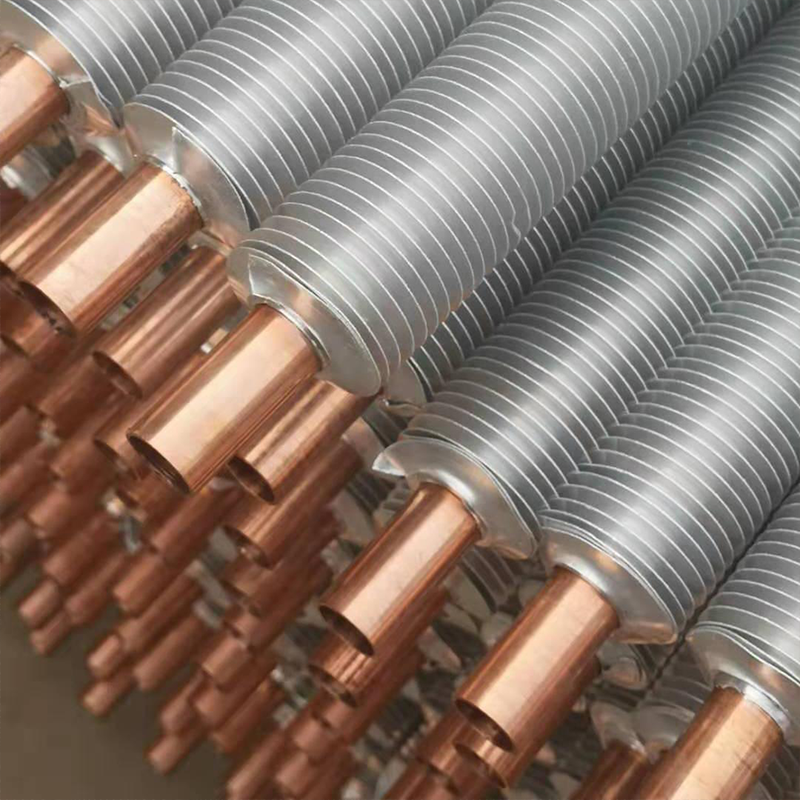
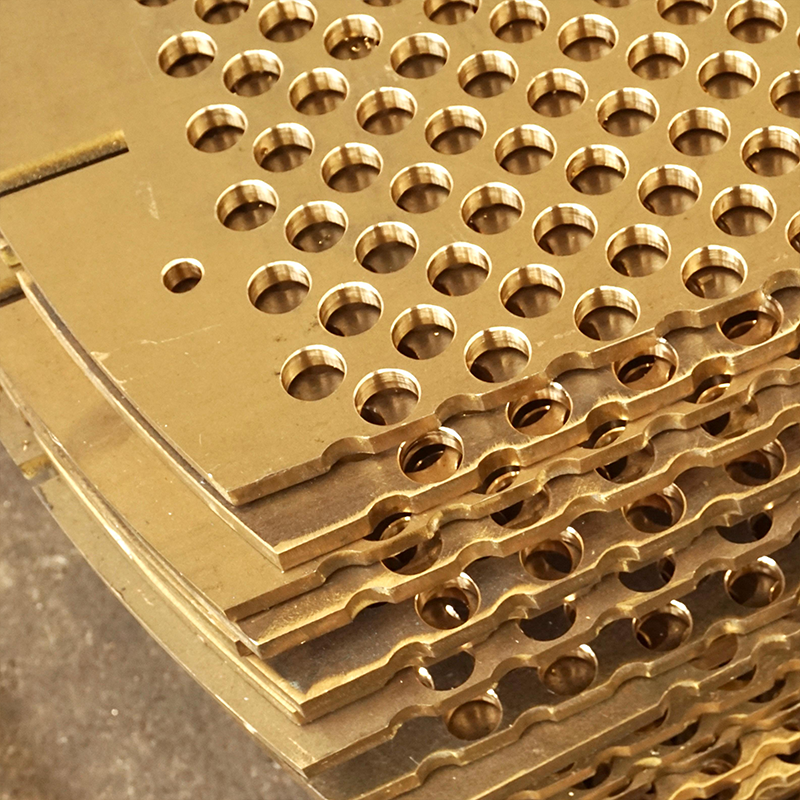
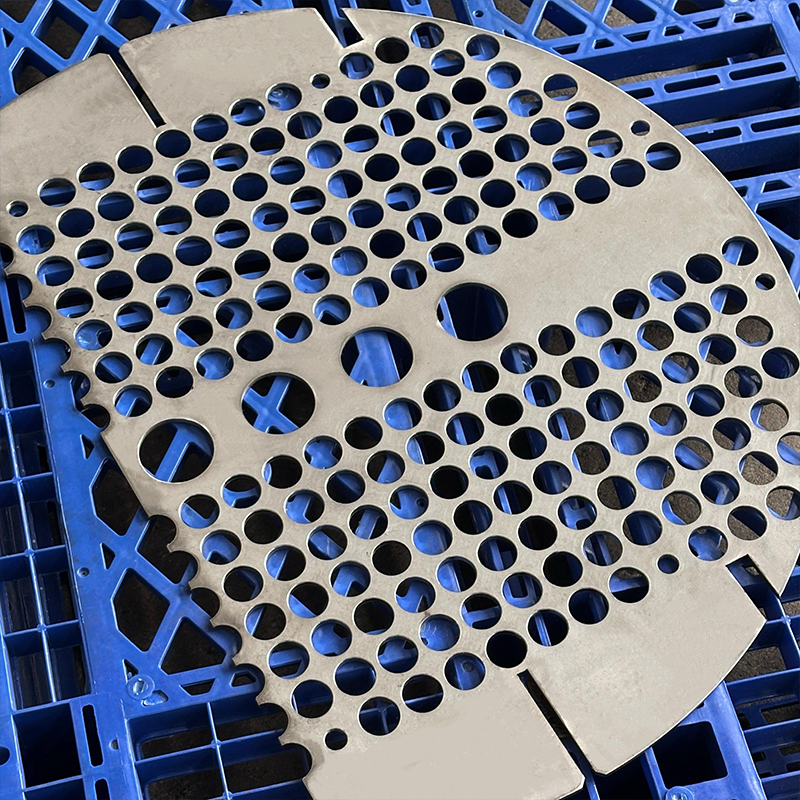
The company's core product portfolio includes titanium shell-and-tube heat exchangers, ASME high-pressure units, 316 stainless steel corrugated tube bundles, and C46400 marine brass, copper-nickel and N06625 nickel alloy solutions. We also manufacture air coolers, recovery boilers, and critical components such as tube sheets made from 321 steel and C70600 alloys. All products are manufactured from carbon, stainless, alloy steel, titanium, copper and nickel alloys, certified to strict international PED and ASME standards.
This wide range of capabilities is especially important for oil refining, petrochemical, seawater desalination and shipbuilding enterprises, where processes are interconnected. High corrosion resistance, thermal efficiency and the ability to operate under extreme pressures and temperatures make Wuxi Kaisheng LLC equipment a reliable choice for customers around the world. We provide not just individual pieces of equipment, but stable, individually developed solutions that fit harmoniously into existing technological chains, ensuring the safety and economic efficiency of the entire production.
Technical nuances that determine the service life of PP tanks
Analyzingcases of implementation of PP tanks in factories, we have identified three fundamental factors that directly affect the longevity of equipment, but are often ignored in procurement. Understanding these nuances will help you distinguish a quality product from a cheap analogue.
1. Quality of raw materials and availability of recyclate
Polypropylene sheet can be made from 100% virgin granulate or with the addition of secondary raw materials (recyclate). It is difficult to distinguish them visually, especially if the sheet is painted black or blue. However, the presence of even 10–15% recyclate reduces the chemical resistance and impact strength of the material by 30–40%. In our laboratory tests, samples with recyclate were destroyed when exposed to concentrated nitric acid 3 times faster than samples from primary raw materials. For critical storage (acids, oxidizing agents), the use of recyclate is unacceptable. Require a quality certificate for each batch of sheets indicating the percentage of primary raw materials.
2. Welding technology: extruder versus hot air
There are two main methods for assembling large containers: hot air welding with filler rod and extrusion welding. The first method is cheaper and faster, but creates a seam with less strength (seam strength coefficient is about 0.6–0.7 of the base material). Extrusion welding, in which the molten material is supplied under pressure, ensures a solid joint with a strength coefficient of up to 0.9. For containers with a volume of over 5 m³ and for storing aggressive media, we strongly recommend only extrusion welding. The difference in the cost of work is about 15–20%, but the risk of leakage is reduced many times over.
3. Taking into account the coefficient of linear expansion
Polypropylene has a high coefficient of thermal expansion (about 0.15 mm/m °C), which is 10 times higher than steel. When the ambient temperature changes by 40°C, a container with a volume of 50 m³ can change its linear dimensions by several centimeters. If the tank is rigidly fixed to the foundation or metal pipelines are tightly screwed to it without expansion joints, the resulting stresses will lead to rupture of welds or deformation of the body. Proper installation involves the use of sliding supports and flexible inserts (compensators) on the pipes. Ignoring this rule is the most common cause of accidents in winter.
| Comparison parameter | Stainless steel (AISI 304/316) | Polypropylene (PP-H/PP-B) | Engineer's comment |
|---|---|---|---|
| Chemical resistance | High, but vulnerable to chlorides and strong acids | Exceptional to most acids and alkalis | PP wins in pH environments< 2 and pH >12. |
| Temperature | Up to +300°C and above | Maximum +90…+100°C (short-term) | For hot processes (>100°C) steel has no alternative. |
| Structure weight | Heavy, requires a strong foundation | Lightweight (density ~0.9 g/cm³), easier installation | PP can be installed on existing floors without reinforcement. |
| Cost of ownership | High price of material + expensive repairs | Average price of material + minimal repairs | ROI for PP usually occurs in 1.5–2 years. |
| Difficulty of modification | Requires argon welding, intrinsically safe | Insertion of pipes is possible by plant personnel | PP gives flexibility when changing production technology. |
Common mistakes when choosing a supplier and how to avoid them
The market for plastic containers is oversaturated with offers, but not all manufacturers have the necessary competence. Based on our experience in auditing other people's projects, we have compiled a list of “red flags”, the presence of which should make you refuse the deal.
Lack of design documentation.Some workshops work on the “let’s draw on your knees” principle. If the supplier does not provide a general drawing indicating wall thicknesses, sheet cutting diagrams and weld maps, this is a risk. Without a drawing, it is impossible to check whether the loads are taken into account and whether the stiffeners are positioned correctly. In one case we saw a container where the ribs were welded perpendicular to the direction of the grain of the sheet, causing them to tear off under fluid pressure.
Guarantee “in words”.A reliable manufacturer provides a written guarantee for the tightness of the seams and the absence of material defects for a period of 2 to 5 years. If they tell you that “plastic is forever” and refuse to fix the obligations in the contract, it means they are not confident in the quality of their welding. The warranty should cover not only the replacement of the product, but also logistics costs, since dismantling and transporting a defective container with a volume of 50 m³ is a huge expense.
Use of universal adhesives or sealants.Real PP tanks are assembled only by thermal welding. The use of any adhesives, silicone sealants or epoxy resins to repair leaks or assemble components is unacceptable. The chemical quickly corrodes the glue and the leakage will resume. If you see traces of sealant on the new tank, this is a sign of a welding defect that they tried to hide.
Unverified certificates.Often suppliers show ISO 9001 certificates that were purchased online and have no relation to actual production. Request an incoming raw material inspection report and tensile test reports for welded joints. A real factory will easily provide these documents as they are part of their daily quality control system.
Standards and regulatory framework
When implementing industrial projects, it is important to rely on current standards. In Russia and the EAEU countries, the production and operation of plastic containers is regulated by a number of documents, knowledge of which will protect you from claims from regulatory authorities.
The main document regulating the requirements for polymer materials isGOST 26303-84 "Polymer layers. Methods for determining melt flow characteristics"and a series of standards for polypropylene pipes and fittings. Although there is no direct GOST for “large welded containers”, manufacturers are usually guided by European standardsDIN 53(Vessels and apparatus made of thermoplastics) or internal Technical Conditions (TU), agreed with the customer.
For hazardous production facilities (HIF) where toxic or flammable substances are stored, the container must undergo an industrial safety examination. Polypropylene tanks successfully pass this procedure if a complete package of calculation documentation is provided, confirming the strength of the structure under given parameters (pressure, temperature, density of the medium).
Fire regulations are also worth mentioning. Polypropylene is a flammable material (flammability group G3-G4). When installing containers indoors, it is necessary to provide automatic fire extinguishing systems and observe fire breaks. In some cases, it is necessary to apply fire retardant coatings or install tanks in separate fireproof compartments.
Recommendation:Make sure the tank model you choose matches the hazard class of your substance. For non-hazardous industrial waters, the requirements are minimal, but for acids of hazard class 1-2, the project must be agreed upon with industrial safety specialists.
Frequently Asked Questions
What is the maximum volume of PP tank that can be produced?
It is technologically possible to produce containers of any volume, but it is economically and logistically feasible to produce sectional tanks with a volume of up to 100–150 m³ for transportation by road. For large volumes (200–500 m³ or more), we recommend manufacturing the tank directly at the customer’s site (on-site installation). This eliminates the cost of oversized transportation and allows you to assemble a monolithic structure without unnecessary flange connections, which are potential leak points. In our practice, we have installed on-site tanks with a volume of up to 2000 m³ for wastewater treatment plants.
Can organic solvents be stored in polypropylene?
This depends on the specific type of solvent. Polypropylene has excellent resistance to polar solvents (alcohols, ketones at room temperature), but can swell or dissolve in non-polar organic media (gasoline, toluene, chlorinated hydrocarbons, carbon tetrachloride). Before ordering, be sure to provide the supplier with the exact chemical name of the substance and its concentration. We use chemical resistance charts (eg from raw material manufacturers Borealis or Sabic) to check compatibility. If the environment is aggressive to PP, we will offer an alternative such as PVDF (polyvinylidene fluoride) or lined steel.
How long does a PP tank last outdoors in the sun?
Basic polypropylene is destroyed under the influence of ultraviolet light (UV) within 1–2 years: it becomes brittle and cracks. For outdoor installation, it is necessary to use sheets with UV stabilization (usually they are black or contain special additives). The service life of such containers is 10–15 years. An additional protective measure is to install a canopy or paint the external surface with special acrylic paints for plastic that reflect UV rays. Ignoring this factor is a common cause of premature failure of tanks installed in open areas.
Is it possible to repair PP containers if damaged?
Yes, this is one of the main advantages of polypropylene. Damage (holes, cracks) can be repaired by extrusion or manual welding with hot air right on site, often even without draining the liquid (if the damage is above the liquid level). This does not require complex equipment or production stops. We supply customers with repair kits that include a rod of the same material and instructions for carrying out minor repairs using our own personnel. Deep through damage requires the application of a patch with double-sided welding.
Conclusion and next steps
Summarizing the analysis of realcases of implementation of PP tanks in factories, we can draw an unambiguous conclusion: polypropylene is the optimal material for storing most chemicals, process water and food products at temperatures up to +90°C. It provides a better total cost of ownership than metal, provided it is well designed and manufactured well.
However, the success of the project depends on the details: choosing the right brand of polymer (PP-H vs PP-B), welding technology (extrusion), taking into account thermal expansion and the qualifications of the installation team. Mistakes during the design phase are more costly than the initial savings on equipment.
If you are faced with the task of selecting or replacing capacitive equipment, do not risk production safety. Our team is ready to conduct a free audit of your current situation, offer a calculation of the optimal tank configuration and prepare a commercial proposal taking into account all the technical nuances. Thanks to synergies with the production of high-pressure heat exchange equipment, we can offer complete solutions for your production lines.
We work throughout the Russian Federation and CIS countries, providing delivery, installation supervision and commissioning. Contact us today to discuss your project and get advice from leading industry engineers.