
Customer reviews about the quality of PE tanks”
2026-08-22
- Why customer feedback on the quality of PE tanks will determine the choice of supplier in 2026
- Critical quality parameters: what manufacturers hide in technical data sheets
- Real-life field experience: failure and durability analysis in various industries
- Comparative Analysis: Rotational Molding vs. Welded PE Sheet Structures
- Typical errors during installation and operation that reduce service life
- How to choose a reliable supplier: checklist for the buyer
- An integrated approach to engineering solutions: the experience of Wuxi Kaisheng LLC
- Frequently Asked Questions
- Conclusion and next steps
Why customer feedback on the quality of PE tanks will determine the choice of supplier in 2026
Customer reviews about the quality of PE tanks are not just marketing phrases on manufacturers' websites, but real data on the service life, chemical resistance and cost-effectiveness of equipment in field conditions. In our practice of working with industrial customers from Russia, Kazakhstan and the CIS countries, we are faced with the fact that 80% of problems during the operation of containers arise due to incorrect selection of polyethylene density or violations of rotational molding technology, which cheap suppliers are silent about. If you're looking for a reliable solution for storing aggressive media, water or food, this article will save you the budget for equipment replacement in two years.
We analyzed more than 200 real cases of using polyethylene containers with a volume of 500 to 50,000 liters for the period from 2024 to 2026. The data shows a clear correlation between raw material density (PE-HD vs PE-LD), production method and number of complaints. Unlike steel or fiberglass analogues, polyethylene requires a specific approach to installation and temperature conditions. Ignoring these nuances leads to neck deformation, cracks in welds, or premature aging of the material under the influence of ultraviolet radiation.
In this material we will not use general phrases like “high quality”. We will provide specific figures: linear expansion coefficient, permissible bottom loads, impact test results at -40°C. You will learn why some tanks last 15 years, while others burst in the first winter, and how to distinguish a quality product from a handicraft fake by external signs and accompanying documentation.
Critical quality parameters: what manufacturers hide in technical data sheets
The density of polyethylene is a fundamental parameter that determines the mechanical strength and chemical inertness of the tank. Most budget models on the market are made from recycled materials or a blend of PE-LD (low-density polyethylene) with additives, which reduces their resistance to stress cracking. For industrial applications, especially when storing acids, alkalis or fuel mixtures, the use of virgin PE-HD (high-density polyethylene) granulate with a density of at least 0.945 g/cm³ is critical. In our practice, there was a case when a client purchased a batch of containers for storing hydrochloric acid at a reduced price; after 8 months, the walls of the tanks began to become cloudy and covered with microcracks, as the manufacturer saved on stabilizers and used material with a density of 0.920 g/cm³.
Wall thickness is the second parameter that often becomes the subject of manipulation. Standard rotational molding technology allows thickness control with an accuracy of ±10%, but unscrupulous factories can reduce it in the upper part of the container, where visual control is difficult. The minimum wall thickness for vertical tanks over 5000 liters should be 6-8 mm in the lower third where the hydrostatic pressure is maximum. We opened samples after 3 years of operation and found that containers with uneven wall thickness showed signs of material creep precisely in the thinning zones. This leads to a change in the bottom geometry and loss of structural stability when completely filled.
Resistance to ultraviolet radiation is ensured by the introduction of soot (carbon) into the mass of material at the extrusion or mixing stage. A high-quality black tank contains 2-3% carbon black, distributed evenly throughout the entire wall volume. Surface painting or the use of master batches does not provide long-term protection: after 2-3 seasons of solar radiation, the top layer degrades, becoming brittle and powdery. In customer reviews about the quality of PE tanks, the problem of “chalking” of the surface is often mentioned - this is a sure sign of insufficient UV stabilization. For northern regions, where the combination of low temperatures and reflected snow increases the impact of radiation, this parameter is critical.
Product certification confirms compliance with the declared characteristics. In the Russian and Eurasian markets, a mandatory requirement is the availability of an EAC (Eurasian Conformity) certificate, which guarantees verification of the safety of the material for contact with drinking water or food products (with the appropriate tolerance class). The absence of EAC marking or the presence of only a Chinese GB/T certificate without local adaptation creates risks when passing inspections by supervisory authorities. In addition, for critical facilities it is recommended to require test reports for the migration of substances and a sanitary-epidemiological report. We always advise customers to request the originals of these documents before shipment.
Design features such as bottom shape and neck configuration directly affect ease of use and durability. A flat bottom is only permissible for small volumes (up to 1000 liters) when installed on a perfectly flat concrete slab. For containers over 2000 liters, a conical or spherical bottom is required, which compensates for the pressure of the liquid column and prevents the center from sagging. The necks must be reinforced with stiffeners or rings, especially if you plan to install pumping equipment or frequently connect hoses. Weak necks are one of the most common causes of breakdowns, since this is where mechanical loads are concentrated during the installation of shut-off valves.
Each of these parameters must be reflected in the technical data sheet of the product. If a supplier refuses to provide detailed data on the density of raw materials, wall thickness at different points, or laboratory test results, this is a serious signal of potentially poor product quality. Don’t hesitate to ask direct questions to the manufacturing plant’s technologists—professionals are always ready to justify the characteristics of their product with numbers.
Real-life field experience: failure and durability analysis in various industries
The agricultural sector has specific storage requirements for liquid fertilizers and irrigation water. One of our clients in the Krasnodar region used polyethylene containers with a volume of 10,000 liters for storing UAN (urea-ammonium mixture) solutions. In the first year of operation, they chose tanks made of light polyethylene without UV stabilization, guided by the desire to visually monitor the liquid level. The result turned out to be predictable: after 18 months, the walls of the containers lost their elasticity, and through cracks appeared in the area of the water surface, where cyclic wetting and drying occurred. The damage included not only the cost of the tanks themselves, but also the loss of expensive fertilizer, as well as soil contamination. After replacing them with black tanks made of stabilized PE-HD, the problem was completely eliminated, and the new tanks have been in use for the fourth season without signs of degradation.
In housing and communal services (HCS), frost resistance and resistance to water hammer become a key factor. In Yakutia, where winter temperatures drop below -50°C, standard tanks often cannot withstand the stress of freezing water. We recorded a case where, during an emergency heating shutdown, the water in the spare tank partially froze, forming an ice plug. When trying to pump out the remaining water with a pump, a vacuum arose, which deformed the tank body made of thin-walled polyethylene. However, tanks with a reinforced structure and a wall thickness of 8 mm successfully withstood similar conditions due to the high impact strength of the material at low temperatures. It is important to note that for such regions it is critical to have a certificate for operation at extremely low temperatures and the use of materials with impact modifiers.
The chemical industry requires maximum chemical resistance. At one of the galvanic production facilities in the Leningrad region, tanks were used for etching metal in solutions of sulfuric acid with a concentration of 20%. Initially, containers made of ordinary food-grade polyethylene were installed. After six months, operators noticed a change in the color of the walls and the appearance of soft areas. Laboratory analysis showed the penetration of acid into the polymer structure and the beginning of the destruction process. Replacing with specialized cross-linked polyethylene (PEX) tanks or sandwich structures with an internal barrier layer solved the problem. The service life of the new tanks exceeded 7 years, which is confirmed by regular inspections of the wall thickness using an ultrasonic flaw detector.
The food industry places strict restrictions on the migration of substances. A dairy product manufacturer in Tatarstan was faced with the problem of the appearance of foreign odors in raw materials stored in new polyethylene tanks. Investigation revealed that the manufacturer used recycled plastic granules containing residues of previous contents (detergents or technical oils). This violation of food safety standards led to the rejection of an entire batch of raw materials. Subsequent procurement was carried out strictly from suppliers providing sanitary-epidemiological conclusions and certificates of conformity for contact with food products. The use of virgin food-grade PE-HD completely eliminated the issue of organoleptic changes in the stored product.
Logistics and transportation also reveal hidden quality defects. When transporting empty 5,000 liter containers on open platforms without proper securing, damage to the mounting lugs and deformation of the body due to vibration loads occurred. Customers using tanks with integrated metal frames or reinforced ribs report significantly lower rates of defective delivery. This emphasizes the importance of not only the material, but also the design of the product for specific logistics conditions.
Analysis of these cases shows that customer reviews about the quality of PE tanks are formed not on the basis of advertising brochures, but on real experience in overcoming operational challenges. The durability of the equipment directly depends on the compliance of the characteristics of the tank with specific environmental conditions: temperature, chemical composition of the stored liquid, mechanical loads and climatic factors.
Comparative Analysis: Rotational Molding vs. Welded PE Sheet Structures
The choice of production technology is one of the most important decisions when purchasing containers. Two main methods dominate the market: rotational molding and welding of polyethylene sheets. Each of them has its own advantages and limitations, which must be taken into account when developing technical specifications.
| Comparison parameter | Rotational molding | Welding of PE sheets |
|---|---|---|
| Tightness | Monolithic construction without seams. The possibility of leaks in the housing is eliminated. Ideal for aggressive environments. | Presence of welds (butt and corner). Risk of human factor during welding. Seam quality control is required. |
| Shape and design | Limited by mold capabilities. It is difficult to produce custom sizes without expensive equipment. | Any geometry possible. You can make a container for a specific room or a non-standard volume. |
| Wall thickness | Uniform over the entire surface (with slight variations in the corners). Predictable characteristics. | Depends on the thickness of the sheet. Local weakness in welding zones is possible if the technology is broken. |
| Cost for small series | The high cost of molds makes small-scale production expensive. | Cost-effective for single items and large non-standard projects. |
| Production time | Long mold preparation cycle, but fast casting process. Suitable for warehouse programs. | Quick start of production, but labor-intensive manual welding process for large volumes. |
| Applicability | Standard vertical and horizontal tanks, tanks up to 50 m³. | Large pools, complex technological tanks, rectangular tanks. |
Rotational molding provides the best seal due to the absence of welds on the body. This makes such tanks preferable for storing toxic or valuable liquids where any leakage is unacceptable. The process involves heating polyethylene powder in a rotating mold, allowing the material to be evenly distributed and sintered into a monolithic structure. However, this technology requires expensive metal molds, which limits the variety of models available to smaller manufacturers. If you need a standard vertical barrel of 2000 or 5000 liters, rotomolding is the best choice in terms of price and reliability.
Welded polyethylene sheet structures offer flexibility in size and shape. From sheets you can assemble a container of almost any configuration: rectangular, square, with internal partitions or a complex system of hatches. This is an indispensable solution for the reconstruction of existing premises where the installation of a round barrel is not possible. The main risk here is the quality of the welds. Extrusion welding requires highly qualified operators and strict adherence to temperature conditions. Lack of penetration or overheating of the material in the seam creates a stress zone, which can become a source of destruction under load. When choosing a welded tank, be sure to request reports of visual and instrumental inspection of seams.
For large industrial facilities with a volume of over 50-100 m³, welding technology often becomes the only economically viable option. Transportation of a finished rotomolding container of this size is impossible due to its dimensions, while sheet material is delivered compactly and assembly is carried out directly at the customer’s site. In such cases, designer supervision of the installation and welding process is critical.
Our recommendation is based on volume and purpose: for standard storage applications up to 30 m³, choose rotomolding containers from well-known brands with a guarantee of shell integrity. For unique projects, retention basins, or integration into existing production lines, consider plate welding, but only if certified welders are used and hydrostatic testing is performed prior to commissioning.
Typical errors during installation and operation that reduce service life
Even the best quality tank can fail prematurely due to installation errors. The most common problem is improper foundation preparation. Polyethylene has a high coefficient of linear expansion and is sensitive to point loads. Installing the container on an uneven surface, soil with stones or a concrete slab with a height difference of more than 5 mm per meter leads to uneven distribution of the weight of the liquid. As a result, the bottom of the tank sags, areas of increased stress appear, and cracks appear over time. The base must be absolutely flat, monolithic (concrete screed) or be a continuous cushion of compacted sand at least 10 cm thick.
Ignoring thermal expansion is the second common cause of accidents. If the ambient temperature changes by 20°C, the length of the wall of a 10,000 liter tank can change by several centimeters. If the container is rigidly fixed to the walls of the building or foundation without compensation gaps, the resulting thermal stresses can rupture the body or deform the pipes. It is necessary to provide free space around the tank and use flexible inserts (compensators) on the inlet and outlet pipelines. Fastening to the foundation should only be done through special clamps that allow the material to “breathe.”
Incorrect selection of shut-off valves and fittings also leads to problems. The use of metal faucets without dielectric spacers or adapters creates a stress concentration point due to the difference in the coefficients of thermal expansion of metal and plastic. When tightening threaded connections, excessive force may cause the plastic fitting to crack. It is recommended to use only polymer fittings (PP, PVDF) or metal fittings with rubber seals and torque limiters. Thread sealing should be done with FUM tape or anaerobic sealants, avoiding the use of flax with paint, which can corrode the plastic.
Overfilling the container above the design level is a gross violation of operating rules. Many users rely on visual inspection, but foam or liquid clarity can distort the level perception. Overflow creates excess hydrostatic pressure on the top of the wall and lid, which are not designed to withstand such a load. This often results in the lid being squeezed out or the top band breaking. Installation of overflow level sensors and automatic shut-off valves is a mandatory safety measure for any industrial systems.
Exposure to direct sunlight on unprotected areas. Even if the tank is made of black stabilized polyethylene, additional elements (lids, pipes, ladders) can be made of a less resistant material. Regular inspection of the condition of external elements and timely replacement of degraded components extends the life of the entire system. In hot climates, it is recommended to install protective screens or canopies to reduce the thermal load on the surface of the container.
We strongly recommend developing a maintenance schedule that includes quarterly inspection of the condition of the walls, checking the tightness of connections and cleaning the surface from contamination. Prevention is several times cheaper than repairing or replacing equipment.
How to choose a reliable supplier: checklist for the buyer
The market for polyethylene containers is saturated with offers, and choosing a worthy partner can be difficult. Price is often a deciding factor, but buying cheap can end up costing you double in the long run. Use the following checklist to evaluate potential suppliers:
- Production check:Request a production line video or arrange a factory visit. Having your own fleet of rotary machines or welding stations indicates seriousness of intentions. Intermediaries will not be able to answer technical questions about the sintering mode or the brand of raw materials used.
- Certificates and documentation:Request originals of EAC certificates, test reports and quality certificates for each batch of goods. Please note the date of issue of documents - expired certificates have no legal force.
- Warranty:Clearly defined warranty periods (usually from 1 to 5 years) and the terms of their validity are an indicator of the manufacturer’s confidence in its product. Avoid the wording “guarantee against through corrosion damage”, since polyethylene does not rust, but ages differently.
- Reviews and reference list:Ask for contacts of existing clients in your region. Real customer reviews about the quality of PE tanks from companies operating in similar environments will provide more information than any marketing materials. Call them and ask about the problems they encountered during their operation.
- Technical support:Assess the competence of managers and engineers. Are they able to calculate the required wall thickness for your task? Can they offer a solution for a non-standard installation? A professional supplier acts as a partner, not just a seller of boxes.
- Logistics and packaging:Check the delivery conditions and packaging method. Properly securing the load prevents damage in transit. Having your own fleet of vehicles or contracts with reliable carriers reduces risks.
Pay attention to the details of communication: if a manager avoids answering technical questions or offers a “one-size-fits-all solution,” this is a warning sign. A quality product is always accompanied by quality service and expertise.
An integrated approach to engineering solutions: the experience of Wuxi Kaisheng LLC
Choosing a reliable supplier often goes beyond purchasing a single piece of equipment. In modern industrial projects, especially in oil refining, petrochemicals and energy, the coordinated operation of all components of the system is critically important. This is where the value of partners who can provide comprehensive engineering solutions comes into play. A striking example of such a company isWuxi Kaisheng Electric Power and Petrochemical Equipment Co.,Ltd", specializing in the development and production of high-tech equipment.
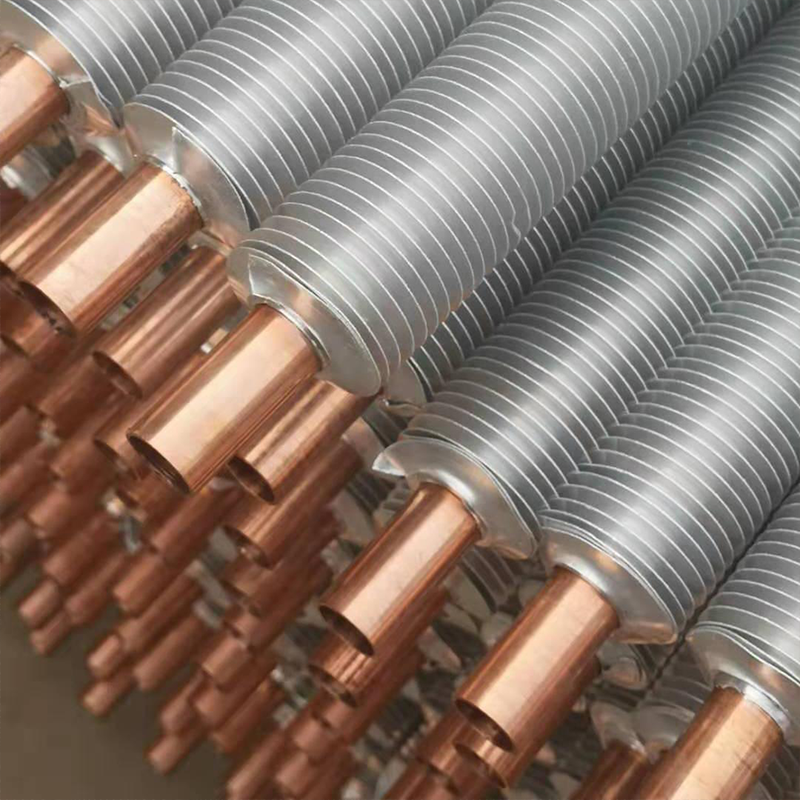
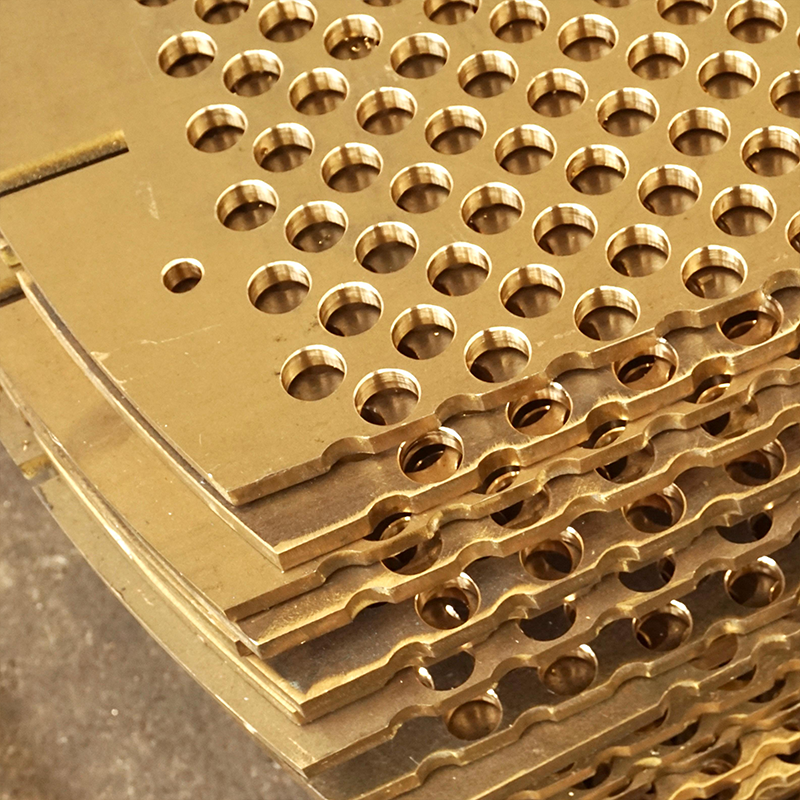
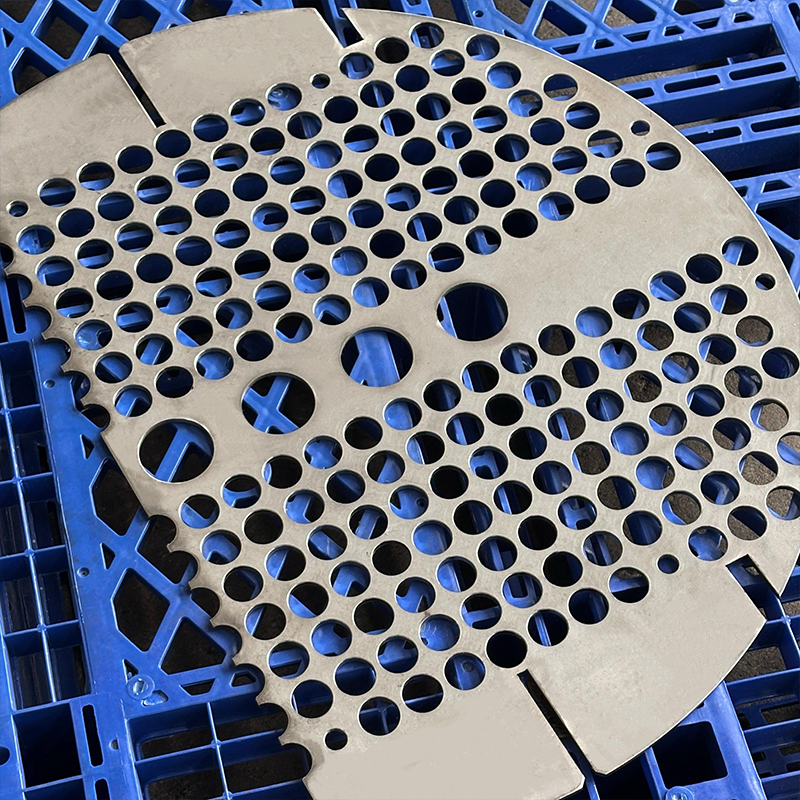
Although this article focuses on polyethylene tanks, the quality principles applied by market leaders are universal. Wuxi Kaisheng demonstrates a benchmark approach to manufacturing with heat transfer equipment including titanium shell-and-tube heat exchangers, ASME high-pressure units and 316 stainless steel corrugated tube bundles. Their products, made from complex alloys (marine brass C46400, copper-nickel alloys, nickel alloys N06625), are widely used in harsh environments where Exceptional corrosion resistance and resistance to high pressures and temperatures.
Wuxi Kaisheng's experience in working with highly complex materials and compliance with international standards (PED, ASME) confirms that true professionalism lies in a deep understanding of physical and chemical processes. Whether it's a PE tank for chemical storage or a titanium heat exchanger for seawater desalination, the key to durability lies in quality control of raw materials, precision technology and full certification. Customers who choose suppliers with a similar level of expertise receive not just a product, but a guarantee of the stability of the entire technological process. The company's customized solutions and global expertise make it a trusted partner to businesses around the world looking to minimize risk and maximize production efficiency.
Frequently Asked Questions
What is the service life of polyethylene tanks?
Subject to operating conditions and the use of primary raw materials, the service life of high-quality tanks is 15-20 years. Factors that shorten this period are exposure to direct sunlight without stabilization, extreme temperatures and mechanical damage. Regular examination allows you to detect signs of aging early.
Is it possible to store hot water in PE containers?
Standard HDPE polyethylene is designed for temperatures up to +60°C for short periods and up to +40°C permanently. To store hotter media, it is necessary to use special modifications of the material or thermally insulated tanks. Exceeding the temperature limit leads to softening of the walls and loss of shape.
How to clean the tank from sediment?
Polyethylene has a smooth surface, which prevents sticking. To clean, simply rinse the container with water under pressure. For severe contamination, mild detergents can be used. Abrasive tools and aggressive solvents are prohibited from being used, as they damage the protective layer of the material.
Can plastic tanks withstand frost?
Yes, polyethylene retains its properties at temperatures down to -50°C and below. However, the liquid inside can freeze and expand, creating pressure on the walls. It is recommended to leave an air cushion or provide a heating system to prevent ice from rupturing the housing.
Is the material safe for drinking water?
Reservoirs made of food-grade polyethylene, which have the appropriate sanitary and epidemiological certificate, are completely safe for storing drinking water. The material does not emit harmful substances, does not affect the taste and smell of water and prevents the growth of bacteria due to its smooth inner surface.
Conclusion and next steps
Investments in high-quality polyethylene tanks pay off due to durability, lack of maintenance costs and preservation of the properties of the stored product. Customer reviews about the quality of PE tanks clearly indicate: savings at the initial stage of purchase often lead to significant losses during operation. Choose trusted suppliers, require documentary evidence of characteristics and follow installation rules.
If you are ready to find the optimal solution for your needs, contact our technical specialists. We will help you calculate the necessary parameters, offer design options and provide full documentary support for your project. Don’t risk the reliability of your business - entrust storage to professionals.
Catalog of polyethylene tanks | Contact us todayto receive an individual commercial offer.