
Forums for tank construction specialists”
2026-08-23
- Why tank construction professional forums are critical in 2026
- Key platforms for exchange of experience: where real experts live
- Typical problems solved through professional communities
- Risk analysis: what unsuccessful cases on forums teach
- How to Participate Effectively in Discussions: Etiquette and Benefits
- The future of industry communications: trends for 2026-2027
- Practical steps for integration into a professional environment
- Conclusion: The Power of Collective Intelligence in Engineering
Why tank construction professional forums are critical in 2026
In our practice of working with large oil and gas projects, we observe a clear trend: decisions made without consultation at specialized sites lead to budget overruns by 15-20%.Tank construction specialist forumsno longer just a place for communication; today it is the only source of up-to-date technical information that allows you to avoid fatal mistakes when designing and installing tanks with a volume from 1000 m³ to 50,000 m³. Whether you are looking for verified data on the behavior of metals at extreme temperatures or actual delivery times for sheet metal under sanctions restrictions, ignoring these communities is tantamount to working blind.
We encountered a situation where a customer chose an anti-corrosion coating supplier solely at a low price, without studying reviews on industry resources. The result was paint peeling after 8 months of operation in an aggressive environment, which required a complete shutdown of the tank and repeated sandblasting. Such cases force us to insist: before signing any contract, it is necessary to monitor discussions on thematic forums. This is where engineers share unedited test reports that never make it into manufacturers' marketing brochures.
It's 2026 and the market has changed. Traditional catalogs become outdated faster than they can be printed. The dynamics of prices for steel grades St3sp5 and 09G2S changes weekly, and supply chains are rebuilt monthly. Only live communication on specialized platforms gives an understanding of the real situation “on the ground.” In this article, we'll look at which resources provide the most value for engineers, buyers, and project managers, and how to get the most out of them by sifting through the information noise.
Key platforms for exchange of experience: where real experts live
Not all online communities are equally useful for a professional. There is a clear division between platforms for general discussions and highly specialized clubs where the details of welding seams of vertical steel tanks (VST) are discussed. Our analysis shows that the most valuable information is concentrated in three types of resources: technical portals with moderation, closed chats in instant messengers, and sections of large industrial exhibitions.
The first category is classic web forums with a tree structure of topics. Here archives accumulate over the years, creating a knowledge base that cannot be found in search engines using ordinary queries. For example, a discussion of the nuances of calculating tank wall thickness using the “single height” versus “variable height” method may contain hundreds of pages of technical calculations performed by real designers. We recommend looking for resources where registration is required indicating the place of work: this filters out students and theorists, leaving only practitioners.
The second category is modern messengers and telegram channels. The speed of receiving an answer is higher here, but the depth of elaboration is often lower. This is ideal for operational questions: “Where is 4mm sheet of 09G2S steel available in the Volga region now?” or “Which general contractor really meets deadlines in the Yamal-Nenets Autonomous Okrug?” However, these channels are less suitable for in-depth technology analysis. We use them to quickly collect contacts, but we carry out technical validation on stationary forums.
The third category is sections of official websites of associations and exhibitions. After events such as “Neftegaz” or specialized conferences on oil storage, working groups often remain on the organizers’ websites. Participants continue to discuss the topics raised for months. This is the most authoritative segment, since representatives of supervisory authorities and GOST developers are present here. Participating in such discussions greatly increases the credibility of your own expertise when working with clients.
It is important to understand: no site is perfect. Every community has its own blind spots. In some places, installation technologies are strong, but anti-corrosion issues are weak. Somewhere they are well versed in above-ground reservoirs, but float in underground storage facilities. Our strategy is to cross-check information: if advice is received in a chat, we look for confirmation of it in the archive of the technical portal. This approach saved us from using an outdated hydrotesting technique that was still circulating in some older threads but had already been removed from the updated rulebooks.
Criteria for choosing a reliable source of information
How to distinguish a professional community from a collection of amateur advice? We have developed a five-point checklist that we use before we begin to actively participate in discussions or take information as the basis for a project.
- Availability of technical moderation.If there is no pre-moderation or post-moderation on the forum by engineers with proven experience, the risk of running into harmful advice increases many times over. We have seen cases where beginners were advised to use electrodes that were not suitable for freezing temperatures, which resulted in cracks in the seams.
- Archive depth.A good resource should have a discussion history of at least 5 years. The problems of reservoir engineering are cyclical, and the solution found in 2021 may still be relevant in 2026, especially in terms of the regulatory framework.
- Level of participants.Pay attention to user signatures. If positions like “Chief Welder”, “CM Designer”, “Customer Technical Supervision” are indicated there, this is a good sign. Anonymity is acceptable, but it reduces the credibility of the answer.
- No commercial spam.Forums turned into bulletin boards for equipment sellers lose their expert value. Advertising must be clearly separated from technical content.
- Relevance of the regulatory framework.Participants must operate with current versions of SP (Code of Rules) and GOST. Discussions based on the canceled SNiP of the 80s are dangerous for modern construction.
Use this list as a filter. Spend 30 minutes on a site assessment and save weeks on correcting design errors.
Typical problems solved through professional communities
Why even waste time reading other people's discussions? The answer is simple: every unique case described on the forum is a free lesson that could cost you millions of rubles. In reservoir engineering, the cost of a mistake is measured not only in money, but also in environmental risks, reputation and human safety. We have identified three key areas where the collective wisdom of forums works more effectively than any textbook.
Selecting materials and working with suppliers in conditions of shortages
The situation on the rolled metal market in 2026 remains volatile. The stated characteristics of steel on paper do not always coincide with the reality in the coil. On forums, experts massively share the results of incoming inspection. For example, a frequent topic is discussion of the quality of metal from specific factories. One of our clients was faced with the fact that a batch of 09G2S-12 steel had deviations in impact strength at -40°C, although the certificate was in order. A warning about this appeared on the industry portal two weeks before our purchase. Thanks to this, we have tightened the requirements for incoming inspection and avoided potential welding defects.
In addition, forums are a place where actual delivery times are discussed. Sales managers can promise shipment in 14 days, but experienced buyers on the forum know that during the high season (May-July) this period is realistically 25-30 days. This information is critical for drawing up a work production schedule (WPS). A delay in tank belt delivery can stop the crane and installation crew from working, leading to downtime penalties.
We are also seeing active discussion of alternative steel grades. When familiar positions disappear from availability, colleagues offer equivalent replacements, confirmed by calculations. This allows you not to stop the project waiting for a specific brand, but to quickly adapt the design documentation.
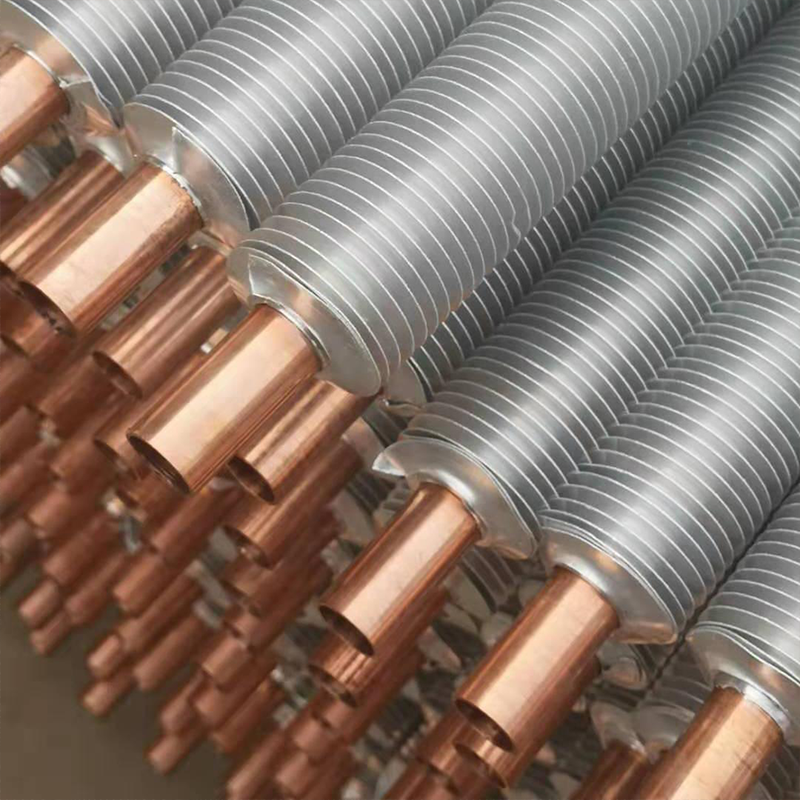
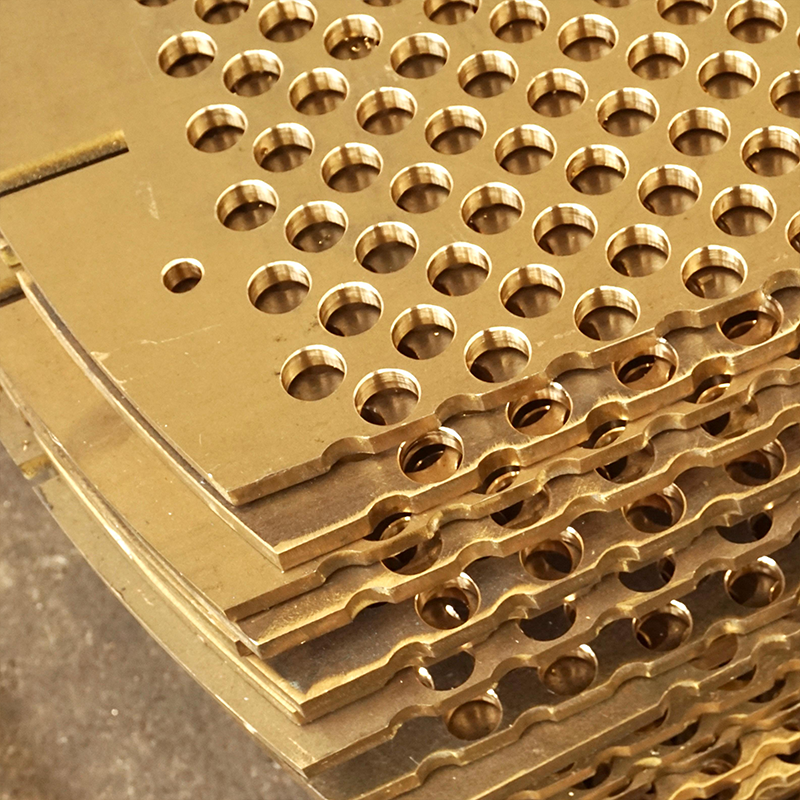
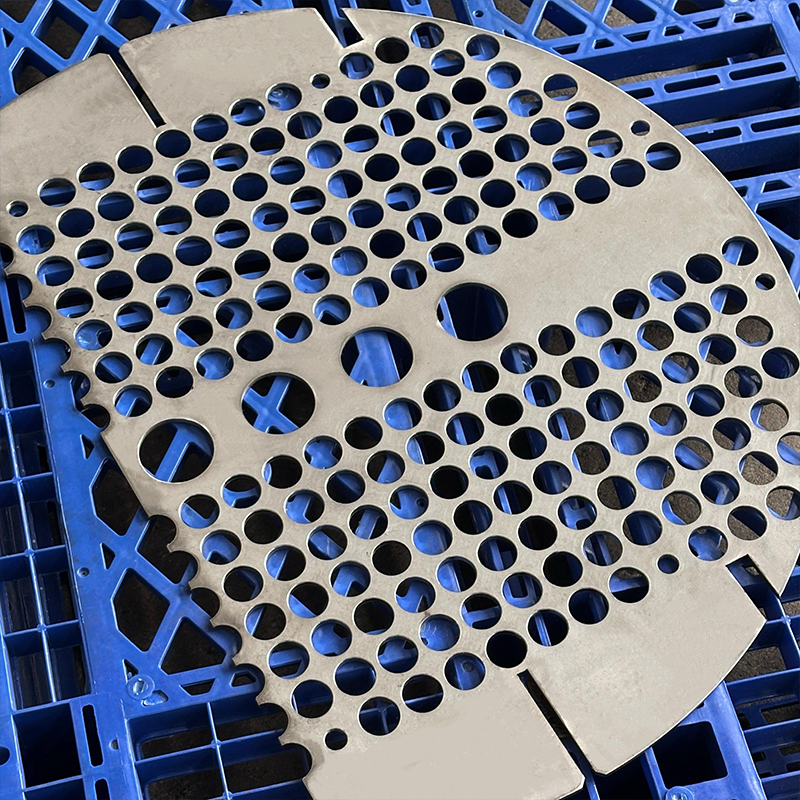
Particular attention in communities is paid to the selection of materials for associated equipment, such as heat exchangers and recovery boilers, which are often integrated into petroleum storage systems. As the company's experience showsWuxi Kaisheng LLC, specializing in the production of high-tech energy-chemical equipment, the correct selection of alloys is the foundation for the durability of the entire installation. Their products, including titanium shell-and-tube heat exchangers and N06625 nickel alloy bundles, are certified to stringent international ASME and PED standards. In the harsh environments found in oil refining and water desalination, the use of C46400 marine brass or 316 stainless steel components offered by such manufacturers is becoming not just a choice, but a necessity, supported by many successful cases discussed on specialized resources.
Technological nuances of installation and welding
Welding is the heart of tank construction. Mistakes are not allowed here. On the forums, defects are discussed in detail: undercuts, pores, lack of penetration. The question is often asked: “Why do pores appear during automatic submerged arc welding?” Answers range from flux moisture to drafts in the work area. Specific example: discussion of the problem of joint porosity at temperatures below -15°C. Theorists advise stopping work, practitioners share their experience of using hot houses and preheating the edges to 100-120°C. These life hacks, obtained empirically, are often more effective than dry lines in technological maps.
Another important aspect is geodesy and geometry control. Deviation of the verticality of the wall or ovality of the bottom can lead to the impossibility of installing the roof or problems during operation. Experts share measurement techniques with laser scanners versus traditional theodolites. We implemented a control technique observed in one of the discussions, which allowed us to identify an error of 4 mm at a height of 12 meters before the next belt was welded. The early fix took 2 hours, whereas redoing the finished tank would have taken a week.
Interaction with supervisory authorities and expertise
Passing an industrial safety assessment (ISA) is a headache for many companies. The inspectors' requirements can be interpreted in two ways. On forums, users post real comments from experts and ways to eliminate them legally. This forms a knowledge base “how to correctly draw up executive documentation.”
Disputes often arise regarding the applicability of certain standards. For example, is it necessary to carry out ultrasonic testing (UT) of 100% of the bottom seams or is selective testing sufficient? Opinions on forums help to form a reasoned position for dialogue with the customer and supervision, based on precedents of other successfully completed objects. We used this argument in a dispute with the customer’s technical supervision, referring to the experience of colleagues described in the public domain, which saved us 4 days of work and significant funds on NDT.
Risk analysis: what unsuccessful cases on forums teach
Success teaches little, mistakes teach a lot. The “Black List” section or topics with headings “How we lost money” are the most read on any professional resource. Analysis of such stories allows us to identify systemic problems in the industry.
One of the most common topics is the bankruptcy of subcontractors. Users warn each other about companies that take an advance and disappear or begin to drag their feet, demanding additional payments. We maintain an internal register of “unreliable partners”, which we regularly check with forum data. This is a simple precaution that keeps the project financially sound.
Another serious risk is using unlicensed calculation software. Stories periodically pop up on forums when a project calculated in a “pirated” version of the program contained critical errors in determining loads from wind or snow. When verified by an independent expert, such projects are sent for complete rework. The moral is simple: saving on licensed software can cost more than the entire project. We strictly follow this rule and recommend our partners to do the same.
Warranty issues are also discussed. There are cases when the tank manufacturer refuses to fulfill warranty obligations, citing violation of operating conditions. Forum members share their experience of judicial protection and the correct execution of commissioning acts in order to record the initial state of the object. This knowledge helps us draw up more competent contracts with our clients, protecting the interests of both parties.
| Problem type | Frequency of discussion on forums | Potential Damage | Community Prevention Method |
|---|---|---|---|
| Low-quality rolled metal | High | Replacing belts, stopping construction | Checking reviews of the manufacturer before purchasing |
| Errors in the KM/KMD project | Average | Alteration of components, installation defects | Consultation with experienced designers on complex components |
| Violation of welding technology | Very high | Cracks, depressurization, accident | Studying defect reports of similar objects |
| Failure to meet delivery deadlines | High | Fines, downtime | Monitoring the actual logistics situation in the region |
| Problems with acceptance (Technical supervision) | Average | Commissioning delay | Study typical comments from experts in your region |
How to Participate Effectively in Discussions: Etiquette and Benefits
Being a passive reader is helpful, but active participation pays dividends in the form of reputation and direct contacts. However, entering the closed club of professionals is not easy. There are unspoken rules of behavior, violation of which can lead to a ban or ignoring your questions.
First, formulate the question specifically. Phrases like “Help me make a tank” don’t work. Professionals will appreciate the question: “What welding mode is recommended for a 10mm thick butt weld made of 09G2S steel at an air temperature of -10°C, using a semi-automatic machine with SV-08G2S wire?” The more initial data you provide, the better the answer will be. We always require our engineers to fill out a checklist of task parameters before publishing a question.
Secondly, respect the time of your interlocutors. Before asking a question, use the forum search. 80% of questions have already been asked and answered before. Repeating the same topics irritates moderators. If you find a similar topic, but it does not completely solve your problem, provide a link to it and clarify what exactly remains unclear.
Third, share your experience. The community lives on the principle of mutual assistance. If you solved a difficult problem, describe the process. Even if the solution seems obvious to you, it may be a discovery for someone. We regularly publish cases of our complex installations (of course, without disclosing the customer’s trade secrets), which increases trust in our company from our colleagues in the workshop.
Finally, avoid aggression and personalization. Technical disputes are inevitable, but they must be conducted within the framework of arguments, references to GOST and calculations. Insults are unacceptable. Remember that today's opponent may become your partner on a major construction project tomorrow.
The future of industry communications: trends for 2026-2027
The format of communication is changing. Text forums are gradually giving way to hybrid formats. Video conferences, webinars with real-time demonstrations of drawings, and VR tours of facilities are becoming the norm. We predict that by the end of 2027, major technical solutions will be discussed in online sessions with the possibility of joint editing of documents.
Artificial intelligence is beginning to penetrate into this area. Assistant bots are appearing that can instantly find the necessary items in SP and GOST at the user’s request. However, they cannot replace human experience. The AI does not know how a welder behaves after the third shift in night weather, and does not have a “sniff” for a problematic supplier. Therefore, the role of the human factor inforums of tank construction specialistswill only grow, transforming towards verification of data obtained from algorithms.
The importance of international cooperation is also growing, despite geopolitical difficulties. Engineers are looking for ways to adapt foreign technologies to Russian realities and vice versa. Discussion of analogues of imported equipment (valves, breathing valves, foam fire extinguishing systems) takes up a significant part of the airtime. Finding quality replacements is the number one task for the industry.
Practical steps for integration into a professional environment
If you're ready to start benefiting from communities right now, here's our step-by-step action plan based on our own experience:
- Registration and profiling.Register on 2-3 largest industry platforms. Fill out your profile in as much detail as possible: indicate your specialization, region of work, types of tanks you deal with. This will attract relevant contacts.
- Setting up notifications.Subscribe to sections that correspond to your activity (for example, “Anti-corrosion”, “Installation of RVS”, “Regulations”). Set up to receive a digest by email so you don't miss important topics, but don't get drowned in the flow of information.
- First contribution.Find a topic in which you are competent and give a detailed, reasoned answer. Don't advertise yourself directly, just help solve the problem. This will create a base of trust.
- Search for solutions.Frame your current technical challenge as a specific question. Use search to make sure your question is unique. Publish it with diagrams or photos (if possible).
- Networking.Transfer productive communication to personal messages or instant messengers only after establishing contact in the public field. Offer an exchange of experience or a meeting at specialized exhibitions.
Following these steps will allow you to quickly get up to speed and find reliable partners. Remember that in the B2B sector, a reputation takes years to build, but is destroyed with one wrong piece of advice or a low-quality item. Forums are a litmus test of your professional suitability.
Conclusion: The Power of Collective Intelligence in Engineering
Tank construction is an area of high responsibility, where there is no room for accidents.Tank construction specialist forumsare an indispensable tool for minimizing risks and improving the quality of work. They combine the disparate experiences of thousands of engineers into a single knowledge base that is accessible to every participant. To ignore this resource in 2026 means to voluntarily limit your competence.
We have seen in practice: projects implemented based on the opinion of the professional community are completed faster, have fewer defects and bring more profit. Openness to knowledge and willingness to share experience are the key qualities of a successful engineering company. Don't be afraid to ask questions, don't be shy to admit difficult points, and always check information with multiple sources.
If you are faced with a difficult task in the design or installation of tanks and have not found the answer in open sources, our team is ready to offer expert advice. We have our own array of data, accumulated over the years of implementing projects of varying complexity, and are ready to share it.Contact us todayto discuss your project or leave a comment below if you would like to share your experience participating in industry communities.
For an in-depth study of the topic, we also recommend that you read our materials onmodern standards for RVS designand reviewadvanced welding technologies in tank construction.