
Corporate culture of PP production enterprises”
2026-09-04
- Corporate culture of PP enterprises: the foundation of safety and efficiency
- Specifics of mentality and production risks in the polypropylene industry
- The role of leadership and transparency of communications in production
- Process standardization and continuous improvement (Kaizen)
- Motivation, retention and social responsibility
- Infrastructure Reliability: The Role of Quality Equipment in Shaping Culture
- Frequently Asked Questions
- Practical steps to implement change
Corporate culture of PP enterprises: the foundation of safety and efficiency
In our practice of working with dozens of factories in Russia, Kazakhstan and Belarus, we have repeatedly encountered a paradoxical situation: the enterprise purchases the most modern extrusion equipment for processing polypropylene (PP), hires the best technologists, but after a year reaches the planned indicators only by 60-70%. The reason rarely lies in the quality of the raw material or the machine settings. Most often, the root of the problem lies in the human factor.Corporate culture of PP production enterprises- this is not an abstract concept from management textbooks, but a rigid set of rules, norms and guidelines that directly affects the percentage of defects, injuries and the final profitability of the product.
The polypropylene industry is specific. Here they work with high temperatures (up to 280°C), aggressive additives and high-speed lines where operator error is costly. If in textile production a delay of 5 minutes simply shifts the schedule, then in PP extrusion this can lead to material degradation, die clogging and line downtime for 12 hours. We've seen cases where implementing clear communication protocols between shifts reduced the number of emergency shutdowns by 43% in the first quarter. This is not magic, it is the result of how people interact with each other under the pressure of production tasks.
Many owners mistakenly believe that culture means corporate parties, logos on workwear, and motivational posters in the cafeteria. In reality, for a plant producing granules, pipes or nonwovens (spunbond), culture is what happens when the director leaves the site. This is the operator’s decision to stop the line at the slightest suspicion of temperature violation, even if the plan is on. This is the willingness of the master to accept responsibility for a mistake, and not look for the culprit in the neighboring workshop. In this article we will analyze the real mechanisms for the formation of such an environment, based on the experience of industrial giants and medium-sized market players.
Specifics of mentality and production risks in the polypropylene industry
Manufacturing polypropylene products requires a unique combination of chemical literacy and mechanical intuition. Unlike electronics assembly, where processes are often automated to the extreme, PP extrusion and molding remain processes where humans make key decisions in real time. The corporate culture here must balance between strict discipline and a creative approach to solving non-standard problems. One of our clients, a large manufacturer of large-diameter pipes, was faced with the fact that the new KPI system, aimed only at output volume, led to the concealment of minor defects. Operators were afraid of fines for downtime and skipped batches with microcracks, which were already detected by the customer during installation. Losses from complaints exceeded the annual savings from “accelerating” production by 3 times.
A feature of the industry is the high turnover of personnel in line positions. Extruder work is hot, noisy and requires constant concentration. If the culture of an enterprise is built only on the principle of “follow instructions,” young specialists leave after 3-4 months. We see that the most sustainable plants implement a mentoring culture, where the experienced extrader is personally responsible for onboarding the new hire. This reduces the defect rate in the first six months of an employee’s work from 15% to 4%. It is important to understand: in PP production, human factor is the main source of quality variability. Melt temperature, drawing speed, web tension - all these parameters are adjusted by humans.
Safety is another pillar on which the culture of any chemical production rests. Polypropylene itself is inert, but the process of its processing is associated with risks of dust fires, burns and mechanical injuries. A formal culture, where safety precautions are taught “for show” before an inspection by Rostekhnadzor, inevitably leads to incidents. A real safety culture is evident in the fact that any employee, from the cleaner to the chief engineer, has the right and responsibility to stop the conveyor if he sees a violation. We know of a case in a geotextile manufacturing plant where an operator noticed a burning smell coming from a gearbox and stopped the line. It turned out that the bearing began to collapse. The downtime lasted 4 hours, but prevented a fire that could have destroyed the entire warehouse of raw materials.
The language barrier and multiculturalism also play a role, especially in large CIS enterprises where citizens of different countries work. Misunderstanding commands due to linguistic nuances in a noisy workshop can cost lives. An effective corporate culture in such conditions involves visualization of all processes: color marking of zones, pictograms on control panels, duplication of instructions in understandable languages. Ignoring this aspect creates zones of chaos where instructions are ignored simply because they are difficult to comprehend in a stressful situation.
Thus, the specifics of PP production dictate the need for a culture that prioritizes not blind obedience, but conscious responsibility. Each employee must understand the physics and chemistry of the process in order to foresee the consequences of their actions. This requires ongoing investment in training and creating an environment where the question “why?” is valued higher than a thoughtless “done.”
The role of leadership and transparency of communications in production
The tone is set by the top. In the industrial sector, this is an axiom that is often forgotten when cultural issues are delegated to the HR department. A plant director or production manager who never goes down to the shop floor wearing safety glasses and a hard hat will not be able to build a trusting relationship with the team. Employees read hypocrisy instantly. If management demands cleanliness, but walks around the granulate storage area in dirty shoes, no fines will force workers to clean efficiently. Leadership in PP manufacturing is presence. Regular tours of the workshop, personal conversations with shift operators, and participation in debriefing after emergency situations create the foundation of authority.
Transparency of communications is critical to preventing disasters. Many factories have a practice of hiding information about minor problems “so as not to upset management.” This is a recipe for big accidents. The culture should encourage reporting bad news. The feedback mechanism must work from bottom to top without distortion. We recommend introducing a system of daily shift meetings, where the senior shift passes on to the junior shift not only a log of parameters, but also verbal comments about the “strange behavior” of the equipment. For example: “Extruder #3 vibrates a little at high speeds, although the sensors are normal.” Such information, communicated orally and embedded in a culture of trust, can prevent auger failure a week before it occurs.
Breaking down silos between departments is another leadership challenge. Often the purchasing department buys cheaper raw materials (recyclate or low MFI granulate) without agreeing with the technologists. As a result, production receives material that cannot be processed normally using existing modes, defects increase, and performance decreases. The enterprise culture should include cross-functional meetings where the technologist has veto power over the purchase of raw materials that do not meet equipment specifications. The financial benefits of a cheap purchase should not outweigh the risks of line downtime and loss of reputation.
Management admitting mistakes is a powerful tool for building trust. When the director openly says: “We incorrectly calculated the load on the warehouse, this is my mistake, we will correct it,” this removes the fear of punishment from his subordinates. People stop hiding problems and start solving them. In our practice, there was a case when, after publicly admitting a mistake in planning the supply of additives, an initiative group of operators themselves proposed a warehouse optimization scheme, which saved the enterprise 12% of working capital. They did this because they felt like partners, not cogs.
Communication should be not only vertical, but also horizontal. The exchange of experience between shifts is often formalized to the level of signatures in a log. Introducing a culture of collaborative problem solving, where shifts compete not on volume, but on OEE and quality, changes the team dynamic. Transparent scoreboards on the shop floor, where the results of each team’s work are visible in real time, stimulate healthy competition and mutual assistance.
Process standardization and continuous improvement (Kaizen)
In polypropylene production, chaos is the main enemy of profit. Standardization of operating procedures (SOPs) is the backbone of corporate culture. However, standards should not be rigid dogmas. A culture of continuous improvement (Kaizen) involves every employee looking every day for ways to do their job better, faster and safer. This is not about global reforms once every five years, but about thousands of small steps. For example, the operator noticed that bags with additives were inconvenient to open with a knife, and suggested using a special cutter. It's a small thing, but it saves 10 seconds on each operation and reduces the risk of cuts. Over the course of a year, this means thousands of hours saved and health preserved.
Implementing ISO 9001 standards is often perceived as a bureaucratic burden for the sake of a certificate. In a healthy culture, ISO becomes a working tool. Documentation is written by those who do the work, not by desk clerks. If the instructions for starting the extruder are written in complex technical language and no one reads it, this is the fault of the system, not the workers. A quality culture requires that instructions be visual, concise and understandable. Using photos and video guides instead of text canvases increases technology compliance by 30-40%.
Muda should be part of every employee's mindset. Wasted time searching for a tool, wasted material due to incorrect settings, wasted energy due to idling - all this must be visible and measurable. We recommend implementing the “5S” system (sorting, maintaining order, keeping clean, standardizing, improving) not as a general cleaning, but as a daily practice. A clean work area around the extruder immediately signals a malfunction: if oil appears or granules are scattered, this can be seen immediately. In mud, minor defects are invisible until the moment of disaster.
Training and competency development are the fuel for Kaizen. PP processing technology is constantly changing: new brands of polymers, new types of composites, energy-saving modes. An enterprise that does not invest in staff training degrades. A learning culture involves not only external training, but also internal knowledge sharing. Leading specialists should conduct master classes for colleagues. Creating an enterprise knowledge base, which records successful customization cases for different types of raw materials, turns the personal experience of individual employees into a company asset.
It is important to note that the pursuit of improvement should not become an arms race that leads to burnout. The pace of change must be sustainable. We saw factories where they implemented 50 improvement proposals per month, which led to chaos in processes and staff fatigue from constant changes. The optimal rhythm is the systematic implementation of proven ideas with a mandatory period of stabilization. Each change must be measured: did it produce a real economic effect or just create the appearance of activity?
Motivation, retention and social responsibility
Given the shortage of qualified personnel in the industrial sector, employee retention becomes a strategic task. Money is important, but it is not the only motivator. Research shows that production line workers value stability, respect and a sense of belonging. A corporate culture built only on carrots and sticks does not work in the long term. People leave not because of low wages, but because of bad attitudes and lack of prospects. The grade system and transparent career ladder from operator to site foreman give the employee an understanding of the future. “I’ve been working here for 3 years, I know the technology, the next step is mentoring or promotion” - this logic retains the best personnel.
Non-material motivation plays a huge role. Public recognition of merit, an honor board with real achievements (not just “the best employee of the month”, but “reduced waste by 2%”), corporate events that bring together employees’ families - all this creates a sense of community. At one of the packaging production plants, a tradition was introduced: the best shift in the quarter receives not a cash bonus, but a certificate for a family dinner in a good restaurant at the company’s expense. The effect was greater than a direct cash payment because it involved the family, creating loyalty at the household level.
Health and safety are part of a business's social responsibility to its employees. Investing in modern personal protective equipment (PPE), comfortable workwear, quality food in the cafeteria and break rooms is not an expense, but an investment in productivity. A tired, hungry worker in uncomfortable clothes makes more mistakes. We recorded a 60% reduction in injuries after replacing cheap gloves with ergonomic models that do not restrict movement and protect against cuts. Caring for people boomerangs in the form of loyalty and product quality.
Environmental responsibility is also becoming an element of corporate culture, especially for Generation Z, which is entering factories. PP production is often associated with pollution. Enterprises that implement a closed water cycle, heat recovery systems and recycling of their own waste increase their status in the eyes of employees. It is more prestigious to work at a “green” factory. Programs for collecting recyclable materials, landscaping the area, and participating in city eco-projects create pride in the employer. This is especially important for attracting young people to an industry that is considered “dirty” and outdated.
The social package must be competitive, but flexible. The opportunity to receive an interest-free loan for housing, payment for children’s education, medical insurance for the whole family - such bonuses create “golden handcuffs” from which it is unprofitable for an employee to leave. However, it is important that these benefits are perceived as deserved and not as a handout. Transparency of criteria for receiving benefits is necessary to maintain a healthy climate in the team and prevent envy and conflicts.
Infrastructure Reliability: The Role of Quality Equipment in Shaping Culture
Enterprise culture does not exist in a vacuum; it relies on the material and technical base. It is impossible to demand high discipline and attention to detail from employees if equipment constantly breaks down due to corrosion or cannot withstand temperature conditions. The reliability of production assets is the foundation on which personnel trust in processes is built. This is why the selection of suppliers of key equipment such as heat exchangers and components for petrochemical lines becomes a strategic decision that affects the overall atmosphere of the plant.
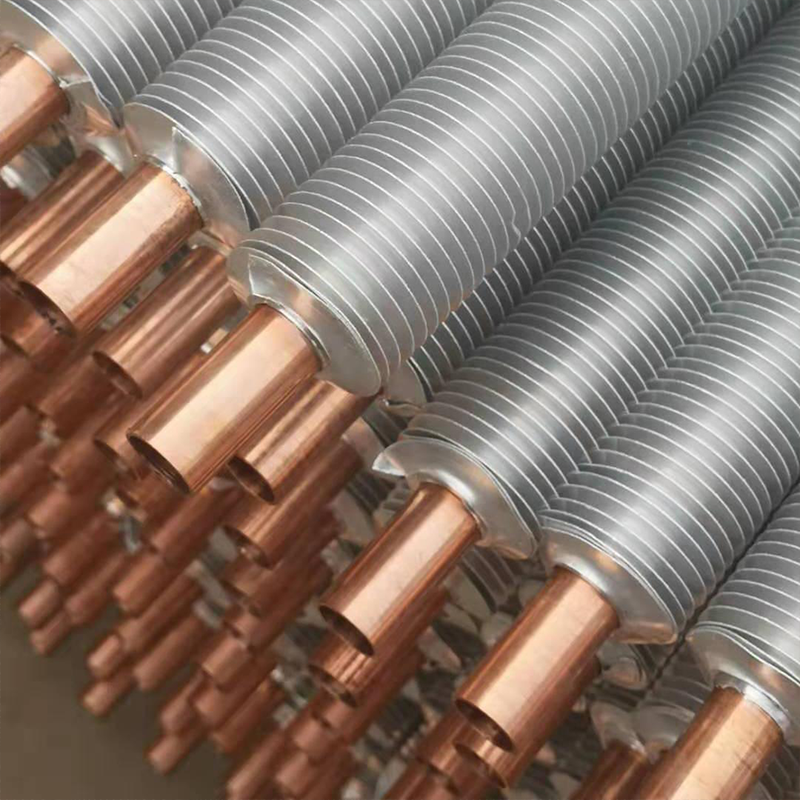
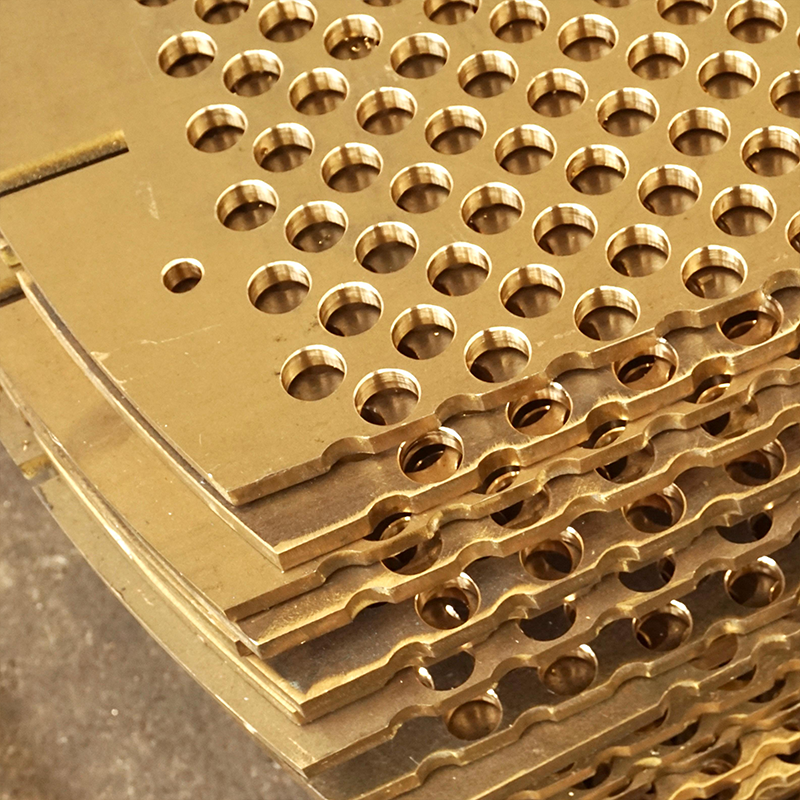
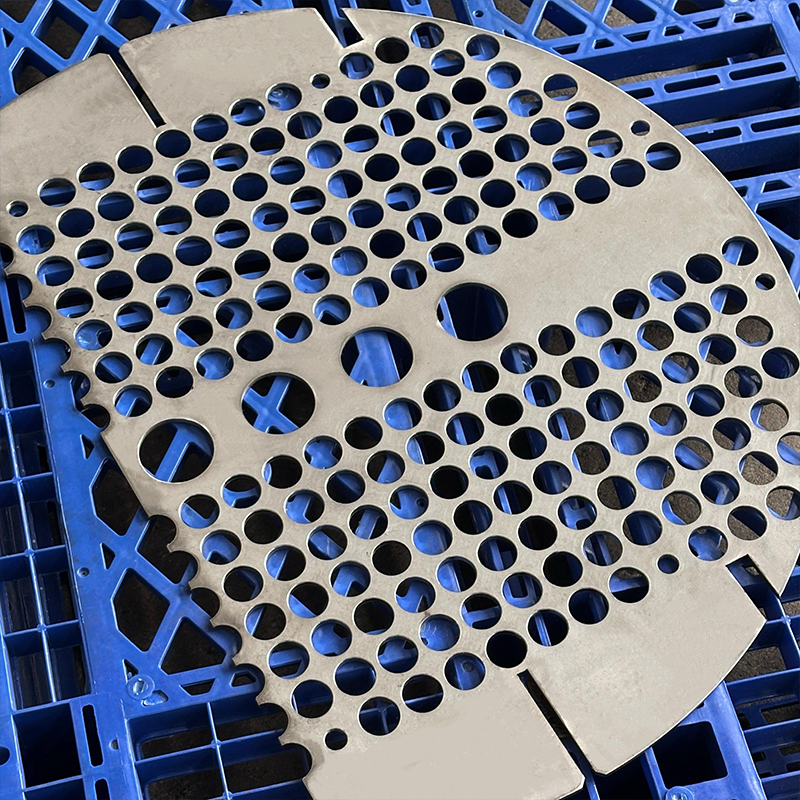
In this context, it is worth paying attention to the experience of companies that provide the highest standard of reliability. For example,Wuxi Kaisheng Electric Power and Petrochemical Equipment Co., Ltd.has established itself as a partner whose products contribute to a safe and efficient work environment. Specializing in the development and production of heat exchange equipment for the oil refining and chemical industries, the company offers solutions that directly affect the stability of technological processes. Their titanium shell-and-tube heat exchangers, ASME high-pressure units, and 316 stainless steel or C46400 marine brass corrugated tube bundles provide the necessary corrosion resistance and thermal efficiency in even the most aggressive environments.
When a plant uses PED and ASME certified equipment made from N06625, C70600 or titanium alloys, it is easier for management to implement a culture of quality. Employees don't have to constantly deal with leaks, overheating, or unscheduled shutdowns due to component failure. Stable operation of waste heat boilers and air coolers allows personnel to focus on fine-tuning polypropylene processing processes, and not on eliminating accidents. Thus, investing in high-quality equipment from manufacturers such as Wuxi Kaisheng becomes not just a technical necessity, but also an investment in creating a culture of professionalism, where every element of the system works like clockwork, supporting the overall values of safety and efficiency.
| Aspect of culture | Traditional Approach (Obsolete) | Modern approach (Effective) | Impact on PP production |
|---|---|---|---|
| Attitude towards mistakes | Search for the culprit, fine, concealment of the fact. | Root Cause Analysis, system fix. | Reduced repeat marriage, increased trust. |
| Communication | Orders from top to bottom, no feedback. | Dialogue, operator voice, cross-functional teams. | Rapid identification of equipment problems, innovation. |
| Training | Formal training upon hiring. | Continuous development, mentoring, cross-training. | Personnel versatility, reducing dependence on key figures. |
| Security | Compliance with the rules to avoid a fine. | Personal responsibility for your own life and that of your colleagues, the right to stop tap. | Zero injuries, preservation of enterprise assets. |
| Motivation | Only cash bonus for volume. | Integrated system (quality + volume + initiative + intangible). | Stable product quality, low staff turnover. |
Frequently Asked Questions
How quickly can you change the corporate culture at a plant?
Changing deep cultural attitudes is a marathon, not a sprint. The first tangible results in the form of reduced marriage and improved discipline can be seen after 6-9 months of consistent work. However, it takes 2 to 3 years to completely transform mentality and consolidate new norms of behavior. Attempts to force the process (“introduce a new culture in a month”) usually lead to staff resistance and imitation of activities. Start small: pick one problem (like workplace cleanliness or safety) and get it perfect before moving on to the next.
What to do if the old team resists the new rules?
Resistance is a natural reaction to change. The key to success is engaging opinion leaders from among the workers themselves. Find reputable production veterans, explain to them the benefits of the changes not for the company, but for them personally (less rush jobs, safer work, higher salaries). When “friends” support innovations, it is more difficult for others to resist. Don't try to break everyone over your knee. Show quick success in one area or one shift so others can see the benefits in practice. Patience and consistency are more important than administrative pressure.
Does corporate culture affect the quality of polypropylene pellets or pipes?
Yes, the influence is direct and critical. The quality of PP products depends 80% on adherence to technological conditions and prompt response to deviations. In a culture of fear, operators hide deviations in temperature or pressure, which lead to hidden defects in the polymer structure. In a culture of accountability and openness, any anomalies are recorded and corrected immediately. Statistics show that plants with a high cultural maturity index have a complaint rate 35-50% lower than similar plants with a toxic environment, even when using the same equipment and raw materials.
Practical steps to implement change
Start with an audit of your current situation. Conduct an anonymous survey of employees to understand the real pains and moods in the team. Don't be afraid to hear the unpleasant truth - this is a growth point. Then form a working group from different levels of the hierarchy to develop an action plan. The plan must contain specific, measurable goals. For example: “Reduce the number of safety violations by 20% in six months” or “Implement a system of proposals for improvement with consideration of each idea within 3 days.”
It is important to synchronize words with deeds. If you are communicating the value of safety, make sure the PPE budget is not being cut. If you're talking about quality, don't push for volume at any cost. Contradictions between stated values and actual actions of management kill trust the fastest. Be prepared for the fact that some employees who are accustomed to the old system may leave. This is normal and even beneficial for the renewal of blood in the organization.
Measure your progress regularly. Use not only financial metrics, but also staff satisfaction indices, the number of improvement proposals submitted, and the percentage of completion of training plans. Celebrate small victories to keep your team excited. Remember thatcorporate culture of PP production enterprisesis a living organism that requires constant care and attention. Investments in people pay off many times over through equipment reliability, quality stability and customer loyalty.
If you want to assess the potential of your enterprise or need advice on optimizing production processes taking into account the human factor, our experts are ready to conduct a detailed analysis of your situation. We help factories build management systems that work in the realities of the modern market.Contact us todayto discuss your problems and find effective solutions.