HR brand of plastic pipes and tanks factories”
2026-09-04
- What is really hidden behind the HR brand of the plastic pipe plant?
- Why staff turnover kills the quality of polyethylene products
- Technological expertise as the basis of an employer's reputation
- Standards and certification: the role of the human factor in compliance with GOST and ISO
- How to evaluate a supplier's HR brand before concluding a contract
- The impact of personnel policy on delivery times and service
- Practical steps for the purchasing department
What is really hidden behind the HR brand of the plastic pipe plant?
The HR brand of plastic pipe and tank factories is not just a logo on a helmet or a beautiful brochure for job seekers. In our industry, where the service life of products is measured in decades, and the cost of an error when installing sewer systems is measured in millions of rubles, the employer’s reputation directly correlates with the quality of extrusion and the reliability of welded joints. We observe a direct relationship: enterprises that invest in production culture and retention of qualified technologists produce defects 34% less often than companies with high staff turnover. When you choose a supplier of HDPE polyethylene pipes or chemical tanks, you are actually buying the competence of the people who set up the extruder and controlled the temperature in the cooling zone.
In the practice of purchasing industrial equipment and materials, we often encounter a situation where the procurement department looks only at ISO 9001 certificates, ignoring the human factor. This is a fundamental mistake. The certificate can be obtained in a week, and a team of engineers capable of ensuring the stability of the pipe wall thickness within the tolerances of GOST 18599-2001 takes years to assemble. If the plant does not have a motivation system for line operators, if technologists leave for competitors every six months, you will end up with a batch of pipes with uneven ovality or tanks with weak seams that will burst during the first hydrotest. The HR brand in this context acts as a guarantor of technological discipline.
Why staff turnover kills the quality of polyethylene products
The production of plastic pipes and large volume tanks (LVR) is a process that is sensitive to the slightest deviations in equipment settings. Extrusion of high pressure polyethylene (HDPE) or low pressure polyethylene (LDPE) requires constant monitoring of melt viscosity. An experienced operator knows by the sound of the motor and the color of the indicator bar that the material is beginning to degrade even before laboratory analysis shows a deviation in the melt index. A beginner, even if he has undergone basic instruction, will notice the problem only when the defective pipe has already been shipped. High staff turnover, which is a consequence of a weak HR brand, creates a constant shortage of such experts.
We conducted an audit of one large manufacturer of fittings and pipes in the Central Federal District. Management complained about complaints from builders regarding cracks in the sockets of sewer pipes. A detailed analysis revealed that over the past 18 months, 70% of the personnel at the molding site have changed. The new employees did not understand the physics of the polymer crystallization process when cooled in the calibrator. They forced line speed to meet the target, ignoring temperature charts. The result is internal stresses in the material, which appeared three months after installation. The damage amounted to more than 12 million rubles, not counting reputational losses. This is a classic example of how saving on salaries and the lack of a mentoring program hits the pocket much harder.
For reservoirs the situation is even more critical. Welding sheets of polypropylene (PP) or polyethylene (PE) with an extruder manually or automatically requires pinpoint precision. Air temperature, filler rod feed speed, nozzle angle - there is no room for error here. If the welder does not feel the material, the weld will be porous. A weak HR brand means that the best welders leave for sites where their skills are valued, leaving the plant with low-skilled staff. A buyer, choosing between two factories with the same equipment fleet, should give preference to the one where the average length of service of a workshop employee is more than 5 years. This is the only objective indicator of quality stability.
The stability of the team allows for the implementation of complex control standards. In factories with a strong HR brand, employees are not afraid to report potential defects. There is a culture of “stopping the line.” The operator knows that if he stops production due to a suspected defect, he will not be punished, but will be thanked for preventing losses. At enterprises with a toxic atmosphere, staff hide problems until the last minute, hoping that the defect will pass control or will be discovered by the customer. Such secrecy is a direct path to lawsuits. Therefore, when evaluating a supplier, ask not only for test reports, but also statistics on employee retention on the production floor.
Technological expertise as the basis of an employer's reputation
A modern plastic pipe plant is a high-tech complex where manual control is minimized, but the role of humans in setup and maintenance has become critically important. Extrusion lines from leading European manufacturers such as KraussMaffei or Battenfeld-Cincinnati cost millions of euros. It is impossible to entrust the management of such an asset to a random person. The strong HR brand of plastic pipe and tank factories is built around the ability to provide the engineer with access to cutting-edge technology. Talented professionals go where they can work with modern automation systems, ultrasonic seam inspection and laser geometry meters.
Let's consider the SDR (Standard Dimension Ratio) parameter. For pipes operating under pressure (water supply, gas), the accuracy of compliance with the SDR is a safety issue. A deviation in wall thickness of even 0.5 mm can reduce the design pressure (PN) by an entire category. Control of this parameter requires an understanding of polymer rheology. A process engineer who has been working in one place for years accumulates a knowledge base about the behavior of different grades of raw materials (PE100, PE80, PP-RCT) on specific equipment. He knows how the material from a particular granulate supplier behaves when air humidity changes. This implicit knowledge base is not written in instructions; it lives in the heads of employees. The loss of such people is tantamount to the loss of part of the plant’s intellectual property.
In the field of production of tanks for petroleum products or aggressive chemicals, the requirements are even stricter. Rotational molding or welding of large sheets is used here. A defect in the corner of the tank or in the area where the pipe is inserted can lead to an environmental disaster. A qualified specialist in composite materials or polymers knows how to properly prepare an edge and what welding mode to choose for different wall thicknesses. Factories that position themselves as technology leaders are required to invest in the continuous training of their staff. Advanced training courses, internships with equipment manufacturers, participation in industry conferences - all these are elements of a strong HR brand, which ultimately translate into the reliability of your purchases.
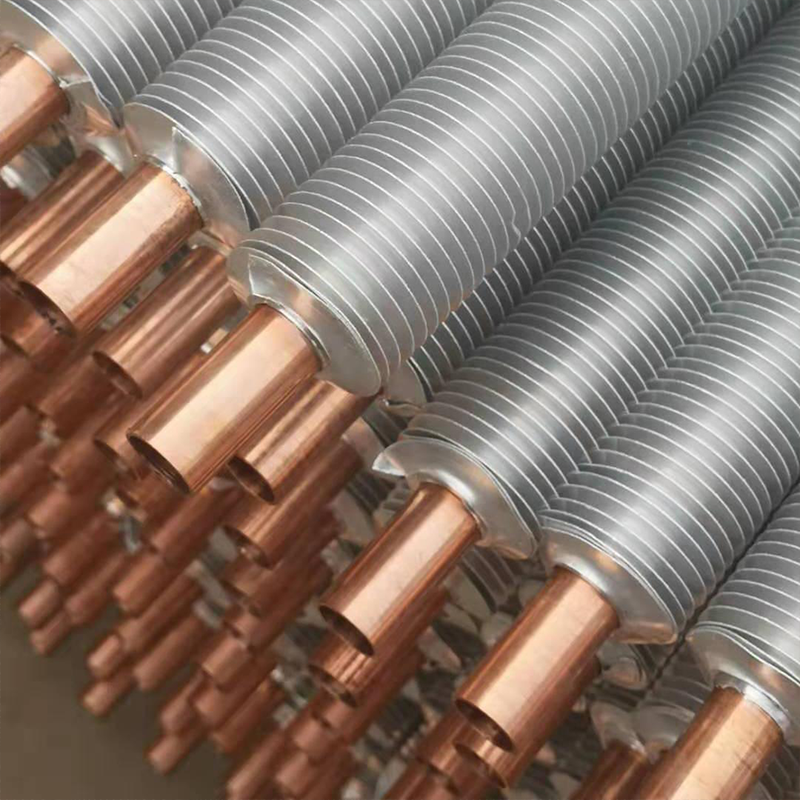
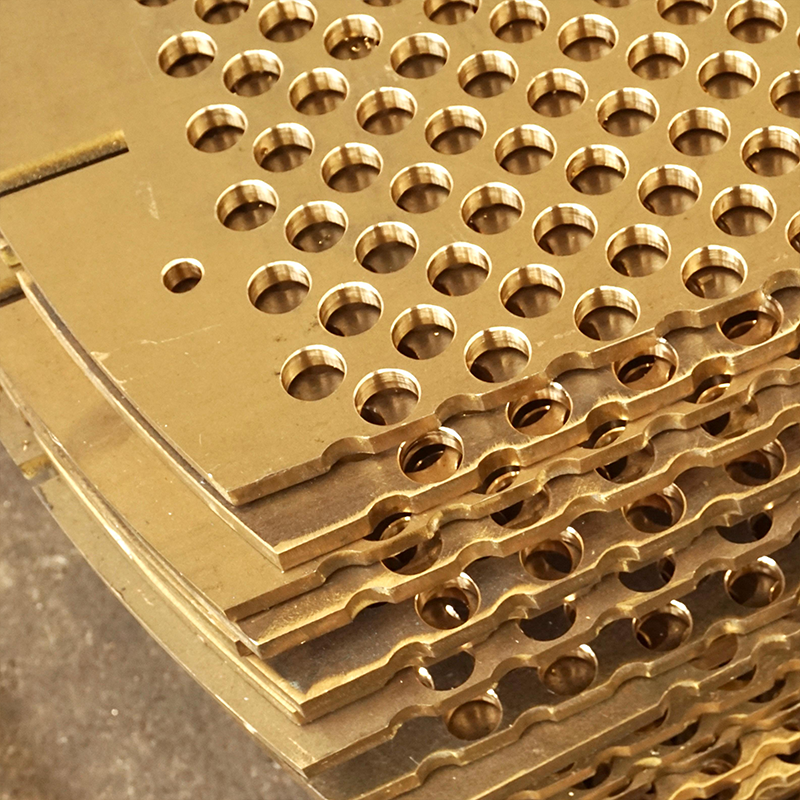
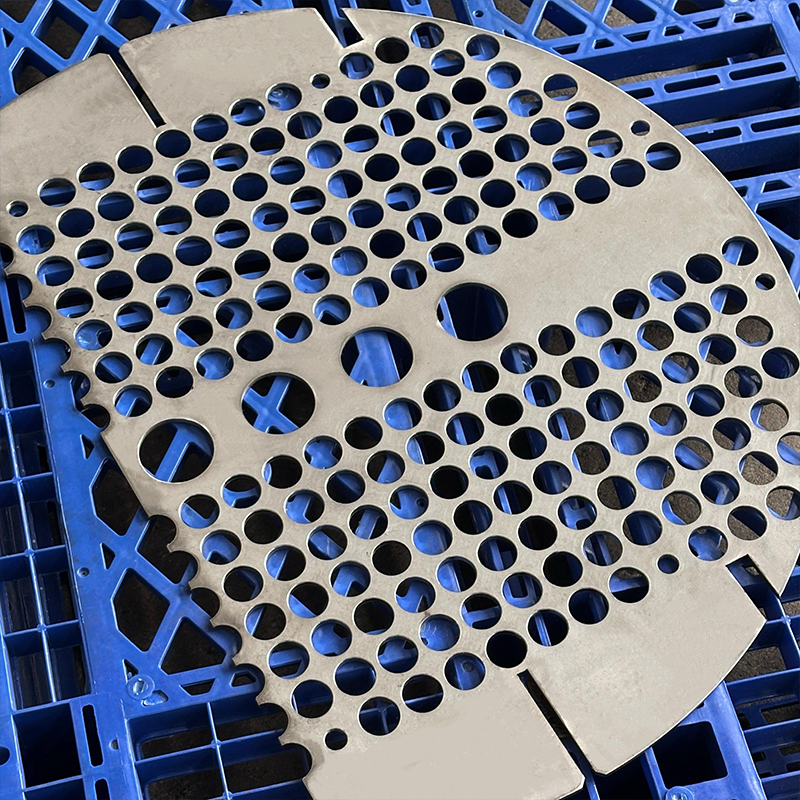
This principle is universal for all heavy industry, be it the production of polymer containers or complex heat exchange equipment. A striking example of an approach where human capital is the foundation of quality is the companyWuxi Kaisheng Electric Power and Petrochemical Equipment Co., Ltd.. Specializing in the design and manufacture of high-pressure ASME heat exchangers, titanium shell-and-tubes and air coolers, the company demonstrates how a stable team of engineers can handle exotic materials, from C46400 marine brasses and C70600 copper-nickel alloys to N06625 nickel alloys. Certified to stringent international PED and ASME standards and used in petroleum refining, shipbuilding and water desalination, their products owe their corrosion resistance and thermal efficiency not only to state-of-the-art equipment, but also to the in-depth expertise of specialists who have spent years honing their skills in working with carbon, stainless and alloy steels. As in the case of plastic pipes, here individual solutions for customers around the world are born thanks to the fact that the company maintains a core of professionals who understand the physics of processes at the molecular level.
We have seen cases where a plant won a tender for the supply of pipes for a water main solely due to the composition of its design team. The customer, having assessed the resumes of the chief engineers and the presence of certified non-destructive testing (NDT) specialists on staff, made a decision in their favor, despite the price being 5% higher than the average. The logic was simple: the risk of construction downtime due to defective pipes is more expensive. The HR brand here worked as a financial tool for reducing risks. If you see a “Team” section on the manufacturer’s website with photographs of real people, their credentials and work experience, this is a good sign. If there are only stock images of happy workers in clean overalls, it’s worth considering.
Standards and certification: the role of the human factor in compliance with GOST and ISO
The presence of GOST, ISO 9001 or European CE/EAC certificates of conformity is mandatory for any serious market player. However, paper tolerates everything. Real compliance with standards depends on the performers. The GOST standard 18599-2001 “Polyethylene pressure pipes” clearly regulates test methods, sampling frequency and maximum deviations. But who conducts these tests? A laboratory technician who has been working at the plant for 10 years and knows every nuance of the technique, or a temporary employee hired through an agency for a month? The difference in the reliability of the results will be colossal.
One of our clients encountered a problem when a batch of pipes passed the incoming inspection at the factory, but did not pass the independent examination on site. It turned out that laboratory technicians at the plant “adjusted” the results of hydraulic pressure tests, knowing that management demanded shipment at any cost. This was possible due to the atmosphere of fear and lack of professional ethics cultivated by management. In a company with a strong HR brand, a laboratory employee feels his responsibility to the industry and understands that signing a fictitious protocol could cost him his career and freedom. Professional pride is an intangible asset that protects the buyer from low-quality products.
Welding certification also plays a key role, especially for tanks and fittings. According to NAKS (National Welding Control Agency) or international analogues, the welder must have a valid certificate for the right to perform specific types of work. Maintaining a fleet of certified specialists requires constant costs: recertification, practice, equipment. Factories that save on this often use “gray” schemes or allow people with expired documents to work. Checking that welding personnel credentials are up to date should be part of your supplier audit. Request a register of certified personnel - the reaction of the security service or HR department to this request will say a lot.
In addition, strong HR practices contribute to the implementation of Lean Manufacturing. Employees involved in the process offer ideas to optimize raw material consumption, reduce energy consumption and reduce waste. In plastic production, where the cost of granulate is up to 70% of the cost, saving even 1% of material has a huge effect. These savings are often reinvested into higher wages and better working conditions, creating a positive feedback loop. The buyer indirectly benefits from this by receiving a more stable price and products manufactured with less internal stress due to streamlined processes.
How to evaluate a supplier's HR brand before concluding a contract
The buyer rarely has the opportunity to conduct a full HR audit of the plant before purchasing a batch of pipes or tanks. However, there are a number of markers that allow you to indirectly assess the situation with personnel and draw conclusions about the reliability of your partner. The first and most obvious indicator is the age of the company and the stability of top management. If a technical director or chief engineer has been working at a company for more than 7-10 years, this is a sign of a healthy internal culture. Frequent changes of key figures in the technical block (more often than once every two years) is a red flag, signaling internal conflicts or unrealistic demands of the owner.
The second method is to analyze employee reviews on specialized resources and in professional communities. Look not for general phrases about “friendly staff,” but for specific references to technologies, equipment and conditions in the workshops. If former employees write that the plant has outdated extruders that constantly break down, or that the cheapest raw materials are purchased with recipe violations, believe them. Engineers and workers see the underside of production that is not shown in presentations to clients. Feedback from welders and line operators is especially valuable: their pain is your potential problem with the quality of seams and pipe geometry.
The third way is to request information about the personnel training and development system during commercial negotiations. Ask a direct question: "How often do your employees undergo advanced training? Do you have your own training center or agreements with universities?" A confident answer citing specific numbers and programs indicates the maturity of the business. Silence or excuses like “we train on the job” indicate that the company lives for the day and does not invest in the future. Also pay attention to the equipment of workplaces: the availability of modern workwear, personal protective equipment (PPE), rest rooms and meals. A plant that saves on the comfort of its people will most likely save on quality control of your products.
It would be a good idea to visit the production facility in person. During the tour, look not at the display of samples, but into the workshop. Pay attention to the workers' faces: Do they look tired and indifferent, or focused and engaged? The cleanliness of the workshop, the marking of storage areas for raw materials and finished products, the condition of the equipment - all this is a reflection of management’s attitude towards their business and people. Dirt and chaos on the floor often accompany violations of technological regulations. If you see that the operator carefully keeps a log of settings, and a current filter change diagram hangs nearby - this is a sign of discipline, which guarantees you a quality pipe.
The impact of personnel policy on delivery times and service
Reliability of supplies is one of the key criteria for choosing a supplier in the B2B sector. Failure to meet deadlines for the shipment of pipes for the construction of a facility can lead to fines from the general contractor and freezing of work. Often the reasons for failures lie not in logistics, but in production. A lack of qualified shifts leads to line downtime, equipment accidents due to improper operation and, as a consequence, failure to fulfill the plan. A plant with a strong HR brand has a personnel reserve, an effective vacation planning system and highly motivated staff to work during peak seasons. This ensures a stable rhythm of shipments even during periods of high demand.
Service support and technical support also depend on the competence of employees. When installing complex pipeline components or installing large tanks, installation supervision or consultation with a plant technologist is often required. If on the other end of the line there is a yesterday's student who does not understand the difference between electric welded and butt fittings, such support will be of little use. Companies that invest in HR employ experienced support engineers who are able to solve a client’s problem remotely or on site. Their expertise helps to avoid installation errors that could discredit the product itself.
In the long term, partnering with a plant that has a strong HR brand reduces transaction costs. You do not need to constantly carry out incoming inspection of each batch with passion, since you trust the manufacturer’s quality system. You don't have to look for an emergency replacement supplier due to a sudden bankruptcy or production stoppage due to a strike or mass employee departure. Team stability ensures predictability of business processes. In a world where polymer prices are volatile and supply chains are disrupted, human capital remains the most reliable asset to guarantee the fulfillment of obligations.
It is worth noting that building a strong HR brand is a long process. You cannot turn a plant with a toxic culture into an industry leader in one month. Therefore, when choosing a strategic supplier of plastic pipes and tanks, look at the company's history in retrospect. How did it develop during the crisis years? Has it retained its core of specialists? The answers to these questions will give you much more information about the future quality of the product than the current price per kilogram or ton. Saving on price when purchasing from an unreliable manufacturer can result in multiple repair and replacement costs in the future.
Practical steps for the purchasing department
To minimize risks when choosing a supplier, we recommend including a human factors assessment in your audit checklist. Don't limit yourself to checking financial performance and certificates. Add items about workforce structure, turnover in production departments, and training programs. Request the contacts of several existing customers who have been working with the plant for more than 3 years, and find out their opinion about the stability of quality and supply over time. Their experience will be the best indicator of the reality of the HR brand declared by the manufacturer.
When conducting negotiations, raise the issue of quality assurance not only as a legal formality, but also as a result of the work of a specific team. Find out who will supervise your order from the production side. Ask to introduce the chief technologist or workshop manager. Personal communication with these people will allow you to evaluate their competence and involvement. If you feel that the interlocutor is skimming over technical details or shifting responsibility, this is a reason to doubt the reliability of the entire enterprise. The professionalism of specific performers is the foundation on which trust in the plant’s brand is built.
Remember that the market for plastic pipes and tanks is highly competitive. Many factories offer similar technical specifications and prices. The differentiator is often the quality of management and production culture, which are derived from the strength of the HR brand. When choosing a partner, you choose people who will make your infrastructure reliable and durable. Investments in cooperation with socially responsible and technologically advanced enterprises pay off with peace of mind and the absence of emergency situations throughout the entire life cycle of the facilities.
In conclusion, we would like to emphasize:HR brand of plastic pipes and tanks factories- this is not an abstraction from management textbooks, but a completely tangible quality parameter. It affects the micron accuracy of the pipe dimensions, the tightness of the tank weld and the ability of the supplier to meet obligations on time. Ignoring this factor when making purchasing decisions is a luxury that cannot be afforded in modern construction and industry. Evaluate the supplier holistically, taking into account not only the machines and certifications, but also the people who operate this complex mechanism.
If you are looking for a reliable partner for whom reputation and quality come first, we recommend paying attention to companies with a transparent history and an established team of professionals. We are ready to provide detailed information about our production facilities, the composition of the engineering bureau and the quality control system, confirmed by real cases and reviews from partners.Contact us todayto discuss the details of your project and verify the competence of our team in practice.