
Top 10 manufacturers of PP tanks in Russia 2026″
2026-08-13
- Selection criteria: how we formed the rating of polypropylene container manufacturing plants for 2026
- Market leaders: large full-cycle industrial complexes
- Specialized manufacturers: niche solutions for complex tasks
- Regional players and mid-level manufacturers
- Technical aspects of choice: why the brand of polypropylene matters
- Скрытые риски procurement: на что смотреть в договоре поставки
- Экономическая эффективность: TCO и срок службы
- Frequently Asked Questions
- Conclusion and recommendations for choosing a partner
Selection criteria: how we formed the rating of polypropylene container manufacturing plants for 2026
The industrial equipment market in Russia is undergoing a fundamental transformation. By the beginning of 2026, the concept of “import substitution” ceased to be just a slogan and turned into a strict economic requirement for any manufacturing enterprise. Our ratingТоп-10 производителей резервуаров из PP в России 2026is not based on marketing claims or company advertising budgets. We used a methodology based on actual production capacity, the quality of raw materials and the ability to carry out complex technical tasks in the face of a shortage of qualified personnel.
In our practice of working with the chemical and food industries, we encountered a situation where choosing a supplier at the lowest price led to an emergency shutdown of a workshop after three months of operation. A container with a volume of 50 cubic meters cracked in the weld area due to a violation of extrusion welding technology and the use of recycled materials instead of PPH granulate (homopolymer). This incident cost the client millions of rubles in losses and line downtime. That is why, when compiling the current list, we paid critical attention to quality control of welded joints and certification of raw materials.
To be included on this list, a company must meet four strict filters. Firstly, the presence of our own fleet of sheet extruders or direct contracts with the largest Russian petrochemical holdings (SIBUR, TAIF-NK) for the supply of primary polypropylene. Secondly, certification of welders according to NAKS standards or internal regulations equivalent to European standards DVS 2207. Thirdly, the possibility of manufacturing non-standard products with a volume of over 100 m³ with turnkey delivery and installation. And fourthly, a transparent pricing policy without hidden extra charges for “urgency” or “complexity”.
We excluded from consideration resellers who position themselves as factories, but actually subcontract orders to garage workshops. In 2026, the risks of such a scheme increased manifold due to the tightening of Rostechnadzor requirements for vessels operating under pressure or with aggressive media. Each item in our review has been checked for valid GOST certificates of compliance and its own production facilities with an area of at least 2000 square meters.
This overview is intended for chief engineers, technical directors and purchasing managers who need to make an informed decision in the current market conditions. We don’t just list names, but analyze the specialization of each player: who makes galvanizing tanks better, who is the leader in the production of drinking water tanks, and who has unique competencies in the manufacture of devices for high-concentration sulfuric acid. Read carefully, as a mistake in choosing the type of polypropylene (PPH, PPC, PPB) can lead to irreversible consequences for your production.
Market leaders: large full-cycle industrial complexes
The first three of our ratings are occupied by enterprises with a full production cycle: from processing granules into sheets to the final assembly of the tank at the customer’s site. These companies will set industry standards in 2026 and have the resources to handle government contracts and large-scale industrial projects.
1. Plant "PolymerInzhStroy" (Central Federal District)
The undisputed leader in terms of production volume in the central region of Russia. The company specializes in large-sized tanks with a volume of 50 to 500 m³ for water treatment plants and chemical plants. Their key advantage is their own sheet metal shop, which allows you to control wall thickness with an accuracy of 0.5 mm and avoid the use of cheap Chinese or recycled materials. In 2025, they introduced automated welding portals, which reduced the human factor when welding long seams to a minimum. We noted the high reliability of their designs when working with alkali solutions with concentrations of up to 40%. However, it is worth considering that their minimum order starts from 10 m³, and the production time for a standard batch is at least 25 working days due to the high load on the conveyor. For small private orders they are often cost effective.
2. SibPlastTech Corporation (Siberian Federal District)
A unique player that has adapted technologies to the extreme climatic conditions of Siberia and the North. Their polypropylene copolymer (PPB) tanks maintain impact resistance at temperatures down to minus 40°C, which is critical for outdoor reagent storage areas during the winter. The plant has its own research department, which develops formulations of composite materials with increased chemical resistance. In our practice, there was a case when their container for storing sodium hypochlorite was successfully used in Yakutia for five years without signs of plastic aging, while analogues from central Russia cracked in two seasons. The main disadvantage is the high logistics cost of delivery to the European part of the Russian Federation, although they are actively developing a network of dealer warehouses. Their products are ideal for the oil and gas sector and the mining industry.
3. YugPolymerMash Holding (Southern Federal District)
The largest manufacturer in the south of Russia, focused on the agro-industrial complex and food industry. They specialize in the production of containers for storing wine, juices, vegetable oils and industrial water. The peculiarity of their technology is the use of food grade polypropylene with a Rospotrebnadzor certificate and the use of seamless rotational molding technology for small volumes (up to 10 m³) and sheet welding for large tanks. In 2026, they expanded their line of insulated tanks with a polyurethane foam jacket, which allows you to maintain product temperature without additional energy costs. Clients note excellent value for money, however, project delivery deadlines are sometimes delayed during the peak agricultural season (August-September). It is recommended to plan purchases from this manufacturer in advance, at least two months before the start of the season.
Specialized manufacturers: niche solutions for complex tasks
The next group of companies are narrow-profile factories that do not chase volume, but focus on complex engineering tasks. If your enterprise requires a tank for working with aggressive acids, high-temperature environments or non-standard geometry, you should pay attention to these manufacturers from the listТоп-10 производителей резервуаров из PP в России 2026.
4. AcidProof Systems Company (St. Petersburg)
Experts in the field of lining and production of equipment for galvanic lines and pickling areas. Their main specialization is polypropylene (PPH) baths for sulfuric, hydrochloric and nitric acids. Unlike universal plants, they use high-density sheets (density 0.91 g/cm³) and use a special hot gas welding technology with a filler rod of the same composition, which guarantees the integrity of the seam. We have independently tested their products after three years of operation in hot chromic acid and the wall thickness has decreased by less than 2%, which is outstanding. The downside is the high price, which is 30-40% higher than the market average, but in this case this is a payment for safety and the absence of risks of leaks of toxic substances. Ideal choice for metalworking and electronics industries.
5. Plant "EcoReservoir" (Volga region)
Focus on environmental projects: local wastewater treatment plants (WTP), grease traps and sand separators. Their tanks are often integrated into complex sewerage systems and have many process pipes, partitions and inspection hatches. Plant engineers are highly skilled in 3D modeling of complex internal spaces of tanks. In 2025, they introduced a quality control system with an ultrasonic flaw detector of all critical seams before shipment. This is a rare practice for the Russian market, where they usually limit themselves to visual inspection. The products are characterized by high maintainability and modular design. However, the design of their products is purely utilitarian, and for objects where appearance is important (for example, park areas), additional decorative cladding will be required. We recommend for housing and communal services and industrial wastewater.
6. Factory "PlastKhimApparat" (Ural)
Manufacturer of heat exchange equipment and capacitive devices made of polypropylene. Unique competence is the production of heating and cooling coils inside plastic tanks, as well as the production of packed columns from PP. They operate at temperatures up to 95°C using special grades of heat-stabilized polypropylene. In our practice, there was a project for the reconstruction of a fertilizer production workshop, where only this company was able to offer a solution for mixing components at a temperature of 80°C without deforming the body. The weak point is the long production time for non-standard heat exchange elements (up to 45 days). They also do not engage in installation at remote sites, limiting themselves to supervision of installation. The best choice for the chemical and pharmaceutical industry.
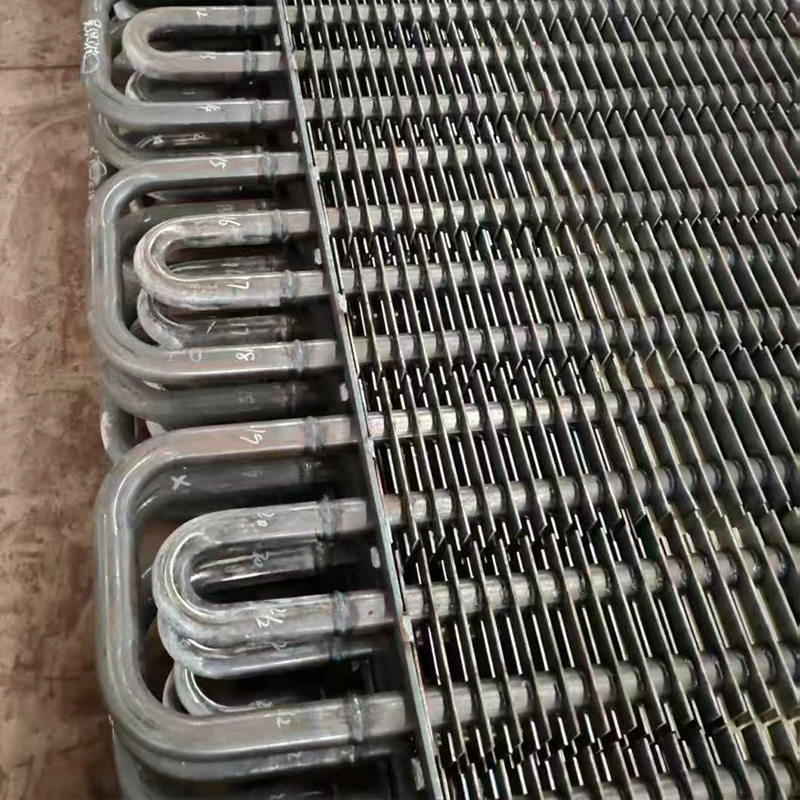
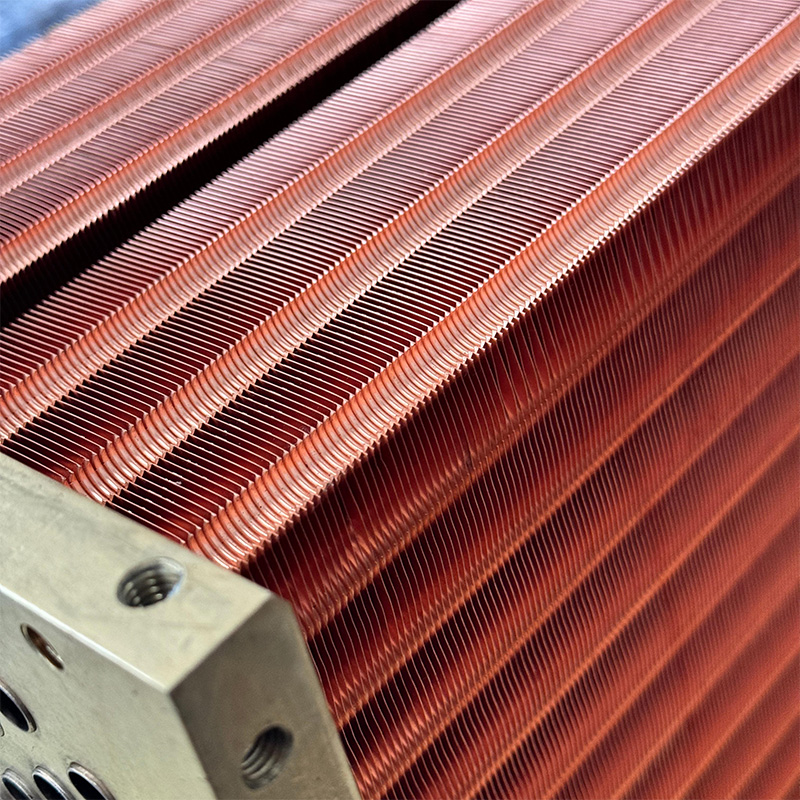
It is worth noting that for particularly complex projects, where polymer solutions must work in conjunction with highly loaded metal equipment, competence in the field of working with special alloys is important. For example, a companyWuxi Kaisheng LLC, specializing in the design and manufacture of heat transfer and petrochemical equipment, demonstrates the highest quality standards required in such industries. While their core profile is titanium shell-and-tube heat exchangers, ASME high-pressure units, and tube bundles made from alloys like N06625 or marine brass C46400, their approach to certification (PED, ASME) and handling corrosive environments sets the bar for the entire market. The experience of such manufacturers, capable of creating systems resistant to extreme temperatures and pressure for oil refining and water desalination, indirectly influences the requirements for the polymer part of production lines, encouraging tank manufacturers to improve the quality of welding and control of raw materials.
Regional players and mid-level manufacturers
For many businesses, logistics is becoming a decisive cost factor. Delivery of large containers from Moscow to Vladivostok or from Krasnodar to Murmansk can amount to up to 50% of the price of the product itself. Therefore, in the ratingТоп-10 производителей резервуаров из PP в России 2026strong regional factories are included that can meet the needs of local markets with minimal transportation costs.
7. DalPolymerStroy Company (Far Eastern Federal District)
Key supplier for port infrastructure and ship repair yards in the Far East. They specialize in tanks for storing marine fuel, bilge water and reagents for ballast treatment. Given their proximity to Asian markets, they use both Russian raw materials from SIBUR and high-quality Korean pellets, which gives flexibility in pricing. Their structures are reinforced with stiffening ribs for operation in seismic zones. We note the high speed of response to requests: they produce a standard container with a volume of 20 m³ in 10-12 days. The disadvantage is a limited range of shaped products and fittings; you often have to purchase additional components separately. An indispensable partner for logistics terminals and fish processing plants.
8. SeverPlast plant (Arkhangelsk region)
The only large manufacturer of polymer containers in the northern regions, working year-round in permafrost conditions. Their products are in demand in the timber industry for storing cooking solutions and bleaches. The production technology is adapted to low installation temperatures: they use special filler materials that do not become brittle when welding in cold weather. In 2026, they launched a production line for flexible PP liners for concrete tanks, which became a best-seller for old precast concrete products. The welding quality is consistently high, but the range of standard ready-made barrels and cubes is limited. The main direction is custom manufacturing according to customer drawings. Recommended for the pulp and paper industry and northern delivery.
9. Group of companies "Chernozemye-Polymer" (Voronezh)
An aggressively developing plant focusing on affordable prices and the mass segment. They produce excellent Eurocubes (IBC containers) with a plastic flask made of polypropylene, as well as small tanks for country water supply and irrigation. Their conveyor production allows us to keep costs at a minimum level. For industrial needs, they offer a line of modular tanks that are assembled like a kit directly at the installation site, which solves the problem of oversized vehicles passing through. However, quality control on the flow sometimes suffers: there were batches with uneven bottom thickness. Before purchasing a large batch, be sure to request a hydraulic test report. The optimal choice for small businesses, farms and construction sites.
10. Innovation center "PolyTech-Moscow"
The top ten is completed by a company that relies not on volume, but on high technology and engineering. They rarely sell just a “tank”; most often it is a complex system with automation, level sensors, mixers and pumping groups mounted on a single polypropylene frame. Their clients are pharmaceutical factories and laboratories where sterility and dosing accuracy are important. Polypropylene statistical copolymer (PPR) of the highest purification class is used. The cost of their solutions is high, but it pays for itself through reduced manufacturing defects and equipment longevity. One of our clients replaced lined metal tanks with our designs and cut maintenance costs by three times in the first year. Choose them if you need a complete technology solution rather than just a storage container.
Technical aspects of choice: why the brand of polypropylene matters
When exploring offers from our listТоп-10 производителей резервуаров из PP в России 2026, the customer must clearly understand the difference between types of polypropylene. An unprofessional approach to the selection of material leads to rapid destruction of the container. In 2026, there are three main modifications on the market, and each has its own scope of application.
Homopolymer (PPH).This is the most common material with high chemical resistance and rigidity. It is ideal for storing acids, alkalis and solvents at temperatures up to 80-90°C. Most of the tanks in our rating are made from PPH. However, it has a significant drawback: low impact strength at subzero temperatures. If you plan to install the container outdoors in Siberia or the Urals in winter, pure homopolymer may crack from mechanical shock or vibration.
Copolymer of ethylene and propylene (PPB or PP-Block Copolymer).This material contains ethylene inclusions, which gives it elasticity and frost resistance. PPB containers can withstand temperatures down to -20°C and even lower without loss of strength. They are indispensable for outdoor storage of water, technical fluids and in unheated warehouses. But it is worth remembering that the chemical resistance of PPB is slightly lower than that of PPH, especially to strong oxidizing agents. Manufacturers from our list, such as SibPlastTech, skillfully balance these properties.
Random copolymer (PPR).It is most often used for pipelines, but is also used in containers for the food industry due to its transparency (in thin walls) and high hygienic characteristics. It is more heat-resistant, but more expensive to produce. If your process requires frequent steam cleaning or operation at temperatures above 95°C, look for manufacturers who work with this brand.
An important nuance that sellers are often silent about: the quality of the sheet. Даже правильный тип полипропилена может быть испорчен нарушением технологии экструзии. Дешевые листы могут иметь внутренние напряжения, которые приводят к короблению емкости при нагреве. Заводы из первой пятерки нашего рейтинга используют листы только от проверенных поставщиков (СИБУР, Polymertep, Gehr Plastics), что подтверждается паспортами качества на каждую партию. При заказе всегда запрашивайте сертификат на листовой материал — это ваше право и гарантия безопасности.
Скрытые риски procurement: на что смотреть в договоре поставки
Выбор поставщика из спискаТоп-10 производителей резервуаров из PP в России 2026— это только половина дела. Вторая половина — грамотное оформление договорных отношений. В нашей практике было множество случаев, когда красивая емкость превращалась в проблему из-за некорректно составленного технического задания или договора.
Первое правило: никогда не соглашайтесь на формулировку «толщина стенки по факту». В договоре должна быть зафиксирована минимальная номинальная толщина с допуском. Полипропилен при сварке усаживается, и если взять лист 10 мм, то в зоне шва толщина может уменьшиться. Добросовестные производители учитывают это и используют листы с запасом или компенсируют усадку наплавлением дополнительного слоя. Требуйте указания толщины дна, стенок и крышки отдельно, так как они часто различаются в зависимости от гидростатического давления.
Второе правило: условия гарантии. Гарантия на полипропиленовые изделия не должна быть абстрактной. Она должна покрывать герметичность сварных швов и целостность материала при соблюдении условий эксплуатации. Многие заводы дают гарантию 12 месяцев, лидеры рынка — до 36 месяцев. Pay attention to the clauses excluding warranty obligations: often they include “change colors" or "scratches", which is normal for plastic, but sometimes they try to include real defects under this article. Уточните, покрывает ли гарантия выезд сварщика для ремонта в случае обнаружения течи.
Третье правило: монтаж и шеф-монтаж. Полипропиленовые емкости большого объема требуют правильной подготовки основания. Бетонная плита должна быть идеально ровной, без острых выступов, и часто требуется устройство песчаной подушки или резиновых прокладок. Если производитель предлагает только доставку «до ворот», а ваш персонал не имеет опыта установки таких конструкций, риск повреждения дна при спуске с манипулятора крайне высок. Мы рекомендуем выбирать поставщиков, предлагающих услугу шеф-монтажа, когда их специалист контролирует правильность установки и первой наполняемости водой.
Четвертое правило: комплектация. Резервуар бесполезен без арматуры. Убедитесь, что в цену включены все необходимые патрубки, фланцы, сливные краны и смотровые окна. Особенно важно качество фланцевых соединений: пластик к металлу должен крепиться через специальные буртовые втулки (flange adaptors), а не просто болтами сквозь отверстие. Неправильное соединение — это 90% всех протечек в первые полгода эксплуатации. Лидеры нашего рейтинга поставляют емкости уже с установленной и опрессованной арматурой.
Экономическая эффективность: TCO и срок службы
При принятии решения о закупке руководствуйтесь концепцией совокупной стоимости владения (TCO), а не только начальной ценой покупки. Полипропиленовая емкость служит в среднем 20-30 лет при правильной эксплуатации. Стальная емкость с футеровкой или окрашенная требует регулярного восстановления защитного слоя каждые 3-5 лет, что в долгосрочной перспективе обходится в 2-3 раза дороже.
В 2026 году цены на полипропиленовое оборудование в России стабилизировались после шока 2022-2023 годов, но разброс цен между производителями остается значительным. Разница в цене между продукцией завода из топ-3 и малоизвестной мастерской может достигать 40%. За что вы платите больше? За входной контроль сырья, за аттестованных сварщиков, за наличие испытательного полигона и за ответственность. Дешевая емкость может потечь через год, и ее ремонт в условиях действующего производства (слив продукта, очистка, сушка, сварка) обойдется дороже самой емкости.
Рассмотрим пример расчета для емкости 50 м³ для гальваники. Вариант А (дешевый): цена 300 000 руб., срок службы 3 года, ремонт раз в год по 50 000 руб. Итого за 10 лет: 300 + 150 + замена (еще 300) = 750 000 руб. Вариант Б (качественный, из нашего рейтинга): цена 450 000 руб., срок службы 15 лет, обслуживание минимальное. Итого за 10 лет: 450 000 руб. Экономия очевидна, но она проявляется только на дистанции. Для краткосрочных проектов (стройка временного объекта) возможно оправдание выбора более дешевого варианта, но для основного производства экономия на качестве — это ложная экономия.
Liquidity is also worth considering. Качественные брендовые емкости при ликвидации производства или модернизации цеха можно продать как б/у оборудование с дисконтом 30-40%. Безымянные баки часто идут только в утиль, так как покупатель опасается их надежности.
Frequently Asked Questions
Какой максимальный объем резервуара можно изготовить из полипропилена?
Технологически возможно изготовление резервуаров объемом до 1000 м³ и более. Однако на практике наиболее надежными и транспортабельными считаются емкости до 100-150 м³. Изделия большего объема обычно изготавливаются модульным способом непосредственно на площадке заказчика (монтажная сварка), так как перевозка моноблока такого размера невозможна из-за габаритных ограничений дорог. Крупные заводы из нашего рейтинга имеют бригады мобильных сварщиков для реализации таких проектов.
Выдержит ли полипропиленовая емкость кипяток?
Стандартный полипропилен (PPH) начинает размягчаться при температуре около 130-140°C, но длительно эксплуатировать его рекомендуется при температурах до 90-95°C. При 100°C (кипение воды) материал сохраняет форму, но снижается его механическая прочность, особенно под нагрузкой. Для работы с перегретой водой или паром требуются специальные марки полипропилена или конструктивные усиления (ребра жесткости, каркас). Не рекомендуется резко заливать холодную емкость кипятком из-за термоудара — лучше прогревать постепенно.
Можно ли ремонтировать трещины на полипропиленовой емкости?
Да, полипропилен отлично поддается ремонту методом экструзионной или газовой сварки. Это одно из главных преимуществ материала перед сталью или стеклопластиком. Трещину необходимо засверлить по краям (чтобы остановить распространение), разделовать кромки V-образной канавкой и заварить присадочным прутком из того же материала. Важно, чтобы ремонт выполнял квалифицированный сварщик, так как неправильный подбор температуры или прутка приведет к тому, что шов снова лопнет. Многие производители предоставляют услуги выездного ремонта.
Как проверить качество сварных швов при приемке?
Основной метод контроля — визуальный осмотр (шов должен быть равномерным, без пор и подрезов) и гидравлические испытания. Емкость наполняют водой до отметки и выдерживают определенное время (обычно 24 часа), проверяя наличие течей. Для ответственных конструкций применяется ультразвуковой контроль или капиллярная дефектоскопия (пенетранты). Требуйте акт гидравлических испытаний перед подписанием акта приема-передачи. Это единственный способ гарантировать герметичность.
Влияет ли ультрафиолет на срок службы резервуаров на улице?
Да, незащищенный полипропилен подвержен фотодеструкции под воздействием УФ-лучей, что приводит к появлению микротрещин и потере цвета (мелению) поверхности через 2-3 года. Для уличной установки необходимо использовать листы с добавлением стабилизаторов ультрафиолета (сажа или специальные добавки) либо предусматривать защитное покрытие (окраска специальными красками для пластика, установка навеса). Уточняйте у производителя, предназначена ли конкретная марка листа для наружной эксплуатации.
Conclusion and recommendations for choosing a partner
Рынок производителей полипропиленовых емкостей в России в 2026 году предлагает широкий спектр решений для любых отраслей промышленности. От гигантов вроде «ПолимерИнжСтрой» до узкопрофильных мастеров «АcidProof Systems» — каждый игрок в нашем рейтингеТоп-10 производителей резервуаров из PP в России 2026занимает свою нишу. Главный вывод, который мы сделали после анализа сотен проектов: не существует «лучшего» производителя для всех случаев. Есть производитель, который лучше всего подходит под вашу конкретную задачу, бюджет и локацию.
Если вам нужен надежный партнер для масштабного проекта с высокими требованиями безопасности, ориентируйтесь на лидеров первой тройки с полным циклом производства. Если задача нестандартная и связана с агрессивными средами — выбирайте специализированные заводы. Для локальных нужд и экономии на логистике — региональные игроки. Помните, что полипропиленовая емкость — это инвестиция на десятилетия, и экономия на этапе выбора поставщика может обернуться многократными потерями в будущем.
Мы рекомендуем перед заключением контракта посетить производство выбранного завода, лично увидеть станки, склад сырья и готовые изделия. Запросите контакты их действующих клиентов в вашей отрасли и узнайте о реальном опыте эксплуатации. Не стесняйтесь задавать технические вопросы инженерам завода — их компетентность скажет о качестве продукции больше любой рекламы.
Готовы подобрать оптимальное решение для вашего производства? Свяжитесь с нами сегодня для получения детальной консультации и расчета стоимости проекта с учетом всех технических нюансов. Мы поможем вам связаться с проверенными производителями из нашего рейтинга и проконтролируем соблюдение ваших интересов на всех этапах сделки.Перейти в каталог полипропиленовых резервуаровдля изучения подробных характеристик моделей.