
Myths about the properties of polypropylene tanks”
2026-09-06
- Why the market is filled with misconceptions about polypropylene tanks
- Myth No. 1: Polypropylene can withstand any temperature without deformation
- Myth No. 2: Polypropylene is chemically inert to all substances
- Myth No. 3: All polypropylene sheets are the same and differ only in color
- Myth No. 4: Welding polypropylene is simple and does not require high qualifications
- Myth #5: Polypropylene tanks require no maintenance and last forever.
- An integrated approach: From polymers to highly loaded systems
- Comparative Analysis: Polypropylene vs. Alternatives
- How to avoid mistakes when ordering: buyer checklist
- Conclusion: Reality instead of illusions
Why the market is filled with misconceptions about polypropylene tanks
Myths about the properties of polypropylene tanks often cause financial losses and industrial accidents. In our practice, we regularly encounter situations where customers choose equipment based on marketing promises, and not on the actual physical and chemical characteristics of the material. One of our clients in the oil refining industry lost more than 40% of the tank's capacity in six months of operation due to incorrect calculation of thermal expansion, relying on the supplier's claim that the plastic was “absolutely stable”. This article destroys common misconceptions, relying on laboratory test data and experience from operating thousands of pieces of equipment in the harsh climatic conditions of Russia and the CIS.
Polypropylene (PP) is not just “cheap plastic”. It is a complex engineering material with its own strict limits of strength, chemical resistance and thermal deformation. When you read catalogs that claim polypropylene is suitable for everything from sulfuric acid to boiling water without restrictions, be aware that this is an oversimplification that could cost you the safety of your plant. We'll break down each myth in detail so you can make decisions based on facts, not rumors.
Myth No. 1: Polypropylene can withstand any temperature without deformation
The most dangerous misconception is that polypropylene tanks retain their geometry at any temperature up to the melting point. The reality is this: already at temperatures above +60°C, active creep of the material begins, and at +95°C the elastic modulus drops critically low. In our practice, there was a case when a tank with a volume of 50 m³, installed in a workshop with an air temperature of +45°C and filled with hot water (+80°C), began to irreversibly stretch in the lower third after three months of operation. The walls became thinner and the weld seam depressurized.
The technical characteristics of the homopolymer (PP-H) and copolymer (PP-B/PP-R) are radically different. The homopolymer most commonly used for chemical containers has a Vicat softening point of about 150°C, but this does not mean it can operate at those temperatures under load. The permissible long-term operating temperature for PP-H is usually limited to the range from 0°C to +80°C, short-term to +100°C. Exceeding this threshold even by 10-15 degrees in combination with the hydrostatic pressure of the liquid column leads to the fact that the tank begins to “flow” like a viscous liquid, changing shape.
To work with hot media, it is necessary to use special stiffeners or choose reinforced modifications, but even these have their limits. If your process requires heating of the environment above +90°C, standard polypropylene sheet is a risk. In such cases, engineers often recommend switching to PVDF or lined stainless steel, despite the increased cost. Ignoring the coefficient of linear thermal expansion of polypropylene (which is approximately 0.15 mm/m °C, which is 10 times higher than that of steel) when designing support structures leads to rupture of pipes and flange connections.
Recommendation:Before ordering a tank, be sure to specify the maximum operating temperature and ambient temperature. Require the manufacturer to calculate the wall thickness taking into account the temperature factor, and not just “according to the standard”.
Myth No. 2: Polypropylene is chemically inert to all substances
The statement that polypropylene containers are universal for storing any chemicals is half the truth. Yes, PP has outstanding resistance to most acids, alkalis and salts at room temperature. However, there are aggressive agents that destroy the molecular chain of polypropylene in a matter of hours or cause it to swell. Oxidizing agents such as concentrated nitric acid (>50%), chromic acid or oleum can cause rapid aging and stress cracking of the material.
Organic solvents are especially dangerous. Chlorinated hydrocarbons, aromatic compounds (benzene, toluene) and some ketones at elevated temperatures can dissolve the surface layer of polypropylene or cause significant swelling. We have seen examples where tanks for storing technical solvents were deformed and lost their tightness because the customer did not take into account the concentration of impurities. For example, even a small organic content in an aqueous solution can dramatically reduce the chemical resistance of the material compared to the pure substance.
Chemical resistance also directly depends on the concentration of the substance and temperature. The compatibility chart that sales managers give you is often based on 20°C conditions. When the temperature rises to 40-50°C, the rate of diffusion of aggressive agents into the polymer increases exponentially. What is safe at 20°C can become destructive at 60°C. Therefore, when choosing a material for storing chemicals, it is always necessary to clarify the process parameters: concentration, temperature and the presence of mechanical impurities that can act as an abrasive.
It is important to note that ultraviolet radiation (sunlight) without special protection (soot, UV stabilizers) makes polypropylene brittle after just one season of outdoor use. The material loses its toughness and begins to crumble at the slightest impact. Many buyers wonder why the “eternal plastic” crumbled within a year, forgetting that ordinary gray or white PP sheet is not intended for direct insolation without additives.
Recommendation:Ask your supplier for a complete chemical resistance table specifically for your brand of polypropylene, taking into account your operating temperature. Do not rely on general phrases “suitable for acids”.
Myth No. 3: All polypropylene sheets are the same and differ only in color
Leaf color is the last parameter that you should pay attention to when assessing quality. The type of polymer is much more important: homopolymer (PP-H), random copolymer (PP-R) or block copolymer (PP-B). Each of them has a unique structure and purpose. Homopolymer (PP-H) offers maximum chemical resistance and toughness, making it the standard for tank construction in aggressive environments. However, it becomes brittle at temperatures below 0°C.
If your tank will be used outdoors in winter in Siberia or the Urals, using pure PP-H without modification will lead to disaster. If struck or vibrated in frosty temperatures of -20°C, such a tank can burst like glass. For low temperature conditions, a block copolymer (PP-B) is required, which contains inclusions of ethylene-propylene rubber. These inclusions act as shock absorbers, maintaining the impact strength of the material down to -40°C and below. But there is a trade-off: PP-B has slightly lower chemical resistance to some oxidizing agents and lower hardness at high temperatures compared to PP-H.
Another hidden parameter is the quality of raw materials. Primary polypropylene from leading European or Russian plants (for example, SIBUR, Borealis, Sabic) guarantees predictable properties. The use of recycled materials (regranulate) reduces the cost of the sheet by 20-30%, but makes the material unstable. In our practice, there have been cases of delamination of welds on containers made from cheap sheets with a high recycled content. Microscopic inclusions of contaminants became foci of corrosion and points of initiation of destruction under load.
The thickness of the sheet also plays a role not only in strength, but also in welding technology. Sheets with a thickness of more than 20-25 mm require special equipment and qualified welders. An unheated joint in a thick sheet creates an internal cavity that is not visible from the outside, but reduces the strength of the joint by 50%. Surface color (gray, blue, green, black) is often achieved by adding pigment masterbatches, which should not affect the properties, but cheap dyes sometimes reduce the UV stability of the material.
Recommendation:Require a quality certificate for a batch of sheets indicating the type of polymer (PP-H/PP-B) and the percentage of recycled content (must be 0% for critical containers).
Myth No. 4: Welding polypropylene is simple and does not require high qualifications
Many customers believe that since polypropylene melts easily, any worker with a hairdryer can assemble a tank from it. This is a fundamental error leading to 80% of all polymer equipment failures. Extrusion welding and hot air welding are highly technical processes that require strict control of temperature, filler rod feed rate and pinch roll pressure.
The temperature of the welding flux must be precisely calibrated for a specific grade of material. Overheating leads to destruction of the polymer: it becomes porous and loses strength (“burnt” seam). Underheating results in a lack of diffusion of molecules between the base sheet and the additive, creating a “sticker” effect where the seam peels off under pressure. In one of the projects, we conducted an independent examination of a leaking tank and discovered that the welder simply increased the speed of the hair dryer in order to complete the object faster, leaving unfused areas inside the seam.
The quality of edge preparation is also critical. Before welding, the edges must be removed at an angle (V-shaped groove), cleaned of oxide film and degreased. An oxide film on the surface of polypropylene forms instantly upon contact with air after milling, and if it is not removed immediately before hot air is supplied, the seam will be defective. Using the wrong type of filler rod (eg PP-B rod to weld PP-H sheet) creates a heterogeneous joint, which is the weakest link in the design.
Quality control of welds is impossible without non-destructive testing methods. Visual inspection reveals only gross defects. For critical containers, it is necessary to carry out vacuum testing of the seams using a soap solution or capillary control. The absence of such procedures at the manufacturing plant is a red flag for the buyer. A reliable manufacturer always provides test reports for welded joints.
Recommendation:When accepting the tank, insist on conducting hydraulic tests at a pressure exceeding the working pressure by 20-30% for at least 24 hours. Inspect the seams for streaks and discoloration.
Myth #5: Polypropylene tanks require no maintenance and last forever.
The term “eternal” when applied to polymers is incorrect. Polypropylene is susceptible to aging, material fatigue and external factors. Although it does not rust like steel, it degrades differently. Under the constant influence of load (especially in areas of stress concentration - corners, pipes, bottom), a creep process occurs. Over time, the walls may become thinner or change shape if the structure was not designed with a margin of safety.
Static electricity buildup is another hidden threat that is often overlooked. Polypropylene is a dielectric. When pouring flammable liquids (flammable liquids) in a fast flow, static electricity charges can accumulate inside the tank, which can cause a spark and explosion of vapors. Steel tanks are grounded by default. Polypropylene requires the mandatory installation of a grounding system (internal or external conductive busbar) and compliance with filling speed conditions. Ignoring this requirement has led to several famous incidents in the chemical industry.
Polypropylene is also sensitive to mechanical damage. A blow from a hard object can cause a crack, which will grow over time under the influence of the internal environment. Unlike metal, which may have residual strength after a dent, a crack in plastic is a recipe for immediate failure. Regular visual inspection, removal of sediment (which can create localized areas of corrosion or biological contamination) and inspection of fasteners are mandatory.
The service life of a polypropylene tank under the right operating conditions is 20-30 years, but this is not a guarantee. This is a forecast that depends on compliance with regulations. Replacing hatch seals, checking the tension of the tie bands (if the container is frameless) and monitoring the liquid level are the minimum measures that will extend the life of the equipment.
Recommendation:Develop a scheduled preventative maintenance (PPR) schedule for polymer containers, including checking the integrity of the seams and grounding condition at least once a year.
An integrated approach: From polymers to highly loaded systems
Understanding the limitations of polypropylene often leads engineers to the need for combined solutions or the selection of alternative materials for the most critical components of the production line. This is where the experience of a manufacturer that can offer a wide range of materials, from polymers to specialty alloys, is critical.
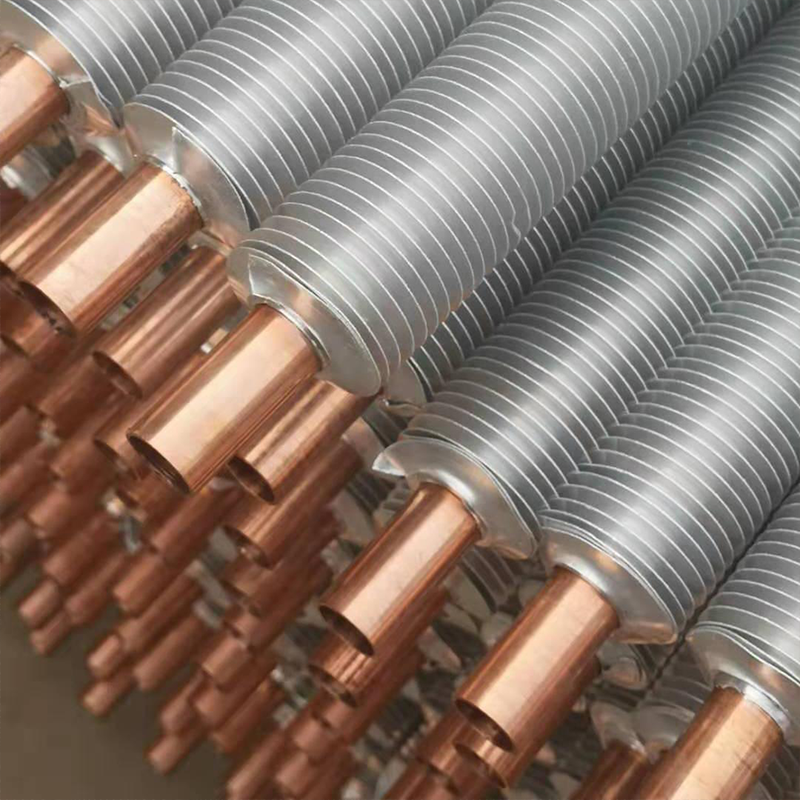
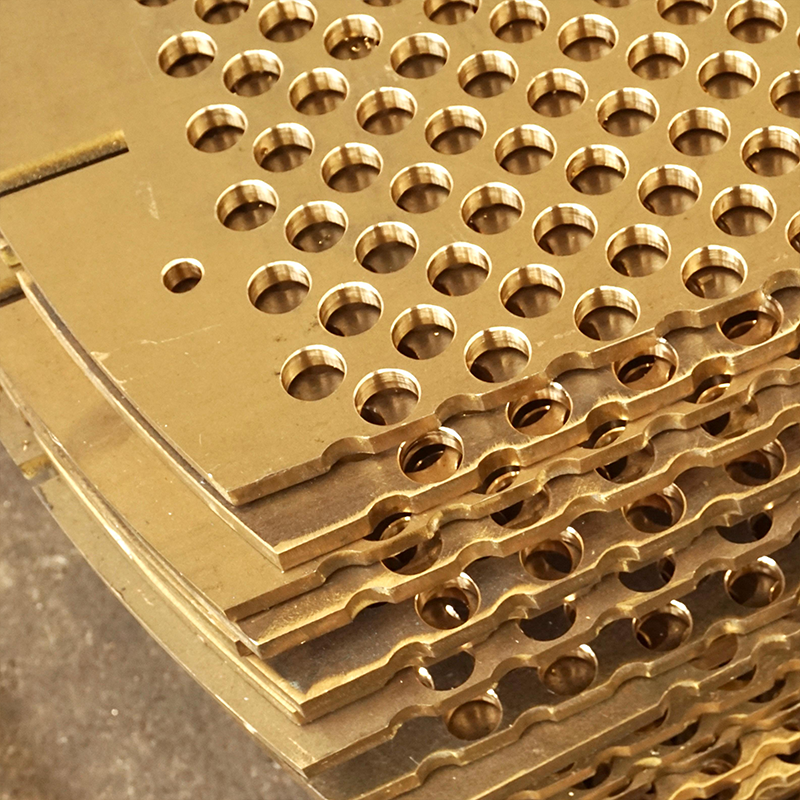
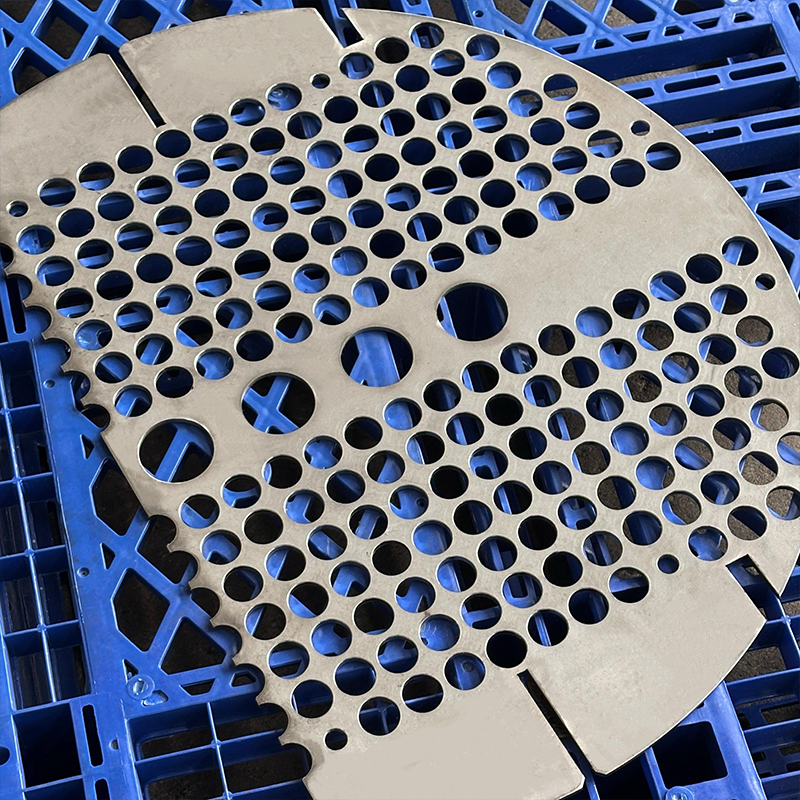
For example, a companyWuxi Kaisheng Electric Power and Petrochemical Equipment Co., Ltd.specializes in the design and production of complex heat transfer and petrochemical equipment, complementing the capabilities of polymer tanks with solutions for extreme conditions. While polypropylene copes well with storing aggressive media at moderate temperatures, Wuxi Kaisheng products cover the needs for high-temperature and high-pressure processes. The company manufactures titanium shell and tube heat exchangers, ASME high pressure units, corrugated tube bundles in 316 stainless steel, C46400 marine brass, copper-nickel alloys and N06625 nickel alloys.
Such a wide choice of materials allows the creation of hybrid systems: polypropylene storage tanks can be integrated in lines with heat exchangers made of titanium or special alloys, providing heating or cooling of media outside the operating ranges of plastic. Wuxi Kaisheng's PED and ASME certified products are highly corrosion resistant and resistant to extreme pressures and temperatures, making them an ideal choice for petroleum refining, chemical, water desalination and shipbuilding applications. Working with such a partner ensures that every area of your production is equipped with equipment that is perfectly tailored to its specifications, be it a cost-effective polymer or a high-strength alloy.
Comparative Analysis: Polypropylene vs. Alternatives
To finally clarify the place of polypropylene in the industry, let’s compare it with its main competitors. The choice of material is always a compromise between cost, chemical resistance and mechanical properties.
| Parameter | Polypropylene (PP-H) | Polyethylene (PEHD/HDPE) | Stainless steel (AISI 304/316) | Fiberglass (FRP) |
|---|---|---|---|---|
| Max. working temp. | up to +80…+90°C | up to +60°C | up to +200°C and above | up to +80…+120°C (depending on the resin) |
| Chem. durability | Excellent to acids/alkalis | Excellent, but worse for oils | Good, but afraid of chlorides | High (depending on the matrix) |
| Fur. strength | Medium, creep when heated | Low, high flexibility | Very high | High, brittle on impact |
| Structure weight | Lightweight (density ~0.9 g/cm³) | Very light | Heavy | Medium |
| Cost | Low / Medium | Low | High | Medium/High |
| Maintainability | High (on-site welding) | High | Difficult (requires argon) | Difficult (requires drying) |
The table shows that polypropylene occupies the niche of the “golden mean”. It is 3-5 times cheaper than stainless steel, lighter than fiberglass and has better heat resistance than polyethylene. However, it is inferior to metal in its ability to withstand vacuum and high temperatures. If your task is to store 30% sulfuric acid at 25°C, polypropylene is the ideal choice. If you need to store a boiling solution or create a vacuum for distillation, metal or specialized fluoroplastics will be the only right solution.
It is important to understand that for large volumes (over 100 m³) polypropylene tanks are often made in a frame design or with external reinforcement with ribs, since the own weight of the liquid can deform the plastic walls. Large-volume frameless containers made of PP are possible, but require very thick walls, which is not economically feasible.
How to avoid mistakes when ordering: buyer checklist
Based on the myths we have sorted out, we have compiled an algorithm of actions that will protect you from purchasing low-quality equipment. Following these points will allow you to weed out unscrupulous manufacturers and choose a tank that will last for decades.
- Determine the exact environmental parameters.Don't just write “water” or “acid.” Indicate the name of the substance, concentration (%), temperature (min/max/average), density and presence of suspended solids. This is the basis for choosing a brand of polypropylene.
- Check operating conditions.Where will the tank be located? Indoors or outdoors? Are there temperature changes in winter? Is heating required? Do you need UV protection? These data influence the design and type of material (PP-H or PP-B).
- Request a wall thickness calculation.Ask the supplier to provide justification for the selected sheet thickness based on the hydrostatic pressure of your product. Compare it with similar projects. A wall that is too thin is a sign of saving on material.
- Check the welders' qualifications.Find out what equipment is used to cook the tanks (automatic extrusion or manual hair dryer). Ask for certificates for welders or photo reports from the production of similar objects. Hand welding of large seams is acceptable, but requires the highest skill.
- Insist on testing.The contract must specify hydraulic testing of the finished product before shipment. A photo or video report must be provided to you. Checking the geometry and absence of leaks is a mandatory step.
- Require a passport and a guarantee.The product must be accompanied by a passport, which indicates the grade of material, batch number of sheets, results of incoming inspection and testing. The warranty on polymer products usually ranges from 12 to 36 months, but it is only valid if the operating conditions are met.
Remember that cheapness at the procurement stage often results in multiple costs for repairs, production downtime and disposal of spilled chemicals. An investment in a quality project and a reliable manufacturer pays off in safety and durability.
Conclusion: Reality instead of illusions
Debunking myths about the properties of polypropylene tanks shows that this material is a powerful tool in the hands of professionals, but a dangerous trap for amateurs. Polypropylene is not omnipotent, but in its operating ranges it is unsurpassed in terms of price and efficiency. The key to success lies in detailed specifications, understanding the limitations of the material and strict quality control of production.
We recommend not relying on the general words of managers, but demanding an engineering approach to each project. If the supplier does not ask you questions about temperature, concentration and installation conditions, this is a reason to be wary. A true expert will always start with a risk analysis, and not with voicing a price.
To receive advice on selecting the optimal grade of polypropylene for your needs, calculating the cost of a tank taking into account all the nuances of operation, or ordering an on-site examination of existing tanks, contact our technical specialists. We are ready to provide a detailed technical and commercial proposal with justification for each parameter, as well as offer comprehensive solutions, including highly efficient heat exchange equipment from partners like Wuxi Kaisheng LLC for the full cycle of your technological processes.
Catalog of polypropylene tanks and containers | Engineering design and calculation
Contact us today to eliminate risks and get a reliable solution for your production.