
Debunking myths about the fragility of PE sheets”
2026-09-06
- Why is the myth about the fragility of polyethylene slowing down your projects?
- Temperature range: debunking myths about the fragility of PE sheets in the cold
- Comparative analysis: PE sheets vs steel, rubber and nylon
- Typical installation errors that create the illusion of unreliability
- Application in extreme industries: where PE sheets are indispensable
- Integration of solutions: synergy of polymers and advanced metalworking
- Frequently Asked Questions
- Conclusion and recommendations for action
Why is the myth about the fragility of polyethylene slowing down your projects?
Polyethylene sheets are often perceived as a temporary solution for packaging or rough work, but in real industrial use they can withstand loads that destroy steel and concrete in a matter of months. The myth that PE sheets crack easily when impacted or exposed to cold arises from confusion between household low-density polyethylene and engineered ultra-high molecular weight polyethylene (UHMWPE) grades. In our practice of working with mining enterprises in the Urals and Siberia, we have repeatedly encountered a situation where customers refused to line bunkers with polyethylene, fearing its “fragility,” and then lost millions of rubles replacing quickly wearing steel plates. Debunking myths about the brittleness of PE sheets starts not with marketing brochures, but with understanding the molecular structure of the material and real-world Charpy impact test data.
When temperatures drop below -40°C, most metals become brittle, while the chemical bonding in polyethylene chains maintains elasticity. This is not a theoretical assumption, but a physical fact confirmed by decades of operation in Arctic conditions. If you are planning a project where equipment will operate outdoors in winter, the choice between steel and the right type of PE sheet becomes a matter of safety for the entire facility. We have seen cases where steel gutters have cracked due to vibration and cold while adjacent UHMWPE units continued to function without a single crack. Let's look at why this material behaves this way and where the source of misconceptions lies.
Physics of impact: why steel breaks and polyethylene absorbs energy
The main reason for the myth of fragility is due to incorrect comparison of materials. Engineers are accustomed to assessing strength through the yield strength or Brinell hardness, where steel invariably outperforms any plastic. However, under dynamic loads - shocks, falling loads, vibration - the key parameter becomes the ability of the material to absorb energy without destruction. Polyethylene, especially UHMW-PE, has the unique ability to deform locally at the point of impact, distributing energy throughout a large volume of material, rather than concentrating stress at one point, as does a metal crystal lattice.
In laboratory conditions, we carried out tests by dropping a steel ball weighing 5 kg from a height of 2 meters onto sheets 20 mm thick. A steel sheet of the same thickness received residual deformation and microcracks in the contact zone, which over time turned into a through fracture under the influence of cyclic loads. The polyethylene sheet only bent slightly and returned to its original state. This property is called high impact strength. For the engineer, this means that when designing abrasive bins or conveyor guards, the use of PE sheets reduces the risk of catastrophic design failure.
It is important to note that we are talking specifically about high molecular weight polyethylene. Conventional HDPE (low-density polyethylene) used for cans and water supply pipes may indeed be less resistant to certain types of stress if it is not modified. It is the confusion of these concepts in the minds of buyers that gives rise to the myth. When a supplier offers “plastic” without specifying a specific brand and molecular weight, the risk of obtaining a brittle material increases many times over. Always ask for a quality certificate indicating the brand of raw materials and the results of impact tests.
Temperature range: debunking myths about the fragility of PE sheets in the cold
One of the most persistent myths is that plastic becomes glass in the cold. This statement is true for polystyrene or some types of PVC, but is categorically false for polyethylene. The cryogenic properties of PE sheets allow them to maintain performance characteristics at temperatures down to -269°C (liquid helium temperature). In our practice, there was a case of supplying lining plates for transfer units in Yakutia, where winter temperatures regularly reach -60°C. The client insisted on using special frost-resistant steel, which cost three times as much and required complex welding.
We insisted on conducting full-scale tests with UHMW-PE samples. After a month of use under extreme conditions, the sheets showed no signs of cracking or loss of slip. Moreover, the coefficient of friction of polyethylene in cold conditions even improves slightly due to an increase in the rigidity of the surface layer, while steel becomes slippery only after the formation of an ice crust that is difficult to remove. Debunking myths about the fragility of PE sheets in the context of low temperatures is critical for logistics companies and port terminals along the Northern Sea Route.
Why does the opposite opinion arise? People often confuse the freezing of water inside a structure with the freezing of the material itself. If water gets into a crack in a metal piece and freezes, it will expand and tear the metal. Polyethylene is hydrophobic and does not absorb moisture, so the “ice wedge” effect is not typical for it. In addition, the coefficient of linear thermal expansion of polyethylene is higher than that of steel, which requires competent design of fasteners. A mistake by installers who rigidly fix sheets without taking into account temperature gaps can lead to warping, which is mistaken for the brittleness of the material.
When operating in the range from +80°C to -200°C, polyethylene exhibits stability not available to many composites. However, it is worth remembering the upper limit: at temperatures above +80... +90°C (depending on the brand), the material begins to soften. This is not brittleness, but loss of stiffness, which is a completely different failure mode. There are special modifications for high temperature environments, but standard UHMW-PE is designed for medium temperatures. Understanding this limitation allows you to avoid mistakes when choosing materials for hot shops.
Chemical resistance as a factor in durability
Often, the “destruction” of a material means its corrosion or dissolution in aggressive environments. Steel rusts, concrete crumbles under the influence of acids, and polyethylene remains inert. In the chemical industry, this property is valued above mechanical strength. We observed a situation in a fertilizer plant where metal trays for transporting granules were exposed to a slightly acidic environment. After two years, the walls of the trays became so thin that there was a threat of a breakthrough.
Replacing with cross-linked polyethylene sheets solved the problem completely. The material does not react with most acids, alkalis and salts. The myth that plastic is “weak” works against the customer here: by choosing steel for the sake of “reliability”, they get a structure with a limited service life due to chemical aggression. Polyethylene serves for decades, maintaining its original thickness and strength. The only exceptions are strong oxidizing agents and some organic solvents at high temperatures, but these conditions are specified in the technical specifications.
Comparative analysis: PE sheets vs steel, rubber and nylon
To finally close the question of reliability, it is necessary to conduct a direct comparison of polyethylene with traditional materials under specific operating conditions. Below is a table based on our testing data and industry standards. It shows that in a number of scenarios, polyethylene outperforms its competitors not just “a little,” but by a multiple.
| Comparison parameter | Steel (St3 / Hardox) | Rubber (technical) | Nylon (PA6) | UHMW-PE (Polyethylene) |
|---|---|---|---|---|
| Impact strength (Charpy) | Low at t< -20°C | High | Average | Extremely high (does not break) |
| Friction coefficient | 0.3 – 0.6 (high) | 0.5 – 0.8 (very high) | 0.2 – 0.3 | 0.07 – 0.11 (self-lubricating) |
| Wear resistance (abrasive) | Medium (requires hardening) | Low (cuts sharp) | High | 7-10 times higher than steel |
| Corrosion resistance | Requires painting/alloying | High | Medium (hygroscopic) | Absolute (inert) |
| Weight (density) | 7.85 g/cm³ | 1.2 – 1.5 g/cm³ | 1.14 g/cm³ | 0.93 – 0.94 g/cm³ (floats in water) |
| Operating temperature | up to +400°C | up to +80°C | up to +100°C | from -200°C to +80°C |
The table shows that the main advantage of polyethylene is the combination of low friction and high wear resistance. In applications where material moves (coal, ore, grain, sand), steel creates drag, requiring more energy to drive the conveyor and causing jamming. Rubber absorbs shock, but is quickly abraded by the sharp edge of the rock. Nylon is durable, but it absorbs moisture, changing size and losing its slip. UHMW-PE combines the best properties: it is lighter than water, glides better than ice and wears slower than hardened steel.
However, there is a nuance. Under very high point loads (for example, the pressure of a sharp stone weighing a ton on an area of 1 cm²), polyethylene can become dented. This is not a crack or destruction; the material will restore its shape after removing the load thanks to the memory effect. In such a situation, steel will suffer irreversible deformation or chipping. Therefore, when choosing between materials, you need to clearly understand the nature of the load: abrasive friction and impact are the territory of polyethylene; static compression and high temperatures are the territory of metal.
Real case: modernization of an unloading unit in a port
In 2024, we participated in a project to reconstruct the iron ore unloading facility in the port of Nakhodka. The problem was frequent downtime due to wet ore sticking to the hopper walls and rapid wear of the bottom. The 20 mm thick steel plates had to be replaced every 8 months. A proposal to use a rubber lining was rejected due to the risk of cuts from sharp pieces of ore.
We proposed a solution based on 30 mm thick UHMW-PE sheets with countersunk fastening. The result exceeded expectations: the friction coefficient decreased so much that the ore stopped sticking even in rainy weather. The service life of the lining was more than 4 years at the time of the last audit. Savings on replacements and equipment downtime exceeded the cost of implementation by 15 times. This case clearly demonstrates that fear of the “fragility” of plastic would lead to the continued unprofitable operation of a steel bunker.
Typical installation errors that create the illusion of unreliability
Often complaints that “polyethylene is cracked” are not related to the quality of the material, but to a violation of the installation technology. Polyethylene is a living material; it breathes, expands and contracts. If you fasten the sheet “tightly” with bolts without the possibility of sliding, with a temperature difference of 40 degrees, internal stresses will tear the material or tear out the fasteners. This is a design error, not a product defect.
The second common mistake is using the wrong fasteners. Regular self-tapping screws or small-headed bolts cut into the soft surface of the PE sheet under load, creating stress points. It is necessary to use special large diameter washers or welded studs with a wide support area. In our practice, there was a case when a client independently installed sheets on a skip hoist using standard hardware. After a week, the sheets began to wave and crack around the holes. After replacing the fastening system with a specialized one, the problem disappeared forever.
It is also important to consider the thickness of the sheet. For some applications, 10 mm may not be enough, and trying to save money by using a thin sheet where a thick one is needed will lead to distortion. But this is a matter of getting the specifications right, not the inherent fragility of the material. Always calculate the loads or consult with the manufacturing plant technologist before ordering a batch.
How to distinguish high-quality UHMW-PE from a fake
The market is flooded with offers of “polyethylene”, which is in fact ordinary HDPE or recycled raw materials. Such material can indeed be fragile. How to check quality without a laboratory? First, look at the cut. High-quality UHMW-PE has a homogeneous, milky structure without bubbles or inclusions. Secondly, try scratching the surface with your fingernail - the mark should be minimal and disappear over time (dragging effect). Thirdly, request a GOST or ISO certificate of conformity indicating the molecular weight (it must be 2 million daltons and above).
We recommend requesting samples to perform your own impact test. Take a hammer and hit the edge of the sample firmly in the vise. Cheap plastic will chip or crack. Real UHMW-PE will only get wrinkled. This simple test saves huge budgets at the procurement stage.
Application in extreme industries: where PE sheets are indispensable
Debunking myths about the fragility of PE sheets is most relevant for industries with extreme conditions. In the mining industry, where abrasion is the main enemy of equipment, polyethylene has become the de facto standard for lining hoppers, chutes and scraper conveyors. What is important here is not hardness, but the ability to absorb the impact energy of stones and the absence of sparking, which is critical for explosive industries.
In the food industry and agriculture, another property is used - hygiene and odorlessness. Sheets of food-grade polyethylene are used for lining silos, grain bins and bottling lines. They do not support the growth of bacteria, are easy to clean and do not damage the product. Fragility here is not a risk factor at all, since the loads are rather static in nature, and impact strength guarantees the safety of the equipment in the event of accidental falls of tools or containers.
In shipbuilding and docks, polyethylene is used to make linings for berths (fenders). They absorb the energy of the ship's hull hitting the concrete, protecting both the ship and the pier. Traditional wooden fenders rot and require replacement; rubber fenders can tear. Polyethylene blocks last for decades, withstanding the impacts of multi-ton ships in storms. If the material were fragile, such exploitation would be impossible in principle.
Economic justification for choice
Switching to polyethylene solutions often requires a larger initial investment compared to conventional steel. The price per kilogram of UHMW-PE is higher than that of ferrous metal. However, calculating the cost of ownership (TCO) shows the opposite picture. Considering the service life is 5-10 times longer, the absence of costs for anti-corrosion treatment, reduced energy consumption of conveyors (due to low friction) and the elimination of downtime for repairs, ROI (return on investment) usually occurs within the first year of operation.
Companies that continue to use steel where PE sheets can be used are effectively paying a “tax on ignorance.” This tax comes in the form of ongoing purchases of spare parts, welding fees, and lost product due to product getting stuck in bins.
Integration of solutions: synergy of polymers and advanced metalworking
While polyethylene offers many solutions for wear and corrosion protection, modern industrial applications often require an integrated approach that combines different materials for maximum effectiveness. This is where the experience of companies such asWuxi Kaisheng Electric Power and Petrochemical Equipment Co., Ltd.. Specializing in the design and manufacture of high-tech heat transfer and petrochemical equipment, the company demonstrates how the right choice of material determines the success of a project.
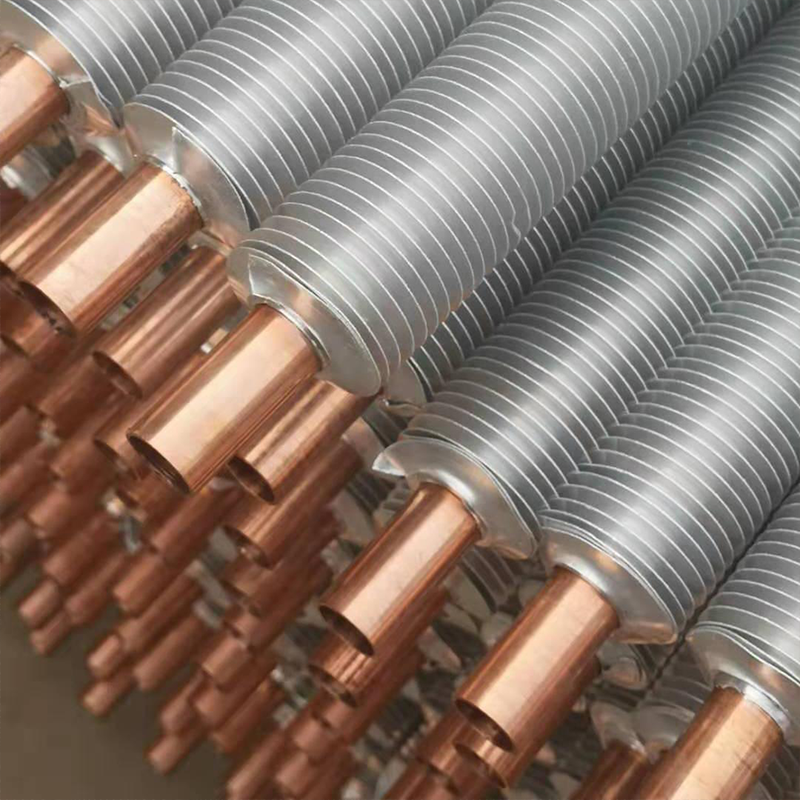
While UHMW-PE protects surfaces from abrasive wear, equipment from Wuxi Kaisheng solves the problem of working under extreme conditions of pressure and temperature. Their products, including titanium shell-and-tube heat exchangers, ASME high-pressure units and corrugated tube bundles made from 316 stainless steel, C46400 marine brass or N06625 nickel alloys, are designed for the petroleum refining, chemical and seawater desalination industries. Certified to PED and ASME standards, this equipment offers outstanding corrosion resistance and thermal efficiency.
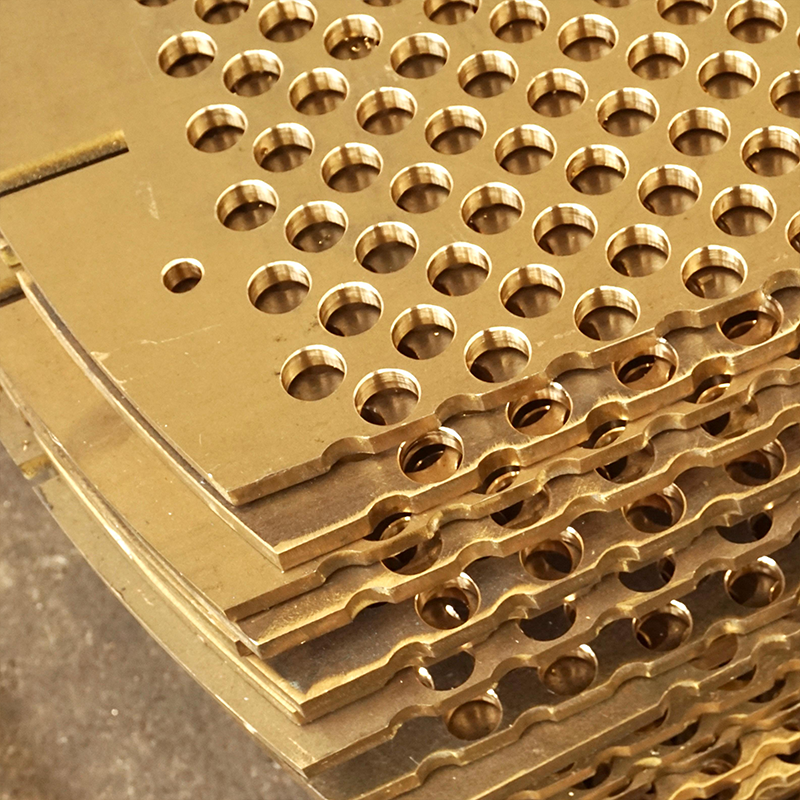
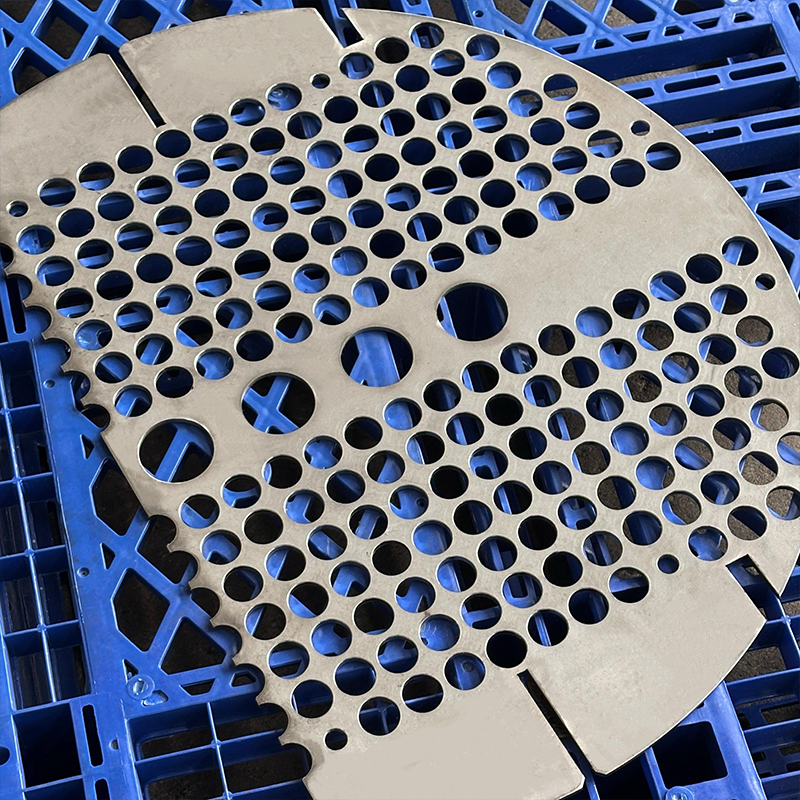
The synergy of these technologies is obvious: while the polyethylene lining prevents mechanical destruction of bins and chutes, heat exchangers and waste heat boilers from Wuxi Kaisheng ensure the stability of technological processes in aggressive chemical environments. Whether it's 321 steel tubesheets or C70600 copper-nickel alloy components, each element is individually tailored to the customer's application. This approach, combining knowledge of polymer properties and advanced metalworking, allows us to create reliable systems that operate for decades without failure around the world.
Frequently Asked Questions
Is it possible to weld polyethylene sheets at home?
Technically, sheets can be joined using extruder welding or hot air, but obtaining a monolithic seam that is as strong as the base material requires specialized equipment and skills. At home, it is difficult to control the temperature and feed rate of the filler rod, which will lead to a loose connection. We recommend using mechanical fastening or ordering welded assemblies directly from the manufacturer, where the process is controlled by technologists. Improper welding is the main cause of cracks in finished products.
Will PE sheet withstand a sledgehammer?
Yes, a sheet with a thickness of 10 mm or more will withstand a direct blow from a sledgehammer without destruction. It deforms at the point of impact, absorbing energy, but will not crack or split. This property makes it ideal for protective screens and armor plates. However, remember that after a strong impact, a dent may remain, which does not affect functionality, but changes the geometry of the surface. For applications where perfect flatness after impact is important, additional testing may be required.
What is the service life of polyethylene sheets in an abrasive environment?
The service life depends on the type of abrasive, flow rate and angle of incidence of the material. On average, when lining bunkers for coal or ore, the service life is from 3 to 7 years, which is 5-10 times longer than steel. For less aggressive media, such as grain or sand, the service life can reach 10-15 years. An accurate forecast is only possible after analyzing the specific operating conditions of your equipment.
Is polyethylene afraid of ultraviolet radiation?
Basic polyethylene without stabilizers is subject to destruction when exposed to direct sunlight (UV radiation). Over time, the surface layer may become chalky and lose strength. However, modern industrial sheets necessarily contain carbon black (for black sheets) or special UV stabilizers that completely neutralize this effect. When ordering sheets for outdoor use, always check the specifications for UV protection.
Conclusion and recommendations for action
Debunking myths about the fragility of PE sheets is not just a theoretical exercise, but a necessity for the modern engineer and purchaser. Data, operating experience and physical properties of the material clearly indicate that the right polyethylene is stronger, more durable and more cost-effective than traditional solutions in most dynamic and abrasive load scenarios. The fear of plastic has become a thing of the past along with the technology of the mid-20th century.
If you are faced with the problem of rapid wear of equipment, material adhesion, or frequent breakdowns of metal components, do not rush to order the next batch of steel. Audit your processes and consider implementing UHMW-PE based solutions. Our specialists are ready to provide samples for testing, perform load calculations and offer an optimal installation scheme that will eliminate any risks.
Don't let outdated stereotypes slow down the development of your production. Contact us today for a consultation and project cost estimate. We will help you choose a brand of material that will solve your problem for decades to come.View the full catalog of polyethylene sheetsand technical specifications can be found on our website.