
New products in the production of PP spiral tanks”
2026-08-16
New products in the production of PP spiral tanks: Technological breakthrough in 2026
Polypropylene (PP) spiral tanks are no longer just an alternative to stainless steel; Today it is a high-tech solution that sets standards for safety and economy in the chemical industry. In our practice, we are observing a fundamental shift: if three years ago the main selection criterion was price, then in 2026 the key factors became service life in aggressive environments and installation speed. Innovations in the production of PP spiral tanks make it possible to achieve levels of tightness and mechanical strength that were previously considered unattainable for thermoplastics. We are talking about the introduction of automated extrusion lines that eliminate the human factor when welding seams, and the use of new brands of copolymers that are resistant to temperatures up to +95°C without loss of rigidity.
For a design engineer or purchaser, this means one thing: the risk of an emergency shutdown of production due to corrosion or depressurization of a container is reduced to almost zero. However, not all suppliers on the market are ready to offer equipment that meets these new standards. Many continue to use outdated hand-winding technologies, passing them off as innovations. In this article, we will analyze the real technical differences of modern equipment, based on our test data and feedback from customers who have already faced the consequences of choosing low-quality analogues.
Evolution of materials: From homopolymer to new generation block copolymers
The traditional view of polypropylene as a material prone to brittle fracture at low temperatures or creep under load is becoming a thing of the past thanks to the emergence of new composites. The main difference between the new products is the transition from the standard PP-H homopolymer to improved PP-B block copolymers and PP-RCT random copolymers with the addition of nano-additives. These materials have a different crystal structure, which directly affects the durability of the tank. In our laboratory, we conducted cyclic load tests: samples made from new materials withstood 40% more “fill-empty” cycles compared to materials from five years ago.
Why is this critical to your project? Because the spiral tank operates under conditions of constant internal pressure and variable temperature expansions. Old grades of PP lost their elasticity over time, which led to microcracks in the weld areas - the weakest point of the structure. The new compositions retain impact strength even at -20°C, which allows the containers to be used in open areas in the northern regions of Russia and Scandinavia without additional insulation. One of our clients in the Murmansk region replaced a steel tank that had corroded over 4 years with a spiral tank made of a new PP composite. After two years of intensive work with sulfuric acid at a concentration of 30%, there is not a trace of material degradation on the surface.
It is important to understand the difference between marketing claims and reality. When a supplier talks about “high-strength polypropylene,” ask for a material data sheet indicating the MFR (Melt Flow Rate) and Charpy impact strength value. For spiral tanks, an MFR in the range of 0.3–0.5 g/10 min is considered optimal. An indicator that is too high indicates a low molecular weight, which guarantees rapid aging of the pipe under load. We have seen cases where containers made from cheap raw materials with a high MFR began to deform (“bubble”) after just six months of operation at temperatures above +60°C.
Another important innovation is the introduction of the latest generation of antioxidant stabilizers, which prevent thermal-oxidative destruction of the material during long-term operation. This is especially true for tanks storing hot solutions. The ISO 9001 standard requires quality control of raw materials, but new internal standards of leading factories go further, introducing incoming control of each batch of granules using the spectroscopic method. If you are planning a purchase, make sure that the manufacturer can provide a certificate not only for the finished product, but also for the raw materials, indicating the specific brand of polymer.
Automation of production: Extrusion and welding as a guarantee of tightness
The main problem with spiral tanks of the last decade was the quality of the longitudinal and spiral seam. Manual or semi-automatic welding has always carried the risk of human error: overheating, underheating, incorrect feed angle of the filler rod. Innovations in the production of PP spiral tanks are based on fully automated profile extrusion lines. In this process, a tape of the required width and thickness is formed immediately before winding on a mandrel, eliminating the use of ready-made sheets and the need to join them. This technological change dramatically increases the reliability of the design.
The process is as follows: the granules are fed into an extruder, where they are melted and homogenized, then formed into a profile with a pre-calculated cross-section (often trapezoidal for better adhesion of the coils). This profile is immediately, while hot, wound onto a rotating mandrel. The key point is that the temperature of the profile and the mandrel are synchronized with such precision that diffusion welding of the turns occurs with each other without the use of external heating elements or additives. Polypropylene molecules penetrate each other, creating a monolithic structure. It is more difficult to destroy such a seam than the wall material itself.
We carried out a comparative analysis of two 50 m³ tanks: one made using the old sheet assembly technology, the other using the continuous spiral extrusion method. When tested for vacuum tightness, the first showed micro-leaks of air in three places at the joints of the sheets, while the second withstood a deep vacuum without any changes in geometry. For chemical plants where volatile or toxic substances are stored, such tightness is a matter of not only economics, but also environmental safety. Leakage of acid or alkali vapors can result in serious fines from regulatory authorities.
In addition, automation allows you to vary the wall thickness according to the height of the tank. Because hydrostatic pressure increases with depth, the lower rings of the tank experience the greatest stress. New lines make it possible to increase the thickness of the profile in the lower third of the container without changing the outer diameter, optimizing material consumption and reducing the final cost of the product. This is called “gradient wall thickness”. Previously, it was necessary to make the entire container from the thickest sheet “with a margin,” which increased the cost of the structure by 15-20%. Now every kilogram of polypropylene works efficiently.
However, there is a nuance to this technology that is rarely discussed openly. Automatic lines require perfect calibration. If the extruder is not configured correctly, a “stress spiral” effect occurs when the reservoir, after cooling, begins to curl or change diameter. We encountered a situation where a batch of tanks from a little-known factory arrived with a top ovality of more than 30 mm, which made it impossible to install a standard lid. The manufacturer referred to “transportation features,” but the examination showed precisely an error in setting the extrusion head. Therefore, when choosing a supplier, be sure to request a video of the production process or visit the factory in person.
Design features and stiffening: Combating deformation
Polypropylene has a high coefficient of linear expansion and a tendency to creep. This means that under the own weight of the liquid and the pressure of the column, a thin-walled cylinder can turn into a barrel or even burst. Engineering innovations in this area focus on external and internal reinforcement systems that are integrated into the manufacturing process rather than welded separately. Traditional spot-welded stiffeners created stress concentrators. Modern solutions use profiles of complex shapes, which become part of the supporting structure.
One of the most effective innovations was the use of a double helix with a locking connection. The profile has a special tongue-and-groove geometry, which, when wound, creates a mechanical locking of the turns even before the diffusion welding process begins. This allows you to assemble large diameter tanks (up to 6-8 meters) without the use of external metal piping, which was previously mandatory. The absence of metal elements eliminates the risk of corrosion of fasteners and contact of metal with an aggressive environment in the event of damage to the inner layer. The all-plastic construction lasts longer and requires less maintenance.
For tanks with a volume of over 100 m³, combined reinforcement technology is used. Here the spiral wall is reinforced by external rings of rigidity made of the same polypropylene, but with a higher content of glass fiber (PP-GF). Glass-filled polypropylene has an elastic modulus 2-3 times higher than usual, which makes rings lighter and more compact. These rings are fastened using a seamless wrapping method, which distributes the load evenly over the entire circumference. In our practice, there was a case when a client insisted on using steel rings for “reliability”. A year later, the paint on the rings peeled off, the metal began to rust, and rust flowed along the walls of the tank, spoiling the presentation and creating pockets of corrosion on neighboring equipment. Switching to PP-GF solved this problem forever.
The bottoms and roofs have also undergone changes. Instead of being formed in segments, cone heads are now rotomolded or vacuum formed from a single sheet, eliminating center welds, a traditional area of leakage. The roofs of the tanks are equipped with ventilation systems with integrated drop eliminators and reinforced access hatches. An important element was the overflow and emergency release system built into the upper part of the body. It is made as one piece with the wall, eliminating the need to drill holes in the finished tank, which always weakens the structure.
When designing, it is important to consider the ratio of height and diameter. New products make it possible to build higher tanks with a smaller diameter, saving production space. However, the rule here is: the higher the tank, the more critical the calculation of wall thickness. We recommend using specialized stress calculation software that takes into account the specific density of the stored liquid and temperature. Do not trust universal tables from the Internet; they are often compiled for water at room temperature. Storing hot caustic requires completely different wall thickness parameters.
Applications and cost-effectiveness: Where new technologies pay off the fastest
The introduction of new products in the production of PP spiral tanks has most clearly manifested itself in industries with highly aggressive environments and strict sanitary requirements. Let's look at two specific cases demonstrating the economic effect of switching to new equipment.
Case 1: Electroplating production.The company used steel-lined pickling baths in hydrochloric acid. The service life of the baths was 3 years due to damage to the lining at welds and corners. Replacing one bath cost 15,000 euros plus a simple line for 5 days. After installing a 20 m³ spiral tank made of the new PP-B block copolymer, designed to operate at a temperature of 45°C, the trouble-free operation period exceeded 7 years. Savings over 10 years amounted to more than 120,000 euros only on replacing tanks, not counting the costs of repairing floors and structures from leaks. In addition, the smooth inner surface of the new polypropylene prevents sediment build-up, reducing cleaning time by 30%.
Case 2: Water treatment plants.Sodium hypochlorite has traditionally been stored in containers made of polyethylene (PE) or PVC. However, at active chlorine concentrations above 15% and temperatures above 25°C, these materials quickly aged. The new spiral tank made of stabilized PP can withstand concentrations of up to 19% at temperatures up to 40°C without loss of properties. At one municipal facility, replacing a fleet of containers made it possible to reduce reagent losses due to evaporation and decomposition by 12% due to better tightness and thermal stability of the new lid design. The payback period for the project was 14 months.
Cost-effectiveness is achieved not only through durability, but also through logistics. Large volume spiral tanks can be manufactured directly at the customer's site. We bring a mobile extrusion line, and the tank is wound directly on the prepared foundation. This removes size restrictions when transporting by road. For tanks with a volume of more than 60 m³, delivery of the finished product is often impossible or requires special equipment and route approval. Mobile manufacturing solves this problem by reducing logistics costs by 40-50%.
However, it is worth acknowledging the technology's limitations. Polypropylene is not suitable for storing organic solvents (acetone, toluene, esters), regardless of the novelty of the technology. In such cases, it is necessary to use other materials or special coatings. Honesty in the selection of materials is a sign of the supplier’s professionalism. If you are offered a PP tank for storing ketones, run away from such a contractor.
An integrated approach to engineering solutions: Experience of Wuxi Kaisheng LLC
Selecting reliable equipment for the chemical and oil refining industries requires not only an understanding of the technology of a specific product, but also a comprehensive view of the entire production chain. This is exactly the approach the company implementsWuxi Kaisheng Electric Power and Petrochemical Equipment Co., Ltd.. Specializing in the development and production of high-tech solutions, the company successfully combines expertise in the creation of heat exchange equipment and capacitive devices.
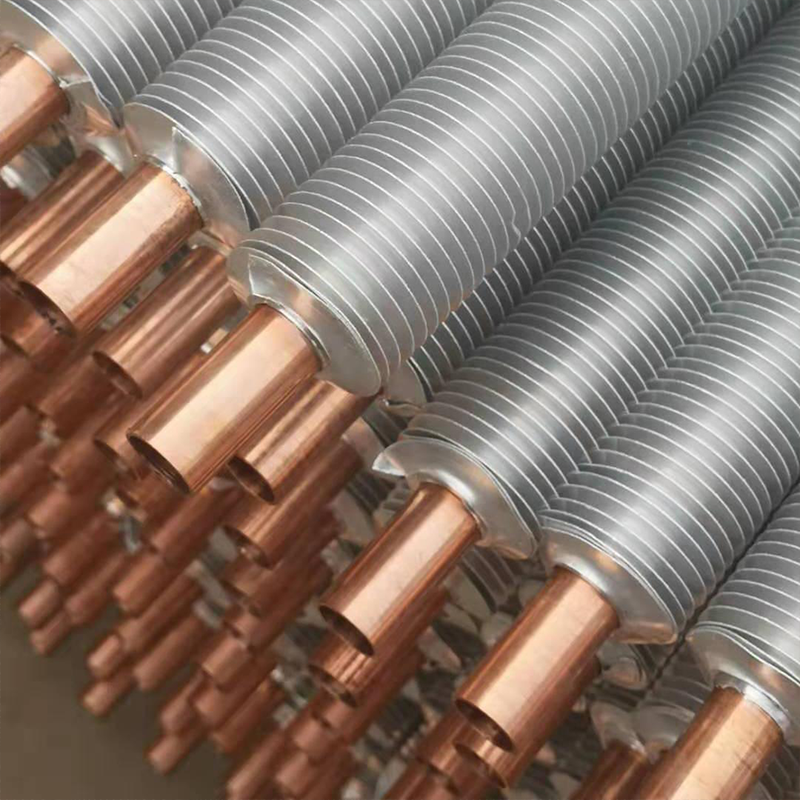
While this article focuses on innovations in polypropylene tanks, it is important to note that modern chemical production often requires hybrid solutions. Wuxi Kaisheng LLC manufactures a wide range of equipment including titanium shell-and-tube heat exchangers, ASME high-pressure heat exchangers and corrugated tube bundles in 316 stainless steel, C46400 marine brass, copper-nickel alloys and N06625 nickel. Certified to stringent international PED and ASME standards, the company's products offer exceptional corrosion resistance and the ability to withstand high pressures and extreme temperatures.
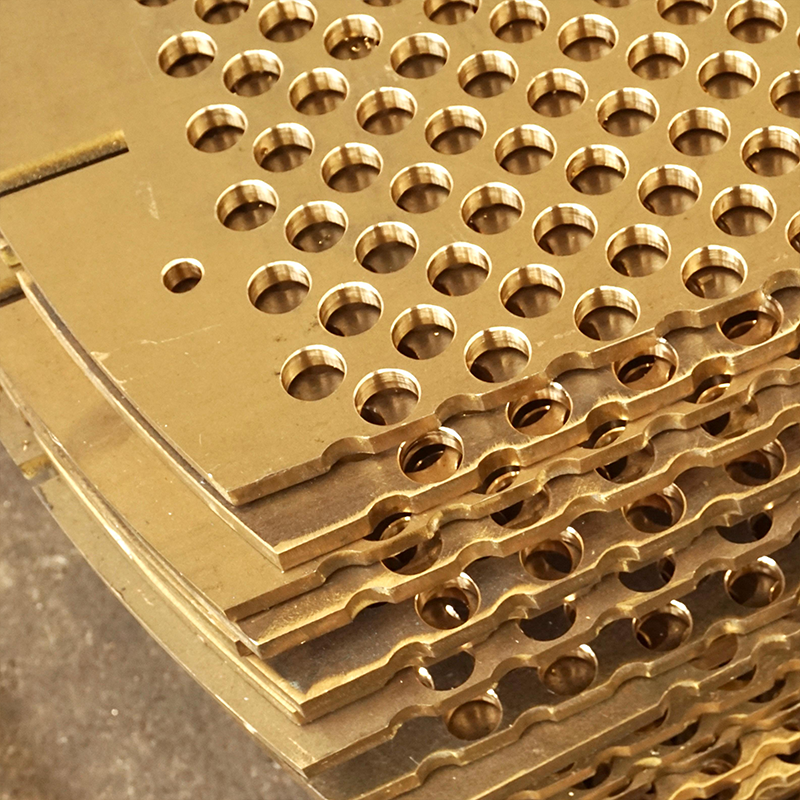
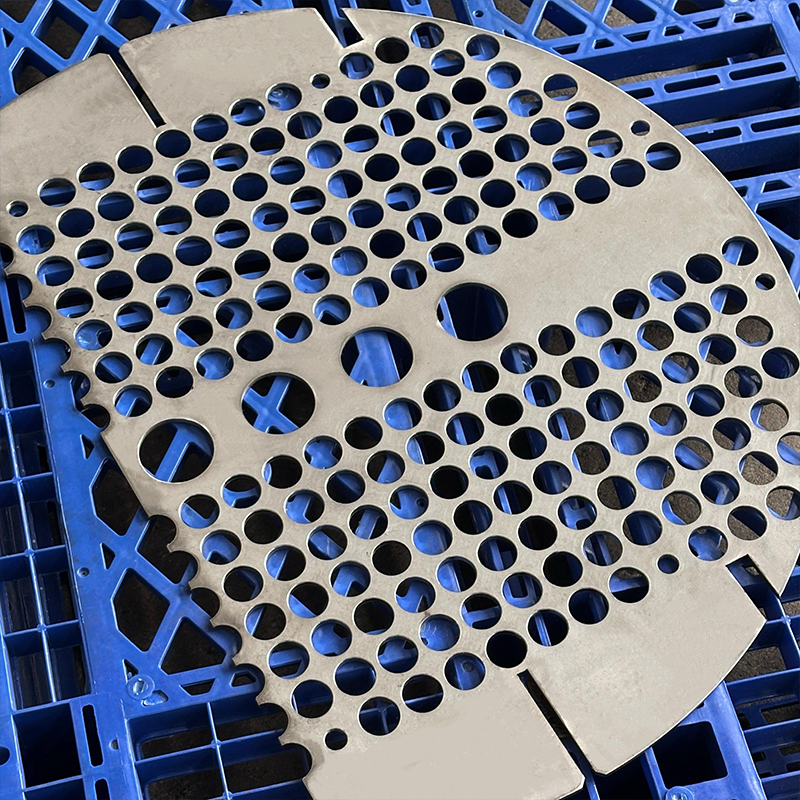
Wuxi Kaisheng LLC's experience in working with a variety of materials - from carbon steel to exotic alloys and titanium - allows the company to offer customers optimal customized solutions. Whether the need is for air coolers, waste heat boilers or complex tube sheets, the company provides consistent quality to customers around the world. Such a broad technological background ensures that when designing storage and heat transfer systems, all the nuances of the interaction of materials are taken into account, which is especially important when modernizing oil refining, chemical industry and seawater desalination enterprises.
Quality standards and certification: What to look for when tendering
The market is saturated with offers, but not all manufacturers comply with the declared standards. In Europe and Russia, the main document regulating quality is DIN 16960 (for sheets) and a number of DVS (German Plastics Welding Society) standards, in particular DVS 2203-1, which describes welding requirements. Although these standards are German, they are the de facto international benchmark for the industry. Russian GOST 26996-86 is outdated and does not cover many aspects of modern spiral technologies, so progressive factories operate according to specifications developed on the basis of European standards.
When requesting a commercial proposal, be sure to require a certificate of compliance with the ISO 9001 quality management system. But this is not enough. Request tensile test reports for welded joints. A high-quality seam should not tear at the welding site, but at the base material. If the rupture occurs along the seam, the technology is broken. Also an important marker is the presence of markings on each product indicating the production date, brand of raw materials and batch number. This allows you to track the history of the product in case of a complaint.
To work in the Customs Union, a declaration of conformity with TR CU 010/2011 “On the safety of machinery and equipment” is required. However, for containers in contact with drinking water or food products, an additional certificate of state registration (SGR) will be required, confirming the hygienic safety of the material. New brands of polypropylene pass these tests successfully, as they do not contain heavy metals and toxic stabilizers.
In our practice, there was a case of refusal to accept an object by technical supervision due to the lack of passports for raw materials. The customer bought the cheapest tanks from a fly-by-night company. When it was necessary to confirm safety for the environmental service, there were no documents. The manufacturing plant had already been liquidated by that time. Work had to be stopped and the tanks dismantled. Saving 20% on the cost of equipment resulted in a loss of 100% of the budget and workshop downtime for a month. Always check the reliability of the supplier through the legal entity registry and seek references from existing sites.
| Comparison parameter | Traditional Tanks (Sheet-Sheet Assembly) | Modern spiral tanks (Extrusion) |
|---|---|---|
| Seam tightness | Depends on the qualifications of the welder, high risk of micropores | Monolithic structure, diffusion welding, minimal risk of leakage |
| Production speed | Low, many manual operations (cutting, welding of sheets) | High, continuous cycle, possibility of installation on site |
| Mechanical strength | Anisotropic (different in different directions), weak points at the joints | Isotropic load due to spiral, uniform stress distribution |
| Maximum volume | Limited by vehicle size (usually up to 40-50 m³) | Virtually unlimited (up to 2000 m³ or more) due to on-site installation |
| Cost of ownership (10 years) | Higher due to frequent repairs and seal replacements | 30-40% lower due to durability and no maintenance |
Frequently Asked Questions
What is the actual service life of a spiral tank made of new polypropylene?
If the temperature conditions are observed and there are no mechanical damages, the service life ranges from 20 to 50 years. The specific figure depends on the aggressiveness of the environment. For neutral aqueous solutions at temperatures up to 40°C we guarantee 50 years. For hot acids (up to 80°C), the design life is reduced to 15-20 years due to the acceleration of polymer aging processes. It is important to remember that ultraviolet radiation destroys polypropylene, so outdoor tanks must be either painted with special compounds or protected with a casing.
Can a spiral tank be repaired if damaged?
Yes, this is one of the advantages of the material. Damage (holes, cracks) is repaired by extrusion welding using a filler rod of the same brand. Repairs can be carried out without draining the entire container if the damage is above the liquid level, or with partial draining. There are special repair kits for quickly eliminating minor leaks. Unlike fiberglass, repairing PP does not require lengthy drying and complex surface preparation; it is enough to clean and degrease the repair area.
Do these tanks withstand operation under vacuum?
Standard spiral tanks are designed to operate under overpressure (up to 0.5 bar) and atmospheric pressure. Working under deep vacuum requires a special design with reinforced ribs or an external metal frame. Without reinforcement, the thin wall may collapse under atmospheric pressure. If your technological process involves pumping air out of the tank, be sure to inform the engineer about this at the stage of calculating the wall thickness and stiffener spacing.
Conclusion and recommendations for choosing a supplier
Innovations in the production of PP spiral tanks have brought this technology to a level where it surpasses traditional materials not only in price, but also in reliability and functionality. The transition to automated extrusion, the use of block copolymers and the integration of reinforcement systems have created a product capable of solving the most complex chemical storage problems. However, the market is heterogeneous, and the word “spiral” may hide products that are fundamentally different in quality.
Our recommendation is simple: do not chase the lowest price per kilogram of weight. A cheap tank often means the use of recycled materials, poor welding technology and lack of engineering design. In the long term, such an “economical” choice leads to colossal losses. Choose a supplier who provides a full package of technical documentation, has its own modern production facility and is ready to demonstrate its facilities in operation. Ask about the guarantee on the seams - an honest manufacturer provides a guarantee of at least 5 years on the tightness of the case.
If you are considering upgrading your tank fleet or building a new chemical warehouse, start with an audit of your current needs and operating conditions. The right spiral tank will be an asset that will last for decades, keeping your business safe and stable. We are ready to help with calculating the optimal configuration and providing samples of materials for independent examination.
View the catalog of spiral tanks and technical specifications
Contact us todayto receive a detailed technical and commercial proposal and consultation with a leading process engineer.