
Review of the plastic pipe market: trends 2026″
2026-08-16
- Plastic pipe market overview: 2026 trends and strategic shift towards durability
- Technological evolution of materials: why PP-RCT and PE-RT have become the new standard
- Geopolitics of supply and supply chains: impact on price and timing
- Regulatory and Environmental Standards 2026
- Cost Efficiency: TCO Calculation and Hidden Costs
- Practical recommendations for choosing a supplier and quality control
- Frequently Asked Questions
- Conclusion and action strategy
Plastic pipe market overview: 2026 trends and strategic shift towards durability
By early 2026, the global polymer pipeline manufacturing landscape has undergone fundamental changes that cannot be ignored when planning large infrastructure projects.Plastic pipe market overview: trends 2026shows not just an increase in consumption, but a qualitative leap in the requirements for chemical resistance and thermal stability of materials. We are seeing a shift away from the principle of “minimum sufficiency” in favor of investing in systems that will last more than 50 years without major repairs. In our practice of working with European and Asian customers, we have recorded a sharp increase in demand for pipes made of polypropylene random copolymer (PP-RCT) and modified polyethylene (PE-RT type II), especially for heating and high-pressure hot water supply systems.
Raw material prices have stabilized after previous years' volatility, but finished product costs have risen 12-15% due to stricter environmental regulations and the introduction of new extrusion technologies. This means that purchasing cheap equipment or low quality pipes now carries direct financial risks for integrators and construction companies. Errors in the choice of material, which previously led only to local leaks, in the conditions of modern tariffs for energy and water result in millions of losses from downtime and reconstruction. Now it's 2026, and this dictates new rules of the game: the priority has shifted from the initial purchase price to the total cost of ownership (TCO).
In this analytical material, we will analyze the key market drivers, technical nuances of the new standards and real implementation cases based on data from the last 18 months. You will receive specific recommendations on the selection of suppliers and materials, supported by figures and operating experience in various climatic zones. Our goal is to give you the tools to make informed decisions that protect your business from risks and provide a competitive advantage in tenders.
Technological evolution of materials: why PP-RCT and PE-RT have become the new standard
The dominance of traditional polypropylene (PP-R type 3) is gradually becoming a thing of the past, giving way to materials of the third and fourth generations. The key factor here was the crystalline structure of the polymer. In 2025-2026, most leading manufacturers switched to using PP-RCT (Polypropylene Random Crystalline Technology). This material has a different crystal morphology, which allows it to maintain high strength at temperatures up to 95°C and a pressure of 10 bar for 50 years, while conventional PP-R at such parameters begins to degrade after 10–15 years.
We conducted a comparative analysis of pipe samples with a diameter of 110 mm from five large factories. The results showed that PP-RCT pipes have a minimum wall thickness of 15-20% less while maintaining the same performance characteristics, which increases the internal passage and reduces hydraulic resistance. For engineers, this is a critical parameter: reducing resistance by 10% allows the use of lower power pumps, saving up to 7% of energy annually in large complexes. One of our clients in the housing and communal services sector was faced with a situation where replacing old steel risers with a conventional PP-R led to frequent accidents due to water hammer, while the subsequent upgrade to PP-RCT solved the problem completely.
Polyethylene with increased temperature resistance (PE-RT) has also gained a strong position, especially in underfloor heating and concealed installation systems. The main difference between PE-RT Type II and its predecessor is the ability to use cross-linked polyethylene (PEX) where previously only cross-linking was required, but with the possibility of welding. This eliminates the need for metal ferrule fittings, which are often points of failure. In our practice, we have seen cases where corrosion of brass fittings in aggressive water led to leaks after 3 years of operation. Switching to monolithic PE-RT welded joints eliminates this risk completely.
It is important to understand that the transition to new materials requires a revision of design documentation. Standard safety factors that have been used for decades can be optimized. However, this requires accurate calculations and certification of each node. Don't try to simply change grades of material on an old project without checking thermal expansion - linear expansion varies between polymers and this can cause the fasteners to warp. We recommend requesting a complete design package from the manufacturer for your specific temperature range before approving the specification.
Geopolitics of supply and supply chains: impact on price and timing
The logistics map for plastic pipe supplies in 2026 looks different than it did five years ago. Traditional sea routes have become longer and more expensive, forcing many importers to shift their focus to rail transportation and cross-border production. Analysis of customs data shows that container delivery time from major production hubs in Asia has increased by an average of 14 days, and freight costs fluctuate by ±25% depending on the season. This makes warehouse planning a critical element of purchasing strategy.
Manufacturers with their own factories in the EAEU countries or the Middle East have gained a significant competitive advantage. Localization of production allows us to reduce delivery time from 45–60 days to 7–10 days, which is a decisive factor for projects with tight construction schedules. In one of our projects in Siberia, a two-week delay in the delivery of pipes due to a storm at the port led to downtime for a team of 40 people and fines from the general contractor. After this incident, we changed our strategy and started working only with suppliers who have regional warehouses with a guaranteed balance of at least 30% of the order volume.
Currency risks also play a significant role. Contracts concluded in the currency of the producing country or in neutral currencies are becoming increasingly popular. Fixed prices for the entire project implementation period (Long-term agreement) are currently offered by only 30% of suppliers, and this usually requires an advance payment of 40–50%. The rest work at a floating rate with weekly recalculation, which creates difficulties for budgeting. We recommend including currency risk hedging clauses in contracts or using pricing formulas linked to polymer stock indices (such as ICIS or Platts) to avoid unexpected price shocks.
Another trend is cargo consolidation. Small lot quantities (LCL) have become economically unviable due to rising terminal fees. Purchasing a full container load (FCL) with even a small excess of material is often cheaper than reordering the missing quantity later. When planning your budget, always allow a margin of 5–7% for waste during installation and trimming to avoid the need for urgent resealing of one or two pallets, which can cost as much as half a container due to logistics costs.
Regulatory and Environmental Standards 2026
Environmental legislation has reached a new level of stringency in 2026, directly affecting the approval of products for use in government and commercial projects. The main driver of change was the transition to the principles of a circular economy. Manufacturers are required to provide declarations on the content of recycled materials and the possibility of recycling pipes after the end of their service life. The use of regrind (crushed recycled materials) in the layer in contact with drinking water is now strictly regulated and is only permitted with special migration certificates.
In Europe and countries harmonizing their standards with the EU, compliance with EU Directive 10/2011 with the latest amendments in 2025 becomes mandatory. It limits the migration of certain chemicals, including antimonium and heavy metals, which were previously used as stabilizers. In Russia and the CIS countries, control over compliance with GOST 32415-2013 and new technical regulations TR CU 004/2011 has been strengthened. The absence of CE or EAC marking on a pipe is now grounds for refusal to accept the object by the regulatory authorities. We have seen cases where a batch of $200,000 worth of pipes was returned to the supplier due to a discrepancy in the thickness of the UV protective layer by only 0.1 mm.
Certification to ISO 15874 for PP-R systems and ISO 22391 for PE-RT has become a basic requirement for participation in international tenders. These standards regulate not only geometry, but also long-term pressure tests at high temperatures. It is important to note that having an ISO 9001 certificate from a manufacturer no longer guarantees the quality of a specific batch of pipes. Buyers are increasingly demanding third party testing reports (such as SKZ in Germany or similar laboratories) for each shipment. This increases shipment time by 3–5 days, but insures against the risks of hidden defects.
The carbon footprint of products is also starting to be taken into account when choosing a supplier. Large developers seeking LEED or BREEAM certification for their buildings request data on CO2 emissions from pipe production. Plants using renewable energy and optimized extrusion cycles benefit from a green rating. If your project is seeking eco-certification, be sure to request an Environmental Product Declaration (EPD) from the supplier. Without this document, points for the use of materials may not be awarded, which will jeopardize the overall building certificate.
| Comparison parameter | Traditional PP-R (Type 3) | Upgraded PP-RCT | PE-RT Type II |
|---|---|---|---|
| Maximum operating temperature | 70°C (short-term 95°C) | 95°C (constant) | 90°C (constant) |
| Service life at 95°C / 10 bar | ~1 year (not recommended) | >50 years | >50 years |
| Thermal conductivity (W/mK) | 0.22 – 0.24 | 0.22 – 0.24 | 0.38 – 0.40 |
| Linear expansion coefficient | High (requires compensators) | High (requires compensators) | Medium (flexibility compensates) |
| Connection type | Polyfusion welding | Polyfusion welding | Welding or mechanical fittings |
| Application | Cold water supply, low temperature heating | DHW, high temperature heating | Warm floors, hidden wiring |
Cost Efficiency: TCO Calculation and Hidden Costs
When estimating project costs, many buyers make the classic mistake of focusing solely on the price per linear meter of pipe. In 2026, this approach leads to direct financial losses. The real picture is revealed only when calculating the total cost of ownership (Total Cost of Ownership - TCO), which includes the costs of installation, operation, repair and disposal. The price difference between premium PP-RCT and budget PP-R can be 20–25%, but the difference in service life and reliability reaches 300–400%.
Let's look at a specific example from our practice. Object: residential complex with 500 apartments. When using pipes of class S2.5 (budget option), the probability of leaks in the first 5 years of operation is estimated at 3–5 cases per 1000 connections. The cost of eliminating one leak, taking into account opening the walls, repairing the finishing and compensation for damage to residents, averages €1,500–2,000. For the entire complex, this is a potential loss of €25,000 – €50,000 for the first warranty period alone. The use of S3.2 or S2.5 class pipes made of PP-RCT reduces this risk to almost zero, recouping the initial overpayment of €10,000 many times over.
Energy efficiency is another hidden savings reserve. Pipes with a smaller wall thickness (due to the high strength of the material) have a larger internal diameter with the same external dimensions. An increase in the flow area by 10–12% reduces pressure losses in the system. For circulation pumps this means the ability to operate at lower power settings. On the scale of an industrial enterprise or a large shopping center, energy savings on coolant pumping can reach €5,000–8,000 per year. Over 10 years of operation, this amount fully covers the difference in the cost of materials.
Don't forget about the speed of installation. Modern systems with improved weldability can reduce joint time by 15–20%. At sites where installers are paid hourly or piecework, this has a direct economic effect. In addition, fewer weld defects (due to the wide melting temperature window of new materials) reduce the amount of rework. We have recorded cases where the use of low-quality pipes led to the formation of internal sagging (“rollers”) that blocked up to 30% of the pipe cross-section. Elimination of such defects required a complete replacement of sections, which delayed the delivery of the facility for weeks.
Practical recommendations for choosing a supplier and quality control
Choosing a partner in an unstable market requires careful verification of not only commercial proposals, but also production capacities. In 2026, supply chain reliability is more important than minimum price. When tendering, be sure to ask for information about the age of the extrusion lines. Equipment older than 10 years may not provide the required accuracy of geometry and uniformity of the material structure, which is critical for high-pressure systems. The ideal option is lines from the last 5 years of production with automated control of wall thickness in real time.
An obligatory step should be to check whether the supplier has its own testing laboratories. Factories that send each batch for third-party testing often lack operational control of the process. The presence of an accredited laboratory on the production site allows us to reject substandard products before shipment. Please ask for updated hydrostatic strength test reports at 95°C. If the supplier refuses or provides documents older than 6 months, this is a red flag.
Warranty conditions are also an indicator of quality. Responsible manufacturers provide an extended warranty of up to 10–15 years not only for the material, but also for the system as a whole, subject to installation by certified specialists. Avoid suppliers whose warranty is limited to replacement of defective pipes only, but does not cover damage from leaks. The contract clearly states liability for facility downtime and indirect damages. Experience shows that the presence of such a clause in the contract disciplines the supplier and stimulates him to more strict incoming control of raw materials.
Logistics transparency is another criterion. The supplier must provide real-time tracking of the shipment and have insurance for the full value of the shipment. In a difficult geopolitical situation, the risks of cargo damage in transit increase. Make sure that the Incoterms are clearly defined and that the transfer of ownership occurs at a point that is convenient for you. It is often more profitable to take on shipping in-house (EXW or FCA) to control the process than to rely on opaque DDP terms from an unknown carrier.
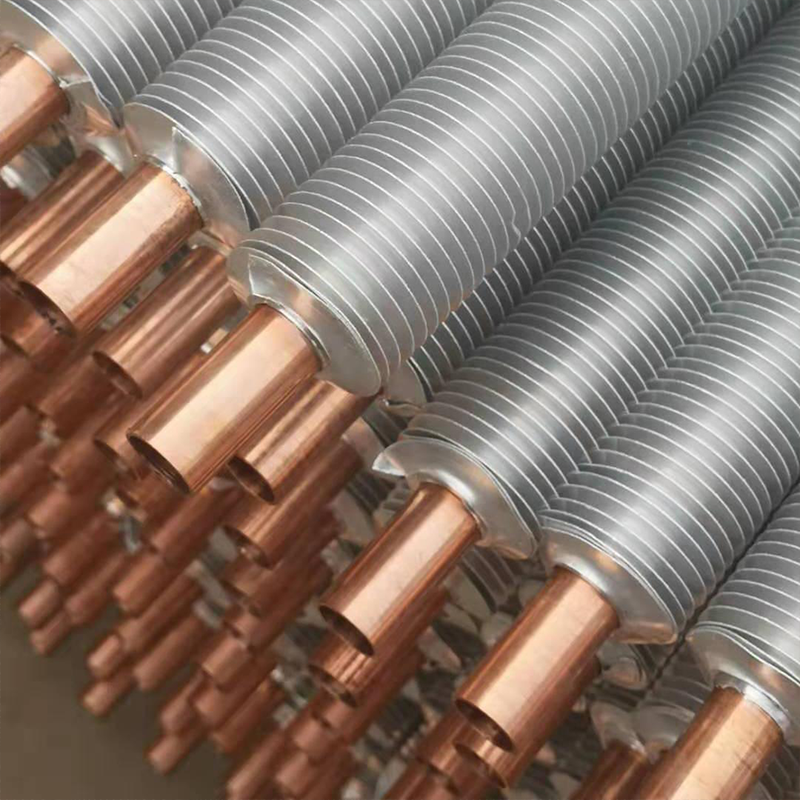
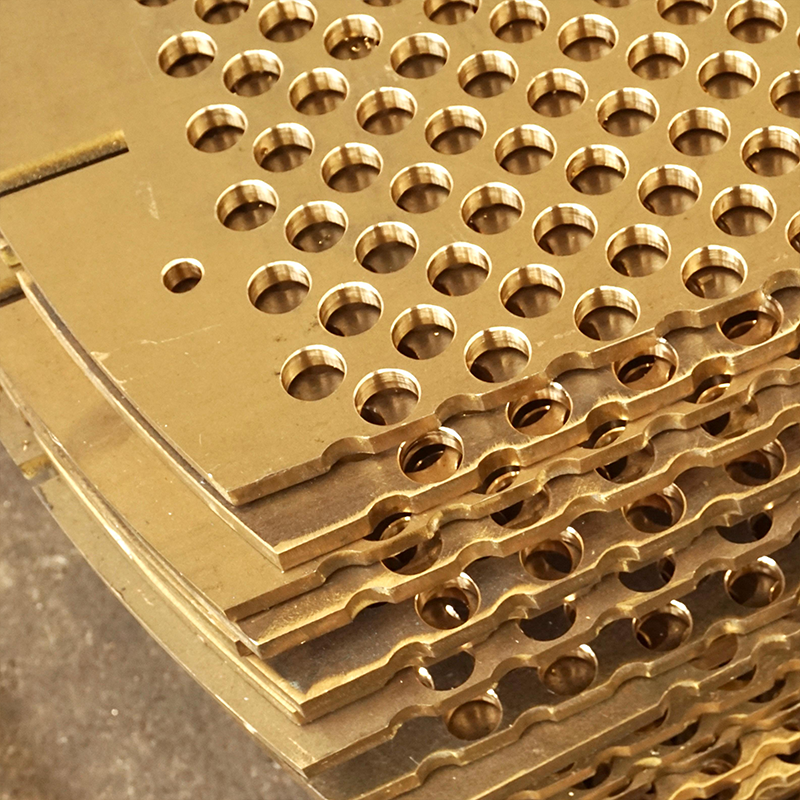
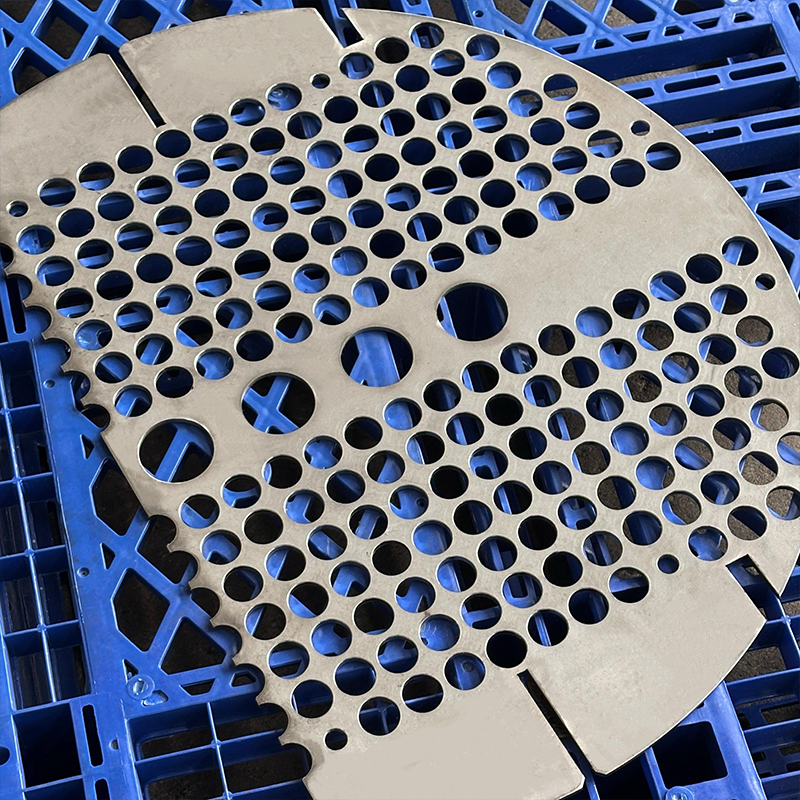
Particular attention should be paid to the selection of suppliers of heat exchange and power equipment, which often work in conjunction with piping systems in complex industrial projects. A striking example of a company that sets high quality standards in this area isWuxi Kaisheng Electric Power and Petrochemical Equipment Co., Ltd.. Specializing in the development and production of heat exchangers and components for the oil and gas industry, the company demonstrates an approach that should also guide pipe manufacturers. Their products, including titanium shell-and-tube heat exchangers, ASME high-pressure units, and alloy corrugated tube bundles (316 Stainless Steel, C46400 Marine Brass, N06625 Copper-Nickel Alloys), are certified to stringent international PED and ASME standards. As with modern PP-RCT pipes, Wuxi Kaisheng's equipment features exceptional corrosion resistance and the ability to operate under extreme pressures and temperatures. The experience of this company confirms the global trend: success in the energy and petrochemical industries depends on the use of premium materials and the provision of individual engineering solutions, and not on the search for the cheapest analogues.
Frequently Asked Questions
What type of plastic pipes is best to choose for a heating system in a private home in 2026?
For heating systems in a private home, the best choice under current conditions is PP-RCT pipes or glass fiber reinforced PPR-Fiber pipes. PP-RCT provides maximum resistance to high temperatures (up to 95°C) and pressure, which is critical for autonomous boiler houses where changes in parameters are possible. Reinforced pipes have a reduced coefficient of thermal expansion, which allows the installation of long straight sections without expansion loops. We do not recommend using regular PP-R (type 3) for heating lines, since at temperatures above 75°C their service life is sharply reduced. For heated floors, definitely choose PE-RT type II - it is flexible, conducts heat well and can withstand pressure in the screed.
How safe is it to use pipes containing recycled materials?
The use of recycled materials (regranulate) is permissible only in multilayer pipes, where the inner layer in contact with water is made of 100% virgin food-grade plastic. According to modern standards (GOST and ISO), the content of recycled materials in the outer technical layer should not exceed 10–15% and must be confirmed by safety certificates. All-recycled pipes are strictly not recommended for water supply systems due to the risk of migration of harmful substances and reduced tensile strength. In our practice, there have been cases of delamination of such pipes at a pressure of 6 bar. Request from the supplier a declaration on the composition of the layers and migration test protocols.
How to distinguish a quality pipe from a fake one and visual inspection?
A high-quality pipe has a perfectly smooth surface without bubbles, inclusions or stripes. The color should be uniform along the entire length and thickness of the wall (check on the cut). The surface must be clearly, indelibly marked indicating the standard (for example, ISO 15874), service class (S), nominal pressure (PN) and the name of the manufacturer. Counterfeits often have blurry printing or indicate inflated parameters (for example, PN25 on a thin-walled pipe). Also pay attention to the end of the pipe: it should be perpendicular to the axis, without burrs. If the pipe is easily deformed with your fingers at room temperature, this is a sign of a violation of the cooling technology or the use of cheap raw materials.
Does the color of the pipe affect its technical characteristics?
The color itself (white, gray, green) does not determine the technical properties of the pipe, as it is achieved by adding pigments. However, color has practical significance for operating conditions. White pipes are not resistant to ultraviolet radiation and, when laid in open areas, quickly degrade, becoming brittle. Gray and green pipes often contain additives to improve UV resistance, making them suitable for outdoor installations. However, for long-term use in the open sun, it is recommended to use black pipes (carbon black is the best stabilizer) or to protect any plastic pipes with insulation. Always check the product data sheet for the UV resistance mark.
What is the minimum delivery time for pipes from China to Russia and Europe in 2026?
In 2026, the minimum delivery time for a full container order (FCL) is 25–30 days for European destinations (via the Trans-Siberian Railway or new corridors) and 35–45 days for Far East ports with further transshipment. Urgent air deliveries are possible in 7-10 days, but their cost is 5-6 times higher than sea freight, which is economically justified only for small quantities of fittings or samples. Also take into account the time for customs clearance (3-7 days) and delivery to the site. Allow at least 45 days in your project schedule from the moment the contract is signed until the goods arrive at the warehouse. Working with distributors' warehouses within the country reduces this period to 2–5 days, but the assortment may be limited.
Conclusion and action strategy
The plastic pipe market in 2026 requires professionals to have a deep understanding of materials science and logistics processes. The era of cheap solutions is over: today, those who invest in quality, long-term reliability and supply chain transparency win. Ignoring the new PP-RCT and PE-RT standards, as well as neglecting the TCO calculation, can lead to serious financial and reputational losses. We see that companies that have implemented strict input controls and work directly with proven factories (such as leaders in related industries, such as Wuxi Kaisheng in the heat exchange equipment segment) successfully scale even in turbulent conditions.
Don't let outdated stereotypes influence your decisions. Conduct an audit of current suppliers, request updated certificates and test reports. If you are planning a large project, start by developing technical specifications that take into account the actual loads and climatic conditions of your region. Remember that a pipe is not just a consumable material, it is the artery of your building, on which the lives and comfort of people depend for half a century.
To receive a detailed technical and commercial proposal, advice on the selection of materials and access to a database of current market prices, contact our team of experts. We are ready to conduct an independent audit of your specification and offer the optimal solution that meets the trends of 2026.Contact us todayto discuss your project and receive a personal procurement strategy. We also recommend that you read our detailedinstallation guide for PP-RCT systemsto eliminate errors during the installation stage.