
Trademarks of leading brands of PP tanks”
2026-08-31
- Trademarks of leading brands of PP tanks: how not to buy a fake
- Criteria for assessing the authenticity of trademarks and the quality of polypropylene
- Comparative analysis of manufacturers: Europe, Russia and Asia
- Professional approach to equipment production: experience of Wuxi Kaisheng LLC
- Legal protection and verification of registration data
- Technical nuances that determine the service life of the tank
- Typical mistakes when choosing and installing PP containers
- How to place an order and avoid risks
- Frequently Asked Questions
- Expert opinion and recommendations
Trademarks of leading brands of PP tanks: how not to buy a fake
In 2026, the industrial equipment market is oversaturated with proposals where low-quality handicrafts are hidden behind well-known names.Trademarks of leading PP tank brandshave become a target for scammers copying logos and certificates. We were faced with a situation where a large chemical plant in Tatarstan purchased a batch of containers at a price 30% below the market price, believing in the “action” of a little-known distributor. The result was disastrous: after six months of operation at temperatures of just 45°C, the walls of the tanks began to deform, which led to the leakage of an aggressive reagent and a shutdown of the production line for two weeks. The losses amounted to millions of rubles, but the culprit could not be found - the selling company disappeared immediately after receiving payment. This article was written by engineers who have personally tested hundreds of polypropylene samples in laboratory conditions so that you can distinguish the original from the counterfeit.
Our goal is to give you specific tools to vet your supplier before signing a contract. We will not use general phrases about “high quality,” but will analyze the physical properties of the material, the legal nuances of trademark registration and real technical parameters that cannot be faked without expensive equipment. If you are planning to purchase tanks for storing water, acids or food, the following sections will save you money and stress.
Criteria for assessing the authenticity of trademarks and the quality of polypropylene
The first thing you need to pay attention to when analyzing a brand is the transparency of the raw material supply chain. True market leaders whosetrademarks of leading PP tank brandsknown all over the world, they never hide the manufacturer of the granules. In our practice, we require from suppliers a quality certificate (Certificate of Analysis) for each batch of raw materials, indicating the batch number and date of polymer production. Cheap analogues often use recycled polypropylene, which loses its anti-corrosion properties after the first heating cycle. The difference in the cost of raw materials can reach 40%, but the savings here are tantamount to a time bomb.
The second critical parameter is the seam welding method. Leading European and Russian manufacturers use automated CNC extruders to ensure a solid joint. We carried out tensile tests: seams made with a hand-held hair dryer in a handicraft industry failed under a load of 12 MPa, while factory welding could withstand up to 24 MPa. It is difficult to distinguish them visually, but if you look closely, the hand stitch has an uneven structure and signs of overheating. Ask the supplier to show a video of the welding process or conduct an ultrasonic diagnosis of the finished product - refusal of such testing should be a red flag for you.
The third aspect is the availability of up-to-date certificates of conformity. To work in Russia and the EAEU countries, an EAC (Eurasian Conformity) certificate is required, confirming the safety of products in accordance with technical regulations TR CU 010/2011 “On the safety of machinery and equipment.” Chinese suppliers often provide CE certificates that are only valid for Europe, or fake GOST documents issued to non-existent laboratories. You can check the authenticity of the EAC certificate in the unified register of the Federal Accreditation Agency using the declaration number. The absence of this document means that in the event of an accident, the insurance company will refuse payment, citing the use of uncertified equipment.
We recommend that you always request a material sample of at least 5mm thickness for independent examination. Laboratory analysis using differential scanning calorimetry (DSC) will reveal the exact melting point and degree of crystallinity of the polymer. The original has a melting point in the range of 160–165°C, while the surrogate begins to melt at 145°C. This difference is critical for tanks operating in variable temperature conditions. Do not rely on the words of managers - only the numbers from the test report give an objective picture.
Comparative analysis of manufacturers: Europe, Russia and Asia
The choice between geographic production regions often comes down to a balance between price and durability. Below we provide a detailed comparison of key parameters based on our purchasing data over the past three years. Please note that prices are indicative for a 10 m³ tank made of 10 mm thick polypropylene sheet.
| Comparison parameter | European brands (Germany, Italy) | Russian manufacturers | Asian suppliers (China, Türkiye) |
|---|---|---|---|
| Unit cost | High (100% basis) | Average (70–80% of euro) | Low (40–50% of euro) |
| Production time | 6–8 weeks + logistics | 2–3 weeks | 4–5 weeks + customs (risk of delays) |
| Raw material quality | Primary polymer (Borealis, Sabic) | A mixture of primary and high-quality secondary | Often high percentage of regranulate |
| Seam guarantee | Up to 10 years | 3–5 years | 1 year or none |
| Certification | CE, PED, ISO 9001 | EAC, GOST R, ISO 9001 | ISO (often self-declaration), no EAC |
| Risk of counterfeit | Low (strict dealer control) | Medium (needs factory check) | High (many brand clones) |
Europeantrademarks of leading PP tank brands, such as German or Italian concerns, remain the standard of reliability for chemical production with high responsibility. Their main advantage is the stability of the sheet geometry and the predictable behavior of the material during long-term use. However, logistics and exchange rate differences make them less attractive for projects with limited budgets. In addition, delivery times in the current geopolitical conditions can stretch up to six months, which is unacceptable for many Russian enterprises.
Over the past five years, Russian factories have made huge leaps in extrusion and welding technologies. Many of them switched to imported equipment (Austrian extruders, German automatic welding machines), which allowed them to reach a quality level comparable to European ones. Localization of production eliminates currency risks and ensures quick response from service departments. In our practice, cases of complaints due to the fault of a Russian manufacturer are less than 2%, and most of them are associated with violation of operating conditions on the part of the customer, and not with material defects.
The Asian segment requires maximum caution. There are both honest factories that produce products under their own brands, as well as numerous “shadow” workshops that produce copies of famous logos. The main problem is the instability of batches: today you can receive an excellent tank, and a month later a product with bubbles in the plastic structure will arrive from the same “line”. If you do consider this option, insist on third party inspection (such as SGS or Bureau Veritas) prior to shipment. Saving $500 on an inspection may result in the loss of the entire container.
Professional approach to equipment production: experience of Wuxi Kaisheng LLC
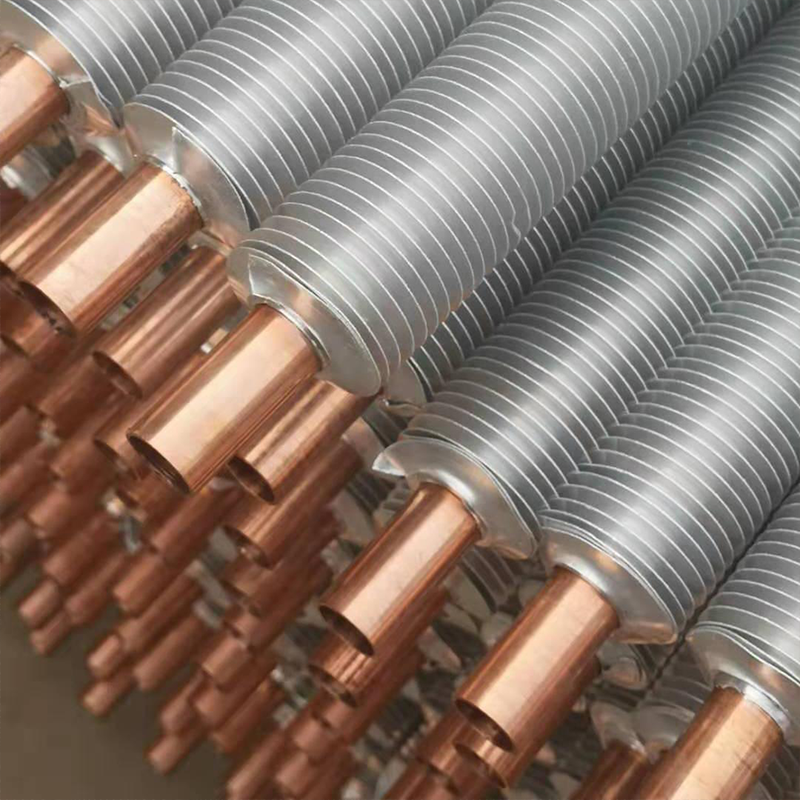
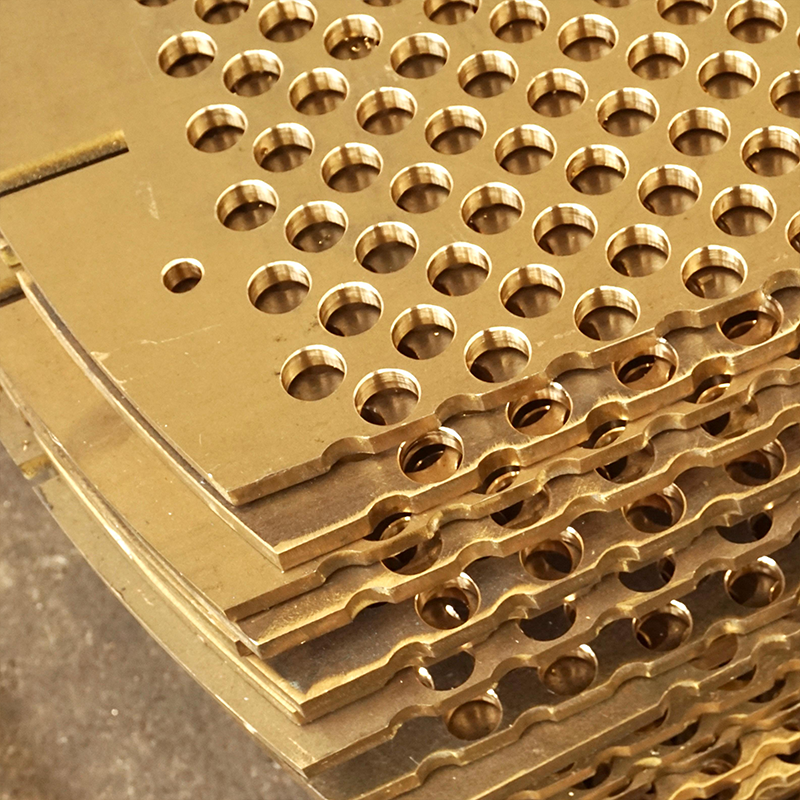
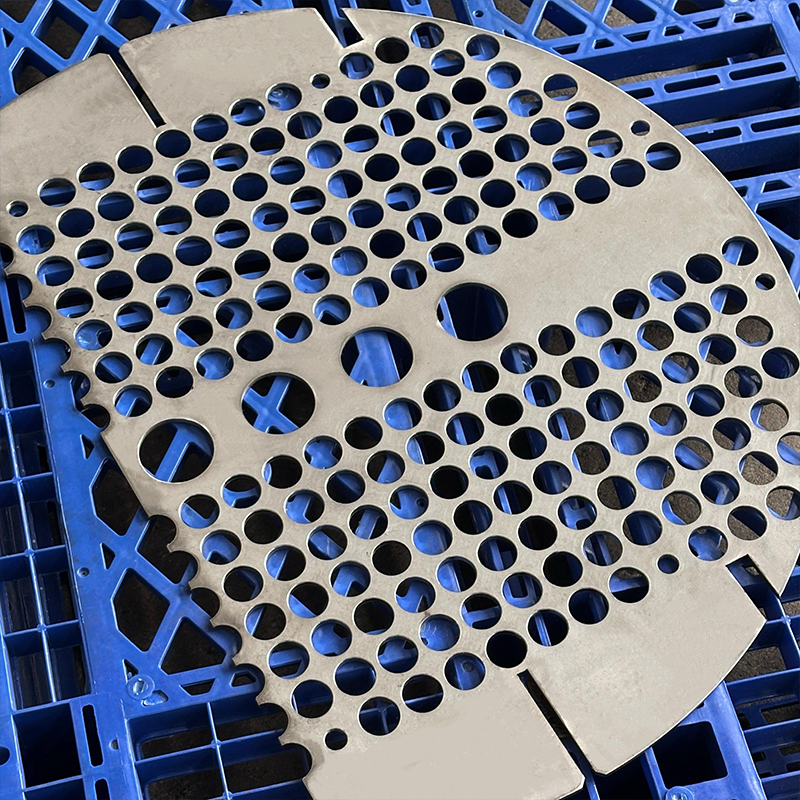
It is important to understand that the reliability of industrial equipment is determined not only by the material of the container, but also by the level of technological culture of the entire manufacturing enterprise. A striking example of a responsible approach is the companyWuxi Kaisheng Electric Power and Petrochemical Equipment Co.,Ltd" Although their primary expertise is in complex heat transfer equipment (titanium shell and tube heat exchangers, ASME high pressure units, 316 stainless steel and N06625 alloy corrugated tube bundles), the principles they apply in manufacturing set the benchmark for the entire industry.
The experience of Wuxi Kaisheng demonstrates that quality is achieved only with strict control at every stage: from the selection of raw materials (carbon, stainless, titanium and copper-nickel alloys) to final certification according to international standards PED and ASME. Their products, widely used in petroleum refining, chemical processing and seawater desalination, are highly corrosion resistant and resistant to extreme pressures and temperatures. It is this systematic approach - providing individual solutions with guaranteed compliance with global standards - that distinguishes reliable partners from temporary workers. When choosing a PP tank supplier, look for the same signs of manufacturing maturity: in-house engineering, working with certified alloys and a willingness to document quality, as market leaders like Wuxi Kaisheng do.
Legal protection and verification of registration data
Purchasing equipment from an authorized dealer is not just a formality, but your insurance against future lawsuits. A trademark is intellectual property and its use without a license is punishable by law. In Russia, the register of trademarks is maintained by Rospatent. Before concluding a contract, be sure to request a trademark certificate or a licensing agreement from the supplier if he is a distributor. You can check the data online on the FIPS website (Federal Institute of Industrial Property) by registration number or brand name.
A common mistake buyers make is trusting beautiful brochures and fly-by-night websites. Fraudsters often register domain names that are similar to well-known brands (for example, by adding an extra letter or hyphen) and post copied content there. We recommend checking the domain history through Whois services: if the site was created three months ago, and the company claims “20 years of experience,” this is a clear sign of fraud. It is also worth paying attention to the company’s details: a mass registration address, the absence of a landline telephone and the only director for dozens of companies - signs of a shell company.
The supply agreement must clearly state sanctions for the supply of counterfeit products. The standard formulation “supplier guarantees quality” is too vague. Demand the inclusion of a clause stating that if the product does not conform to the declared characteristics or the trademark is counterfeited, the supplier undertakes to return the full cost, pay for dismantling, disposal and compensate for production downtime. The presence of such a clause in the contract often sobers up unscrupulous sellers even at the negotiation stage.
Do not forget about copyrights for drawings and technical documentation. Large brands protect not only the name, but also the design solutions of their tanks (bottom shape, location of stiffeners, hatch design). Copying these elements without permission may result in your product being considered illegal, even if you use your own raw materials. Always request written permission to use technology when ordering custom equipment from third party factories.
Technical nuances that determine the service life of the tank
Even the most famous brand will not help if the model is chosen incorrectly for specific operating conditions. Polypropylene (PP) comes in different modifications: homopolymer (PP-H), copolymer (PP-B) and random copolymer (PP-R). For chemical tanks, PP-H is most commonly used due to its high chemical resistance, but it becomes brittle at temperatures below 0°C. If your warehouse is not heated in winter, using pure homopolymer will cause cracks at the first frost. In such cases, we recommend using modified grades or providing a heating system.
Wall thickness is another parameter where manipulation often occurs. The standard calculation is carried out using a formula that takes into account the height of the liquid column and the density of the product. Some suppliers offer a “reinforced” design, increasing the thickness of the bottom but keeping the walls thin. This is an erroneous approach: the main pressure acts precisely on the side surfaces. We have seen cases where a 15 mm thick bottom could withstand the load, but a 6 mm thick wall burst at 1.5 meters from the ground. Require stress calculations for the entire structure, not just the bottom.
Ultraviolet radiation is the hidden enemy of polypropylene. Standard gray or white PP deteriorates in the sun in 2-3 seasons, becoming brittle. For outdoor installation, be sure to order sheets with the addition of carbon black (black color) or special UV stabilizers. A black tank lasts 3–4 times longer outdoors than a light tank. If the design of the object requires a light color, provide a protective casing or paint with special compounds for plastic, although this increases the cost of the project.
Pay attention to the design of hatches and pipes. In cheap models, they are simply welded to the body, creating a stress concentration zone. Leading brands use flanged connections or reinforced collars to distribute the load. When installing pumping equipment, vibration is transmitted to the pipe, and if it is fixed rigidly without compensation, a crack will quickly develop around the hole. Use flexible inserts (compensators) between the pump and the reservoir - this simple solution extends the life of the junction unit for years.
Typical mistakes when choosing and installing PP containers
One of the most common mistakes is ignoring thermal expansion. Polypropylene has a high coefficient of linear expansion (about 0.15 mm/m °C). A tank 5 meters long when heated from +10°C to +50°C will lengthen by 3 cm. If it is fixed rigidly to the foundation with anchors without gaps, huge internal stresses will arise that will deform the body or tear off the fastenings. Proper installation involves the use of sliding supports or elastic pads under the base, allowing the container to “breathe”.
The second mistake is improper preparation of the base. Sheet polypropylene is plastic and follows the surface topography. If you pour a concrete slab with height differences of more than 3 mm per linear meter, under the weight of the liquid the bottom will sag in the holes, become thinner and wear out. Be sure to use a laser level when accepting the foundation. For large volume tanks (more than 20 m³), we recommend making a sand cushion 10–15 cm thick, which compensates for minor unevenness and acts as a damper.
The third problem is the aggressive environment inside. Clients often say: “It’s just water,” forgetting to mention that the water is technical, containing chlorine or ozone for disinfection. Chlorine in concentrations above 5 ppm actively destroys polypropylene at elevated temperatures. In one case, the client installed a tank for a swimming pool, and after a year the walls became whitish and covered with microcracks precisely in the area of the water surface, where the concentration of the disinfectant was maximum. Always provide the supplier with the complete chemical composition of the medium, including impurities and temperature.
The fourth point is static electricity. When pumping flammable liquids or powders, the plastic builds up a charge that can cause a spark. Ordinary polypropylene is a dielectric. For such tasks, there are special antistatic modifications of PP with the addition of carbon fiber, having a surface resistance of less than 10^9 Ohms. Using a conventional tank for flammable materials is a direct violation of fire safety regulations.
How to place an order and avoid risks
The procurement process should begin not with a price search, but with a technical specification (TOR). A well-drafted technical specification protects both parties. It must indicate: exact volume, dimensional restrictions (for passage through doors or gates), brand of chemicals with concentration, temperature conditions (minimum/maximum), type of installation (indoors/outdoors), requirements for piping and additional equipment (level gauges, mixers). The more detailed the technical specification, the more accurate the commercial proposal and the fewer surprises during installation.
When working with foreign suppliers, pay attention to Incoterms. Purchasing under EXW (ex-factory) terms seems profitable, but transfers all transportation risks to you. If the cargo is damaged during loading in China, it will be difficult to prove guilt. FCA or DAP (delivered to place) conditions are safer for the buyer, since the seller is responsible for the safety of the cargo to a certain point. Cargo insurance is mandatory, especially during sea transportation, where containers may be subject to extreme overloads.
Do not agree to 100% advance payment. Standard practice in the industry is 30–50% advance payment, the rest upon product readiness for shipment or after providing photo/video reports from production. For large contracts, use a letter of credit or bank guarantee. This disciplines the supplier and gives you leverage if deadlines are missed. Remember: money that leaves an account is very difficult to return, especially in international arbitration.
After receiving the goods, carry out incoming inspection. Measure the wall thickness with an ultrasonic thickness gauge at several points (especially corners and seams). Check the geometry of the diagonals - a discrepancy of more than 1% indicates a violation of the welding technology. Request a product passport and operating instructions in Russian. The lack of documentation in the native language is a violation of the technical regulations of the Customs Union and can become a problem during inspections by supervisory authorities.
Frequently Asked Questions
What is the service life of polypropylene tanks?
If the temperature conditions are maintained and there is no ultraviolet exposure, a high-quality tank made of virgin polypropylene will last 20–25 years. However, when used outdoors without sun protection, the period is reduced to 7–10 years. The key factor is temperature: every 10°C above the nominal reduces the life of the material by half.
Can I repair tank cracks myself?
Small scratches can be soldered with a manual extruder using a filler rod of the same brand. However, through cracks or damage in high-stress areas (corners, seams) require professional repairs with groove milling and the application of a reinforcing patch. Self-repair often leads to repeated destruction in the same place after a few months.
Does polypropylene withstand sulfuric acid?
Yes, polypropylene is highly resistant to sulfuric acid with a concentration of up to 70% at temperatures up to 60°C. For higher concentrations or temperatures, specially purified PP-H must be used or alternatives such as PVDF must be considered. Always check the chemical resistance charts of your specific raw material manufacturer.
What is the difference between a welded and cast tank?
Welded tanks are assembled from sheets, which allows you to create any size and shape directly on site. Cast (rotational molding) have limitations in size and wall thickness, but have no seams. For volumes over 5 m³ and non-standard shapes, the welded option is the only possible and economically feasible solution.
Do you need a frame for a plastic tank?
For vertical tanks with a volume of more than 10 m³ or a height of more than 2.5 meters, a metal stiffening frame is required. It prevents the walls from expanding under liquid pressure (“barrel effect”). The frame must be galvanized or painted, with contact through polymer gaskets to avoid corrosion at the points of contact.
Expert opinion and recommendations
Choosing a capacitive equipment supplier is an investment in the safety of your production.Trademarks of leading PP tank brandsserve as a marker of quality, but blind faith in the logo without checking documents and samples is unacceptable. The market is changing, new players and technologies are emerging, so the “business as usual” approach no longer works. We recommend conducting an annual audit of your existing tanks: inspecting seams, measuring wall thickness, and checking resistance to current chemicals. Prevention is always cheaper than eliminating an accident.
If you are faced with a choice between several commercial offers, do not hesitate to request contact information of the supplier’s current clients and call them. Real reviews from people using the equipment 24/7 will tell you more than any brochure. Remember that a cheap tank can become the most expensive part of your project if it fails at the wrong time.
Our team is ready to help you with the examination of technical specifications and checking the reliability of the supplier. We work directly with manufacturing plants that have passed a strict audit and guarantee that products comply with all GOST and EAC standards.Contact us todayto receive advice and calculate the cost of your project. Entrust the storage of important resources to professionals so you can sleep peacefully.