
Training and development of leaders of PP product factories”
2026-09-05
- Why training leaders of PP product factories is not an expense, but an investment in margins
- Key competencies for managers of polypropylene processing workshops
- Typical management errors and methods for eliminating them
- Practical steps to implement a personnel development system
- The influence of leadership qualifications on the financial performance of an enterprise
- Frequently Asked Questions
- Conclusion and next steps
Why training leaders of PP product factories is not an expense, but an investment in margins
The training and development of leaders of PP product factories directly affects the percentage of defects, the speed of line changeover and the final cost of production. In our practice, we see that changing the approach to managing production personnel allows us to reduce polypropylene losses by 12–18% already in the first quarter of the program’s implementation. Many owners mistakenly believe that it is enough to hire an experienced technologist and forget about team development issues. The reality is that without systems training, even the most talented engineer will not be able to maintain quality metrics when working with today's high-speed extruders.
The market for polypropylene products will undergo a structural transformation in 2025–2026. Tightening environmental standards, rising prices for raw materials and requirements for precise geometry of products are forcing factories to move from extensive growth to intensive development. Today's manufacturing leader must have competencies that go far beyond simply controlling the temperature of heating zones. He needs to understand melt rheology, manage polymer degradation risks, and make decisions based on data rather than intuition.
We were faced with a situation where a plant in the Central Federal District lost a large contract due to the unstable color of a batch of pipes. The reason lay not in the quality of the granules, but in the fact that the shift foreman changed the temperature profile without taking into account the viscosity of a particular brand of PP-H. This incident cost the company three months of work and reputational losses. It's stories like these that prove that tech literacy among line managers is critical to business survival.
In this article we will analyze specific training methods that work in the Russian industrial sector. We will not talk about abstract theories of management. It will cover the hard skills required to operate injection molding and extrusion lines. You will receive a competency checklist that you can use to audit your current team.
Key competencies for managers of polypropylene processing workshops
A modern manager of a polypropylene processing site must combine the functions of a technologist, mechanic and economist. It is a mistake to believe that his task is limited to issuing tasks to operators. A deep understanding of the physical and chemical properties of a material becomes the foundation for making the right decisions. Let's consider three basic blocks of knowledge, the absence of which leads to direct financial losses.
Control of rheology and temperature conditions.Polypropylene is a material with a wide molecular weight distribution, sensitive to shear loads. The production leader must clearly understand the difference between the behavior of homopolymer (PP-H), random copolymer (PP-R) and block copolymer (PP-B) in a screw pair. Ignorance of this leads to two typical mistakes: overheating, which causes thermal-oxidative destruction and the appearance of yellowness, or underheating, leading to high internal stresses and fragility of the product. In our practice, there was a case when an attempt to increase productivity by 15% by raising the temperature led to a drop in the impact strength of the fittings by 40%. The products passed the incoming inspection, but were destroyed during installation at the end customer. The manager must be able to read rheograms and adjust the temperature profile in real time.
Maintenance and downtime prevention.Statistics show that up to 30% of unscheduled line stops are associated with improper operation of equipment by personnel. The leader must know the design of the extruder or injection molding machine better than the service engineer. This includes understanding the operation of the gearbox, the condition of the bearing units and the wear of the screw-cylinder group. Often we see situations where operators ignore vibration or noise as normal until an emergency shutdown occurs. Training should include skills in vibration diagnostics and visual monitoring of hydraulics. One of our clients implemented a pre-trip inspection system developed by a senior foreman, which reduced downtime by 22% over six months. This is not magic, but the result of understanding how the mechanism works.
Process economics and waste management.Each ton of recycled polypropylene incurs energy, shock absorption and labor costs. The production leader must see the connection between machine settings and unit costs. For example, increasing the cooling cycle by 2 seconds can reduce waste by 5%, but increase energy consumption by 8%. The manager's task is to find the optimal balance. We often meet craftsmen who are chasing the number of pieces per shift, forgetting about the percentage of returnable waste (sprues, flash). A competent specialist knows that processing secondary raw materials requires changing input parameters and can affect dimensional stability. Understanding the cost structure allows the leader to make reasonable proposals for investing in new equipment or upgrading existing equipment.
To consolidate these skills, it is not enough to read the instructions. Practical immersion in processes is required. We recommend conducting an audit of the knowledge of your current managers by testing their knowledge of the properties of specific brands of raw materials used in your production.
Standards and certification as the basis of training
The leadership development program should be based on current state and international standards. In Russia, GOST remains the key document, but export-oriented production is required to take into account ISO requirements and customer specifications. Knowledge of the standardGOST 15150“Machines, instruments and other technical products” is mandatory for understanding the operating conditions of equipment in various climatic conditions. This affects the choice of lubricants, heating modes and protection of electrical cabinets.
In addition, the ISO 9001 quality management system requires documented evidence of the competence of personnel. This means that learning cannot be spontaneous. It should be recorded in the personal cards of employees indicating the completed modules and certification results. The absence of such documentation during audits by large network customers (for example, construction holdings or manufacturers of household appliances) often becomes the reason for excluding a plant from the list of suppliers. We recommend integrating the requirements of the standards directly into the work instructions of operators and foremen.
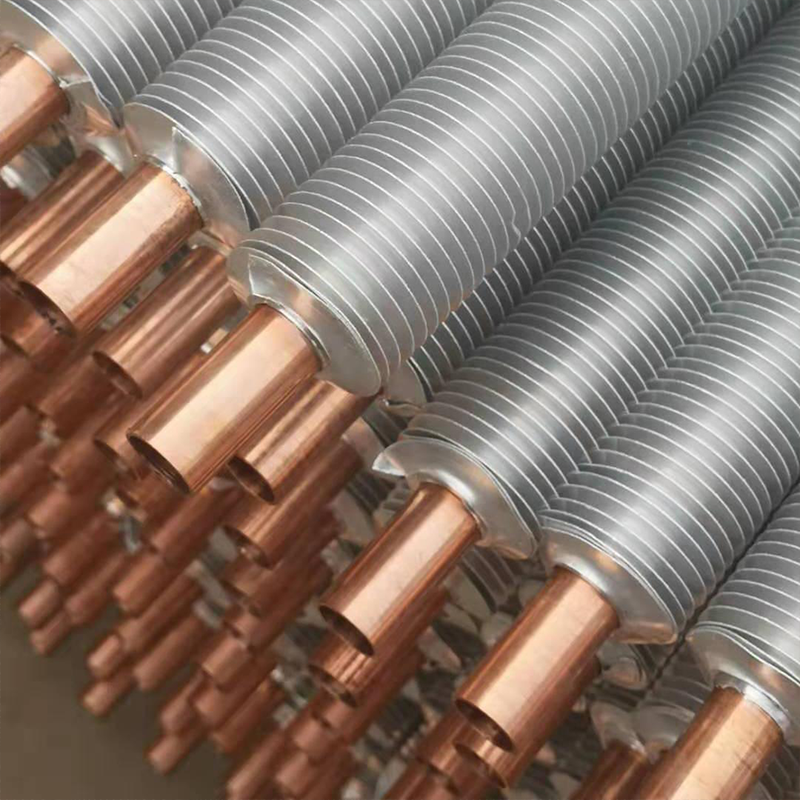
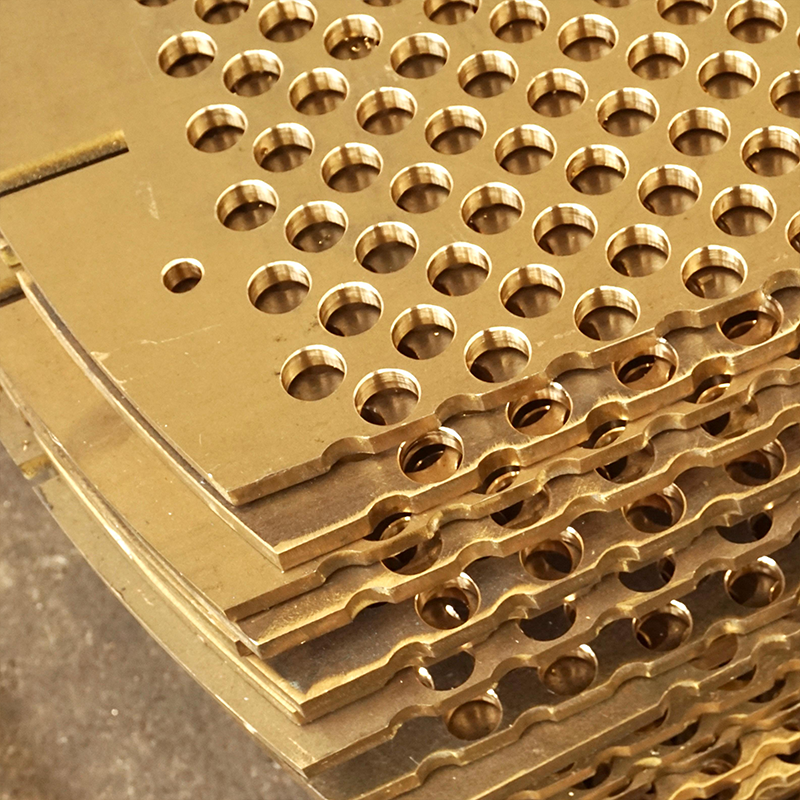
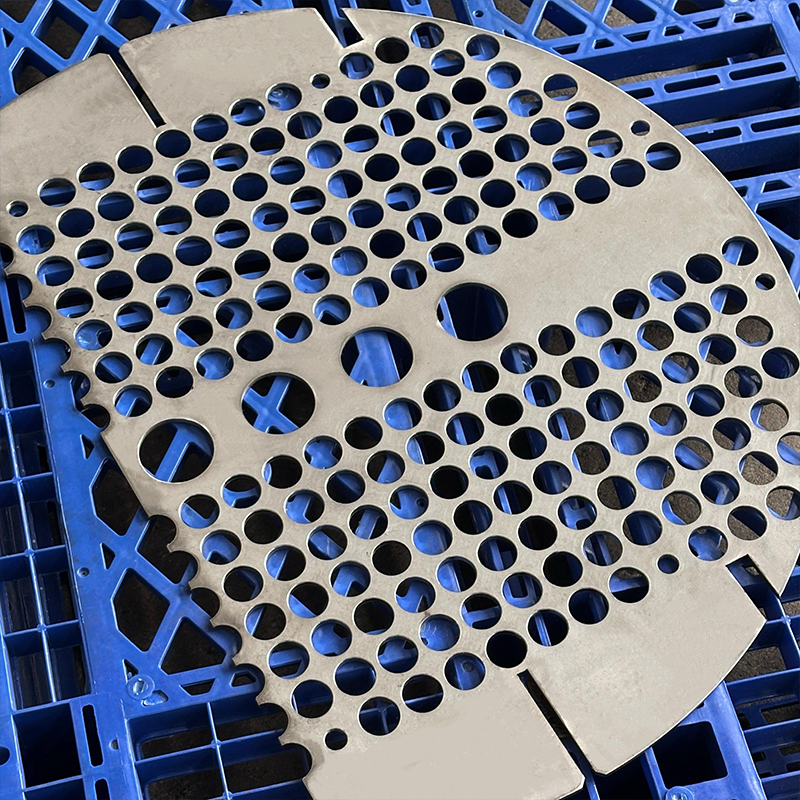
It is important to note that high standards of quality and reliability apply not only to polymer equipment, but also to the entire associated infrastructure of the enterprise. For example, a companyWuxi Kaisheng Electric Power and Petrochemical Equipment Co., Ltd.demonstrates a similar approach to the production of critical components such as heat transfer equipment for the oil, gas and chemical industries. Their products, including titanium shell-and-tube heat exchangers and N06625 alloy units, are certified to stringent international ASME and PED standards. The same level of attention to materials (316 stainless steel, C46400 marine brass) and processes is needed by PP plant managers: understanding how certified equipment withstands high pressures and temperatures helps create a culture of total quality control throughout the production process, from the extruder to the cooling systems.
Typical management errors and methods for eliminating them
Experience shows that most problems in PP product factories are systemic in nature and are rooted in management errors. Analysis of hundreds of production situations allowed us to identify the three most critical problems faced by middle managers.
Mistake #1: Ignoring the moisture content of raw materials.Polypropylene is considered a relatively dry material compared to polyamide or PC, but this does not mean that it does not require drying. When using regranulate or adding a large percentage of recycled materials, the humidity can reach critical values. Moisture in the plasticization zone turns into steam, creating microvoids in the body of the product (silvering) and reducing mechanical strength. We have seen cases where batches of hot water pipes were rejected precisely for this reason. The production leader must strictly control the operation of drying bins and regularly check the moisture content of raw materials using express methods. The rule is simple: no humidity control - no quality guarantee.
Mistake #2: Wrong changeover strategy.Switching from one color or type of product to another is the moment of maximum risk of defects. A common mistake is the desire to reduce changeover time by skipping the stages of blowing the screw or insufficiently warming up new molds. This leads to color mixing, the appearance of black spots (degradation products) and size defects in the first hundred products. An effective manager uses standardized changeover charts (SMED), where each step is scheduled down to the second. It is important not just to switch quickly, but to reach a stable mode from the first minute. The introduction of changeover checklists at one of the partner plants reduced the volume of transition defects by 35%.
Mistake #3: Lack of a safety culture.Manufacturing PP products involves risks of burns (the melt reaches temperatures of up to 240°C), injury from moving machinery and noise exposure. Often, leaders perceive safety as a formality required for pre-inspection reporting. However, injury statistics in the industry remain high. Real-life example: An operator was severely burned while attempting to clean an extrusion head nozzle without using special tools or protective gloves. The investigation showed that the shift foreman knew about the violation, but did not stop it, since “it was necessary to urgently start the line.” Safety should be the number one priority. Any time savings at the cost of a risk to the employee’s health is unacceptable and in the long run will cost more than any fines.
To eliminate these errors, it is necessary to implement a system of regular debriefings after each non-standard situation. Not to find someone to blame, but to identify systemic causes and prevent recurrence.
Practical steps to implement a personnel development system
Creating an effective training system in a plant is a process that requires consistency and discipline. You can’t just send employees to courses and expect a miracle. An integrated approach is required, covering all levels of management. Below is an algorithm of actions tested on real industrial facilities.
- Conducting a competency audit.The first step is an honest assessment of the team's current level of knowledge. Use a skills matrix that lists key operations vertically (setup, quality control, maintenance) and employees horizontally. Evaluate not only by words, but also through practical tests. Ask the technician to explain why he set the injection pressure parameters exactly as he did. If he cannot justify his actions by reference to the properties of the material or the geometry of the product, this is a growth area. The result of the audit should be a list of gaps for each employee.
- Development of individual development plans (IDP).Based on the audit, create an IPR for each leader. The plan should contain specific goals for the quarter: study a new brand of raw materials, master the ultrasonic flaw detection method, take a course in lean manufacturing. It is important that goals are measurable. Not “to improve your qualifications”, but “to pass an exam on setting up an XXX injection molding machine with a score of at least 4 points.” Plans must be agreed with the employees themselves to ensure their involvement.
- Introduction of mentoring and rotation.Theoretical knowledge is useless without practice. Assign young specialists to experienced mentors from among production veterans. But be careful: sometimes old employees transmit outdated and bad habits. The mentor must be certified and share the company's values. Rotation between areas (for example, transferring an extrusion master to a casting area) helps to broaden one’s horizons and understand the interrelationship of processes. This creates universal specialists who can provide insurance for colleagues in case of illness or vacation.
- Creation of a knowledge base and standards.All best practices found during the work should be recorded. Create an internal knowledge base with photos of typical defects, video instructions for changeovers and reference books on materials. Every employee should have access to this database right on the shop floor (via tablets or terminals). Standards should be living documents: if a better solution is found, the standard is updated on the same day. This prevents a situation where each master works differently.
- Regular certification and motivation.Learning never ends. Introduce a system of periodic certification (every six months or year). A successful certification application should affect the salary level or bonus component. This creates direct financial motivation for continuous development. Employees must see a clear connection: more knowledge and skills = higher income. A transparent system of grades (for example, 1st class Master, 2nd class Master, Leading Technologist) provides a clear career ladder within production.
Implementing these steps takes time, usually 6 to 12 months to produce tangible results. However, the effect accumulates and lasts for years. Start small: choose one pilot site and test the technique there before scaling it to the entire plant.
The influence of leadership qualifications on the financial performance of an enterprise
Investments in staff training are often perceived by financiers as an expense that can be cut in difficult times. This is a dangerous misconception. A skilled production leader is an asset that generates profit on a daily basis. Let's look at the numbers.
Reducing the defect rate by just 1% at a plant with a turnover of 500 million rubles per year results in savings of 5 million rubles. This money remains net profit for the company. Training one master costs incomparably less. In addition, a competent leader manages resources better. He knows how to adjust the machine to reduce power consumption without losing quality. On large extrusion lines, the difference in energy consumption between optimal and non-optimal modes can reach 15–20 kWh per ton of product. On a yearly scale, this is hundreds of thousands of rubles.
Another important aspect is the speed of reaction to problems. An unqualified technician can spend hours trying to fix a defect at random, stopping the line and wasting time. A professional diagnoses the cause in 10 minutes and eliminates it. Operating Equipment Time (OEE) is a key performance indicator. A 5% increase in OEE is equivalent to buying a new car without capital investment. We carried out calculations for a client producing PP packaging: thanks to team training and the implementation of standards, changeover time was reduced from 45 to 25 minutes. This made it possible to complete an additional volume of orders within the same working hours.
It is also worth mentioning the reduction in staff turnover. People strive to work where they develop and feel valued. The high turnover of operators and adjusters means constant costs for search, adaptation and inevitable defects during the training period for newcomers. A stable, trained team works like a well-oiled machine, minimizing costs and providing predictable results.
Case: Transformation of fittings production
One of our partners, a plant producing polypropylene fittings, was faced with the problem of complaints from large construction networks. The product return rate was 3.5%, which was critical to profitability. The analysis showed that the main reason is dimensional instability and the presence of internal stresses in products, leading to cracks during operation.
An emergency training program for leading engineers and shift foremen was adopted. The focus is on studying the influence of injection speed and recharge pressure on the shrinkage of PP-RCT material. New settings cards have been introduced for each mold and mandatory control of oil temperature in thermostats. After 4 months, the defect rate dropped to 0.8%. The number of complaints has decreased by 5 times. The plant not only retained contracts, but also received the status of preferred supplier. The investment in training paid off in less than 3 months.
Frequently Asked Questions
How often should shift supervisors be trained?
Basic training must be provided upon hiring and the credentialing exam. Further, it is recommended to undergo advanced training at least once a year. However, when new equipment is introduced, the range of raw materials changes, or new quality standards emerge, training should be unscheduled and immediate. In our practice, we recommend holding short weekly meetings (15–20 minutes) to analyze specific cases of marriage during the week. This keeps the team on their toes.
Can online courses be used to train production staff?
The online format is suitable only for the theoretical part: studying the properties of materials, the basics of hydraulics, safety precautions. However, the core of a master’s competencies is working with his hands and eyes. Setting up the machine, feeling the resistance of the screw, and assessing the quality of the surface of the product by touch can only be done in the workshop. Therefore, an effective program is always a hybrid: 30% theory (online or in class) and 70% on-the-job practice under the guidance of a mentor. Completely distance learning for production workers is ineffective.
What to do if experienced employees resist new training?
Resistance to change is a natural reaction, especially among people with extensive experience who are accustomed to working “the old way.” The key to the solution is to show personal benefit. Explain that new skills will make their work easier, reduce the number of rush jobs and marriages, for which they can be deprived of bonuses. Involve established veterans as mentors and experts when developing new standards. When a person feels that their experience is respected and used rather than rejected, loyalty increases. Support from senior management is also important: if the director is personally interested in the success of training, attitudes change.
What metrics should be used to evaluate the effectiveness of training?
Don't limit yourself to tests. Look at production numbers. Main KPIs: scrap rate, changeover time, equipment utilization rate (OEE), number of safety incidents. Compare these indicators before and after implementing the training program. It is also useful to track the number of improvement proposals from employees - this is an indicator of involvement and depth of understanding of processes.
Conclusion and next steps
Training and development of leaders of PP product factories is not a one-time event, but a continuous process, the backbone of the production system. In conditions of high competition and growing quality requirements, the winner is the one who learns and adapts faster. Your craftsmen and technologists are the main resource capable of turning raw polypropylene into a high-margin product.
Don't wait until the mistake becomes fatal. Start auditing your team's competencies this week. Identify weaknesses, create development plans and implement a culture of continuous improvement. Remember: the cost of ignorance is too high to risk.
If you would like to receive a detailed competency audit methodology for your specific type of production or discuss the development of an individual training program,contact us today. Our experts are ready to help you build a team of leaders who can take your business to new levels of performance. For more information about our consulting services, please visitindustrial consulting and training.