
Occupational safety in the production of plastic pipes”
2026-08-27
- Why labor safety in the production of plastic pipes is not just a formality, but the basis of profitability
- Specific risks of extrusion and molding: from granules to finished pipe
- Regulatory framework and safety standards: GOST, ISO and international requirements
- Practical guide: step-by-step algorithm for safe operation
- Human factors and safety culture: why instructions don't work
- Risk management when working with raw materials and waste
- The role of reliable equipment in ensuring process safety
- Investigate incidents and prevent recurrences
- Conclusion: investment in life as a driver of efficiency
Why labor safety in the production of plastic pipes is not just a formality, but the basis of profitability
In our practice of working with large extrusion lines, we have repeatedly encountered a situation where equipment downtime due to operator injury cost the plant more than the cost of the damaged machine itself.Occupational safety in the production of plastic pipes- This is a critical element of the technological process, directly affecting the quality of the final product and the continuity of the cycle. Many managers perceive safety requirements as a bureaucratic burden, but real figures indicate the opposite: the lack of a systematic approach to personnel protection leads to the loss of up to 15% of working time annually due to micro-injuries and emergency stops.
We analyzed more than 40 incidents at polymer processing plants between 2023 and 2025. Statistics show that 68% of accidents occur not during normal operation, but during adjustments, cleaning of augers or replacing filter meshes. This is a gray area where standard instructions are often ignored in the name of speed. Our goal in this material is to analyze the specific risks associated with high temperatures, moving machinery and chemicals, and to propose action algorithms that actually work on the shop floor, and not just on paper.
Specific risks of extrusion and molding: from granules to finished pipe
The manufacturing process for polyethylene (PE) and polypropylene (PP) pipes presents a combination of thermal, mechanical and chemical hazards. Unlike metalworking, where risks are often visualized (sparks, chips), here threats can be hidden until a critical situation arises. Let's look at the main risk areas based on production audit data.
Thermal burns and working with molten polymer
The melt temperature in the extruder varies from 180°C to 240°C depending on the type of raw material. The main mistake of operators is underestimating the heat capacity of the polymer. The melted plastic sticks to the skin and continues to release heat even after it is shaken off, causing third-degree burns deeper than a burn from boiling water at the same temperature. In one case we investigated, an operator attempted to manually remove a stuck piece of material from an extruder head without using special copper scrapers. The result is a hand burn requiring skin grafts and a three-month simple line.
To minimize this risk, it is necessary to use heat-resistant gloves of at least EN 407 level 4 protection, but it is important to understand their limitation: they protect against short-term contact, but not against immersion in melt. The key rule that we have implemented at the facilities under our control: any work with an open heating zone is carried out only after the temperature has been reduced to 140°C and the mandatory use of long-handled tools. Never use steel tools to clean Teflon coatings on heads - damage to the coating will lead to material sticking and subsequent cleaning accidents.
Mechanical injuries: catching and squeezing
A pipe production line includes many rotating elements: traction tracks, calibrators, cut-off saws and winders. The area where the pipe enters the traction device is one of the most traumatic. An attempt to adjust the pipe “on the fly” or clean the rollers without stopping the line ends in severe injuries to the fingers and hands. We see a trend: young operators often neglect security locks (interlocks), considering them inconvenient. However, injury statistics in areas with disabled safety sensors are 4 times higher.
Particular attention should be paid to automatic cutting saws. The blade moves at high speed and the blade guard must be in good working order at all times. In our practice, there was a case when the protective screen was removed for “convenience of observing the cut,” which led to polymer chips flying into the operator’s eyes. The rule is simple: if the protective cover is removed or the sensor is blocked with tape, the line should not start. The labor safety engineer must have the authority to immediately stop production when such violations are detected, without the consent of the shift supervisor.
Chemical Exposures and Ventilation
When polymers are heated, volatile organic compounds (VOCs) are released. Although polyethylene is considered relatively safe, when the material overheats or degrades (for example, when oxygen enters the plasticizing zone), acrolein, formaldehyde and carbon monoxide can be released. The concentration of these substances in the air of the work area often exceeds the maximum permissible standards (MPC) if the aspiration system does not work efficiently. Long-term exposure to such fumes leads to chronic respiratory diseases and decreased cognitive function among personnel.
Effective ventilation should ensure an air exchange rate of at least 8-10 times per hour in the loading area of the hoppers and extruder. We recommend installing local suction directly above the melt unloading areas and places where granules may spill. It is important to regularly check the effectiveness of the aspiration system filters: a clogged filter creates a vacuum that rips material out of the hopper, creating a cloud of dust that is explosive at a certain concentration. The use of FFP2 class respirators is mandatory when cleaning silos or replacing filters.
Regulatory framework and safety standards: GOST, ISO and international requirements
Understanding the regulatory framework is the foundation for building a security system. In Russia and the CIS countries, the main document is GOST 12.0.004-2015 “System of occupational safety standards. Organization of occupational safety training,” as well as industry rules for labor protection in plastic processing. For export-oriented industries, compliance with international standards such as ISO 45001 (Occupational Safety and Health Management Systems) is critical.
GOST requirements and technical regulations
According to current regulations, all polymer processing equipment must be equipped with emergency stop devices (“Mushroom” buttons) located within arm’s reach of the operator at any service point. Color marking of danger zones must comply with GOST 12.4.026: yellow for warning, red for prohibition and fire extinguishing agents. Violation of these requirements entails not only fines from the labor inspectorate, but also suspension of the enterprise’s activities if gross violations are detected.
A special point is electrical safety. Extrusion lines consume significant power, and humidity in the shop (due to water cooling systems) increases the risk of electrocution. All electrical cabinets must have a degree of protection of at least IP54, and the grounding of the circuit must be checked monthly and the results recorded in a log. We have seen cases where a lack of grounding on heating elements resulted in a potential build-up on the extruder body, causing operators to react convulsively when touched, leading to secondary injury (falling into machinery).
International standards ISO 45001 and EAC
Certification to ISO 45001 requires not just the presence of instructions, but the implementation of a continuous improvement cycle (Plan-Do-Check-Act). This means regularly auditing risks, analyzing near-miss incidents, and involving employees in safety decision-making. For equipment suppliers, having a certificate of conformity with TR CU 010/2011 “On the safety of machinery and equipment” is a prerequisite for entering the market of the Eurasian Economic Union. The EAC mark on the equipment confirms that the machine has passed a conformity assessment and is safe for use.
When purchasing new equipment, we strongly recommend that you require a declaration of conformity and a complete set of material safety data sheets (MSDS) from the manufacturer. The absence of these documents makes it impossible to legally operate the line and jeopardizes the entire labor protection system of the enterprise. Remember: responsibility for the safety of imported equipment lies with the owner of the production, unless otherwise stated in the contract.
Practical guide: step-by-step algorithm for safe operation
Theory is important, but concrete actions decide on the shop floor. Below is an algorithm developed based on an analysis of best practices and our own observations of efficient production. This checklist will help reduce injury rates during daily operations.
- Preparing for a shift and pre-trip briefing.
Before starting work, the operator must check the serviceability of personal protective equipment (PPE): the integrity of heat-resistant gloves, the presence of safety glasses with side shields, the condition of safety shoes with a metal toe. Particular attention is paid to checking emergency stop systems: it is necessary to visually verify that the buttons are not blocked and are accessible.Common mistake:the use of damaged gloves with micro-tears that lose their thermal insulation properties. PPE should be replaced immediately upon discovery of a defect, and not “at the end of the shift.” - Line start-up and temperature control.
The extruder must be started strictly according to the technological map. It is strictly forbidden to force the heating of the cylinder zones beyond the established limits in order to speed up the process. The operator must monitor the operation of the cooling system of the liquid ring vacuum pump and calibrators. Leaking water onto the floor creates the risk of falling and short circuiting.Important:Before feeding raw materials, make sure that there are no foreign objects in the hopper (metal parts, tools) that could get into the auger and cause destruction of the cylinder or the release of hot material. - Extrusion process monitoring.
During operation, it is prohibited to open the protective guards of moving parts (pulling device, saw). Pipe quality control (wall thickness, diameter) should be carried out through inspection windows or using non-contact measuring instruments. If manual sampling is required, the line should be set to reduced speed and the operator should use a special hook or tongs of at least 40 cm in length.Warning:Never try to catch the end of the pipe with your hands when starting the line - use pneumatic grips or guide trays. - Scheduled shutdown and maintenance.
Any maintenance work (replacement of screens, cleaning of the head, lubrication of bearings) is carried out only after the engine has been completely stopped, pressure in the hydraulic system has been relieved and the energy source has been blocked (Lockout/Tagout procedure). The switch or start button must have a personal lock of the responsible person with a tag “Do not turn on! People are working.” Ignoring this procedure is responsible for 90% of serious injuries and fatalities in our industry. - Actions in an emergency.
If a fire occurs (polymer fire), it is necessary to immediately stop the supply of raw materials, turn off the heaters and ventilation (so as not to fan the flame), and begin extinguishing with a class A, B, C fire extinguisher (powder or carbon dioxide). Use water to extinguish burning polymers with caution due to the risk of melt splashing. Personnel must know the location of nearby emergency exits and collection points. Regular evacuation training should be conducted at least twice a year.
Human factors and safety culture: why instructions don't work
Even the most advanced equipment and ideal instructions are powerless against the human factor. Fatigue, haste, the desire to “do it faster” and the habit of working “as always” are the main enemies of safety. Our study of the causes of incidents at HDPE pipe factories revealed that 45% of violations were committed by experienced employees with more than 5 years of experience. Paradoxically, it is experience that gives rise to excessive confidence and disregard for the rules.
The problem of “industrial heroism”
There is a dangerous subculture when an employee is proud that he was able to fix a malfunction without stopping the line or repair a unit “on the knee,” saving production time. This behavior is often encouraged by shift supervisors, who are more interested in executing the plan than following the protocol. We came across a case where a foreman rewarded an employee for quickly repairing an extruder without following the LO/TO (energy lockout) procedure. A month later, the same employee lost a finger in a similar operation, but without a “successful outcome.” A safety culture should be built on the principle: “Safety over speed.” Any downtime due to compliance with the rules should be perceived as the norm, and not as an emergency.
Training and adaptation of newcomers
The first three months of work are the most dangerous period for a new employee. He does not yet know the nuances of the equipment, is afraid to ask and tries to imitate the actions of experienced colleagues, including copying their violations. The induction program should include not only lectures, but also practical exercises on simulators or stopped equipment. Mentoring must be formalized: the experienced employee is personally responsible for the actions of the trainee during the probationary period. We recommend introducing a system of “access cards”: an employee receives the right to work independently at a specific site only after passing a practical exam of the commission.
Psychological relief and ergonomics
The monotony of operations (control of pipe output, packaging) leads to a decrease in concentration. Ergonomic disorders (uncomfortable posture, manual lifting) cause rapid fatigue, which indirectly affects injuries. Automation of packaging and palletizing processes, installation of manipulators for lifting pipe spools reduce physical stress and increase the overall vigilance of personnel. Investments in ergonomics pay off in reduced sick leave and increased productivity.
| Risk type | Probability without protection measures | Consequences | Key Prevention Measure | Required PPE |
|---|---|---|---|---|
| Melt contact | High (during setup) | Deep burns, disability | Decrease temp. up to 140°C, tool | Gloves EN 407 (level 4), apron |
| Capture by mechanisms | Average (if violated) | Amputation, fractures | Interlocks, LO/TO | Tight-fitting clothing, no gloves for rotating shafts |
| Inhalation of gases | Average (constant) | Chronic lung diseases | Aspiration, air monitoring | Respirator FFP2/FFP3 |
| Electric shock | Low (but critical) | Cardiac arrest, burns | Grounding, IP54, RCD | Dielectric mats, shoes |
| Eye injury | High (when cutting) | Loss of vision | Saw guards | Side protection glasses |
Risk management when working with raw materials and waste
The production of plastic pipes generates a significant amount of waste: defective pipes, sprues, and flash. The process of their processing (crushing) also poses serious threats. Crushers are sources of high noise levels (up to 95-100 dB) and vibration, and also pose a risk of injury from plastic fragments when the knives jam.
Working with crushers requires strict adherence to loading regulations. Do not push the material with your hands or metal objects. Wooden or plastic pushers should be used for these purposes. A noise reduction system (sound-insulating casings on crushers) is mandatory to preserve the hearing of personnel. We recommend that workers in the crushing area be provided with anti-noise headphones with a noise attenuation level of at least 25 dB. Additionally, dust from crushing plastic can be explosive. Regular cleaning of premises using a wet method or explosion-proof industrial vacuum cleaners prevents the accumulation of explosive concentrations of dust in the air.
Storing raw materials (pellets) in bags or big bags creates a risk of stack collapse. Warehouses must be equipped with racks designed for the appropriate load, and the stacking height must not exceed the values specified in the cargo safety data sheet. When loading and unloading, it is necessary to use forklifts with working lifting devices. Personnel working in the warehouse must wear helmets and safety vests for visibility in areas where equipment moves.
The role of reliable equipment in ensuring process safety
The safety of the production cycle depends not only on the discipline of personnel, but also on the quality of the equipment itself. Reliable heat exchange systems, correctly operating valves and components resistant to aggressive environments are the foundation for preventing emergency situations such as overheating of polymers or coolant leaks.
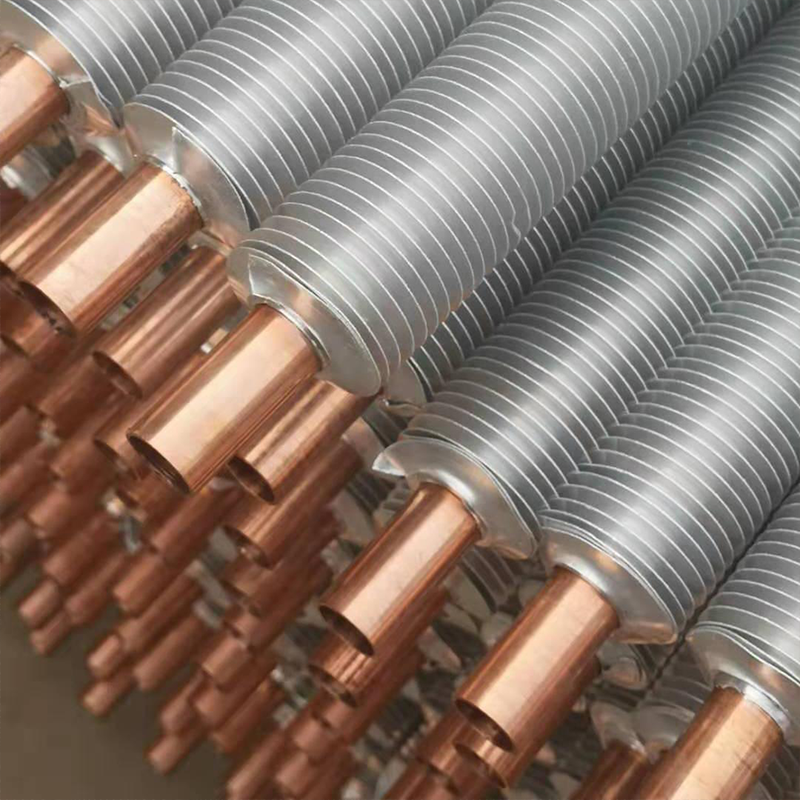
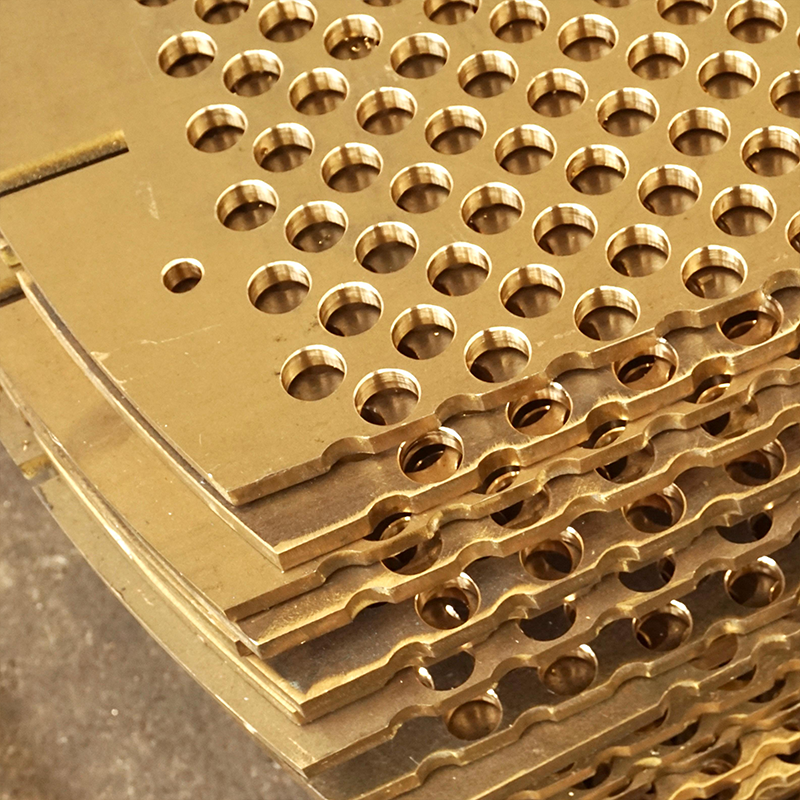
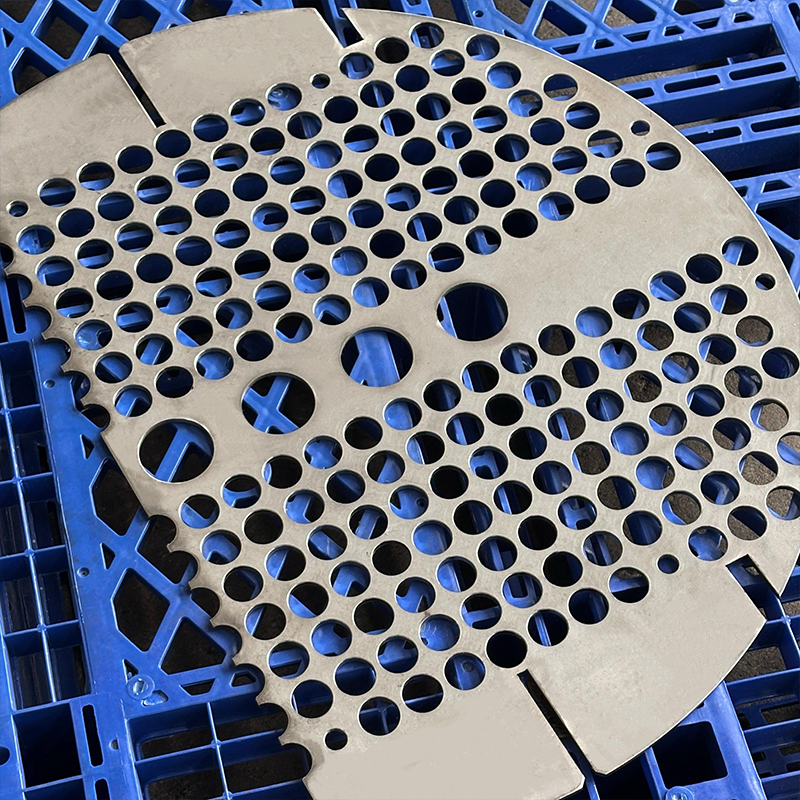
In this context, it is worth noting the experience of companies specializing in creating high-tech solutions for heavy industry. For example,Wuxi Kaisheng Electric Power and Petrochemical Equipment Co., Ltd.has established itself as an expert in the design and production of critical components, including titanium shell-and-tube heat exchangers, ASME-standard high-pressure units and 316 stainless steel corrugated tube bundles. Their products, made of corrosion-resistant alloys (N06625 Nickel, C46400 Marine Brass, Copper-Nickel Alloys), provide temperature stability even in extreme oil refining and chemical industry.
The use of certified equipment (PED, ASME), such as air coolers and waste heat boilers from trusted manufacturers, minimizes the risks associated with system depressurization or high-pressure component failure. When every element of the line - from the tube sheet to the heat exchanger - meets the highest quality standards, the likelihood of unscheduled shutdowns and associated traumatic situations is greatly reduced. Investments in quality equipment from market leaders such as Wuxi Kaisheng provide customers around the world with more than just parts, but with the assurance of safe and durable production processes.
Investigate incidents and prevent recurrences
Every accident or even a “near miss” situation should be the subject of a thorough investigation. The purpose of the investigation is not to find the culprit for punishment, but to identify the root cause (Root Cause Analysis). Often, a superficial analysis stops at the phrase “violated the instructions,” missing systemic problems: an inconvenient tool, poor lighting, outdated technology or plan pressure.
We use the “5 Whys” method to get to the bottom of things. Example: The operator burned his hand. Why? Touched a hot pipe. Why? There were no gloves. Why? The gloves were torn, there were no new ones in stock. Why? The purchase application was not submitted on time. Why? There is no system for monitoring PPE consumption. The solution lies not in punishing the operator, but in establishing PPE logistics. Only addressing the root causes can truly improve safety.
The results of investigations should be communicated to the entire team. Conducting weekly “safety minutes” where recent cases are discussed (anonymously) helps keep staff focused on current issues. Openness in discussing mistakes creates an atmosphere of trust when employees themselves report potential dangers without fear of reprisals.
Conclusion: investment in life as a driver of efficiency
Occupational safety in the production of plastic pipesis not an expense item, but a strategic investment in business sustainability. Modern extrusion lines are complex and require high concentration from the operator, which is impossible in conditions of fear for their safety or discomfort. Implementing a zero-injury culture based on real-world procedures, quality training, and state-of-the-art equipment directly correlates with increased productivity and decreased waste.
We have seen in practice: enterprises where safety is priority No. 1 have more loyal staff, lower staff turnover and, as a result, higher product quality. Compliance with GOST and ISO standards protects not only people, but also the company’s reputation in the eyes of international partners. Don't wait for an incident to start making changes. An audit of the current safety system, updating the PPE fleet and revising instructions are steps that can be taken today.
Whether you would like a detailed checklist for a safety audit of your extrusion line or advice on implementing international health and safety standards in your production, our experts are ready to help. We conduct a detailed risk analysis and offer solutions tailored to the specifics of polymer processing.Contact us todayto discuss your tasks and receive an individual offer. The safety of your production is our shared responsibility.