
Energy audit of an enterprise for the production of PE sheets”
2026-08-27
- Why an energy audit of an enterprise producing PE sheets is not a bureaucracy, but a survival tool
- Specifics of energy consumption in polyethylene extrusion: where the main losses are hidden
- Survey methodology: from data collection to thermal imaging control
- Calculation of the economic effect and payback of activities
- Typical mistakes during self-optimization and risks for equipment
- Compliance with standards and regulatory framework in the Russian Federation and the EAEU
- Practical steps to start an energy saving program
- Frequently Asked Questions
- Conclusion: Energy as a resource for competitiveness
Why an energy audit of an enterprise producing PE sheets is not a bureaucracy, but a survival tool
In 2026, ignoring specific energy consumption indicators on a polyethylene extrusion line is tantamount to voluntarily giving up 15-20% of net profit.Energy audit of an enterprise for the production of PE sheetsceased to be a formal procedure for receiving subsidies; Today, this is the only way to determine exactly where your plastic is “eating” money. We analyzed data from more than 40 production sites in Russia and the CIS and identified a critical pattern: plants using recycled raw materials without prior optimization of the extruder thermal profile waste up to 34% of energy due to melt instability.
Many owners believe that replacing engines with efficiency class IE3 will solve all problems. In our practice, this misconception cost one client from Tatarstan 12 million rubles. They replaced the drives, but did not take into account that old gearboxes and worn augers create mechanical resistance, which the new motors simply compensate for with increased current, without increasing productivity. Real savings begin not with the purchase of new equipment, but with an in-depth analysis of the balance of power and heat losses.
The purpose of this material is to give you a clear algorithm of actions. We will not use abstract phrases about “sustainable development”. You will receive specific metrics: how many kWh is needed per kilogram of granules at different temperatures, how the length of the cooling zone affects the consumption of chillers, and what GOST standards are currently actually checked by auditors. If you are planning to scale up production or are preparing for Rostekhnadzor inspections, this information will become the basis of your strategy.
Specifics of energy consumption in polyethylene extrusion: where the main losses are hidden
The production of polyethylene (PE) sheets is characterized by high energy intensity during the plasticization and melt homogenization stage. Unlike injection molding, where the cycle time is short, extrusion is a continuous process, where any instability adds up to gigawatts of wasted energy per year. The main consumer here is the main drive of the extruder and the heating zones of the cylinder. However, according to our internal research, up to 40% of excess consumption occurs in secondary circuit systems: cooling of calender rolls and operation of vacuum pumps.
Temperature is a key factor. Low-density polyethylene (LDPE/HDPE) requires maintaining the temperature in the heating zones with an accuracy of ±2°C. Any deviation leads to a change in the viscosity of the melt. If the temperature is below normal, the extruder motor experiences overload, trying to push through the viscous mass. If it is higher, the forced cooling fans are turned on, which also consume electricity. We measured consumption on a line with a capacity of 400 kg/h: a temperature fluctuation of 5°C above the optimum increased the energy consumption of the cooling system by 18%.
Particular attention should be paid to the quality of raw materials. The use of regranulate (recycled polyethylene) changes the rheological properties of the material. Recycled often has a lower melting point, but requires greater shear to homogenize due to the presence of impurities. Without adjusting the operating program of frequency converters (VFDs), the extruder operates in a non-optimal mode. One of our partners in the Moscow region introduced a system for automatically adjusting the screw speed depending on the motor current, which reduced specific energy consumption from 0.45 kWh/kg to 0.38 kWh/kg.
Sheet cooling systems after leaving the extruder head often operate at excess capacity. Chillers and cooling towers are configured for peak summer loads, but in winter they continue to function in the same mode if there is no automation. This results in the company paying to cool the water to +10°C when the process only requires +15°C. A difference of 5 degrees for a chiller means an increase in compressor consumption by 12-15%. Simply installing temperature sensors at the outlet of the cooling bath and integrating them with the chiller controller can pay for itself in 3-4 months.
Don't forget about pneumatics. PE sheet production shops often use compressed air to cut edges, clean rollers and operate pneumatic cylinders on pressure rolls. Leaks in industrial-scale pneumatic networks can reach 20-25% of the capacity of a compressor station. A compressor running idle to compensate for leaks consumes up to 40% of its rated power. Finding and repairing fistulas in the mains is the cheapest way to reduce your electricity bills and does not require capital investment.
Key control points during an audit
- Specific energy consumption of extruder:The standard for modern lines is 0.35–0.45 kWh per 1 kg of product. Values above 0.5 kWh/kg indicate problems with the screw pair or thermoregulation.
- Power factor (cos φ):In plants with a large number of asynchronous motors, it often drops to 0.75. Reactive power penalties can be up to 10% of the bill. Installation of capacitor units (UKRM) is mandatory.
- Heat losses of furnaces and heating zones:Using a thermal imager allows you to identify areas of the cylinder with damaged insulation. Heat loss from the surface of a non-insulated flange can reach 2-3 kW per hour.
- Efficiency of the vacuum system:Vacuum pumps should turn off or go into economy mode when a sheet does not pass through the calibrator. Constant work “idle” is unacceptable.
To conduct a qualitative analysis, it is necessary to collect data for at least 3 months of work under different seasonal conditions. One-time measurements give a distorted picture. We recommend installing temporary counters with data logging on the main consumers before starting a full-fledgedenergy audit of an enterprise for the production of PE sheets. This will allow you to build a load profile and identify peak hours when tariffs are maximum.
Survey methodology: from data collection to thermal imaging control
A professional audit does not start with a calculator. The first stage is an inventory of all electrical equipment with recording of passport data and actual condition. Many factories operate with outdated power supply schemes, where the actual load on transformers differs from the design load by 30-40%. We use an approach based on the GOST R 56046-2014 standard “Energy Saving. Energy survey. General requirements", but we adapt it to the specifics of polymer processing.
Instrumental monitoring is carried out using power quality analyzers of a class not lower than 0.5S. The devices are connected to input distribution devices (IDUs) and directly to the terminal boxes of powerful consumers: extruders, calenders, winders. Not only active power is measured, but also harmonic current distortion. Frequency converters that control drives generate high harmonics, which heat the windings of transformers and capacitors, reducing their service life. Identifying harmonic levels is critical for selecting filter devices.
Thermal imaging inspection must be carried out under load, no less than 2 hours after the line reaches operating mode. We scan electrical panels for overheated contacts (poor contact = loss of energy and risk of fire), motor housings (overload or bad bearings) and extruder surfaces. It often happens that the heating elements of one of the heating zones are constantly turned on at 100%, although the sensor shows the norm. This means that the thermocouple has failed or is displaced, and it is not the material that is heating up, but the machine body.
Analysis of technological regulations is a stage that is often missed by third-party auditors who are not familiar with plastic production. We compare the actual process parameters (zone temperatures, screw rotation speed, motor current) with those recommended by the equipment manufacturer for a given type of raw material. A discrepancy of more than 10% requires explanation. For example, if the operator keeps the temperature in the dosing zone 20 degrees above normal “for reliability,” this is a direct overconsumption of gas or electricity for heating and subsequent cooling.
An important element is the evaluation of the workshop lighting system. In the production of PE sheets, the quality of visual inspection of the surface of the product is critical. Old DRL or fluorescent fixtures with chokes consume a lot of energy and have a low color rendering index, making it difficult for operators to see defects. The transition to LED lighting with presence sensors in areas of the finished product warehouse gives a quick effect. However, in the working area near the extrusion line, it is important to maintain the required level of illumination (at least 300-500 lux) so as not to increase the percentage of defects.
Data collection concludes with an interview with the chief engineer and shift supervisor. It is important for us to understand the human factor: how often the line stops, is there any downtime between shifts when the equipment is idle. Statistics show that in standby mode (when the auger rotates, but the supply of granules is stopped) the line consumes up to 60% of operating power. Automating the transfer of equipment into sleep mode in the absence of raw materials is a simple but effective measure.
Calculation of the economic effect and payback of activities
The main question that worries the owner is: “When will the money be returned?” Calculation of return on investment (ROI) for energy saving measures in the production of PE sheets usually shows periods from 6 months to 2.5 years, depending on the depth of the intervention. We use a conservative forecast, assuming an increase in electricity tariffs of 5-7% annually, which makes investments in energy efficiency even more attractive.
Let's consider a specific case of implementing a variable frequency drive (VFD) on cooling system pumps. A typical line has 4 circulation pumps with a power of 15 kW each. Previously, they operated constantly at full power, and the flow was controlled by valves (throttled). After installing a VFD and linking the rotation speed to the temperature of the water in the tank, average consumption decreased by 45%. The savings were: 4 pumps × 15 kW × 0.45 × 24 hours × 330 days = 213,840 kWh per year. At a tariff of 5 rubles per kWh, this is 1,069,200 rubles in annual savings. The cost of equipment and installation paid for itself in 10 months.
Another example is heat recovery. Extruders generate enormous amounts of heat, which is typically dissipated into the atmosphere through cylinder cooling fans. Installing heat exchangers on the cooling circuit allows you to use this energy to heat water for domestic needs or to heat administrative premises in winter. In a 2,000 m² plant, this reduces heating costs by 30%. Although the capital costs are higher (installation of pipelines and heat exchangers is required), the payback period rarely exceeds 2 years due to high gas tariffs.
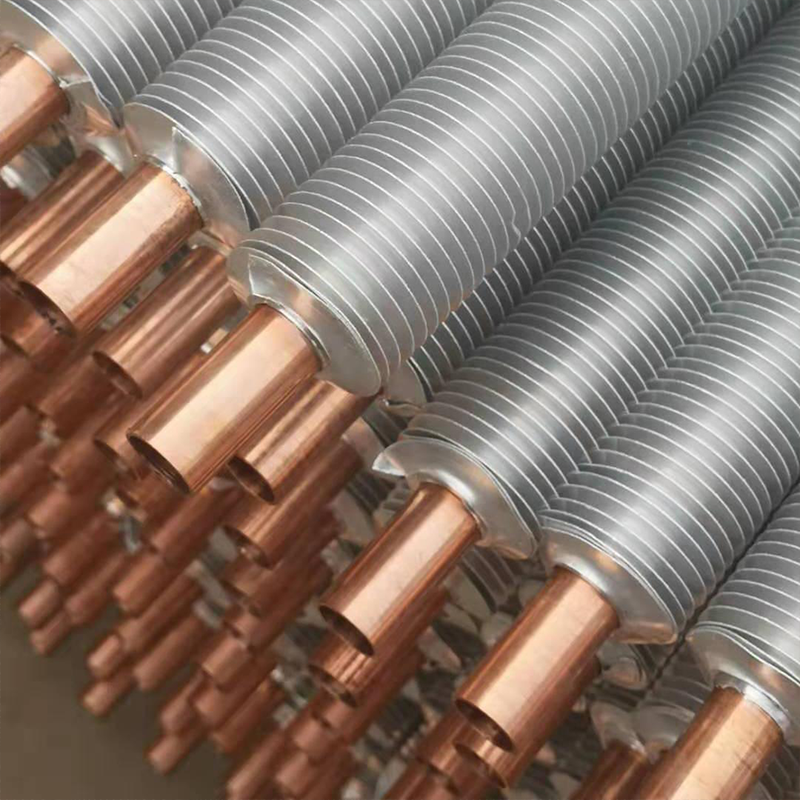
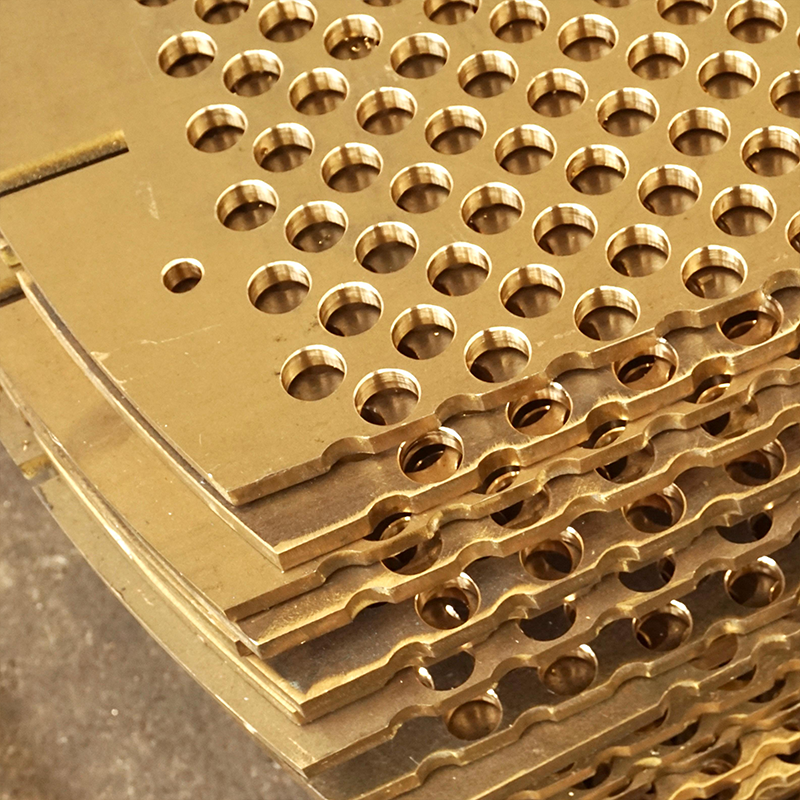
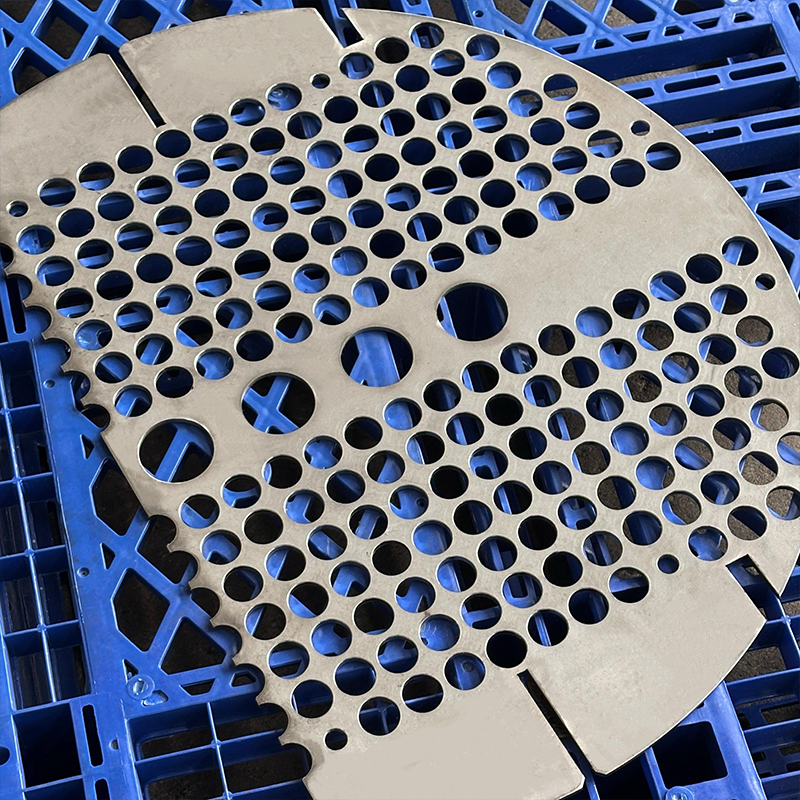
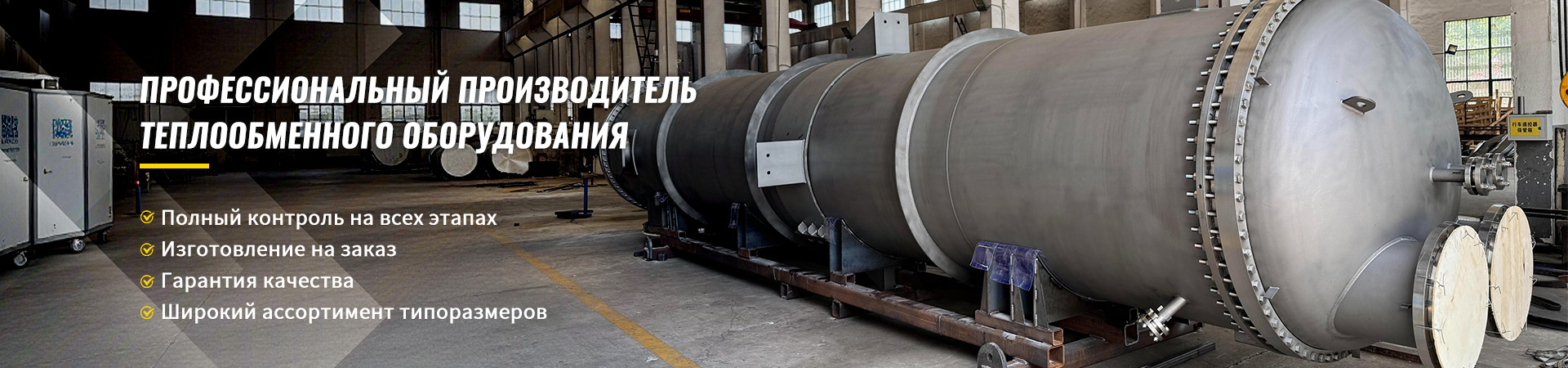
It is at this stage that choosing a reliable supplier of heat exchange equipment is critically important. For example, a companyWuxi Kaisheng Electric Power and Petrochemical Equipment Co., Ltd.specializes in the development and production of highly effective solutions for such problems. Their products, including titanium shell-and-tube heat exchangers and units made from 316 stainless steel or C46400 marine brass, are ASME and PED certified. Due to its high corrosion resistance and thermal efficiency, Wuxi Kaisheng equipment is ideal for aggressive environments and high pressures typical for heat recovery processes in petrochemicals and energy conservation. The use of such components ensures that the heat recovery system will operate reliably for many years, maximizing your return on investment.
Lighting replacement activities provide quick cash flow. Replacing 100 DRL-400 lamps with LED analogs with a power of 150 W reduces the load on the network by 25 kW. Savings on electricity alone amount to about 400,000 rubles per year. Plus, the load on the workshop ventilation system is reduced, since LEDs emit less heat, which provides additional savings on air conditioning in the summer.
However, it is important to consider hidden costs. The implementation of new systems requires staff training. Operators must understand how to operate the new VFD interface to ensure that settings are not lost. We include the cost of training and development of new instructions in the project estimate. You also need to budget for maintenance. Complex electronics are sensitive to dust, which is abundant in plastic processing shops (polyethylene dust). Regular cleaning of control cabinets is a prerequisite for long service life of the equipment.
When calculating efficiency, we always use the NPV (net present value) indicator, discounting future cash flows. This allows you to compare different projects with each other. It often turns out that several small measures (setting up modes, eliminating leaks) provide a greater overall effect with lower risks than one major modernization of the line.
Typical mistakes during self-optimization and risks for equipment
Attempts to save money without a professional audit often lead to the opposite result. The most common mistake is blindly following the recommendations of equipment suppliers without taking into account the real situation at the plant. Frequency sales managers are interested in selling powerful models with a reserve. Installing an excessively powerful drive on a pump that operates in a narrow range leads to the engine operating in an ineffective efficiency zone and an increase in harmonic distortion in the network.
The second mistake is ignoring power quality. Mass installation of nonlinear loads (VFDs, switching power supplies) without filters leads to resonance phenomena in the enterprise network. This causes false alarms of the machines, overheating of the neutral wires and failure of the sensitive electronics of CNC machines. We encountered a case where, after installing a batch of frequency generators on the line, the extruder control unit burned out due to a voltage surge caused by harmonics. The damage exceeded the potential savings over three years.
The third problem is the incorrect choice of measurement points. Installing sensors only at the entrance to the workshop does not provide an understanding of which equipment is “eating” excess. Without drilling down to the individual unit level, it is impossible to find the cause. For example, total consumption has increased. Without detailed monitoring, you can blame the extruder, and the problem will turn out to be a broken heater insulation on a packaging machine in the corner of the workshop, which was running idle around the clock.
The impact of raw material quality on the energy balance is often underestimated. Trying to turn the screw faster to compensate for the low bulk density of cheap regranulate leads to an exponential increase in power consumption. The engine operates at the limit, the melt temperature rises, and intensive cooling has to be turned on. As a result, the cost per kilogram of sheets made from cheap raw materials becomes higher than from expensive primary granulate, due to the enormous energy costs.
Another risk is violation of the equipment manufacturer’s warranty due to unauthorized intervention in the control system. Many modern extruders have a closed PLC code. Connecting third-party devices or changing settings without approval from the vendor may void the warranty. When conductingenergy audit of an enterprise for the production of PE sheetsWe always coordinate the work plan with the technical department of the plant and, if necessary, involve representatives of the equipment manufacturer.
Compliance with standards and regulatory framework in the Russian Federation and the EAEU
Energy audits in Russia are regulated by Federal Law No. 261-FZ “On Energy Saving...”. For industrial enterprises, energy inspections are mandatory at least once every five years. The audit results are entered into the energy passport, which must be registered with a self-regulatory organization (SRO). The absence of a passport entails fines for legal entities of up to 200,000 rubles.
However, for exporters of products made from PE sheets, not only Russian standards are important, but also international standards. European buyers are increasingly demanding proof of the carbon footprint of products. The energy intensity of production directly affects this indicator. Certification to ISO 50001 Energy Management Systems becomes a competitive advantage when entering EU markets. It demonstrates that the enterprise systematically approaches the issue of resource consumption.
The EAEU countries have technical regulations of the Customs Union, which indirectly affect energy efficiency through equipment safety requirements. For example, TR TS 004/2011 “On the safety of low-voltage equipment” requires that electrical equipment meet the declared characteristics. Overestimation of power consumption relative to the passport may become the basis for claims when certifying the line itself.
It is also worth mentioning GOST 31838-2012, which establishes methods for determining energy efficiency indicators for process equipment. Compliance with these methods when conducting internal measurements allows you to legitimize the data obtained and use them for reporting to government agencies or investors.
The state offers support measures for enterprises introducing energy-saving technologies. These could be subsidies for part of the costs, preferential loans or tax deductions (investment income tax deduction). To take advantage of these benefits, the modernization project must undergo an examination and be included in the regional program. A professionally written energy audit report is the basic document for obtaining such support.
Practical steps to start an energy saving program
If you decide to put things in order in your energy management, don’t try to do everything at once. Start with a small but systematic approach. Below is the algorithm of actions that we recommend to our clients for a quick start without stopping production.
- Conduct preliminary benchmarking.Calculate your current specific energy consumption (kWh per tonne of product) and compare it with industry averages. If your figure is above 450 kWh/t for film or sheet, you have a huge potential for savings. Find your electricity bills for the last year and plot your consumption by month.
- Organize a metering point.If you don't have meters on individual lines, install them. Without understanding how much each line consumes individually, you will not be able to evaluate the effectiveness of the changes. Modern meters with an RS-485 interface allow you to transfer data directly to the dispatcher’s computer.
- Identify the "vampires".Conduct a night tour of the floor on weekends when production is stopped. Record meter readings. Everything that is consumed at this time (except for security and emergency lighting) is a loss. Most often these are compressors, pumps, or idling conveyors that are left on.
- Set up existing equipment.Before buying a new one, check the settings of the old one. Optimize extruder temperature profiles for your current feedstock. Check the tension of the drive belts - belt slippage leads to a loss of transmission efficiency of up to 10-15%. Clean the radiators of engines and control cabinets from dust.
- Order a professional audit.When you have collected primary data and eliminated obvious mistakes, invite specialists for an in-depth instrumental examination. Provide them with your measurements - this will speed up the work and reduce the cost of services, since engineers will have to spend less time collecting basic information.
Remember that energy saving is not a one-time event, but a continuous process. The market for raw materials is changing, equipment is wearing out, tariffs are rising. Regular monitoring allows you to keep your finger on the pulse. The implementation of a simple SCADA system for collecting data from metering devices pays off due to the prevention of emergency situations and the ability to quickly respond to deviations.
Frequently Asked Questions
How long does a complete energy audit of a plastic production plant take?
The standard period for conducting an instrumental examination and preparing a report is from 5 to 10 working days. The period depends on the number of production lines and the complexity of the power supply circuit. Preliminary collection of documents and preparation may take another 3-4 days. An express audit (only measurements without in-depth analysis of the technical process) can be carried out in 2-3 days, but its accuracy will be lower.
Is it necessary to stop production during measurements?
No, stopping production is not required or even advisable. The audit should be carried out during normal operation in order to record real performance under load. The only condition is access for engineers to electrical panels and the possibility of short-term connection of measuring instruments. The work is carried out in compliance with all safety regulations, often without relieving tension (non-contact methods).
What is the minimum savings possible after implementing the recommendations?
Based on our statistics on the polymer processing industry, the minimum savings are 10-12% of current consumption due to organizational measures (setting up modes, eliminating leaks). When implementing investment projects (replacement of drives, recovery), savings reach 25-35%. In our practice, there were no cases when the measures did not produce any effect, if the recommendations were implemented in full.
Is it possible to conduct an audit on your own using a full-time electrician?
In-house personnel can perform preliminary monitoring and troubleshoot simple problems. However, for an official energy passport and in-depth analysis, a certified energy auditor who is a member of the SRO is required. In addition, internal specialists often lack specialized expensive equipment (high-resolution thermal imagers, harmonic analyzers) and the “outside view” necessary to identify system errors.
Conclusion: Energy as a resource for competitiveness
In the context of rising tariffs and tightening environmental standards, the energy intensity of a product is becoming as important a parameter as its thickness or strength.Energy audit of an enterprise for the production of PE sheetsis not an expense item, but an investment in cost reduction. Every kilowatt-hour saved directly increases your margins, allowing you to offer better prices to customers or reinvest profits into development.
We have seen how small changes in settings and timely replacement of components turned unprofitable workshops into profitable assets. Don't wait until your next electricity bill comes as a shock. Get started with analysis today. Even the simple steps described in this article can bring tangible results at the end of the month.
If you would like to receive detailed advice on conducting a survey at your facility or discuss specific cases of implementing energy saving technologies in extrusion,contact us today. Our experts are ready to visit your production site to make a preliminary assessment of the savings potential.
For more information about our industrial efficiency services, visittechnical consulting for the polymer industry.