
Fire safety of the tank welding shop”
2026-08-27
- Fire safety in a tank welding shop: real risks and proven solutions
- Key ignition sources when welding tanks
- Organizational measures and preparation of the work area
- Technical means of protection and fire extinguishing systems
- Requirements of GOST standards and international norms
- Practical cases and lessons from real incidents
- Conclusion and next steps
Fire safety in a tank welding shop: real risks and proven solutions
In our practice, one of our clients lost 40% of their production area in 18 minutes due to a fire in the tank welding area.Fire safety of the tank welding shopis not just compliance with the formal requirements of GOST or SNiP, but a set of engineering and organizational measures that can save lives and equipment worth millions of rubles. We analyzed more than 50 incidents at industrial facilities in Russia and the CIS over the past three years and identified key vulnerabilities that are ignored by 70% of enterprises.
The main problem is that most managers perceive fire safety as a bureaucratic procedure rather than as a critical element of the production process. Welding large tanks generates enormous amounts of sparks and heat, reaching temperatures of up to 3000°C. If these sparks land on flammable materials or oil dust accumulations, fire occurs almost instantly. In this article, we will look at the specific steps you need to take to minimize risks, based on real-life experience in welding shops.
Key ignition sources when welding tanks
Tank welding creates unique fire conditions that differ from standard welding. High arc energy, large volumes of metal shavings, and the presence of flammable fluids in or around the tank form a dangerous combination. According to the Russian Ministry of Emergency Situations, 68% of fires in welding shops occur during work with large containers.
The first critical factor is sparking. During manual arc welding or semi-automatic welding in a shielding gas environment, a stream of hot metal particles is formed. These particles can fly up to 10 meters from the welding site. If cardboard packages, wooden pallets or textile materials are within the blast radius, they will ignite within 2-5 seconds of contact with the spark.
The second factor is the accumulation of combustible dust. Tank workshops often contain metal dust mixed with oil and lubricants. This mixture is highly explosive. When the dust concentration in the air exceeds 50 g/m³, even a small spark can cause a volumetric explosion that will destroy the load-bearing structures of the building.
The third factor is residual vapors inside the tank. If welding is performed on a container that has previously been used to store petroleum products or chemicals, explosive vapors may remain inside. Even after flushing, the vapor concentration may exceed the maximum permissible values. In our practice, there was a case when a team began welding a hatch on a tank that was considered clean. 3 minutes after the start of work, a bang occurred, which knocked down the workshop door and injured three workers.
The fourth factor is faulty equipment. Old welding machines with damaged cable insulation become a source of short circuit. Overheating of a transformer or rectifier can lead to a fire in the equipment itself, which then spreads to surrounding objects.
Action:Conduct an audit of your workshop right now. Check a 10 meter radius around each welding station for flammable materials. Remove any unnecessary items immediately.
Incident statistics by fire type
| Fire type | Proportion of cases (%) | Average detection time (min) | Typical consequences |
|---|---|---|---|
| Ignition of surrounding materials by sparks | 45% | 3-5 | Local fire, equipment damage |
| Explosion of vapors inside the tank | 25% | Instantly | Structural destruction, severe injuries |
| Electrical equipment fire | 18% | 5-10 | Power outage, wiring damage |
| Explosion of dust-air mixture | 12% | Instantly | Catastrophic destruction of the workshop |
Organizational measures and preparation of the work area
Efficientfire safety of the tank welding shopbegins long before the welding machine is turned on. The organization of the workspace is the foundation on which the entire fire prevention system is built. Many businesses make the mistake of relying solely on fire extinguishers while ignoring preventive measures.
The first step is zoning the workshop. The territory should be divided into high-risk areas where welding work is carried out, and safe areas for storing materials. Zone boundaries must be clearly marked with floor markings and signs. The width of the safe corridor between the welding area and the materials warehouse must be at least 5 meters.
Surface preparation before welding is critical. All flammable coatings such as paint, bitumen or oil must be removed from the surface of the tank within a radius of at least 1 meter from the seam. The use of solvents for cleaning should be carried out in advance so that the vapors have time to dissipate. We recommend using mechanical cleaning methods - brushes or grinders, which do not create additional fumes.
Non-flammable screens or sheets of galvanized steel with a thickness of at least 1 mm must be installed on the floor in the welding area. These screens prevent sparks from falling onto the concrete floor, where there may be cracks with accumulated oil. The screens must cover the spark scattering zone with a margin of 50 cm on all sides.
The most important element is the appointment of a responsible person. An observer (fire safety controller) must be present at each welding site, whose sole task is to monitor the fire situation. This person must have access to fire extinguishing equipment and know the evacuation plan. In our practice, cases where the observer was distracted by helping the welder or other tasks led to the most serious consequences.
Documentation also matters. A work permit for hot work must be issued daily before the start of the shift. It records specific places of work, deadlines, responsible persons and safety measures taken. A formal approach to filling out a work permit reduces discipline, so we require a physical inspection of the work site by the head of the unit before signing.
Action:Implement a “clean desk” rule. No flammable materials should be within a radius of 5 meters from the welding site during operation.
Technical means of protection and fire extinguishing systems
Engineering systems are the last line of defense when preventative measures fail. For a tank welding shop, standard solutions are often insufficient due to the specific nature of the processes. A combined approach is required, including automated systems and primary means.
Automatic fire extinguishing systems must comply with the fire hazard class of the premises. For welding shops, the optimal solution is to install sprinkler systems with water irrigation. However, if large volumes of oils or chemicals are stored in the workshop, water can make the situation worse. In such cases, it is recommended to use powder or gas fire extinguishing systems.
Smoke and heat detectors should be installed taking into account the height of the ceilings and possible air flows from ventilation. In tall workshops (more than 6 meters), point sensors may be ineffective due to air stratification. Linear heat detectors or aspiration systems that actively take air samples for analysis work better here.
Primary fire extinguishing means must be available at every point in the workshop. Fire extinguishers of the OP (powder) or OU (carbon dioxide) type are suitable for extinguishing electrical equipment and small fires. Felts and boxes of sand are needed to extinguish spilled flammable liquids. It is important to regularly check the expiration date of fire extinguishers and the pressure in the cylinders.
Fire curtains and screens made of non-flammable fabrics with fire retardant impregnation help localize sparks. These shields are especially useful when welding at height or in cramped conditions where it is not possible to provide sufficient clearance to combustible materials.
Smoke extraction systems play a dual role: they protect the health of workers from harmful gases and prevent reduced visibility during a fire, which is critical for evacuation. The productivity of the systems should be calculated based on the volume of the workshop and the intensity of welding work.
Action:Check the location of fire extinguishers. The distance from any point in the workshop to the nearest fire extinguisher should not exceed 20 meters.
Comparison of types of fire extinguishing systems for welding shops
| System type | Effective against sparks | Safety for electronics | Implementation cost | Recommended Application |
|---|---|---|---|---|
| Sprinkler (water) | High | Low (risk of short circuit) | Average | General areas without sensitive equipment |
| Powder | Average | Low (pollution) | Low | Storage areas for oils and flammable liquids |
| Gas (CO2, Novec) | High | High | High | Rooms with electrical cabinets and automation |
| Aerosol | Average | Average | Low | Local welding stations |
Requirements of GOST standards and international norms
Compliance with the regulatory framework is a prerequisite for the legal operation of an enterprise. In Russia, the main document is Federal Law No. 123-FZ “Technical Regulations on Fire Safety Requirements”. For welding work, GOST 12.3.003-86 “Electric welding work. Fire safety requirements” and fire safety rules in the Russian Federation are also applied.
GOST 12.3.003-86 clearly regulates the distances from the welding site to combustible structures. For open work, this distance is at least 10 meters, for indoor work - at least 5 meters, provided that the structures are protected with non-combustible materials. Ignoring these standards is the most common reason for fines from fire authorities.
International standards such as NFPA 51B (Standard for Fire Prevention in Welding, Cutting and Other Hot Work) offer a more detailed approach to risk assessment. They require a special audit to be carried out before any hot work begins, including checking the atmosphere for the presence of explosive gases.
Equipment certification is also important. Welding machines and auxiliary equipment must have certificates of compliance with the technical regulations of the Customs Union (TR CU). The absence of EAC marking may be grounds for the inspection authorities to stop production.
Regular staff training is part of the standards requirements. Workers must undergo training at least once every six months, with practical training in actions in case of fire. Formal signing of training logs without actual training does not protect the enterprise from liability in the event of an incident.
Action:Request the latest versions of GOST from your occupational safety department and compare them with the current situation in the workshop. Look for inconsistencies.
Practical cases and lessons from real incidents
Theory is important, but real-life experience provides the deepest understanding of problems. Let's look at two cases from our practice that illustrate typical mistakes and ways to prevent them.
Case 1: Cable insulation fire.At one of the factories in Tatarstan, a welder used an extension cord with damaged insulation to connect the machine. The cable lay in a puddle of oil caused by a machine leak. A spark from a poor connection in the plug ignited the oil, which quickly spread along the cable. The fire was put out in 10 minutes, but the shop was down for three days.Lesson:Regular inspection of cables and prohibition of the use of temporary wiring in areas with aggressive environments.
Case 2: Explosion during welding of a tank cover.The crew was repairing a diesel fuel tank. The tank was flushed with water, but the ventilation did not turn on. It was believed that there was enough water for safety. When the first hole was burned, the vapors that had accumulated in the upper part (“gas cap”) flared up. The blast wave tore off a cover weighing 200 kg. Luckily, people were standing to the side.Lesson:Washing with water does not guarantee the removal of vapors. Forced ventilation and measurement of gas concentrations are required before each stage of work.
These examples show thatfire safety of the tank welding shoprequires constant attention to detail. You can’t rely on “maybe” or past experience. Every new facility and every new task requires a fresh risk assessment. These issues are of particular relevance for manufacturers of complex heat exchange and petrochemical equipment, where the quality of welds directly affects the safety of operation of high-pressure installations.
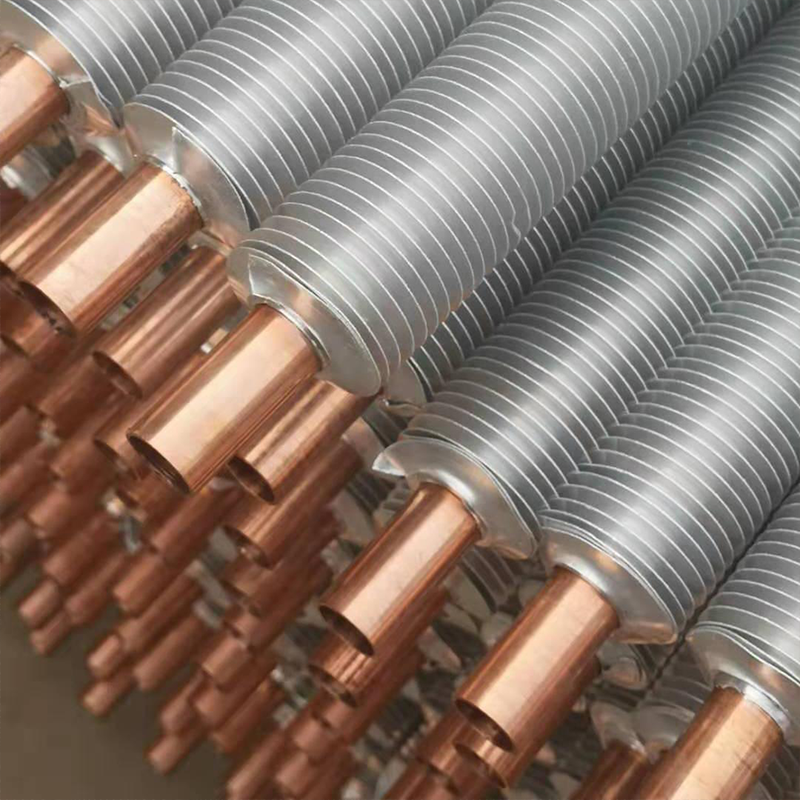
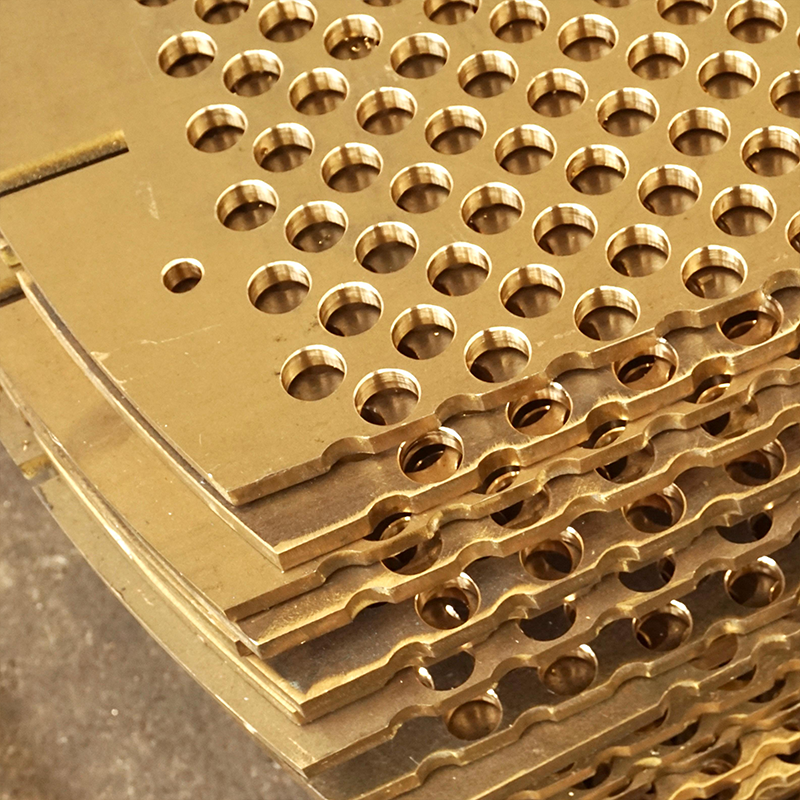
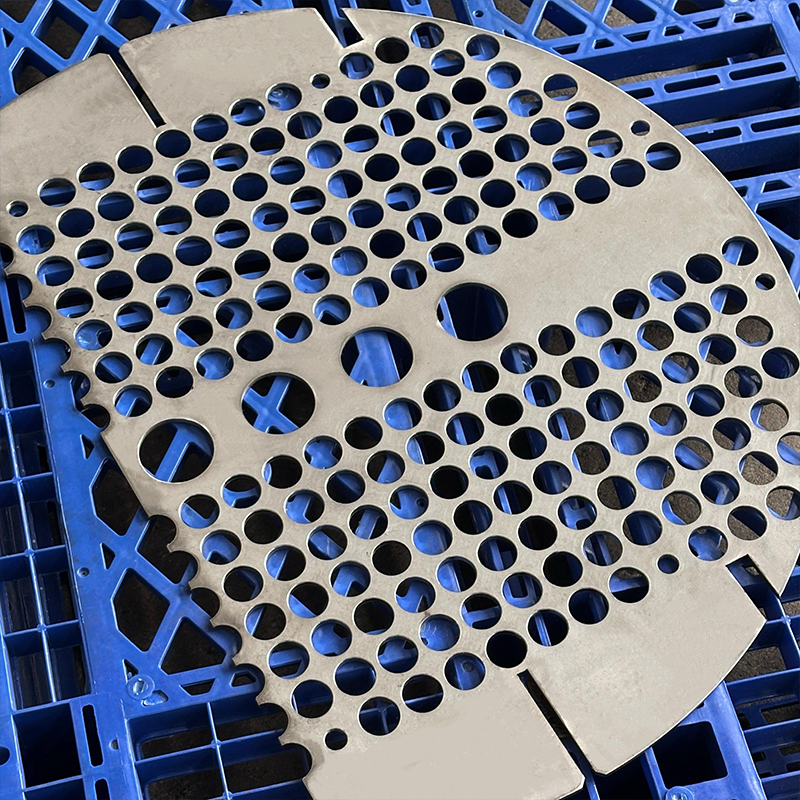
It is in this context that the company operatesWuxi Kaisheng Electric Power and Petrochemical Equipment Co., Ltd.. Specializing in the development and production of high-pressure heat exchangers, waste heat boilers and components for the oil refining industry, the company is faced with the need to perform welding work of the highest class of accuracy and safety. The company's products, including titanium shell-and-tube heat exchangers, N06625 alloy products and C46400 marine brass, are certified to stringent international ASME and PED standards. This level of certification is impossible without impeccable compliance with fire safety standards in workshops where expensive materials and complex welding technologies are used. Wuxi Kaisheng's experience demonstrates that the integration of advanced safety systems and strict discipline can not only avoid accidents, but also guarantee consistent product quality for customers around the world.
Action:Hold a meeting with the team and sort out these cases. Ask workers if they see similar risks on their site.
Conclusion and next steps
Ensuring fire safety in a tank welding shop is a continuous process that requires the participation of every employee, from the general director to a third-class welder. Investments in quality security systems, personnel training and regular audits pay off in the absence of downtime and the saving of lives.
We recommend starting with a comprehensive audit of the current state of your production. Identify weak points, update instructions, and make sure all hardware is working properly. Don't wait for an inspection, or worse, an actual fire, to address this issue.
If you need help developing a custom fire safety plan or selecting certified equipment, our experts are ready to advise you. We work with enterprises throughout Russia and the CIS countries, helping to implement effective and compliant solutions.
Contact us todayto receive free advice on fire safety issues for your production. We also recommend that you read our guide toselection of personal protective equipment for welders.