
First aid for burns caused by acids in electroplating”
2026-09-07
- First aid for acid burns in electroplating: a life-saving algorithm of actions
- Step-by-step protocol: first aid for acid burns in electroplating
- What you should absolutely not do: analysis of typical mistakes
- Organizational measures: preparation of workshop infrastructure
- The role of reliable equipment in accident prevention
- Legal aspects and incident investigation
- Frequently Asked Questions
- Conclusion: safety culture as a basis for prevention
First aid for acid burns in electroplating: a life-saving algorithm of actions
In the first seconds after contact with the electrolyte, the count is not in minutes, but in milliseconds.First aid for burns caused by acids in electroplatingshould begin immediately, even before the arrival of doctors, and its main principle is copious rinsing with water for at least 15–20 minutes. No neutralizing solutions (soda or ammonia) should be used until the acid is completely removed from the skin, since an exothermic reaction can aggravate thermal damage to tissues. In our practice, we have seen cases where an attempt to “neutralize” the acid on site led to deep necrosis, which could have been avoided by simply washing off the reagent.
Electroplating is a high-risk area where concentrations of sulfuric, hydrochloric, nitric and hydrofluoric acids often exceed safe thresholds. Occupational injury statistics show that more than 60% of chemical burns in metal surface treatment shops occur due to electrolyte splashing when removing parts or leakage of pumping systems. This article was written by occupational safety engineers and chemical technologists with actual experience working on electroplating lines. We will not rehash first aid textbooks; instead, we will analyze specific scenarios, mistakes that cost people their sight and limbs, and a step-by-step protocol for action that meets modern Russian safety standards and international norms.
Why water is more important than neutralizers: analysis of a fatal mistake
There is a persistent myth, rooted in Soviet instructions, that an acid burn must be immediately treated with a weak alkali solution. This is a dangerous misconception. When the acid hits the skin, it begins to coagulate proteins, causing a chemical burn. If even a weak solution of soda is poured over the acid, a neutralization reaction occurs, releasing a large amount of heat. As a result, a second-degree thermal burn is added to the chemical injury, which significantly increases the area of damage and the depth of penetration of the traumatic agent.
Water performs two critical functions: it mechanically washes away the aggressive environment from the surface of the epidermis and reduces the temperature in the affected area, inhibiting the chemical reaction. In real workshop conditions, where the concentration of sulfuric acid in baths reaches 30–40%, the reaction time with human tissue is measured in seconds. Our observations of incidents at enterprises show: those victims who spent 20 minutes in the shower recovered 3 times faster than those who tried to use “folk methods” or special gels before washing.
The only exception to the “water only” rule concerns hydrofluoric acid (HF). This is a special case that requires a specific approach, which we will discuss in detail in a separate section. For all other mineral acids (sulfuric, hydrochloric, nitric, orthophosphoric), the algorithm is the same: water, a lot of water, for a long time. Don't waste time looking for a neutralizer in the first aid kit - run to the emergency shower.
Step-by-step protocol: first aid for acid burns in electroplating
Actions in case of a chemical burn should be brought to automaticity. In a stressful situation, when a person experiences severe pain and shock, the ability to think logically decreases. Therefore, a laconic poster with this algorithm should hang at every workplace in the electroplating shop, and employees should undergo practical training at least once a quarter. Below is a detailed analysis of each stage of assistance.
- Immediately stop contact and remove clothing.
As soon as the acid gets on the body, you must immediately remove all clothes, shoes and accessories (watches, rings, bracelets) located in the affected area. The fabric acts like a sponge, holding the acid close to the skin and continuing to break down tissue even after the person has left the bath. If clothing is stuck to the wound, do not tear it off by force - cut the tissue around the wound with scissors. Attempting to remove stuck clothing will remove the top layers of skin along with the tissue, turning a second-degree burn into a third-degree open wound. The time for this operation is no more than 10–15 seconds.
- Rinse thoroughly with running water.
This is the most important stage. The victim must be brought to an emergency shower or washbasin and a stream of water directed at the affected area. The water pressure should be moderate so as not to further injure the inflamed skin, but sufficient for effective flushing. The water temperature should be room temperature or slightly cool (15–25°C); using ice water can cause vasospasm and impair blood circulation in the burn area, while hot water will speed up the chemical reaction. The minimum rinsing time is 15 minutes for weak solutions and 20–30 minutes for concentrated acids. You cannot interrupt washing, even if the pain has subsided.
- Assessing the condition and calling an ambulance.
While washing continues (if an assistant does it) or immediately after it, it is necessary to assess the extent of the lesion. If the burn covers the area of more than one palm of the victim, is located on the face, in the groin area, on the joints, or if the victim has lost consciousness, calling an ambulance is mandatory. When calling the rescue service, clearly indicate the type of acid (look at the markings on the container or ask the technologist), since the doctors’ tactics depend on this. A burn with hydrofluoric acid requires immediate hospitalization regardless of the area of damage due to the risk of systemic fluoride intoxication.
- Applying a sterile dressing.
After thorough washing, the skin should not be dried with a towel or napkins - only gently blot with sterile material or allow to air dry, if the situation allows. A loose sterile bandage made of gauze or special anti-burn material is applied to the burn. Do not use cotton wool, the lint of which may stick to the wound. The bandage should not press; its task is to protect the damaged surface from infection and mechanical stress until doctors arrive. If sterile materials are not available, use a clean, preferably ironed, cotton cloth.
- Transportation and monitoring.
When transporting the victim to a medical facility, keep him calm. If a limb is burned, elevate it to reduce swelling. Give the victim plenty of water (not carbonated or sweet) to replenish fluid loss and reduce the concentration of toxins in the blood if they are absorbed. Constantly control your consciousness and breathing. While traveling, continue to cool the burn site if possible, using cold compresses over the bandage, but do not allow the entire body to become hypothermic.
Specifics of working with hydrofluoric acid (HF): lethal threat
Hydrofluoric acid occupies a special place in the list of hazards of electroplating production. Unlike sulfuric or hydrochloric acid, which cause immediate pain and visible damage, dilute HF solutions may not cause pain for several hours. This insidiousness leads to the fact that the worker ignores the acid getting on the skin, does not wash it off in time, and at this time fluoride ions penetrate deep into the tissues, reaching the bone structure.
The mechanism of fluoride damage is unique: it binds calcium and magnesium in tissues, causing hypocalcemia and destroying cell membranes. This leads to unbearable pain (several hours after contact) and bone necrosis. Standard rinsing with water is necessary, but not sufficient.First aid for burns caused by acids in electroplating, if we are talking about HF, necessarily includes the use of calcium gluconate.
Each site where hydrofluoric acid is used should have a special first aid kit containing calcium gluconate gel (2.5%). After rinsing with water for 15 minutes, the gel is rubbed directly into the burn site every 15 minutes until the doctor arrives. If gel is not available and the exposure was significant, some protocols allow for calcium injection by trained medical personnel, but this is at the level of medical care, not first aid. Ignoring this rule has cost the lives of several workers in the industry, so treat HF with the utmost caution.
What you should absolutely not do: analysis of typical mistakes
In the hustle and bustle of the first minutes after an accident, even experienced employees can make fatal mistakes. An analysis of accident reports over the past 5 years has revealed the three most common actions that turn a minor burn into a severe disability.
- Use of oils, fats and creams before rinsing.
The oil film creates a barrier that prevents acid from escaping and blocks the access of water during subsequent rinsing. The acid becomes “locked” under a layer of fat and continues to eat away at the skin. Fats and oils can only be used during the rehabilitation stage, as prescribed by a doctor, when the wound is completely cleaned and has begun to heal.
- Popping blisters.
Second degree burns cause blisters filled with fluid. The instinctive desire to burst them is wrong. The bladder serves as a biological dressing that protects underlying tissues from infection. Piercing opens the gate for bacteria, which in an industrial workshop can lead to sepsis. Leave the blisters untouched until examined by a surgeon.
- Applying ice directly to the skin.
Ice causes a sharp spasm of blood vessels, which impairs blood supply to the damaged area and slows down the removal of tissue breakdown products. In addition, direct contact of ice with burned skin can cause frostbite, superimposed on a chemical burn. Use only cool water or cold compresses through a cloth.
One of our clients encountered a situation where a worker was burned by concentrated sulfuric acid. Colleagues, acting from old memory, sprinkled soda on the burn site. The reaction was immediate: the skin turned black, a deep scab formed, and skin grafts were subsequently required. If they had simply applied water for 20 minutes, treatment would have been limited to ointments and outpatient monitoring. This case highlights that modern protocols reject “household chemicals” in favor of mechanical removal of the reagent.
Organizational measures: preparation of workshop infrastructure
The effectiveness of first aid directly depends on the readiness of the infrastructure. The presence of emergency showers and eye fountains is not a formality for inspection by an inspector, but a matter of survival. According to GOST 12.4.009-83 and modern international standards ANSI Z358.1, emergency flushing equipment must meet a number of stringent requirements.
Firstly, access to the shower must be free. The distance from any potential acid spill point to the shower should not exceed 10 meters (or 10 seconds of walking). The doors along this path should open in the direction of the victim's movement (push-bars), so that a person with his eyes closed in pain can knock them out with his shoulder. Secondly, the water supply must be instantaneous. The shower valve should open in less than 1 second and remain open without the need for hands to hold it (the victim may not be able to do so).
In winter, especially in unheated warehouses or external circuits, there is a risk of water freezing in the emergency shower pipes. We recommend using heated shower cabinets or recirculation systems that maintain the water temperature above +5°C but not above +16°C to avoid thermal shock. Regular weekly testing of equipment is mandatory: stagnant water in pipes becomes a breeding ground for Legionella and other bacteria, which, if released into an open wound, can cause a secondary infection.
First aid kit for a galvanizing shop: the correct composition
A standard car or office first aid kit is useless for chemical burns. A specialized first aid kit for galvanizing should contain:
- Sterile dressing bags of various sizes (at least 10 pcs.).
- Calcium gluconate gel (required for HF areas).
- Scissors with blunt ends for cutting clothes.
- Cooling hydrogel dressings (Burnshield or similar) - they can only be applied after prolonged rinsing with water!
- First aid instructions with large print and pictures.
The absence of any of these elements at a critical moment can cost your health. Responsibility for the equipment and expiration dates lies with the occupational safety specialist, but each employee must check the availability of supplies before starting their shift.
The role of reliable equipment in accident prevention
While knowledge of first aid algorithms is critical, the ultimate safety goal lies in preventing incidents themselves. The reliability of technological equipment in contact with aggressive media is the foundation for the safe operation of galvanic lines. This is where solutions from the company come to the foreWuxi Kaisheng Electric Power and Petrochemical Equipment Co., Ltd..
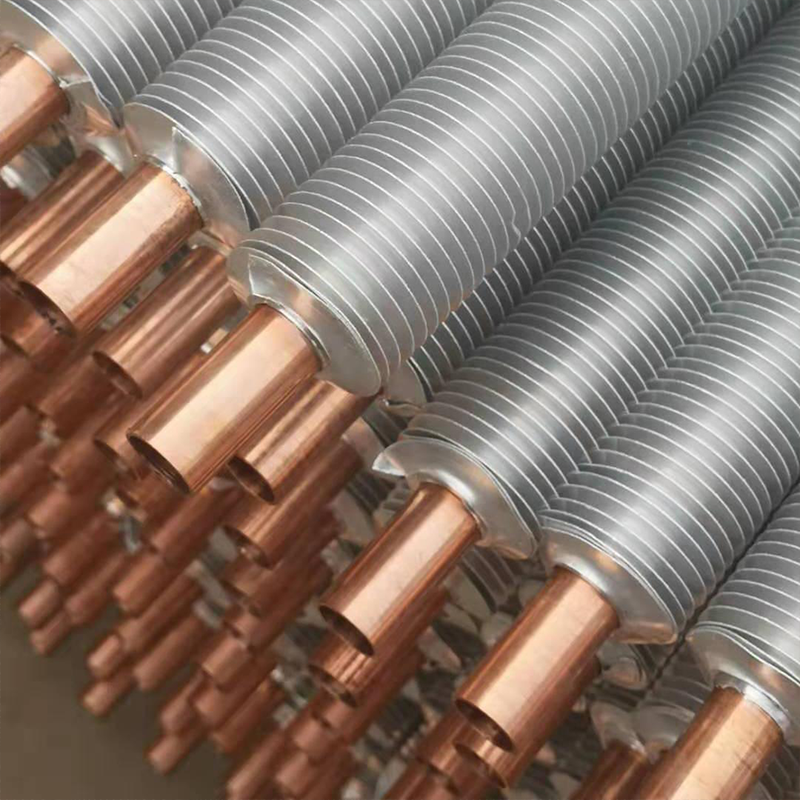
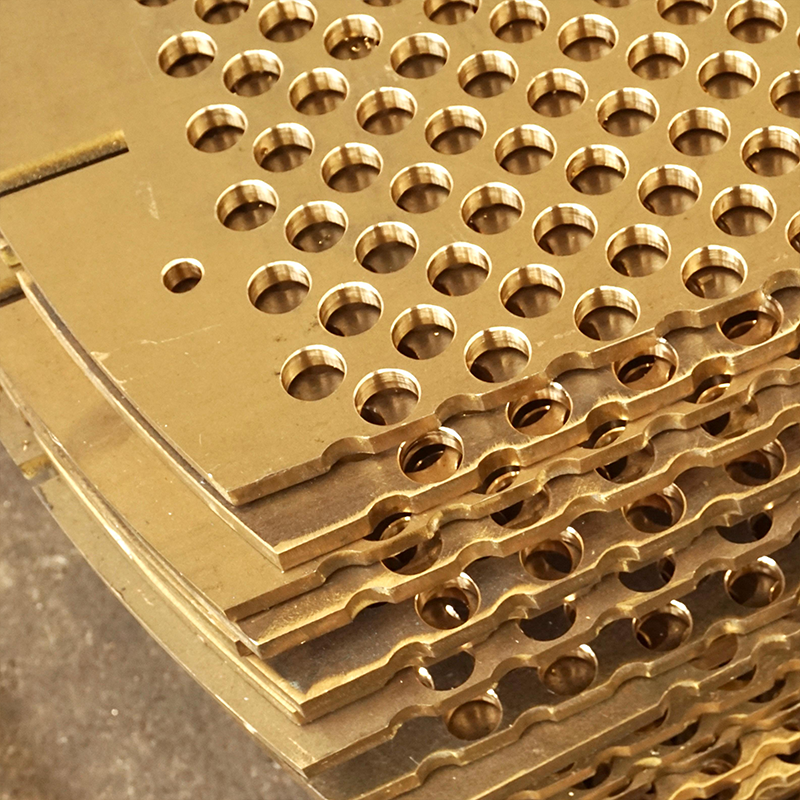
Specializing in the design and manufacture of heat transfer and petrochemical equipment, the company offers products that can withstand the extreme conditions of electroplating industries. The arsenal of solutions includes titanium shell-and-tube heat exchangers and high-pressure devices of the ASME standard, which have exceptional corrosion resistance. For systems handling aggressive electrolytes, materials are critical: 316 stainless steel corrugated tube bundles, C46400 marine brass, copper-nickel alloys and N06625 nickel alloys provide durability where conventional steel quickly fails.
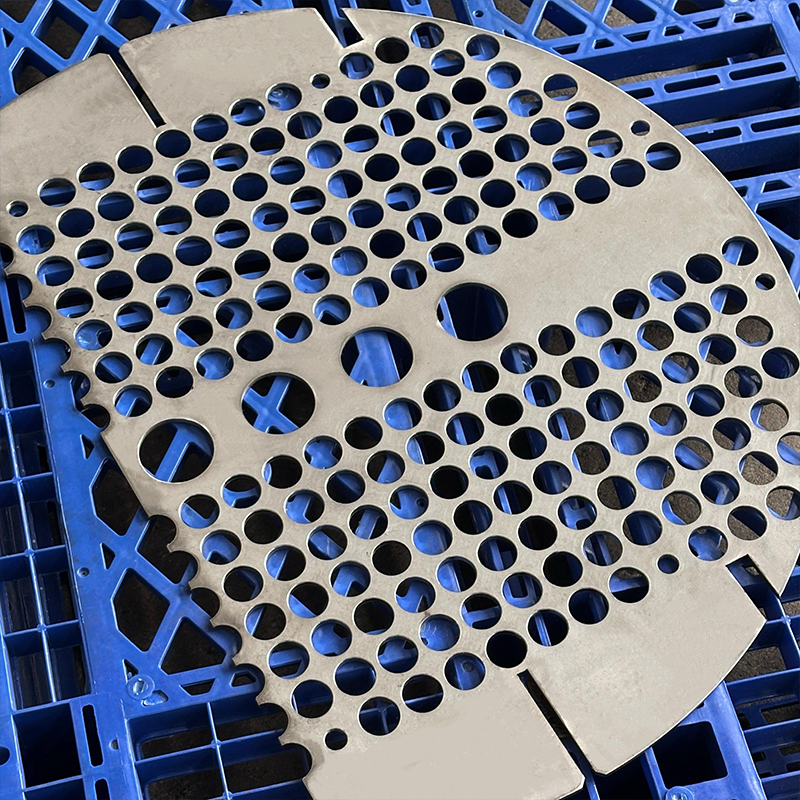
Violation of the tightness of heat exchangers or pipelines is one of the common causes of splashing acids, leading to injuries. Wuxi Kaisheng products, certified to PED and ASME standards, minimize these risks due to their high resistance to pressure and temperature. Whether it's 321 stainless steel tubesheets or C70600 alloy components, each product undergoes strict quality control. The use of such equipment in the oil refining, chemical and electroplating industries not only improves the energy efficiency of processes, but also creates a safe environment for personnel, reducing the likelihood of emergency situations requiring emergency assistance.
Legal aspects and incident investigation
Each case of burn at work is subject to mandatory investigation in accordance with the Labor Code of the Russian Federation and the order of the Ministry of Labor. The purpose of the investigation is not to punish the culprit (although this is important), but to identify systemic causes: whether the technology was broken, whether PPE was missing, whether the shower was faulty. Correctly provided first aid and proper documentation of the incident influence the classification of injury severity.
If first aid was provided promptly and correctly, the burn can be classified as minor, which entails fewer consequences for the enterprise and the employee. A delay in washing, leading to necrosis, transfers the injury to the category of severe, which entails serious inspections by Rostechnadzor and fines. Therefore, knowledge of the algorithm is not only health protection, but also legal insurance for the employee and the employer.
Documentation should include photographs of the scene of the incident, the condition of the equipment, testimony of witnesses and a log of the issuance of PPE. It often turns out that the gloves were expired or had microcracks that were invisible to the eye. Using quality neoprene or PVC gloves that are resistant to the specific acids in your process is a primary preventative measure that makes first aid unnecessary.
Frequently Asked Questions
What to do if acid gets into your eyes?
This is a blinding emergency. Immediately use the Eye Fountain or Eye Shower. Spread your eyelids apart with your fingers (this is difficult to do due to the reflex spasm, but necessary) and rinse your eyes continuously for at least 15-20 minutes. Hold your head so that the water flows from the nose to the temple, and not into the healthy eye or into the nasopharynx. Don't rub your eyes. After rinsing, apply a sterile bandage to both eyes (to prevent movement of the pupils) and urgently take the victim to an ophthalmologist. Even if the pain has subsided, damage to the cornea may appear later.
Can neutralizing solutions be used after rinsing?
Modern medical protocols do not recommend the use of neutralizers even after rinsing, except in specific cases (like calcium gel for HF). The risk of error in neutralizer concentration is too great. Residual acid is usually completely removed with a 20-minute stream of water. Application of additional chemical agents to damaged skin may cause allergic reactions or additional irritation. The best neutralizer is a large volume of running water.
How to distinguish a burn with hydrofluoric acid from other acids?
The main difference is the time lag. Sulfuric or nitric acid causes immediate, burning pain and visible redness or whitening of the skin. Hydrofluoric acid in low concentrations may not cause pain for several hours. If you have worked with HF and suspect exposure, proceed as if the burn were already present: rinse the area and apply calcium gluconate prophylactically. You cannot wait for pain to appear - by the time it occurs, the process of bone destruction has already begun.
Do I need to remove contact lenses if acid gets into my eyes?
Yes, but only if it can be done quickly without delaying rinsing. The ideal scenario is to start rinsing with the lenses to immediately wash away most of the acid, and then, while continuing to pour water, remove the lenses with your fingers. The lenses can trap acid beneath them, creating a highly concentrated area on the cornea. If you cannot remove the lenses quickly, continue rinsing - the flow of water can wash them out on its own, or the doctor will do it in the hospital. The main thing is not to waste time struggling with the lenses at the expense of washing them.
Conclusion: safety culture as a basis for prevention
Knowledge of how it is donefirst aid for burns caused by acids in electroplating, is the last line of defense. However, the best first aid is the one that is never needed. Investments in high-quality personal protective equipment, automation of bathtub loading/unloading processes, regular maintenance of emergency showers and, most importantly, personnel training pay off many times over. Each employee must understand the chemistry of the processes they work with and respect the dangers of the reagents.
We encourage plating site managers to audit their first aid supplies today. Check expiration dates of gels, water pressure in showers and your people's knowledge of the algorithm. Security does not tolerate formalism. The introduction of clear regulations and a responsible attitude to each stage of the technological process will preserve the health of your employees and ensure the smooth operation of the enterprise.
To receive advice on organizing workplaces in electroplating shops, selecting durable equipment and developing labor safety instructions,contact our industrial safety experts. We help implement standards that actually work and save lives.