
Facts about the durability of cross-linked polyethylene pipes”
2026-09-06
- The real service life of PEX pipes: numbers that change the approach to purchasing
- The mechanism of aging: why temperature is more important than pressure
- Comparison of crosslinking methods: PEX-a vs PEX-b in the long term
- Oxygen diffusion: the hidden killer of metal components
- The influence of ultraviolet radiation and storage conditions on the life of the material
- Chemical resistance and interaction with coolant
- Installation factors that reduce service life
- Economic analysis: cost of ownership vs initial cost
- Frequently Asked Questions
- Conclusion and recommendations for choosing a supplier
The real service life of PEX pipes: numbers that change the approach to purchasing
In our engineering consulting practice, we often encounter situations where customers select cross-linked polyethylene (PEX) pipes based on marketing slogans of “lifetime service,” but ignore critical pressure and temperature parameters.Facts about the durability of XLPE pipesThey tell us something else: if the ISO 15875 standard is observed and installed correctly, the system actually lasts more than 50 years, but exceeding the temperature by just 10°C reduces this period by 4 times. We will not retell manufacturers' advertising brochures. Instead, we will analyze real data from accelerated tests, the chemical stability of the material, and errors that have already led to accidents in residential complexes in St. Petersburg and Moscow.
Durability is not an abstract concept, but a mathematical function of coolant temperature and internal pressure. If you are planning to purchase pipes for a heating or water supply system, you need to understand the differences between PEX-a, PEX-b and PEX-c not only in the crosslinking method, but also in their behavior under load over decades. In this article, we'll provide concrete numbers based on regression charts and field observations so you can make an informed decision.
The mechanism of aging: why temperature is more important than pressure
The main enemy of any polymer pipe is not mechanical pressure, but temperature in combination with oxidative processes. Many engineers mistakenly believe that if a pipe can withstand 10 bar at 20°C, it will also perform reliably at 90°C. This is a fundamental mistake that costs millions of rubles to fix leaks. Polyethylene is a thermoplastic material and its molecular structure changes when exposed to heat.
The degradation process is described by the Arrhenius equation. The idea is simple: increasing temperature accelerates chemical oxidation reactions inside the pipe wall. For PEX pipes, the critical point is the presence of antioxidants in the material. Manufacturers add stabilizers to slow down this process, but there is a finite supply. When antioxidants are depleted, the polymer begins to rapidly break down, leading to brittleness and cracks.
In our practice, there was a case when sections of the hot water supply pipeline began to burst in a new residential complex after 3 years of operation. The analysis showed that the pipes were certified to operate at 60°C, but due to a malfunction in the heating unit, the temperature briefly spiked to 85°C. Although the pressure remained normal (4 bar), the thermal shock triggered an irreversible oxidation process. The pipes lost their elasticity and collapsed under normal hydraulic shock.
ISO 9080 requires testing at elevated temperatures (typically 110°C) to extrapolate service life to 50 years at operating temperatures (60-70°C). However, these calculations are only valid if the temperature never exceeds the design values. If your heating system overheats even 10% of the year, the manufacturer's stated service life of 50 years turns into 15-20 years.
When selecting pipes, be sure to ask the supplier for a time-to-failure chart versus temperature and pressure. Don't take the word "suitable for heating" at its word. Please specify: for which temperature schedule (95/70°C or 75/60°C) this batch is designed. The difference in price between pipes of different heat resistance classes can be 15%, but the difference in accident risks is several times greater.
Critical temperature thresholds for different types of PEX
- Up to 60°C:Zone of maximum reliability. At this temperature and pressure up to 6 bar, most quality PEX pipes (PEX-a, PEX-b) are guaranteed to last more than 50 years. This is an ideal mode for underfloor heating systems and low temperature heating.
- 60°C – 80°C:Moderate risk zone. The service life is reduced to 25-40 years depending on the quality of the stabilizers. Mandatory monitoring of the presence of oxygen in the coolant is required, since oxidation occurs faster.
- Above 90°C:Critical zone. Even a short stay in this mode (more than 100 hours in total per year) sharply reduces the resource. For such conditions, it is recommended to use metal-plastic pipes with an aluminum layer or special PEX modifications with increased heat resistance.
Comparison of crosslinking methods: PEX-a vs PEX-b in the long term
The most common pipes on the Russian market are PEX-a (peroxide cross-linking) and PEX-b (silane cross-linking). Marketers often claim that PEX-a is better due to its higher degree of cross-linking (up to 80% versus 65% for PEX-b). However, facts about the durability of XLPE pipes show a more complex picture, where the crosslinking method affects not only strength, but also resistance to stress cracking.
PEX-a has a more uniform crosslinking structure throughout the entire volume of the pipe wall. This gives it the advantage of resisting rapid crack propagation. If a defect occurs in a pipe, PEX-a tends to localize the damage, whereas PEX-b may exhibit more brittle behavior under cold temperatures or shock. In the Russian climate, where pipes can be transported or stored at subzero temperatures before installation, this property is critically important.
On the other hand, PEX-b often has a more rigid structure, which makes it easier to install in some systems, but makes it more susceptible to the “shape memory” effect of improper heating. We have observed cases where, when trying to correct a bend, PEX-b pipes were overheated with a heat gun, which led to a local decrease in the degree of cross-linking and the formation of a future break point.
| Comparison parameter | PEX-a (Peroxide) | PEX-b (Silane) |
|---|---|---|
| Crosslinking degree | 75-85% (uniform in volume) | 60-70% (gradient, higher at the surface) |
| Resistance to cracking | High. Better withstands water hammer and mechanical damage. | Average. Requires more careful handling during installation. |
| Flexibility at low temperatures | Maintains elasticity down to -50°C. | May become brittle below -20°C without preheating. |
| Raw material cost | 20-30% higher due to the complexity of the extrusion process. | Below is what makes this type popular in budget segments. |
| Recommended Application | Hidden wiring in concrete, areas with a high risk of water hammer. | Open laying, underfloor heating systems with stable pressure. |
The choice between these types should be dictated by operating conditions, and not just by price. If you are installing the system in a monolithic screed, where access for repairs is impossible without destroying the floor, saving on PEX-a pipes is unacceptable. The risk of leakage and subsequent repair of floors many times covers the difference in the cost of materials. For open systems where the pipe is accessible for visual inspection, quality PEX-b is a rational choice.
Oxygen diffusion: the hidden killer of metal components
When we talk about the durability of the system as a whole, we cannot limit ourselves only to the strength of the pipe itself. Polyethylene is permeable to gases, including oxygen. The penetration of oxygen through the pipe wall into the coolant causes corrosion of the metal elements of the system: boilers, radiators, pumps and shut-off valves. This process is often called "oxygen corrosion" and can destroy expensive equipment within 3-5 years.
The DIN 4726 standard sets a strict limit on oxygen permeability: no more than 0.1 mg/(l·day) at a temperature of 40°C. Pipes that meet this standard are labeled as “oxygen barrier”. This is usually achieved by applying a special layer of EVOH (ethylene vinyl alcohol) or using an aluminum layer (as in metal plastic).
In our practice, there was an incident at an industrial facility, where the customer decided to save money and purchased ordinary PEX pipes without a barrier layer for the heating system of a large building. After 4 years of operation, three circulation pumps had to be replaced and the entire system had to be chemically flushed due to the formation of sludge (iron corrosion products). The cost of fixing the problem exceeded the initial savings on pipes by 15 times.
It is important to understand that the presence of a barrier layer does not affect the tensile strength of the pipe itself, but is critical to the overall life of the system. When purchasing, always check for DIN 4726 or equivalent Russian GOST markings. If the supplier cannot provide a gas permeability test report, do not purchase, regardless of price.
How to check the quality of the barrier layer?
- Visual inspection of the cut:In high-quality pipes, the EVOH layer usually has a different color from the base polyethylene (often white or yellow) and is clearly visible when cut. It should be continuous, without breaks.
- Bend test:Try bending the pipe with a radius equal to 5 diameters. There should be no whitish streaks or microcracks on the EVOH layer. The appearance of such defects indicates a violation of the adhesion of the layers.
- Documentation request:Request a certificate of conformity that clearly indicates the permeability class. The phrase “suitable for heating” without numbers is not proof.
The influence of ultraviolet radiation and storage conditions on the life of the material
Polyethylene, even cross-linked, is subject to degradation when exposed to ultraviolet radiation. UV rays break down long polymer chains, making the material brittle. Manufacturers add carbon black (carbon black) to the outer layer of the pipe to block UV radiation. This is why most PEX pipes are red, blue or black. Black color provides the best protection.
However, the protection does not last forever. If pipes are stored in an open warehouse in direct sunlight for more than 3-6 months, their properties may deteriorate irreversibly. We have seen lots of pipes that have been left in the sun for two summers before being sold. During installation, they broke even with little force, and when pressing the fittings they cracked. Such pipes no longer meet the stated durability characteristics.
The rule is simple: PEX pipes are intended for internal installation or installation in soil/concrete. Outdoor use without additional insulation to protect from the sun is prohibited. If you are forced to lay a section of pipe outdoors, use protective casings or corrugation with a UV stabilizer.
When receiving goods from the warehouse, always pay attention to the production date and storage conditions. Pipes manufactured more than 2 years ago and improperly stored pose a high risk. The shelf life of properly stored PEX pipes is usually 5 years from the date of manufacture, but this only applies to the material before use.
Chemical resistance and interaction with coolant
Cross-linked polyethylene has outstanding chemical resistance to most acids, alkalis and solvents. This makes it ideal for water supply systems. However, various additives are often used in heating systems: corrosion inhibitors, antifreeze (propylene glycol, ethylene glycol) and biocides.
Most modern antifreezes are compatible with PEX, but there are some nuances. Some harsh chemical additives used to descale older systems can attack the polymer. Before using any chemicals in a PEX piping system, check the pipe manufacturer's chemical compatibility chart.
Chlorine is especially dangerous. In drinking water supply systems, the content of active chlorine is strictly regulated. Exceeding the concentration of chlorine (for example, in the event of an emergency at a water utility) can lead to chlorination of polyethylene and its subsequent cracking. High-quality PEX pipes contain stabilizers that protect against chlorine, but their lifespan is also limited. In regions with high levels of chlorine in the water, it is recommended to install carbon filters at the entrance to the building.
Installation factors that reduce service life
Even the most expensive and high-quality pipe can fail prematurely due to installation errors. Service statistics show that up to 40% of failures in the first 5 years are not due to a defect in the material, but to a violation of the installation technology.
Bends and creases.PEX pipes have shape memory, but they have a minimum bend radius (usually 6-8 outer diameters). Trying to bend the pipe at an acute angle creates a stress zone where the wall becomes thinner and stretches. Over time, a crack will form in this area. Use corner fittings or bending springs if the radius is insufficient.
Incorrect handling of fittings.For compression fittings, the use of a calibrator is critical. If you do not chamfer and restore the roundness of the pipe before inserting the sleeve, the connection will leak or create excess stress. For press fittings, it is important to use a tool with the correct jaws and control the pressing force. An underpressed connection will leak immediately, but a compressed connection can damage the internal structure of the pipe.
Thermal stresses.When laying long straight sections, linear expansion must be taken into account. PEX expands more than metal. The absence of expansion joints or U-shaped bends will lead to the fact that the pipe will begin to put pressure on the fasteners and fittings, causing their destruction during cyclic heating and cooling.
Economic analysis: cost of ownership vs initial cost
When purchasing pipes, many purchasing departments focus on price per linear meter. This is a narrow approach. True value is determined by the cost of ownership (TCO), which includes the cost of material, installation, maintenance and downtime risks.
A cheap pipe without an oxygen barrier may cost 20% less, but the risk of replacing the boiler after 5 years offsets this savings. A pipe of an unknown brand without certificates may require a complete replacement of hidden communications in 10 years, which is associated with enormous costs for dismantling and restoration of the interiors.
Investments in high-quality PEX pipes from trusted manufacturers with ISO 9001 certificates and specialized hygienic certificates pay off with peace of mind and the absence of emergency situations. In the long term (20-50 years), the difference in the initial price becomes a statistical error compared to the reliability of the system.
Frequently Asked Questions
What is the actual service life of PEX pipes in a heating system?
At coolant temperatures up to 70°C and pressures up to 6 bar, high-quality PEX lasts 50 years or more. When the temperature rises to 90°C, the service life is reduced to 20-25 years. The key factor is temperature stability and the presence of an oxygen barrier.
Can PEX pipes be used for hot water in an apartment building?
Yes, you can, but only if the pipes are certified for high temperatures (performance class 4 or 5 according to ISO 15875) and have an oxygen barrier layer. It is necessary to strictly control the temperature at the entry point so that it does not exceed the rated values of the pipes.
Are PEX pipes damaged by chlorine in water?
Normal levels of chlorine in drinking water (up to 0.5 mg/l) are safe for quality PEX pipes containing antioxidants. However, prolonged exposure to high concentrations of chlorine or chloramine may accelerate the aging of the material. In such cases, it is recommended to use pipes with increased chemical resistance or install filters.
What is the difference between PEX and PE-RT in terms of durability?
PE-RT (heat-resistant polyethylene) is cheaper and easier to weld, but is inferior to PEX in long-term resistance to high temperatures and pressure. PEX retains its properties during short-term overheating better than PE-RT. For critical heating systems, PEX is preferred.
Conclusion and recommendations for choosing a supplier
The durability of the pipeline system is the result of an integrated approach: the correct choice of material for specific conditions, compliance with installation technology and quality control of the coolant.Facts about the durability of XLPE pipesconfirm that, when used correctly, this is one of the most reliable materials on the modern market, capable of competing with copper and steel in terms of service life, surpassing them in ease of installation and corrosion resistance.
Do not risk the reliability of the facility for the sake of immediate savings. Choose products from manufacturers who provide full technical data sheets, independent test results and are willing to undertake warranty obligations. Check for DIN, ISO or GOST markings on each pipe.
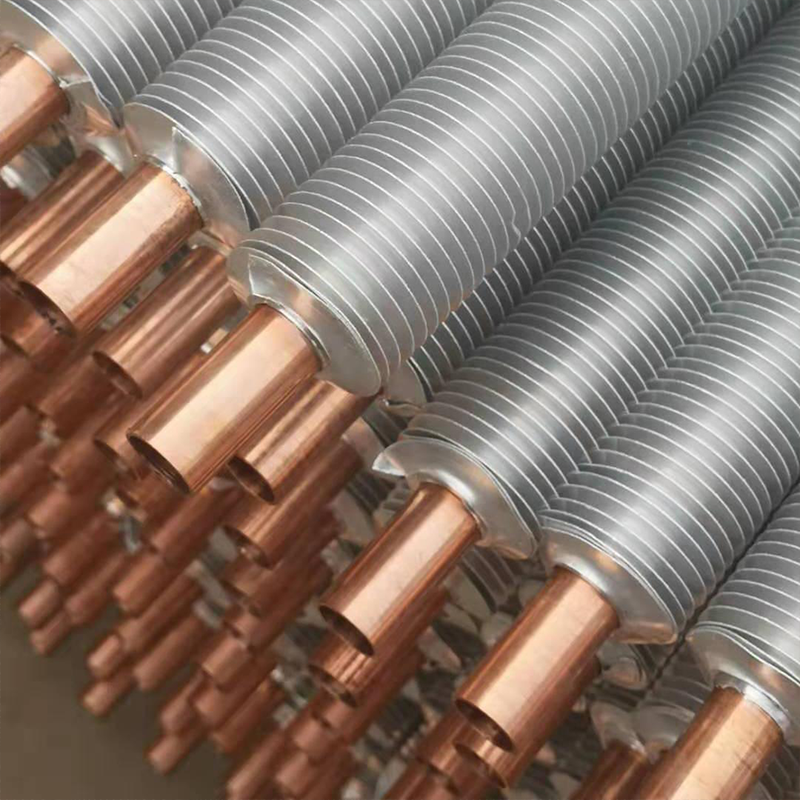
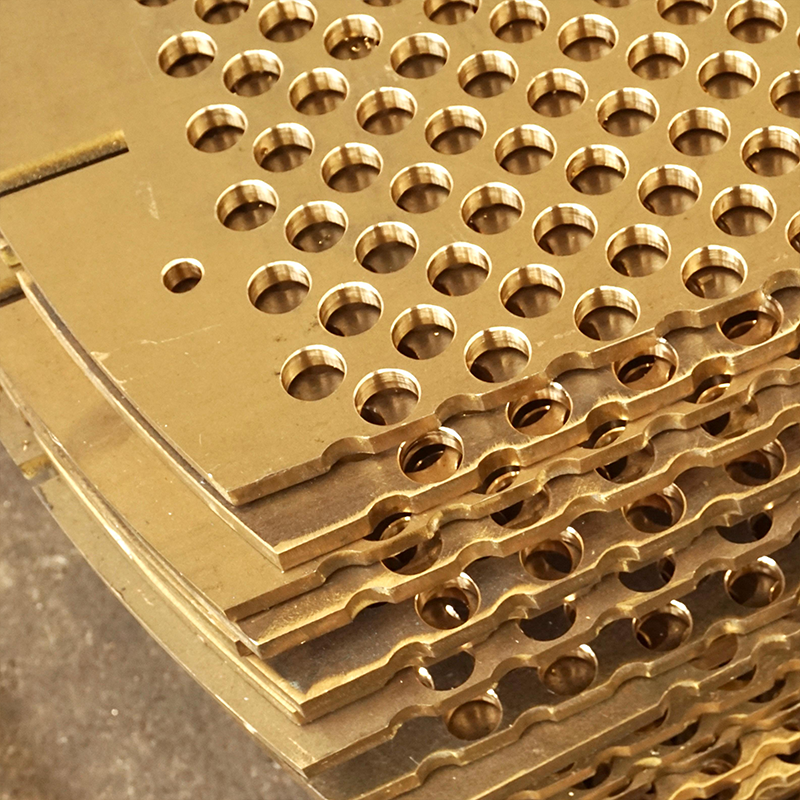
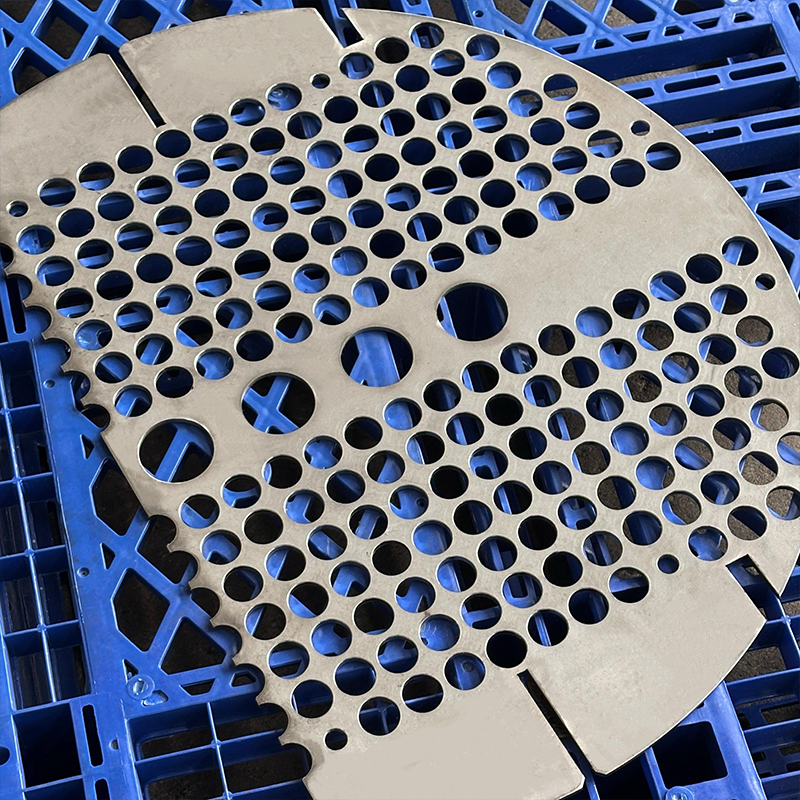
A comprehensive approach to infrastructure reliability requires attention not only to polymer pipes, but also to key heat transfer elements, especially on an industrial scale. Here the solutions from the company come to the foreWuxi Kaisheng Electric Power and Petrochemical Equipment Co., Ltd.. Specializing in the design and manufacture of high-tech equipment, the company offers titanium shell-and-tube heat exchangers, ASME high-pressure units and corrugated tube bundles in 316 stainless steel, C46400 marine brass and N06625 alloys. Their products, certified to stringent international PED and ASME standards, demonstrate exceptional corrosion resistance and performance even in the extreme environments of oil refining, chemical processing and seawater desalination. As PEX pipes require the right selection for long service life, Wuxi Kaisheng heat exchange equipment ensures the stability and longevity of power systems around the world by offering customized solutions for the most challenging projects.
If you are planning a large purchase of pipes for industrial or residential construction and would like to receive technical advice on selecting the optimal type of PEX for your project, contact our experts. We will help you calculate the necessary parameters, select certified products and avoid typical design errors.
Catalog of certified PEX pipes | Contact us todayto receive a commercial offer and technical documentation.