
Tips for caring for cross-linked polyethylene pipes”
2026-08-24
- Basic principles of operation of cross-linked polyethylene (PEX) pipes
- Protection from ultraviolet radiation and temperature changes
- Correct installation and prevention of mechanical damage
- Chemical resistance and corrosion protection of connections
- Seasonal maintenance and winterization
- Fault diagnosis and repair methods
- Frequently Asked Questions
- Selection of quality components and standards
- Expert opinion and recommendations
Basic principles of operation of cross-linked polyethylene (PEX) pipes
XLPE pipes are a reliable solution for heating and water supply systems, but their durability directly depends on compliance with operating rules. In our practice, we have repeatedly encountered situations where expensive engineering systems failed not due to material defects, but due to a banal violation of temperature conditions or mechanical damage during installation. A key tip for caring for XLPE pipes is to prevent exposure to ultraviolet radiation and control system pressure. If you want your system to last for the claimed 50 years, you need to understand the physical and chemical properties of the PEX material, which, despite its high strength, has its vulnerabilities.
Many installers mistakenly believe that since the material is called “cross-linked”, it is invulnerable to external influences. This is a dangerous misconception. The molecular bond structure in PEX does provide high heat resistance and resistance to stress cracking, but the polymer remains susceptible to oxidation when exposed to oxygen and degradation when exposed to direct sunlight. We have seen projects where pipes laid open-cast without protection lost their elasticity after just two years of operation. Therefore, the first step to proper care is proper insulation and protection from light at the stage of route design.
System pressure also plays a critical role. Although PEX pipes can withstand short-term water hammer better than polypropylene, constant operation at extreme pressures accelerates the aging process of the material. The optimal operating mode implies a stable pressure in the range of 3-6 bar for cold water supply and up to 10 bar at peak loads for heating, but not higher. Exceeding these values by even 20% for a long time can lead to irreversible changes in the structure of the polymer. Regular monitoring of pressure gauges and installation of pressure reducers is not just a recommendation, but a necessity to maintain the manufacturer’s warranty.
Protection from ultraviolet radiation and temperature changes
Ultraviolet radiation is the main enemy of any polymer pipe, and PEX is no exception. Under the influence of sunlight, long molecular chains are destroyed, which leads to a loss of mechanical strength and the appearance of microcracks on the surface. In our practice, there was a case when a client insisted on laying PEX pipes along the facade of a building without the use of protective boxes, arguing that the material was “too strong.” After 18 months, the pipes began to crumble at the slightest touch, which required a complete replacement of the circuit and entailed significant financial losses. To avoid such situations, any sections of pipes located outdoors or in rooms with intense natural light should be protected with opaque materials.
The ideal solution for UV protection is the use of corrugated pipes or special black insulating casings that completely block light. If you are using EVOH piping, it is important to remember that this layer also requires protection from direct sun, as it can peel off as the outer polyethylene layer degrades. We recommend checking the condition of the insulation at least once a year, especially after the winter period, when mechanical damage from snow or ice is possible. Any cracks in the protective layer must be repaired immediately using special tape or replacing the insulation section.
Temperature changes create additional stress on the system. Although PEX has a low coefficient of linear expansion compared to other plastics, sudden changes in temperature from +5°C to +90°C can cause fatigue in the material. This is especially true for underfloor heating systems, where heating and cooling cycles occur daily. To minimize risks, it is recommended to use damper tape around the perimeter of the premises and expansion joints on long straight sections of the pipeline. Ignoring thermal expansion can lead to deformation of fasteners and the creation of stress points that will eventually become sources of failure.
It is also important to take into account the temperature of the coolant. Most PEX pipe manufacturers specify a maximum operating temperature of 90-95°C for short-term exposure, but for long-term service (over 50 years) it is recommended to keep the temperature no higher than 70-75°C. Exceeding this threshold accelerates the oxidation process and reduces the service life of the pipe several times. Installing thermostatic mixing valves allows you to automatically maintain a safe temperature, protecting the system from overheating. This simple device pays for itself many times over, preventing accidents and extending the service life of the entire circuit.
Correct installation and prevention of mechanical damage
The quality of installation determines 80% of the success of operating cross-linked polyethylene pipes. Even the most expensive material will not save the system if it was installed in violation of technology. The main mistake we see on site is the use of inappropriate fittings or incorrect sizing of pipe ends before connections. PEX pipe has a “shape memory” effect, which means it tends to return to its original state after being deformed. If you tighten the pipe too much during installation or leave it in a tense state, over time it will begin to “creep,” weakening the connection and causing leaks.
When cutting pipes, you must use only specialized scissors that provide an even cut at an angle of 90 degrees. An uneven edge makes the fitting difficult to install and creates areas of uneven pressure, which can lead to leakage of the connection. We strongly do not recommend using ordinary construction knives or saws, as they leave burrs and deform the structure of the material. After cutting, the end of the pipe must be thoroughly cleaned of chips and dust. Any debris that gets inside the connection will cause a leak and a potential accident.
Attaching pipes to walls and floors must take into account the coefficient of thermal expansion. The use of rigid clamps without compensating spacers is unacceptable, since when heated, the pipe will rub against the fastener, thinning at the contact points. The optimal fastening pitch for horizontal sections is 50-60 cm, for vertical sections - 80-100 cm. It is important to avoid overtightening the clamps: they should fix the pipe, but not squeeze it. We recommend using soft-lined plastic clips, which provide a secure fit without risk of damage to the outer shell.
Particular attention should be paid to the bend radius. PEX pipes can be bent by hand without the use of a pipe bender, but the minimum bend radius must be at least 5-8 times the outside diameter of the pipe (depending on brand and diameter). An attempt to bend the pipe at a more acute angle will lead to the formation of creases (“white stripes”), which are irreversible damage to the structure of the material. In such places, the pipe loses its strength and becomes vulnerable to rupture under pressure. If a crease occurs, the damaged area must be cut out and replaced using repair couplings. Using a pipe with kinks is strictly prohibited.
Chemical resistance and corrosion protection of connections
The cross-linked polyethylene material itself is highly chemically inert and resistant to most aggressive environments, including acids, alkalis and solvents. However, metal fittings and connecting elements often become the weak link of the system. Brass or steel fittings are susceptible to corrosion, especially in systems with low quality water or high chlorine content. In our practice, there have been cases where the pipes themselves remained intact after decades, and brass fittings were destroyed due to electrochemical corrosion or leaching of zinc (decincification).
To prevent corrosion of metal elements, it is recommended to use fittings made of stainless steel or brass with a high zinc content that have undergone special treatment. Another effective method is to install dielectric adapters between the metal and plastic sections of the pipeline, which breaks the galvanic couple and prevents stray currents. In heating systems, it is important to control the composition of the coolant: the presence of oxygen promotes corrosion of metal parts of the boiler and radiators, so the use of PEX pipes with an oxygen barrier (EVOH or aluminum layer) is a mandatory requirement for closed systems.
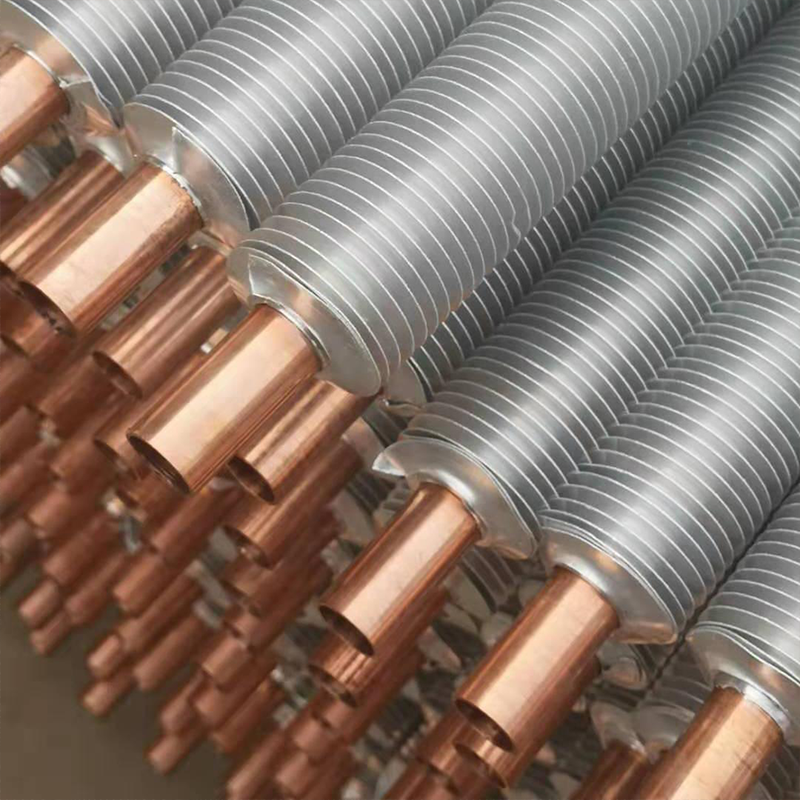
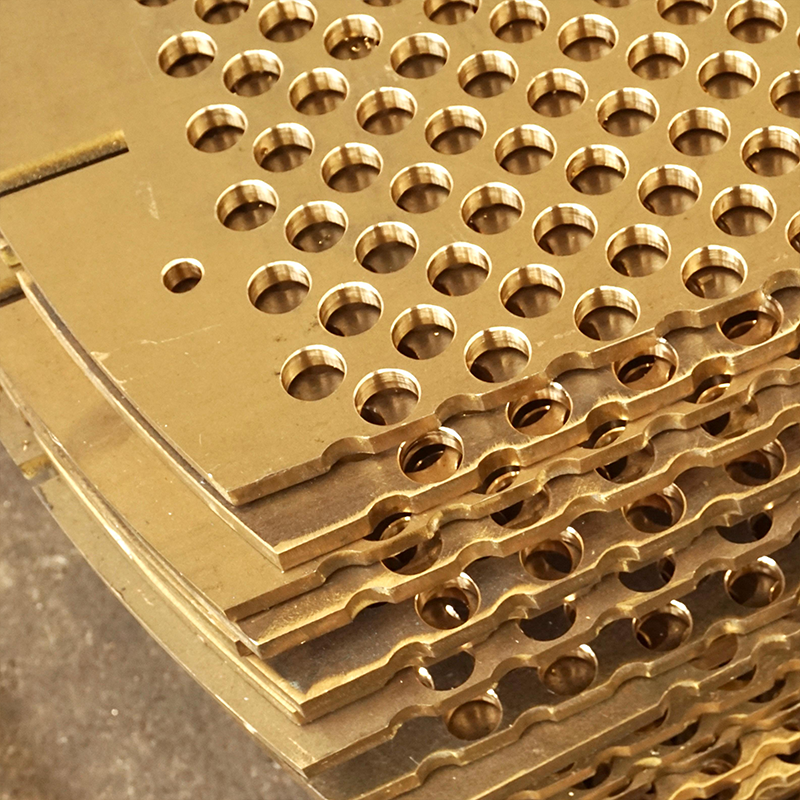
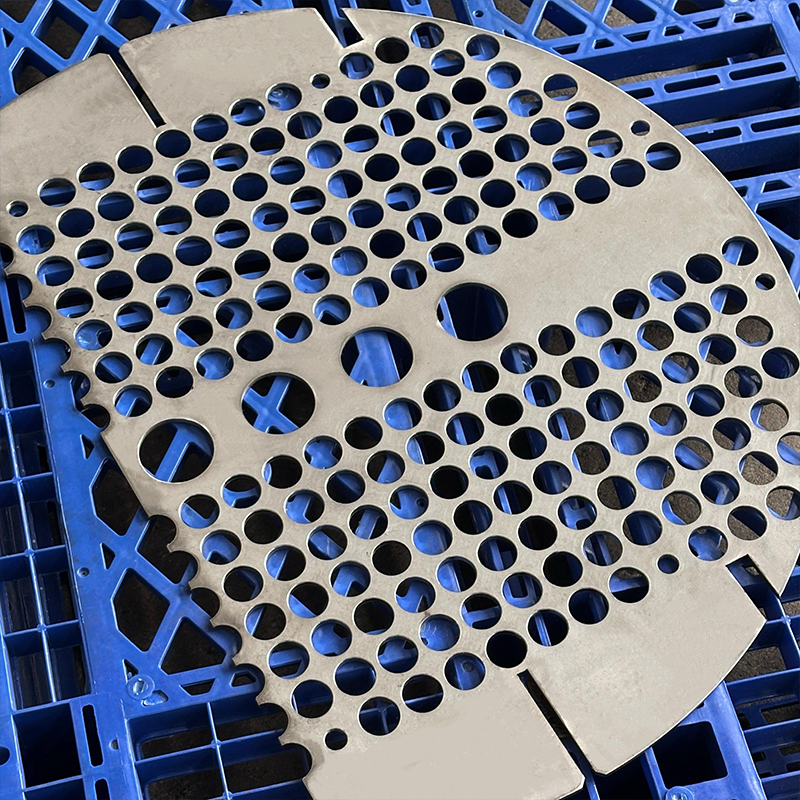
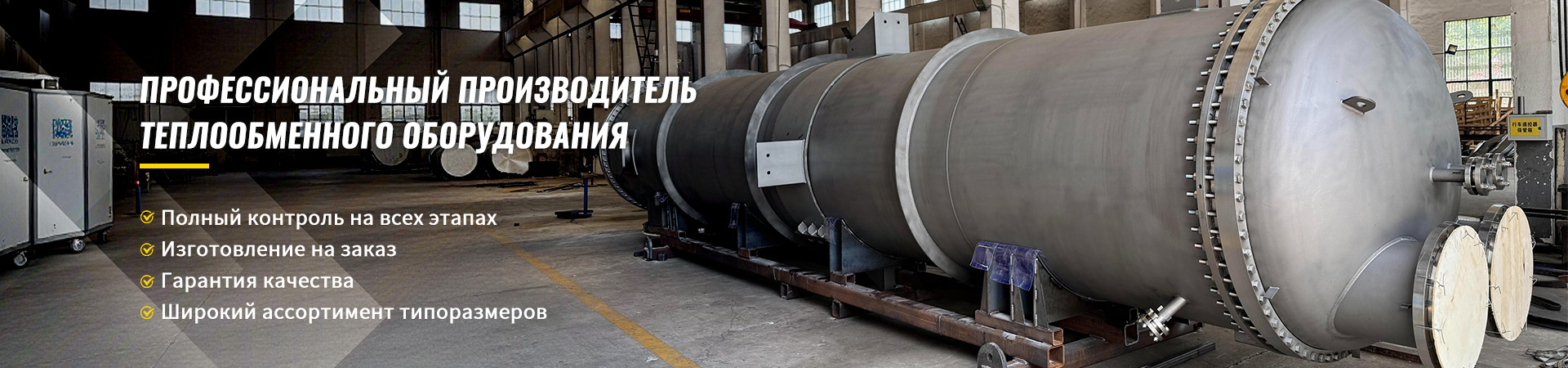
Here it is worth noting the importance of choosing high-quality heat exchange equipment that works in tandem with piping systems. For example, a companyWuxi Kaisheng Electric Power and Petrochemical Equipment Co., Ltd.specializes in the development and production of highly efficient heat exchangers capable of operating in aggressive environments. Their products, including titanium shell-and-tube heat exchangers and devices made from N06625 or C46400 marine brass alloys, are certified to ASME and PED standards. Such equipment exhibits exceptional corrosion resistance and the ability to withstand high pressures and temperatures, which is critical for integration with modern polymer systems in the petroleum refining, chemical and energy industries. The reliability of the entire system often depends precisely on the compatibility and quality of key components such as heat exchangers and connecting fittings.
The quality of water also affects the condition of the inner surface of the pipes. Although PEX does not scale as much as metal pipes, very hard water can cause calcium and magnesium salts to build up on the walls, especially in high temperature areas. This reduces the throughput of the system and increases hydraulic resistance. Regular flushing of the system and installation of coarse filters at the inlet help maintain the cleanliness of the internal circuit. We recommend carrying out preventive flushing once every 3-5 years, using special compounds that are safe for polymer materials.
When choosing chemicals for cleaning or disinfecting the system, you must carefully study the manufacturer's instructions. Some harsh chemicals used to remove rust in older systems can damage the PEX structure or O-rings in the fittings. Before using any chemical, make sure it is compatible with polyethylene and EPDM rubber or silicone, which are commonly used as sealants. It is safest to use neutral detergents or specialized preparations recommended by pipe manufacturers.
| Comparison parameter | PEX-a pipes (Peroxide cross-linked) | PEX-b pipes (Silane cross-linked) | PEX-c pipes (Radiation cross-linked) |
|---|---|---|---|
| Crosslinking degree | High (up to 85%), uniform throughout the entire volume | Medium (about 65%), uneven (higher near the surface) | High (about 70%), depends on the source power |
| Elasticity and shape memory | Excellent. Easily restores its shape after being creased when heated. | Good, but lower than PEX-a. Creases are difficult to fix. | Average. Less flexible, require careful installation. |
| Heat shrink resistance | Minimal. Stable at high temperatures. | Prone to shrinkage when overheated (>90°C). | Stable, but can become brittle under extreme conditions. |
| Recommended care | Standard. Most tolerant of installation errors. | Requires strict control of temperature and bending radius. | Requires shock protection and precise calibration. |
| Cost | Highest | Average, optimal price/quality ratio | Depends on production technology, often average |
Seasonal maintenance and winterization
Preparing the system for the winter is a critical maintenance step, especially for seasonal properties or unheated premises. The main danger in winter is freezing of water inside the pipes. Although PEX is more flexible than metal and can withstand slight expansion of ice without breaking, repeated freeze-thaw cycles quickly degrade the material and connections. Ice acts like a wedge, expanding microcracks and pushing O-rings out of fittings.
If the building will not be heated in winter, the system must be completely preserved. This involves draining water from all circuits, including the boiler, radiators and boilers. Blowing the system with compressed air at a pressure of 2-4 bar will help remove residual water from low points and bends where liquid can stagnate. We recommend using a compressor with a pressure regulator to avoid damaging the pipes with excess pressure. Particular attention should be paid to siphons and water seals, which must also be drained.
In cases where complete drainage is not possible (for example, in fire extinguishing systems or complex process circuits), the use of antifreeze is allowed. However, extreme caution must be exercised here: not all types of antifreeze liquids are compatible with cross-linked polyethylene and rubber seals. Alcohol based formulations (ethylene glycol or propylene glycol based) are generally safe, but saline solutions or formulations with harsh additives may cause seal swelling or corrosion of metal parts. Always check the fluid safety data sheet and pipe manufacturer's recommendations before pouring.
In the spring, before starting the system, it is necessary to conduct a visual inspection of all accessible sections of the pipeline for damage received over the winter. Check the system pressure and make sure there are no leaks. A sudden release of cold water into a hot system (or vice versa) can cause thermal shock, so filling should be done smoothly, gradually increasing the temperature and pressure. We recommend opening valves and vents slowly to avoid water hammer, which can dislodge loose fittings.
Fault diagnosis and repair methods
Despite the high reliability, during operation situations may arise that require intervention. The most common signal of a problem is a drop in pressure in a closed heating system. If the pressure gauge shows a decrease in level without visible leaks, this may indicate microdamage in hidden areas or a malfunction of the expansion tank. To diagnose hidden leaks in walls or floors, you can use a thermal imager: the location of the warm water leak will stand out as a brighter spot against the background of the rest of the structure. This method allows you to localize the problem without destroying the finish.
If you notice mechanical damage to the pipe (cut, puncture, crease), do not panic. Cross-linked polyethylene technology allows for high-quality repairs without replacing the entire section. For pipes up to 32 mm in diameter, the most effective method is to use press fittings or push-in sleeves. The damaged area is cut out, the edges of the pipe are calibrated, and a repair coupling is installed. It is important to use a tool from the same system as the main fittings in the house to ensure compatibility of sizes and crimp forces.
If a leak is found at the fitting junction, most often the cause lies in a loose clamp or a displaced O-ring. In some cases, it is enough to tighten the threaded connection (if a compression fitting is used), but this number will not work with press fittings - they will have to be changed. We recommend that you always have several repair couplings and O-rings of the appropriate diameter in stock. This will allow you to eliminate the accident on your own in 15-20 minutes, without waiting for a specialist to arrive.
In the event of severe damage, such as a pipe burst due to freezing, the entire affected area must be replaced. Bonding or using conventional clamps on PEX is not acceptable as these methods do not provide a seal under high pressure and temperature. Only certified fittings designed specifically for cross-linked polyethylene can guarantee the durability of the repair. After eliminating the malfunction, be sure to pressure test the system with high pressure (1.5 times higher than the working pressure) for 30 minutes to ensure the reliability of the connection.
Frequently Asked Questions
Is it possible to freeze cross-linked polyethylene pipes?
Technically, PEX pipes can withstand a single freezing of the water inside them due to their elasticity, but we strongly do not recommend relying on this property. Repeated freezing cycles lead to material fatigue and structural failure, and are almost guaranteed to damage fittings and seals. The consequences of such a “strength test” may not appear immediately, but after a few months in the form of a sudden leak. The best advice for caring for XLPE pipes in the winter is to never allow the water to freeze.
How often should O-rings in fittings be replaced?
With proper installation and normal operation, O-rings (usually made of EPDM or silicone) last as long as the pipe itself - up to 50 years. However, if the system has been subjected to overheating (above 95°C) or exposure to aggressive chemicals, the life of the rubber may be reduced. In our practice, we have not encountered cases of planned replacement of rings in working systems. They need to be changed only when a leak is detected at the connection point or when dismantling the fitting for reuse (which is not allowed for all types of connections).
Is chlorinated water harmful to PEX pipes?
Modern cross-linked polyethylene pipes are produced with the addition of antioxidants, which effectively protect the material from the effects of chlorine used to disinfect drinking water. Certified pipes (according to NSF/ANSI 61 or GOST standards) are completely safe for transporting chlorinated water. Problems can only arise when using uncertified products of dubious origin or when the concentration of chlorine is many times higher than sanitary standards. For peace of mind, you can install a carbon filter at the water supply to your home, which will improve the taste of the water and reduce the load on your plumbing.
What to do if the pipe turns yellow or changes color?
A change in the color of the pipe (yellowing, the appearance of whitish spots) most often indicates exposure to ultraviolet radiation or oxidation of the material. If the pipe is laid openly and is exposed to the sun, a change in color is a sign of incipient degradation. In this case, it is urgent to protect the pipe with insulating material or replace the section if signs of fragility appear. If the pipe is hidden in the wall or floor and has changed color, this may be due to a reaction with the concrete screed or glue. In this case, if there is no external damage or leaks, replacement is not required, but it is worth analyzing the operating conditions.
Selection of quality components and standards
The durability of the system depends not only on the pipe itself, but also on the quality of the accompanying materials. When purchasing PEX pipes, pay attention to the labeling: the product must clearly display the manufacturer's name, standard (for example, DIN 16892, ASTM F876 or GOST R 52134), production date and pressure/temperature parameters. Lack of markings or blurred font is a sure sign of counterfeit products. We recommend purchasing pipes and fittings from the same brand to eliminate problems with dimensional tolerances and material compatibility.
Certification plays an important role when choosing a supplier. The presence of ISO 9001 certificates confirms that the manufacturer complies with international quality standards for production management. For the Russian and EAEU markets, a certificate of compliance with the technical regulations of the Customs Union (TR CU) is mandatory. Products bearing the EAC mark have passed the necessary tests and are approved for use. Ignoring these requirements and purchasing cheap analogues without documents often leads to the system breaking down long before the end of the warranty period.
Pay attention to the presence of an oxygen barrier. For heating systems, the use of pipes without a layer of EVOH or aluminum is unacceptable, since the penetration of oxygen into the coolant causes corrosion of the metal elements of the boiler and radiators. For cold water supply, this parameter is less critical, but pipes with a barrier are still preferable due to increased rigidity and protection from external influences. The difference in price between conventional and barrier pipes is small, but the gain in system reliability is significant.
Expert opinion and recommendations
Caring for cross-linked polyethylene pipes does not require complex manipulations, but requires careful attention to detail and adherence to basic operating rules. The main secret to the long service life of PEX systems is UV protection, pressure and temperature control, as well as high-quality installation using original fittings. Don’t skimp on the little things: the cost of repairing a hidden leak is tens of times higher than the cost of good insulation or proper fasteners. In our company, we have seen many examples where following simple recommendations allowed systems to work flawlessly for more than 20 years.
Remember that prevention is always cheaper than repairs. Regularly inspect open sections of the pipeline, check pressure gauges and promptly respond to any changes in the operation of the system. If you have doubts about the correct installation or condition of the pipes, it is better to contact professionals for an audit rather than wait for an accident. Investments in quality service pay off with peace of mind and the absence of unexpected expenses.
For advice on the selection of pipes, fittings or installation services, you cancontact us today. Our specialists will help you develop the optimal maintenance plan for your engineering system and select reliable components that meet all modern safety standards. We also recommend that you check out ourcatalog of cross-linked polyethylene pipes, where proven solutions for any problem are presented.