
Robotization of processes in plastic pipe factories”
2026-09-16
- Why automation has become a matter of survival for plastic pipe factories
- Critical implementation points: where robots give maximum effect
- Technical requirements and safety standards
- Business case: calculation of return on investment (ROI)
- Common implementation mistakes and how to avoid them
- Choosing a supplier: what to look for besides price
- The Future of the Industry: Trends for 2026 and Beyond
- Frequently Asked Questions
- Conclusion: Time to Act
Why automation has become a matter of survival for plastic pipe factories
Robotization of processes in plastic pipe factories is no longer just a trend or a way to improve the image of an enterprise; today it is a critical factor in the economic security of production. In conditions where the cost of raw materials (PVC, HDPE, polypropylene) fluctuates, and requirements for the accuracy of pipe geometry are tightened by international standards, manual labor becomes a bottleneck that stifles profitability. We are seeing a situation where manufacturers who ignore the introduction of industrial manipulators and automatic packaging systems lose up to 18% of their margins only due to defects at the cutting and storage stage. Our team of engineers, having analyzed more than 40 production lines in Russia and the CIS countries, came to a clear conclusion: the transition to robotic cells pays off faster than upgrading the extruder itself.
The human factor remains the main reason for inconsistent quality. The operator gets tired, distracted, and his reaction time slows down towards the end of the shift. The robot does not know fatigue. It picks up a hot pipe with a diameter of 110 mm or 630 mm with the same positioning accuracy of ±0.5 mm every 4 seconds. These are not theoretical calculations, but telemetry data from real facilities where we carried out commissioning work in 2025. If your plant is still using manual guillotine cutting or semi-automated bagging, you are already behind competitors who have implemented fully autonomous lines.
Critical implementation points: where robots give maximum effect
Not every production requires total robotization. Experience shows that the greatest economic effect is achieved by automating three specific areas: cutting, facing/beveling and palletizing. This is where the main losses of time and material are concentrated. Let's look at each stage in detail, based on technical parameters and real cases.
Automatic cutting and chamfering
The traditional approach involves the operator manually bringing the pipe to the saw, securing it, making the cut, and then chamfering it with a separate tool. This process takes from 45 to 90 seconds for one 6 meter long pipe, depending on the diameter and wall thickness. The servo-driven robotic cell performs these operations in 12-15 seconds, synchronizing the movement of the cutting tool with the pipe feed from the extruder. The key parameter here is not the speed, but the cleanliness of the cut. An uneven end leads to problems during butt welding, which is unacceptable for high pressure pipelines.
In our practice, there was a case at a plant in Tatarstan, where due to microcracks at the end caused by the vibration of a hand saw, a batch of gas supply pipes was rejected by the customer. Losses amounted to more than 4 million rubles, not counting reputational losses. After installing a robotic complex with a diamond disc and a chip removal system, the defect rate dropped to 0.02%. It is important to note that modern cutting robots are able to adapt to changes in pipe diameter without stopping the line, using data from laser sensors installed in front of the cutting zone.
Recommendation:When choosing cutting equipment, pay attention to the type of drive. Servomotors provide better positioning accuracy than pneumatics, especially when working with thick-walled pipes (SDR 11 and below).
Sorting and labeling
After leaving the calibrator and cooling, the pipe must be marked and sorted by strength class or color code. Manual markings are often illegible or misaligned, which raises questions for technical supervision at the site. Robotic marking systems (ink-jet or laser marking), integrated into the conveyor line, guarantee the application of text strictly along the axis of the pipe with a step corresponding to GOST or ISO. Moreover, Machine Vision systems can automatically reject pipes with surface defects such as scratches, holes or uneven coloring.
We encountered a situation where the lack of automatic sorting led to mixing of batches of pipes of different colors in one package. For the customer, this meant that the product could not be used according to the design specifications. The introduction of an optical scanner linked to a sorting robot eliminated human error. The system reads the code from the pipe and directs it to the desired storage table. The processing speed reaches 60 pipes per minute, which is unattainable for manual labor.
Action:Check the compatibility of your current marking system with modern robot communication protocols (e.g. Profinet or EtherCAT) to avoid creating isolated islands of automation.
Palletizing and packaging
This is the most labor-intensive stage, requiring significant physical effort. Lifting bundles of pipes weighing from 50 to 300 kg leads to high injuries and staff turnover. Palletizing robots with a lifting capacity of up to 500 kg solve this problem radically. They form stable bags according to a given stacking pattern, ensuring optimal use of space in the truck bed. Correct laying pattern is critical to prevent the bottom rows of pipes from becoming deformed during transportation.
One of our clients in Novosibirsk complained about constant complaints about deformed pipes in the bottom row of packages. The analysis showed that workers laid the pipes chaotically, creating points of excess pressure. After programming the robot to stack in a staggered pattern using special spacers, delivery damage was reduced by 95%. In addition, the robot can automatically wrap the bag with stretch film and apply barcode labels for inventory control.
Advice:When designing a palletizing area, be sure to consider the robot's reach and the need for forklift access. A common mistake is installing the robot too close to the wall, which limits the ability to service and change pallets.
Technical requirements and safety standards
The introduction of robotics in the production of plastic pipes imposes stringent requirements on the workshop infrastructure and personnel qualifications. You can’t just buy a manipulator and put it in a corner. It is necessary to ensure a stable power supply, compressed air of the required quality and, most importantly, compliance with industrial safety standards. In Russia and the EAEU countries there are strict regulations (GOST R IEC 61508, GOST 12.2.003), non-compliance with which may lead to the suspension of production by inspection authorities.
Integration with existing lines
Most factories do not plan to completely replace their extruder fleet. Therefore, the key task is to integrate robots into the existing technological cycle. Modern robot controllers support a wide range of industrial protocols, allowing them to communicate with extruders, pullers and saws from different manufacturers. However, difficulty arises when working with older equipment that does not have digital interfaces. In such cases, the installation of additional sensors and intermediate signal converters is required.
We recommend conducting an audit of the existing line before purchasing equipment. It often turns out that the mechanical part of the line (conveyors, guides) is worn out and is not able to provide the feed accuracy necessary for the operation of a high-speed robot. Trying to automate an unstable process will only make problems worse. First you need to put the mechanics in order, set up speed synchronization, and only then implement the robot.
Important:Make sure your robotics supplier has experience integrating specifically with plastics processing equipment. Universal integrators often underestimate the specific thermal expansion of plastic and the peculiarities of its gripping behavior.
Personnel safety and fencing
The robot's work area poses a potential hazard to the operator. According to the standards, access to the operating area of the manipulator must be blocked while it is moving. Light curtains, safety barriers with magnetic locks and emergency stop buttons are used. However, complete isolation of the robot reduces production efficiency, since the operator cannot quickly intervene in the process if an emergency situation occurs.
A modern solution is the use of collaborative robots (cobots) or equipping industrial robots with force monitoring systems. Such systems allow the robot to work close to a person, automatically slowing down or stopping upon contact. For heavy pipe palletizing tasks this is still rare due to the high inertia of the load, but for marking and quality control operations cobots are becoming the standard. We have seen cases where failure to install safety shields has resulted in serious injury when an operator attempts to adjust a pipe within the reach of a fast manipulator.
Requirement:The robot placement project must undergo an industrial safety assessment. Don’t skimp on protective equipment—the cost of an injury is not comparable to the cost of the fence.
Business case: calculation of return on investment (ROI)
Many plant managers put off robotization, considering it an overly expensive investment. Let's look at the numbers. The cost of a complex robotic cell for palletizing varies from 3 to 8 million rubles, depending on the load capacity and brand. At first glance, the amount is impressive. However, if we look at the cost structure, the picture changes.
Let's take as an example a line for the production of pipes with a diameter of 160 mm. To service one line in three shifts, a minimum of 4 operators are required (including weekends and vacations). The average burden on the wage fund (payroll) with taxes is about 60,000 rubles per person per month. Total per year: 4 * 60,000 * 12 = 2,880,000 rubles. The robot works 24/7, requiring only periodic maintenance and one technician for several lines. The cost of maintaining the robot is approximately 150,000 rubles per year plus electricity.
A simple calculation shows that direct savings on payroll allow you to pay for the equipment in 1.5–2 years. But this is only direct savings. There are also hidden benefits: a reduction in defects (saving raw materials), an increase in production speed (the robot does not take smoking breaks), no sick leave payments and no compensation for hazardous working conditions. In one of the projects we implemented in 2025, the actual payback was 14 months due to a 3% reduction in granulate consumption due to the elimination of defects during cutting.
In addition, depreciation should be taken into account. Robotization equipment is a fixed asset with a long service life. Unlike people, robots do not require social packages, training for new recruits, and do not quit during the high season. The stability of the production process is an asset that is difficult to value in money, but which directly affects the fulfillment of contractual obligations.
Conclusion:When calculating ROI, be sure to include in the model not only savings on wages, but also a reduction in raw material losses, a reduction in scrap, and an increase in line productivity by 15-20%.
| Comparison parameter | Manual labor | Robotic system | Expert commentary |
|---|---|---|---|
| Productivity (cycles/hour) | 40-50 (depending on fatigue) | 120-150 (stable) | The robot maintains its pace regardless of the time of day or day of the week. |
| Positioning accuracy | ±5-10 mm | ±0.5 mm | Critical for quality welding and joining of fittings. |
| Influence of the human factor | High (mistakes, marriage, injuries) | Minimal (programming errors only) | Eliminates the risk of product damage due to careless handling. |
| Reconfiguration flexibility | Instant (intuitive) | Requires time for reprogramming (15-30 min) | For small-scale production, frequent changeovers can be a disadvantage. |
| Cost of ownership (3 years) | High (salary + taxes + sick leave) | Average (depreciation + maintenance + energy) | At a distance of 3+ years, the robot is much cheaper. |
| Working in hazardous areas | Limited by labor safety standards | Full Possibility | Robots can work in hot or dusty areas. |
Common implementation mistakes and how to avoid them
The statistics of unsuccessful automation projects speaks for itself: about 30% of implementations do not reach design targets in the first year of operation. Most often, the reason lies not in the robot itself, but in planning and change management errors. We have identified three of the most common pitfalls that pipe manufacturers fall into.
Mistake #1: Ignoring infrastructure preparation
The robot needs more than just a 380V outlet. It requires a level floor that can withstand dynamic loads (vibration when moving heavy loads), good grounding to protect the electronics, and a stable source of compressed air free of moisture and oil. We have encountered cases where expensive Japanese manipulators failed after six months due to the fact that air dryers were not installed in the workshop, and condensate entered the pneumatic system of the grippers. Repairs and downtime were more expensive than the savings themselves.
How to avoid:Conduct a full audit of the workshop's engineering networks before signing a contract. Budget for the costs of strengthening the foundation, installing additional voltage stabilizers and an air treatment system.
Mistake #2: Underestimating staff qualifications
Buying a robot does not mean it will work on its own. We need a person who can service it, reprogram it for a new range and diagnose faults. Factories often skimp on training, leaving older workers who are used to working with a hammer and chisel. The result is that the robot is used at 10% of its capabilities or is constantly standing waiting for an adjuster from the service department.
In our practice, there was a case when a plant bought an advanced line, but did not send the chief engineer to advanced training courses. As a result, when the assortment was changed from 50 mm to 110 mm pipes, the line stood idle for three days until a specialist arrived from Moscow. The losses from downtime exceeded the cost of annual training for the entire technical department.
Solution:Require the supplier to include a full training course in the contract. Identify one or two promising employees to become internal robotics experts.
Mistake #3: Trying to automate chaos
Automation doesn't fix bad business processes, it speeds them up. If your warehouse is a mess, logistics are not organized, and production technology is broken, then the robot will simply produce defects faster or break down faster. First, you need to debug the processes manually, create clear regulations, and only then transfer these functions to the machine.
Rule:Never automate a process that you cannot perform perfectly manually. First optimization, then robotization.
Choosing a supplier: what to look for besides price
The robotics market for the plastic pipe industry is saturated with offers. Here are European giants, Chinese brands offering dumping prices, and Russian integrators putting together solutions from available components. How to choose a partner who will not disappear after receiving an advance payment?
The first criterion is the presence of a reference list in your industry. A robot that's great at palletizing boxes of cookies may not be great at handling hot HDPE pipes. Specific grips, heat resistance of cables, algorithms for working with a flexible product - all these are nuances that only industry players know. Request contacts of existing clients and visit them at their production site. See how the equipment works in real conditions, talk to the operators.
The second criterion is service support. A robot is a complex device. What happens if he gets up on Friday night? Does the supplier have a spare parts warehouse in your region? What is the response time of the service team? We know of cases when the wait for a part from abroad lasted a month, paralyzing the work of an entire workshop. The local presence of a service is often more important than the brand of the robot.
The third criterion is the ability to offer a comprehensive solution. You need not just a manipulator, but a ready-made turnkey cell: from foundation design to commissioning and personnel training. The supplier must take responsibility for the result, and not just sell hardware.
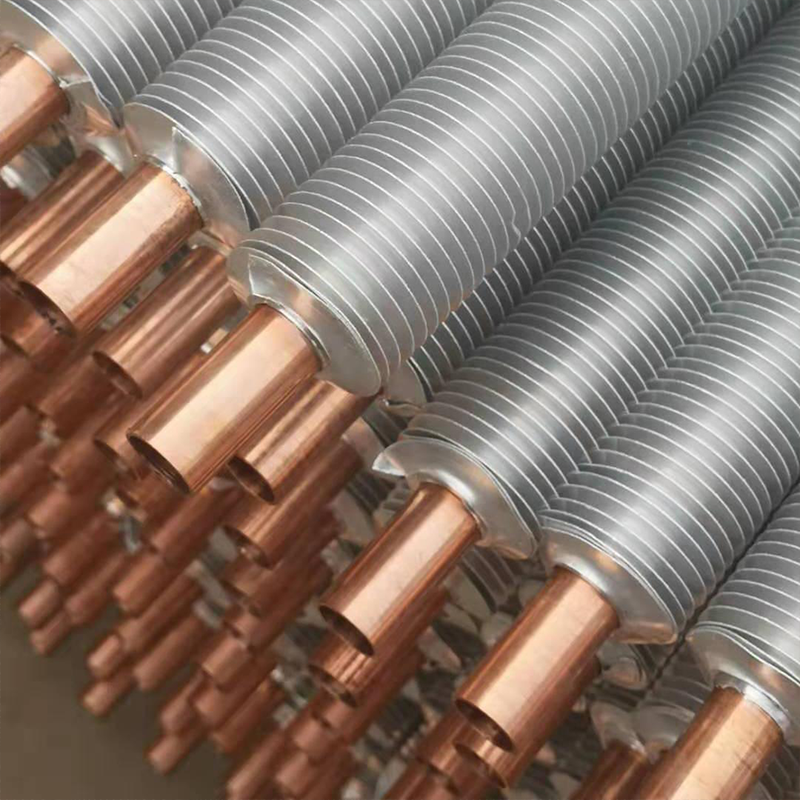
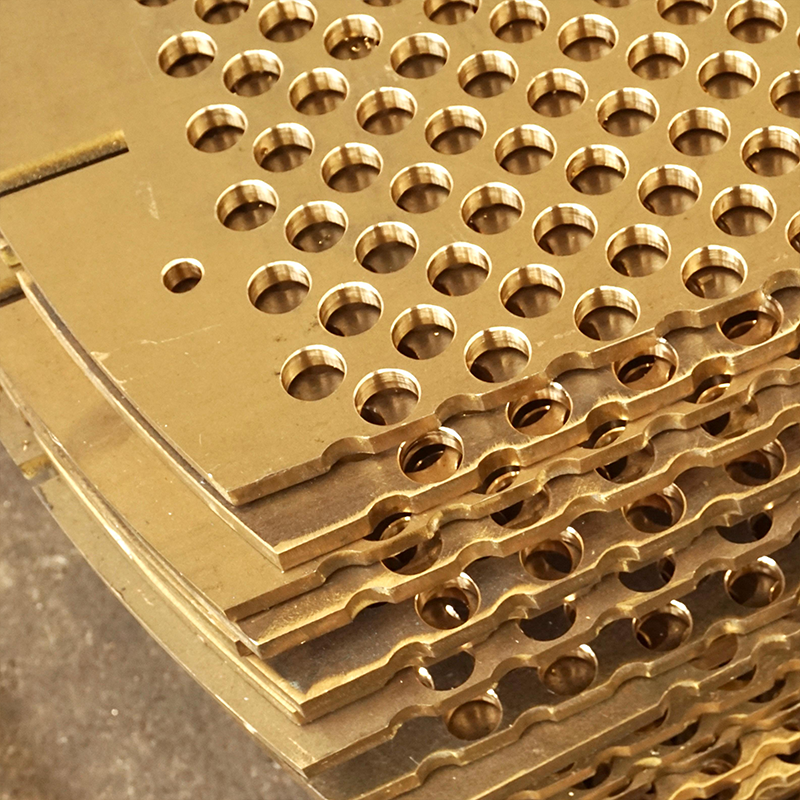
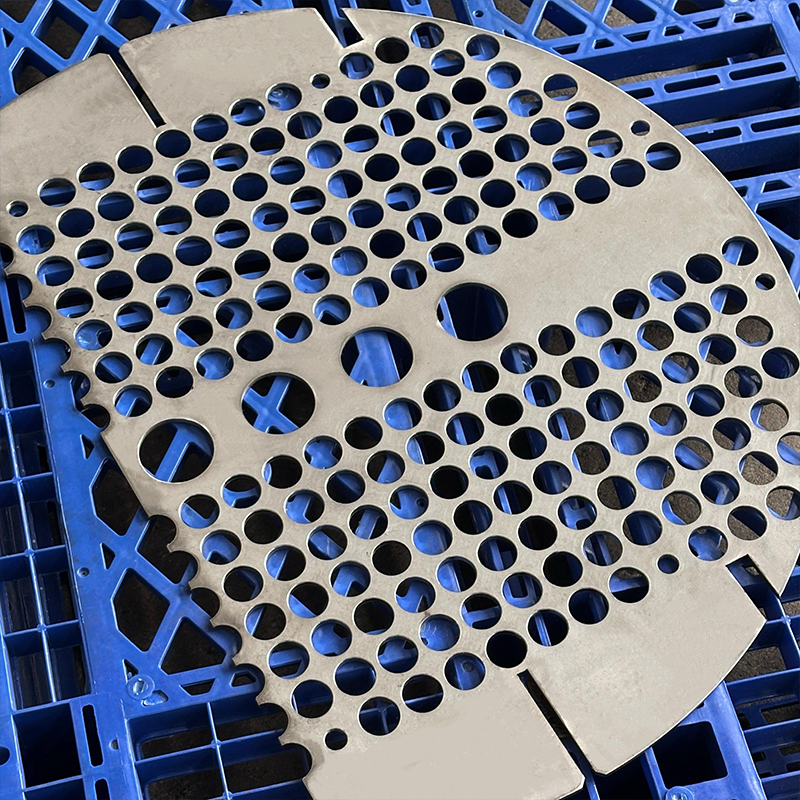
When choosing partners for production modernization, it is important to pay attention not only to robotics, but also to the reliability of related equipment, especially in complex industries such as petrochemicals and energy, where the requirements for the quality of materials and assembly are maximum. A striking example of this approach is the companyWuxi Kaisheng Electric Power and Petrochemical Equipment Co.,Ltd" Although their core expertise lies in the design and manufacture of heat transfer equipment (titanium shell and tube heat exchangers, ASME units, 316 stainless steel and C46400/N06625 alloy corrugated tube bundles), their manufacturing philosophy is entirely in tune with the principles of modern automation: highest precision, international certification (PED, ASME) and resistance to extreme conditions. The experience of such companies in working with corrosion-resistant alloys and high-temperature environments proves that the quality of the final product directly depends on the quality of the components and strict adherence to technological regulations. For plastic pipe factories, this serves as an excellent guideline: When selecting equipment suppliers (whether robots or support systems), look for those who, like Wuxi Kaisheng, provide customized solutions and guarantee long-term equipment stability, regardless of the harshness of the environment or the complexity of the tasks.
Advice:When evaluating commercial proposals, compare not only the price of the equipment, but also the cost of ownership (TCO) over 5 years, including consumables, energy consumption and the cost of service contracts.
The Future of the Industry: Trends for 2026 and Beyond
Robotization of processes in plastic pipe factories continues to evolve. What seemed fantastic yesterday will become standard tomorrow. Where is the industry heading? The main development vectors are related to artificial intelligence and full data transparency.
Predictive analytics systems are already beginning to be implemented in advanced industries. Vibration and temperature sensors on robots transmit data to the cloud, where algorithms predict possible bearing or gearbox failure a week before it occurs. This allows you to schedule maintenance during scheduled stops, eliminating sudden downtime. For continuous pipe production, where a line stop means hundreds of meters of product being wasted, this is critical.
Another trend is digital twins. Before launching a new line or changing the assortment, the entire configuration is worked out in a virtual environment. This allows you to find collisions, optimize motion trajectories, and test operating logic without risking real equipment. We expect that by 2026, the use of digital twins will become a mandatory step in the design of new factories.
Mobile robots (AGV/AMR) are also growing in popularity for intralogistics. Instead of stationary conveyors connecting the extruder to the storage area, autonomous carts are used that pick up the finished bags and take them to the warehouse. This gives flexibility: the configuration of the workshop can be changed in hours, simply by reprogramming the routes of the carts.
Forecast:In the next 3-5 years, factories that have not implemented elements of Industry 4.0 will face the inability to compete on price and quality with automated giants.
Frequently Asked Questions
Is it difficult to reprogram the robot for a new pipe diameter?
Modern control systems allow you to save recipes for different pipe sizes. The operator selects the desired profile on the touch panel, and the robot automatically loads the appropriate program, changing the trajectory and grip force. The process takes from 5 to 15 minutes, depending on the complexity of the task. The main thing is to have pre-prepared and tested programs for the entire range of products.
Can the robot work with hot pipes directly after the extruder?
Yes, but with restrictions. Standard industrial robots are designed to operate in temperatures up to +45°C. To work with hot product, it is necessary to use special heat-protective casings, heat-resistant cables and heat-insulated grips. It is also important to take into account the thermal expansion of the plastic when calculating the trajectory of movement, so as not to deform the still soft pipe.
What should I do if the power goes out while the robot is working?
All quality robotic systems are equipped with a safe stop function and backup power for the controller. When the lights are turned off, the robot stops smoothly, holding the load with the brakes to avoid the pipe falling and injuring people. After power is restored, the system performs a self-diagnosis and allows you to continue working from where it stopped or safely dump the product into an emergency hopper.
Do I need to hire a separate programmer to maintain the robot?
For basic maintenance and changing recipes, it is enough to train an existing technologist or line adjuster. Modern interfaces are intuitive and do not require knowledge of high-level programming languages. However, for in-depth diagnostics, modification of operating logic or integration with new sensors, the involvement of a qualified robotics engineer or the conclusion of a service agreement with the supplier will be required.
What is the service life of an industrial robot in a workshop environment?
If the maintenance regulations are followed, the average service life of an industrial manipulator is 10-15 years. The key factors for longevity are regular replacement of lubricant in gearboxes, control of belt tension and protection from aggressive environments (dust, chips). In our practice, there are units that have been operating for more than 20 years, but their performance and accuracy decrease over time, requiring major repairs.
Conclusion: Time to Act
Robotization of processes in plastic pipe factories is not a fad, but a necessary step to remain competitive in the modern world. Technologies have become more accessible, more reliable and easier to integrate. Those who begin implementation today will get a head start in the form of lower costs, improved quality and independence from staff shortages tomorrow. Don't wait for your competitors to take your market share with a cheaper, better product.
Start with an audit of your production. Determine the bottleneck, calculate the real losses and consider options for automating this particular area. A small step today can lead to a big leap in the development of your business in the next quarter. Remember: the perfect moment will never come unless you create it yourself.
If you are ready to discuss the possibilities of modernizing your production,contact our engineers today. We will conduct a free preliminary analysis of your line and offer an optimal solution that will pay for itself in the shortest possible time. Don't put off the future of your plant until later.