
Technical data sheets for cross-linked polyethylene pipes”
2026-09-11
- What is a technical passport for cross-linked polyethylene pipes and why is it the main document for acceptance?
- Structure and mandatory sections of the technical passport according to GOST and ISO
- Differences between a quality passport and a certificate of conformity
- How to check the authenticity of a technical passport: algorithm of actions
- Typical design errors and their consequences for the customer
- The impact of the absence of a passport on the guarantee and risk insurance
- Digitalization of passports: trends for 2025-2026
- Practical recommendations for storing and transmitting documentation
- An integrated approach to quality: from polymer pipes to industrial heat exchange equipment
What is a technical passport for cross-linked polyethylene pipes and why is it the main document for acceptance?
Technical passports for pipes made of cross-linked polyethylene are not just formal papers, but legally significant documents confirming the compliance of products with the declared characteristics and safety standards. Without this document, a batch of pipes cannot be accepted at a construction site in the EAEU countries, since it is the passport that serves as proof of passing factory tests. In our practice, we have encountered situations where the lack of a correct passport led to a stop in the installation of heated floors for two weeks until the supplier provided duplicates with Quality Control Department stamps. This document records critical parameters: degree of crosslinking (PEX-a, PEX-b, PEX-c), operating pressure, temperature conditions and production date. If you are purchasing material for a commercial facility or heating system for an apartment building, the requirement to provide original passports for each batch must be stated in the supply contract as a mandatory condition.
Structure and mandatory sections of the technical passport according to GOST and ISO
The document has a strictly regulated structure, deviation from which makes it invalid for supervisory authorities. The first section always contains the manufacturer's identification data: full legal name, factory address and certificate of conformity number. The brand of raw materials is also indicated here, which is critical for authentication. We often see unscrupulous suppliers using generic data sheets that do not indicate a specific extrusion line or shift number. This is a gross violation: this technical passport is tied to a specific production batch (batch number). If the document contains the general phrase “batch number all” or there is no date of issue, such a document is not valid in court proceedings in the event of a pipeline rupture.
The second key block is devoted to physical and mechanical properties. The degree of cross-linking of the polymer should be clearly stated here. For the PEX-a method (peroxide cross-linking) this figure is usually 70-85%, for PEX-b (silanol) - 60-70%, and for PEX-c (radiation) - about 60%. Numbers are not pulled out of thin air; they are the result of laboratory tests on each batch. In our quality control department, we require that the data sheet also indicate the percentage of antioxidants and UV stabilizers. These additives determine the service life of the pipe, which is declared as 50 years. The absence of data on the chemical composition in the passport is a red flag indicating the possible use of secondary raw materials, which is strictly prohibited for drinking water supply systems.
The third section contains the results of hydraulic tests. The manufacturer must certify that the pipe has withstood the test pressure at 95°C for a specified time (usually 1000 hours for accelerated tests or estimates for longer periods). The passport contains a table of the dependence of the permissible operating pressure on the coolant temperature. For example, a 20mm diameter pipe can hold 10 bar at 20°C, but only 6 bar at 70°C. Ignoring this table by installers often leads to accidents during peak winter periods. We strongly recommend that you check the actual operating conditions of your facility with the data provided in this section of the passport, and not in the advertising booklet.
The document ends with a section marked by the technical control department (QCD). This should include the signature of the responsible person, a transcript of the signature and the date of issue. In modern factories, this block is often supplemented with a QR code leading to the enterprise’s digital database. Scanning such a code allows you to instantly check whether the passport has been falsified. During an audit of one of our projects in Siberia, we discovered counterfeit seals on batches of pipes of unknown origin. Only the presence of a unique serial number in the passport and the ability to verify it through the plant’s website helped us prove to the counterparty the non-conformity of the products. Always require that the quality control seal be “live” or have a high degree of copy protection.
Key parameters that should be reflected in the document
- Marking of raw materials:Indication of a specific brand of polyethylene (for example, Borealis, LG Chem, Sabic). The use of unnamed raw materials reduces the reliability of the system by 40%.
- Geometric Tolerances:Exact values of outer diameter and wall thickness indicating maximum deviations in accordance with GOST or ISO. Deviation greater than 0.2 mm can lead to problems when installing fittings.
- Oxygen tightness:For heating systems, the oxygen diffusion parameter is critical (no more than 0.1 g/m³·day). If the data sheet does not mention an EVOH protective layer, such pipes cannot be used in closed systems with metal boilers.
- Storage and transportation conditions:Recommendations for protection from ultraviolet radiation and mechanical damage. Violation of these conditions before installation will void the warranty, even if you have a perfect passport.
Differences between a quality passport and a certificate of conformity
A common mistake buyers make is confusing the concepts of a technical passport and a certificate of conformity. These are two different documents with different legal functions. The Certificate of Conformity (or Declaration of Conformity TR CU 006/2011) confirms thattypeproducts are generally safe and comply with the technical regulations of the Customs Union. It is issued for mass production for a period of 1-5 years. The technical passport accompanies the specificpartygoods. The certificate indicates that the plantmaybeproduce high-quality pipes, and the passport confirms thatthis particular bay, which is now in your warehouse, actually came out of the assembly line of this plant and passed the test.
Imagine the situation: the supplier has a valid certificate, but there are no quality certificates for the batch of pipes. Formally, the product is certified, but you do not know its real characteristics. Perhaps the extrusion technology in this batch was violated, and the degree of cross-linking is below normal. The certificate will not show this, since it is based on type tests on a one-year-old sample. Only the quality certificate issued upon the release of the batch is responsible for the current condition of the product. In our work, we never accept goods only with a certificate. The absence of a passport for a consignment is regarded by us as the delivery of incomplete products, which gives the right to refuse acceptance without penalties on the part of the buyer.
Another important nuance is the validity period. The certificate has clear start and end dates. The technical passport does not have an expiration date as a document, but it is tied to the service life of the product. However, the information in it is relevant only for the batch that was produced on the specified date. If you store the pipes for 5 years, the passport is still valid, but you must make sure that the storage conditions correspond to those specified in the passport itself. During tender procurement, government customers often require both documents at the same time: a copy of the certificate for admission to bidding and original quality passports before signing the acceptance certificate. Ignoring this requirement will result in disqualification of the supplier or return of the goods.
How to check the authenticity of a technical passport: algorithm of actions
The building materials market is saturated with counterfeit products, and documents are counterfeited as often as the products themselves. To secure your project, you need to implement a passport verification procedure. The first step is visual analysis. Pay attention to the quality of printing, the presence of watermarks and the accuracy of wording. Manufacturing plants use standard forms that rarely change. If you see a passport printed on a regular printer with obvious spelling errors or a non-standard font, this is a cause for concern. In our practice, there was a case when the supplier provided a passport where the pressure value was indicated in non-existent units of measurement, which immediately revealed falsification.
The second step is cross-validation of the data. Take a sample of pipe from the supplied batch and compare the markings on the pipe itself with the data in the passport. The batch number, production date, extrusion time and line number must match letter by letter. Often, scammers use copies of real passports from other parties, simply changing the date. But the markings on the pipe remain the same. Such a discrepancy is one hundred percent proof of deception. We recommend taking a photograph of the marking on the end of the coil and comparing it with a scan of the passport in the presence of a representative of the supplier. If the numbers do not match, the goods cannot be accepted.
The third and most reliable step is to request confirmation directly from the manufacturer. Large manufacturers have customer service departments that promptly respond to requests for authenticity of documents. It is enough to send a scan of the passport and the batch number to the official email of the plant. The answer will come within 24-48 hours. It takes time, but saves you from millions of losses. One of our clients, engaged in the construction of a cottage community, would have lost the budget for remaking the entire heating system if he had not checked the passports for the “premium” brand pipes, which turned out to be a cheap analogue with fake documents. Don't be lazy about making that call or writing that letter; This is a sign of the professionalism of the buyer.
Checklist for quickly checking a document
- Does the name of the manufacturer in the header of the passport coincide with the name on the packaging and marking of the pipe?
- Is there a unique Batch No that can be found on the bay label?
- Are specific test numbers indicated rather than just dashes or the words “pass”? (For example, a specific elongation at break value).
- Is there a signature of the chief engineer or head of the quality control department with an explanation of the last name?
- Does the date of issue of the passport coincide with the date of production of the batch? (The passport cannot be issued before the pipe is produced).
Typical design errors and their consequences for the customer
Even legal factories sometimes make errors in documentation, which can become a headache for the customer when handing over the facility to technical supervision. The most common mistake is the lack of translation or adaptation of the passport to the requirements of the import country. When importing pipes from China or Turkey to Russia and CIS countries, the technical passport must be in Russian or have a notarized translation. The original in English or Chinese is not accepted by Russian fire inspectors and building supervision services. We have seen projects where the heating system had already been installed, but the facility could not be put into operation for six months only because the Russian language was not in the passport. Retroactive transfers are possible, but this entails additional costs and delays.
Another common problem is inconsistency of standards. The passport may indicate characteristics according to the DIN (Germany) or ASTM (USA) standard, while the project requires compliance with GOST R or GOST ISO. Although physically the pipe may be the same, bureaucratically they are different products. If a GOST pipe is included in the project, and DIN is written in the passport, technical supervision has every right to prohibit installation. There is only one solution: demand from the supplier a passport, which clearly contains a link to the standard that is required in your design documentation. Universal passports “for all countries” often do not work in strictly regulated government procurement.
There is also an error in specifying the scope of application. Some factories, for the sake of universality, write in the passport “for water supply and heating”, without specifying the operating classes. For heating systems, operating classes (for example, Class 5 according to ISO 10508) are critical, which determine the temperature-time regime. If the operating class is not specified in the passport or the class for cold water is indicated, the use of such pipes in the hot water supply or heating system is a violation of safety rules. In the event of an accident, the insurance company will refuse to pay, citing the incorrect choice of material, confirmed by the passport itself. Always read the “Recommended Application” section carefully.
The impact of the absence of a passport on the guarantee and risk insurance
The absence of a technical passport for pipes made of cross-linked polyethylene actually means the absence of a guarantee. Any warranty case begins with an examination, the first question of which will be: “Where are the documents for this batch?” No passport means no proof that the pipe was new, of high quality and intended for the given operating conditions. Manufacturers explicitly state in their warranty cards that the warranty is valid only if there is a complete set of accompanying documentation. An attempt to make a claim based on marriage without a passport is doomed to failure. Legally, you cannot prove that the defect was not your fault, but due to a hidden manufacturing defect, if you do not have a document documenting the original condition of the product.
The situation is aggravated in case of insurance cases. If a pipe breaks and the premises are flooded, the insurance company conducts an investigation. If it turns out that the installed pipes did not have technical passports or they were lost, the insurer may classify this as a violation of operating rules or the use of uncertified equipment. This is a legal basis for denying insurance benefits. Losses will fall entirely on the shoulders of the building owner or general contractor. In our practice, there was a case when a large shopping center was refused payment in the amount of more than 5 million rubles precisely because of the loss of the archive of quality certificates for utility networks. The storage of these documents must be organized as carefully as the storage of the pipes themselves.
Moreover, the lack of passports creates risks in the future sale of real estate or modernization of systems. New owners or management companies will require executive documentation, including passports for all hidden communications. If the pipework is immured in a screed and there are no documents for it, this sharply reduces the liquidity of the object and raises suspicions about the quality of the hidden work. A professional approach involves creating an archive of copies of passports for each object, which is transferred to the customer along with the keys. It's not just pieces of paper, it's an asset that protects your investment for 50 years.
Digitalization of passports: trends for 2025-2026
The industry is moving towards complete transparency of supply chains, and paper technical data sheets are gradually giving way to digital twins. In 2025-2026, mass implementation of traceability systems based on blockchain and RFID tags for cross-linked polyethylene pipe products is expected. Leading European and Russian factories are already testing a technology in which each meter of pipe has a unique digital identifier. By scanning the QR code on the bay, the engineer gets access not just to a static PDF file, but to a dynamic registry entry containing the entire life history of the product: from loading pellets into the extruder to shipping from the warehouse. This eliminates the possibility of passport falsification, since the record in the blockchain is immutable.
New standards require the integration of technical passport data into BIM models of buildings (Building Information Modeling). Architects and designers now include in the model not just the geometric dimensions of pipes, but links to their digital passports with current characteristics. This allows you to automatically calculate system load, predict service life and plan maintenance. If having a digital passport was a competitive advantage in 2024, by 2026 it will become a mandatory requirement for participation in large infrastructure tenders. Suppliers that cannot provide machine-readable data about their products will be left out of the market.
For the end user, this means simplified acceptance and maintenance procedures. No more storing mountains of paper that can get lost or damaged. All technical data sheets for cross-linked polyethylene pipes will be available in the cloud storage of the developer or management company using the link. However, despite digitalization, the principle remains the same: there must be a document, it must be reliable and it must correspond to a specific batch. Technology is changing the form of delivery, but does not eliminate the need for strict quality control. We recommend that you pay attention now to how technologically advanced your supplier is in matters of document flow, as this is an indicator of its reliability in the future.
Practical recommendations for storing and transmitting documentation
Organizing work with technical passports requires discipline even at the stage of goods receipt at the warehouse. Accept the rule: “No passport - no acceptance.” The driver who brought the pipes must hand over the packages with documents to the foreman or storekeeper at the time of unloading. Don't put off checking until later. Immediately after acceptance, scan all passports and save them in digital form with a clear file naming system (for example: “Object_Date_Diameter_Batch.pdf”). The originals should be filed in the executive documentation folder. In our company, we keep a log of incoming passports, where we record the number of bays and the correspondence of batch numbers. This simple procedure saves hundreds of hours when searching for the right document years later.
When transferring an object to the customer, create a separate volume of the “Certificate for Materials and Equipment”. Do not hide these documents in general archives. Make a table of contents indicating where the pipes will be laid and the corresponding lot numbers. This demonstrates a high level of professionalism and customer care. It is also useful to stick stickers on the manifold cabinets or inlet units with the numbers of the main batches of pipes used in the system and a link to the electronic archive of passports. This will help operating services quickly navigate in case of need to repair or replace sections of the pipeline.
Remember that technical data sheets for cross-linked polyethylene pipes are the foundation for the reliability of your engineering system. They link production, installation and operation together. Neglecting these documents for the sake of momentary savings of time or money is a game of Russian roulette with the risk of large-scale accidents and financial losses. Request complete sets of documents, check their accuracy and store them carefully. Only this approach guarantees that the system will last the stated 50 years without any complaints.
An integrated approach to quality: from polymer pipes to industrial heat exchange equipment
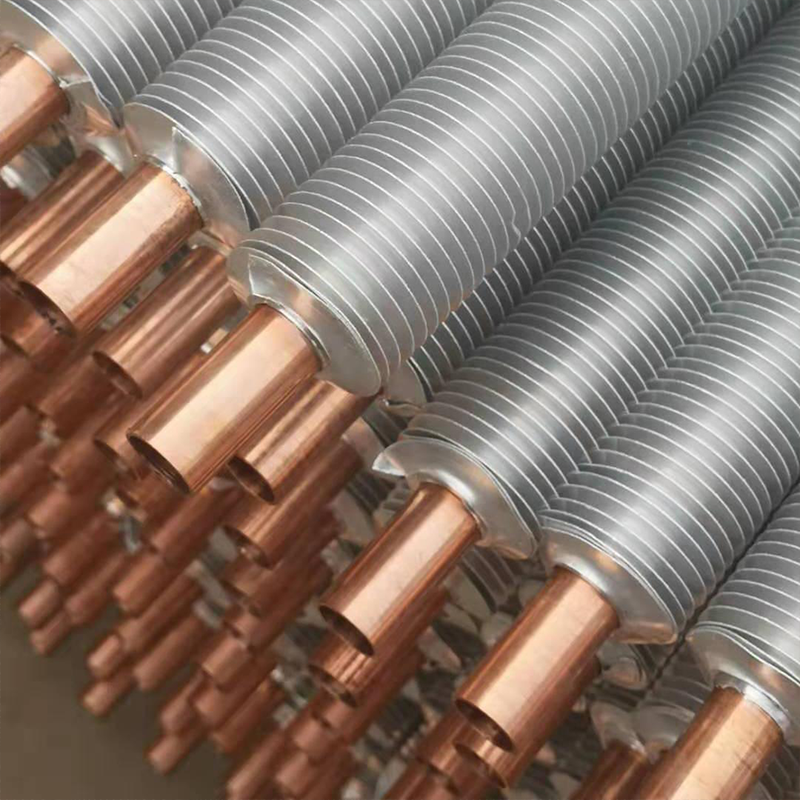
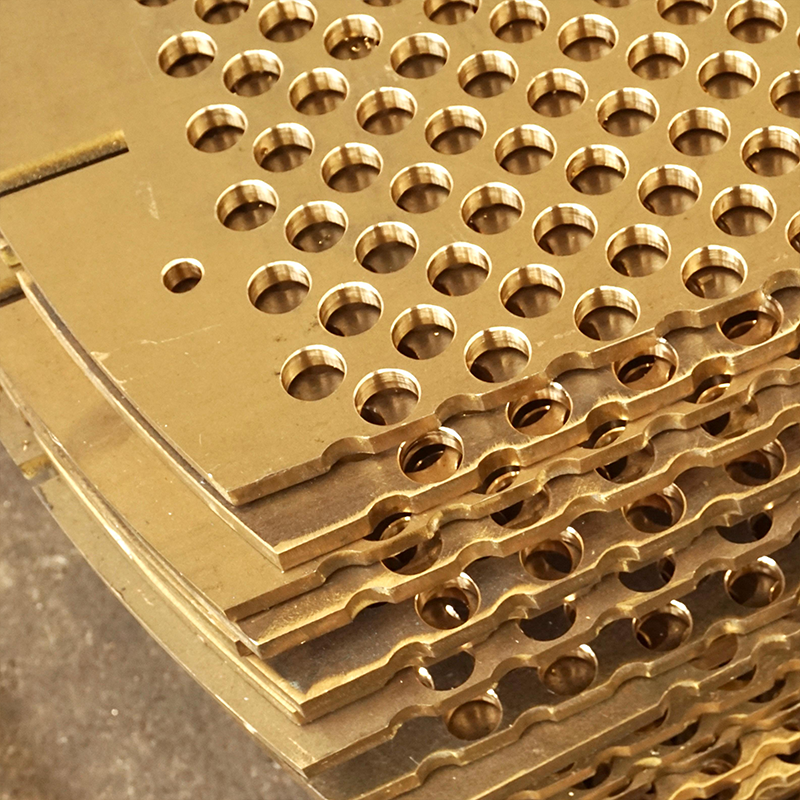
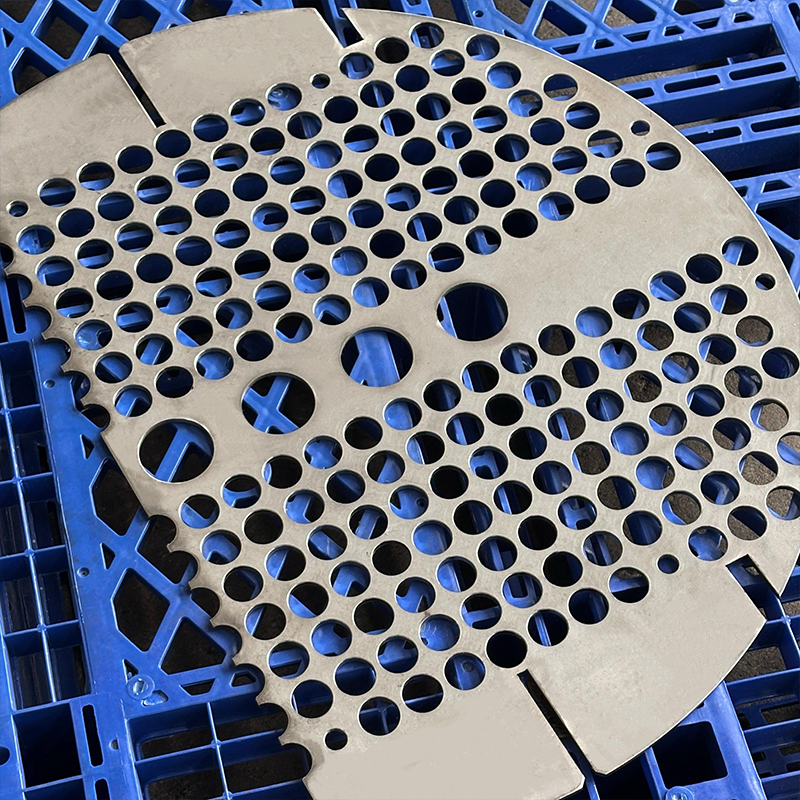
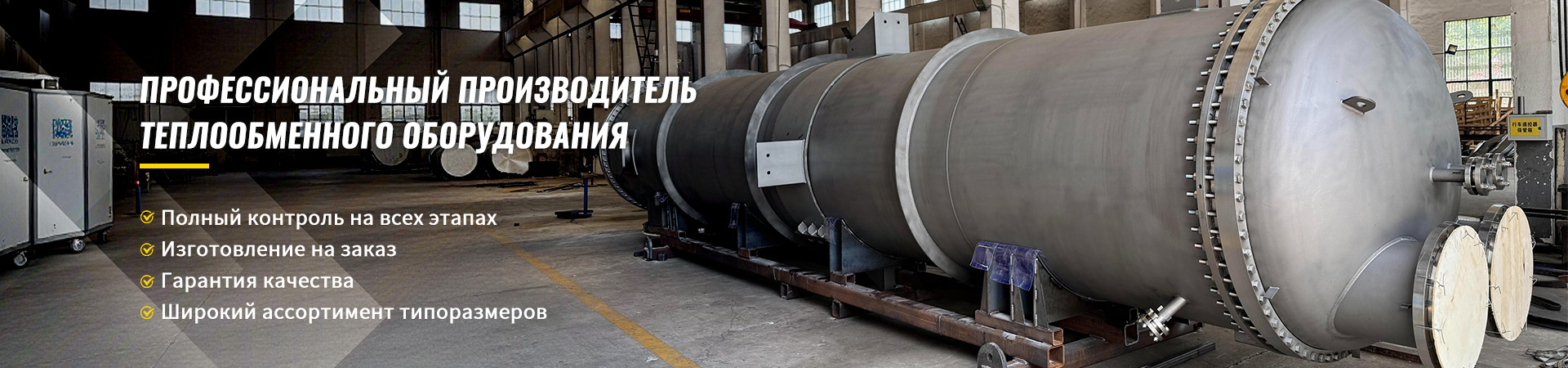
The high standards of documentary support and quality control, mentioned above, are an integral part of the work of any serious player in the engineering systems market. The principle of transparency and compliance with international standards applies not only to household pipes, but also to complex industrial equipment. A striking example of this approach is the companyWuxi Kaisheng Electric Power and Petrochemical Equipment Co., Ltd.. Specializing in the design and manufacture of high-tech solutions, the company provides a full cycle of products: from titanium shell-and-tube heat exchangers and ASME high-pressure units to corrugated tube bundles made of 316 stainless steel, C46400 marine brass and N06625 nickel alloys.
Just as PEX pipe is certified to withstand certain loads, Wuxi Kaisheng products are fully certified to PED and ASME standards, ensuring corrosion resistance and performance in the extreme conditions of oil refining, chemical processing and shipbuilding. Whether it’s a simple pipe for underfloor heating or a complex waste heat boiler for a refinery, the underlying rule remains the same: reliability is proven by documents. The company provides customized solutions for customers around the world, demonstrating that regardless of the scale of the project - be it a residential building or a petrochemical plant - the availability of legitimate technical data sheets and compliance with the declared characteristics remain the main guarantors of safety and durability.
If you are planning to purchase a large batch of pipes and want to make sure that the documentation is clean, our team is ready to conduct an independent audit of the accompanying documents and organize laboratory tests of samples. We work only with trusted factories that provide complete and legitimate technical passports for cross-linked polyethylene pipes that meet all the requirements of GOST and TR CU.Contact us todayto receive advice on the selection of certified products and place an order with a full package of closing documents.