
Pricing in the PE tank market”
2026-09-02
- Factors determining pricing in the PE tank market
- The influence of the type of raw materials and production technology on the final price
- Logistics, dimensions and hidden costs during procurement
- Certification, quality standards and guarantees
- Specifics of pricing for various industries
- How to avoid mistakes when calculating the budget for the purchase of containers
- Market forecasts and procurement strategy for 2025-2026
- Frequently Asked Questions
Factors determining pricing in the PE tank market
The cost of polyethylene containers is formed under the influence of stock exchange quotes for raw materials, the complexity of production equipment and certification requirements in a specific supply region. In our practice, we observe that the difference in price between two visually identical tanks can reach 35% if one of them is made from recycled granulate without UV stabilizers, and the other is made from virgin food grade polyethylene with additives for use at extreme temperatures. Pricing in the PE tank market is not a linear process where price depends only on volume; Here, logistics shoulders, the type of molding (rotational or welded) and the presence of additional structural elements such as reinforced necks or integrated pipes play a critical role. Buyers often make the mistake of comparing only the final figure in a commercial proposal, ignoring the service life of the product, which directly correlates with the quality of the original polymer.
The market for industrial tanks in 2025-2026 shows high volatility associated with changes in supply chains of petrochemical raw materials. If three years ago the main driver of cost was the volume of the order, today the key factor has become the technological complexity of the product and compliance with environmental standards EAC and GOST. We are recording an increase in demand for large containers with a volume of over 10,000 liters, the production of which requires unique molds and significant energy consumption at the sintering stage. This leads to the fact that the unit cost per liter of volume in large tanks decreases more slowly than in small series, contrary to classical economies of scale. Understanding these mechanics allows buyers to avoid overpaying for unnecessary features or, conversely, not risk the safety of the property by choosing the least expensive option.
The influence of the type of raw materials and production technology on the final price
The basis of the cost of any polyethylene product is the price of raw materials, which is tied to the world indices of ethylene and propylene. However, for the end buyer, the difference between the brands of polyethylene is more important: PE-HD (high-density polyethylene) and PE-LD (low-density polyethylene), as well as the presence of special modifiers. Tanks intended for storing aggressive chemicals or food products must be made exclusively from virgin raw materials with appropriate sanitary and hygienic certificates. The use of regranulate (recycled polyethylene) reduces the price of the product by 20-30%, but critically reduces its chemical resistance and resistance to stress cracking. In our engineering practice, we recorded a case where a client saved 15% on the purchase of a batch of containers for an acid neutralizer by choosing a supplier who used a mixture with recycled materials; after 8 months of operation, the housing cracked in the weld area, which led to an emergency discharge of reagents and a fine from environmental services, which exceeded the cost of savings tenfold.
Manufacturing technology dictates the second most important component of the price. Rotomolding allows you to create seamless products with complex geometries, which is ideal for vertical and horizontal tanks up to 50,000 liters. The cost of this capacity includes the depreciation of expensive aluminum molds, heating and cooling cycle times (which can be as long as 4-6 hours for large items), and post-processing labor. The welding technology used for polyethylene sheets is more often used for rectangular tanks and non-standard projects. Here the price is determined based on the shape of the welds and the complexity of cutting the sheet. It is important to note that automated extrusion welding provides a more stable joint quality than manual welding, but requires specialized equipment from the manufacturer, which is reflected in the price list. When choosing between rotary and welded tanks, you need to consider not only the initial price, but also the risk of leaks: monolithic rotary tanks have fewer potential points of failure.
Wall thickness is a parameter that buyers often try to optimize at the expense of reliability. Manufacturers provide a nominal thickness, but the actual value may vary depending on equipment setup. For tanks up to 1000 liters the standard thickness is 4-6 mm, while for tanks up to 10,000 liters it can reach 12-15 mm at the bottom to compensate for hydrostatic pressure. An increase in wall thickness by 1 mm leads to an increase in material consumption by 15-20% and an increase in production cycle time, which directly affects the price. Some unscrupulous manufacturers offer “lightweight” versions, where the wall thickness in the upper part is reduced to critical values. This creates the illusion of a good price per liter of volume, but makes the tank vulnerable to deformation during transportation or filling. We recommend that you always request a tensile and impact test report to ensure that the stated thickness corresponds to actual service loads.
Logistics, dimensions and hidden costs during procurement
Transport costs can account for up to 40% of the total project cost when ordering large tanks, especially when it comes to interregional or international deliveries. Polyethylene containers with a volume of more than 2000 liters often exceed the standard dimensions of freight transport, which requires the organization of oversized transportation using trawls and escort. The delivery price increases sharply if the object is located in a hard-to-reach area or requires special equipment for unloading (cranes, manipulators). One of our clients was faced with a situation where the cost of the tank itself was competitive, but the logistics budget was underestimated by 60% due to the need to dismantle the warehouse gate to bring the tank inside the premises. Such hidden costs must be calculated at the stage of forming the technical specifications. The optimal solution for remote sites is often modular design or ordering smaller tanks that can be assembled on site, although this may increase the overall cost of the system due to additional fittings and installation labor.
Packaging and protection of the cargo also affects the final invoice figure. Although polyethylene is highly resistant to mechanical damage, long-term transportation over rough terrain requires additional fixation and protection from ultraviolet radiation if transportation is carried out in open bodies. Lack of proper slinging can lead to the appearance of microcracks in stress zones even before use. Manufacturers who offer the lowest price often skimp on packaging by using plain belts instead of soft protectors, which increases the risk of complaints. In the 2026 market, where delivery times have become a critical factor, shipping speed also comes at a cost. Express production (reducing the cycle from 4 weeks to 10 days) is usually charged at a 25-30% markup due to the need to rearrange production lines and work overtime. Planning purchases in advance allows you to avoid these surcharges and choose the most economical logistics route.
Customs clearance and import certification add another layer of cost. To import industrial containers into the territory of the Eurasian Economic Union, a declaration of conformity with TR CU 007/2011 “On the safety of products intended for children and adolescents” (if the container is food-grade) or technical regulations for machinery and equipment is required. Obtaining an EAC certificate includes the cost of laboratory testing of samples, an inspector’s visit to production and registration of documents. These costs, although seemingly insignificant on a per-unit basis, can become significant when ordering small quantities or prototypes. In addition, currency fluctuations and changes in customs duties in 2025-2026 introduce an element of unpredictability into the project budget. Reliable suppliers include these risks in their long-term contracts, offering fixed prices in local currency or providing mechanisms for revising prices if the exchange rate changes by more than 5%.
Certification, quality standards and guarantees
The presence of valid certificates of conformity is a prerequisite for the legal operation of tanks in the industrial sector and directly affects pricing. Products bearing the EAC (Eurasian Conformity) or CE (European Market) mark undergo a rigorous testing procedure to confirm their safety and declared characteristics. The cost of certification is included in the price of the product, so tanks from “gray” manufacturers that do not have a full package of documents will always be cheaper. However, saving in this case carries high legal and technical risks. The lack of a certificate may be grounds for refusal to accept the object by supervisory authorities, stop production or cancel insurance in the event of an accident. In our consultation, we always emphasize: a price without a certificate is not a discount, but a lack of guarantee that the material corresponds to the declared properties.
The ISO 9001 standard, implemented at the manufacturing plant, indicates the presence of a well-functioning quality control system at all stages: from incoming control of raw materials to shipment of finished products. Enterprises certified to this standard maintain full traceability of every batch of pellets and every tank produced. This allows, if a defect is detected, to quickly determine the cause and prevent the release of a defective series. Maintaining a quality management system requires constant audits and document flow, which increases the operating costs of the plant, but for the buyer it is insurance against receiving substandard goods. When comparing commercial offers, you should pay attention not just to the presence of the ISO logo on the website, but to the relevance of the certificate and the scope of its validity, whether it applies specifically to the production of rotary or welded containers.
Warranty conditions are also part of the pricing policy. The standard warranty for polyethylene tanks ranges from 1 to 5 years, depending on the type of load and operating conditions. An extended warranty or provision of repair and maintenance services throughout the product's life cycle increases the initial cost but reduces the total cost of ownership (TCO). Some manufacturers offer replacement of failed equipment within 24-48 hours, which is critical for continuous production processes. This service requires the creation of a safety stock of finished products in the warehouse, which binds the manufacturer’s working capital and is reflected in the price. Rejecting an extended warranty in favor of a minimum price is only justified for temporary structures or low-risk projects where equipment downtime will not lead to catastrophic losses.
| Comparison parameter | Budget segment (Economy) | Premium segment (Professional) | Influence on purchase decision |
|---|---|---|---|
| Raw materials | Mixture of primary and secondary granulate (up to 30% regranulate) | 100% virgin polyethylene PE-HD with UV stabilizers | Determines service life: 3-5 years versus 15-20 years |
| Wall thickness | Minimum permissible according to GOST, local thinning is possible | Increased thickness with a safety margin of 20-30% | Risk of deformation due to full filling and thermal expansion |
| Certification | No or only refusal letter | Full package: EAC Certificate, Test reports, Quality certificate | Possibility of passing inspections by Rostechnadzor and environmental services |
| Warranty | 6-12 months, only for sealing seams | Up to 5 years, including resistance to UV and chemical corrosion | Financial protection against premature failure |
| Pipe design | Bonded or simple threaded connections | Integrated molded reinforced flanges | Reliable pipeline connections, no leaks under pressure |
Specifics of pricing for various industries
In the agricultural sector, the priority is the price-volume ratio. Farmers require large containers to store irrigation water or liquid fertilizers, where the cost per liter of capacity becomes a key factor. Here it is permissible to use black containers (soot stabilizer) without additional food approvals, which reduces the price. However, even in this segment there are nuances: tanks for storing pesticides must have increased chemical resistance to aggressive environments, which requires the use of special grades of polyethylene. We worked with an agricultural holding that was trying to use conventional water tanks to store concentrated herbicides; after two seasons, the material became brittle and began to crumble in the sun due to lack of proper chemical compatibility, which led to soil contamination and crop loss over an area of 50 hectares.
The food industry places the most stringent requirements on materials, which significantly increases the cost of products. Tanks for storing drinking water, milk, wine or food additives must be made of polyethylene that has a sanitary and epidemiological certificate and does not release harmful substances into the product. Often such containers are made in white or blue for visual control of cleanliness and have a smooth inner surface that prevents the growth of bacteria. The presence of a conical bottom for complete drainage of the product and the possibility of installing agitators also increase the cost. In this segment, the price is based not on the volume of plastic, but on the level of hygienic safety and ease of cleaning (CIP washing). Saving on a food certificate is unacceptable here, as it threatens a recall of the entire batch of products and reputational losses for the brand.
The chemical and oil and gas industries require tanks that can withstand the storage of aggressive media (acids, alkalis, solvents) at elevated temperatures and pressures. Pricing here depends on the results of chemical tests on the compatibility of a particular reagent with the brand of polyethylene. Often a multi-layer construction or additional housing protection is required. For such tasks, containers with a reinforced frame or double walls (tank-in-tank system) are used to prevent spills in the event of an accident. The cost of such products can be 3-4 times higher than the price of a water tank of similar volume. An error in the selection of material for a chemical tank is fraught with instant destruction of the body and environmental disaster, so in this case the price is a secondary factor compared to proven reliability and the availability of chemical resistance certificates.
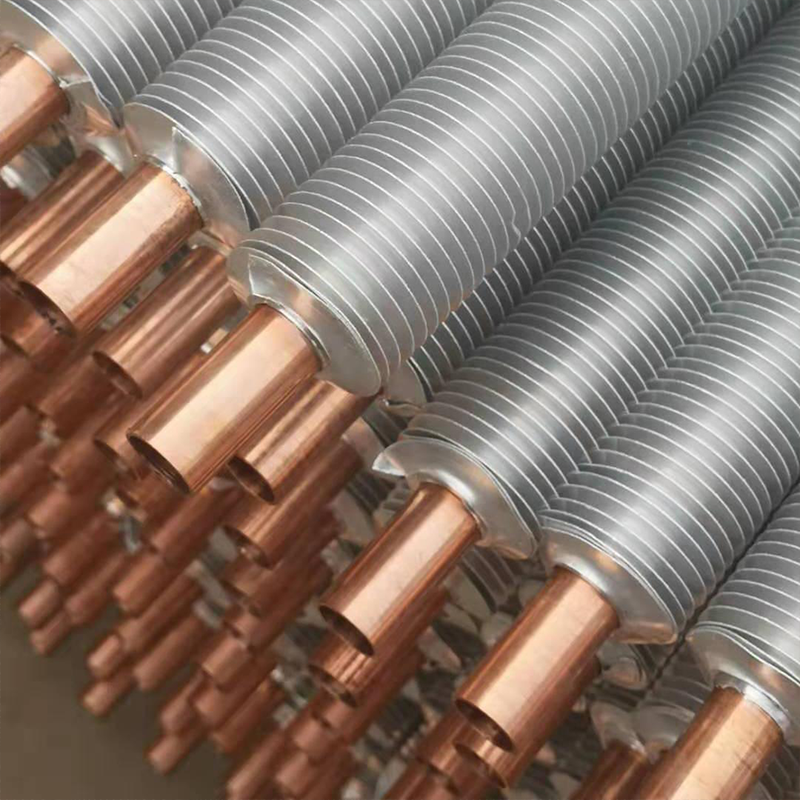
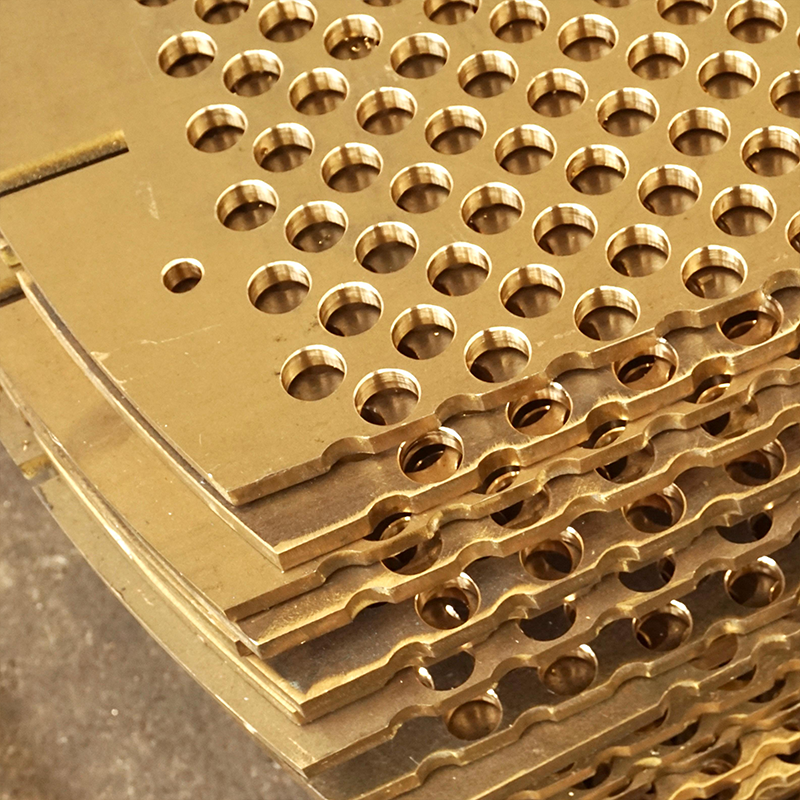
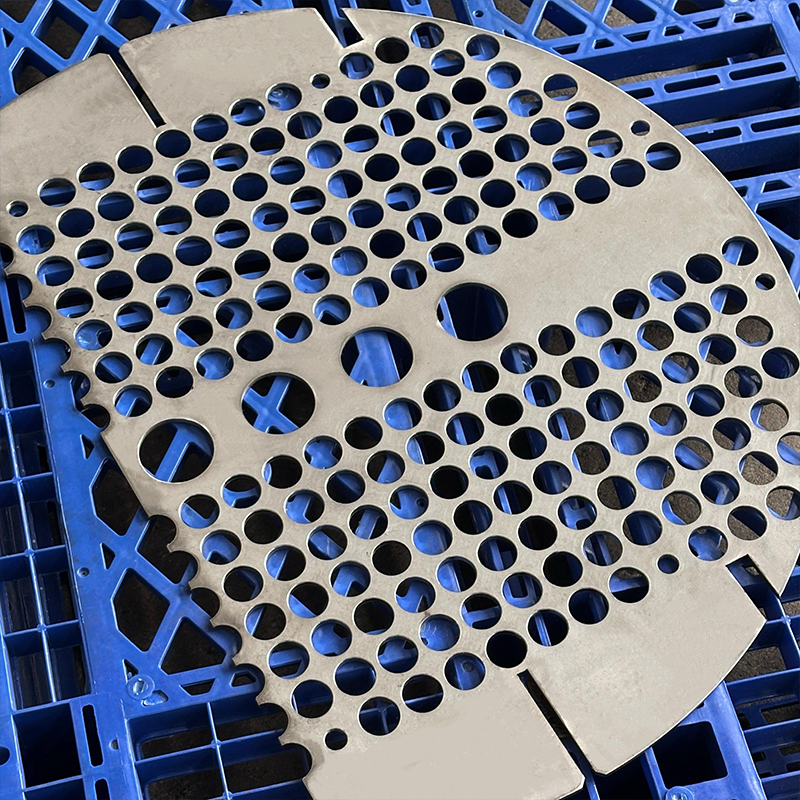
It is in such high-tech and critical sectors as oil refining and petrochemicals that choosing a partner with a deep understanding of equipment requirements is critical.Wuxi Kaisheng Electric Power and Petrochemical Equipment Co., Ltd.specializes in the design and manufacture of complex engineered solutions, including heat transfer equipment and components for the energy and petrochemical sectors. While the company's primary focus is on titanium shell-and-tube heat exchangers, ASME high-pressure systems, 316 stainless steel corrugated tube bundles and N06625 alloys, our expertise in corrosion-resistant materials and PED/ASME standards allows us to offer a comprehensive approach to industrial equipment. Our products, including air coolers, waste heat boilers and special alloy tubesheets, are widely used in seawater desalination, shipbuilding and chemical industries. Understanding the specifics of working with aggressive environments and extreme pressures, we provide our customers not just with equipment, but with stable, customized solutions that guarantee the safety and efficiency of production processes around the world.
How to avoid mistakes when calculating the budget for the purchase of containers
The first and most common mistake is focusing solely on the price per unit of volume without taking into account the total cost of ownership. A cheap tank may require replacement after 3 years, while a quality one will last 15 years. When calculating the budget, it is necessary to include the cost of delivery, unloading, installation of piping and possible modernization of the site. We recommend using the TCO (Total Cost of Ownership) formula, which sums up all costs over the life cycle of a product. It often turns out that an investment in a more expensive but durable product pays off already in the second year of operation due to the lack of repairs and downtime.
The second mistake is an incorrect assessment of operating conditions. Buyers often indicate only the volume and storage environment, forgetting about temperature conditions, exposure to ultraviolet radiation, wind loads and the possibility of mechanical shock. For example, installing a tank in an open area in the northern region requires taking into account the frost resistance of the material at -40°C and below, which affects the choice of polyethylene grade and wall thickness. Ignoring these factors leads to the fact that the purchased tank cannot cope with the load. Before requesting a quote, prepare a detailed technical questionnaire, indicating the maximum and minimum fluid temperatures, fluid density, frequency of fill-drain cycles and foundation features.
The third mistake is working with unverified suppliers who cannot provide a reference list or product samples. It’s easy to find a company with attractive prices on the Internet, but behind the facade of the site there may be a reseller or garage production without quality control. Always request photos of finished products from production, videos of the shipping process, or contacts of existing customers in your region. A personal visit to the factory or ordering a trial batch before entering into a large contract is a reasonable precaution. Trust must be confirmed by facts, not by fancy words in a catalogue.
Market forecasts and procurement strategy for 2025-2026
Analysis of market trends shows that in the next two years the price of polymer raw materials will remain volatile due to geopolitical factors and changes in logistics routes for oil and gas supplies. Tank manufacturers are forced to build the risk of rising prices into their long-term contracts or switch to variable pricing. This means that long-term price fixing becomes a less affordable service. Buyers are recommended to enter into framework agreements with the possibility of revising the cost quarterly, linking it to official polymer exchange indices. This approach protects both parties from sudden market fluctuations.
The trend towards import substitution in a number of CIS countries is stimulating the development of local production of large-sized containers that were previously purchased in Europe. This creates healthy competition among local factories and gradually equalizes prices, making them more transparent. However, the shortage of qualified personnel and modern equipment still constrains the growth of supply in the high price segment. Companies that invest in new rotational molding lines and welding automation will be able to offer better value for money. For buyers, this is a signal: it is worth considering partnerships with factories that have development and modernization programs, as they will be more sustainable in the long term.
Digitalization of tank ordering and condition monitoring processes is also beginning to impact costs. The emergence of “smart” containers with sensors for level, temperature and body integrity adds to the price of the product the cost of electronic equipment and software. Although this is currently a niche offering, in the future this option will become the standard for critical production. When planning the budget for 2026, it is advisable to provide for the possibility of integrating such systems so as not to change the fleet of tanks in a couple of years. Investing in modern liquid storage technology today is an investment in business efficiency and safety tomorrow.
Frequently Asked Questions
What is the service life of a polyethylene tank if used correctly?
When using primary raw materials with UV stabilizers and observing temperature conditions, the service life of a high-quality rotary tank is 15-20 years. For welded structures, this figure may be slightly lower (10-15 years) due to the presence of welds, which are areas of potential stress. Critical factors are protection from direct sunlight (unless the material is stabilized) and overload. In our practice, there were cases when tanks served for more than 25 years in enclosed spaces, and cases of destruction within 2 years in the open sun without protection.
Is it possible to store hot water in a regular polyethylene tank?
Standard high-density polyethylene (PE-HD) begins to soften at temperatures above 60-70°C. To store hot water (up to 80-90°C), it is necessary to use special heat-resistant modifications of polyethylene or tanks with a metal frame that compensates for the decrease in the strength of the material when heated. Using a conventional hot water tank will lead to irreversible deformation (“bubbling”) of the walls and loss of geometric shape. Always check the maximum operating temperature with the manufacturer before purchasing.
What is the difference between food grade and technical polyethylene?
The difference lies in the purity of the raw materials and the presence of harmful impurities. Food-grade polyethylene is produced from primary granulate of the highest category and does not contain heavy metals, phthalates and other toxins, the migration of which into the product is prohibited by sanitary standards. Technical polyethylene can contain up to 30% of secondary raw materials (regranulate) obtained from recycled cans, pipes and films, the composition of which is unknown. Storing food products in technical containers is strictly prohibited due to the risk of chemical contamination.
How to correctly calculate the required tank volume?
It is necessary to take into account the daily fluid intake, the frequency of replenishment and the required emergency reserve. The formula is simple: (Daily consumption × Number of days of autonomy) + 15% reserve for unforeseen circumstances. It is also important to remember that the working volume of the tank is always 10-15% less than the geometric volume due to the need to leave an air cushion on top to compensate for the thermal expansion of the liquid and prevent overflow. Do not order the tank “back to back” in volume.
Is it possible to manufacture a tank of a non-standard shape?
Yes, it is possible, but this affects the price and timing. Rotational molding requires the production of a new mold, the cost of which can range from 1000 to 5000 euros depending on the complexity, which is only economically justified when ordering a batch of 10-20 pieces. For single specimens of non-standard shape, welded technology made from sheet polyethylene is preferable, which makes it possible to implement almost any geometry without the cost of expensive equipment, although it is inferior in tightness to monolithic products.
Understanding the pricing mechanisms in the PE tank market allows you to make informed decisions, balancing budget and reliability. You should not chase the lowest price when it comes to storing valuable or dangerous substances; An investment in a quality product pays off with peace of mind and the absence of problems in the future. We are ready to help you choose the optimal solution based on the actual parameters of your facility and many years of experience working with industrial tanks.
If you are planning to purchase tanks and want to receive an accurate cost estimate taking into account all the nuances of delivery and installation,contact us today. Our engineers will conduct a free audit of your needs and offer options that will ensure maximum return on your investment. For a detailed catalog with technical specifications and certificates, follow the linkcatalog of polyethylene tanks.