
FAQ for ordering polypropylene tanks”
2026-08-24
Frequently asked questions about ordering polypropylene tanks
Ordering polypropylene tanks is not just a purchase of a container, but an engineering solution that requires accurate calculation of chemical resistance, temperature conditions and mechanical loads. In our practice, we see that 80% of operational problems arise due to errors at the design stage, and not due to the quality of the material itself. If you need to get an answer quickly: the standard production time for a batch is from 14 to 21 working days, the minimum order quantity starts from 1 piece for standard models, and the critical parameter is the density of polypropylene (at least 0.9 g/cm³) and the presence of an EAC certificate for work in the customs union. Below we will analyze each aspect in detail, based on real experience in the production and installation of hundreds of pieces of equipment.
What type of polypropylene should I choose for aggressive environments?
The choice between homopolymer (PP-H) and copolymer (PP-B or PP-R) determines the lifespan of your tank in a particular chemical environment. Homopolymer has maximum chemical resistance to acids and alkalis, but becomes brittle at temperatures below +5°C, while copolymer can withstand shock loads at subzero temperatures, but has slightly less resistance to oxidizing agents. We recommend using PP-H for storing sulfuric acid with a concentration of up to 70% at temperatures up to +60°C, and PP-B for aqueous solutions and food liquids, where temperature changes are possible in unheated warehouses. An error in choosing the type of polymer can lead to cracking of the wall after just 6 months of use, especially if the liquid contains surfactants.
In one of our projects, a client insisted on using cheap PP-R to store a chlorine solution, ignoring our recommendations for PP-H. The result was the appearance of microcracks in the weld area after 4 months, which led to leakage and shutdown of the production line. This incident cost the customer more than 2 million rubles in losses, not counting the cost of replacing the container. Always request a chemical resistance chart from the manufacturer and check it against your fluid data sheet before approving the drawing.
When ordering, be sure to indicate not only the name of the chemical, but also its concentration, storage temperature and the presence of suspended particles. Abrasive impurities require increasing the wall thickness by 20-30% or installing a protective screen made of the same material. The standard wall thickness for volumes up to 5 m³ is 8-10 mm, for volumes over 20 m³ - from 15 mm and above, depending on the height of the liquid column. Do not skimp on thickness: increasing the weight of the product by 15% extends its service life by 2-3 times.
Certification of the material plays a key role: the food industry requires a certificate of conformity with TR CU 005/2011, and for chemical production a safety data sheet and a chemical resistance test report are required. Make sure that the manufacturer provides original documents and not copies of questionable quality. Verifying the authenticity of a certificate takes 10 minutes on the Rosakkreditatsiya website, but saves you from serious problems during inspections by supervisory authorities.
Action: Request a chemical resistance table from your supplier specifically for your brand of polypropylene and compare it with the parameters of your working environment before signing the contract.
How to calculate the required wall thickness and bottom design?
The thickness of the tank wall is calculated not “by eye”, but using a formula that takes into account hydrostatic pressure, which increases linearly with depth. For cylindrical containers, the vertical walls experience maximum load in the lower third, so variable thickness is often used: the upper part can be 8 mm and the lower part 14 mm. Using the same thickness over the entire height for tall tanks (more than 2 meters) is a gross mistake, leading to excessive consumption of material or, conversely, to deformation of the body.
The bottom structure is the most vulnerable element. The flat bottom is only suitable for small volumes (up to 2 m³) and low fill levels. For industrial tanks, we use conical or funnel-shaped bottoms with an inclination angle of at least 15 degrees to completely drain the sediment. In our practice, there was a case when a flat bottom with a volume of 10 m³ bent under the weight of water after the first filling, because the manufacturer did not install additional stiffeners. Correcting this error required dismantling the entire assembly and strengthening the structure with a steel frame, which increased the cost of the project by 40%.
Stiffening ribs are required for containers with a volume of over 3 m³. They can be made in the form of rings (for cylindrical tanks) or vertical posts (for rectangular ones). The distance between the ribs should not exceed 500-600 mm to ensure stability of the geometry during thermal expansion. Polypropylene has a high coefficient of thermal expansion (0.15 mm/m °C), so when the temperature changes by 30 degrees, a container 5 meters long can change in size by 22.5 mm. Without expansion joints and proper fastening, this will result in broken welds or failure of the supporting structure.
When calculating, take into account the specific gravity of the liquid. If you store a solution with a density of 1.2 g/cm³, the pressure on the wall will be 20% higher than that of water. Many customers forget about this nuance, ordering containers “as for water”, and then face bulging of the walls. The formula is simple: P = ρgh, where ρ is the density of the liquid, g is the acceleration of gravity, h is the height of the column. The manufacturer's engineers must carry out this calculation and provide an explanatory note for the drawings.
Action: Request from the manufacturer's engineers a calculation diagram of the loads indicating the safety factor (at least 1.5 is recommended) before launching into production.
What welding methods ensure tight seams?
The quality of the weld is the only factor separating a reliable tank from a potential failure. In the industrial production of polypropylene containers, three main methods are used: extrusion welding, hot air welding with filler rod and resistance welding (for sheet joints). Extrusion welding is considered the “gold standard” for long seams and large thicknesses (from 6 mm), as it provides deep penetration and a solid joint, practically indistinguishable from the base material.
Hot air welding is more commonly used for field installation or repair, but its quality is highly dependent on the skill of the operator. The air temperature must be strictly controlled in the range of 260-290°C: overheating leads to destruction of the polymer and the appearance of pores, underheating leads to a lack of adhesion. In our workshop, we carry out mandatory inspection of every meter of seam visually and, if necessary, with an ultrasonic flaw detector. One of our clients tried to save money by hiring a private crew to weld a tank on site without using an extruder. After a week, the seam leaked under pressure and all the product was lost. Re-construction was more expensive than the original factory production.
Preparing edges before welding is a critical step that is often overlooked by new welders. The edges must be cut at an angle of 45-60 degrees (V-shaped cut) and thoroughly cleaned of oxide film and contamination with alcohol or a special degreaser. The presence of even a thin layer of dust or oil reduces the strength of the seam by 50-70%. We use special chamfering cutters, which guarantees the ideal channel geometry for laying the filler material.
For quality control, we recommend ordering hydraulic tests of the finished product with water under pressure exceeding the working pressure by 20-30% for at least 2 hours. This is the only way to guarantee the absence of micropores and lack of penetration. Visual inspection does not reveal internal defects, which can only appear under load. The test report must be signed by a representative of the plant's quality control department and handed over to the customer along with the product passport.
Action: Include in the contract a clause on mandatory hydraulic tests with the presence of a customer representative or the provision of a video report of the testing process.
Production times and logistics: what can you realistically expect?
The realistic production time for a non-standard polypropylene tank is from 14 to 25 working days, depending on the complexity of the design and production load. Claims of “3-day production” typically refer to the availability of stock software products in simple shapes and low volumes. For containers with a volume of over 10 m³ that require reinforcement or complex fittings, the cycle increases due to the time required for cutting sheets, preparing edges, welding itself and cooling the product (polypropylene cannot be cooled quickly, otherwise internal stresses will arise).
Logistics of large containers is a separate task. Transporting finished tanks with a volume of more than 5 m³ often requires oversized transportation or a collapsible design. We recommend providing the possibility of delivery in disassembled form (sheet cutting + components) with subsequent assembly and welding at the customer’s site. This reduces transportation costs by 30-40% and allows you to transport the container through narrow gates or low openings where a solid tank simply will not fit. However, please note that the cost of on-site installation will be higher than factory assembly due to the need to supply welding equipment and a qualified crew.
Packaging plays an important role during transportation. Polypropylene is only partially resistant to UV radiation (unless a special stabilized compound is used), so long-term transportation in the open air without protection can lead to discoloration and a decrease in the mechanical properties of the top layer. We pack the products in stretch film and install wooden spacers inside the case to prevent deformation when fastening with straps. Ignoring these measures led to the fact that the tanks arrived at the site in an oval shape instead of a cylindrical one.
When planning the timing, take into account seasonality: in the period from April to October, the demand for tanks for water treatment and chemical production is maximum, which can increase the queue for production by 1-2 weeks. In winter, delivery times are usually shorter, but difficulties arise with delivery to remote regions due to weather conditions. Book your shipment date well in advance, especially if your project involves commissioning of major equipment.
Action: Plan your order at least 30 days before the required commissioning date, allowing time for possible modifications to the foundation and installation of communications.
Cost: what does the price consist of and how to save without risk?
The price of a polypropylene tank is formed from the cost of raw materials (about 60-70% of the cost), labor costs for welding (20-25%) and overhead costs. Fluctuations in prices for polypropylene granules on the stock exchange directly affect the final estimate, so fixing the price in the contract is important for long-term planning. Attempts to reduce the price by reducing wall thickness or using recycled materials are a recipe for premature equipment failure. Recycled polypropylene may contain impurities of other polymers, which sharply reduce chemical resistance and create stress points in the sheet structure.
Cost optimization is possible through competent design. For example, choosing the optimal ratio of diameter and height allows you to reduce material consumption while maintaining useful volume. Tall and narrow tanks require thicker walls due to the pressure of the liquid column, while low and wide tanks are material-intensive due to the bottom and roof area. Our engineers optimize the geometry for the specific dimensions of a vehicle or room, which sometimes allows us to reduce the price by 10-15% without loss of performance.
Another way to save money is modularity. Instead of one giant 50 m³ tank, it is often more profitable to install two 25 m³ tanks connected by an overflow. This simplifies delivery, installation and maintenance (you can turn off one section for cleaning without stopping the process). In addition, standard solutions are always cheaper than individual ones: if your technological process allows you to use a standard volume (for example, 2, 5, 10 m³), choose them from the catalog rather than ordering a unique size.
Hidden costs often arise at the installation stage: the need to strengthen the foundation, purchase additional taps, pipes or shut-off valves. Include these items in your budget in advance. A cheap tank without an overflow and emergency drain system can cause an environmental fine, which will many times cover any savings on the purchase. Remember that the total cost of ownership includes not only the purchase price, but also repair, downtime and disposal costs.
Action: Request a quote detailing the cost of materials and labor to understand exactly where you can optimize your budget without sacrificing reliability.
Warranty and service: what to look for
The standard warranty for polypropylene tanks ranges from 12 to 24 months, but its terms and conditions often contain hidden limitations. The manufacturer may refuse warranty repairs if it finds traces of mechanical damage, overheating or exposure to chemicals not specified in the technical specifications. Therefore, it is extremely important to correctly draw up the commissioning certificate and record the initial parameters (absence of cracks, geometry). In our practice, there were cases when customers tried to use a tank for storing solvents at a temperature of +80°C, although the passport indicated a maximum of +60°C, and naturally received a denial of warranty.
The maintenance regulations for polypropylene containers are minimal, but mandatory. Once every six months, it is recommended to visually inspect welds and surfaces for discoloration, swelling or microcracks. Once a year - check the tightness of bolted connections (if there are flanges) and clean from sediment. Polypropylene does not rust and does not require painting, which is its main advantage over steel, but it is afraid of ultraviolet radiation. If the tank is located outside, make sure it is made of stabilized sheet (with the addition of carbon black or UV stabilizers) or installed under a canopy.
The repairability of polypropylene is very high: minor damage can be repaired right on the spot without dismantling the container. We supply customers with repair kits containing a rod of the same material and instructions for carrying out minor repairs. However, serious damage (through cracks more than 10 cm long) requires qualified intervention and the use of an extrusion apparatus. Self-repair “on the knee” often leads to aggravation of the situation.
When choosing a supplier, check the availability of service in your region. If the plant is located 2000 km away, calling a specialist for a warranty claim can take a week and be expensive. The presence of a dealer network or installation partners in your federal district significantly speeds up the resolution of problems. The contract must clearly specify the time frame for responding to a complaint and the procedure for compensation for damages in the event of a defect.
Action: Save the product passport and the acceptance control report, and also add container inspection points to the maintenance schedule so as not to lose the right to warranty service.
Technical requirements and quality standards
Compliance with government standards is not bureaucracy, but a guarantee of the safety of your production. For tanks operating under pressure or with hazardous substances, it is mandatory to have a certificate of conformity with TR CU 032/2013 “On the safety of equipment operating under excess pressure.” Even if your tank is atmospheric, the presence of an ISO 9001 certificate from the manufacturer indicates an established quality control system at all stages: from input raw materials to shipment. The absence of such documents makes it impossible to legally operate the facility during inspections by Rostechnadzor.
The sheet material must comply with GOST or DIN standards. The most common grades are PP-H (homopolymer) and PP-B (block copolymer). The density of the material should be in the range of 0.90-0.91 g/cm³, the tensile yield strength should be at least 25 MPa. Deviation from these standards indicates poor quality of granules or a violation of sheet extrusion technology. We require raw material suppliers to provide batch certificates to trace the origin of each polypropylene board.
Geometric tolerances are also regulated. The deviation from the verticality of the walls should not exceed 1% of the height, the deviation of the diameter is ±5 mm per meter of length. Failure to comply with tolerances makes it difficult to install covers, hatches and piping. When receiving goods, use a laser level and tape measure to check basic dimensions. If the tank is “crooked”, it will be impossible to assemble high-quality piping on it without additional costs for flexible inserts.
The color of the product is usually white or grey, but upon request it can be produced in any color by adding a masterbatch to the extruder. However, remember that colored pigments may slightly reduce chemical resistance, so for aggressive environments it is better to stay within natural shades. Black color (carbon black) is preferred for outdoor installation due to maximum protection against UV rays.
Action: Check the availability of valid certificates on the website of the certification body before paying the invoice to avoid the risk of the facility being stopped by supervisory authorities.
Typical mistakes when ordering and how to avoid them
The first and most common mistake is incomplete technical specifications. Customers write “acid tank” without indicating the concentration, temperature and operating mode (continuous/intermittent). This forces the manufacturer to guess and provide an excess safety margin, which makes the product more expensive, or, conversely, to make a design that is not reliable enough. Always complete the questionnaire with as much detail as possible, including the Material Safety Data Sheet (MSDS).
The second mistake is ignoring installation conditions. The tank is designed for an ideal, flat foundation slab, but the site ends up with soil or a crooked screed. Uneven support leads to local stresses in the bottom and rapid destruction. Require builders to prepare the base according to the manufacturer's drawings (usually a concrete slab with a horizontal tolerance of no more than 2 mm per meter). The use of rubber gaskets under the bottom helps compensate for minor unevenness, but does not save from global distortions.
The third mistake is incorrect selection of shut-off valves. Installing a steel tap directly into a polypropylene pipe without a relief element creates a stress point. The weight of heavy fittings can break the tank neck. Use support platforms or choose lightweight polypropylene/PVC cranes. All heavy elements must be independently supported on the frame or foundation, and not hang on the tank body.
The fourth mistake is saving on level and overflow sensors. Overfilling the tank is one of the most common causes of accidents. Automation is inexpensive compared to damage from chemical spills. Be sure to provide an emergency overflow with a diameter no less than the diameter of the supply pipe and lead it to a safe area or neutralizer.
Action: Before sending the order to production, hold an internal meeting with technologists and installers to agree on all the nuances of the technical specifications and eliminate “interface” problems between equipment and infrastructure.
Integrated solutions for the oil and gas and chemical industries
Selecting a reliable capacitive equipment supplier is often part of a larger production line modernization task. In such cases, it is important to work with a company that has deep experience not only in the production of tanks, but also in the creation of complex heat transfer and energy equipment for aggressive environments. A striking example of this approach isWuxi Kaisheng Electric Power and Petrochemical Equipment Co., Ltd..
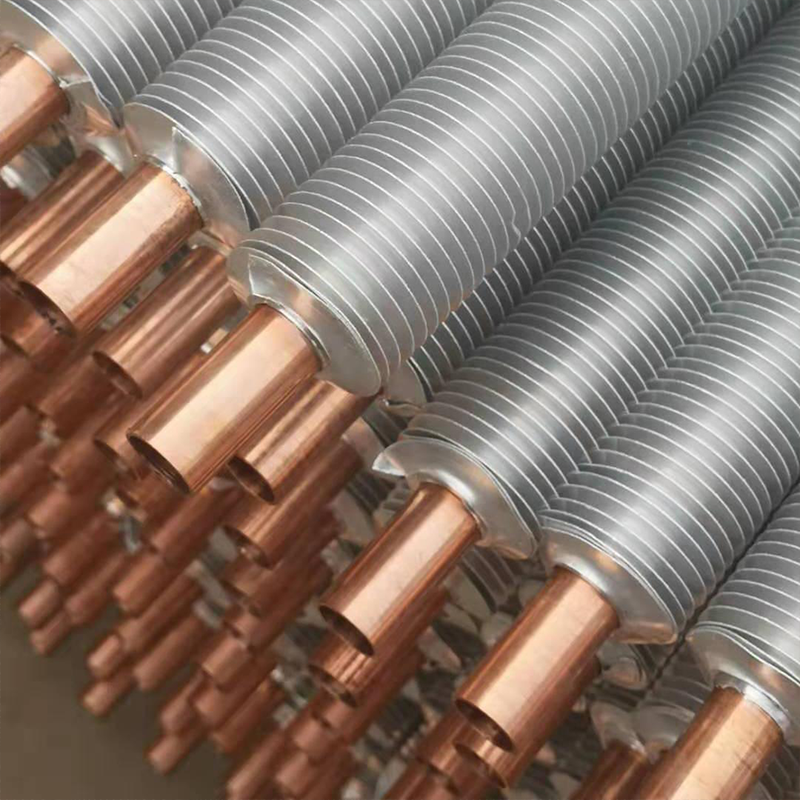
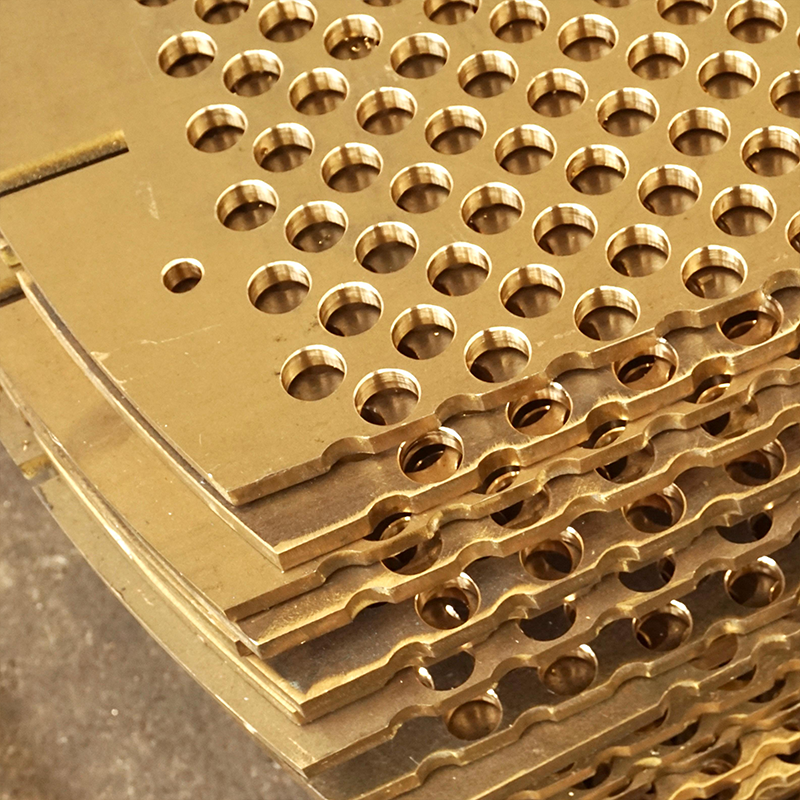
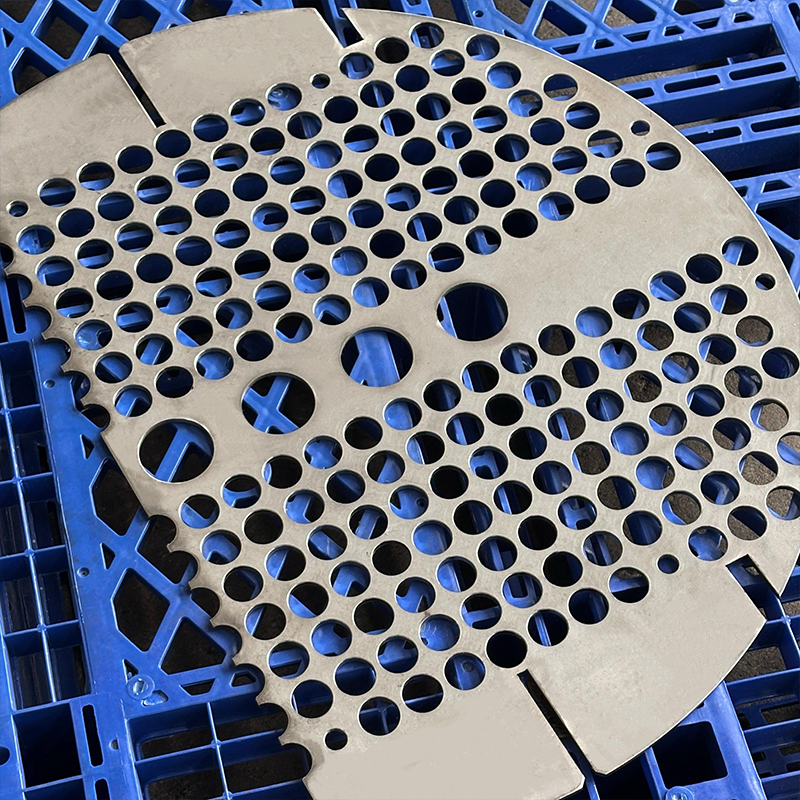
This company specializes in the design and manufacture of high-load systems including titanium shell-and-tube heat exchangers, ASME-standard units, corrugated tube bundles made from 316 stainless steel, C46400 marine brass, and nickel alloys (such as N06625). Their products, certified to stringent international PED and ASME standards, demonstrate exceptional corrosion resistance and the ability to operate under extreme pressures and temperatures. The same principles of engineering care and quality control are applied to the manufacture of auxiliary equipment such as polypropylene tanks.
The experience of Wuxi Kaisheng LLC in servicing the oil refining, petrochemical, seawater desalination and shipbuilding industries allows us to offer customers not just individual pieces of equipment, but comprehensive individual solutions. When you order a container from a manufacturer with a similar background, you get confidence that the material is selected taking into account real chemical processes, and the design is designed for decades of uninterrupted service, be it storing aggressive reagents or preparing process water.
Conclusion and next steps
Ordering polypropylene tanks is an investment in the reliability of your process. The correct choice of material, professional manufacturing and competent installation will ensure uninterrupted operation of the equipment for 10-15 years or more. Do not consider the container as a consumable item; This is a complex engineering product that requires an individual approach. The market is saturated with offers, but the quality varies enormously: the difference between a cheap garage tank and a certified industrial product appears not at the time of purchase, but after a year of operation.
We recommend starting cooperation with an audit of your current needs and operating conditions. Our engineers are ready to carry out a free preliminary calculation and offer the optimal configuration that balances price and reliability. Do not hesitate to ask uncomfortable questions to the supplier: his willingness to answer in detail and reasoned is the best indicator of competence.
If you are ready to move to the next step, contact our sales team for a detailed quote and technical advice. We will help you choose a solution that exactly suits your needs, be it storing aggressive reagents, food products or process water.Explore our catalog of standard polypropylene solutionsor request an individual project estimate right now.
Contact us today to discuss the details of your project and receive expert support from design to commissioning.