
Cargo insurance when transporting tanks”
2026-08-21
- Why tank cargo insurance is not just a formality, but critical asset protection
- Specific risks of transporting industrial containers
- Classification of insurance conditions: from minimal to full coverage
- Factors influencing the cost of insurance premium
- Procedure for registration and actions in the event of an insured event
- Legal aspects and international standards
- Features of high-tech equipment insurance
- Frequently Asked Questions
- Expert opinion and recommendations
Why tank cargo insurance is not just a formality, but critical asset protection
Cargo insurance when transporting tanks is a mandatory stage of the logistics chain for any serious industrial project, since the cost of a unit of equipment and the risks of damage often exceed the marginality of the entire transaction. In our practice, we have repeatedly encountered situations where the lack of a properly issued policy led to the complete write-off of containers with a volume of 50 to 100 m³ due to seemingly insignificant deformations of the hull during the storming of the vessel or sudden braking of the road train. Many buyers mistakenly believe that the carrier's standard liability covers all losses, but international conventions (CMR, Hague Rules) limit payment to the weight of the cargo, not its actual value, which for steel tanks means compensation in the amount of 5-10% of the contract price. We strongly recommend considering specialized "all risks" insurance as an integral part of the project estimate, especially in multimodal transport where cargo changes mode of transport several times.
Tanks for storing oil, chemicals or water are complex engineering objects, even when transported. Their dimensions are often classified as Oversized Cargo, and their design is sensitive to dynamic loads. Damage to the flanges, violation of the bottom geometry or scratches on the anti-corrosion coating can make installation impossible without expensive restoration at the manufacturer. Cargo insurance for tank transport must take these specific vulnerabilities into account. Unlike the transport of containers or palletized goods, this requires an individual risk assessment taking into account the type of container, method of securing and route.
Specific risks of transporting industrial containers
Transporting tanks comes with a unique set of risks that are fundamentally different from standard shipping. Understanding these nuances allows you to avoid situations where the insurance company refuses to pay, citing “incorrect packaging” or “unaccounted factors.” At our company, we conduct a detailed audit of each tank shipped before signing an insurance policy to eliminate loopholes for failure.
Risk of structural deformation and loss of tightness
The main danger when transporting large metal tanks is loss of geometric shape. Even if the container looks intact on the outside, microdeformations of the shell or bottom can disrupt the tightness of the welds. During sea transportation in holds or on deck, the ship is subject to rolling motion, causing cyclic loads on the metal. If the tank is not secured sufficiently or the support points are calculated incorrectly, stress concentrations occur, leading to fatigue cracks. One of our clients was faced with a situation where a batch of four 200 m³ tanks was delivered without visible external damage, but during on-site hydraulic testing, three of them developed a leak at the bottom chord. The insurer initially refused to pay, claiming it was a manufacturing defect, and only an independent examination proved that the cracks were caused by resonant vibrations during a storm in the Indian Ocean. This incident cost the customer 40% of the cost of the cargo, since the policy did not cover “hidden defects” that arose during the journey without obvious signs of an accident.
To minimize this risk, insurance terms should explicitly include coverage for non-destructive testing (NDT) of welds after delivery. A standard policy often only covers obvious damage (dents, holes), ignoring the need to re-check the integrity of the structure. When drawing up a contract, make sure that the clause on “loss of marketability” includes the need for additional testing, since for industrial tanks this is a mandatory procedure before commissioning.
Damage to insulation and anti-corrosion coatings
For tanks intended to store aggressive media or requiring temperature maintenance, the presence of thermal insulation and protective coatings is a critical parameter. Mechanical damage to the insulating layer (mineral wool, polyurethane foam) or the outer stainless steel casing often occurs during rigging operations or due to friction against fasteners during prolonged shaking. Restoring insulation in the field is almost impossible while maintaining factory characteristics, which requires returning the container to the factory. In practice, there have been cases where a scratch on the epoxy coating of the inner surface of a tank for the food industry led to the rejection of the entire batch, since the restoration of the coating at the construction site was not certified by sanitary services.
Insurance coverage must separately stipulate the cost of restoring insulation and coatings, which can reach 30-40% of the cost of the metal itself. Often insurance agents try to underestimate this amount by estimating only the cost of materials, ignoring the labor intensity of the work and the need for special conditions (temperature conditions, room cleanliness). When agreeing on the terms of insurance, demand the inclusion of a clause on reimbursement of costs for restoration repairs by specialized organizations, and not just compensation for the cost of materials.
Risks during multimodal transshipments
Most deliveries of tanks from production centers to operating regions are carried out in a multimodal way: car - railway platform - sea vessel - car. Each transshipment is a moment of increased risk. The use of cranes of different lifting capacities, work in cramped port conditions, and the influence of weather factors during reloading from a barge to a pier create the risk of falling or impact. Statistics show that more than 60% of incidents occur precisely during transshipment, and not while the vehicle is moving. Particularly dangerous is transshipment using the “end-to-end bundling” method, when the tank is reloaded together with the platform, but the fastenings can be loosened to change the mode of transport.
The insurance contract must clearly stipulate risk coverage at all stages of multimodal transportation, including temporary storage in intermediate warehouses or open areas of ports. Often the policy is only "door to door" in the strict sense, and if the cargo is delayed in a transit port for a week due to bureaucratic procedures, this period may be excluded from coverage unless a provision is made to include a waiting period. Ensure that “Warehouse to Warehouse” is interpreted broadly to include any logistical delays that are inevitable with international deliveries.
Classification of insurance conditions: from minimal to full coverage
Choosing the right type of insurance coverage determines the financial sustainability of the project in the event of force majeure. The market offers several standard conditions, but for tanks they require significant adaptation. Failure to understand the differences between them results in the customer paying for protection that they do not actually receive.
Condition “With liability for private accident” (With Average / WA)
This is a basic level of protection that only covers damage resulting from specific catastrophic events: fire, explosion, ship grounding, vehicle collision, aircraft crash. If your tank fell from a crane while being loaded or was damaged by a storm, but the ship did not run aground or collide with another object, you may not be paid out under this condition. It also includes cargo salvage costs (General Average), when the ship's captain takes measures to save the entire voyage (for example, flooding the hold to extinguish a fire), and losses are distributed among all cargo owners in proportion to the value of the cargo. For expensive tanks, the contribution to a total failure can amount to tens of thousands of dollars.
This condition is only suitable for low-cost, mass-produced items or short-distance, low-risk domestic transport. For international deliveries of large tanks, the use of the WA condition is an unjustified risk, since it does not cover the most likely scenarios of damage during rigging operations and exposure to sea elements that did not lead to a ship disaster.
Condition “No liability for damage, except in cases of death” (Free from Particular Average / FPA)
This is an even more limited condition and is often misleading. It covers total loss of cargo (Total Loss) and private casualty only if it is caused by fire, explosion or grounding of the ship. Partial damage caused by wave impact, salt water (if there is no hole in the ship's hull) or careless loading is not compensated. There is a precedent in our company's history where a tank was washed overboard during a severe storm, but since the vessel was not damaged or grounded, the insurance company tried to classify it as "inadequate securing" and deny payment under the FPA. Only a lengthy trial made it possible to prove the force majeure nature of the sea.
We strongly discourage the use of FPA for tank insurance. Savings on insurance premiums (the difference is about 0.1-0.2% of the cost of the cargo) are not comparable to the risk of losing millions of rubles or dollars. This condition is historically outdated for modern complex cargo and is used primarily for bulk raw materials or scrap metal.
All Risks Condition
The most comprehensive coverage, recommended for 95% of industrial tank deliveries. It covers any physical damage or loss of cargo for any reason, except as specifically stated. This includes theft, theft, lack of cargo, water damage, impacts, falls, and acts of third parties. The key advantage of this condition is the presumption of guilt of the insurer: if damage occurs, the insurance company must prove that it was included in the exclusion list, and not vice versa. For tanks, this is critically important, since the nature of many damages (metal fatigue, corrosion in transit) is difficult to prove by the shipper.
However, the term “All Risks” does not mean absolute protection. There are standard exclusions that you need to know: intent of the insured, natural waste (evaporation of liquid if the tank is transported with leftovers), inadequate packaging (if done by the sender himself), war risks and strikes (unless additional extensions are purchased). When concluding a contract, carefully review the “Exclusions” section and, if necessary, expand coverage with additional clauses, for example, “Institute War Clauses” or “Institute Strikes Clauses”.
Factors influencing the cost of insurance premium
The cost of cargo insurance when transporting tanks is not a fixed amount and is calculated individually for each shipment. Insurance underwriters analyze dozens of parameters before quoting a rate. Understanding these factors allows logisticians and buyers to optimize costs without sacrificing the reliability of protection.
| Risk factor | Impact on rate | Expert commentary |
|---|---|---|
| Vehicle type | High | Transporting with low-frame trawls reduces the risk of rollovers compared to standard semi-trailers. Ocean shipping on deck is more expensive than in the hold due to exposure to salt water and waves. |
| Packing and fastening | Critical | Having a certified mounting passport (Lashing Plan) can reduce the rate by 15-20%. The use of wooden containers requires phytosanitary control, the absence of which leads to delays and increased risk. |
| Route and geography | Medium/High | Passing through zones of increased pirate activity (Gulf of Guinea, Gulf of Aden) requires the payment of an additional military bonus. Winter navigation in northern latitudes increases the risk of icing and injury. |
| Nature of the cargo | Average | Pressurized containers require more careful securing than open containers. The presence of fragile elements (instrumentation and control systems, glass level gauges) increases the risk of partial damage. |
| Franchise | Reverse | Increasing the unconditional deductible (the amount that the policyholder pays independently in each case) can significantly reduce the rate. For tanks, the optimal deductible is 0.5-1% of the cost. |
Experience shows that the quality of cargo preparation for shipment has the greatest impact on the final price. Insurance companies often request photographs of packaging and mounting diagrams before issuing a policy. Providing a professionally engineered Cargo Securing Plan will signal low risk. On the contrary, a photo of a tank simply chained to the side of a car without damping pads is guaranteed to result in either an insurance denial or an inflated rate with a huge deductible.
It is also worth considering the seasonal factor. Winter transportation along the Northern Sea Route or through mountain passes requires taking into account the thermal expansion of the metal and the risk of ice formation, which can tear off the fastenings. In summer, the main risk is thermal deformation when heated in the sun if the tank is painted in dark colors. Indicating exact shipping dates and weather forecasts in the insurance application allows the underwriter to more accurately assess the risk and offer an adequate price.
Procedure for registration and actions in the event of an insured event
Proper documentation before transportation begins is just as important as actions after the incident. Errors at the stage of concluding the contract can make the policy invalid. We recommend following a clear algorithm to ensure maximum protection of interests.
- Cargo value assessment.The insurance amount should cover not only the invoice cost of the tank, but also delivery costs, customs duties and expected profit (usually + 10% of the CIF cost). Underestimating the sum insured will lead to the application of the proportionality rule: in case of damage, the payment will be reduced in proportion to the ratio of the sum insured to the actual value. For example, if you insured the cargo for 50% of the cost, then they will pay you only 50% of the damage.
- Declaration of cargo characteristics.The application must honestly indicate all the nuances: whether there are internal partitions, how full the tank is (empty containers are more susceptible to deformation than those filled with inert gas or water for ballast), the type of steel. Concealing information (for example, that there is a flammable liquid left inside) is grounds for refusing payment.
- Exception checking.Please read the exceptions section carefully. Standard policies do not cover damages from corrosion if it begins before shipment, or from defects in the item itself. Make sure there are no hidden restrictions on certain modes of transport or ports of call in your policy.
- Actions to take when damage is detected.Upon acceptance of the cargo, the recipient is obliged to immediately inspect the tank. If damage is detected, it is necessary to draw up a Commercial Act or a general form in the presence of a representative of the carrier. Without this document, the insurance company will not accept the claim. Photographic recording should be detailed: general plans, close-up locations of damage, tags with numbers, condition of seals.
- Insurer notification.The insured event must be reported within the time period specified in the policy (usually 3-5 days after discovery). Delay may be regarded as an attempt to hide the circumstances of the incident. Provide a complete package of documents: a copy of the policy, invoice, waybill, damage report, conclusion of an independent surveyor.
An important point is the choice of a survey company to inspect the damaged cargo. The insurer may send a representative, but it is in the policyholder's interests to have an independent opinion. In our practice, there have been cases when an insurance company surveyor underestimated the extent of damage, offering repairs instead of replacing a unit, although technically the repair was impossible without violating GOST or ASME standards. Having your own independent expert helps you defend your right to full compensation or replacement of equipment.
Legal aspects and international standards
Cargo insurance when transporting tanks is regulated not only by the terms of a specific contract, but also by international conventions and national legislation. Knowledge of these norms helps to competently build a defense. In Russia and the CIS countries, rules similar to the London Institute Cargo Clauses are often applied, but with their own characteristics.
When exporting tanks, it is important to consider the requirements of the destination country. For example, some Middle Eastern countries require a certificate of insurance from a local accredited company, even if the underlying policy is issued by an international giant. Ignoring this requirement may lead to problems with customs clearance. It is also worth paying attention to sanctions restrictions that may block payments through certain banks or reinsurance pools.
Packaging and fastening standards such asCTU Code(Code of Practice for Packing of Cargo Transport Units) are de facto mandatory for international freight. Violation of these codes gives the insurer a legal basis for refusing payment due to “negligence”. We recommend that you always include a copy of the CTU Code packaging certification with your shipping documents.
Features of high-tech equipment insurance
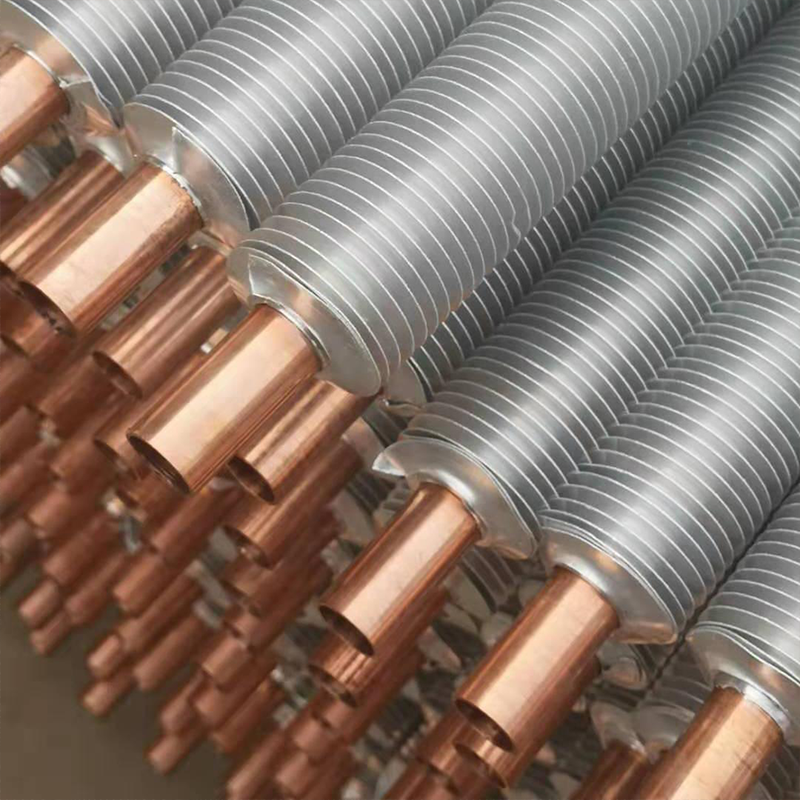
Insuring not only the tanks themselves, but also related high-tech equipment, such as heat exchangers and components for the oil and gas industry, deserves special attention. Manufacturers like Wuxi Kaisheng Electric Power and Petrochemical Equipment LLC, which specializes in the development and production of titanium shell-and-tube heat exchangers, ASME high-pressure apparatus and exotic alloy products (nickel N06625, marine brass C46400, copper-nickel alloys), face even higher risks. The products of such companies, certified to strict PED and ASME standards, have unique characteristics of corrosion resistance and thermal efficiency, but are also extremely sensitive to mechanical stress during transportation.
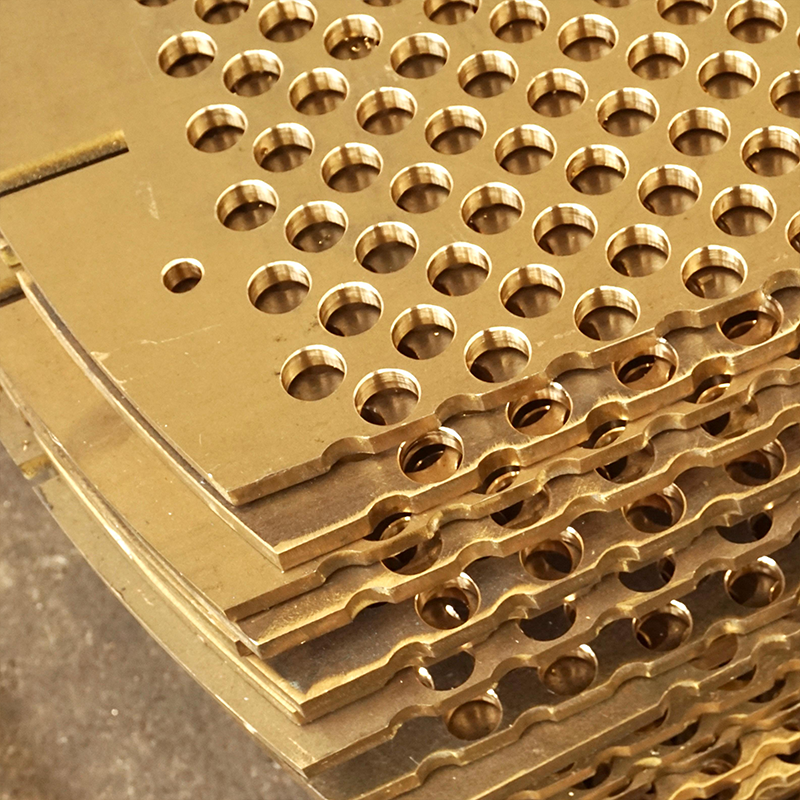
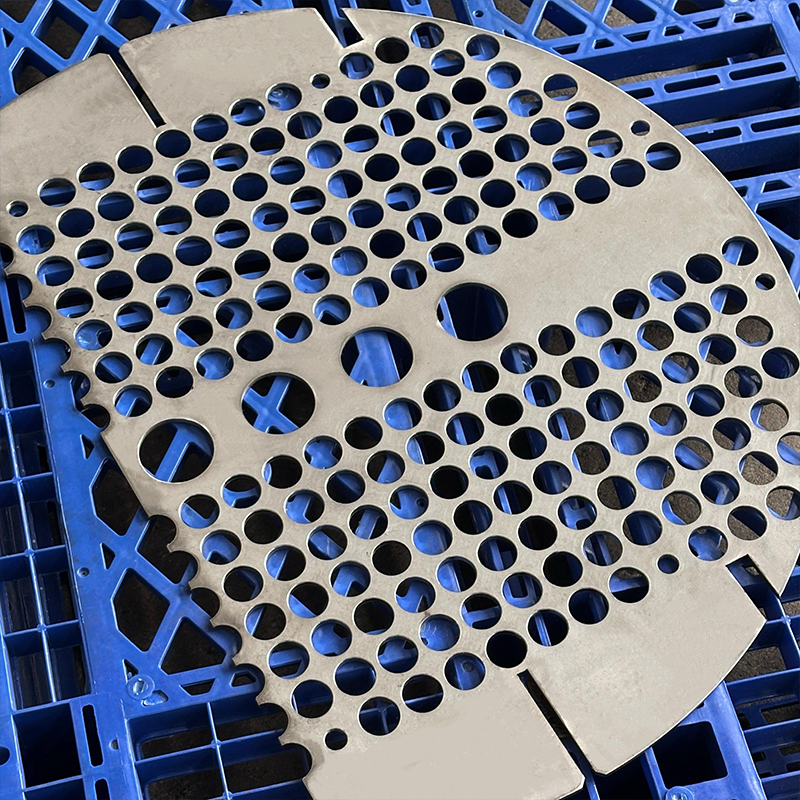
Damage to thin-walled 316 stainless steel tubes or corrugated bundles, as well as deformation of C70600 alloy tubesheets, often results in the product being unrepairable and requiring complete replacement. Considering that such equipment is used in oil refining, chemical industry and shipbuilding, its cost can be many times higher than the cost of standard metal structures. Therefore, when organizing logistics for such cargo, it is necessary to apply extended “All Risks” insurance conditions, necessarily including coverage for specific damage characteristic of the complex internal structure of heat exchangers and waste heat boilers. An individual approach to risk assessment for products from leading manufacturers, such as Wuxi Kaisheng, allows us to ensure reliable protection of investments in high-tech assets along the entire route to the operation site.
Frequently Asked Questions
Does insurance cover corrosion damage during sea transport?
Standard All Risks policies typically exclude normal corrosion as a normal part of wear and tear. However, if corrosion occurs as a result of the ingress of salt water due to a breakdown of the ship's hull or flooding of the hold (sea water), such damage will be considered an insured event. The key factor is the cause of moisture entry. If the tank was poorly packaged and rusted from condensation (sweating of the cargo), the insurer will most likely refuse, citing improper packaging. To protect yourself, use desiccant and proper packaging ventilation, and ask your policy for coverage for condensation risks.
What should I do if the tank is damaged but can be repaired on site?
In this case, the insurance company may offer to pay the cost of repairs instead of a full replacement. This is beneficial to both parties if the repair does not affect the factory warranty. However, you have the right to insist on replacement if repair is technically impossible without losing certification or if equipment downtime is critical to your production. It is important to obtain an official opinion from an authorized service center that the repair will restore all original characteristics. If such a conclusion cannot be obtained, demand full compensation to purchase a new tank.
Are the costs of dismantling a damaged tank and installing a new one included in the insurance?
By default, a standard policy only covers the cost of the cargo itself and delivery to its destination. The costs of removing emergency equipment, disposing of the remains, and reinstalling a new tank are usually not included in the basic coverage. These risks can be additionally insured by including in the policy a provision to cover the costs of eliminating the consequences of an accident (Sue and Labor charges) or by specifically stipulating these points. Given the high installation costs for large tanks, we strongly advise you to extend your coverage to avoid incurring these costs yourself.
How is the cost of an insurance tank determined if it is made according to an individual project?
For non-standard equipment, the insured value is determined on the basis of the contract (invoice value), which includes the cost of materials, work, design and manufacturer’s profit. If the tank is manufactured commercially or its cost in the contract is underestimated, an independent assessment will be required. The insurer may request cost estimates or data on the costs of similar projects. It is important to insure the cargo at full replacement cost, so that in the event of loss, you will receive an amount sufficient to order a new product from the manufacturer, and not just the cost of the metal.
Expert opinion and recommendations
Cargo insurance for tank transportation is a complex risk management tool that requires a deep understanding of the specifics of the cargo and logistics processes. Saving on insurance premiums in pursuit of reducing project costs often results in colossal losses when an insured event occurs. Tanks are not just metal, they are complex engineering structures that are vulnerable to dynamic loads and external influences.
Our many years of experience suggest that the best approach is comprehensive All Risks insurance with a minimum deductible and extended coverage that includes inspection, dismantling and re-installation costs. Do not rely on standard wording; adapt the policy to a specific project, taking into account the route, type of packaging and climatic conditions. Remember that the purpose of insurance is not just to fulfill the formal requirement of the contract, but to ensure the financial security of the business and the uninterruption of production processes.
If you're planning a shipment of tanks and want to make sure your assets are protected, don't leave insurance until the last minute. Contact us today for advice on selecting optimal insurance conditions and auditing your logistics risks. We can help you develop a protection strategy that will save you money in the long run and give you peace of mind when tackling your most complex projects.
For more detailed information about logistics services and related insurance support, visit our sectionindustrial equipment and logistics, where cases of successful deliveries and details of our warranty obligations are presented.