
Customs clearance of imported PP pipes”
2026-08-21
- Why customs clearance of imported PP pipes is a critical step for your business
- Classification of PP pipes according to the HS: where 80% of mistakes are made
- Permitting documentation: EAC, SGR and nuances of 2026
- Financial risks: currency control and customs value
- Logistics and physical inspection: what to expect at a temporary storage warehouse
- Step-by-step algorithm for successfully importing PP pipes
- Integration of components: from PP pipes to high-tech heat exchange equipment
- Frequently Asked Questions
- Conclusion: Invest in reliability, not savings on matches.
Why customs clearance of imported PP pipes is a critical step for your business
Customs clearance of imported PP pipes takes from 3 to 7 days with an ideal package of documents, but can take months due to one error in the HS code. In our practice, we saw how a batch of polypropylene pipes worth 45,000 euros stood idle in a temporary storage warehouse in St. Petersburg for 42 days only because the declarant indicated the wrong additive material in column 31 of the declaration. Polypropylene (PP) is not just plastic; This is a strategic raw material for water supply, sewerage and industrial pipelines, which is subject to the strict control of technical regulation of the EAEU.
When you import PP pipes from China, Turkey or EU countries to Russia, you are faced with a triple filter: technical compliance (EAC), sanitary safety and correct classification. An error at any of these stages leads to fines of up to 50% of the value of the goods, their confiscation or forced return to the exporter. We have been working in industrial materials logistics for over 15 years and know that a “cheap customs broker” often costs more than a professional service due to hidden storage costs and production downtime.
In this article we will analyze real cases, figures and a step-by-step algorithm of actions that will allow you to go through customs without any questions. You will learn why code 3917 21 000 0 requires special attention, how to obtain a certificate of conformity in 5 days instead of two weeks, and what documents the Federal Customs Service requests in 2026. If you are planning to purchase a batch of PP pipes right now, this information will save you budget and nerves.
Classification of PP pipes according to the HS: where 80% of mistakes are made
Incorrect choice of HS code is the main reason for delays in the procedurecustoms clearance of imported PP pipes. Many importers automatically enter code 3917 (Pipes, hoses and fittings made of plastics) without going into the chemical composition of the polymer. However, customs requires differentiation between polypropylene (PP), polyethylene (PE) and PVC. For polypropylene pipes the main code is3917 21 000 0(Pipes made of propylene polymers).
The problem occurs when the pipe has a multi-layer structure. For example, PP-R/AL/PP-R (polypropylene-aluminum-polypropylene) reinforced pipes are often classified as aluminum or mixed materials. In our practice, there was a case where a client brought a shipment of reinforced pipes and declared them as “composite products”, trying to avoid the increased attention of phytosanitary control characteristic of pure plastic. The customs laboratory conducted an examination, determined that the bulk of the mass was polypropylene, and reclassified the cargo. Result: additional payments, a fine for false declarations and a simple installation line at the customer’s plant.
Code 3917 21 000 0 means that the product is made primarily from propylene polymers. Even if there is an aluminum layer with a thickness of 0.2 mm inside, the classification remains in group 39 if the aluminum serves only the function of reinforcement and not a load-bearing structure. It is also important to distinguish between pipes for pressure systems and cable corrugations. Corrugated PP pipes often fall into the code 3917 39 000 0, which changes the duty rate and the list of required permits.
The import duty rate for code 3917 21 000 0 from countries that do not have most favored nation treatment (for example, some shipments from China without a Form A certificate of origin) can be as high as 6.5%, plus 20% VAT. There is no duty for EAEU countries, but confirmation of origin is required. We recommend that you always order an Advance Classification Decision (ACR) from Customs before shipping a large shipment. This is a paid service that takes up to 30 days, but it protects you from border disputes.
Check the specifications from the manufacturer. The type of polymer must be clearly indicated there: PP-H (homopolymer), PP-B (block copolymer) or PP-R (random copolymer). For drinking water supply, only PP-R is used. If the invoice simply says “Plastic pipes,” customs has the right to request additional tests. Do not rely on the assurances of the plant manager in China - ask for a chemical analysis of the batch.
Permitting documentation: EAC, SGR and nuances of 2026
Without the correct certificate packagecustoms clearance of imported PP pipesimpossible. In 2026, the requirements of the Technical Regulations of the Customs Union became more stringent, especially in terms of environmental safety and fire resistance. The minimum set of documents includes a Declaration of Conformity with TR CU 010/2011 “On the Safety of Machinery and Equipment” (for industrial pipes) or TR CU 032/2013 (for equipment operating under excess pressure), as well as a Certificate of State Registration (SGR) from Rospotrebnadzor, if the pipes are in contact with drinking water.
Certification according to TR TS 010/2011 is mandatory for all pipes used in utility networks of buildings and industrial facilities. This document confirms that the pipe will withstand the declared pressure and temperature. The certification scheme often requires an expert to visit production (if the plant is in China) or analyze the state of production. One of our clients encountered a problem: a plant in Zhejiang province refused to let in an auditor from a Russian certification body, citing internal rules. We had to change the scheme from “serial release” to “batch”, which limited the validity of the declaration to the expiration date of one shipment and increased the cost of processing each new batch in the future.
For pipes intended to transport drinking water, the SGR (Certificate of State Registration) is critical. It confirms that PP material does not release toxic substances (phenol, formaldehyde, heavy metals) into water. Laboratory tests are carried out according to methods approved in the Russian Federation. Often Chinese manufacturers provide SGS or ISO tests, which customs do not accept as a replacement for SGR. The process of obtaining the SGR takes from 14 to 25 working days. During this time, the cargo will remain in the temporary storage warehouse, accumulating daily expenses.
Also, the fire certificate (Fire Safety Declaration) cannot be ignored. PP pipes belong to flammable materials (flammability group G2-G4 depending on the addition of fire retardants). When constructing public buildings and shopping centers, the presence of this document is mandatory. The absence of a fire hazard class marking on the pipe or packaging itself is grounds for refusal of release.
We advise you to begin the certification process even before the goods are shipped from the exporting country. Samples can be sent by courier service in advance so that when the container arrives you will already have a draft declaration. This will reduce the time spent in customs from weeks to days. Remember: test reports are valid only if they are issued by an accredited laboratory in the RosAccreditation register.
Financial risks: currency control and customs value
Customs value is the foundation on which to buildcustoms clearance of imported PP pipes. FCS inspectors have access to the price database (BIT) and instantly see if your price is below the industry average by more than 20%. PP pipes are a mass product, and average prices for them are well known. If you declare a price of $0.8 per linear meter when the market price is $1.5, customs will automatically apply the customs value adjustment method (CVA).
An adjustment means that you will either have to prove the validity of the low price (provide competitor price lists, explanatory letters from the factory, evidence of dumping), or pay the difference in duties and taxes, plus a fine. In 2025-2026, practice shows that customs is increasingly using the “transaction price for identical goods” method, ignoring your unique contract terms. We encountered a situation where a client bought a batch of pipes on a promotional basis due to the closure of a line from the manufacturer, but customs refused to accept this reason, since BIT did not have similar promotions.
Currency control is the second front of defense. The bank will request a contract, invoice, acceptance certificate and customs declaration to confirm the transfer amount. If the contract specifies EXW (pickup) delivery terms, and you pay separately for delivery to another service provider, customs may require that transport costs to the EAEU border be included in the customs value. This will increase the base for calculating VAT and duties. An error in calculating logistics costs in the declaration leads to underpayment of taxes.
Pay special attention to the terms of payment. 100% prepayment before shipment for a new counterparty in China raises questions for banking compliance. It is recommended to use a letter of credit or pay upon delivery of copies of shipping documents. Also check if there are companies in the supply chain that are subject to sanctions lists. Even if the pipes were produced in a neutral country, the participation of a sanctioned bank in the transaction may block payment and freeze the cargo.
Always budget for a reserve of 10-15% of the cost of the product in case of CTS and additional payments. It is better to return the unspent reserve than to urgently look for money to release the cargo. Use the services of a customs representative who is willing to bear joint responsibility for payment of payments - this is a marker of reliability for the inspector.
| Comparison parameter | Standard Procedure (Do it yourself) | Professional support |
|---|---|---|
| Release date | 7–14 days (high risk of TSC) | 1–3 days (subject to preliminary verification) |
| Price adjustment risk | High (up to 40% of batches) | Minimum (pre-classification) |
| Registration of certificates | 20-30 days (after arrival) | In parallel with delivery (in advance) |
| Cost of mistakes | Fines + storage + downtime | Fixed fee |
| Responsibility | Completely on the importer | Solidarity with the broker |
Logistics and physical inspection: what to expect at a temporary storage warehouse
Physical inspection is the most unpleasant stage that all importers fear. When importing PP pipes, customs often imposes a 100% inspection, since it is visually difficult to distinguish high-quality food-grade polypropylene from technical secondary raw materials. The inspector opens the packaging, takes samples and checks the markings on the pipes with the data in the declaration. If “PN20” is stamped on the pipe, and “PN25” is indicated in the declaration, production is suspended until the circumstances are clarified.
In our practice, there was a case when a batch of pipes arrived in soft packaging (stretch film) instead of cardboard boxes, as indicated in the invoice. The plant decided to save on packaging, but for customs this was a signal of a possible substitution of the product. The cargo was sent to a temporary storage warehouse (TSW) for detailed inspection. The costs of loading and unloading (LOW) and storage amounted to 15% of the cost of the shipment. In addition, the soft packaging caused the pipes to deform when stacked, and some of the product had to be disposed of.
The marking must be clear, indelible and contain: manufacturer's name, material type (PP-R, PP-H), size (diameter x wall thickness), operating pressure (PN), standard number (GOST or ISO) and production date. The absence of any of these positions is a violation of technical regulations. Chinese manufacturers sometimes apply markings with paint, which is erased by friction. Request laser engraving or relief embossing.
During the inspection, samples may be taken for the laboratory. Examination of the material costs money and time (up to 10 days). If the result shows a discrepancy (for example, the presence of prohibited plasticizers), the goods are subject to re-export or destruction. To minimize risks, ask the factory for a video of the packaging and shipping process, where you can see the labeling and condition of the goods. This will help in a dispute with customs if there is a disagreement on quantity or quality.
The choice of temporary storage warehouse is also important. Not all warehouses are equipped to store long cargo. Pipes 4 meters long require special racks or platforms. Placement in an unsuitable warehouse will result in pipes breaking when moved with a forklift. Check with your broker which temporary storage warehouse your cargo will go to, and make sure that there are conditions for careful storage of plastic products.
Step-by-step algorithm for successfully importing PP pipes
Tocustoms clearance of imported PP pipeswent smoothly, follow this proven algorithm. Every step is critical, and skipping any one of them creates a bottleneck.
- Preliminary audit of the supplier and product.Request from the plant a complete package of technical documents: quality certificate, drawings, ISO 9001 certificates. Check the HS code with the broker. Make sure that the material meets the requirements of the CU TR.Error:Rely only on the description in the Alibaba catalog. Actual composition may vary.
- Preparation of permitting documentation.Begin the certification process prior to shipment. Send samples to an accredited laboratory in the Russian Federation. Receive a draft declaration or SGR. This will allow you to submit documents to customs immediately after the cargo arrives.Tip:Use an electronic digital signature (EDS) to speed up the exchange of documents with the certification body.
- Control of shipment and packaging.Hire an independent inspector (such as SGS or Bureau Veritas) to inspect the goods at the factory before loading into the container. The inspector will check the quantity, labeling, absence of damage and compliance of the packaging with the contract. The inspector's photo report is your main evidence in case of claims.Important:Make sure the wooden pallets are IPPC (Pest Control) marked, otherwise customs will require fumigation.
- Customs declaration.Submit the declaration (DT) in advance, if possible (within 10 days before the arrival of the transport). Indicate the exact customs value, including all costs to the border. Attach all certificates and contracts electronically. Pay duties and VAT before the goods are released.Nuance:Monitor the status of the declaration in the personal account of the foreign trade participant every 2 hours.
- Release and post-customs control.After receiving the “Release Authorized” status, arrange fast delivery to your warehouse. Keep all documents for 3 years (statute of limitations for customs inspections). Be prepared for the fact that customs may come with an on-site inspection in six months to check the actual use of the goods.Caution:Do not sell the product until it is fully released, even if it is physically in your warehouse.
Integration of components: from PP pipes to high-tech heat exchange equipment
Successful import of PP pipes is just the first step in creating complex engineering systems. Polypropylene pipes often serve as part of large-scale infrastructure projects in oil refining, petrochemicals and energy, where the requirements for reliability and corrosion resistance increase many times over. This is where not only plastic lines play a key role, but also high-tech metal equipment such as heat exchangers and waste heat boilers.
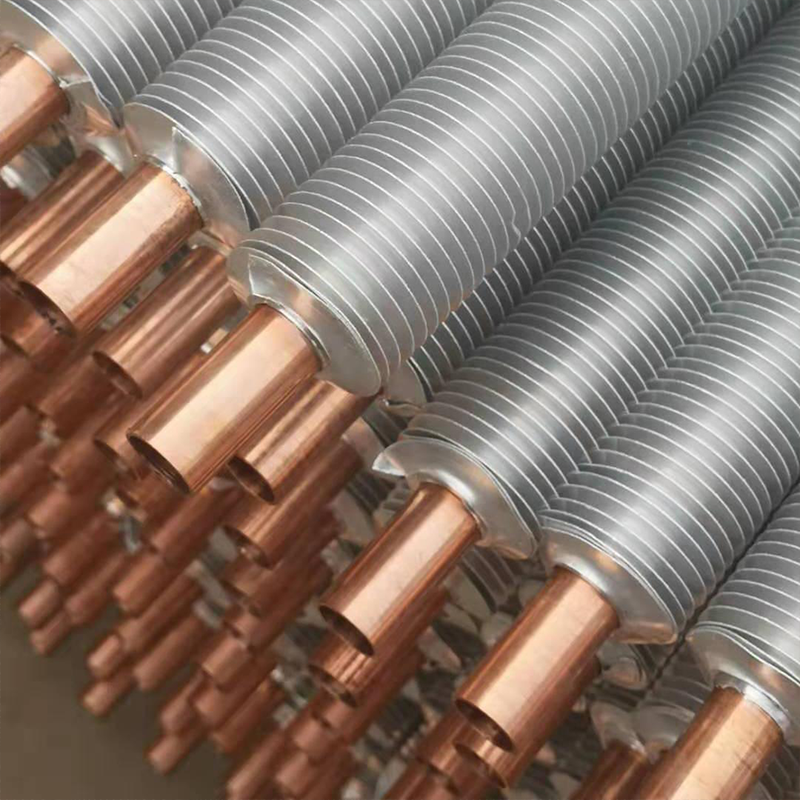
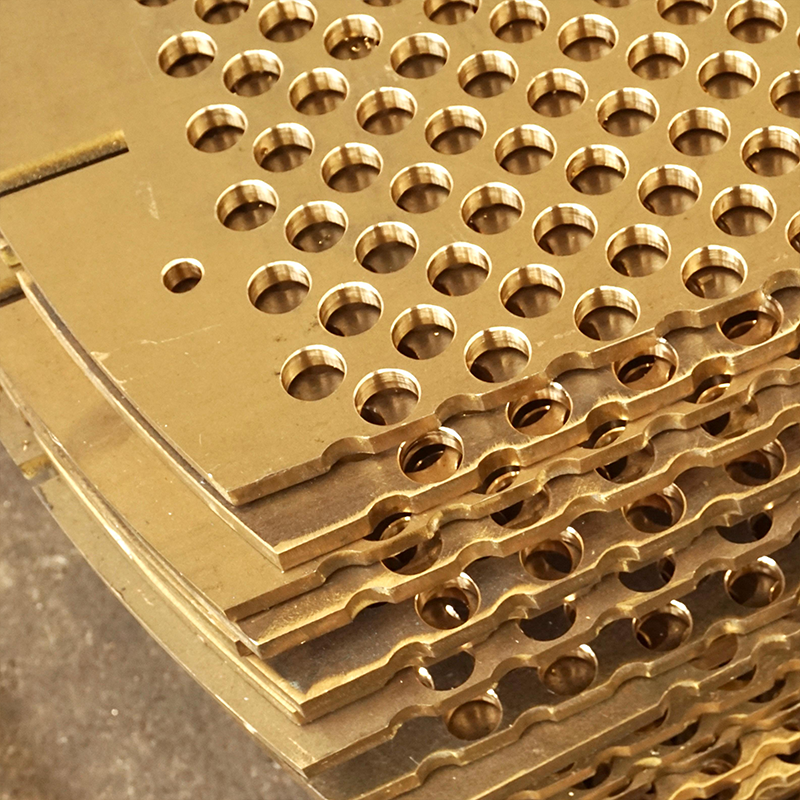
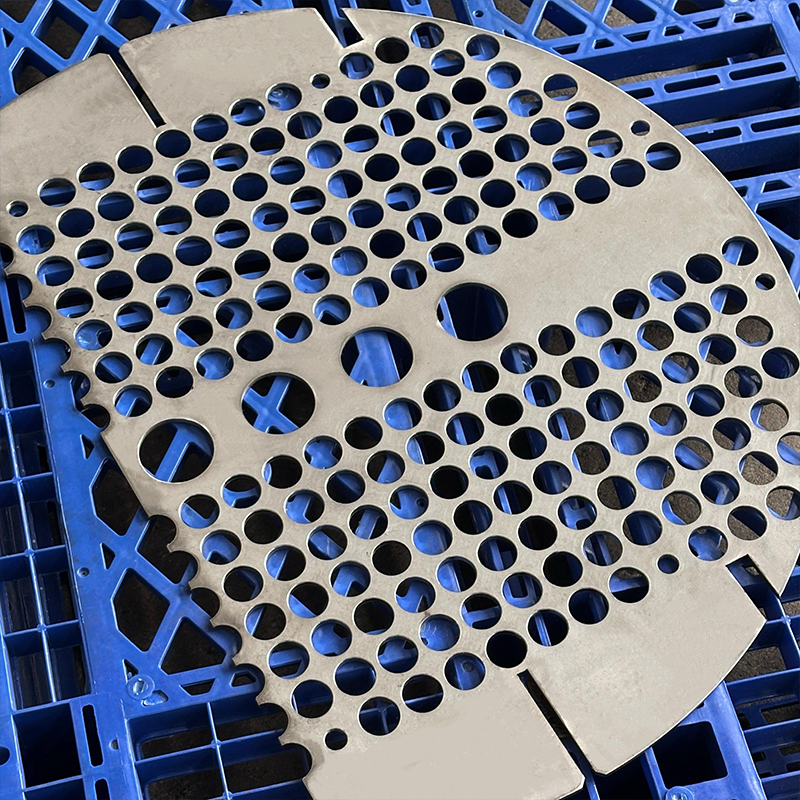
For example, a companyWuxi Kaisheng Electric Power and Petrochemical Equipment Co., Ltd.specializes in the development and production of just these critical components. Their products, which include titanium shell-and-tube heat exchangers, ASME high-pressure heat exchangers, and corrugated tube bundles made from 316 stainless steel, C46400 marine brass, or N06625 nickel alloys, are widely used in the same industries that use PP tubing. Wuxi Kaisheng's PED and ASME certified products offer exceptional resistance to high pressures, temperatures and corrosive environments, making them an ideal complement to modern piping systems.
Experience working with similar manufacturers shows that the quality of raw materials and components directly affects the complexity of customs clearance. Reliable suppliers, such as Wuxi Kaisheng, who provide complete packages of technical documentation and quality certificates at the shipment stage, significantly simplify the customs clearance procedure for the entire range of supplied equipment. Whether you are importing simple PP pipes or complex heat exchanger bundles made of copper-nickel alloys like C70600, the principle remains the same: thorough documentation and verified quality are your best assets at the border.
Frequently Asked Questions
What HS code should I use for polypropylene pipes?
Main Code −3917 21 000 0. It is used for pipes made of propylene polymers. If the pipe is reinforced with aluminum, but the main material remains polypropylene, the code does not change. For corrugated pipes, use 3917 39 000 0. Always check the specifications in the EAEU HS database before submitting the declaration.
How long does it take to obtain an EAC certificate for pipes?
The standard period is from 10 to 20 working days. If an analysis of the state of production is required (travel to a factory in China), the period increases to 30-40 days. To speed up the process, you can issue a declaration for the shipment if you are importing goods one-time, but this is not economically viable for regular deliveries.
Is it possible to import PP pipes without markings in Russian?
No, this is a direct violation of the Technical Regulations TR CU 010/2011. The labeling must contain information in Russian: product name, parameters, manufacturer’s data, EAC mark. The absence of Russian markings leads to a refusal of release and an order to apply the markings at the importer’s expense in a temporary storage warehouse, which is very expensive.
What to do if customs has underestimated the value of the goods?
If customs considers your price to be too low, they will issue a Customs Value Adjustment Decision (CVAD). You can agree and pay extra, or provide additional documents proving the reality of the price (correspondence with the factory, price lists, freight, insurance). In controversial cases, it is worth contacting the customs representative to draw up a reasoned objection.
Do I need a phytosanitary certificate for plastic pipes?
Not on the pipes themselves. But if they are packed in wooden containers (pallets, boxes), then the wood requires a phytosanitary certificate or IPPC marking. Failure to process the wood will result in the cargo not being allowed into the territory of the EAEU or sent for fumigation at your expense.
Conclusion: Invest in reliability, not savings on matches.
Importing industrial goods is a marathon, not a sprint. An attempt to save on customs clearance by choosing the cheapest broker or underestimating the cost in the declaration is almost guaranteed to lead to losses many times greater than the amount saved.Customs clearance of imported PP pipesrequires deep knowledge of the specifics of the material, EAEU legislation and logistics nuances.
We have seen too many examples where “optimization” resulted in months of construction downtime and loss of reputation with end customers. A professional approach that includes pre-grading, early certification and transparent pricing is the only way to last. In 2026, the market does not forgive amateurism.
If you are planning to supply a batch of PP pipes or complex heat transfer equipment and want to avoid risks, contact our experts to audit your foreign economic activity. We will help you calculate the exact cost of imports, taking into account all payments, and select the optimal certification scheme.Customs clearance services for industrial cargoavailable to order right now. Don't let bureaucracy slow down your business - trust the professionals.